A High End Paris Travel Guide to 10 Things to Do in Paris, France luxury travel guide, and the best things
A High End Paris Travel Guide to 10 Things to Do, crafted for a high-end stay in Paris
This thing to do in Paris, France luxury travel guide is designed for travellers who prefer to discover the city with confidence: less queueing, more meaning, and a rhythm that feels personal. If you’re planning a stay in Paris for a milestone, a first trip, or simply because some places on earth call you back, this curated list offers the best experiences, with a warm, reassuring frame.
Before we go deeper into each highlight, here are the 10 things that shape a high-end Paris bucket list—each one a beautiful way to see the city without feeling you must see as much as possible in a single rush.
- Eiffel Tower summit access and skyline moments.
- Arc de Triomphe views and a polished stroll down the Champs-Élysées.
- A private Louvre museum experience to uncover famous works without overwhelm.
- Another top museum pairing: Musée d’Orsay for impressionist and post-impressionist favourites.
- Montmartre with a private art walk through ateliers and hidden galleries.
- A chic evening in Le Marais with Michelin-level dining.
- Along the Seine on a luxury dinner cruise with illuminated Paris sights.
- A respectful visit near the cathedral setting of Notre-Dame.
- A day trip from Paris to the Palace of Versailles for royal scale and splendour.
- An elegant night at Palais Garnier opera house—Paris at its most poised.
Best time to visit and how to design a calm rhythm
Your best time to visit is spring (April to June) or early autumn (September to November). These months bring mild weather, softer light for photography, and fewer pinch-points at major attractions—especially helpful when you want a crafted, seamless feeling rather than a busy checklist. For many guests, a first morning in a Paris cafe sets the tone: unhurried coffee, a warm croissant, and the confidence of knowing your day is already designed.
If you plan to visit Paris in peak summer, it can still feel effortless with expert planning: early timed entries, a private driver during the hottest hours, and late-afternoon museum slots when crowds thin.
Practical foundations for a high-end stay
Knowing the way to get around Paris makes everything smoother. The Paris Métro is efficient and safe for most routes; licensed taxis and rideshare apps are ideal when you’re dressed for dinner or carrying shopping. And sometimes the best way to see the city is simply to stroll: a gentle walk from a boutique address to the river can be more memorable than another monument.
On tickets and value, museum entry fees typically range from €15 to €30. If you’re planning multiple Paris museums in a short window, a Paris pass may make sense, including the Go City Paris Pass for certain travellers—though private guided touring often comes with its own fast-track arrangements. Timed-entry systems are now the norm, so booking ahead is essential.
Finally, cultural confidence: a simple “Bonjour” in shops and cafés goes a long way, and being vigilant in crowded areas helps you stay relaxed. Many high-end travellers lean on concierge support—especially from boutique hotels in Paris—for trusted drivers, dinner reservations, and discreet guidance. If you’d like to explore options beyond the city, browse our Trip gallery for curated journeys that make it easy to go to France with calm assurance.
Eiffel Tower summit exclusive access and Arc de Triomphe views of Paris with an iconic stroll
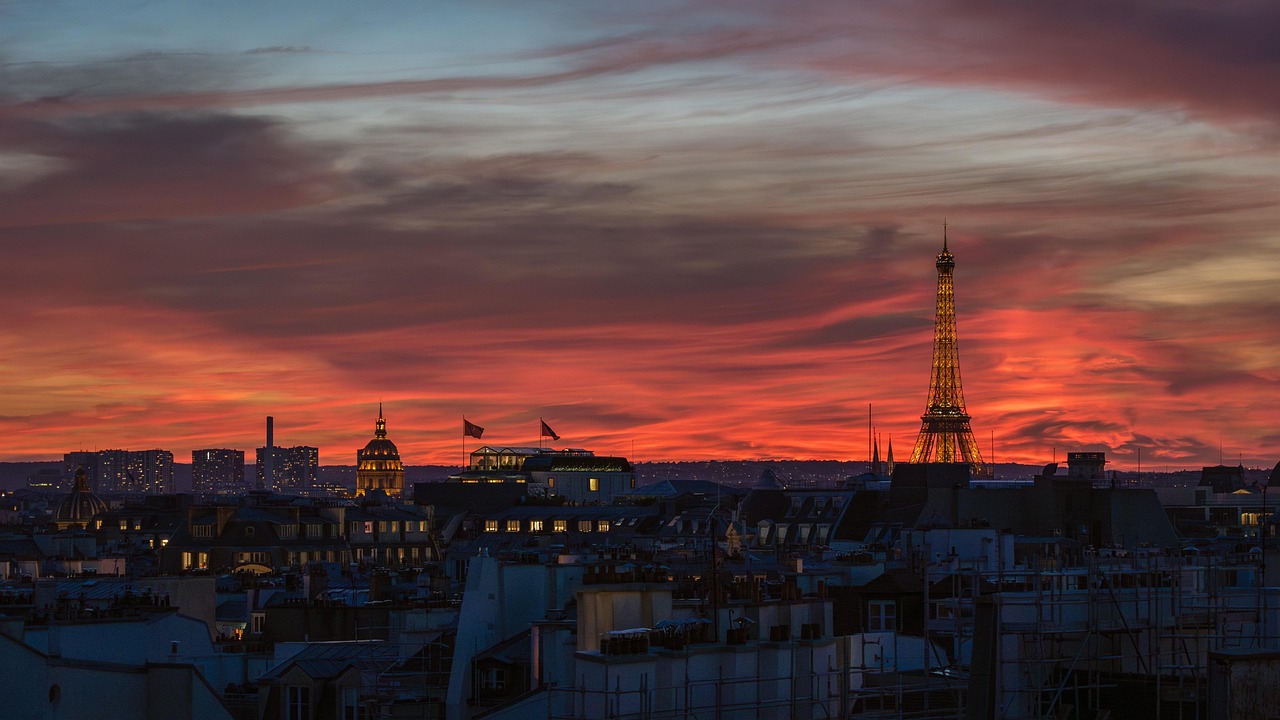
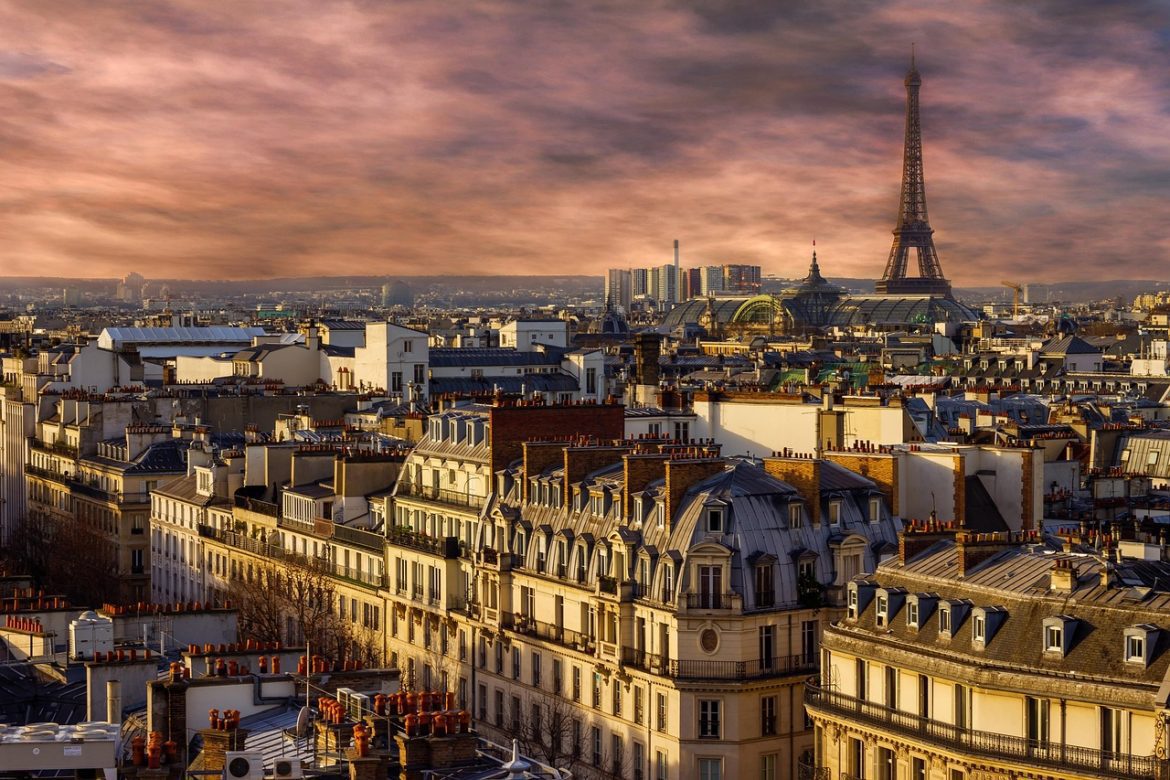
Eiffel Tower Views and the Arc de Triomphe from the Top, a classic Paris skyline moment
For many travellers, Eiffel Tower summit exclusive access and Arc de Triomphe views of Paris is the ultimate first-day pairing: two iconic panoramas, designed back-to-back with time to breathe. Think of it as a gentle ascent into Paris rather than a sprint—one polished afternoon that gives you both intimacy and scale.
Eiffel Tower planning for the top floor
Visiting the Eiffel Tower is easier when you book ahead, particularly if your priority is the top. Most guests prefer the elevator to the top for comfort and time-efficiency, while the steps to the top can be a charming challenge for those who like a physical sense of arrival. Either way, you’ll want a timed slot, photo ID if required, and a little patience at security.
At the top floor, the air feels brighter, and the geometry of Paris becomes clear: boulevards like ribbons, the river like silk. For views of Paris that feel cinematic, aim for late afternoon and stay through dusk. It’s also the perfect moment to see the Eiffel Tower sparkle later—on the hour after nightfall—when the city feels like it’s quietly celebrating you back.
When you want those postcard angles—true views of the Eiffel Tower—consider Trocadéro at sunrise, or the Champ de Mars just before sunset. These spots are popular, but with the right timing, they still feel personal.
Visit the Arc de Triomphe and Place de la Concorde
To visit the Arc de Triomphe, reserve timed entry and arrive slightly early. The climb rewards you with the top of the arc, where the avenues radiate in perfect symmetry—one of the clearest views over Paris. Inside, pause for the tomb of the unknown soldier; it’s a moving, quiet reminder that the heart of Paris holds both grandeur and gravity.
From here, let the Champs-Élysées carry you towards Place de la Concorde. It’s a refined route for designer storefronts, a well-placed cafe stop, and a “just one more block” kind of stroll that feels effortless.
Luxury pacing tip: begin with a late breakfast near your hotel, visit the Eiffel Tower with pre-booked access, and then switch to a private driver for the Arc. Those seamless transitions create space for what matters: your own attention, unhurried.
Louvre museum private guided tour
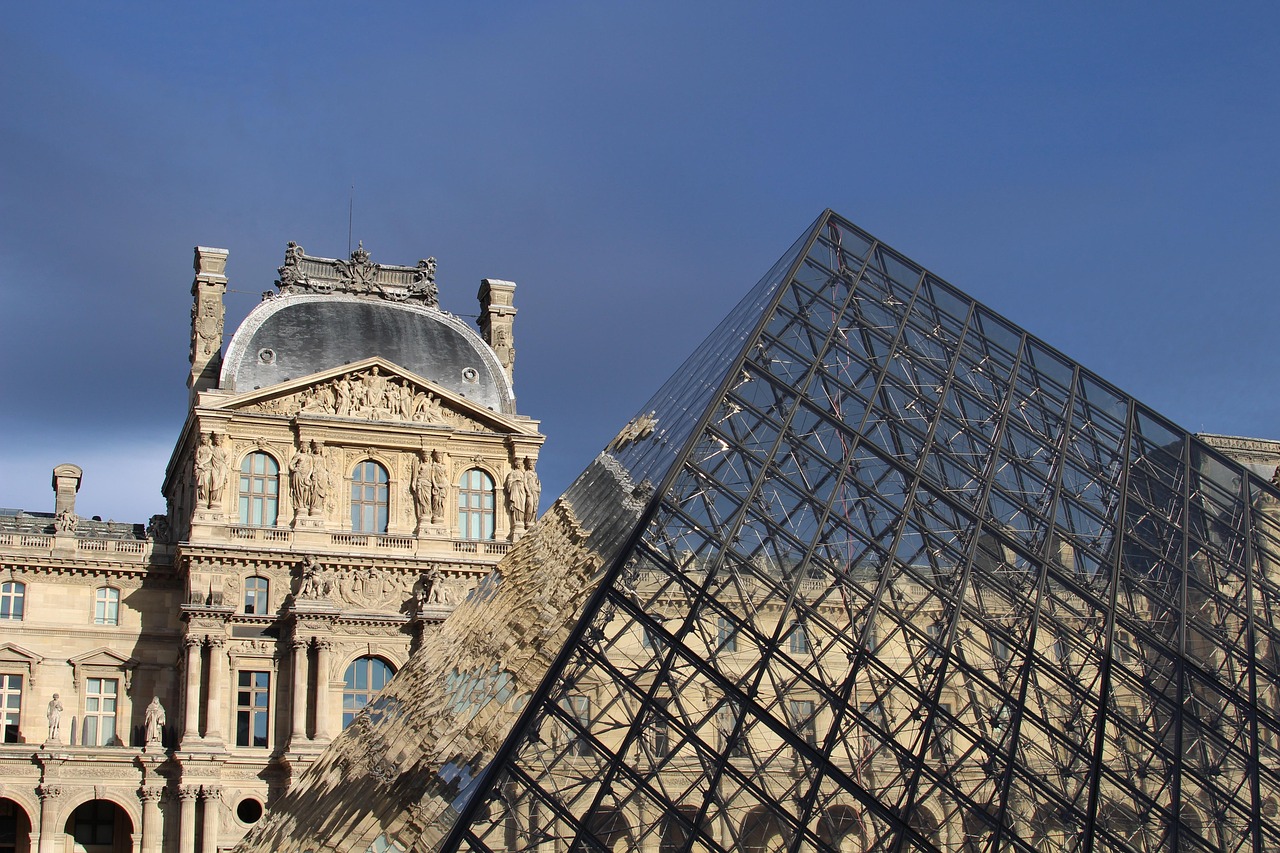
Museums in Paris with a Private Louvre Museum Experience, curated masterpieces without the crowds
If you’re wondering what to do in Paris, for culture with genuine depth, a private guided tour of the Louvre museum is the most reassuring choice. The Musée du Louvre is vast, and a private guide turns that scale into something human—curated, calm, and crafted around your interests, whether that’s sculpture, Renaissance painting, or the stories behind famous works.
Exploring the Louvre with fast-track entry and a curated route
With expert guidance, exploring the Louvre becomes a sequence of clear moments rather than a maze. You’ll often begin with fast-track entry, then follow a route designed to avoid bottlenecks while still reaching the essentials. Seeing the Mona Lisa can be surprisingly serene when you arrive at the right time, and the masterpiece of the Venus de Milo feels even more striking with context—how it was found, why it matters, and what to notice.
One art enthusiast we know described the thrill of a behind-the-scenes style visit (where available) that felt almost after-hours: standing in a quiet gallery, with the sense of being alone with centuries of beauty. That kind of access depends on schedules and permissions, but the principle remains the same: trust, discretion, and care are what make a high-end museum day feel effortless.
Paris museums beyond the Louvre and a refined lunch near the Louvre
For a balanced museum day, pair the Louvre with other Paris museums. Musée d’Orsay brings an impressionist focus and a luminous setting inside a former railway station—ideal for those who love impressionist and post-impressionist colour and brushwork. For a modern counterpoint, the Centre Pompidou offers bold lines and contemporary energy. This variety makes a single trip to Paris feel layered rather than repetitive.
After the Louvre, choose lunch near the Louvre where service is polished, and the pace is unforced. If you want a refined local angle, consider Caves du Louvre for a tasting that adds flavour to your afternoon without turning it into a rush.
- Costs: expect many museum tickets in the €15–€30 range, with some special exhibitions higher.
- Timing: timed tickets matter; private guiding helps you keep your day seamless.
- Breathing room: plan one major museum, then something lighter—shopping, a garden, or a long café pause.
If you’d like a simple rule for a museum in Paris, it’s this: quality beats quantity. One meaningful gallery can linger longer than three rushed ones.
Montmartre private art tour Le Marais, Michelin dining, and Moulin Nights
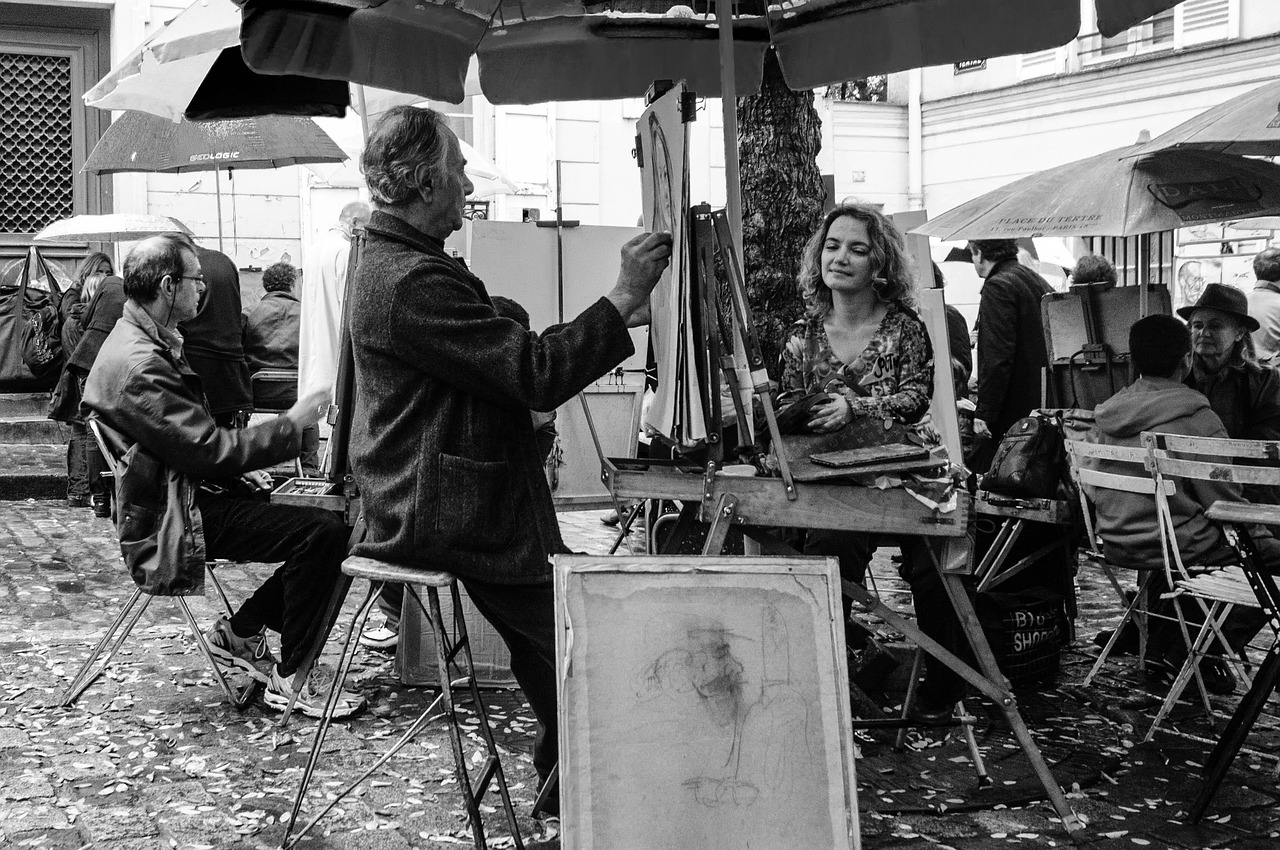
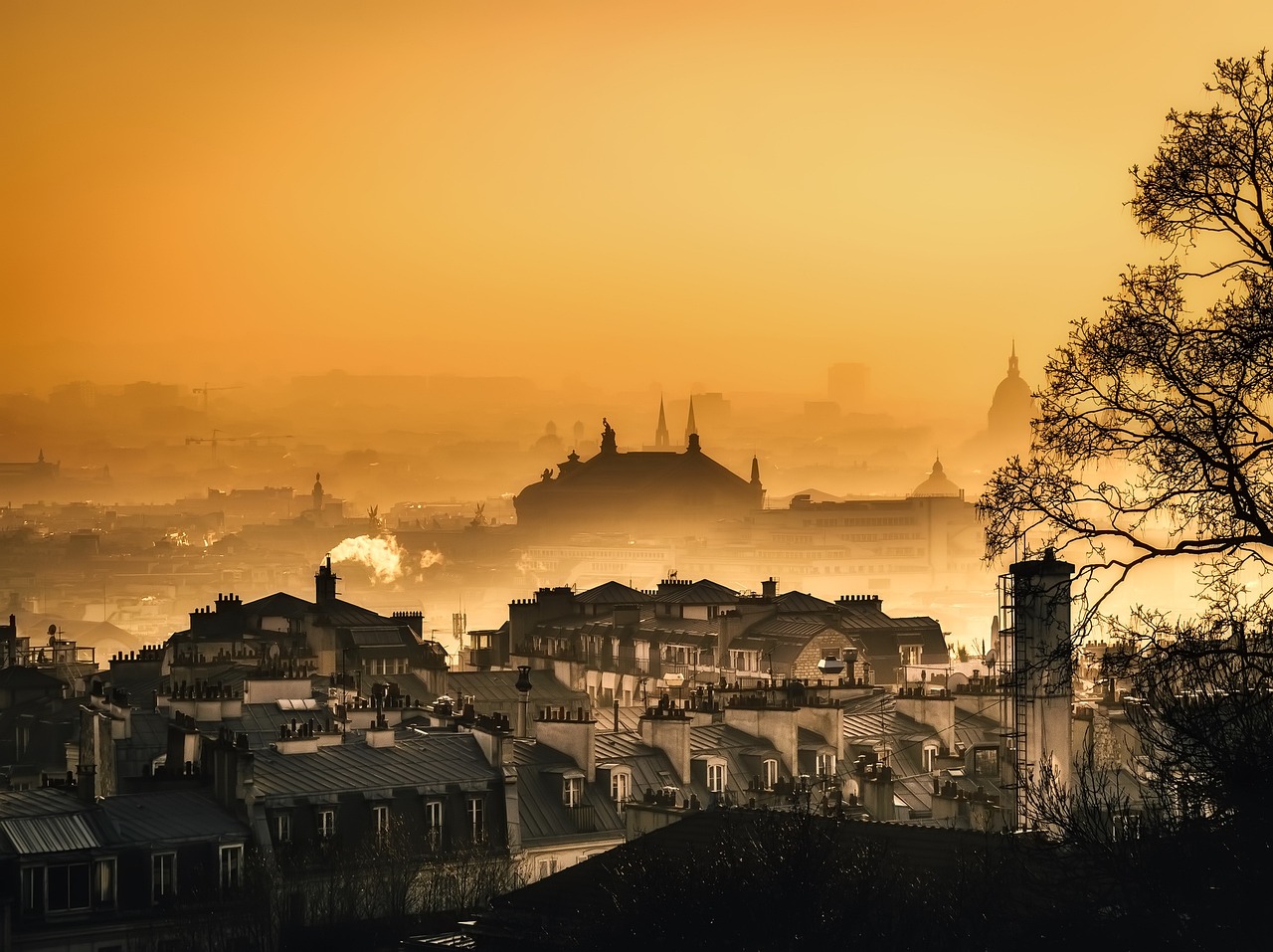
Montmartre Art Moulin Nights and Le Marais Dining, from atelier lanes to candlelit tables
For travellers drawn to texture and story, the Montmartre private art tour, Le Marais, and Michelin dining in Paris create a day that feels both creative and cosmopolitan. It’s the kind of pairing that helps you uncover the city’s intimate side—then dress for an evening that feels quietly celebratory.
Montmartre with private art context and Sacré-Cœur viewpoints
In Montmartre, a private guide can gently steer you away from the most crowded corners and into hidden galleries and working ateliers. With the right local insight, you’ll explore the legacy of Picasso and Dalí in a way that feels personal—less about name-dropping, more about how artists lived, argued, created, and found light in these streets.
Make time for Sacré-Cœur viewpoints; the city views are soft and expansive, especially in morning haze. Let the cobbled lanes slow you down, and choose one beautiful corner for a simple coffee. There’s a phrase a guest once laughed about—“Paris is a pretty city”—but in Montmartre, you understand what they meant: beauty here is casual, almost careless, like it’s always been that way.
Moulin Rouge mood, then Le Marais for where to eat in Paris
As evening arrives, the Moulin atmosphere near the Moulin Rouge brings a classic night-time Paris mood—bright lights, velvet hints, and that unmistakable sense of theatre. From there, slip across to Le Marais for chic wandering: boutiques, small galleries, and a dining scene that rewards planning.
A foodie we know still remembers a tasting menu at a Michelin-starred restaurant in Le Marais: an intimate room, rare French wines presented by the sommelier with calm confidence, and dishes that felt like design—precise, seasonal, and generous. If your question is where to eat in Paris with certainty, this is the neighbourhood that often delivers.
Practical note: Book dining experiences well in advance. Dress codes tend to be understated but elegant, and late seating is common. A concierge can support your evening with reservations, a trusted car, and the kind of seamless handover that keeps the romance intact.
Seine dinner cruise luxury yacht Notre Dame cathedral Paris night along the Seine
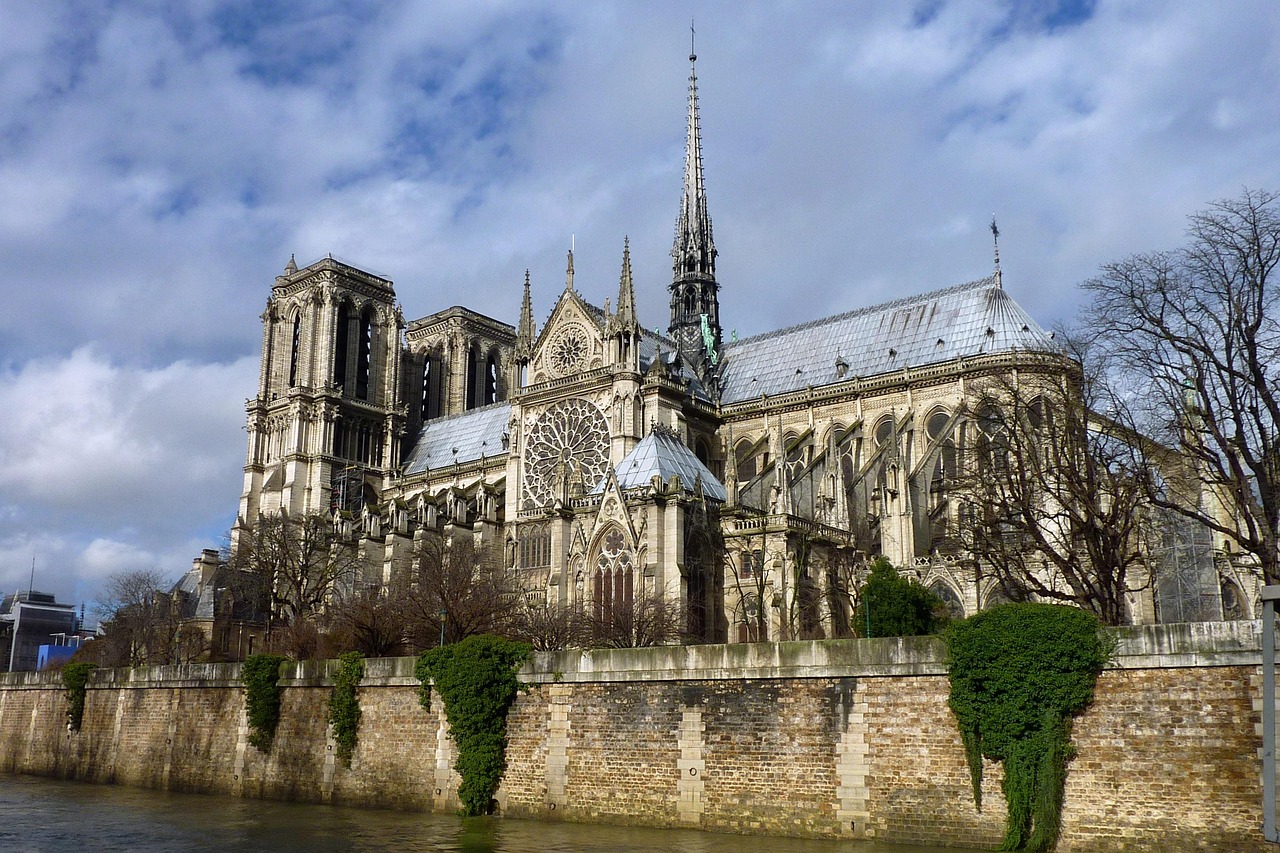
Along the Seine Notre Dame and a Crafted Paris Night, illuminated monuments and calm river reflections
When guests ask for the most memorable evening, Seine dinner cruise luxury yacht Notre Dame cathedral Paris night is often the answer. It’s a great way to see Paris without navigating crowds: gourmet French cuisine, attentive service, and monuments glowing as you drift along the Seine.
A luxury yacht dinner cruise for the City of Light
A high-end Seine River dinner cruise typically boards near the Eiffel Tower or central quays, depending on the vessel. Aim for a departure that catches twilight: you’ll watch the city soften into gold, then sparkle into the city of light. It’s a gentle, cinematic way to see landmarks—bridges, façades, and the quiet theatre of Parisian life on the riverbanks.
Choose a cruise with generous spacing, a refined wine list, and windows that truly frame the water. If you’re celebrating, ask about a private table or an exclusive charter for more discretion. It’s one of the most romantic, seamless ways to see the city together.
Notre-Dame de Paris, Île de la Cité, and a reflective night stroll
After dinner, step onto the banks of the Seine and let the night settle. A solo traveller once recounted the magic of a late walk here: the city’s lights and reflections creating a mesmerising atmosphere perfect for introspection. You don’t need to fill the silence—Paris holds it for you.
Near Île de la Cité, the setting of Notre-Dame de Paris carries a different kind of beauty: resilience, history, and reverence. As you visit the area respectfully, notice how the cathedral’s presence shapes the surrounding streets. Even with the ongoing rebuilding context, it remains one of the most affecting places to pause, breathe, and feel the continuity of the history of Paris.
If you’re returning to Paris and want contrasting depth, you can visit the catacombs—but book well in advance and consider comfort if you dislike enclosed spaces. For families, a day trip from Paris to the Palace of Versailles is often the more uplifting contrast: a private guided tour brings the rooms to life, and the Hall of Mirrors still has the power to astonish. When time in Paris is limited, Disneyland Paris can be a polished alternative for younger travellers, especially if you want one easy day with built-in entertainment.
- Timing: twilight into night is the sweetest window for a cruise and walk.
- Planning: reserve cruises and major sights early to create a seamless experience.
- Safety: keep valuables secure in crowded areas; use hotel safes for peace of mind.
F.A.Qs
What should you not miss in Paris?
Don’t miss a signature view and one deeply personal experience. For many, that means the Eiffel Tower at dusk, a quiet moment near Notre-Dame, and at least one museum visit with context—ideally a private Louvre tour—so the art feels human, not hurried.
What is the number one thing to do in Paris?
If you choose one experience, make it the Eiffel Tower for the sense of scale and romance it gives the city. Book ahead for the summit, go at golden hour, and let the view set your rhythm for the rest of your days in Paris.
What is the number one attraction in Paris?
The Louvre is often considered the number one attraction, because it holds world-changing art under one roof. With a private guide, it becomes less overwhelming and far more meaningful—so you leave with real understanding, not just photos.
Where to visit in Paris for the first time?
For a first visit, combine the Eiffel Tower, the Louvre, and a Seine evening for a beautiful overview, then add one neighbourhood—Montmartre or Le Marais—for character. This mix gives you classic Paris sights plus the intimate details that make the city feel personal.
Paris travel reflection after France, and what Paris leaves with you
Long after your driver has turned the corner and your suitcase is closed, Paris returns in small, faithful fragments: light on limestone, the soft click of heels on a bridge, the warmth of a “Bonjour” that makes you feel less like a visitor and more like a guest. It’s not only the famous landmark moments—though the Eiffel Tower does have a way of staying in the mind—but the quieter intervals between them, when you realise you don’t have to chase the city for it to give you something back.
One couple we know celebrated an anniversary with a private picnic in the Luxembourg Gardens: champagne, freshly baked pastries from a local patisserie, and the simple joy of being together without an agenda. Another traveller spoke about an opera night—an elegant, unforced kind of glamour—where music and architecture seemed to lift the whole week into memory. These are not just “activities”; they’re the moments you create when the journey is designed with trust and care.
And perhaps that is what lingers most: the feeling of being held by Paris rather than managing it. Expert guidance can be almost invisible, but you sense it in the way doors open smoothly, in how a museum visit feels like a conversation rather than a queue, and in how your evenings remain yours—unhurried, personal, and intact. In that space, you can simply experience Paris, letting it meet you where you are.
When you leave France, you may find you haven’t “finished” Paris at all. You’ve only begun a relationship with it—one that changes with each return, each season, each new curiosity. And somewhere in that thought is an invitation to keep wondering, gently, what the city might show you next.