Post Contents
Start inside the Louvre Museum
For a calm start, think “inside the Louvre museum, France orientation and Louvre pyramid entry” rather than “do everything”. The museum is located in the heart of Paris in the 1st arrondissement, at the Palais du Louvre on the bank of the Seine, facing the left bank of the Seine in a sweep of classic Paris light. Arriving with that geography in mind makes the scale feel romantic, not intimidating.
The Louvre contains three main wings—Denon, Sully, and Richelieu—and once you picture them like neighbourhoods, your day becomes navigable. Begin by choosing one “anchor” work, then build short loops around it; even in one of the world’s great institutions, small routes create Trust in your own pace.
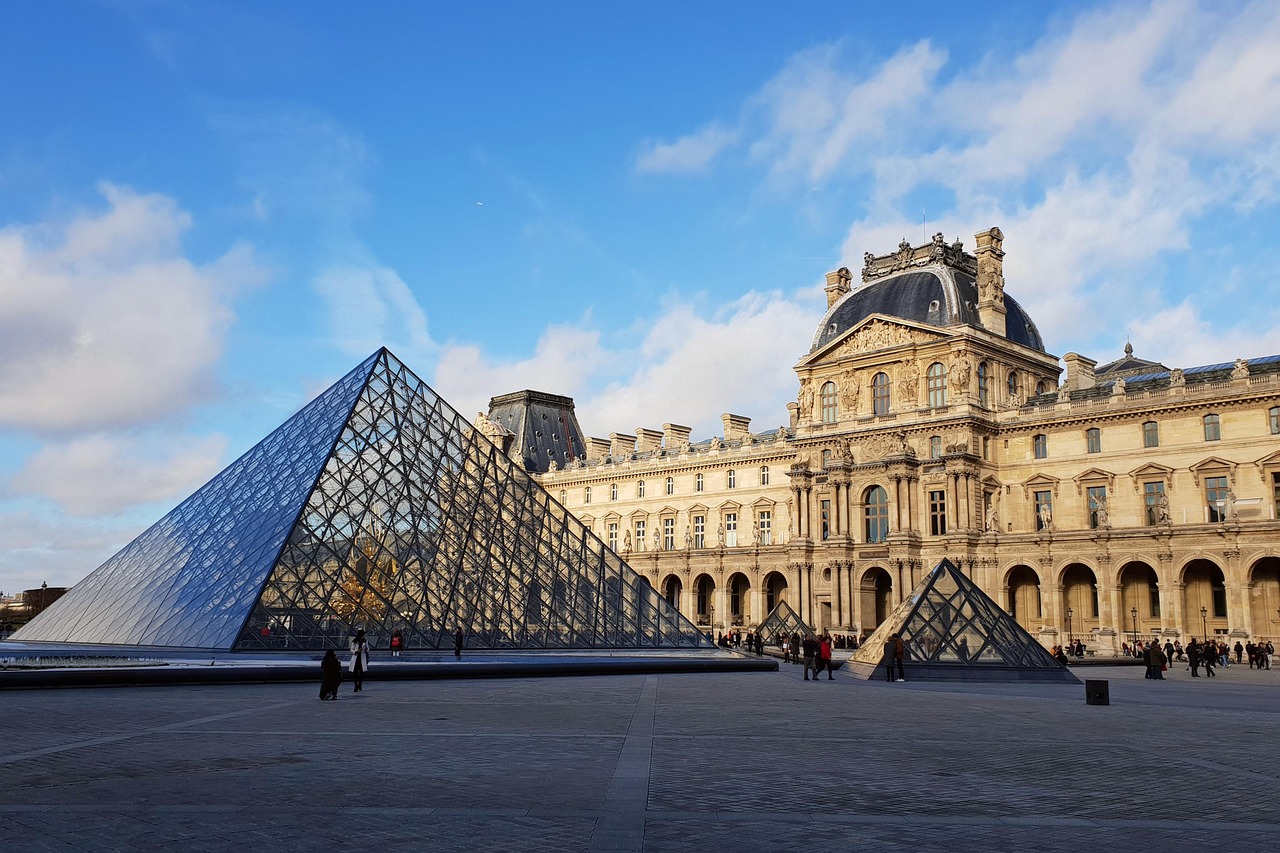
Start Here Inside the Louvre Museum and Its Pyramid in Paris, France
Pyramid arrival and a Personal moment of wonder
One first-time visitor told me they stepped beneath the glass pyramid at night and felt a rare hush: modern lines hovering over centuries of art. That memory matters because it’s proof that the museum can feel intimate, even when it’s the visited museum in the world. Imagine giving yourself five quiet minutes in the courtyard before you go through security—just to let the place land.
The Louvre pyramid was designed by the Chinese-American architect I. M. Pei (often written as Pei, and also known as Ming Pei), and it was championed by President François Mitterrand as the first of a series of “Grands Projets” that reshaped Paris. Beyond the symbolism, the design created a more Seamless arrival flow, pulling visitors underground to distribute crowds across entrances and services.
Inside the louvre without overwhelm
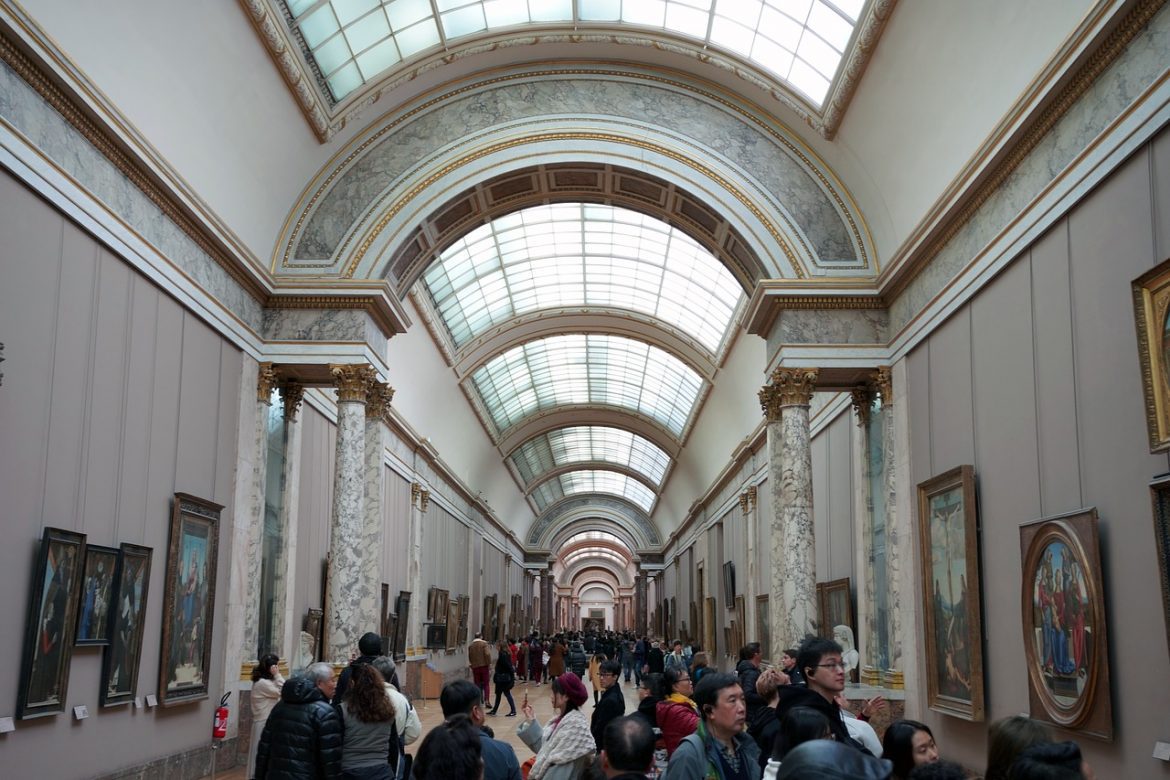
Once you’re through, treat the space like a well-run airport lounge: purposeful, comfortable, and built for long dwell times. Use cloakrooms if you’ve brought a coat, expect airport-style security, and wear comfortable shoes—this is one of the largest museums, and your feet will feel every gallery.
- Quick route idea: Denon for big icons, then a cross to Sully for antiquity, and finish in Richelieu for calmer rooms.
- Easy landmark: if you pass the Winged Victory staircase, you can re-orient quickly.
- Bonus must-see: pencil in Venus de Milo as a graceful pause when you need breathing space.
With that structure, you’re ready to explore with energy—rather than simply reacting to crowds.
The Denon Wing Mission Mona Lisa and Big Masterpieces
Adventure seekers do well with a “mission” mindset, and “Mona Lisa Denon Wing Louvre museum, France must-see masterpieces” is the most useful way to frame your first push. The museum can feel like a living city at peak hours, so treat your Mona Lisa moment like a summit attempt: you’ll get there, but timing and patience matter.
One traveller shared how they were mesmerised by the crowd in front of the Mona Lisa—then, by simply waiting, they caught a quiet pocket where faces shifted, cameras lowered, and the room exhaled. That tiny opening became their Personal photograph and their Private memory, even without a perfect frame.
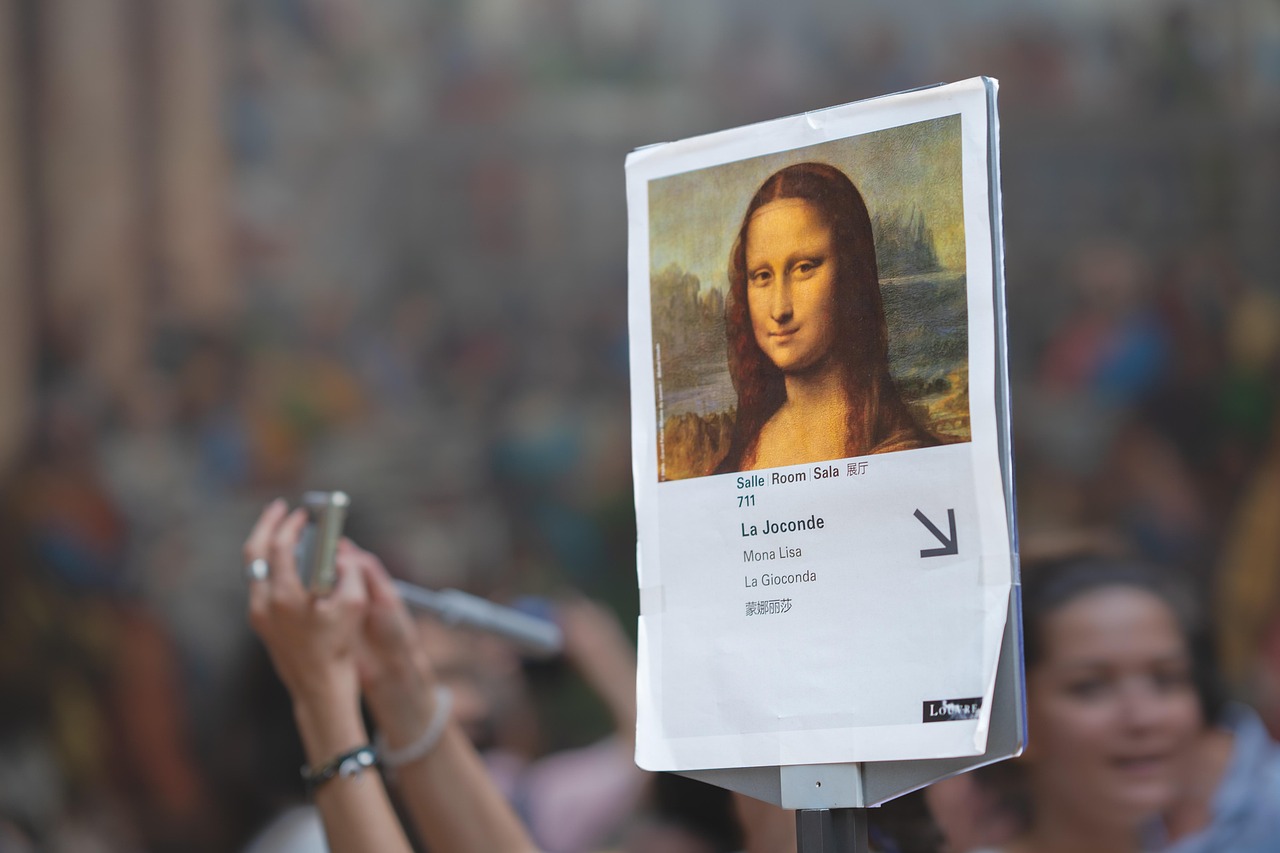
The Denon Wing Mission Mona Lisa and Big Masterpieces wayfinding inside the museum
Mona Lisa tactics that support a calmer view
Aim early morning or late afternoon midweek, when tour groups are thin. Step to the side rather than pushing forward; in many rooms, the best view is slightly off-centre where glare drops and bottlenecks ease. If you’re travelling in a high-end style, consider a guided or late session where possible—some guests describe a late-night private tour as an immersive encounter with famous works that feels almost conversational.
- Approach with Care: let people take turns at the front, and keep your camera time brief.
- Look for the story: Leonardo da Vinci painted a portrait that rewards distance as much as closeness.
- Hold your ground: if the first view feels frantic, circle once and return.
Keep momentum with nearby masterpieces
In Denon, pair your Mona Lisa “mission” with nearby anchors so the museum experience stays fluid. The Winged Victory of Samothrace (Samothrace) is a surge of movement in stone—perfect for resetting your attention after the crowd. Then choose one more nearby masterpiece and linger longer than you planned; deep looking is the most luxurious pace.
Photography etiquette is simple and kind: no flash and no tripods in most rooms. That rule isn’t to restrict you—it’s to protect works and keep the atmosphere gentle so everyone can Explore Together.
For micro-rests near the louvre, use indoor café stops as waypoints rather than long breaks. A quick espresso, a glass of water, and you’re ready to continue without losing the thread of your day.
Uncover the Fortress to Pharaohs Antiquity Trails Musée du Louvre museum history
To go deeper, shift into “Musée du Louvre museum history 1793 French Revolution fortress built Philip II” mode. This museum began as a fortress built in the 12th century under Philip II, and the remnants of the fortress still sit below today’s galleries—an underground reminder that Paris once defended itself from right here.
Walking those lower levels feels like time travel: stone, damp cool air, and the sense that the museum’s elegance rests on older bones. It’s also a powerful counterpoint to the pyramid above—proof that the Louvre’s story is layered, not linear.
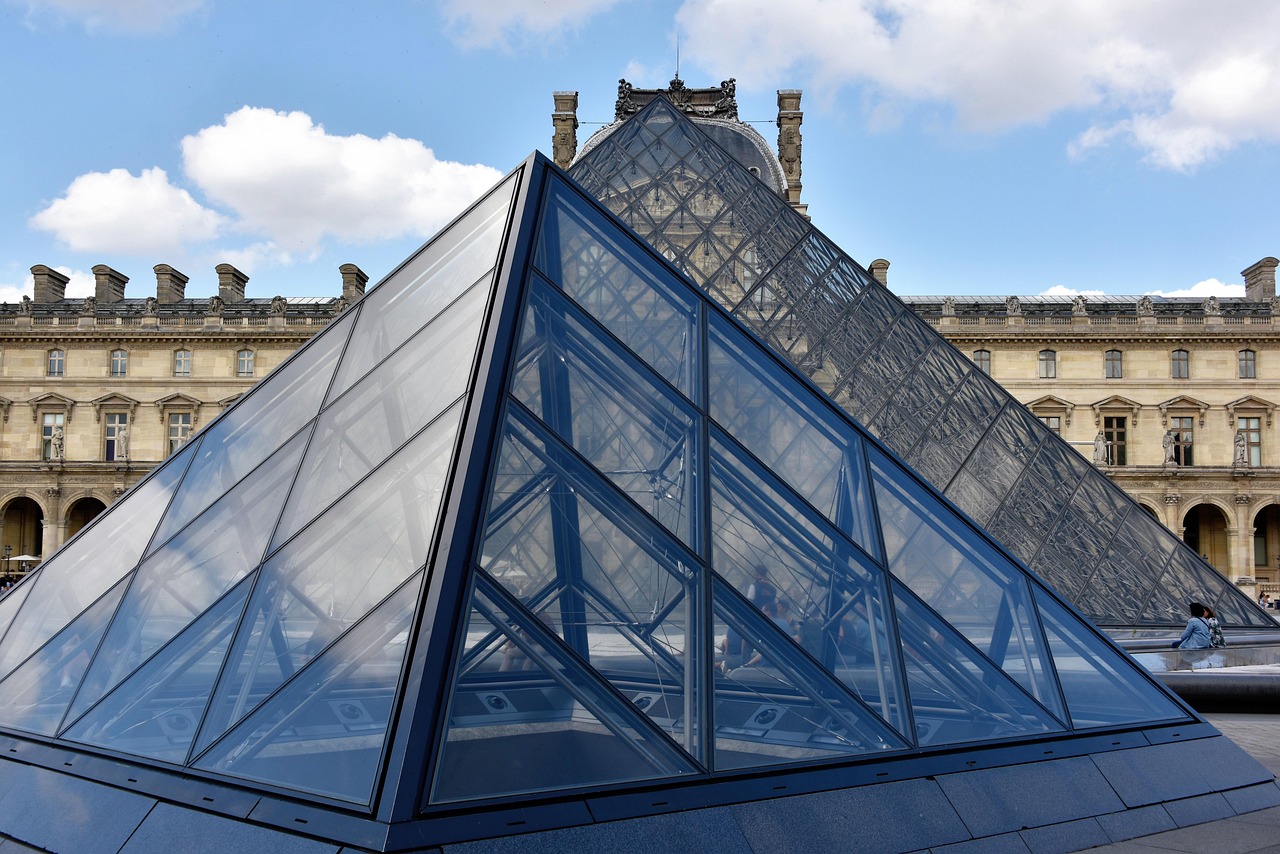
Uncover the Fortress to Pharaohs Antiquity Trails beneath the Louvre in Paris
1793 and the French Revolution turning point
Here’s the compact timeline that helps everything click. After the french revolution, in 1793 the museum opened when the national assembly decreed that the louvre should be used as a museum, used as a museum to display the nation’s masterpieces—beginning with an exhibition of 537 paintings. Over time, the size of the collection increased, eventually reaching tens of thousands of works, which explains why one visit never feels like “enough”.
- The museum was renamed the Napoleon Museum; the collection increased under Napoleon, as many works were seized during the campaigns.
- After Waterloo, armies were returned, and the majority of the works went back to their original countries, yet many remained at the Louvre.
- The museum was closed during wartime periods and later reopened, carrying its history forward with quiet resilience.
- Provenance labels can be wonderfully specific; you’ll sometimes spot dates like 1692 or 1699, small clues that reward patient reading.
- Some displays reflect specific acquisition eras; you may see references such as 1796 to 1801 in curatorial notes.
Even the building’s identity shifted: it moved from royal residence to public institution, a palace that became a shared home for art. For travellers who love context, this is the Insight that makes each gallery feel purposeful.
From Egyptian antiquities to Islamic art calm
If you want a high-impact trail, head into Egyptian antiquities—your Egyptian moment—where faces, gods, and everyday objects carry the weight of millennia with startling clarity. Then widen the lens with Near Eastern antiquities and Roman antiquities to feel the scale of antiquity across empires; if you notice Etruscan works, treat them as a fascinating “in-between” chapter that links cultures rather than competing with them.
For a quieter stop, seek the Islamic galleries: light-filled architecture, a softer cadence, and a different relationship to pattern and material. The Islamic art here offers a calm comparison with Western art, and it’s often where you feel the museum breathe again.
Royal Rooms and the Napoleon III Apartments
Now switch gears to “Napoleon III Apartments, Richelieu wing, Louvre museum, France, decorative arts”. In richelieu, the Napoleon III Apartments are a Second Empire time capsule—series of salons where gilded ceilings, chandeliers, and velvet tones make you feel you’ve stepped into a private evening reception.
This is not about rushing to the next headline artwork; it’s about letting surfaces, craftsmanship, and theatrical detail do their work. For many travellers, these rooms become the most unexpectedly moving part of the museum, because they show how power once looked and sounded.
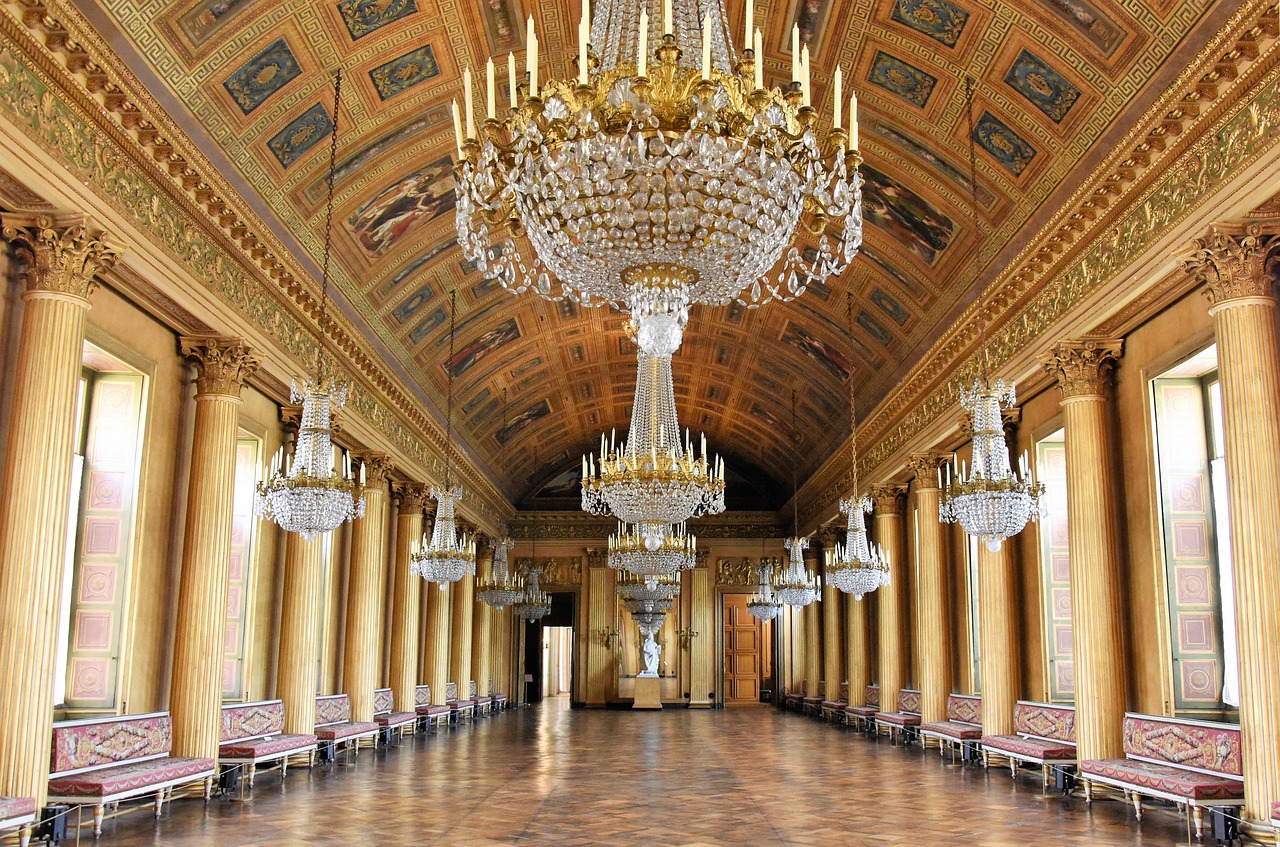
Royal Rooms and the Napoleon III Apartments in Richelieu at the Louvre
Royal palace context and the Palais story
These rooms make more sense when you remember the Louvre’s shifting role as royal palace. Louis XIV chose the Palace of Versailles in 1682, and the Louvre’s function evolved as court life moved outward; Palais Royal remained a nearby point of reference as Paris reorganised its centres of power. In that longer arc—sometimes described as the Louvre becoming “louvre for 100 years” in the public imagination—these interiors preserve the mood of a world that once took ceremony very seriously.
Decorative arts as an adventure of texture
If you’re not a specialist, here’s the warm reassurance: you don’t need art history vocabulary to enjoy decorative arts. Look for materials (bronze, lacquer, silk), repeat motifs (eagles, bees, laurel), and the way light is staged. Create a small ritual: choose one object and study it for sixty seconds—its craft will meet you halfway.
Try a Creative pause: sit, sketch, or journal a few lines about what “opulence” feels like in your body. It’s a high-end souvenir that costs nothing, and it turns observation into a Personal record.
If the main galleries feel intense, look for prints and drawings for a quieter counterpoint—often less crowded, with an intimacy that rewards slow looking.
Design a Seamless Louvre Day Tickets
For planning, hold onto this phrase: “Louvre museum, France, tickets, Paris Museum Pass, metro, Palais Royal, Musée du Louvre”. In a museum of this stature, the best luxury is friction-free logistics—so you spend your energy on art, not queues.
Buy timed tickets online in advance and arrive a touch early to glide through security. If you’re stacking multiple landmarks over a few days, the Paris Museum Pass can make sense—especially for adventure seekers who like to pack mornings tightly and keep afternoons flexible. You can browse more ideas and pairings for France itineraries in our Trip gallery.
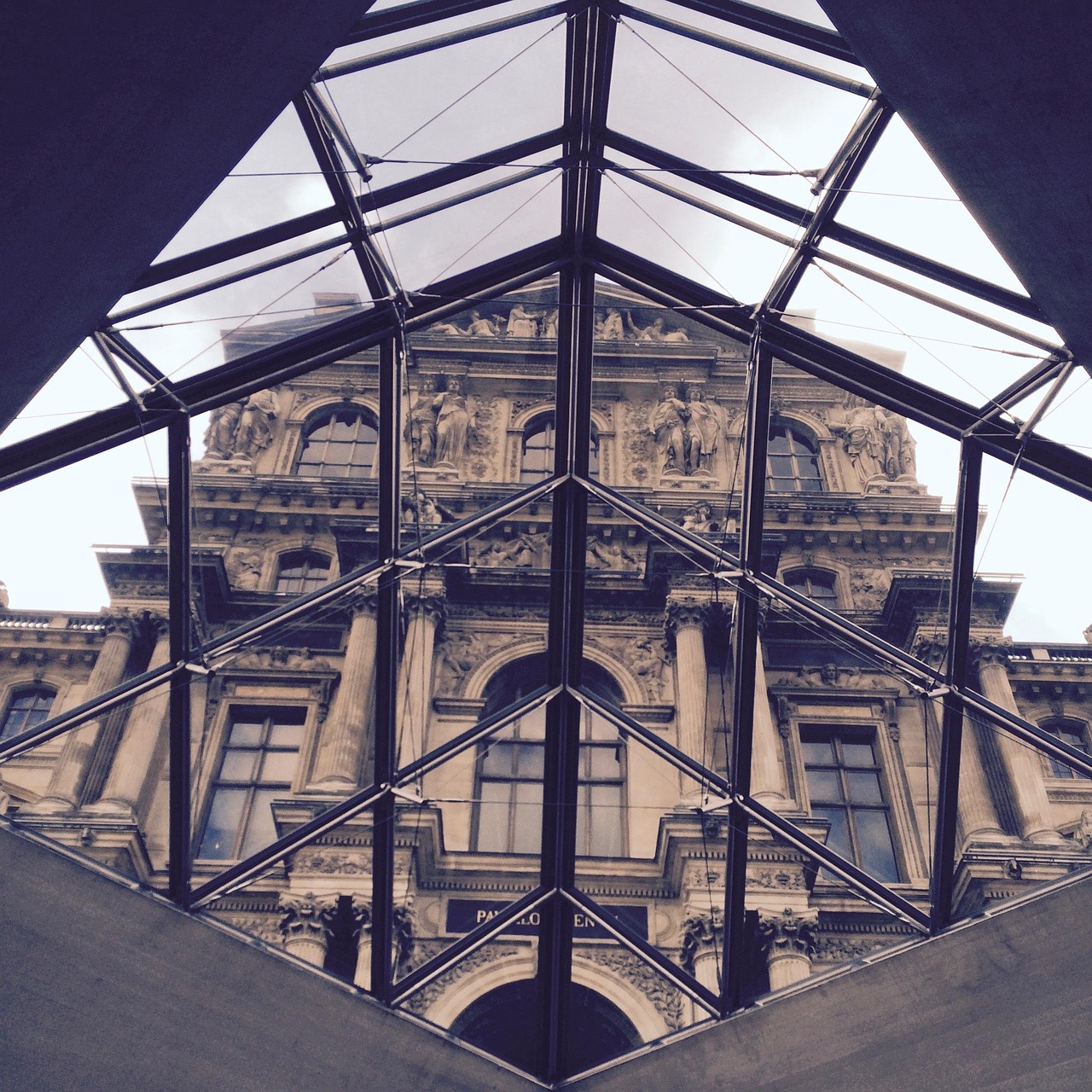
Design a Seamless Louvre Day with tickets, metro transport, and Local breaks
Door-to-gallery transport with Confidence
Arrive via Palais Royal – Musée du Louvre metro station on line 1 or 7, then follow the signs towards the main entry area. A simple door-to-gallery plan helps: metro to concourse, security, cloakroom if needed, then a first “anchor room” you’ve pre-selected so you don’t drift. That small decision builds Trust immediately.
Crafted pacing and respectful visiting
The museum is vast, so plan a 3–5 hour loop with built-in reset moments. Keep sound levels soft, step aside for others to read labels, and remember photography rules: flash and tripods are prohibited in most exhibition rooms. Capturing memories matters—but so does Care for the shared atmosphere.
- Crafted 3–5 hour loop: Denon icons → Sully antiquity → Richelieu apartments.
- Reset moments: water stop every 60–90 minutes, and one seated pause per wing.
- Late-afternoon pivot: if energy dips, shorten the loop and choose one final room to “finish well”.
For Local refuelling near the louvre, keep it simple: a quick bite, a bottle of water, then fresh air in the Tuileries or a stroll through the Carrousel area before returning. If you’re continuing your culture trail, the musée d’Orsay makes a beautiful next-day contrast—more concentrated, with a different rhythm.
F.A.Qs
Why is La Louvre famous?
It’s famous because it’s a world-class museum with landmark masterpieces, from the Mona Lisa to monumental sculpture, set inside a former royal complex. The mix of deep history, vast collections, and the modern pyramid entrance creates an experience that feels both timeless and unmistakably Paris.
What are 5 facts about the Louvre?
It began as a medieval fortress, became a royal residence, and later transformed into a public museum. It opened to the public in 1793, holds collections spanning ancient civilisations to European painting, and uses the pyramid entrance to streamline arrivals. It’s also one of the most visited museums globally.
Is there a dress code for the Louvre?
There’s no formal dress code, but smart, comfortable clothing works best for a long day indoors. Wear supportive shoes because you’ll walk a great deal, and bring a light layer as some galleries can feel cool. Respectful attire is appreciated, as it’s a shared cultural space.
How far apart are the Louvre and the Eiffel Tower?
They’re roughly 3–4 kilometres apart, depending on the route. By taxi or metro, it’s typically around 15–25 minutes, and walking can take about 45–60 minutes if you’d like a scenic route along the Seine. Travel time varies with traffic and time of day.
After the Musée du Louvre, What Stays With You
Long after you leave this museum, what often stays isn’t a checklist—it’s a sensation. Footsteps echoing on stone, the soft crowd hushes before a painting, the unexpected warmth of strangers making space for one another. The Louvre’s presence can feel bigger than any single day, like the city has lent you a key to time.
Many travellers return to one image in their mind: standing under the glass pyramid as Paris turns blue-black, the old walls holding their ground while the modern geometry glows. That contrast—ancient stories held beneath clean lines—can quietly change how you see other places in France, and how you see your own attention.
There is Togetherness here, even in busy rooms: small kindnesses, shared pauses, the gentle Trust that your experience doesn’t need to be loud to be real. If you carry anything forward, let it be that—your ability to look closely, to feel curious, and to let mystery stay partly unanswered.
And perhaps, months from now, you’ll catch yourself imagining one more return—not as an obligation, but as an open door you can choose to walk through whenever the moment feels right.