Paris for Art Lovers: Luxury-pace Musées and Iconic Landmarks
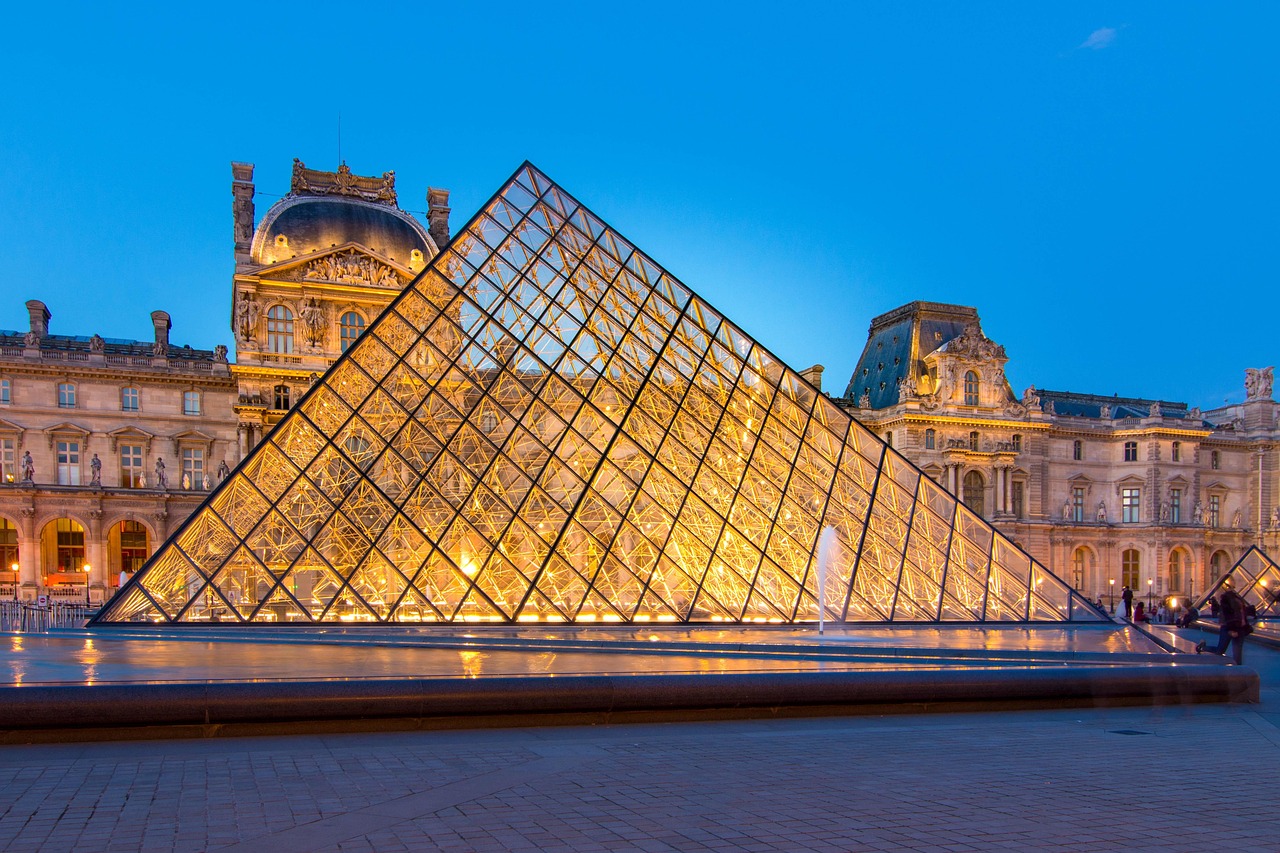
Paris at a calm luxury pace: museums, river walks, and iconic views
For first-time visitors, planning tourist attractions in France is less about doing everything and more about choosing a rhythm that feels effortless. Think of 3 days in Paris styled like a well-cut suit: elegant, unhurried, and quietly precise in the heart of Western Europe. Paris rewards travellers who slow down—lingering over a café crème, stepping into a musée when the light is gentle, and leaving space for spontaneous beauty along the Seine.
The Louvre musée: early entry, smart routes, and less crowd pressure
The Louvre is a headline attraction, yet it can still feel intimate when you plan it thoughtfully. An early-entry ticket (or a morning private tour) lets you discover the Mona Lisa before the rooms swell, then follow a curated route through masterworks that suits your tastes—Renaissance, Neoclassical, or something more unexpected. A vetted expert guide can shape your experience, offering insight without overwhelm and support with pacing, lifts, and quiet corners.
To keep it crafted rather than rushed, choose a “three-gallery” approach: one must-see, one personal passion, and one surprise. You’ll leave with a stronger memory than if you try to conquer the entire musée in a single sweep.
Notre-Dame and the Seine: a seamless evening walk between famous landmarks
After museum time, pair art with a seamless landmark walk. Take in Notre-Dame from the exterior and nearby viewpoints, then follow the river where Paris seems to exhale—bridges, bookstalls, and softly lit façades. It’s an iconic moment among the places to visit in France, yet it can still feel deeply personal when you let the city set the pace.
In the evening, create a gentle transition into dinner: a reservation at an understated address, a short taxi ride, and a calm table where the room’s tempo matches yours.
Etiquette note, warmly offered: upscale dining and religious sites appreciate quiet behaviour and considered dress. A simple “bonjour” and “merci” opens local exchanges in a way that feels human, not performative.
Versailles Palace Day Trip from Paris: Ornate Rooms, Gardens, and the Hall of Mirrors
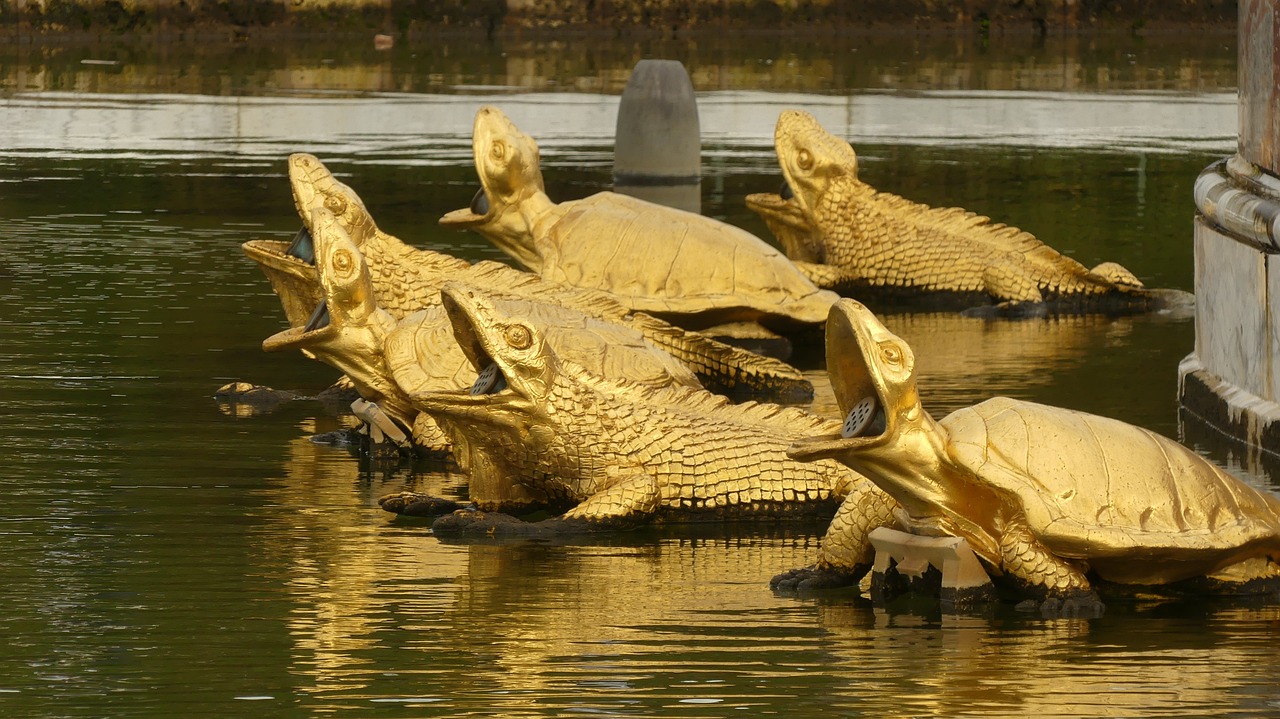
Versailles day trip: the Hall of Mirrors and gardens in luminous morning light
When travellers ask for a Versailles palace, a France day trip, or a luxury guided tour, they’re usually seeking something cinematic yet comfortable. Versailles is a sure-to-visit classic: ornate rooms, history that glitters, and gardens that stretch like theatre sets. The Hall of Mirrors alone can make time feel suspended—gold, reflection, and quiet awe if you arrive early and keep your schedule light.
Booking, timing, and a midweek plan for smoother flow
Buy tickets online in advance and aim for a midweek visit to make movement through the royal apartments easier. If you value narrative as much as visuals, an expert private guide can design an itinerary that avoids bottlenecks and adds layers of meaning. Done well, Versailles becomes less of a crowd event and more of a story you walk through together.
Details beyond the obvious: chapel stained glass and quieter corners
Beyond the mirrors and chandeliers, uncover the chapel’s stained glass and the quieter edges of the estate, where the mood shifts from grandeur to intimacy. These are the moments when Versailles feels less like a checklist and more like living history—insight delivered in a voice you can actually hear.
- Comfort: wear supportive footwear; the gardens invite long, unhurried walks.
- Seasonal notes: check fountain show dates and openings, especially in shoulder season.
- Return to Paris: plan a clean exit time so dinner feels relaxed, not squeezed.
Loire Valley Châteaux Itinerary: Château de Chambord and a Fairytale Countryside Route
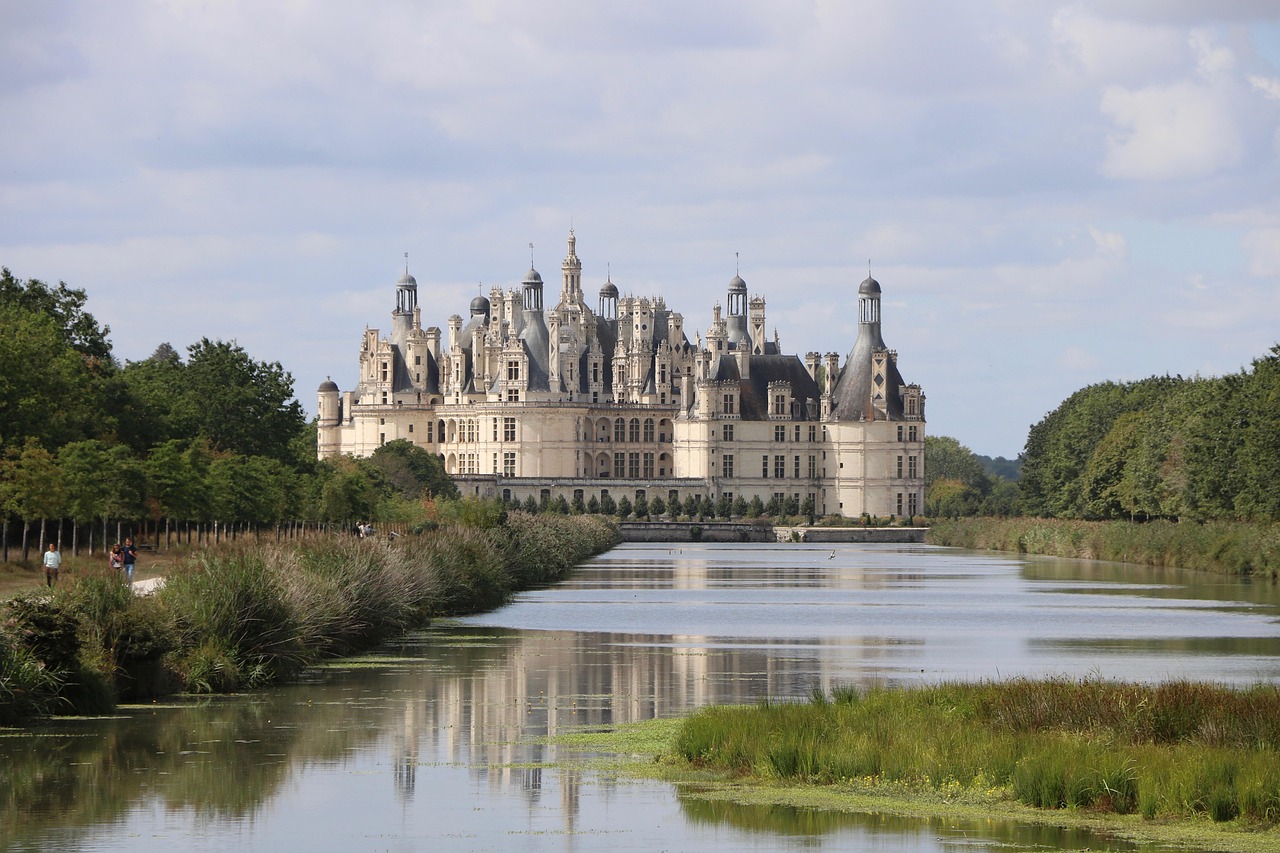
Loire Valley châteaux: a fairytale countryside route featuring Château de Chambord
The Loire Valley, France, châteaux itinerary, château de Chambord, luxury dream, is a slow escape into fairytale countryside—misty lanes, formal gardens, and pale stone villages. The Loire feels like a ribbon running through the scene, and the Loire Valley offers the rare kind of quiet splendour that’s easy to reach, yet spacious enough to breathe. For many travellers, this is one of the most beautiful parts of France for a restorative pause between cities.
Château de Chambord: a castle of Loire legends and hidden details
Château de Chambord is the showstopper: part castle, part symbol, all imagination. On one intimate guided visit, a local historian led a small group through spiral staircases and secret passages, sharing royal lore with a storyteller’s pace. The corridors felt almost hushed, as if the building itself was listening; that personal touch—names, rivalries, small human details—turned stone into story.
Step outside, and the Loire River landscape opens up, reminding you that grandeur here is balanced by air, trees, and space.
A one- to two-day Loire Valley trail: châteaux, villages, and vineyard lunches
To keep the Loire experience crafted, mix major châteaux with quieter estates. Choose one “statement” interior, one garden-focused stop, and one smaller château visit where you can linger without watching the clock. Add a long lunch in a village with a good cellar list—this is the Loire at its most splendid, when the day feels designed for pleasure rather than performance.
Finish with a wine moment: a vineyard tasting with elegant pairings, timed so you’re not rushing from one appointment to the next. The goal is a countryside day that feels calm, considered, and genuinely luxurious.
Provence: Lavender Fields, Avignon, and the Palais des Papes for a Sensory Destination
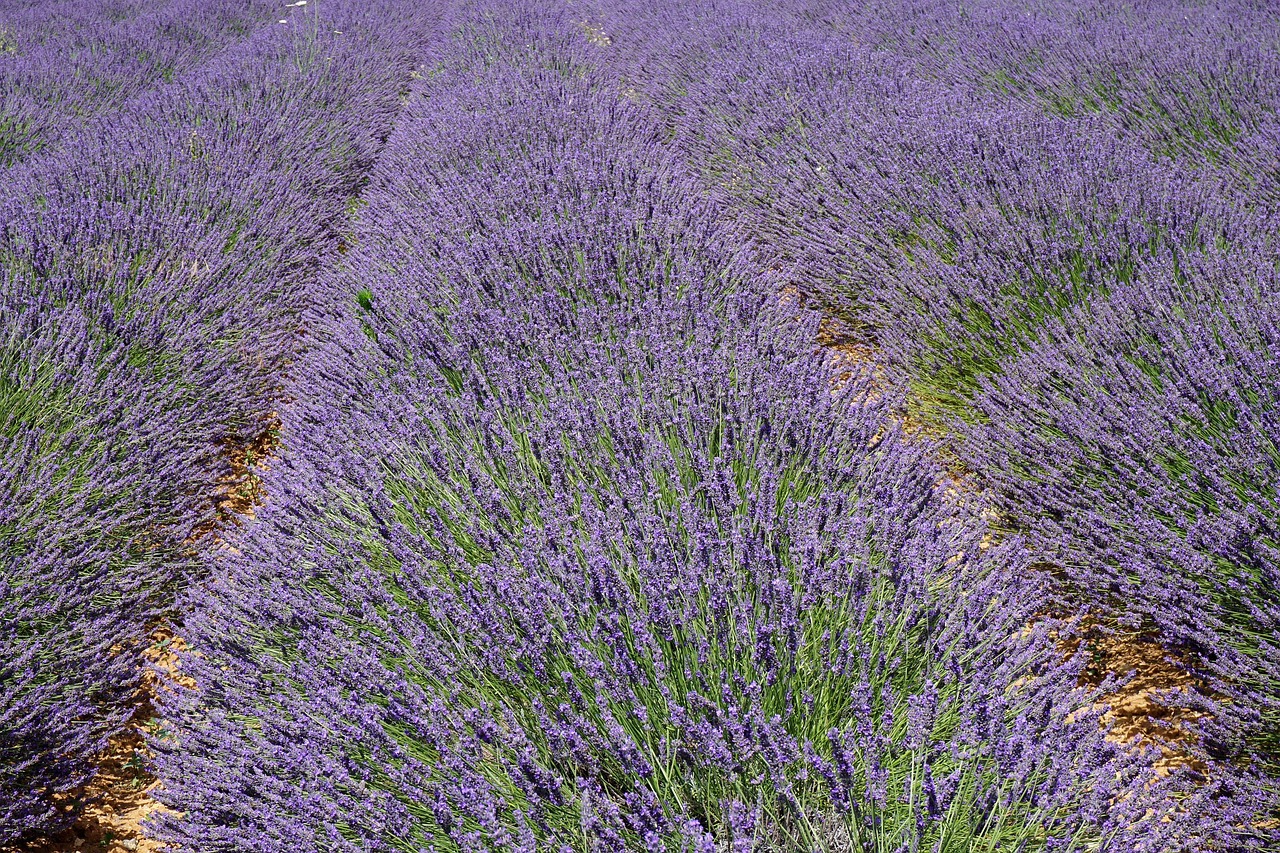
Provence and Avignon: lavender light and living history at sunset
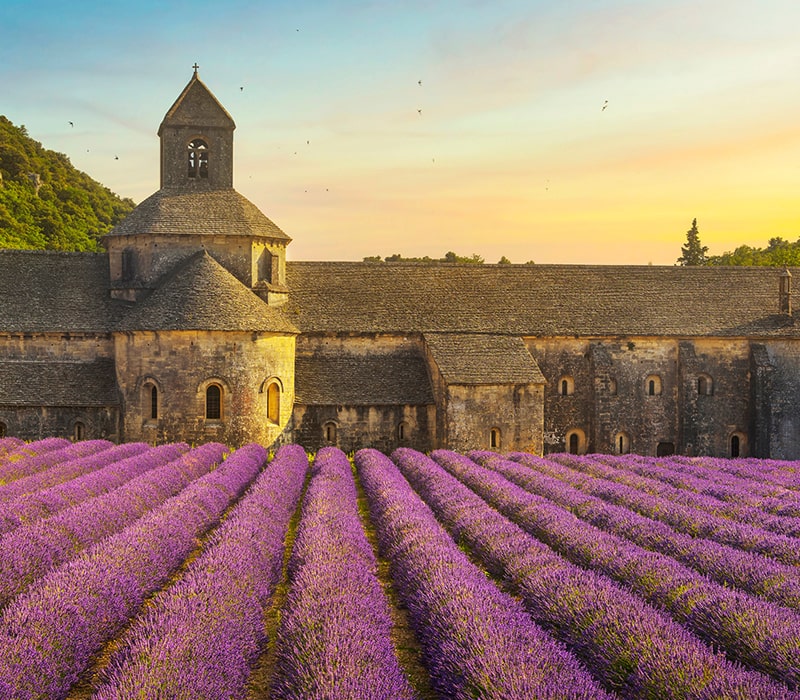
For travellers drawn to atmosphere, Provence, France, lavender fields, Avignon Palais, luxury travel is the combination that delivers: fragrant air, warm stone villages, and a quality of light that seems to soften everything it touches. Provence is less about ticking off sights and more about how you feel moving through them—slow mornings, market colours, and evenings that arrive gently. It’s a sensory destination where small details often outshine big statements.
Lavender fields at sunset: a fragrant picnic with local flavour
One traveller described a moment that still feels like a small private film: a gourmet picnic set beside the lavender fields as the sun dropped low. The lavender scent rose with the warmth of the day, and the table—cheese, fruit, something chilled—felt effortlessly local. Create this kind of memory with a concierge’s support: a discreet setup, a good bottle of wine, and just enough distance from the main pull-offs to keep it personal.
Avignon’s Palais des Papes and Pont du Gard: fortress history on a day trip
Avignon anchors the history with the Palais des Papes, a true fortress presence that’s as much about power as beauty. Walk its rooms in the cooler hours, then drift to the river for a softer view of the old town skyline. If you’d like a sense of ancient scale, add the Pont du Gard—rugged stone engineering that still feels astonishingly modern in spirit.
- Best timing: late spring or early autumn brings pleasant weather and fewer crowds.
- Contemporary contrast: Château La Coste pairs art walks and architecture with refined tasting.
- Route idea: layer Provence with Lyon and the Rhône for a polished flow.
If you pass through Lyon, treat it as a gastronomic birthplace and take the funicular to the hilltop Notre-Dame de Fourvière for a view that resets your sense of scale.
Bordeaux and Dordogne: Private Wine Tastings, Beautiful Villages, and Heritage
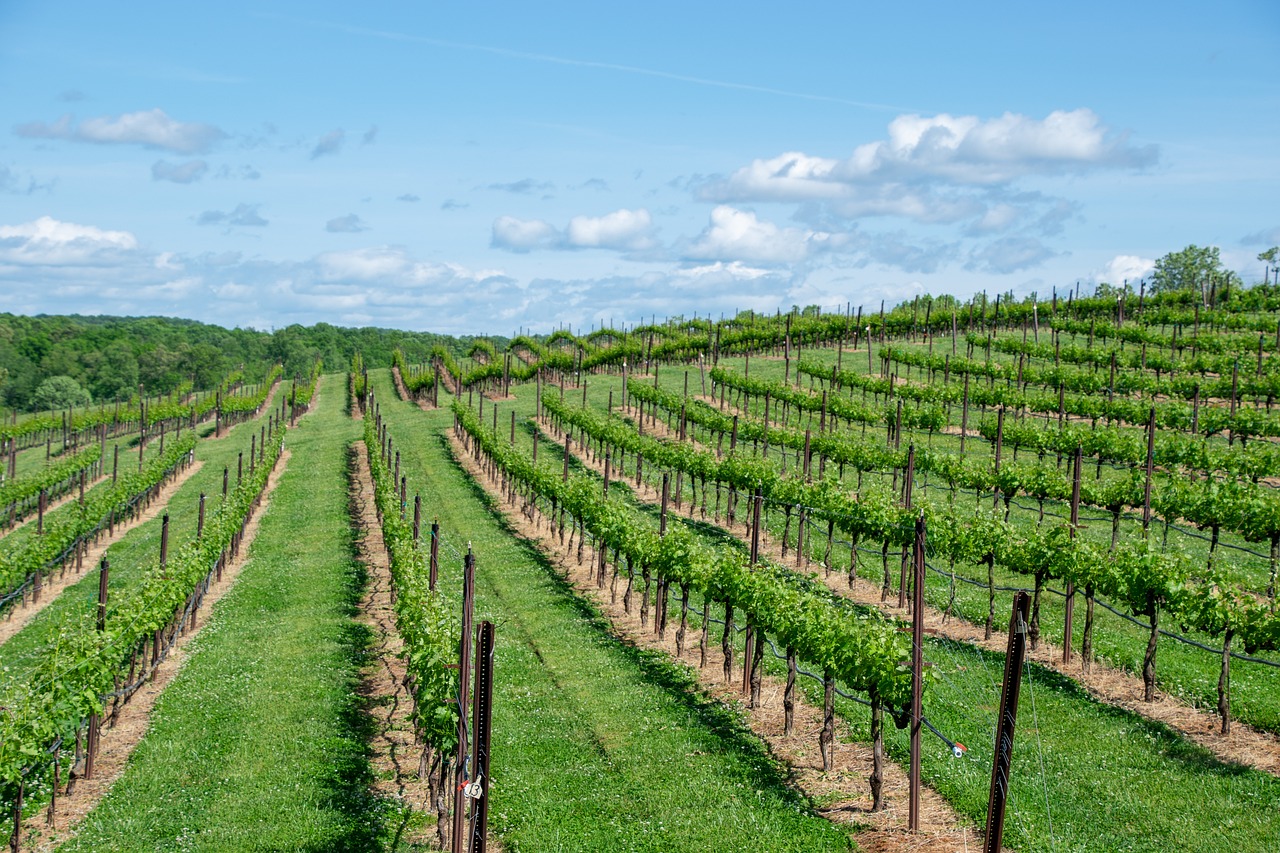
Bordeaux wine tastings and Dordogne heritage with a private vineyard visit
A Bordeaux, France, private wine tasting tour, Dordogne luxury day is at its finest when it’s shaped around you. Choose appellations that match your palate—silkier reds, brighter whites, or something more structured—and let a concierge or expert guide handle sequencing, timing, and reservations. With the right support, you can meet winemakers, taste in calm settings, and feel fully present rather than logistical.
Bordeaux’s UNESCO World Heritage Site: an elegant city stroll between tastings
Bordeaux’s historic centre is a UNESCO World Heritage Site—part of a broader world heritage ensemble of honey-coloured façades and riverfront symmetry. Keep it restrained: a soft evening walk between tastings, a glance into courtyards, a pause on the water, and then dinner where the conversation can linger. It’s heritage at its most natural—unforced, quietly beautiful, and undeniably a highlight.
Dordogne: limestone cliffs, a prehistoric cave, and a little town market
For contrast, extend into the Dordogne for limestone villages tucked into a cliff edge and a slower, rural register—some of the most charming, beautiful villages in France when you time it well. Start with a little town market morning—seasonal fruit, pâté, warm bread—then add a prehistoric cave visit for a cultural layer that feels far removed from polished tasting rooms. If you enjoy scenic drives, this countryside is one of those landscapes that stays with you long after you leave.
Safety and ease: in busy areas, stay vigilant and keep valuables close. If you prefer to fortify peace of mind, lean on vetted local guides—confidence often comes from knowing someone is quietly watching the details.
French Riviera: Cannes, Monaco, and Luxury Beach Days on the Mediterranean Coastline
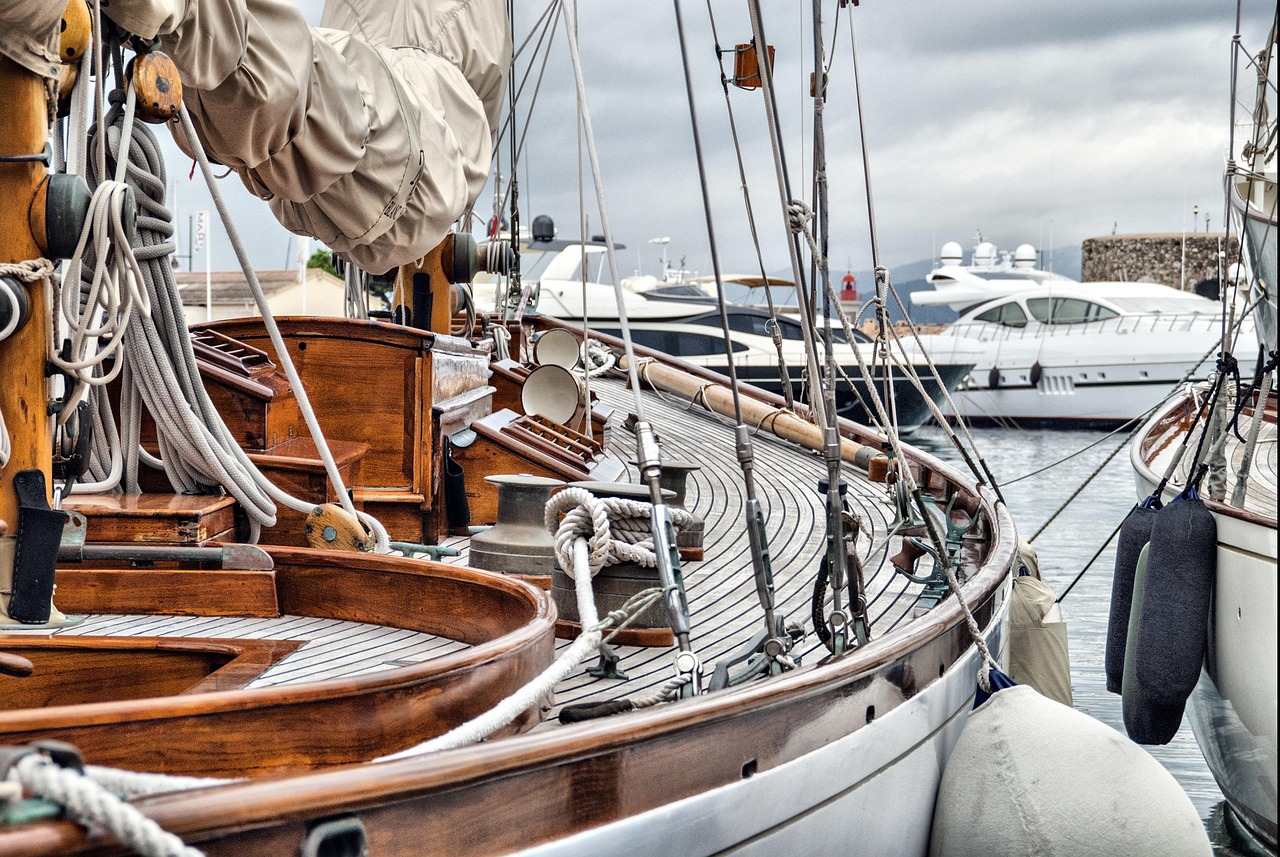
Mediterranean glamour from Cannes to Saint-Tropez along the coastline
The French Riviera, France, Cannes, Saint Tropez, Monaco, luxury beach promise is simple: turquoise water, a beautiful coastline, and evenings that feel like a change of wardrobe for the soul. Along the Mediterranean Sea, beach time becomes an art—shade, service, and a pace that lets the day unfold. Even in peak season, this destination can feel calm if you design it with intention and choose one Riviera base rather than moving every night.
Cannes and Saint-Tropez: polished glamour with after-dark ease
In Cannes, glamour is poised—think refined dining and sea-view terraces. Saint-Tropez is bolder, yet still easy to enjoy with reassuring boundaries: choose a beach club known for good service, keep dinner reservations tidy, and let the night end before it feels too loud. This is well worth a visit when you prioritise comfort and quality over proving you were there.
A private yacht on the Côte d’Azur: swims, Monaco views, and an art detour inland
One couple shared their favourite memory: chartering a private yacht on the Côte d’Azur, pausing for a swim, then cruising towards Monaco as the light softened. It felt like luxury with a heartbeat—salt air, quiet laughter, and scenery that did the talking. For an art-led detour inland, Saint-Paul-de-Vence is a haven for contemporary galleries; one enthusiast described meeting artists in their studios and acquiring pieces directly, a personal souvenir that carries true local spirit.
- Reservations: book beach clubs and restaurants well ahead, especially in summer.
- Beach etiquette: cover-ups away from the sand; keep it elegant and easy.
- Pacing: plan one “anchor” activity per day, then leave room for rest.
Travelling to France: Itinerary Design, TGV Trains, and Local Guides for Top Attractions
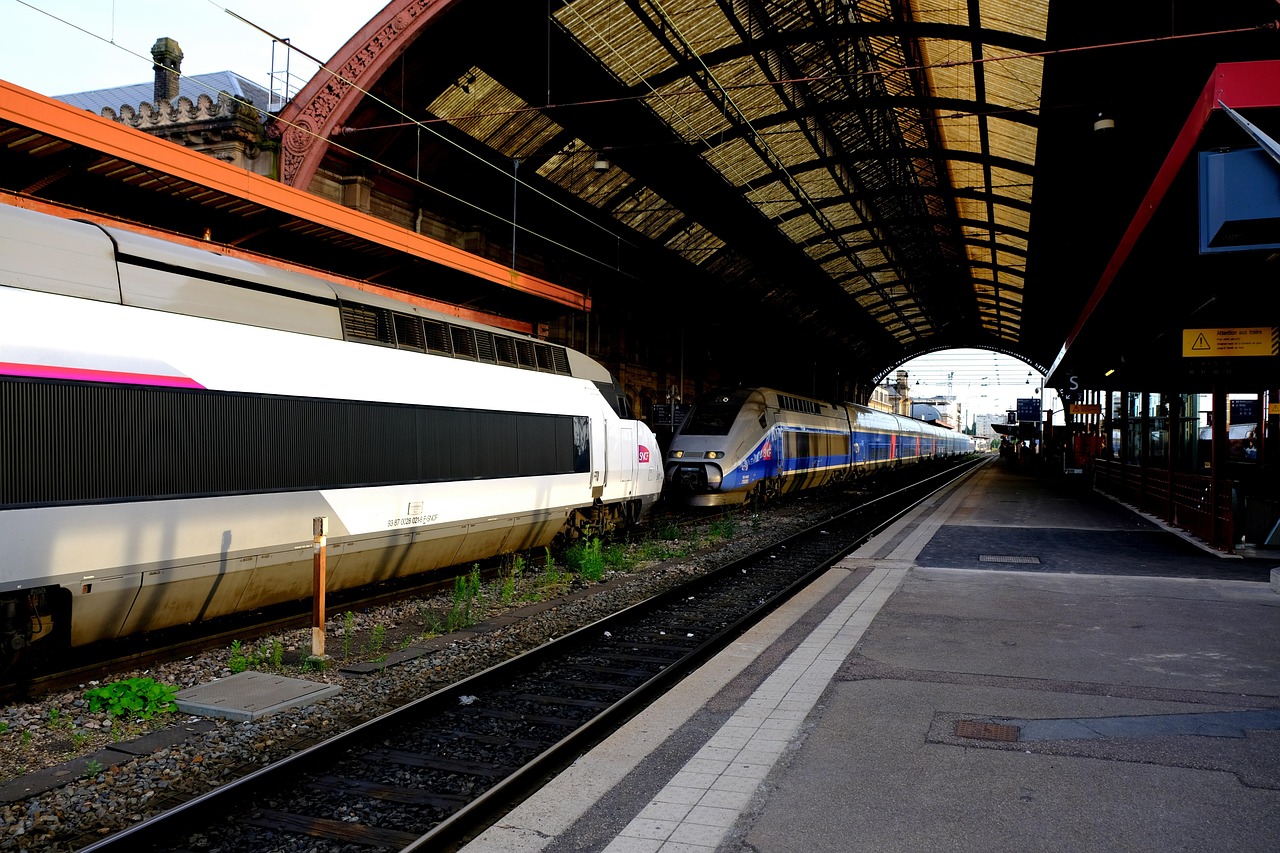
Design a seamless France route with TGV trains and quiet add-ons
For travelling to France, itinerary design, TGV trains, and local guides, think of the TGV as your high-end backbone: fast, comfortable, and wonderfully low-friction. Paris links neatly to Lyon, Bordeaux, Avignon, and the coast, so you can glide between attractions without sacrificing rest. This is also where choosing the right parts of France matters: fewer stops, longer stays, and time to enjoy the classic attractions in France without feeling rushed.
TGV comfort, ticketing, and expert-led entries for key collections
Book musée and palace entries online, build buffer time, and use expert private guides where insight truly changes the experience—major collections, châteaux, and layered historic districts. For inspiration, you can browse our Trip gallery and picture how your own route could be crafted around your tastes.
Quiet add-ons: Strasbourg in Alsace, Normandy’s cliffs, and the French Alps
If you want variety beyond your main list of places, Strasbourg in Alsace is one of the most picturesque options: canal lanes in Petite France, a gothic cathedral, and a distinctly French and German heritage that shows up beautifully on the plate—try something Alsatian with a crisp white. Start in the old town for architecture and cafés, then add a riverside stroll for a calmer tempo.
Normandy offers coastal drama at Étretat, where chalk cliffs feel sculpted by imagination, and the Bayeux tapestry adds an intimate historical thread. For a crisp contrast, the French Alps bring cleaner air and a different kind of grandeur; near Mont Blanc, the scenery feels clarifying—mountain light, quiet forests, and a sense of space that balances city days. If you have extra time, Brittany’s Carnac stones make a striking cultural stop on a slower route.
- Language: learn basic greetings; politeness builds trust quickly.
- Dress codes: plan smart layers for churches and upscale restaurants.
- Security: be mindful of pickpockets around major attractions; keep bags zipped and close.
F.A.Qs
What are the five most visited tourist attractions in France?
Commonly cited favourites include the Eiffel Tower, the Louvre, the Palace of Versailles, the Musée d’Orsay, and Notre-Dame (viewed from the exterior while restoration continues). Exact rankings vary by year, yet these remain standout places to visit in France for first-timers seeking art, history, and iconic city views.
What is the #1 tourist attraction in France?
The Eiffel Tower is often considered the #1 tourist attraction in France due to its global recognition and consistently high visitor numbers. For a more luxurious experience, consider timed tickets, a private guide for nearby viewpoints, and an evening visit when the city lights feel especially atmospheric.
What are the 5 famous things in France?
Many travellers associate France with the Eiffel Tower, fine wine, exceptional cuisine, fashion and design, and world-class art museums. Beyond these classics, small moments often become equally “famous” in your own memory—market mornings, slow café stops, and the golden light over village stone.
Where is the best place to visit in France for the first time?
Paris is the classic starting point for a first visit, offering major museums, landmark walks, and easy day trips like Versailles. From there, a seamless route might add the Loire Valley for châteaux, Provence for lavender light, or the coast for Mediterranean days—depending on your mood and pace.
After France, What Stays With You
What stays isn’t only the photographs. It’s the hush of a gallery as you step away from the crowd, the faint echo in a château corridor, and the way candlelight lands on linen at a late dinner. You remember the countryside after rain, the sea air along the coast, and the small kindness of a local greeting returned with warmth.
France becomes one of those beautiful countries you don’t just visit—you carry it. Each return can be designed differently: a softer season, a new neighbourhood, a slower table, a different companion. And somehow, even the most famous landmarks feel freshly seen when you give them time and care—one reason so many travellers say they love France. And when you think you’ve seen it all, France quietly offers another doorway—one more room, one more shoreline, one more story—waiting for the right moment to be uncovered.