Post Contents
- Why the Gorges du Verdon feels like Europe’s largest canyon in Verdon Regional Nature Park (Verdon Gorge, France)
- Best places and viewpoints on the Route des Crêtes loop – Verdon Gorge, France driving guide
- Hike Sentier Blanc-Martel in the Gorges du Verdon and visit the Gorges of France with confidence
- Boat hire and rafting on the Verdon River from Sainte-Croix and Pont du Galetas bridge, France
- Beautiful villages near Moustiers-Sainte-Marie
- F.A.Qs
- Verdon Gorge, France rock climbing on vertiginous limestone routes—guided ethics across France and Europe
Why the Gorges du Verdon feels like Europe’s largest canyon in Verdon Regional Nature Park (Verdon Gorge, France)
Why the Gorges du Verdon feels like Europe’s largest canyon
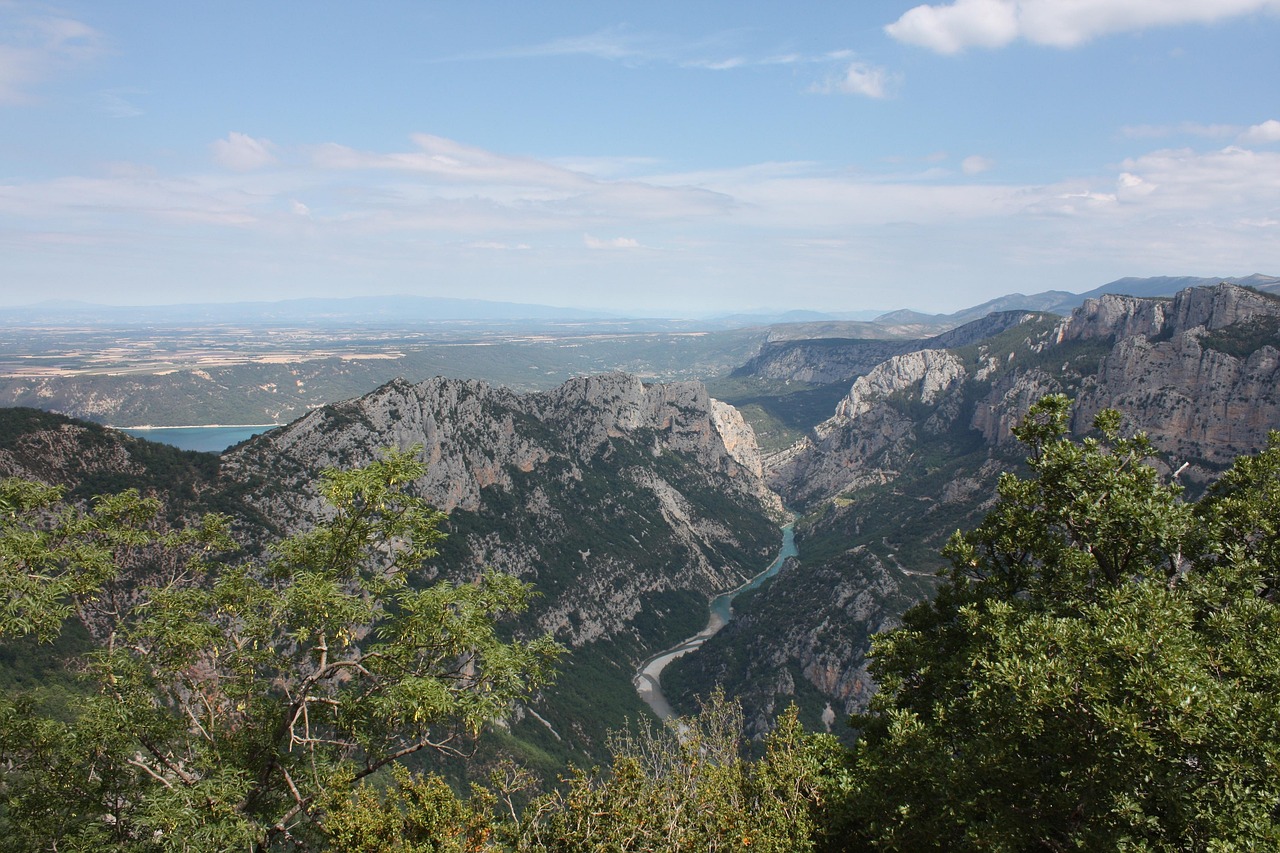
To understand the pull of the Gorges du Verdon, place it on your map of Provence: this dramatic gorge sits in the south of France, where the Verdon River has cut into pale limestone to create a breathtaking chasm. Many travellers describe it as Europe’s largest canyon and the largest canyon in Europe; the comparison to the Grand Canyon is inevitable, yet this version feels softer—sun-warmed air, quieter roads, and a distinctly provençal rhythm around the villages. It’s France’s most cinematic canyon-style landscape, and it’s one of the best stops for France and Europe road trips when you want nature with real scale.
Design your first mental map of the Gorge: upper, lower gorges, and an easy itinerary
Think of the Gorges du Verdon as two personalities. The upper sections near Castillon feel wilder and more river-led, with narrower roads and fewer services. Then the water opens out as you move towards Lac de Sainte-Croix and the lake, where the lower gorges become more accessible, making the experience an easy way to discover the canyon from below.
This simple orientation helps you create an itinerary that matches your energy: a day of high overlooks and a focused hike, or a slower pace that lets you stay in the gorges and enjoy relaxed evenings in nearby villages. If you’re planning to visit the Gorges du Verdon for the first time, this “two-zone” mindset immediately reduces decision fatigue.
Signature visuals, turquoise water, and the care that keeps the Gorges of verdon wild
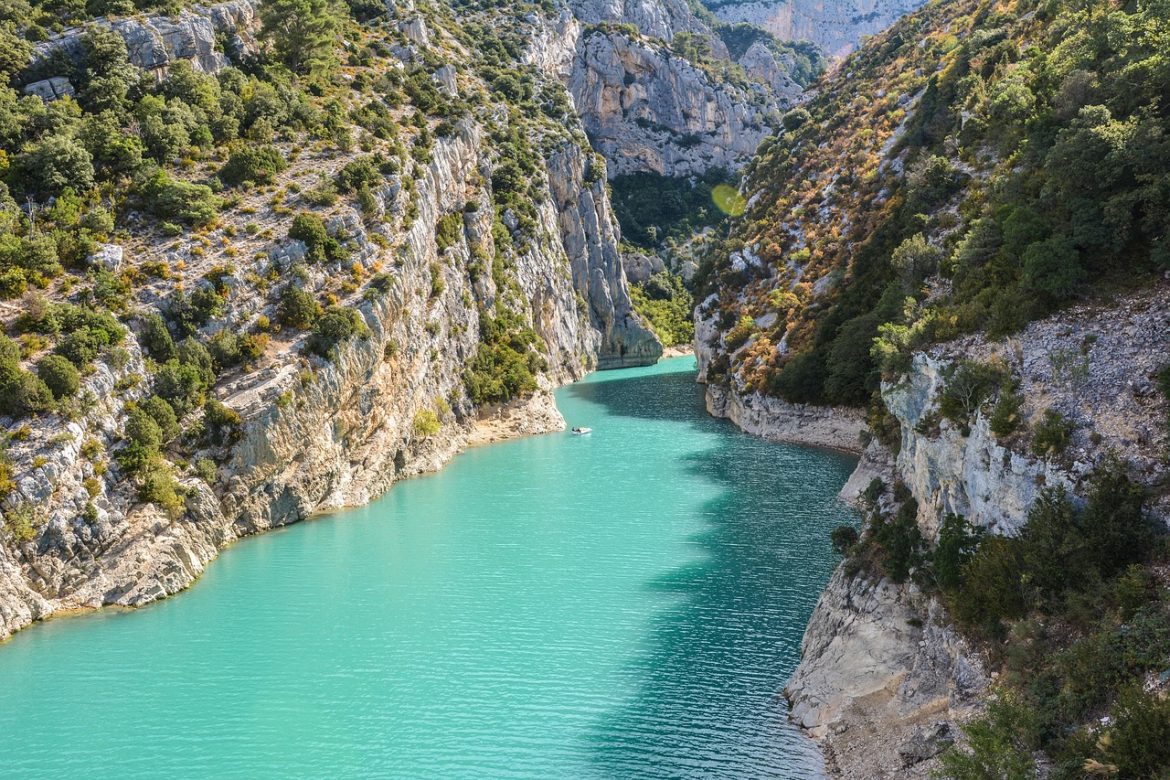
The first thing most travellers notice is the contrast: sheer walls, a blue hue in the water, and pockets of shade that make this gorge feel almost theatrical. On bright days, the river reads as turquoise water; later, it deepens into darker blues as the sun drops behind the rock face. The canyon also surprises people with its depth—around 700 meters at its most dramatic points—so every bend can feel like a reveal.
Keep your eyes up as well as down. The fauna here is part of the drama—possible to see a vulture riding thermals, especially the griffon, which locals regard with quiet pride. Respecting flora and fauna is more than etiquette: keep to paths, avoid loud music in narrow sections, and leave no trace so the gorges of verdon remain one of the most beautiful natural stages in Europe.
Personal note: that first viewpoint, when the canyon suddenly opens, and the water flashes below, can feel sublime. It’s an instant Trust-building moment—you realise the journey is worth it, and that you’re exactly where you hoped you’d be.
Best places and viewpoints on the Route des Crêtes loop – Verdon Gorge, France driving guide
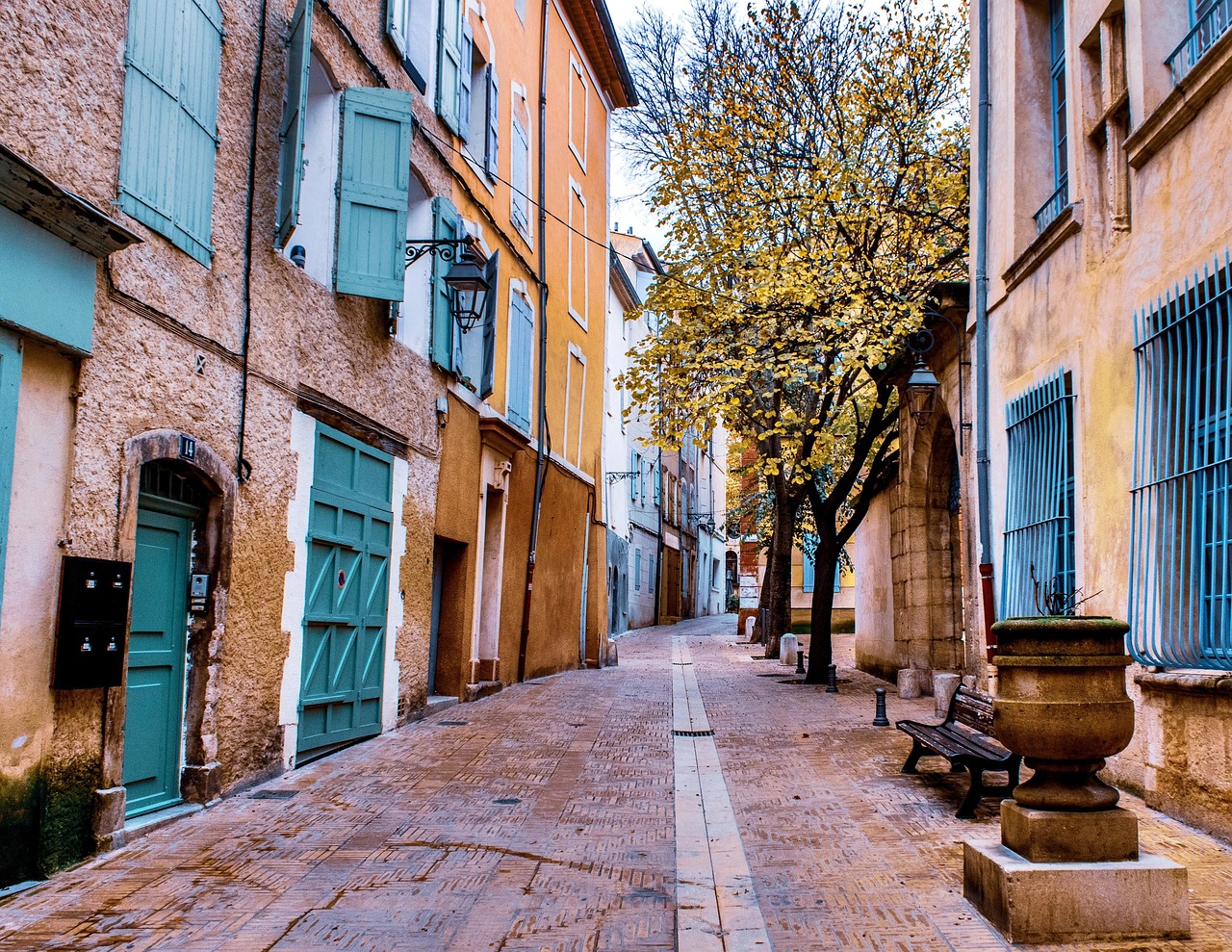
Best places and viewpoints for your Verdon Gorge route
When travellers ask how to see the Verdon without feeling rushed, I start with a simple promise: you don’t need to tick off every stop. The Verdon Gorge rewards a crafted driving loop—especially on the route des crêtes—where each viewpoint feels like a fresh angle on the same grand sculpture. Depending on detours and photo stops, this loop can be roughly 100 km, and it’s worth treating the road as part of the experience: narrow corners, cyclists, and sudden pull-outs are all normal here.
Point Sublime: a must-see stop with panoramic, spectacular views of the canyon
If you want easy drama with minimal effort, anchor your route around one or two standout stops rather than ten rushed ones. Point Sublime is the must-see classic for many first-timers, and it earns the name: the gorge appears to fold into itself, and you get clean views of the canyon without having to hike first. From the railing, the layered rock and the blue line of water below offer unforgettable views that feel almost unreal.
Other pull-outs along the crest road can be just as rewarding if you time them well. I love recommending a late-day pass when the rock warms in colour and the gorge turns calmer as day-trippers filter out, giving you more space to breathe and look.
Plan your stops early in peak summer, when the tourist flow is strongest, and parking fills quickly. Treat every pull-out like a small ritual: indicate early, slow smoothly, and never block the road—this is how you support everyone’s safety while still collecting beautiful views. For extra insight, look out for information about the region panel at a visitor point nearby; it can be genuinely helpful for trail closures, water levels, and seasonal access guidance.
- Start with golden light: sunrise or the last two hours of daylight make the gorge feel quieter and more intimate.
- Drive gently: the road is part of the experience, not an obstacle between viewpoints.
- Carry a calm photo plan: one wide shot, one detail shot, then put the camera away and just look.
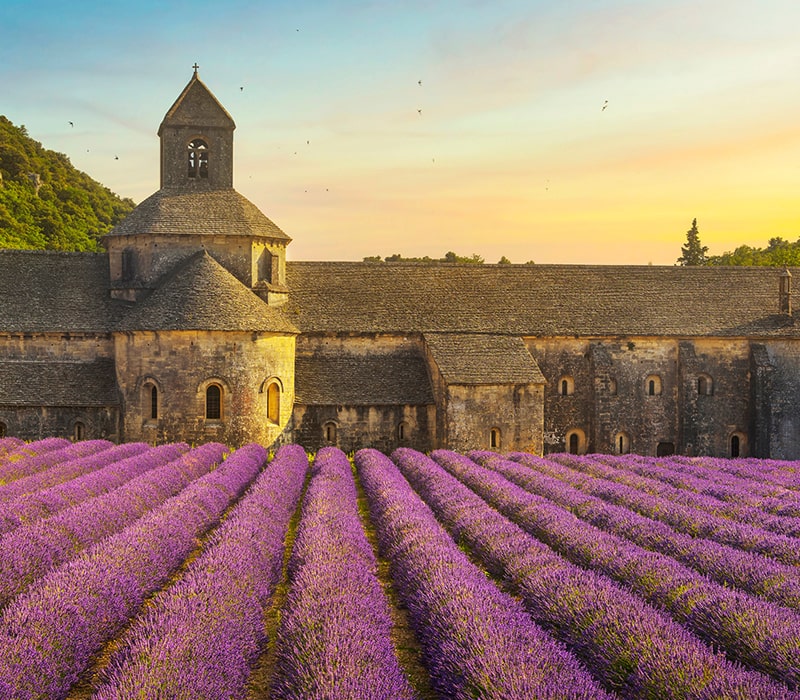
- Leave space for a lavender field detour: in early summer, the approach roads can be perfumed and memorable.
If you’re based in Cannes or elsewhere on the French Riviera, a day trip is possible with an early start and realistic expectations—think long drive, short window. My expert nudge, though, is to give yourself an overnight if you can. It’s the simplest way to visit the Vaucluse without feeling like you’re racing the clock; browse our Trip gallery for France pacing ideas that feel genuinely restorative.
Hike Sentier Blanc-Martel in the Gorges du Verdon and visit the Gorges of France with confidence
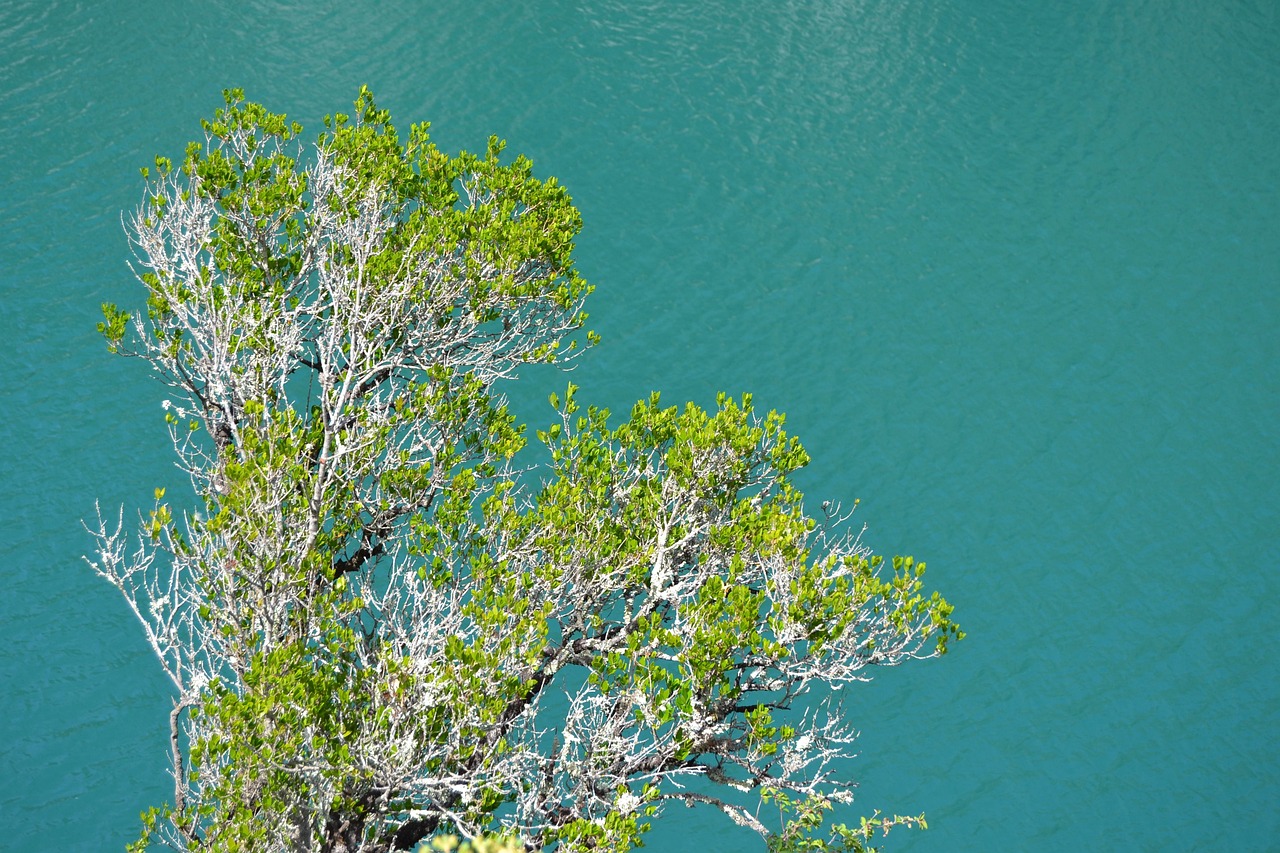
Hike the Sentier Blanc-Martel trail with confidence
To hike the Sentier Blanc-Martel in the Gorges du Verdon is to step into the canyon’s most iconic theatre. This trail is often described as the definitive hike for first-time visitors who want drama without technical climbing, and it delivers: long ledges, tunnels, caves, and occasional surprises of water and shade. If you want to visit the Gorges with confidence, this route teaches you the rhythm of the place—when to slow down, when to pause, and how to move with care.
The classic traverse: 14 km of drama, tunnels, and cliff-edge perspective
The classic traverse is around 14 km, and pacing matters more than speed. Expect sections where the gorge feels close enough to touch, then sudden openings where the canyon drops away. Along the way, you’ll pass tunnels that require a torch, and natural balconies that make you pause—partly for the beauty, partly because your mind needs a second to take it in.
It’s also a walk with history. The trail honours early explorers and advocates of the gorge, including Isidore Blanc, and it carries that spirit of curiosity. In some sections, the path dips towards the water, hinting at how glacial forces and time shaped the stone long before the first hikers arrived.
A reassuring checklist for heat, tunnels, and Together pacing
In high summer, the gorge can feel deceptively intense: bright sun, reflective rock, and long stretches without services. Start early, move together if you’re with friends, and treat hydration as non-negotiable. A great guide can be a quiet luxury here—not because the route is impossible, but because clarity creates calm, and calm creates better decisions.
Pack with care:
- Footwear: sturdy shoes with grip for uneven rock and dusty descents.
- Light: a torch for tunnels and dim cave sections.
- Water and salt: especially between May and September, when the time to visit overlaps with hotter days.
- Sun protection: hat, sunglasses, and high-SPF, even on hazy mornings.
A personal story that stays with me: one hiker described starting before dawn and watching sunrise spill into the gorge like a slow curtain-raise. For a while, there was only quiet footfall and birdsong—then, later, the day found its usual energy. Those early hours became unforgettable memories, not because they were hard, but because they were gentle.
Logistics tip: plan your trailheads in advance and confirm whether you’ll do a point-to-point walk or return the same way. Allow a generous day on foot, and don’t be afraid to pause—this is the Martel trail, and it’s meant to be felt, not ticked off.
Boat hire and rafting on the Verdon River from Sainte-Croix and Pont du Galetas bridge, France
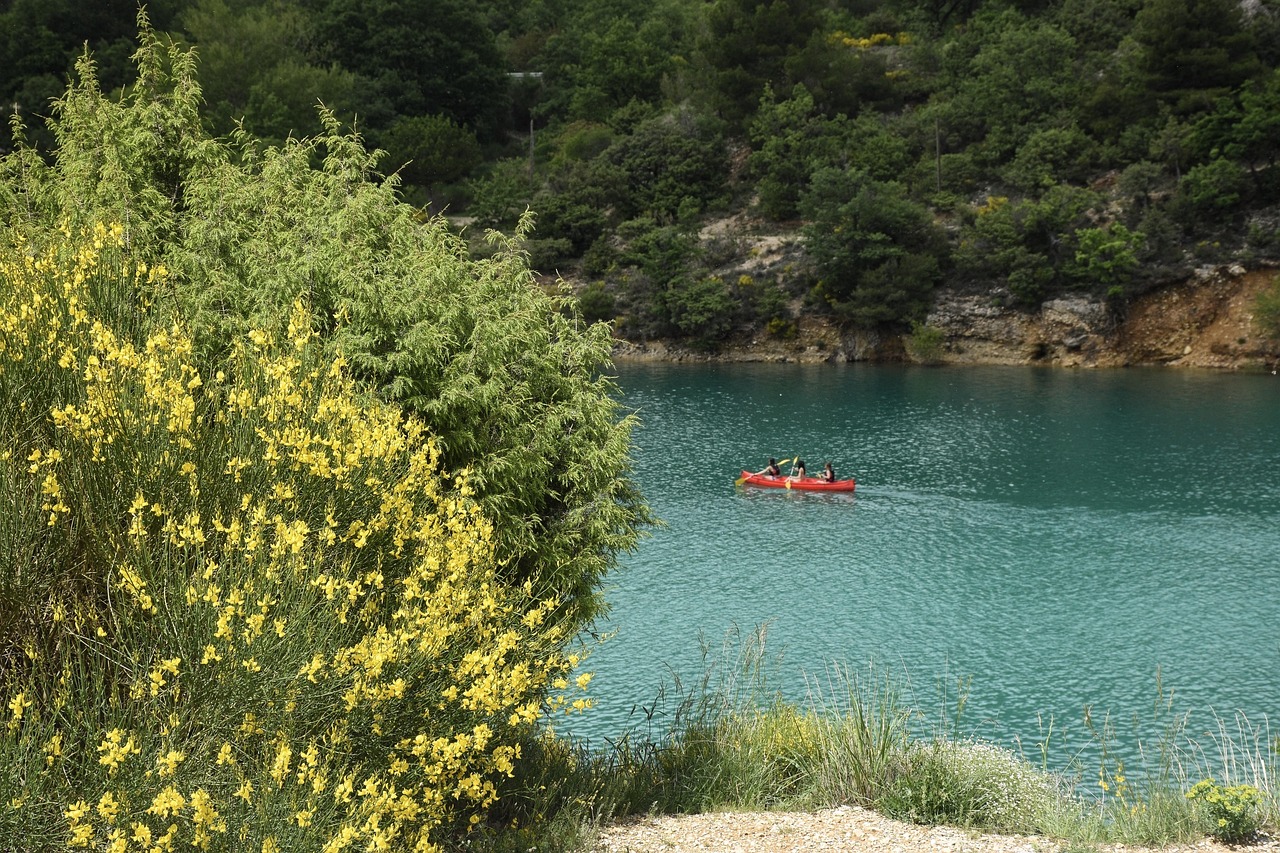
Boat, raft and kayaking the Verdon River from Sainte-Croix
For many travellers, the most intimate way to meet the Gorges du Verdon is from the waterline. Around Lac de Sainte-Croix, near the Pont du Galetas bridge, the scene shifts: the gorge becomes a corridor of shade and echo, and the colour of the river turns almost unreal. It’s a way to discover the canyon that feels both indulgent and adventurous—perfect for travellers who value comfort but still want a pulse of adrenaline.
Choose the right boat rental: bateau options, gentle kayaking, and guided raft fun
Options are refreshingly clear. For calm sections, a boat rental (often a simple electric bateau) lets you drift, stop for photos, and linger in quiet coves. If you’d rather paddle, gentle kayaking is a serene way to slip deeper between the rock walls. For more energy, a guided raft trip adds a playful edge and teaches you how to read the river safely.
For a slower afternoon, many people combine water time with a lakeside beach break at Sainte-Croix—an easy reset between viewpoints and hikes, especially if you’re travelling with family.
Practical tips for a seamless, safe water day
A little planning creates a calmer experience. In peak months, arrive early so you can choose your craft, confirm rules, and avoid the midday queue. Wear water shoes, bring sun protection, and keep valuables in a dry bag. If you’re considering a raft experience, choosing local guides adds both insight and trust—they’ll read conditions, advise on levels, and keep the fun feeling safe rather than stressful.
One of my favourite personal stories comes from a family who paddled out in the morning, nerves buzzing, then found their rhythm together—calling directions, laughing at splashes, and feeling that shared achievement when they reached a quieter inlet. They described it as unforgettable: a short, bright chapter of courage inside a much larger holiday.
As you float back towards the bridge, look up at the rock lines and listen to the shift in sound. The gorge teaches you to notice atmosphere, not just scenery—and that’s the kind of travel memory that lingers.
Beautiful villages near Moustiers-Sainte-Marie
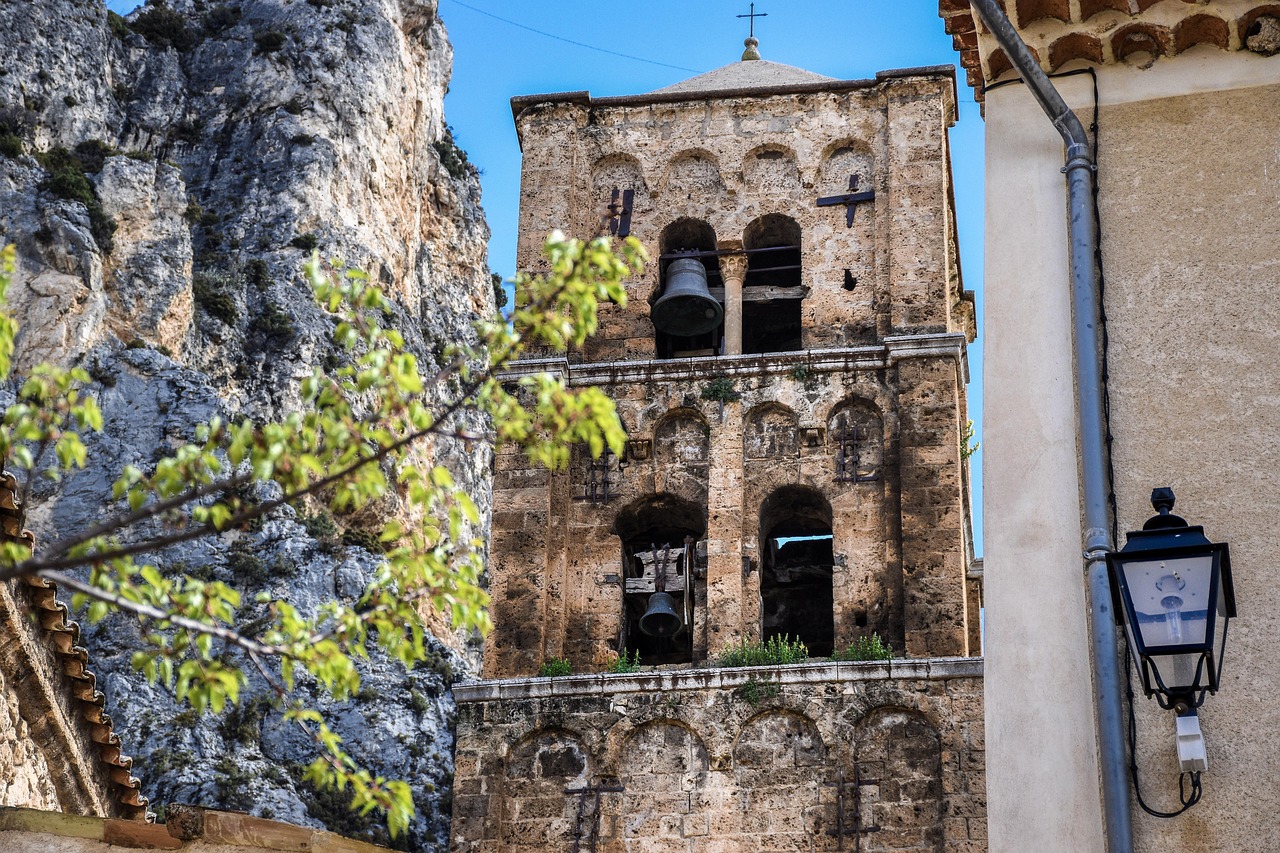
Beautiful villages and local culture near Moustiers-Sainte-Marie
After the raw energy of the gorge, the beautiful villages around the Gorges du Verdon offer a softer kind of adventure—one made of taste, craft, and slow conversation. Moustiers-Sainte-Marie is the standout for many cultural enthusiasts: a picturesque tangle of lanes, artisan pottery, and places to sit on a terrace with something chilled and local while your hiking legs recover.
Moustiers-Sainte-Marie as a romantic, crafted base for the Gorges du Verdon
A couple once told me their visit to Moustiers-Sainte-Marie felt like a romantic escape inside a wilder trip: mornings on the water, afternoons in workshops, evenings sharing Provençal dishes under warm light. That balance is the luxury here. You can explore the Gorges du Verdon all day, then uncover a gentler rhythm at night—small shops, family-run restaurants, and the pleasure of recognising faces by day two.
To support makers respectfully, buy handmade pieces when you can, ask before photographing artisans at work, and be patient if a studio is busy. Those small gestures build trust and keep the village economy thriving in a way that mass tourism never does.
A cultural mini-itinerary plus Esparron, Quinson, and Baudinard village options
If you want to create a day that feels both rich and restorative, keep it simple: market browsing, a long lunch, and a slow walk as the air cools. Add a lavender field stop in season on the drive between villages, and you’ll feel how Provence expresses itself through scent as much as sight.
For extra variety, consider these nearby places based on your style:
Esparron for a quieter retreat and lake-side calm; Quinson for history and a more laid-back pace; and Baudinard if you want a smaller village feel with easy access to the surrounding viewpoints. Each sits close enough to the gorge to keep your mornings adventurous, while your evenings stay grounded and local.
As you travel between them, notice how the gorges de Verdon road signs appear on the approach roads—along with the occasional “des gorges” marker on local maps—and how the scenery shifts subtly: different curves of road, different light, different silences. That’s the cultural side of nature: the way a place changes how people build, eat, speak, and welcome.
F.A.Qs
Is the Verdon Gorge worth visiting?
Yes—especially if you enjoy natural beauty with a strong sense of place. This gorge combines dramatic canyon scenery, turquoise water, and rich culture in nearby villages. Whether you come for hiking, a boat day, or viewpoint drives, it’s easy to tailor the experience to your comfort while still feeling the scale of the Gorges du Verdon.
Can you swim in the Verdon Gorge?
In many areas, yes—particularly around Lac de Sainte-Croix, where there are designated, calmer spots and small beach areas. Within narrower parts of the gorge, swimming may be less practical due to currents, boat traffic, or access. Always follow local signage, avoid restricted zones, and choose safer locations where entry and exit are clear.
How many days do you need in the Verdon Gorge?
Two to three days is a sweet spot for most travellers: one day for scenic drives and viewpoints, one day for a signature hike, and one day for water time on the lake or river. A single day can work, but it can feel rushed—an overnight stay often brings calmer mornings and a more personal connection to the south of France.
Where is Verdon Gorge located?
Verdon Gorge is located in Provence, in the south of France, within the protected regional park. It lies between the Alps and the Mediterranean hinterland, with key access points near villages such as Moustiers-Sainte-Marie and the lake at Sainte-Croix. Most visitors arrive via Marseille or Nice and continue by car.
Verdon Gorge, France rock climbing on vertiginous limestone routes—guided ethics across France and Europe
The Gorges du Verdon has long been a proving ground for climbers: vertiginous walls, clean lines, and a local community that can feel quietly generous with beta when you show respect. Even if you’re new, it’s possible to approach the cliff with confidence if you choose the right routes, the right conditions, and the right support. Shoulder seasons often offer calmer rock, cooler air, and a more personal connection to the gorge—without the summer pressure.
Climb with trust, not bravado: guides, checks, and choosing sectors
An avid climber once described the Gorges du Verdon community as “friendly, but serious”—the best possible combination. Beginners do well here when they lean into expert instruction and impeccable checks. Mandatory safety gear is non-negotiable: helmet, harness, belay device, and the ability to assess anchors properly. If you’re unsure, a reputable school or guide turns uncertainty into trust, and trust into enjoyment.
Conditions matter. Wind can funnel through the gorge, and sun exposure changes quickly as the day moves. Some sectors—such as Imbut or routes around Chaudanne—can feel committing, while other crags are better suited to first sessions. The aim isn’t to conquer; it’s to learn the rock and enjoy the movement.
Responsible ethics so the gorge remains one of the most beautiful in Europe
The Gorges du Verdon is not a gym wall; it’s a living place. Minimise impact, follow access guidance, and respect nesting periods to keep vulture activity undisturbed. Avoid known loose-rock zones, keep noise low in echoing sections, and pack out everything you bring in. That care is what keeps the experience rewarding—for you, and for everyone who comes after.
And then, quietly, the focus shifts. After the last knot check and the last long look into the void, what stays with you is rarely the grade. It’s the blue waters far below, the limestone light at dusk, and the calm courage of choosing your own pace—whether that means climbing a single pitch or simply watching others move across the face. In the Gorges du Verdon, even a short day can feel spacious, measured not in distance but in attention.
Later, when you’re back home, and everyday life becomes louder again, the gorge returns in smaller flashes: the hush before sunrise on the path, a shared smile with a guide, the scent of a market bag, the long shadow-line sliding across the canyon wall. The Gorges du Verdon doesn’t demand you remember everything—only that you remember how it felt to slow down, look closely, and trust your own rhythm. And if you return in another season, you may find the same gorge offering a different kind of quiet, as though it’s saved a new detail just for you.