Post Contents
Dieppe in Normandy, a warm welcome to the coast and a guide to Dieppe, Normandy
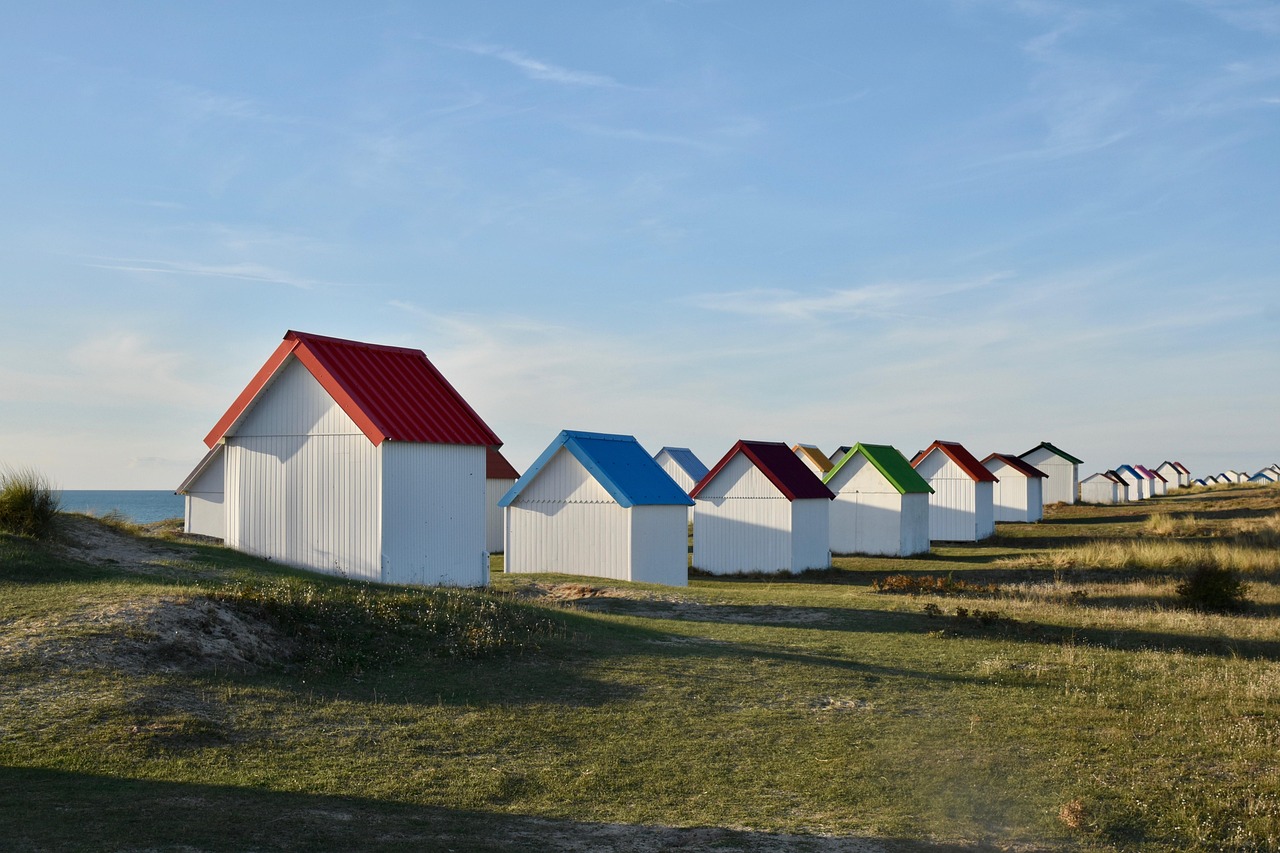
Dieppe in Normandy, your warm welcome to the coast with colourful seaside cabins and sea air
For a first-time traveller, a guide to Dieppe, Normandy, visit Dieppe overview is really about atmosphere as much as itinerary. Dieppe is a lively fishing and commercial port with a walkable town centre, where the harbour and the wide beach are within minutes of each other. My Personal arrival moment still feels vivid: stepping off the train, breathing in salt and coffee at once, and following the flow of locals towards the quay as gulls traced the sky.
Imagine beginning your trip to Normandy in a coastal town that doesn’t perform for tourists—it simply lives. Dieppe moves at a human pace: early boats, market chatter, and a Seaside rhythm that invites you to slow down without losing your appetite for adventure. With a little Expert planning, you can create a weekend that feels crafted for you, whether you’re here for culture, water sports, or a bit of both together.
When to visit Dieppe and what the English Channel feels like
The best time to visit Dieppe is late spring to early autumn, when days are longer, and the coast is at its most inviting. Even then, the English Channel can turn cool quickly—sunny at midday, breezy by late afternoon—so layers are your best form of Support. On the pebbly shore, the air feels fresh and clean, and the light changes constantly, which is part of Dieppe’s charm.
If you’re planning to stay in Dieppe, a sea-view room is worth the splurge for sunrise over the water and that soft evening glow along the waterfront. For high-end travellers, the luxury here isn’t fuss—it’s ease: short distances, good food, and the calm Confidence of knowing you can pivot your day with the weather.
- Season sweet spot: late spring through early autumn for outdoor events and comfortable walking.
- What to pack: a light waterproof, a warm layer, and shoes with grip for pebbles.
- Shopping rhythm: many local shops close for lunch (often 12 pm to 2 pm), so design errands around it.
Get to Dieppe by train or ferry from Newhaven
If you want to visit Dieppe as a simple escape, the train is your Seamless option: Paris to Dieppe takes about 2.5 hours, often via Rouen, making it realistic for a day trip or a restorative weekend. Another romantic approach is the cross-channel ferry—DFDS runs the Newhaven to Dieppe route—so you can arrive with that classic sense of “landing on the Continent” and immediately tasting sea air.
Once you arrive, orient yourself like a walker rather than a driver. Start at the waterfront, then drift inland and back again; Dieppe rewards gentle wandering. Follow the quay to the harbour mouth, then continue to the promenade and the plage, and finally loop back through the side streets where cafés and small galleries brighten the day. For a particularly photogenic moment, pause on rue Aguado and look for textures: timber, stone, and a flash of blue sky.
On your first loop, uncover a few places to visit without overplanning: a harbour viewpoint for boat-watching, the old town edge for architecture, and your first glimpse of the chalk cliffs and distant white cliffs beyond town. This is the kind of Discover Dieppe beginning that feels both effortless and quietly thrilling—and if you’d like inspiration for a broader Normandy itinerary, you can browse our Trip gallery for beautifully designed routes across France.
Old town spirit and Dieppe Castle maritime stories
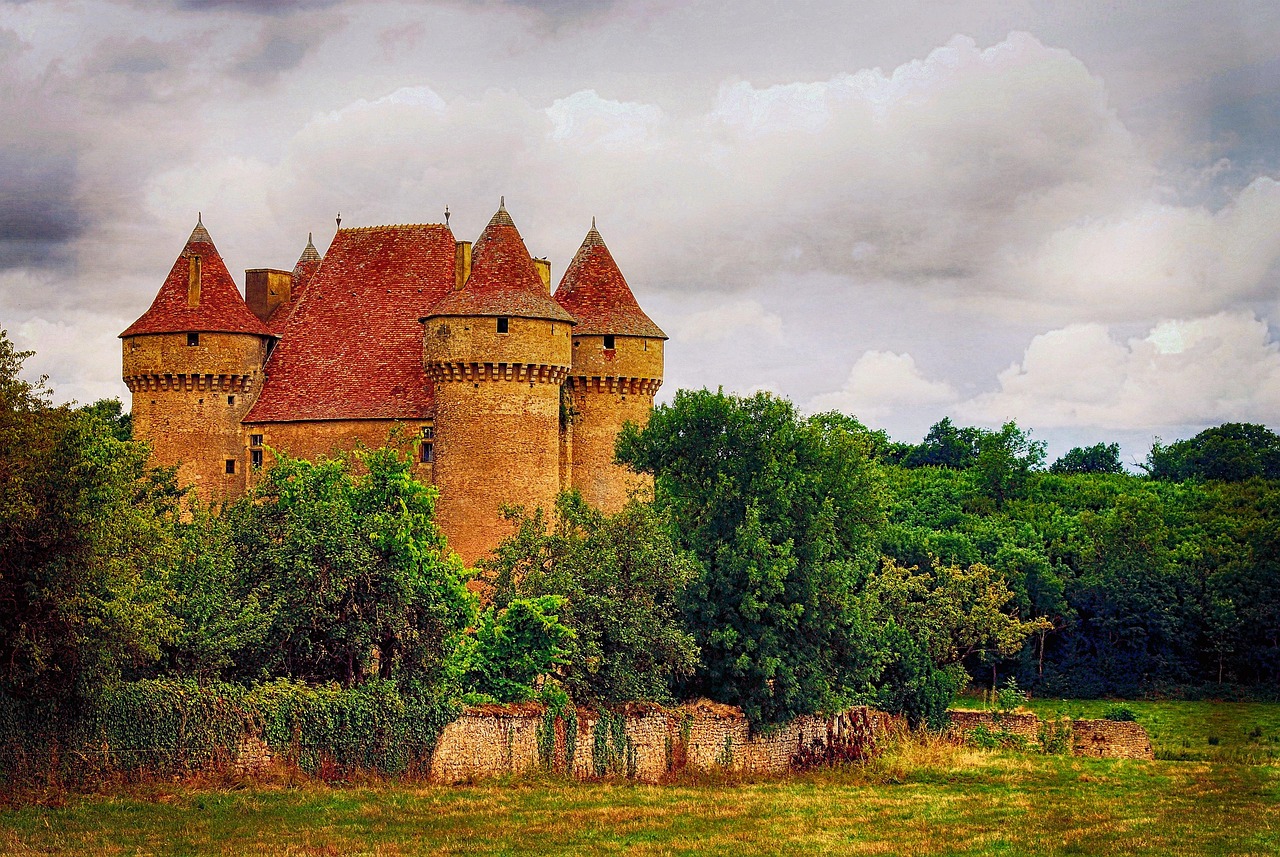
Old town spirit and Dieppe Castle maritime stories with panoramic views from the medieval castle
To understand Dieppe, start with Dieppe Castle, old town, Dieppe, Normandy, maritime history in mind: it’s a town shaped by tides, trade, and the daily courage of people who work at sea. The old town is full of half-timbered houses, lively café terraces, and small ateliers where makers quietly keep tradition alive. The mood is welcoming rather than showy, and it’s easy to feel Trust forming in the small, ordinary interactions.
One of my favourite Local connections comes from the Dieppe Market, where a craft stall holder once shared a family recipe as readily as she explained her technique. Several visitors have told me the same: vendors don’t just sell—they talk, laugh, and offer little Insights into how Normandy eats, celebrates, and remembers. If you’re travelling for culture, these exchanges can be as meaningful as any museum label.
Dieppe Castle and the maritime history of the city
Dieppe Castle sits like a watchful guardian above the sea—a medieval castle with a brisk wind at its walls and a view that makes you pause. From the ramparts, the coastline stretches in a way that reframes the town: boats become brushstrokes, and the beach becomes a clean arc of light. Inside, the collections are a strong introduction to Dieppe’s maritime past and the maritime history of the city, from shipbuilding and navigation to the changing fortunes of a working port.
As you explore the galleries, look for the storytelling details that connect objects to people: sailors’ lives, trade routes, and the particular identity of Dieppe craftsmanship. You’ll also see references that hint at the town’s wider reach, including the legacy of Jean Ango, whose ambitions tied the port to global currents. There’s a thoughtful thread on ivory too, best approached with modern context—an opportunity to reflect on how ports are shaped by both ingenuity and the moral complexity of history.
For families, the castle’s interactive elements are a gift: a way to uncover how the port shaped everyday life without turning it into a lecture. A family I met described their afternoon here as the moment Dieppe “clicked”—children could touch, test, and imagine, while adults followed the art and history displays at their own pace. It’s the sort of museum experience that feels crafted for real travellers, not just school groups.
WWII remembrance in Dieppe with Care
Dieppe also carries a solemn chapter from WWII. The Dieppe Raid—Operation Jubilee—took place in August 1942, and its consequences are part of how northern France learned, endured, and rebuilt. If you’ve visited Caen or other Normandy sites, you may recognise the same emotional pattern: the landscape can be beautiful, but memory asks for quiet respect.
The Canadian War Cemetery is a place to move through gently. Keep voices low, avoid climbing on memorials, and allow time for reflection rather than photographs. This is where travel becomes more than consumption; it becomes Care—an acknowledgement that the freedoms we enjoy on holiday were once contested at extraordinary cost.
To keep the chapter inspiring, let Dieppe’s creativity sit beside its history. Writers and artists have long been drawn here; even Oscar Wilde spent time in the town, part of a broader legacy of coastal imagination. In that blend—bravery and beauty—you feel what makes Normandie distinct: tender, resilient, and quietly luminous.
Things to do in Dieppe for sea, cliffs, and kite-filled skies with things to do in Dieppe Dieppe beach cliffs near Dieppe
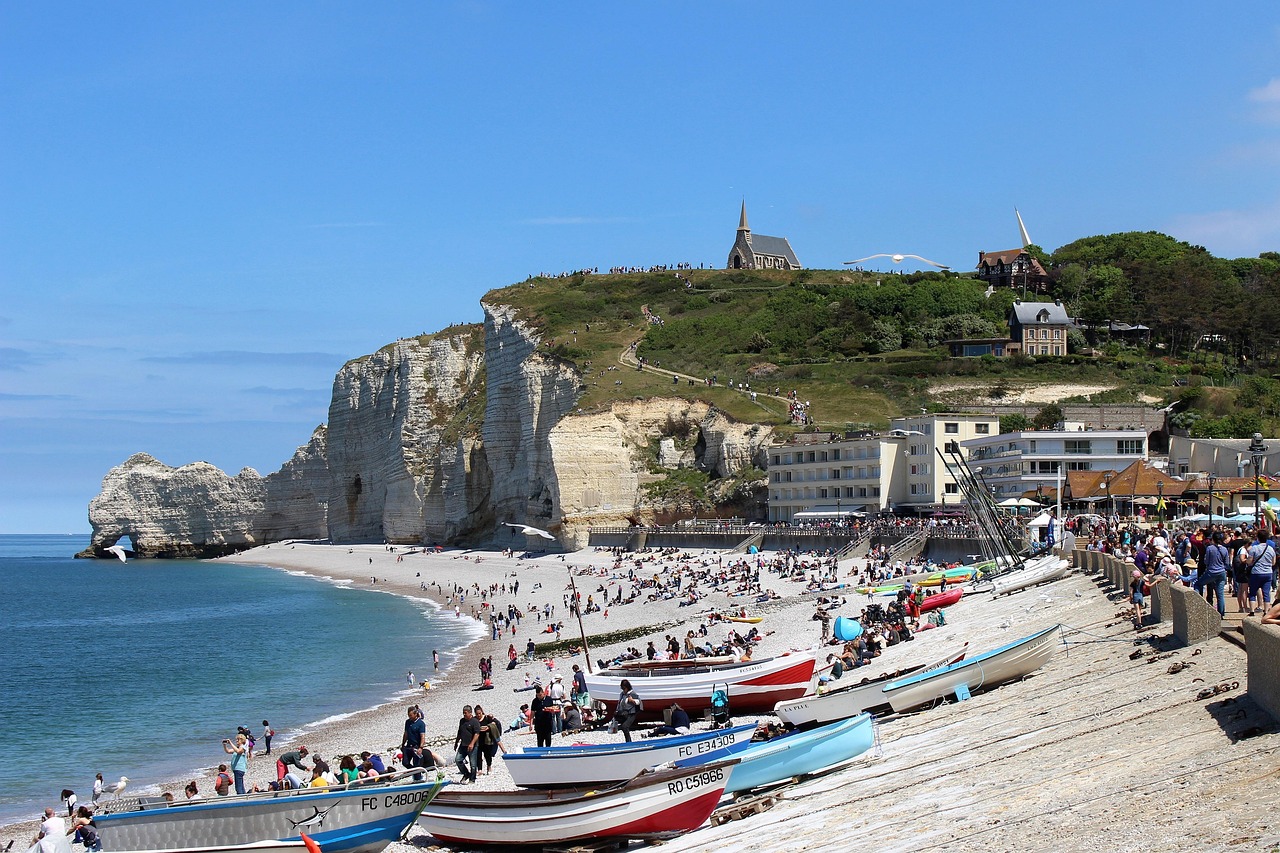
Things to do in Dieppe for sea, cliffs, and kite-filled skies along the pebbly beach
If you’re weighing up things to do in Dieppe, Dieppe beach cliffs near Dieppe, the answer is wonderfully varied: begin on Dieppe beach, then let the day rise up into the air and out along the headlands. This seaside resort mood is energetic but not overwhelming, and it suits adventure seekers who want real experiences with reassuring structure. Start with the water, then earn your views on foot, then finish with a plate of something fresh from the sea.
One adventurer I spoke with recalled taking a sailing lesson in the English Channel and seeing the town from a different angle. The thrill wasn’t just speed—it was perspective: the harbour looked like a stage set, and the town’s pale facades became a soft backdrop to the open water. It’s a reminder that Dieppe doesn’t need to be rushed; it rewards a mix of adrenaline and calm Confidence.
Dieppe sea time and safety on the English Channel
Kayaking and sailing are two of the most rewarding ways to explore the coast. Local instructors offer practical, friendly guidance, helping you feel supported even if you’re a first-timer. Do take currents seriously, and remember the water can be chilly even in summer—layers and a windproof top make the experience far more comfortable.
If you prefer a gentler pace, simply walk the waterfront and watch the rhythm of boats returning. In the Pollet area, you’ll sense the working life of the port—less polished, more authentic—where the sea is not scenery but livelihood.
- Water-ready layering: a thermal layer and a light shell help when the breeze picks up.
- Footwear: grippy soles for pebbles and wet surfaces near the waterline.
- Timing tip: plan active sessions earlier in the day, then keep late afternoon for cafés and galleries.
For hikers, the magic is up high. Follow the paths that trace the chalk cliffs towards viewpoints that feel almost private, especially outside peak weekends. Hikers I met spoke with delight about “hidden trail” moments—turning a corner and suddenly seeing the alabaster coast glow, the water shifting from slate to silver below.
Keep trail expectations grounded: routes can be breezy, and edges can be exposed, so stick to marked paths and choose daylight hours for your return. The payoff is immediate—big sky, clean air, and that satisfying quiet you can’t manufacture in a city.
For short-hop exploring, go near Dieppe to Pourville for a calmer beach feel, then continue to Varengeville-sur-Mer for gardens, viewpoints, and picnic spots where the coast feels intimate. These nearby coastal towns make a wonderful contrast to the town centre—more space, fewer crowds, and endless places to pause and simply look.
Kite festival colour and a taste of the sea
Dieppe’s International Kite Festival is a cultural spectacle that feels almost dreamlike. A traveller once told me it was “magical” to stand on the waterfront as a kite rose above the harbour, colours reflected in windows and water. Even if you arrive outside festival dates, the town keeps that playful, creative spirit—wind, light, and imagination working together.
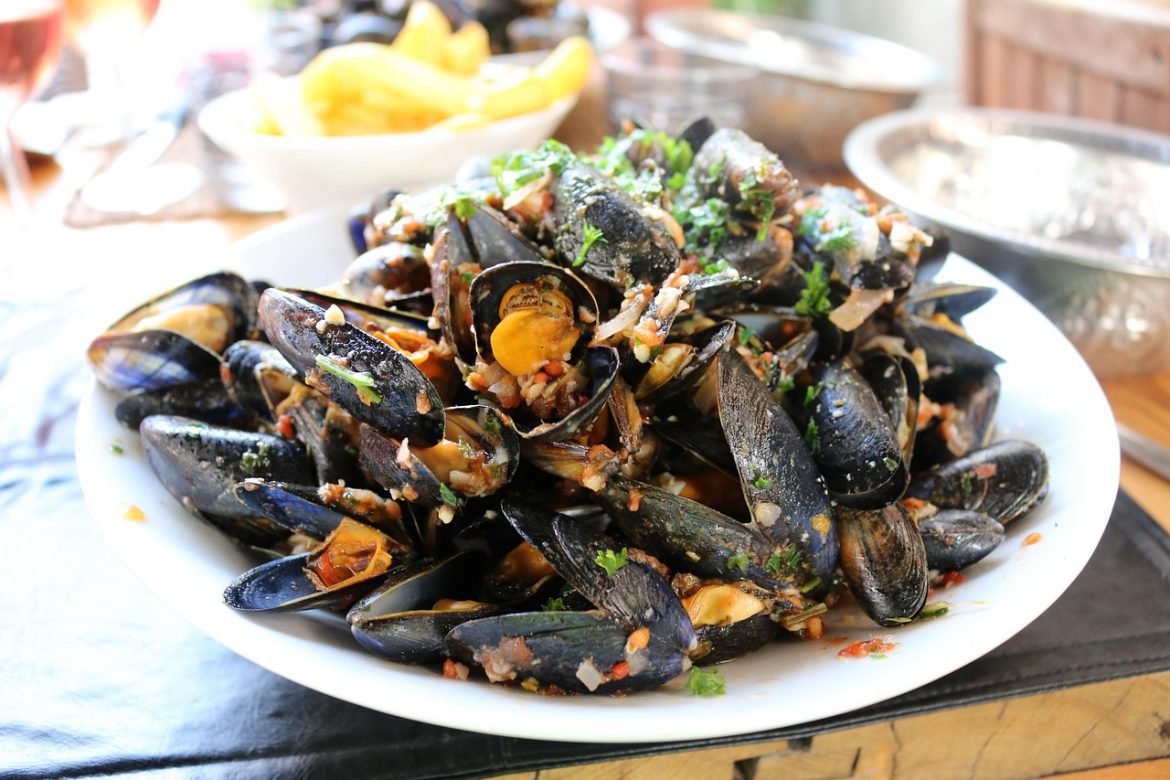
Between adventures, eat simply and well. Look for fishermen’s counters and unpretentious bistros serving herring, and don’t miss the regional scallop specialities when they’re in season. You’ll often see it written as Saint-Jacques or Saint-Jacques; either way, it’s a Normandy classic, especially during the annual herring and scallop celebration that locals cherish like a rite of autumn.
F.A.Qs
Is Dieppe, France worth visiting?
Yes—Dieppe is worth visiting if you want a walkable Normandy coastal town with a strong sense of place. You get castle views, a lively market, beach energy, and moving WWII history, all within easy reach of Paris by train. It suits travellers who like culture with a dash of adventure, and it feels welcoming without being overly touristy.
Why is Dieppe famous?
Dieppe is famous for its historic port, Dieppe Castle, and its long relationship with the sea. It’s also known for vibrant market culture, seafood traditions, and key WWII events connected to the 1942 raid. Many travellers also associate the town with colourful coastal festivals and a creative, windswept atmosphere on the Channel.
What went wrong at Dieppe?
The Dieppe Raid in 1942 (Operation Jubilee) suffered from heavy losses due to strong German defences, difficult beach conditions, and challenges in coordination and support. The raid became a painful lesson in amphibious warfare. When visiting memorial sites in and around Dieppe, a quiet, respectful approach helps honour those who died.
What does Dieppe mean in French?
Dieppe is often understood to relate to “deep” water, reflecting its identity as a harbour town. The name is thought to come from older linguistic roots rather than modern everyday French usage. For travellers, the meaning feels fitting: a place defined by the sea, the port, and the depth of its history.
What stayed with me after Dieppe
After a few days in Dieppe, what lingers isn’t a checklist—it’s sensation. The pebble sound underfoot, the salt air, and the steady rhythm of boats returning make you feel quietly recalibrated. In this corner of Normandy, travel becomes less about collecting sights and more about letting a place speak to your inner pace, with gentle Care for your energy and attention.
I keep thinking about warmth: a smile from a café owner, a shared recommendation, the way locals at the market treat questions as invitations rather than interruptions. That’s the kind of Trust you can’t book online, yet it becomes part of your story. It’s also what makes Dieppe feel reassuring for adventurous travellers—you can take risks on the water or the trail and still feel held by human kindness.
And then there are the contrasts, balanced with real grace: medieval stone beside modern boards and sails, solemn remembrance beside bright sky, history beside play. In Dieppe, the coastline offers perspective without demanding anything from you. It simply waits, steady and patient, until you’re ready to listen again.