Post Contents
- Discover old port Marseille, France (Vieux Port) – an easy orientation walk with classic waterfront views in the heart of the city
- Uncover the Old Port of Marseille’s ancient roots – Massalia, a Greek settlement, and a strategic hub through antiquity
- Experience Marseille Old Port at dawn – fish market atmosphere on Quai des Belges and local flavour
- Explore trips from the old port of Marseille – Calanques coastline, a ferry to an island, and an outdoor adventure
- Design your day: Notre-Dame de la Garde Basilica hike from the Old Port – nearby must-see attractions and views in Marseille
- Old Port Marseille, France reflections – Vieux-Port memories that symbolise the city
Discover old port Marseille, France (Vieux Port) – an easy orientation walk with classic waterfront views in the heart of the city
If you’re starting in Old Port Marseille, France—often called the Vieux-Port—it’s the simplest place to get your bearings. The waterside promenade leads you straight into the heart of the city, where the scene feels genuinely vibrant from morning to night. From the railings, you may spot a working ship gliding past the dock, yachts bobbing in a sleek yacht basin, and one wide harbour panorama where the sea and the city meet. This is Marseille’s everyday stage, and it still manages to fascinate travellers in this city for centuries.
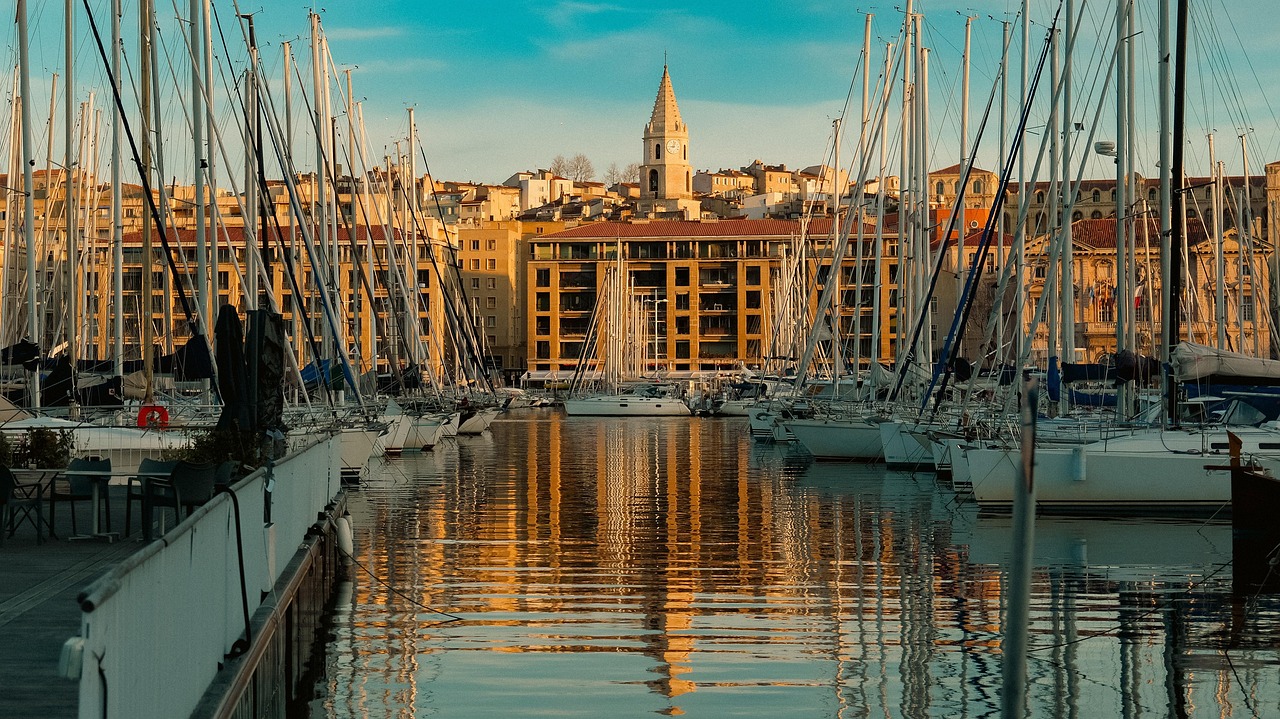
Discover Vieux-Port Marseille, France: your first waterfront walk with boats and classic views
Quai des Belges waterfront walk – Stroll along Marseille’s famous quay for authentic port of Marseille scenes
Begin at Quai des Belges, where a single viewpoint frames the historic old port in one sweep. As you stroll along the waterfront, the city’s pulse feels immediate—at the eastern end, the promenade is busiest, with each arrival announced by gulls, fishmongers, and café chatter. The curve of the water, the bright light, and the easy photo angles make this stretch an essential first stop in Marseille.
Look closely, and you’ll notice the symmetry and colour that have inspired more than one painting across the century: boats slip out, friends linger over coffee, and the scene shifts from grand to intimate in minutes. That brilliant Mediterranean palette can make even a short walk feel cinematic.
Local etiquette at Marseille’s waterfront – Simple habits for calm, confident exploring in a tourist hot spot
On weekends, this part of Marseille gets busy, bringing local families and first-time visitors together along the water. For a quieter start, arrive early, greet vendors with a warm “Bonjour,” and keep your pace steady as you pass the bars and restaurants around the basin. A little courtesy and awareness go a long way, especially when the waterfront is packed.
These small interactions quickly turn a simple visit into an authentically local experience, and they’re part of why the Old Port is one of Marseille’s true must-see attractions. Settle into the rhythm, and you’ll start to understand the city beyond the postcards.
Uncover the Old Port of Marseille’s ancient roots – Massalia, a Greek settlement, and a strategic hub through antiquity
The history of the Old Port of Marseille runs through the story of Marseille itself: France’s second-largest city and, by tradition, its oldest. Around 600 BC, this Greek settlement was founded by sailors from Phocaea, who established Massalia and recognised how strategic the sheltered waters were for trade. From its earliest centuries as a port of exchange, the waterfront became a commercial hub, linking communities across the Mediterranean and shaping daily life through antiquity and beyond.
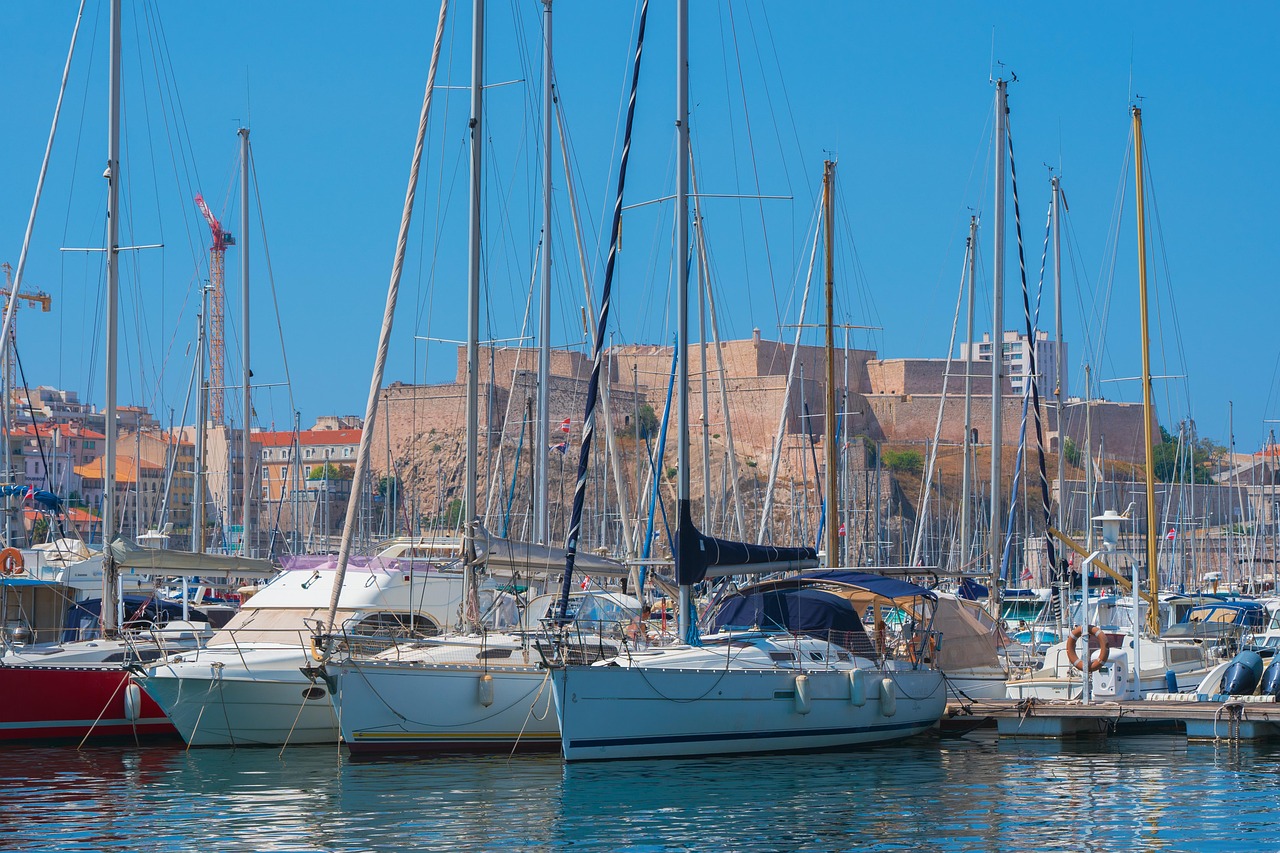
Uncover the Old Port of Marseille from Massalia to today, from ancient roots to modern life
How Marseille’s port became a commercial centre – Trade route, maritime defence, sanitary controls, and growth over centuries
Marseille is now recognised as a major port and a vital gateway for the south of France. Over time, trade expanded along a key route, and the waterfront evolved from a protected basin into a busy centre of exchange, transport, and daily life. In the 15th and 17th centuries, new walls and lookout points were added in response to maritime threats, while the 16th century brought further expansion and planning to match the city’s growing influence. Alongside commerce, leaders also introduced sanitary controls and quarantine measures at various points to protect the population during outbreaks.
Along the port of Marseille, you can still sense those layers: the geometry of the quayside, the flow of people between water and narrow lanes, and the way the city keeps turning toward the sea. In local conversation, you may still hear port de Marseille used for the historic basin, a reminder of how deeply it’s woven into everyday identity.
Historic landmarks around the port – Forts, Roman remains, and architectural symbols to spot
Watch for the strong profiles of Fort Saint-Nicolas, built to control the entrance and later reinforced under Louis XIV. Each stone building is more than scenery; it’s a symbol of defence, ambition, and survival. Nearby, a few Roman traces and surviving remains in the urban layout reveal how the waterfront has been rebuilt, repurposed, and reimagined across generations.
The old port feels like an open-air museum, where antiquity and modern Marseille sit side by side. Pause for a moment, and you’ll notice how history still shapes the everyday movements around the water.
- Best viewpoint for history: Stop where the basin opens toward open water and scan the curve of the port—an outlook valued since Greek times.
- Museum stop: Step into one local museum nearby (try Le Panier) for context on seafaring, trade, and the city’s past.
- Tip for visitors: Notice the details—stone edges, mooring points, and how daily life continues around the port’s long tradition.
Experience Marseille Old Port at dawn – fish market atmosphere on Quai des Belges and local flavour
To understand the Old Port in Marseille, arrive early at Quai des Belges, when fishermen bring in the day’s catch, and the waterfront feels personal. You’ll see fishing boats unload crates of seafood beside the fish market, while café tables fill slowly and morning light reflects off the water. It’s a simple ritual that shows how the port still works as a living meeting place for local life.
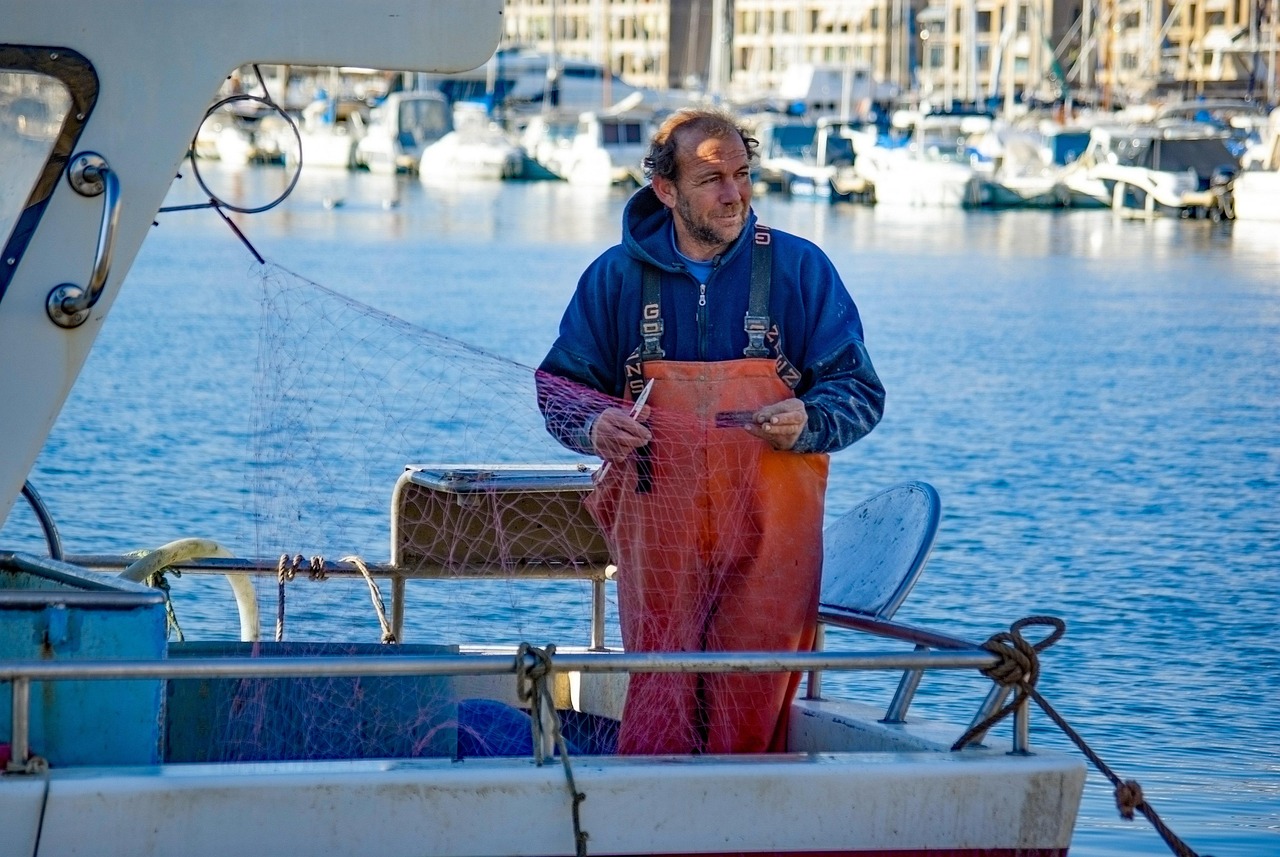
Create your morning along Marseille’s Old Port, from early boats to waterside cafés
Port life up close – Fishing boats, marina views, and the oldest rhythms of the waterfront
After the early activity, follow the edge of the port and compare traditional fishing boats with the sleek lines of the marina. This contrast is part of what makes Marseille distinctive: the oldest rhythms still run alongside modern leisure, all within the same compact waterfront. For photographers, the first light is often the most flattering time to capture the boats and reflections.
Music, conversation, and changing light create an outdoor theatre for people-watching and quiet moments. It’s also a great way to see how each neighbourhood connects back to the water in everyday ways.
Comfort and safety on the waterfront – Shade breaks, restaurant choices, and practical tips
Before your next stop, take a short break at a café with a view and choose a restaurant that focuses on simple Provençal plates. If you’re lingering, look for restaurants and cafés with reliable shade, especially on warm days when the stone and water reflect heat.
For comfort, wear supportive shoes for narrow lanes behind the waterfront, keep valuables close, and expect heavier crowds later in the morning. A little preparation makes the experience relaxed, whether you’re staying nearby or visiting for the day.
- Best timing: Aim for dawn to mid-morning for the calmest atmosphere and clearer photos.
- Etiquette: Greet sellers first; photography is usually fine when you ask.
- Food tip: Choose seasonal seafood and a simple local dish—freshness is the point here.
Explore trips from the old port of Marseille – Calanques coastline, a ferry to an island, and an outdoor adventure
From the old port of Marseille, you can join coastal excursions toward Calanques National Park or take a quick crossing to a nearby island for time on the water. The coastline is spectacular, with pale cliffs and clear coves that are often best appreciated from the sea. It’s one of the easiest ways to add outdoor nature and fresh air to a city-based itinerary.
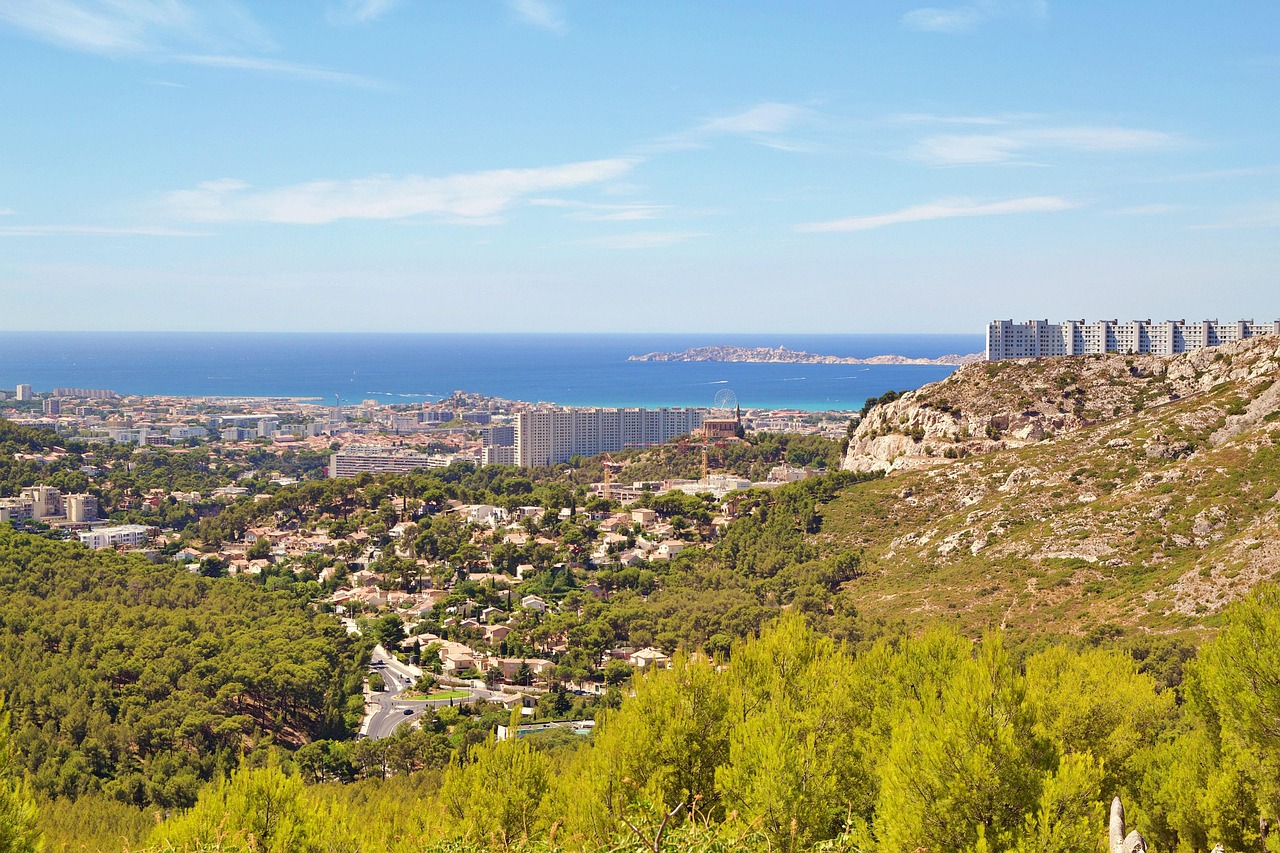
Explore from Marseille’s Old Port to the Calanques or an island offshore
Plan Calanques departures smoothly – Pick a trip option, check times, and choose your island route
Whether you choose a guided tour or a regular service, departures are straightforward and well organised along the waterfront. In peak season, it’s smart to book ahead, especially if you’re aiming for a specific calanque or a shorter island route. Bring water and sun protection, and stay flexible—winds can change quickly along the coast.
Operators usually provide a clear briefing before departure, and the best trips include time to point out hidden coves and viewpoints along the waterline. Ask about stop lengths so you can plan your day without rushing.
Sunset cruises, Château d’If, and famous stories on a legendary Marseille coastline
For unforgettable light, choose an evening sailing and watch the waterfront glow as the sun drops. Many itineraries include Château d’If, the fort-prison linked to Dumas’ classic tale, which adds a sense of history to the trip. It’s a legendary detour that blends scenery, storytelling, and a quick escape from Marseille.
- Timing options: Mornings feel calmer; evenings deliver richer colour and atmosphere.
- Check conditions: Services may adjust times or routes based on weather and safety advice.
- Plan inspiration: Explore cultural and scenic ideas in our France trips gallery for more coastal routes.
Design your day: Notre-Dame de la Garde Basilica hike from the Old Port – nearby must-see attractions and views in Marseille
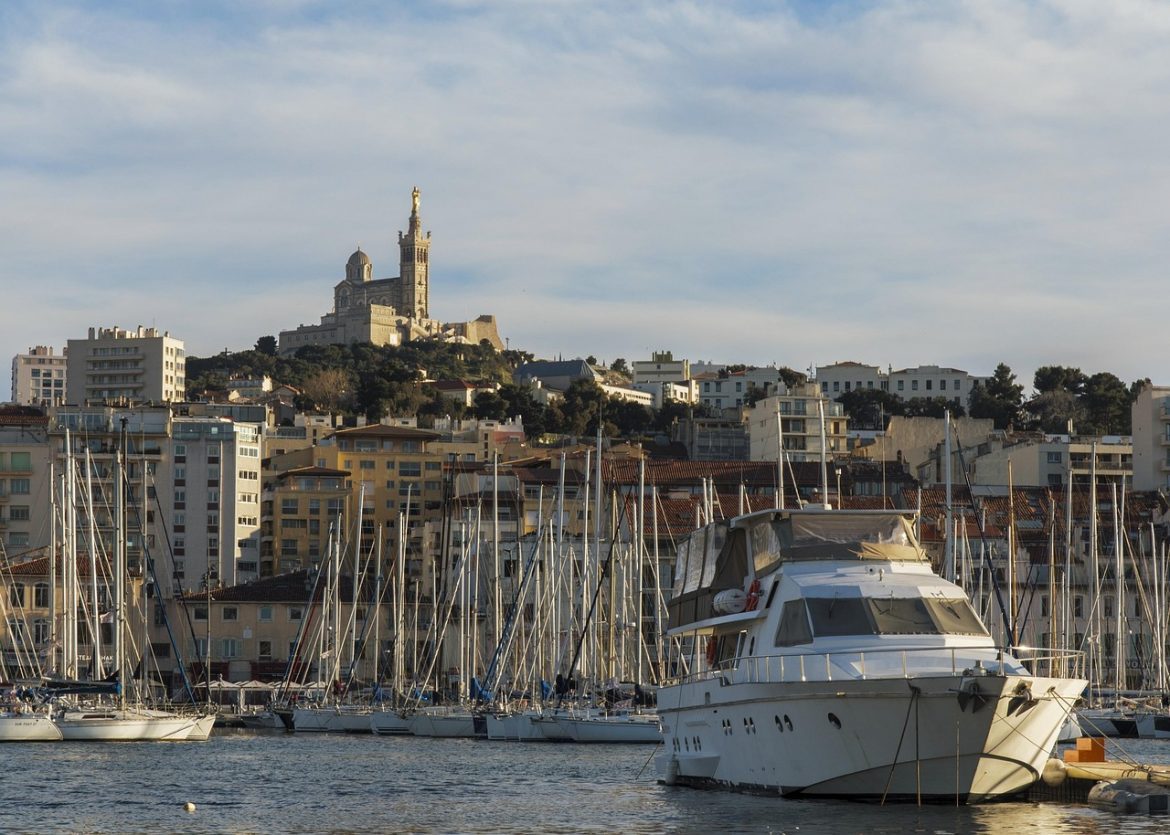
Build a full day from the old port by heading up to Notre-Dame Basilica, Marseille’s best-known catholic church and a skyline icon. The climb takes you through historic quarters and past a few must-see attractions, then rewards you with wide views over Marseille, the waterfront, and the open sea. It’s one of the clearest ways to understand the city’s layout at a single glance.
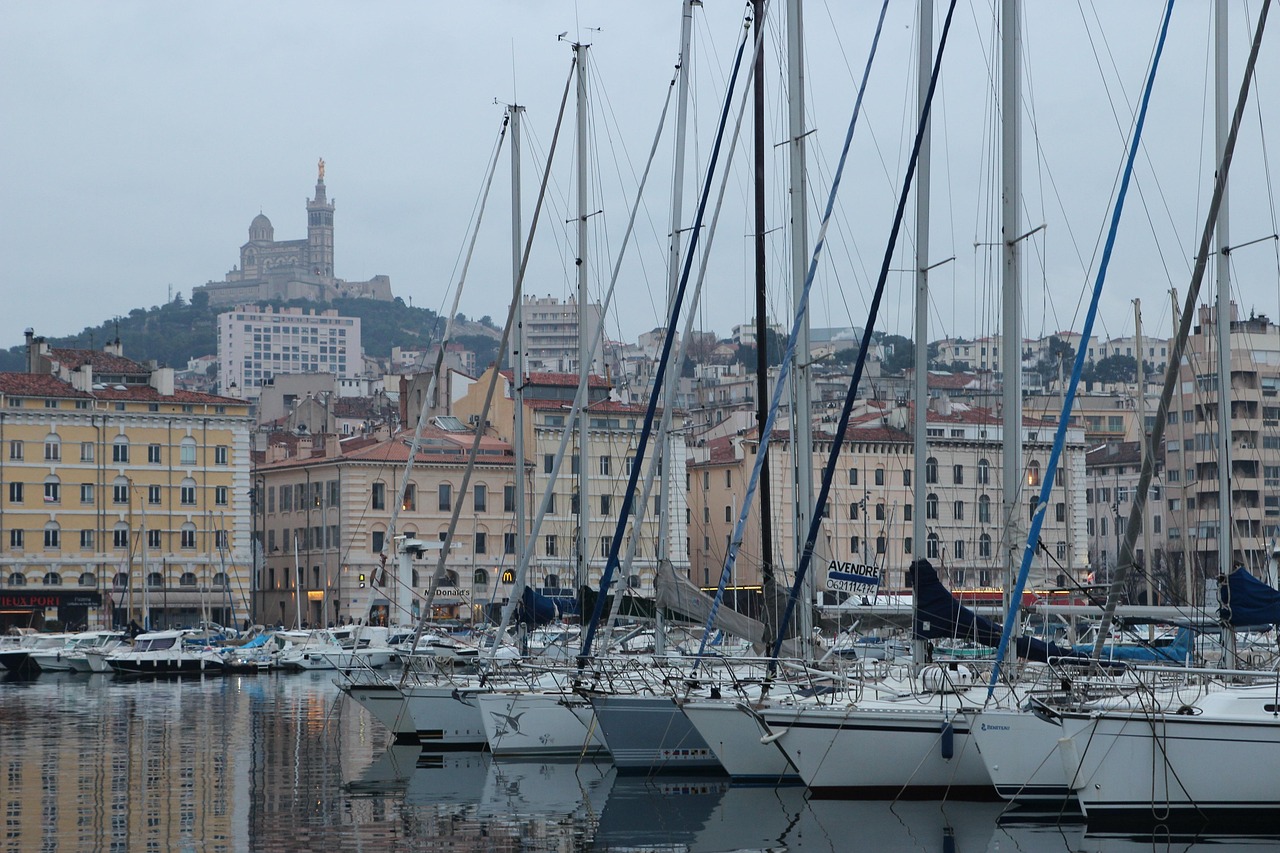
Design your day in Marseille, from the basilica viewpoint down to local lanes
Getting there and back – Transport choices and the neo-baroque facade at your own pace
You can reach the basilica on foot, by bus, or by taxi; for a balanced itinerary, use public options on the way up and walk back down. This keeps your energy for the details, including the neo-baroque facade, then lets you pause whenever you want for viewpoints over the port below. Take your time on the descent, because small photo spots appear constantly.
As you come down, you’ll feel how quickly Marseille shifts between hillside calm and city energy. If you want to add culture, it’s easy to include a museum stop between viewpoints and the waterfront.
Nearby lanes, street art, La Joliette, and where to pause for lunch
Back at lane level, wander through older quarters where narrow passages reveal street art, a simple house front, and pockets of daily life away from the water. If you like modern architecture and shopping, continue toward La Joliette (Joliette) and note how the area balances new development with older city character. For a small detour, look for Rue des Augustins (Les Augustins) for a quieter moment away from the busiest corners.
For lunch, choose a second restaurant with Provençal flavours and, if possible, a view. End the day with one drink at a bar beside the water, and take a moment to admire how Marseille changes with the light.
Old Port Marseille, France reflections – Vieux-Port memories that symbolise the city
Looking back on the old port, it’s the small details that stay with you: early fishing boats, salt in the air, and the steady blend of tradition with daily life. The port’s role as a maritime meeting point for France still feels immediate, whether you’re watching departures, chatting with vendors, or simply pausing beside the water.
The real symbol of Marseille is this invitation to return—an openness shaped over time and shared with visitors who arrive curious. From forts and museums to sunset viewpoints, the old port continues to feel like the city’s front door, always ready for the next story.
F.A.Qs: Old Port of Marseille travel tips
Where is the old port of Marseille?
The old port (Vieux Port) sits on Marseille’s central waterfront, opening directly to the sea and framed by cafés and the main entrance near Fort Saint-Jean. It’s easy to reach by Metro Line 1 to Vieux-Port – Hôtel de Ville, then a short walk brings you right to the basin.
Is Marseille Old Port worth visiting?
Yes, especially if you enjoy lively city culture with a seafaring edge. The port is the centre of Marseille, with early-morning market energy, classic views, and quick access to departures heading to the Calanques. Visit early for a calmer feel, then return near sunset for the best light.
Is Marseille walkable from the cruise port?
Marseille can be walkable depending on where your cruise terminal is, but many terminals are farther from the old port. For a smooth arrival, consider a shuttle, taxi, or Metro into the centre, then explore the waterfront on foot once you’re there.
What to do in Marseille Old Town?
Explore lanes near the port for markets and murals, add one museum for context, and take your time over lunch in a relaxed spot. For a rewarding viewpoint, head up to the basilica and let Marseille reveal itself from above.
And if you ever return, it won’t be to repeat the same steps—it will be to notice what you missed the first time.