Post Contents
- What to See in Paris, France: Things to Do in Paris for a First Itinerary and First Trip to Paris
- Eiffel Tower private evening tour: champagne, view of Paris, and the Seine at night
- Louvre before opening guided tour: Paris museum highlights, Mona Lisa, and masterworks
- Montmartre bespoke walking tour: local artists, ateliers, and the highest point in Paris
- Paris bucket list attractions: travel tips, Arc de Triomphe, Notre Dame, and a day trip from Paris
- F.A.Qs
- What stays with you after Paris
What to See in Paris, France: Things to Do in Paris for a First Itinerary and First Trip to Paris
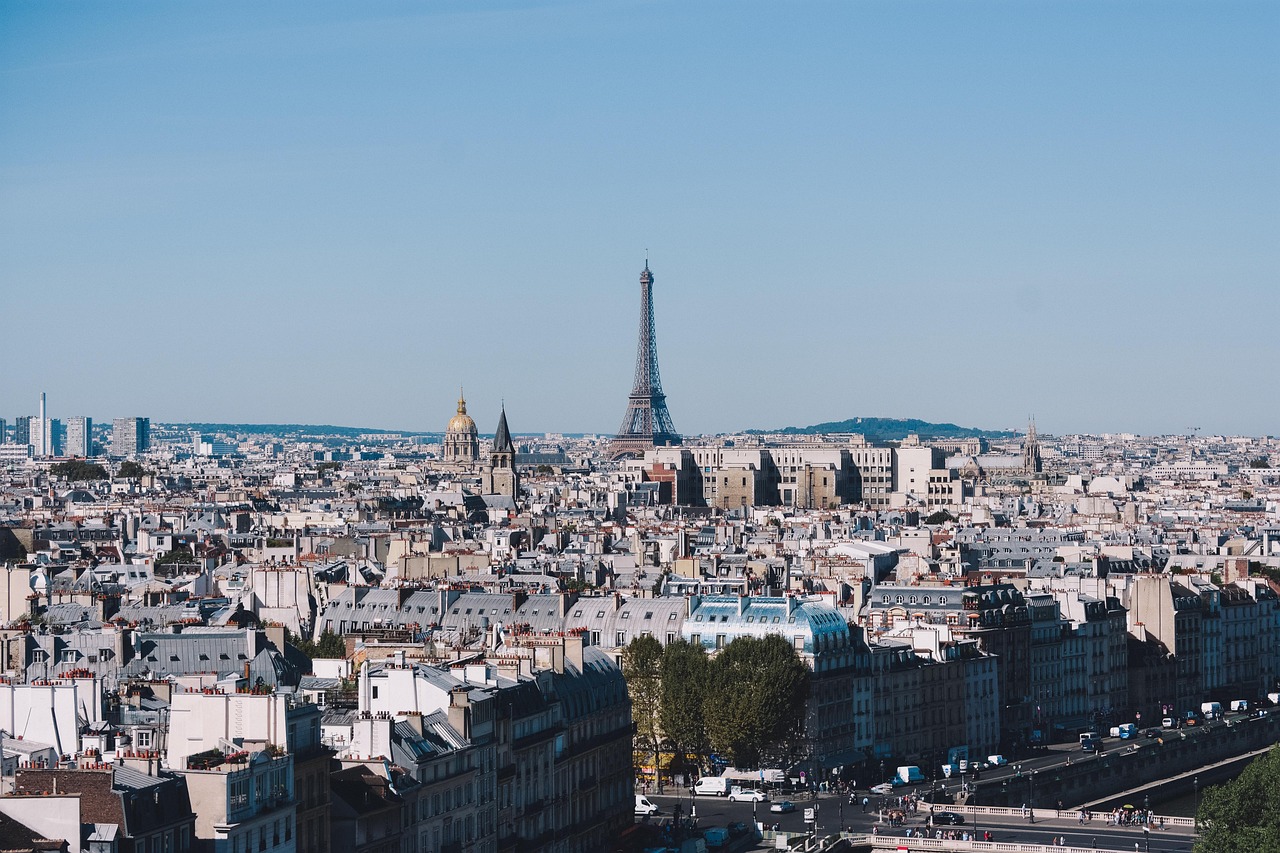
Things to Do in Paris for a First Itinerary with elegant city views
If you’re planning a trip to Paris, which feels like the city at its most beautiful, a thoughtful framework matters. The phrase things to do in Paris itinerary for first trip to Paris can sound like a checklist, yet the smart way to see everything is to design your days around a few defining moments, then let the rest unfold with confidence. This guide highlights the things to see, savour, and slow down for—because Paris offers so many layers, from grand boulevards to quiet courtyards and candlelit dinners.
For high-end travellers, the ultimate Paris experience is less about racing between famous attractions and more about moving through the heart of Paris with ease. You’ll see that even a short trip to Paris can feel spacious when you build in gentle transitions: a café pause after a museum, a private transfer when you’re dressed for the evening, and an indoor Plan B for weather.
Best time to visit Paris: Paris travel timing for seamless days in Paris
Late spring and early autumn are, in our experience, the sweet spot for the best Paris rhythm: mild weather, softer light, and fewer crowds at each attraction. Those shoulder seasons also make it easier to book premium experiences—like early museum entries or a curated dinner reservation—without negotiating peak-season intensity.
If your dates are fixed, don’t worry. With trusted support and a few smart bookings, popular Paris can still feel calm. Think in terms of “anchors” (one major highlight per half-day) and “breathing spaces” (a gallery, a garden, a riverside walk). That balance keeps a day of sightseeing elegant rather than exhausting.
Neighbourhoods to explore and where to stay in Paris for first-time visitors
A well-chosen base shapes how you experience the city. For a first-time visit to Paris, we love staying close to the Seine so both banks are within easy reach—whether you wander to a museum in the morning or return later for an evening view of the Eiffel Tower. The centre is wonderfully walkable, and the best places to visit often appear between the landmarks: a tiny square, a hidden passage, the small things in Paris that make you stop and smile.
To match a high-end pace, consider boutique hotels in Paris where service is intuitive, and the atmosphere feels like a private home. Le Marais is perfect for style and galleries; Saint-Germain feels literary and refined; the Golden Triangle and the 7th arrondissement are ideal if you want an elegant address with easy access to the tower. Wherever you choose to base yourself, aim for a neighbourhood that matches your evenings as much as your mornings—your favourite Paris memories often happen after dark.
Way to get around Paris: a polished plan for comfort and flexibility
The way to get around Paris depends on your day’s texture. The Metro is efficient and often the quickest option for crossing the city, especially for daytime plans when you’re moving between districts. For comfort and style—particularly after dinner, on shopping trips, or when timing is tight—private transfers feel like a gentle exhale.
We recommend a simple mix: Metro for ease, cars for polish, and walking whenever you can. Walking is the best way to see the city in small, meaningful details: changing façades, the florist’s ribbons, and the perfume of a bakery just after sunrise. It’s also a wonderful way to notice which parts of famous Paris you’d like to return to with more time.
To keep everything feeling effortless, set expectations early on cost and booking. Reserve major tickets online and use guided tours that add true insight—particularly for the Louvre and an evening tower experience. And because life happens, keep a calm Plan B in mind: a smaller gallery, a long lunch, a covered passage, or a spa hour if rain or strikes alter your route.
- Booking: Secure timed entries online, especially for the Louvre, the Palace of Versailles, and the tower.
- Etiquette: A warm “Bonjour” matters; dress elegantly for upscale venues; tip around 5–10% for good service.
- Safety: Paris is generally safe in tourist areas, but keep your valuables secure in crowds to avoid pickpocketing.
If you’d like a little visual inspiration before you finalise your dates, browse our Trip gallery for France—then imagine which moments you’d like to create together.
Now, let’s begin with one of the most famous moments on any bucket list: a refined evening at the Eiffel Tower, designed for romance and minimal queues.
Eiffel Tower private evening tour: champagne, view of Paris, and the Seine at night
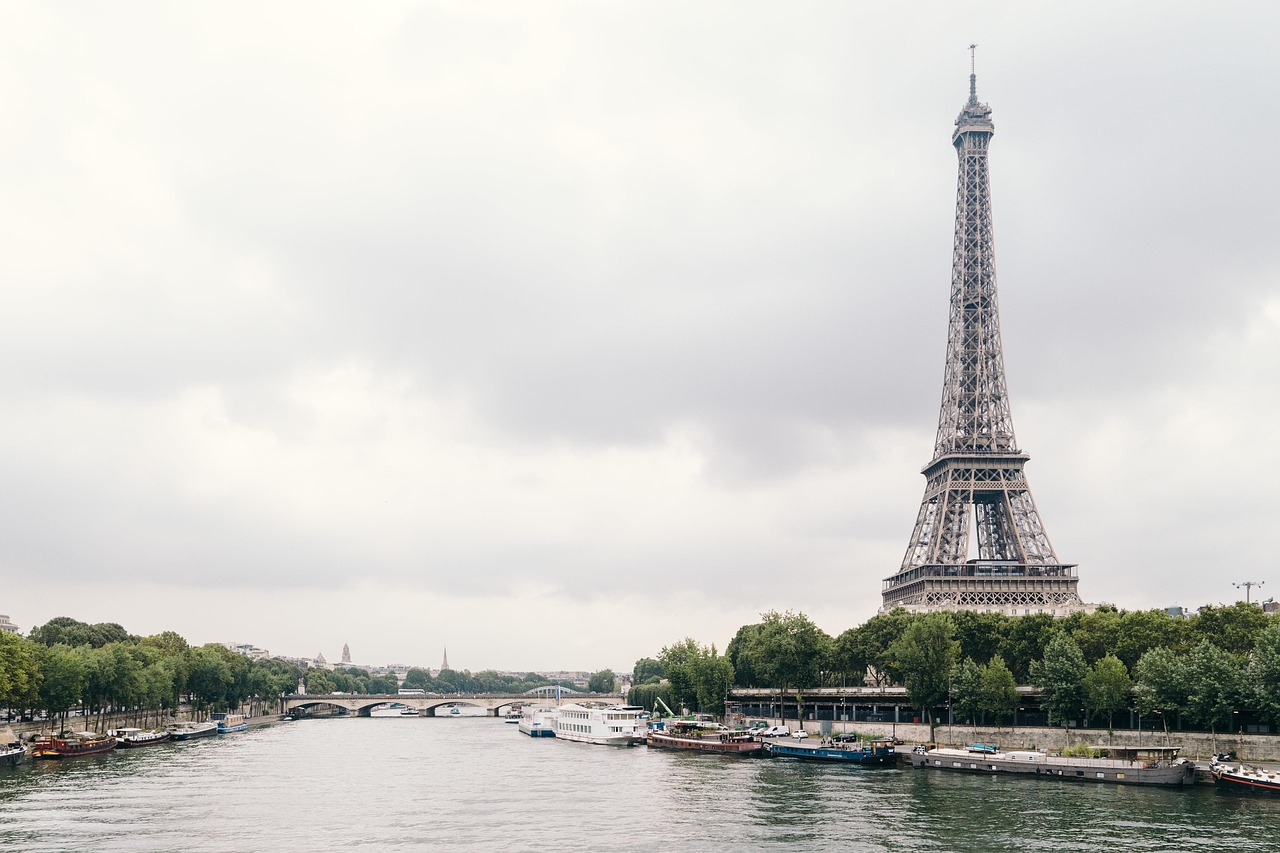
Eiffel Tower Evenings and the Seine at Night with champagne views
For many travellers, the Eiffel Tower is the attraction that defines a first visit, and an evening ascent is one of the top things to plan for. When you search for ” Eiffel Tower private evening tour, champagne view of Paris, you’re really searching for a feeling: being held above the city as the lights arrive like a promise. The most cinematic timing is late afternoon into evening—when the skyline softens, and the atmosphere becomes quietly unforgettable.
Yes, you can simply turn up—but a crafted plan changes everything. VIP support reduces the stress of queues, timing becomes seamless, and you’re free to notice the details: the iron latticework, the hush of altitude, and the first sparkle of night.
Sunset summit experience: top of the Eiffel Tower with a sweeping view of Paris
A private evening experience usually begins with a smooth arrival and an expert host who keeps you moving without rushing. There’s often a champagne pause built in—small, celebratory, and perfectly Parisian. As you rise, the city becomes a living map: the Seine curves through the centre, bridges begin to glow, and rooftops catch the last warm light.
One traveller we hosted still describes reaching the top of the Eiffel Tower during VIP access: watching the sunset with a gentle evening breeze and the first city lights flickering on below. It wasn’t loud or performative; it was intimate—an extraordinary view of Paris that made the whole trip to Paris feel real in a single breath.
For the smoothest flow, aim to arrive about 45–60 minutes before sunset. You’ll have time for photos, a calm toast, and the satisfying shift from day to night. It’s also a wonderful time to see the city without the harsh midday glare.
Bank of the Seine after dark: cruise or stroll past iconic Paris attractions
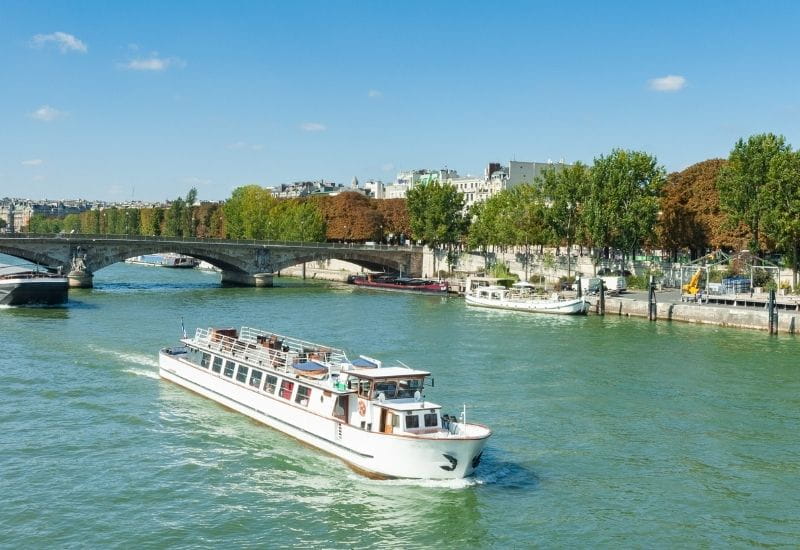
After the Eiffel Tower, keep the evening gentle. The bank of the Seine is one of the best places to let Paris settle into you—either on a late cruise or a quiet riverside walk. A cruise offers an effortless, high-end glide past iconic Paris attractions, while a stroll lets you uncover small moments: musicians under bridges, reflections of lanterns, and the tower appearing between trees.
For photos, the area around Pont de Bir-Hakeim is timeless, and the Trocadéro terraces offer a classic view of the Eiffel Tower, with enough space to breathe later in the evening. If you prefer a calmer angle, the quays downstream offer a softer, more personal frame—especially on weeknights.
Upscale pointers make everything feel easier: dress elegantly (layers help at night), greet staff with a warm Bonjour, and let your timings be guided by comfort. With expert support for transfers and reservations, your evening becomes what it should be—unhurried, confident, and quietly unforgettable.
With your skyline memory secured, the next morning is reserved for a different kind of awe: the Louvre, experienced before the world arrives.
Louvre before opening guided tour: Paris museum highlights, Mona Lisa, and masterworks
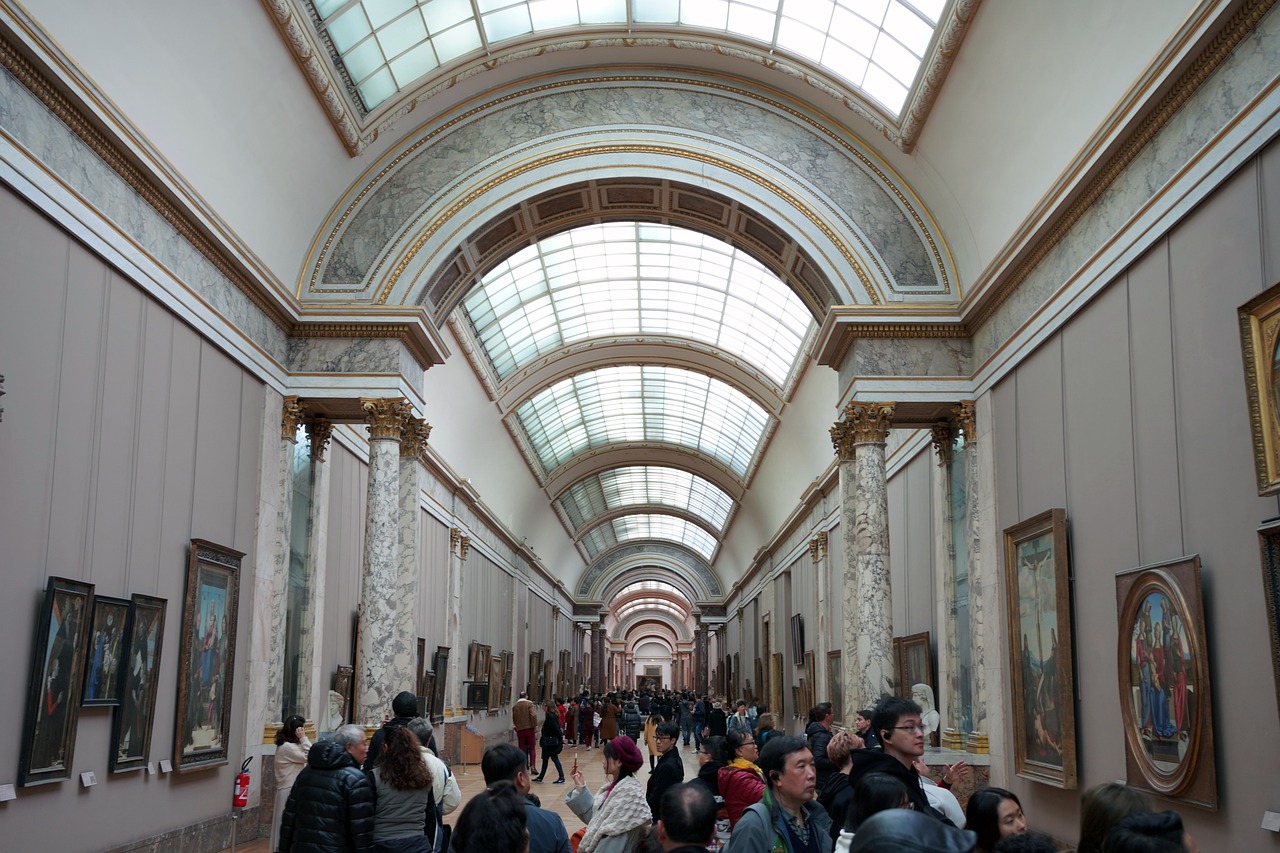
The Louvre Before Hours and Paris Museum Masterpieces in quiet galleries
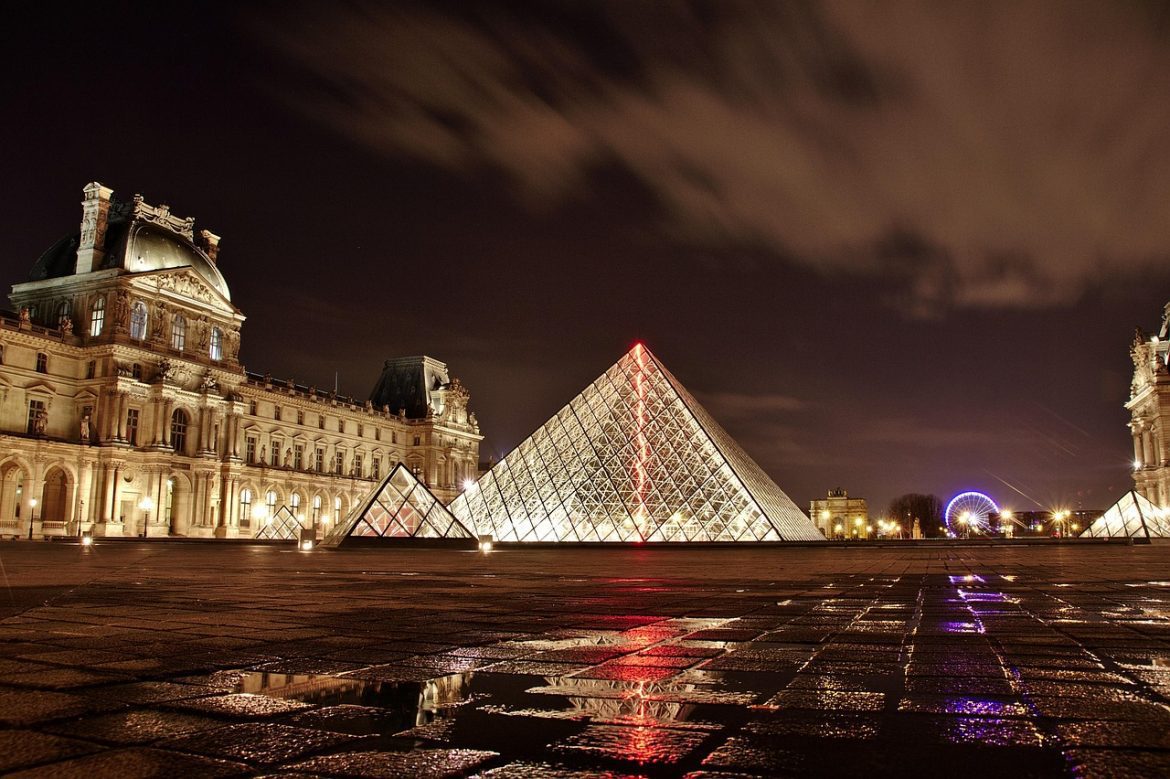
If the tower is the city’s silhouette, the Louvre is its mind—vast, layered, and endlessly rewarding. Searching the Louvre before an opening guided tour, Paris museum, Mona Lisa is a sign you value calm and depth over crowd-survival. A before-hours guided tour transforms the Louvre from an overwhelming attraction into one of the best things you can do in Paris: spacious galleries, time for questions, and the kind of insight that makes art feel personal.
The Louvre is also a defining Paris museum for understanding how to “look” in a way that travels with you—so later, when you step into another gallery, you’re not just seeing objects, you’re reading stories. If you like Paris for art, this is where the city’s creative confidence becomes tangible.
Mona Lisa moments: how to enjoy the masterpiece beyond the crowds
Yes, you’ll see the Mona Lisa—and in the early morning, it can feel wonderfully civilised. An expert guide helps you understand why this small painting carries such gravity, and how to enjoy the moment without letting it dominate your day. Think of it as a gateway rather than a destination.
From there, a thoughtful route might include classical sculpture (with light that seems to shape the stone), French painting that hints at the country’s evolving identity, and a few intimate rooms where you can slow down. This is also where the history of Paris quietly reveals itself through images, symbols, and patronage.
From the Louvre to Musée d’Orsay: impressionist colour and a second museum day
To build a story across your itinerary, pair the Louvre’s grandeur with the luminous beauty of the Musée d’Orsay later in your stay. Where the Louvre holds centuries, the Musée d’Orsay brings the 19th century to life—especially if you love impressionist colour and the feeling of sunlight painted into existence. It is also one of the best ways to understand why Paris became an artistic capital.
For high-end travellers, the comfort details matter: choose the right guided tour length (often 2–3 hours is ideal), wear shoes you can trust on stone floors, and plan breaks so your day of sightseeing stays enjoyable. It’s completely reasonable to take a mid-morning pause—espresso, a pastry, and a quiet moment to absorb what you’ve seen.
Micro-itinerary idea: Louvre in the morning, then a gentle stroll towards the Seine for fresh air, followed by a slow afternoon around cafés and bookshops. This rhythm lets you appreciate the city’s beauty without the fatigue of trying to see everything at once.
- Tickets: Book timed entry in advance and confirm the meeting point for your guided tour.
- Energy: Plan one “anchor” museum per day, not two—especially on your first trip to Paris.
- Comfort: A private transfer after the museum can feel like a small luxury that changes the whole afternoon.
After the Louvre’s marble and myth, Paris invites you into a more intimate chapter—one where creativity lives on stairways, studio doors, and sunlit little squares.
Montmartre bespoke walking tour: local artists, ateliers, and the highest point in Paris
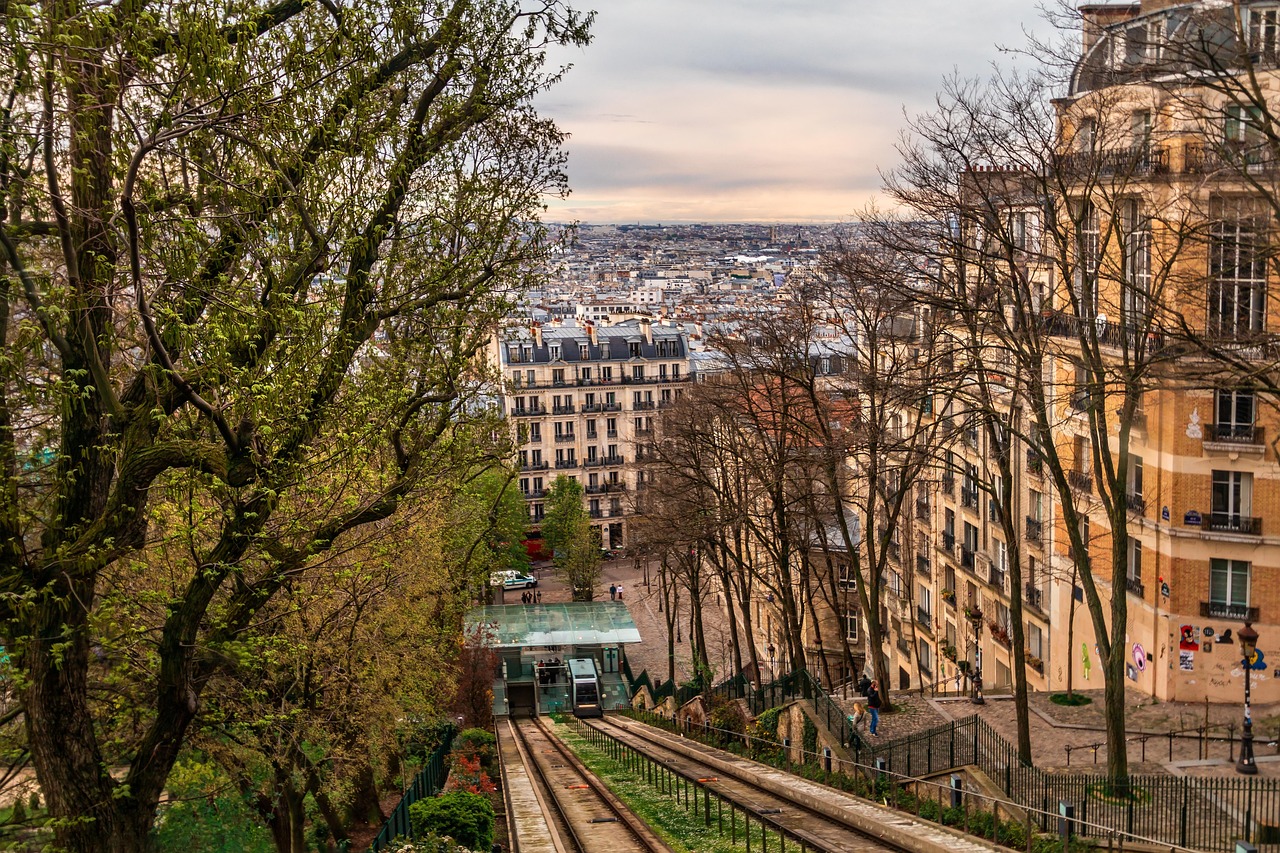
Montmartre and the Highest Point in Paris on a bespoke walking tour
There’s a different Paris above the boulevards—one made of quiet stairways, café corners, and a creative pulse that still feels local. A Montmartre bespoke walking tour of local artists’ ateliers and the highest point in Paris is ideal when you want an experience that feels curated but human. Montmartre is not just an attraction; it’s a mood, and the best way to explore it is with a guide who knows when to speak and when to let the neighbourhood do the talking.
Come with curiosity, and Montmartre will meet you there. The streets tilt and turn as though designed for wandering, and every few minutes you’ll find a frame-worthy scene—laundry lines, ivy-covered walls, and small plaques that gently anchor the city’s past in place.
Hidden vineyards, local encounters, and artist ateliers with respect
One of the hilltop quarter’s most surprising details is its hidden vineyards—an unexpected pocket of green that feels like a secret kept in plain sight. A bespoke route can include a respectful look, paired with stories that bring the neighbourhood’s layers to life. Nearby, select artist ateliers offer a glimpse into working life, not just tourism: paint on hands, conversation in progress, and the quiet courage it takes to create every day.
When visiting ateliers, a little etiquette goes a long way. Begin with Bonjour, ask before photographing, and approach with genuine interest rather than consumption. These are real studios, and treating them with trust and care is part of what makes the experience meaningful.
One guest still talks about meeting local artists and hearing first-hand how Montmartre inspired painters like Picasso and Van Gogh. It wasn’t a rehearsed lecture; it was personal storytelling—how light falls in winter, where artists used to gather, and why the neighbourhood still attracts creative spirits. In that moment, Montmartre stopped being a postcard and became a living place.
Finding the highest point in Paris and softer views over Paris
This district is associated with the highest point in Paris, and the views over Paris from up here can be quietly breathtaking—especially in softer light. For fewer crowds, arrive early in the morning or later in the day when day-trippers fade. The city stretches out below like a textured tapestry: domes, chimneys, pale stone, and the Seine glinting in the distance.
To keep the day relaxed, consider a gentle plan: a guided tour, a long lunch nearby, and then an unhurried descent—perhaps pausing for a small boutique or a pastry that becomes its own little memory. For high-end travellers, effortless chic is always appropriate here: comfortable shoes, a tailored layer, and the confidence that comes from having a seamless plan.
With art and atmosphere in your pocket, you’re ready for a curated sweep of Paris sights—those classic landmarks that belong on a Paris bucket list, approached with style and smart travel tips.
Paris bucket list attractions: travel tips, Arc de Triomphe, Notre Dame, and a day trip from Paris
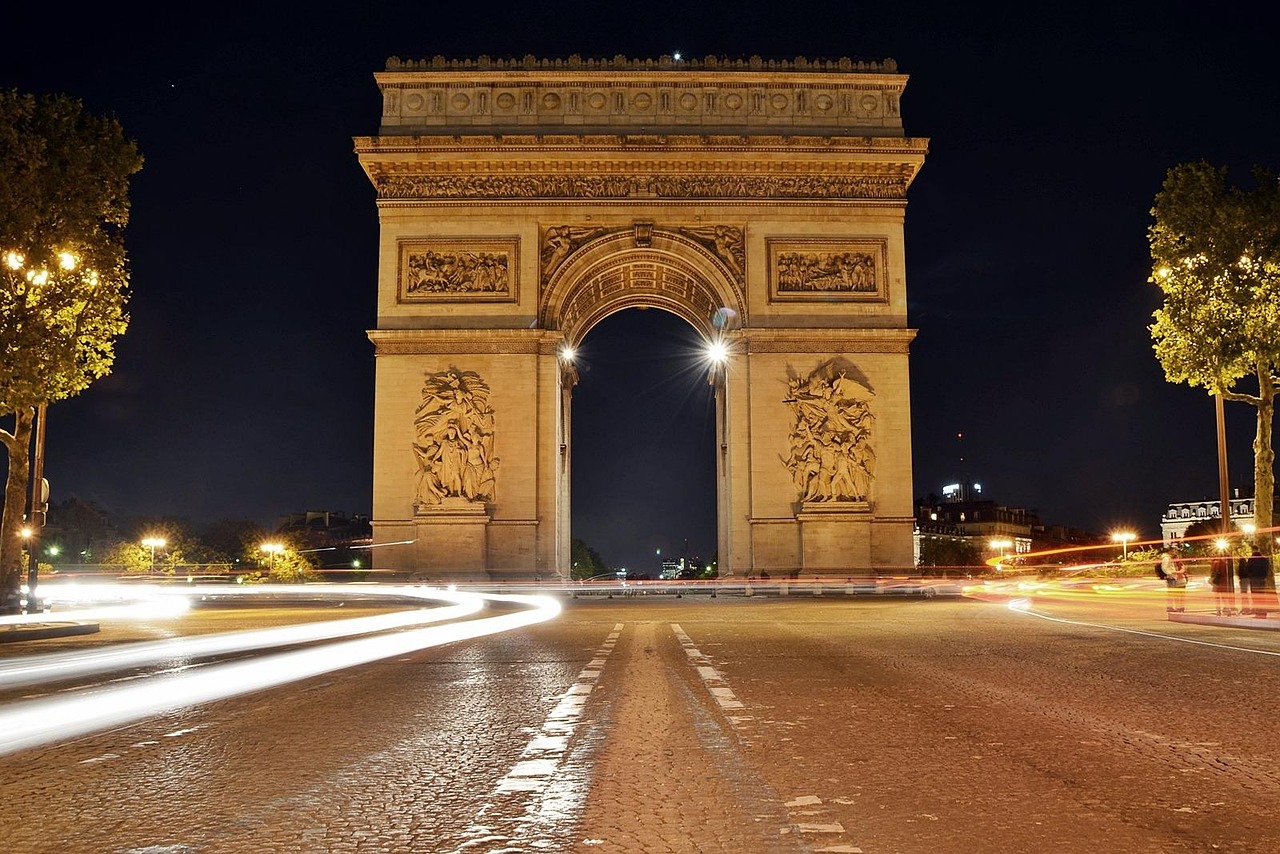
Paris Bucket List Attractions and Travel Tips in Style with the Arc de Triomphe
Paris rewards selective ambition. If you want a list of the best sights without turning your stay into a sprint, treat this chapter as your curated Paris bucket list attractions map—anchored by classic icons and supported by practical travel tips. The search for Paris bucket list attractions, travel tips, the Arc de Triomphe, Notre Dame, and a day trip from Paris suggests you want the essentials, but in a way that still feels like you.
There are tons of attractions, but not every highlight fits every traveller. The most luxurious approach is to choose what matches your style—architecture, fashion, stained glass, history, food—then design the timing so each attraction feels unhurried. If you only choose one attraction in Paris for sweeping boulevards and classic symmetry, this is it.
Visit the Arc de Triomphe, Place de la Concorde, and the Seine promenade
The Arc de Triomphe is a defining monument of the city, and yes, it’s one of those rare landmarks that feels even better in person. If you choose to visit the Arc de Triomphe, go for the top of the arc: those steps to the top are a small commitment, but the reward is a grand view of Paris with the avenues radiating outward like a star.
From there, a classic sequence flows naturally: down the Champs-Élysées, through the geometry of Place de la Concorde, and onward towards the Seine. This promenade is one of the best ways to see Paris with minimal effort—especially in late afternoon, when the light softens, and the city feels cinematic rather than busy.
If you’re choosing photo moments, consider this pairing: the Arc’s rooftop views first, then a riverside angle where you can catch the tower in the distance. It’s a graceful way to connect the city’s symbols without ticking boxes.
Notre-Dame de Paris and Notre Dame: stained glass and a reflective pause
Notre Dame holds a particular emotional weight. While restoration continues, there is still beauty to appreciate around Notre-Dame de Paris—the rhythm of the island, the river’s calm, and the respectful hush people naturally adopt as they pass through. Nearby, seek out luminous stained glass in one of the historic churches in the area for a reflective pause. In a city that can feel glittering, these quieter moments often become the most grounding.
Day trip planning in comfort: Palace of Versailles, Hall of Mirrors, and around Paris
A day trip is where high-end planning truly shines, because comfort protects your energy. The Palace of Versailles is the classic choice: the Hall of Mirrors is as theatrical as you imagine, and the stories around Marie Antoinette add a human, sometimes poignant, dimension to the grandeur. Going with private transport allows you to arrive early, move at your own pace, and return to the city without the fatigue of crowded trains—especially if you’re balancing limited time in Paris with big highlights.
If you want to take a day trip that suits your personal style, consider the wider options around Paris. For families, Disneyland Paris can be a joyful day trip from Paris when you plan it as a single, contained adventure with private transfers and a clear schedule. The key is to choose experiences you genuinely want to visit, rather than what the internet says is mandatory.
And when you return to the city, let your evenings do what Paris does best: feed you well. One guest shared an intimate experience dining at a Michelin-starred restaurant in Le Marais after exploring the historic district’s exclusive boutiques. The memory wasn’t just the tasting menu; it was the feeling of stepping into candlelight after a day in the streets of Paris, dressed beautifully, with nothing left to organise.
Travel tips for smooth booking, safety, and evenings to eat in Paris
To keep your Paris travel feeling polished, book tickets for major attractions in advance and confirm time slots before you arrive. A Paris Pass or Go City Paris Pass can be worthwhile only if it suits your pace; if you prefer slower mornings and long lunches, individual bookings often offer more flexibility for your itinerary.
Safety is high in tourist areas, but crowded zones can invite pickpockets—so keep valuables secure, especially on the Metro. In upscale venues, small etiquette gestures create ease: greet with Bonjour, dress elegantly, and tip service staff around 5–10% if service is good. These details aren’t about formality; they’re about moving through the city with care and mutual respect.
For a quieter cultural extra, Père Lachaise is the largest cemetery in Paris and a surprisingly peaceful place to walk. Visit with context and sensitivity: the memorials of Oscar Wilde and Jim Morrison draw visitors, but the beauty is in the overall atmosphere—tree-lined paths, sculpture, and the sense that Paris honours its artists even in silence.
- Smooth classic route: The Arc early, the Concorde mid-morning, then a Seine stroll late afternoon.
- Day trip comfort: Private transport to the Palace of Versailles preserves energy and keeps timing seamless.
- Evenings: Plan one special dinner, then keep the rest flexible so you can follow the city’s mood.
After the famous landmarks and the quiet corners, what remains is often less about what you did and more about who you became while you were there.
F.A.Qs
What shouldn’t you miss in Paris?
You shouldn’t miss a handful of defining moments: an Eiffel Tower evening for the city lights, a Louvre visit for timeless art, and a stroll along the Seine to feel the city at its most atmospheric. Add one neighbourhood experience—like Montmartre—for something local and personal, and you’ll leave with memories that go beyond famous attractions.
What should I see for the first time in Paris?
On a first trip, begin with a simple, high-impact flow: see the Eiffel Tower, then choose one major museum such as the Louvre, and balance those icons with time in neighbourhoods like Le Marais or Saint-Germain. The key is pacing—book timed entries, keep one anchor per half-day, and let the city unfold between highlights.
What are the top five things to do in Paris?
Five classic choices are: the Eiffel Tower, the Louvre, Montmartre viewpoints, the Arc for rooftop-style views, and a Seine walk or cruise at dusk. These cover architecture, art, neighbourhood character, and atmosphere—without overloading your days. Add a special dinner, and your experience feels complete.
What is the number one attraction in Paris?
For most visitors, the Eiffel Tower is the number one attraction in Paris because it offers an iconic sense of place and a remarkable view of Paris. For the most memorable experience, consider an evening visit with priority access so you can enjoy the lights, the skyline, and the romance of Paris without long queues.
What stays with you after Paris
The most lasting Paris souvenirs are rarely the ones you can pack. They’re sensations: the soft hush above the rooftops, the glow moving along the Seine, and the way the city seems to meet you halfway when you travel with trust and care. Reflecting after you visit Paris, you may notice how a crafted journey builds quiet confidence—because when the planning is seamless, there is space to feel, to notice, and to connect with local life in a way that’s genuinely personal.
Perhaps it’s the memory of a sunset from the Eiffel Tower, when the breeze cooled your cheeks, and the city lights arrived one by one. Perhaps it’s the calm of the Louvre in the morning, when art feels less like a crowd and more like a conversation. Or maybe it’s the warmth of an artist-led neighbourhood walk, and you realise you’re not just travelling—you’re truly present.
There’s a quiet pride that comes from travelling well: choosing beauty without strain, flavour without fuss, and streets that feel made for you, together with those you love. And the loveliest part is this: Paris is not a checklist. It’s a relationship—one you can return to in a different season, at a different pace, and still uncover something new waiting in the light.