Post Contents
- Things to Do in Paris: Luxury Arrival, First Impressions, and Arrondissements to Sightsee
- Eiffel Tower Experience: Private Guided Tour, Top Views, and Le Jules Verne Dinner
- Château de Versailles Day Trip from Paris: Private Tour, Gardens, and the Hall of Mirrors
- Museum in Paris: a Luxury Art Day at the Louvre, Musée de l’Orangerie, and Centre Pompidou
- Marais Boutique Shopping, Montmartre, and Where to Stay in Paris in Luxury Style
- What Stayed With Me, Lasting Memories, and Luxury Travel Ease
Things to Do in Paris: Luxury Arrival, First Impressions, and Arrondissements to Sightsee
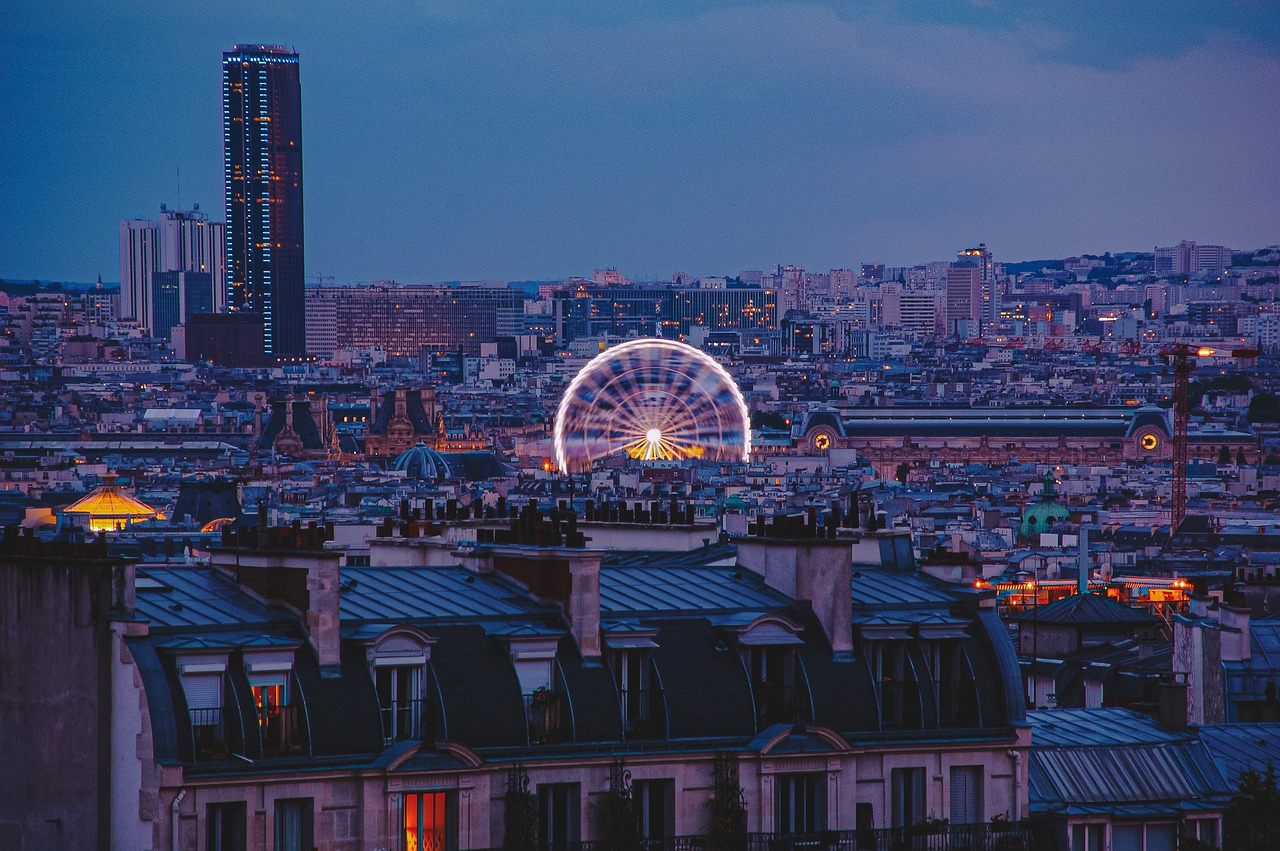
Things to Do in Paris: high-end arrival and first impressions over the Paris skyline
If you’re searching for the best places to visit in Paris, France, a luxury-first approach is less about sprinting between monuments and more about building a gentle rhythm that honours the city’s magic. If you have days in Paris to spare, three to five is a sweet spot: enough time to see the icons in Paris, yet still enjoy the beauty of the city at a human pace. This ultimate guide focuses on a few of the best places and moments that feel effortless, not overscheduled.
Imagine your first afternoon as a soft arrival: a private transfer, an unhurried check-in, and a short stroll to a café where the staff greet you with a simple “Bonjour”. Parisian life feels more welcoming when you move with that same quiet assurance. The City of Light is generous to travellers who give it time.
Explore Paris by arrondissement: a calm first-timer itinerary (without rushing)
To discover Paris with confidence, start by noticing how each arrondissement carries its own mood—from grand boulevards to courtyard calm. A tailored itinerary helps you sightsee without feeling “managed”, especially when you’re balancing galleries, dining, and rest.
First-time Paris often begins on the Right Bank for classic views, then settles into the Left Bank for slower evenings. Here’s a luxury framework you can adapt:
- 7th arrondissement: the Eiffel Tower area for your first iconic photographs and a polished start.
- 1st arrondissement: the Louvre and river walks—best in the morning when you want clarity and calm.
- 6th arrondissement: Saint-Germain-des-Prés for literary cafés, galleries, and an old-world rhythm (think Café de Flore for people-watching done properly).
- 4th arrondissement: Le Marais for boutique shopping, courtyards, and chic cafés.
- 8th arrondissement: near the Champs-Élysées for luxury retail and an evening glow around the Arc de Triomphe.
As you move between neighbourhoods, you’ll feel how Paris is one city yet many small worlds. That variety is one of the best ways to experience the capital in a personal way.
Travel tips: Google Maps planning, tickets, and a smooth first evening
For a smooth beginning, arrive via Charles de Gaulle Airport and pre-book private car transfers—after a long flight, it’s one of the best ways to experience Paris with immediate ease. Save your favourite Paris sights in Google Maps before you arrive, and share that Google Maps list with your driver or concierge for quick routing. Pin cafés, a few parks and gardens, and the museums you’ll prioritise so you can wander freely without ever feeling lost.
For reassurance, keep your first evening close to your hotel. A short walk through the Jardin du Luxembourg (particularly lovely in late spring) or a riverside pause can reset your sense of time in Paris. When you visit Paris in May–June or September–October, the light is softer, and the city feels more breathable—often the best time to visit for high-end travel.
Before you set off, here’s a list of the best planning essentials that keep everything feeling seamless:
- Timed tickets for major sites, especially the Eiffel Tower and the Louvre.
- Paris Museum Pass for skip-the-line access, where it’s offered (still reserve time slots when required).
- Reservations for high-demand experiences—such as fine dining and special access — should be booked well ahead.
- Etiquette: greet staff, dress elegantly for dinner, and move through sacred spaces quietly; Parisians notice care.
Once the foundations are set, you can relax into the city—and that’s where luxury truly begins.
Eiffel Tower Experience: Private Guided Tour, Top Views, and Le Jules Verne Dinner
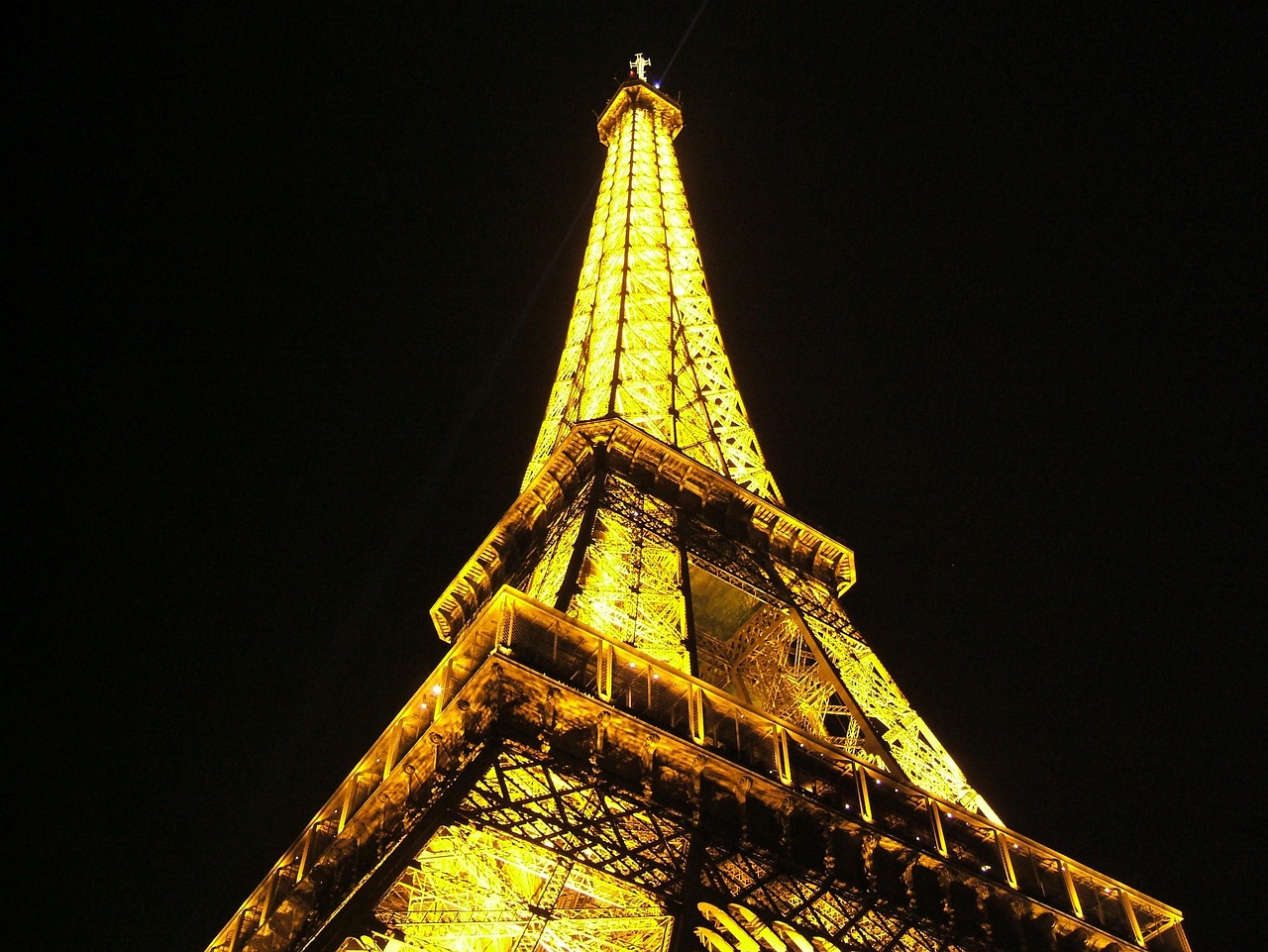
Eiffel Tower moments: private tours and Le Jules Verne at golden hour
If your ideal Paris begins with a signature moment, an Eiffel Tower private guided tour paired with dinner at Le Jules Verne feels both iconic and intimate. The Eiffel Tower is a true tourist attraction, but it doesn’t have to feel chaotic when you design it well. With an expert guide and the right timing, you’ll understand why this landmark still stops people mid-sentence.
Plan to see the Eiffel Tower twice: once in daylight for its architectural details, and again at dusk when the city turns honeyed and luminous. That second viewing—when the sparkle lights begin—is often the one that stays in the memory.
Must-dos in Paris: at the top of the Eiffel Tower for great views
A private guide helps you navigate security calmly and keeps the experience feeling effortless. Expect airport-style checks and some queues, even with priority access, so arrive with a little time in hand and a mindset of ease. The reward is immediate: from the top of the Eiffel Tower, you get great views and sweeping views of the city—the Seine looping below, the domes and spires, and the geometry of Paris laid out like a living map.
One of my favourite things is watching guests relax once they realise the day has been crafted around them. Your guide can point out the boulevard arcs, the rooftops that define the skyline, and the best photo angles to see the Eiffel Tower again later from the ground.
Le Jules Verne at the Eiffel Tower: impeccable service and night photos near Arc de Triomphe
For high-end travellers, the ultimate pairing is an Eiffel Tower ascent with dinner at Le Jules Verne. You’ll want to secure reservations weeks or months ahead, especially for sunset slots. Dress codes matter here: elegant, polished, and comfortable enough to linger—because Paris is at its best when you slow down.
A traveller once shared a magical evening dining at Le Jules Verne inside the Eiffel Tower. They spoke less about the room’s condition and more about the human details: impeccable service that anticipated needs without intrusion, a perfectly paced meal, and the feeling of being suspended above the city as night arrived. When the final course came, the skyline had shifted into something theatrical—breathtaking views that felt private, even in a famous attraction.
To keep the flow elegant, pair the evening with a chauffeured loop afterwards: glide past the river, then stop near the Arc de Triomphe for photographs when the traffic thins. The Arc de Triomphe at night has a cinematic presence, and you’ll appreciate not having to think about logistics.
Luxury in Paris is rarely about doing more. It’s about doing the essentials beautifully—and letting the city meet you halfway.
Château de Versailles Day Trip from Paris: Private Tour, Gardens, and the Hall of Mirrors
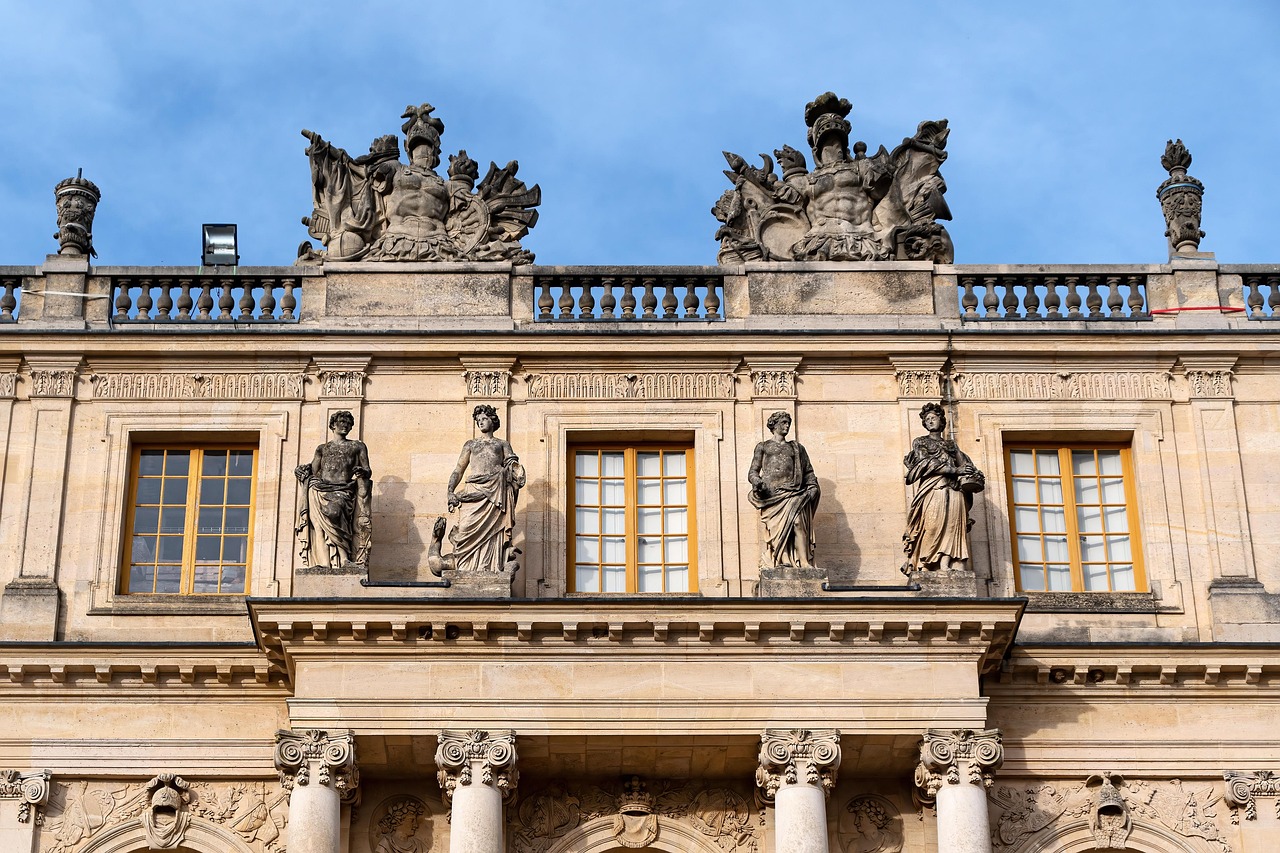
Château de Versailles: a day trip with royal stillness in the gardens
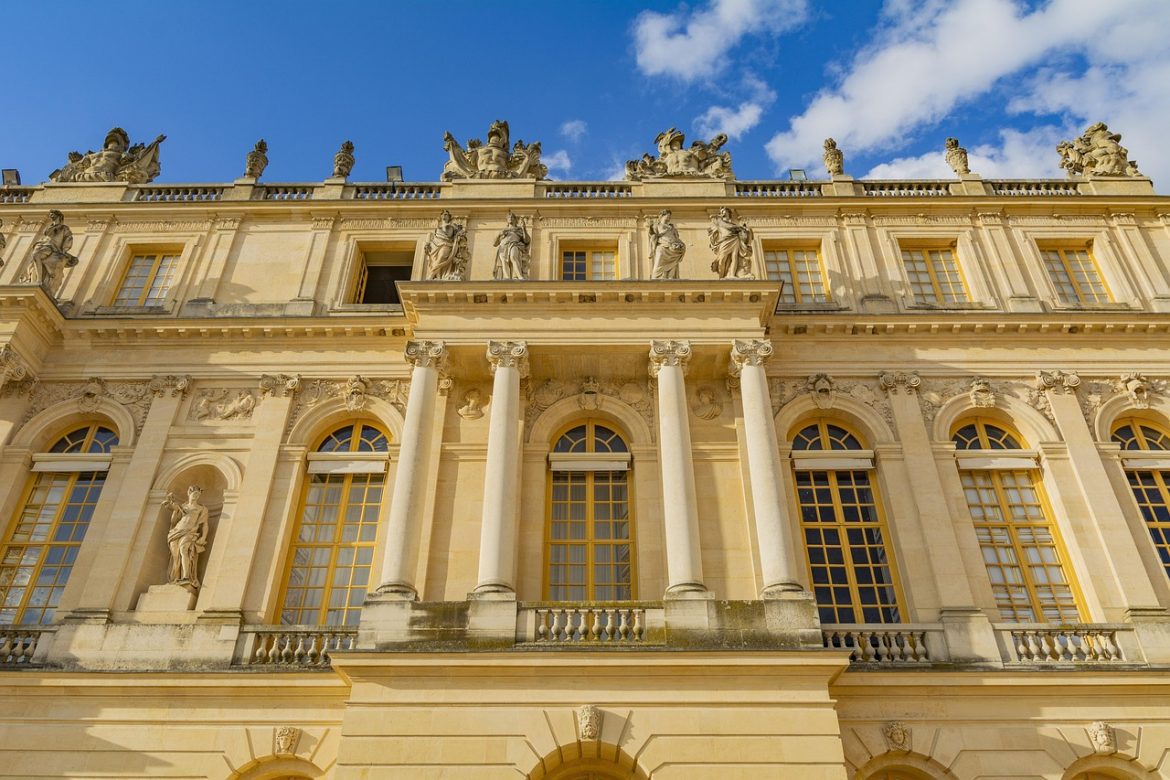
When you’re ready to step beyond the centre, a Château de Versailles day trip is the classic escape that still feels extraordinary. Versailles sits in the Île-de-France region of France, offering a different kind of grandeur—one that invites quiet rather than hurry. Done well, this day trip is restorative, not exhausting.
The most seamless option is a private driver, especially if you value flexibility, comfort, and a calm return to Paris. The train can be efficient, but it adds friction at the beginning and end of the day—small stressors that can dilute the pleasure.
Discover Paris beyond the centre: a guided tour of the Hall of Mirrors
A well-chosen guided tour turns Versailles into a living insight. Instead of simply moving through rooms, you begin to understand why the palace was designed to impress, and how art, politics, and performance intertwined. The Hall of Mirrors is the centrepiece: light ricocheting off glass, gilded details that catch your eye, and a sense of theatre that remains surprisingly modern.
If you love architecture, ask your guide to slow down in the state apartments and focus on symbolism: ceiling paintings, motifs of power, and the way the palace frames the outside world through windows like paintings. It’s a beautiful reminder that France has always told its story through design.
Best things in the Versailles gardens: Jardin des perspectives and off-the-beaten-path groves
A visitor once recounted wandering the Versailles gardens early morning, hearing the fountains in action before crowds arrived. They described it as a personal connection to French royalty—not in a grand sense, but in the simple feeling of having space. That’s the essence of luxury: time, quiet, and a place that seems to respond to your presence.
Outdoors, prioritise a few areas rather than trying to do everything. The gardens are vast, and your pleasure will come from focus:
- The Jardin des perspectives offers long, formal views that show Versailles at its most composed.
- Grove routes where clipped hedges open into hidden “rooms” of greenery—elegant, contemplative, and slightly off the beaten path.
- A slow café pause: sit, hydrate, and let the day feel crafted rather than rushed.
When you return to Paris, you’ll notice how the city feels even more alive after the stillness of Versailles. It’s a contrast worth designing into your trip.
Museum in Paris: a Luxury Art Day at the Louvre, Musée de l’Orangerie, and Centre Pompidou
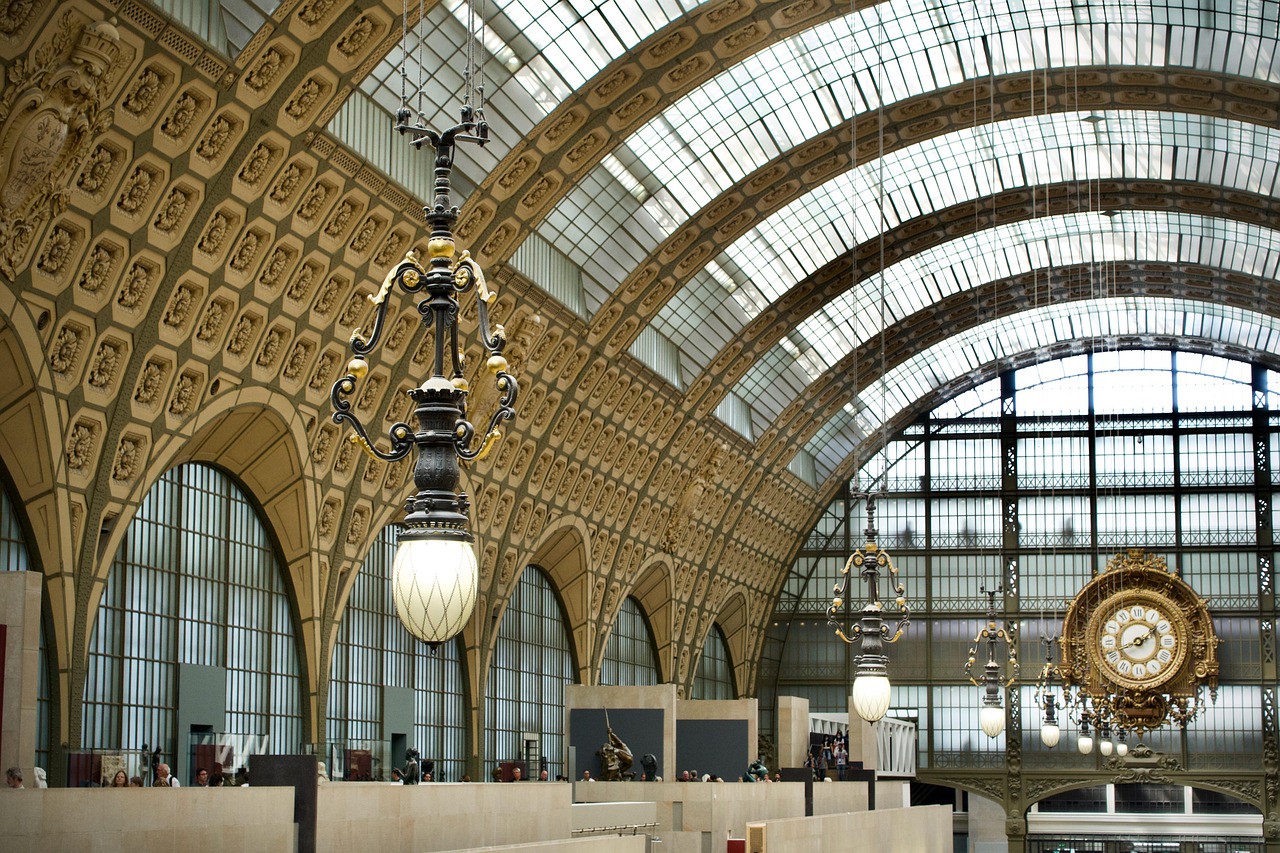
Museum in Paris: quiet masterpieces from the Louvre to Orangerie
For art lovers, a luxury museum day is where Paris feels like a deep breath. A museum in Paris can be energising, but it can also be intensely busy—so the high-end approach is simple: timed entry, expert context when you want it, and enough flexibility to change course if your energy shifts. A short, well-paced art itinerary is often more satisfying than trying to “do it all”.
The Paris Museum Pass can be useful, particularly for skip-the-line access, but the real key is planning: reserve time slots where required and avoid stacking major museums back-to-back. Leave space for a coffee, a short walk, and a moment to sit—because that’s when the art truly lands.
Louvre and musée essentials: what to see in Paris without overwhelm
The Louvre deserves respect, not endurance. Even frequent travellers can find it overwhelming, so choose a small “must-see” list and let that be enough. With a private guide, you’ll move intelligently through the musée, choosing routes that reduce time in bottlenecks and maximise the galleries that matter to you.
Most guests want the Mona Lisa, and it’s worth seeing once—if only to understand the cultural phenomenon. After that, the Louvre becomes more personal: a sculpture you didn’t expect to love, a painted detail that makes you pause, a quiet room where footsteps soften. If you’re visiting independently, enter with a plan, and don’t be afraid to leave early; the goal is to feel nourished, not depleted. (For ticketing, look for “musée du Louvre” when reserving time slots.)
Musée de l’Orangerie and modern Paris: impressionist calm, then the Pompidou viewpoint
Then shift gears to a hidden gem: the musée de l’Orangerie. The Water Lilies rooms are designed for immersion, and the effect is quietly profound—especially if your earlier galleries were busy. The atmosphere is distinctly impressionist: soft colour, gentle movement, and a kind of calm that’s rare in a capital city.
For a modern counterpoint, the Pompidou offers a different pulse: bold forms, contemporary perspectives, and a rooftop view that reminds you Paris never stands still. If you prefer something slightly calmer, consider the Musée d’Art Moderne de Paris instead—another thoughtful way to balance classic and contemporary without trying to do everything.
In Paris, art isn’t just “an activity”. It’s a language—one that invites you to listen more closely to yourself as you explore.
Marais Boutique Shopping, Montmartre, and Where to Stay in Paris in Luxury Style
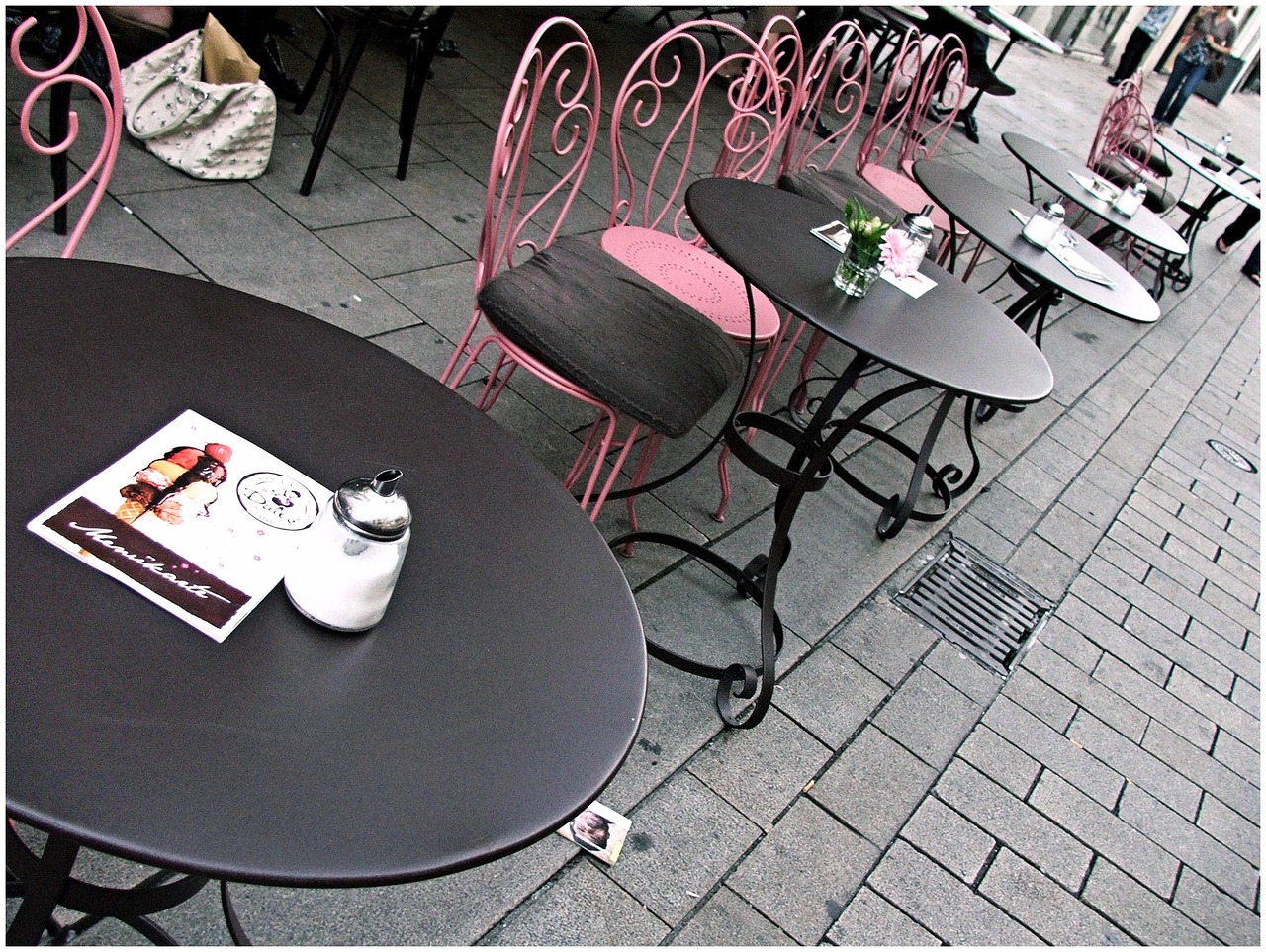
Marais, Montmartre, and where to stay in Paris in style at a classic café
To balance the big landmarks, boutique neighbourhood days bring you into lived-in Paris—stylish, relaxed, and full of small discoveries. These are places in Paris where you can wander without a strict timetable and still feel like every choice was considered, from a gallery stop to a perfect lunch reservation.
If you’re travelling well, let your days hold both texture and polish: an unhurried morning in a courtyard, a beautiful lunch, and a late-afternoon ascent to a viewpoint where the city opens up. Paris rewards travellers who notice details.
Le Marais stroll + food tour: pastry, bistros, and Place des Vosges
Le Marais is the neighbourhood that makes shopping feel like culture. You’ll find independent designers, curated concept stores, and galleries tucked behind carriage doors. Start at Place des Vosges, then meander through streets that still carry medieval lines—historic architecture softened by modern life.
A private food tour here can be a delight, especially when it focuses on pastry, small bites, and classic bistros. Think: a flaky morning treat, a perfectly balanced lunch, and that feeling of being looked after without fuss; a concierge can also steer you to excellent stops with shorter queues.
If you want a little extra reassurance, ask your hotel concierge or local guide to tailor the route around your tastes. It’s one of the best places to visit when you want Paris to feel warm and personal, rather than performative.
Montmartre sights: Sacré Coeur basilica, great views, and where to stay in Paris
Montmartre brings a different energy—romance, elevation, and a touch of bohemian myth. The key is timing: arrive early in the morning or later in the day to avoid the thickest crowds, and consider a guided walking tour so the story of the hill becomes richer than the clichés. As you climb, you’ll sense why artists were drawn here: the changing light, the views, and the little stairways that feel like secrets.
At the top, the Basilica of sacré coeur anchors the scene. Step inside quietly, dress respectfully, and let the hush settle—then take your time outside for one of the most satisfying panoramic pauses in the city.
Now, the practical question high-end travellers often ask: where should you stay in Paris for the most effortless access and the right atmosphere?
- Saint-Germain-des-Prés (6th): elegant, literary, gallery-rich, close to the Jardin du Luxembourg and many refined dining rooms.
- Near the Champs-Élysées (8th): polished, shopping-forward, and ideal if you want quick access to luxury retail and the Arc de Triomphe.
Whichever you choose, match your hotel to your evenings. If you want quiet, pick a street slightly removed from the loudest boulevards; if you love a sense of theatre, choose a location where the city lights feel close.
As a final note on style and etiquette: begin with “Bonjour”, and dress elegantly for dinner. Parisians appreciate intention, and it helps you move through the city with trust. If you have time, add a small art nouveau detail-spotting walk—doorways, metro entrances, ironwork—because Paris speaks in design as much as it does in monuments. For more inspiration while you design your stay, browse our Trip gallery together when you’re ready.
F.A.Qs
What should you not miss in Paris on your first luxury trip?
Don’t miss the Eiffel Tower at golden hour, a calm museum moment (the Louvre or a smaller musée), and at least one evening on the Seine. For a high-end trip, pair icons with quiet: Versailles early, the Marais for boutique shopping, and a beautifully paced dinner reservation with breathing room between stops.
What is the prettiest place in Paris for classic Parisian views?
“Prettiest” depends on your mood, but many travellers fall for the light around the Seine at dusk, the symmetry of place des Vosges, and the views from Montmartre near Sacré Coeur. For a softer, garden-led beauty, the Jardin du Luxembourg can feel effortlessly Parisian.
What area is best for a first-time visit to Paris and easy sightseeing?
For a first visit, Saint-Germain-des-Prés offers classic charm, walkability, and easy access to musée days, dining, and riverside strolls. If you prefer high-end shopping and a polished atmosphere, staying near the Champs-Élysées and the Arc de Triomphe can be wonderfully convenient—especially if you like being close to key transport routes.
What is the most visited place in Paris, and how do you avoid crowds?
The Eiffel Tower is among the most visited places, and it remains a defining attraction. With timed entry or a private guided tour, you can experience it with far more ease—especially if you plan your visit around early morning or late afternoon and avoid peak weekend hours.
What Stayed With Me, Lasting Memories, and Luxury Travel Ease
For me, the best places to visit in Paris, France, aren’t a checklist—they’re what remains when you’re home, and the suitcase is unpacked. Paris certainly stays with you as a feeling: light on stone, the murmur of evening conversation, and the sense that Paris is a city that can be both grand and gently attentive. Even the simplest moments can feel unforgettable when they’re unhurried.
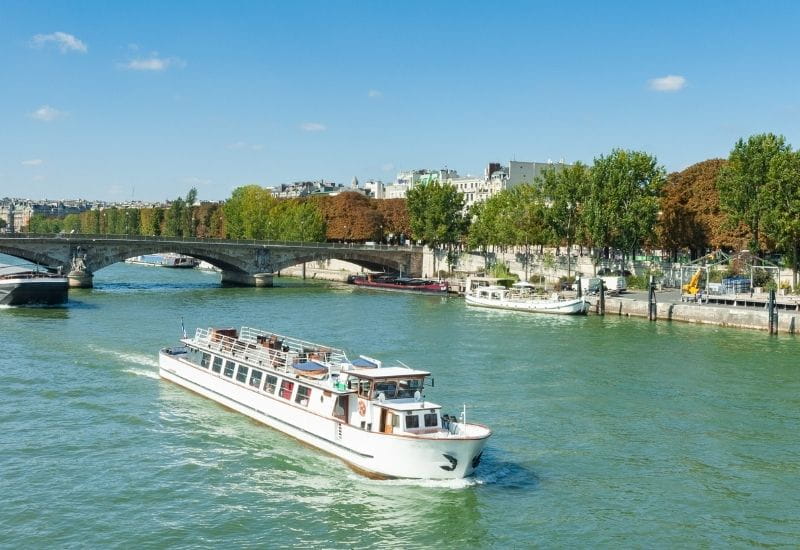
A local insider once told of a serene Seine cruise at sunset—quiet water, a soft breeze, and Paris unfolding like a private film. They drifted past Notre Dame and the Louvre as the monuments illuminated, and it became the kind of anniversary memory you can step back into years later. Not because it was extravagant, but because it was intimate—proof that one of the best places can also feel like it belongs only to you.
What stays with you is often smaller than the monuments: warm service that makes you feel safe in a new place, a perfectly crafted table, the soft footsteps in a musée when the room briefly empties. It’s the confidence that comes from being well supported—so your attention can return to the present, to the person beside you, to the city in front of you.
And perhaps that’s the quiet gift Paris offers high-end travellers: not more noise, but more clarity. You return home with curiosity sharpened, taste refined, and a personal sense of what you want to seek next—whether that’s another season in the same streets, or a new corner of France waiting beyond them.