Post Contents
- Chambord, France: Gateway to a Royal Loire Valley Day Trip to the Château
- Château de Chambord, France: Renaissance Architecture, Royal Residence, and an Iconic Loire Valley Castle
- Inside Château de Chambord: Rooms, Overhead Details, and the Double-Helix Staircase Linked to Leonardo da Vinci
- Explore the Chambord Domain: Forest Cycling, Hiking, Wildlife, and Castle Views
- Chambord Castle Gardens: Cosson River Canoe Routes, Night Illuminations, and a Crafted Royal View
- F.A.Qs
- Reflections After Chambord, France—Château Memories and a Personal Travel Story
Chambord, France: Gateway to a Royal Loire Valley Day Trip to the Château
Chambord France: gateway to a royal Loire Valley escape
If you’re planning a Chambord, France day trip, Loire Valley travel guide moment, arrive with options so your first glimpse feels personal rather than rushed—grand, but unhurried. From Paris, take the train toward the Loire Valley, connect via Blois (nearby and practical) or Mer, then finish by taxi, seasonal shuttle, or (my favourite) a cycling approach that lets the landscape shift under your wheels. That last stretch of effort becomes part of the story and sets the tone for a day that feels curated rather than chaotic.
Spring (April–June) and early autumn (September–October) are when this destination is at its most generous: mild air, softer light, and fewer people to weave around. In high summer, the castle draws big weekend traffic; if you can, choose a weekday and you’ll feel the difference in the courtyards and along the paths. It’s the simplest way to keep your experience spacious, with the comfort of time on your side.
Plan your visit: timing, tickets, and the best rhythm for Chambord
Think of the château as a small world with its own pace. Opening hours vary by season, and special events can shift the timing, so check the schedule and design your day around it—rather than letting it rush you. I like to arrive early, spend the first hour outside with the façade and towers, then go indoors when the light strengthens, and the galleries feel more alive.
- Route support: Paris to the Loire Valley by train, then the last leg by taxi, shuttle, or bike for a more adventurous arrival at Chambord.
- Timing: arrive early for calmer entry lines and better lighting for the masonry details.
- Tickets: plan for around €14 adult entry, and consider audio guides that offer deeper historical context without slowing your pace.
A traveller once shared how they arrived at dawn and felt as if the building had been held back for them alone. Imagine that first soft morning light gathering across the roofline; it makes the chateau look almost resplendent, like it’s waking. That’s the kind of quiet confidence a place can give you—before you’ve even stepped inside.
One last reassurance: the scale is real. Chambord isn’t only a château; it’s a full-day experience across the wider domain, and that’s what makes it such a rewarding stop in France. If you want to build a broader Loire Valley route around it, our Trip gallery can help you picture a seamless journey with expert planning.
Château de Chambord, France: Renaissance Architecture, Royal Residence, and an Iconic Loire Valley Castle
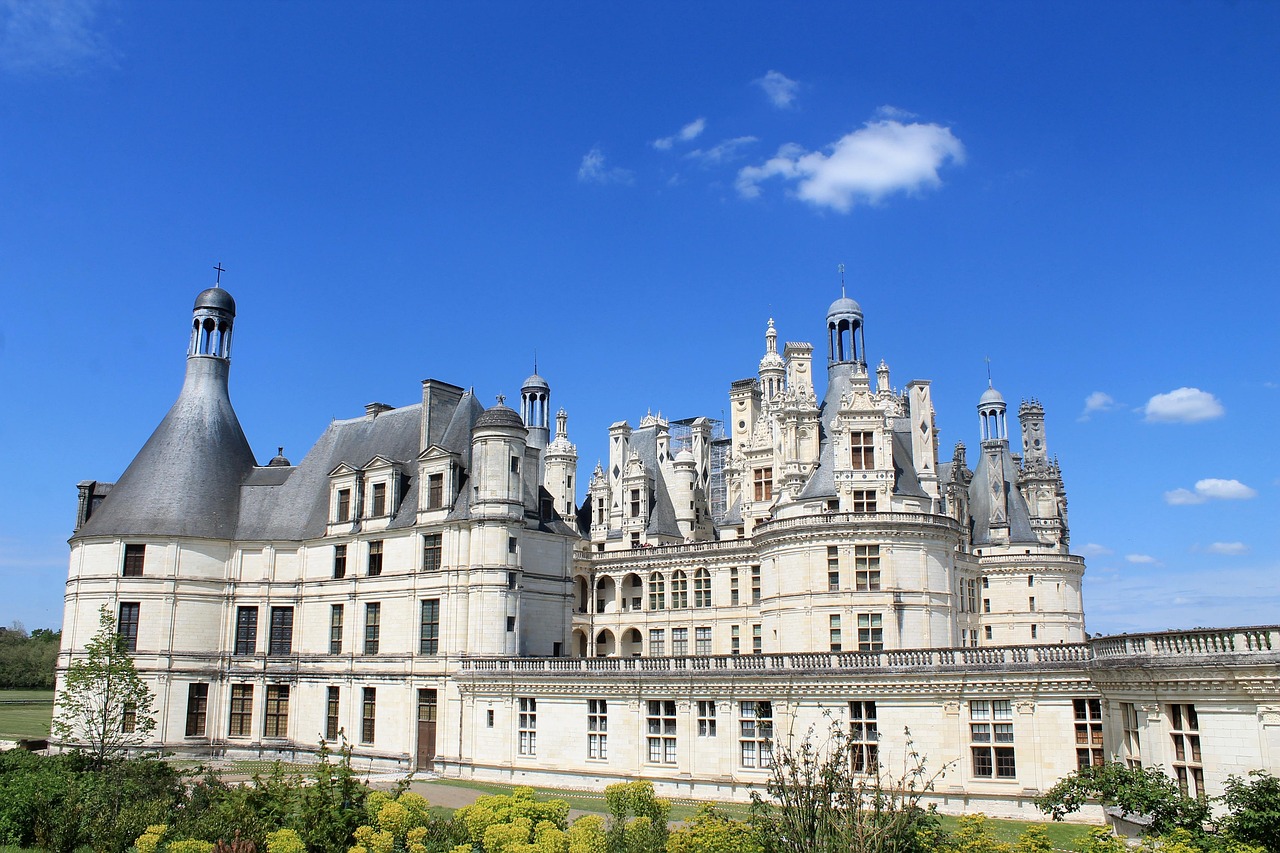
Château de Chambord and the French Renaissance dream
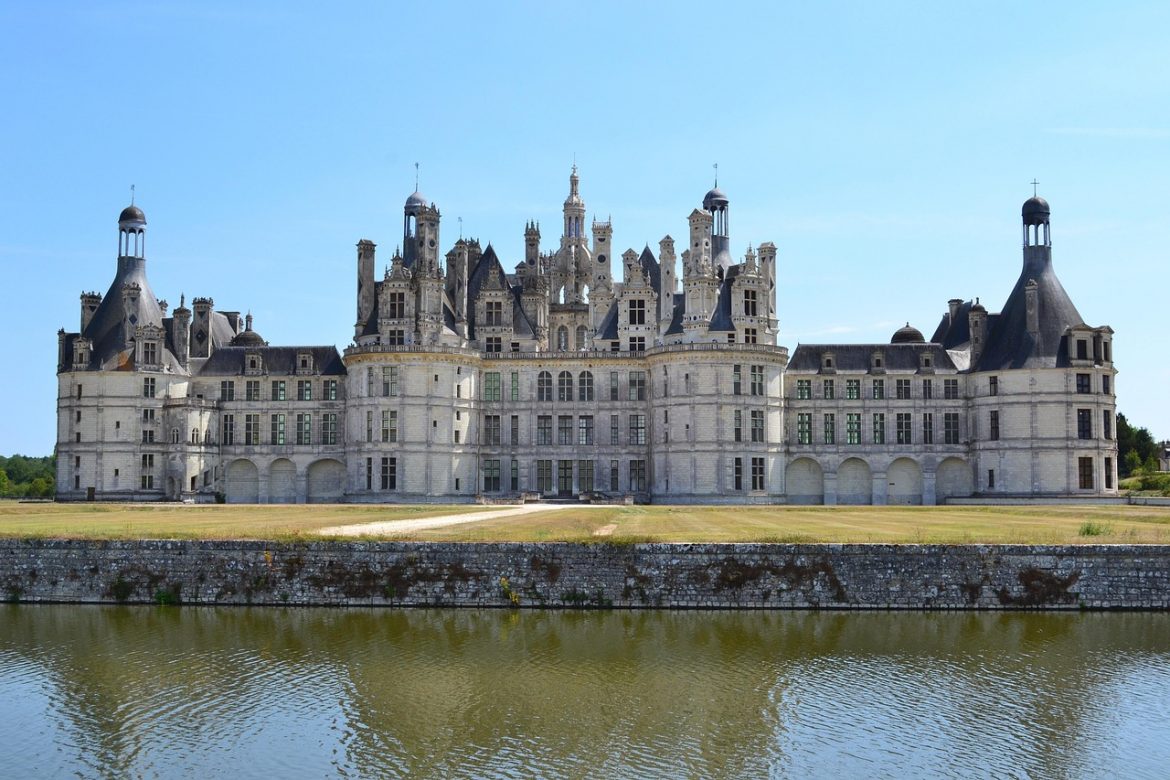
When people search for Château de Chambord, France, Renaissance architecture, the largest château in the Loire Valley, they’re usually hoping the reality matches the legend. It does—because the Château de Chambord was conceived as an iconic statement of power and artistic ambition under King Francis I (François I), a royal residence designed to project grandeur as much as to host life within its walls. The first view can feel extravagant, yet the proportions are meticulously controlled, so spectacle never tips into chaos.
Architecturally, it’s a conversation between medieval strength and classical balance: a fortress-like base and corner towers, topped by a sculptural skyline where a single chimney can catch the eye like a carved signature. In everyday travel talk, it’s called a castle as often as a château, and that’s fair—because it has a storybook silhouette even though its heart is Renaissance. Construction began in the 16th century, and the symmetry still pulls your eye from one wing to the other before lifting it upward.
How the Loire Valley dream became world-renowned Renaissance architecture
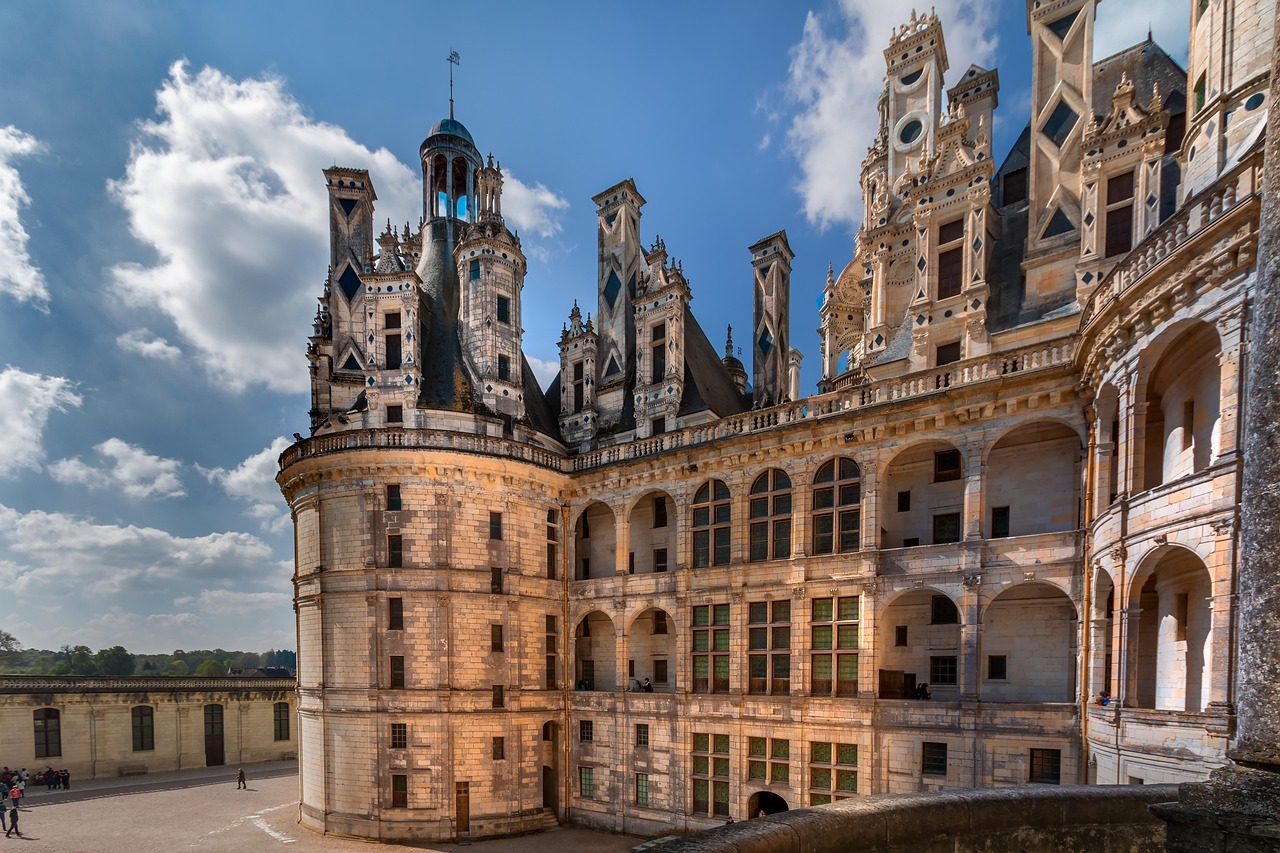
Chambord’s reputation for scale in the Loire Valley comes from both footprint and feeling; it seems to expand as you walk, offering new angles every few steps. Yet it’s not only size—it’s design, and the way the façade layers windows, pilasters, and carved detail to guide your gaze. Look closely, and you’ll see why many call it the purest expression of French Renaissance taste in the region.
Chambord sits within the Loire Valley cultural landscape, inscribed as a UNESCO World Heritage Site, a designation that helps protect the historical character of this part of France and the chain of châteaux that define it. Seen in that context, the château isn’t isolated—it’s part of a wider European story of royal image-making, engineering, and art.
Expert tips to read the wall: architecture, art, and detail
To look with an expert eye—without jargon—stand still and choose one section of wall. Trace the vertical lines up to the roof, then notice how carving creates shadow as the sun shifts. Look for the rhythm: window, recess, ornament, and then a pause; that rhythm is the architecture speaking, and it rewards anyone willing to slow down.
It’s easy to be swept up by the spectacle, but a calmer approach reveals the real luxury: the chance to explore at your own pace, uncovering details that most visitors walk straight past. For a first-time visitor, that simple choice—slowing down—often becomes the most unique part of the day.
Inside Château de Chambord: Rooms, Overhead Details, and the Double-Helix Staircase Linked to Leonardo da Vinci
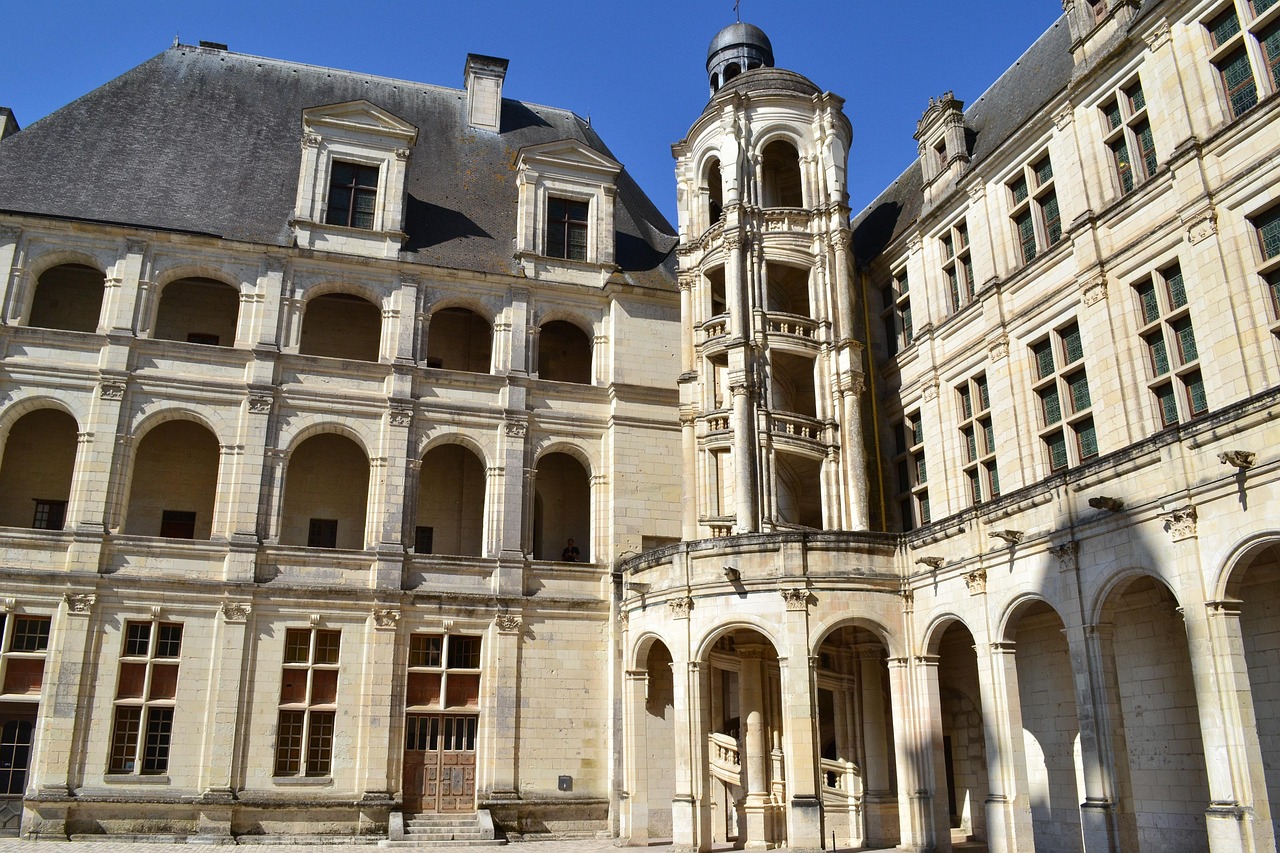
Inside the château: rooms and the ingenious staircase
For many travellers, the phrase château de chambord double helix staircase Leonardo da Vinci rooms is the reason they come—and it’s worth shaping your route so you meet it with fresh attention. Begin with the larger state spaces and reception rooms, then dip into quieter corners where a single fireplace can feel like a private encounter with the past. The interior is less about a linear museum route and more about choosing your own path through this building.
When you reach the centrepiece staircase, pause at its base and simply listen for a moment—the footfalls, the soft echo, the hush of people looking up. The double-helix design is famously ingenious: two spirals interweave so that people can ascend and descend without meeting. The association with Leonardo da Vinci is often presented as a thoughtful possibility rather than a certainty, but even the idea is enough to ignite imagination.
The double-helix staircase: an ingenious legacy at the château
An art history enthusiast once told me they felt strangely connected to Leonardo da Vinci’s mind here, as if the staircase were a hand-drawn sketch translated into stone. You feel it most when you look up: the void opens above you, the light shifts, and the whole experience becomes about movement and viewpoint. It’s a rare moment when architecture becomes choreography—and the legacy lingers long after you leave the stairwell.
Rooms and overhead light: mapping a calm route through the château
Let your eyes travel to the ceiling, then back down to doorways and corridors, noticing how sightlines tease you forward. When crowds gather, step aside, find a window, and take in the view over the gardens and woodland; those breaks keep your energy steady. For deeper context, audio guides and guided visits can help, especially if you enjoy the stories of the king and court life, as well as later reuse under Louis XIV.
- Ticket expectation: standard entry is around €14 for adults; add-ons, such as guided tours, can sell out during busy periods.
- Booking: If you want a specific time slot or a special event, book ahead to keep the day seamless.
- Comfort: expect stairs and plenty of walking; build in short rests so you stay curious rather than tired.
After the staircase, the rest of the Château de Chambord feels different—like you’ve learned its secret logic, and now the whole place makes a quiet kind of sense.
Explore the Chambord Domain: Forest Cycling, Hiking, Wildlife, and Castle Views
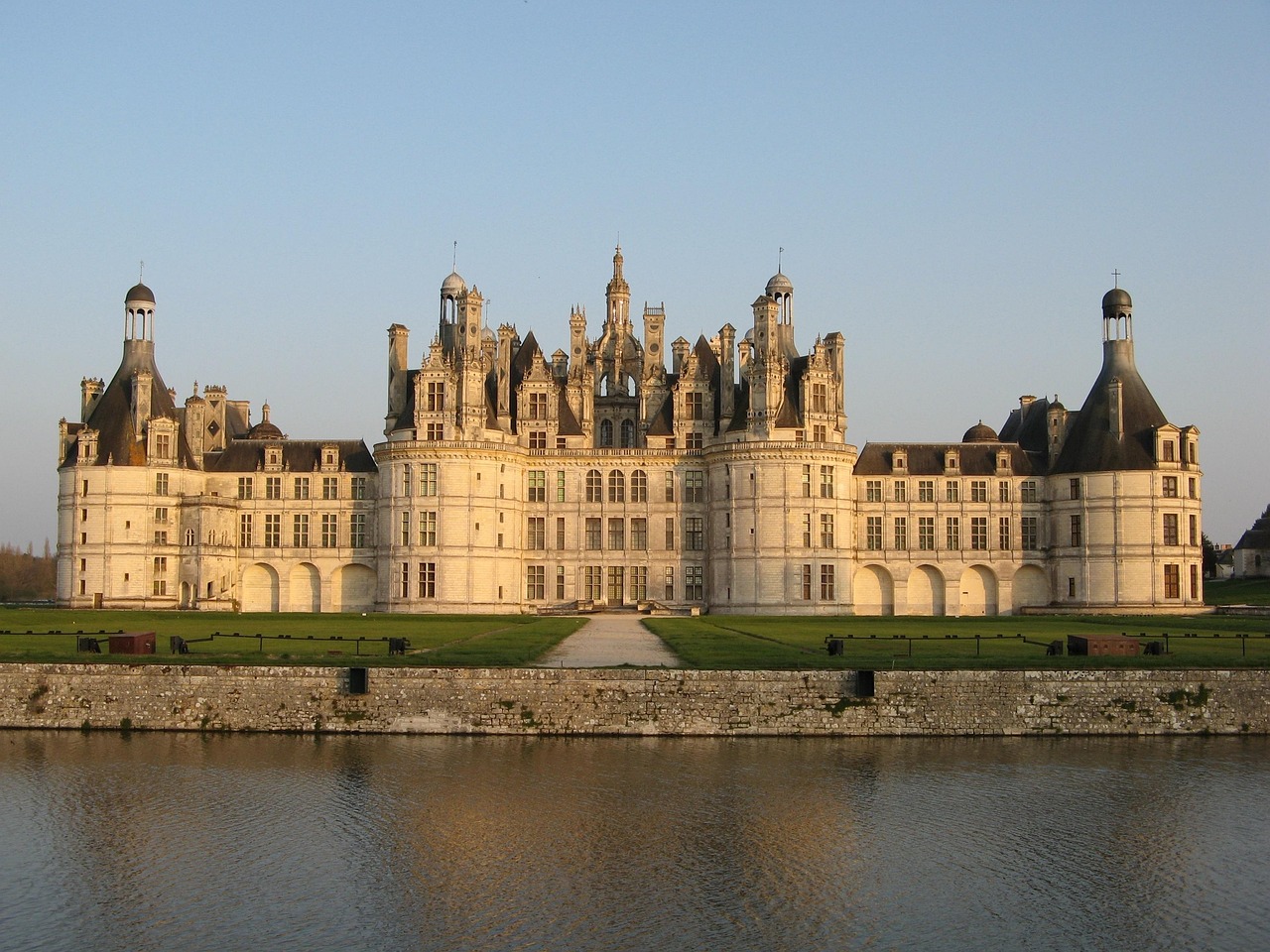
Explore the domain: forest trails, cycling, and wildlife in Chambord
If you’ve bookmarked Chambord domain forest cycling hiking wildlife spotting, you’re already thinking like an adventure seeker—and that’s where Chambord becomes more than a château visit. The 5,440-acre park and woodland offer an open invitation to explore: quiet lanes, long straight tracks, and viewpoints where the castle appears between trees like a mirage. This is the domain at its best, when nature holds the space around the architecture.
A family once told me their favourite memory wasn’t even inside the chateau—it was cycling together through the lanes, laughing as they spotted deer, then (from a respectful distance) the dark moving shapes of wild boars. It turned a cultural stop into a shared adventure, and it’s a reminder that discovery can be gentle and exhilarating at once.
What to pack for comfort on the forest trails of the domain
Trail surfaces vary, so comfortable shoes and a light layer make a real difference when the breeze picks up. Bring water, and keep your pacing realistic; the estate is vast, and the most rewarding moments often come when you stop, listen, and let the spirit of the place settle. If you’re cycling, a basic repair kit is a small insurance policy that keeps the day relaxed.
Local care for wildlife: respecting the park and the path
Local guidance here is simple: keep your distance, stay calm, and leave no trace. Wildlife watching is most magical when it’s done with care—no feeding, no chasing a better photo, and no stepping off marked routes into sensitive areas; stay on firm ground and let animals keep theirs. When you move through the forest with respect, you support the conservation work that protects this landscape.
Bike logistics are straightforward: you can rent on-site or bring your own if you’re building a longer Loire Valley ride. A seamless loop many travellers love begins at the château, circles through woodland lanes for an hour or two, then returns for a late afternoon pause—enough to feel adventurous without overcommitting.
Chambord Castle Gardens: Cosson River Canoe Routes, Night Illuminations, and a Crafted Royal View
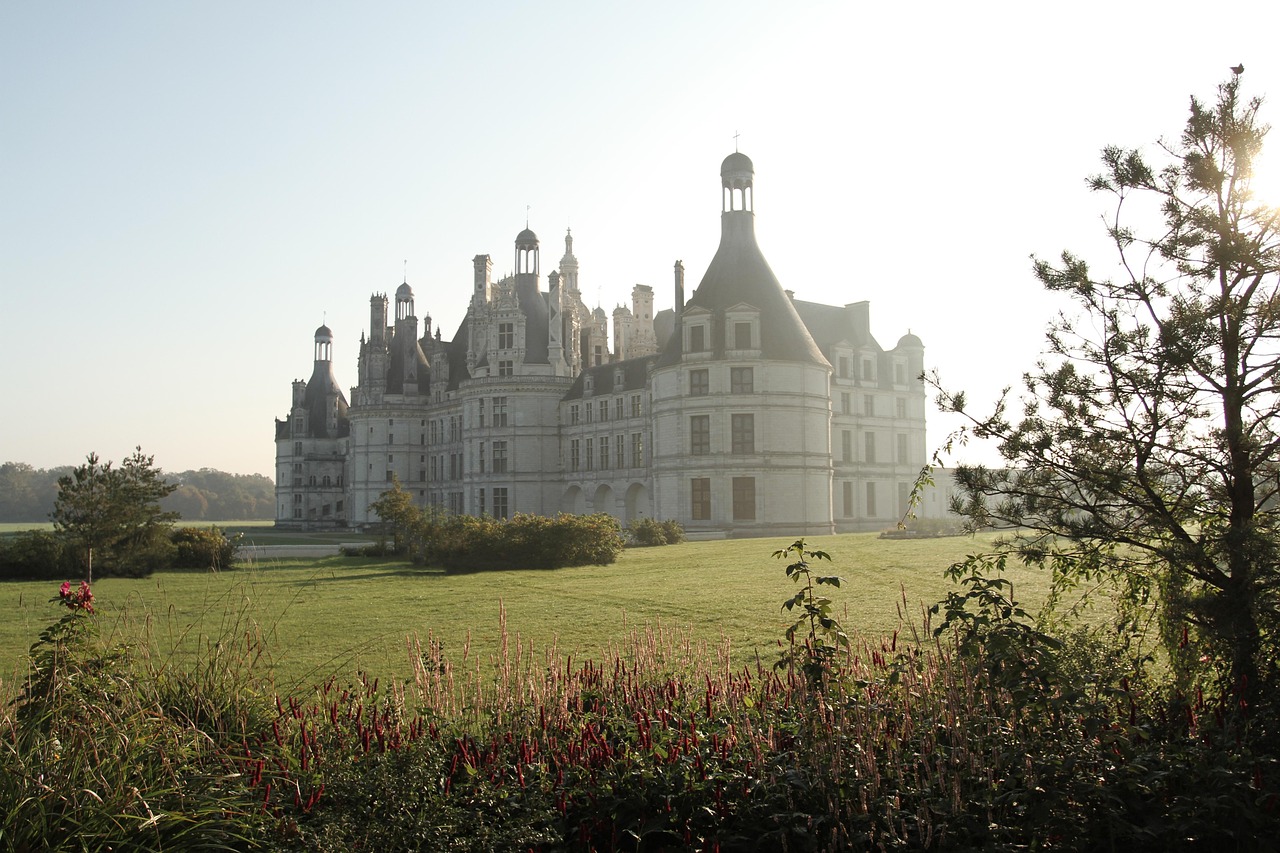
Garden views, Cosson River canoe time, and night illuminations
To round out a Chambord castle garden, Cosson River canoe night illuminations, shift perspective from the paths to the water. A boat ride along the Cosson River, or a self-guided canoe rental, gives you a slower, more reflective angle—one where the château’s silhouette feels softer, and the surroundings feel closer. It’s also a beautiful way to balance a busy morning inside the rooms with a calmer afternoon outdoors.
The garden areas and open lawns are where you can design your most photogenic pauses. Early afternoon offers crisp detail; the golden hour offers romance. Walk a little farther than the obvious viewpoints, and you’ll often find space to breathe, with a fresh glimpse each time you turn back toward Chambord.
Seasonal events: Renaissance spirit and night-time illuminations
Chambord often hosts seasonal programming that leans into its historical theatre—Renaissance festival weekends, themed exhibitions, and evening illuminations that transform the façade with music and light. One visitor described the night show as a fairy-tale setting made real, and it’s easy to see why it’s renowned. For popular dates, booking ahead is wise, especially if you want a specific time.
Falconry demonstrations on the estate can be another highlight, connecting to noble hunting traditions in France and the skill of the birds in flight. It’s a small reminder that this place doesn’t only preserve history—it can still inspire wonder.
A crafted evening itinerary: garden views, river time, and comfort
- Late afternoon: canoe or boat time on the Cosson for a quieter, more personal view.
- Golden hour: exterior walk for photos as the towers warm in colour.
- Evening: night illuminations, then a gentle return to your base with the feeling that the day has been carefully designed.
It’s a simple formula, but it works because it respects your energy. Chambord is at its most inspiring when art, nature, and comfort take turns leading the experience—and when you let the Loire Valley set the pace.
F.A.Qs
Is Chambord, France, worth visiting on a Loire Valley trip?
Yes—Chambord is worth visiting if you want a rare blend of art, historical detail, and outdoor adventure in one setting. The Château de Chambord is spectacular, but the wider estate makes the day richer: cycling, woodland walks, river views, and seasonal evenings can all be combined into one unique itinerary.
What is Chambord famous for at Château de Chambord?
Chambord is famous for the Château de Chambord’s bold Renaissance silhouette, its dramatic roofline of towers and stacks, and the ingenious double-helix staircase often linked to Leonardo da Vinci. It’s also known for its vast surrounding parkland, wildlife, and the way the architecture feels both theatrical and refined.
How much time does it take to visit Château de Chambord?
Most people need half a day to a full day, depending on how deeply they explore the rooms and outdoor routes. Allow extra time if you want to cycle the park, add a river activity, or attend an event. A slower pace reveals the most memorable details.
Is Chambord a region in France or a château estate?
No—Chambord is not a region. It primarily refers to the Château de Chambord and its surrounding estate in the Loire Valley area of France, near Blois. Travellers often use “Chambord” as shorthand for the château, its gardens, and the forested park.
Reflections After Chambord, France—Château Memories and a Personal Travel Story
Long after Chambord slips behind you, what remains isn’t a checklist—it’s atmosphere. I remember the hush of early morning, when the façade looked almost unreal, and the air felt like it belonged to another century. I remember how the staircase seemed to hold a living idea, and how that feeling quietly altered my sense of what human design can do.
There’s a particular kind of calm that settles in once you’ve spent time here: a creative spark paired with reassurance. Even if it’s your first time travelling through the Loire Valley, the day can feel seamless when you give yourself permission to go slowly—resting by a wall, watching distant movement in the trees, or letting the last light fade from the roofline. That gentle rhythm is part of the château’s quiet power.
In my notebook, a single stray number—1981—sits beside a sketch of the roofscape, and I can’t even say why. Perhaps that’s the point. Chambord doesn’t just inform you; it can transcend planning and become part of your personal story, a reminder that curiosity is a kind of home you can carry anywhere. And when you think back on it later, you may find it isn’t the biggest view that returns first—but a quieter one, waiting in the back of your mind, ready to guide whatever you choose to explore next.