Post Contents
- Why Visit Dieppe in France for Culture, Normandy Charm, and a Restorative Coast
- Get to Dieppe from Paris or the UK: trains, sea crossings, and an easy arrival
- Château de Dieppe: Castle-Museum Views, Collections, and Maritime Identity
- Saturday Market in Dieppe: Norman Cuisine, Seafood Stalls, and Local Warmth
- Beach and Cliffs in Dieppe: Outdoor Adventure Along the Côte d’Albâtre
- F.A.Qs
- What Stays With You After Dieppe in France
Why Visit Dieppe in France for Culture, Normandy Charm, and a Restorative Coast
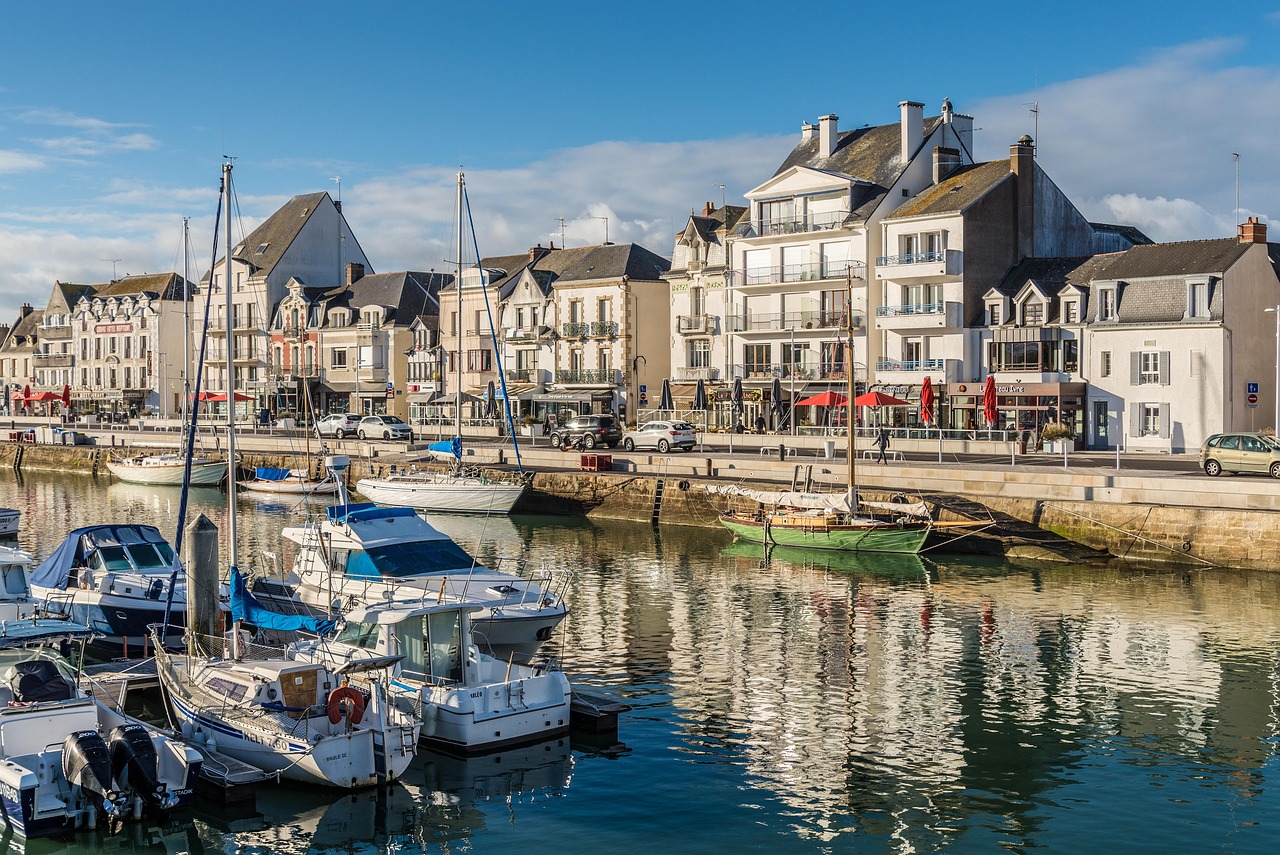
Why visit Dieppe for culture and coast in Dieppe, with an easy waterfront walk in Normandy
To travel to Dieppe in France with the intention of arriving at a working port with holiday ease. Dieppe is a lively seaside resort and fishing port, and that mix of energy and calm gives the town its salt-bright character. Imagine your first stroll along the seafront: waves tapping the pebbly shore, fishing boats shifting in the port, and gulls turning overhead like punctuation marks.
For adventure seekers, Dieppe offers a rare balance—culture you can feel, and open air that invites you to move. It’s easy to explore without rushing: one moment you’re in the old town’s cobbled streets, the next you’re looking up at white cliffs and realising how wild this stretch of Normandy can feel. When you slow down, you start to discover Dieppe in the details: light, texture, and a confident sense of place.
Things to do in Dieppe: quick list of things to see, taste, and experience
Dieppe rewards travellers who like variety—especially those who want the freedom to follow curiosity while still feeling supported by a plan. Here are a few signature rhythms that help you design a satisfying day without overfilling it:
- Château time: the castle-museum on the headland for art collections, coastal perspective, and sea views.
- Market mornings: the Saturday scene and the Dieppe market buzz, with seafood, flowers, and local craft.
- Beach hours: a long pebble strand where the retreating tide sounds like soft applause.
- Cliff paths: dramatic horizons and photography light that changes by the minute.
- Festival atmosphere: if you time it right, the town’s calendar adds an extra layer of colour and community.
Dieppe was once celebrated as the first French seaside resort, and you still feel that history of leisure layered over a working commercial port. A thoughtful approach lets you explore confidently: enough structure to feel grounded, enough space to keep the experience personal.
From the 15th century onwards: history you can feel as you walk
Part of Dieppe’s charm is how effortlessly it shifts eras. You can move from today’s fishing boats to stories reaching back to the 15th century, then land again in the simple pleasure of a café pause. It’s a town that offers depth without demanding performance—just presence, and the willingness to follow curiosity.
Get to Dieppe from Paris or the UK: trains, sea crossings, and an easy arrival
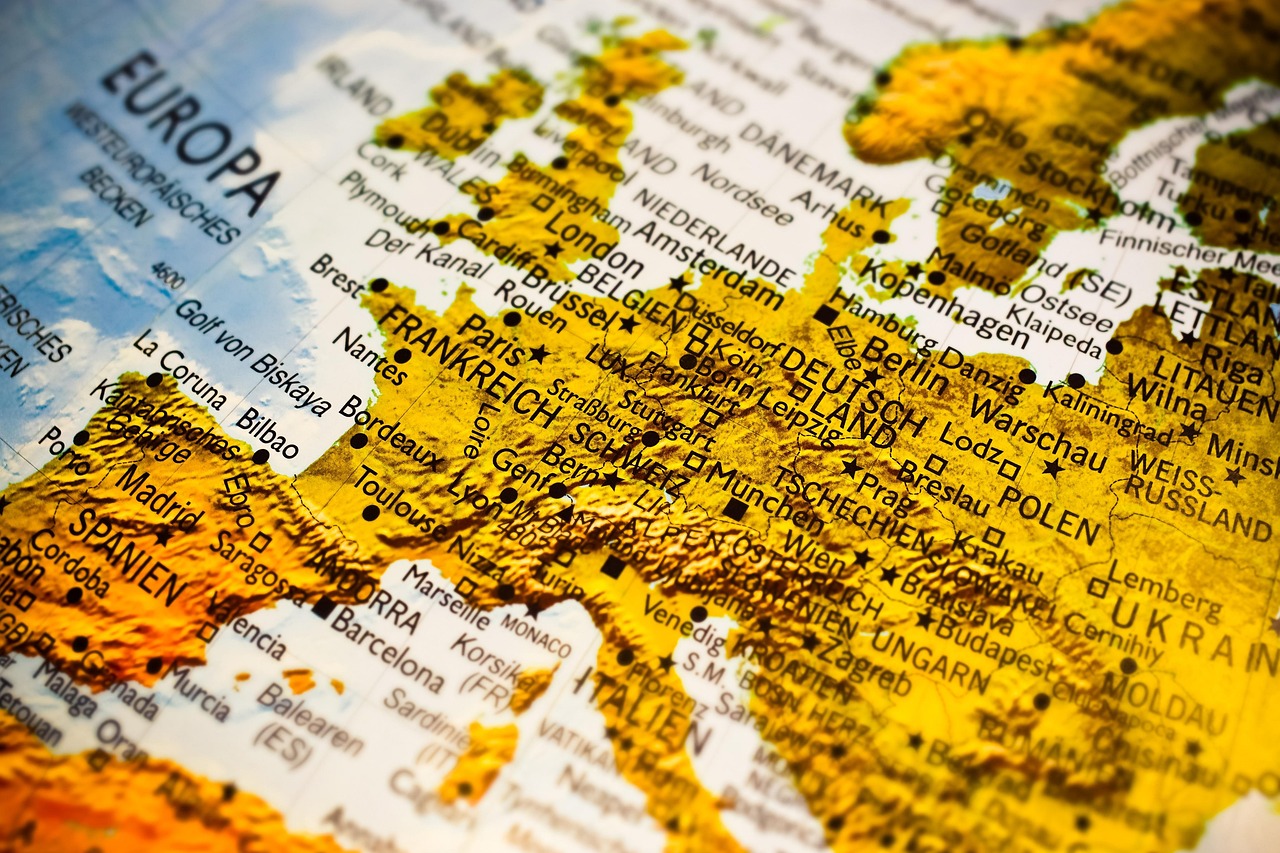
How to reach Dieppe in Normandy from Paris, with a simple first hour in town
If you’re planning a smooth route to Dieppe, the logistics are reassuringly straightforward. From Paris, regular trains run to Dieppe station in about 2.5 hours, typically routing via Rouen. Many travellers say Dieppe is the closest true coastal reset that still feels like Normandy—close enough for a quick escape, distinctive enough to feel like a real change of pace.
Arrive with confidence by keeping your first hour simple: a station, a short taxi, or an easy walk, then drop your bags and head out for air. Dieppe is the closest beach for many Parisians seeking seaside light without long travel days, and the town’s compact layout makes it easy to shape a seamless two-night stay.
Arriving from Newhaven: an English Channel crossing with old-school charm
For British travellers, there’s a satisfying cross-channel dimension too. A ferry crosses the English Channel from Newhaven to Dieppe, placing you across the channel with a calm, scenic transition into holiday mode. It’s an easy way to arrive feeling refreshed rather than rushed.
Getting around Dieppe: compact streets, calm planning, and local comfort
Once in Dieppe, the “getting around” piece is refreshingly light. The port, waterfront, beach, and old town sit close together, so you can do most of it on foot; local buses and taxis are there when you want them. If you like atmosphere, consider basing yourself near the harbour side of town or close to the Pollet area—the old sailors’ quarter—so early mornings feel local and unforced. For a family-friendly option with a maritime theme, L’Estran, cité de la mer, features an aquarium and hands-on exhibits.
- Book early for summer weekends and September dates so your stay feels crafted, not improvised.
- Check tide times if you’re planning a boat trip, kayaking, or exploring along the coastline.
- Pack layers: even in summer, sea breeze can shift quickly from warm to cool.
If you’d like inspiration for a broader route through France, you can pair Dieppe with neighbouring culture and countryside—see our Trip gallery for designer-led ideas that keep the pace personal.
Château de Dieppe: Castle-Museum Views, Collections, and Maritime Identity
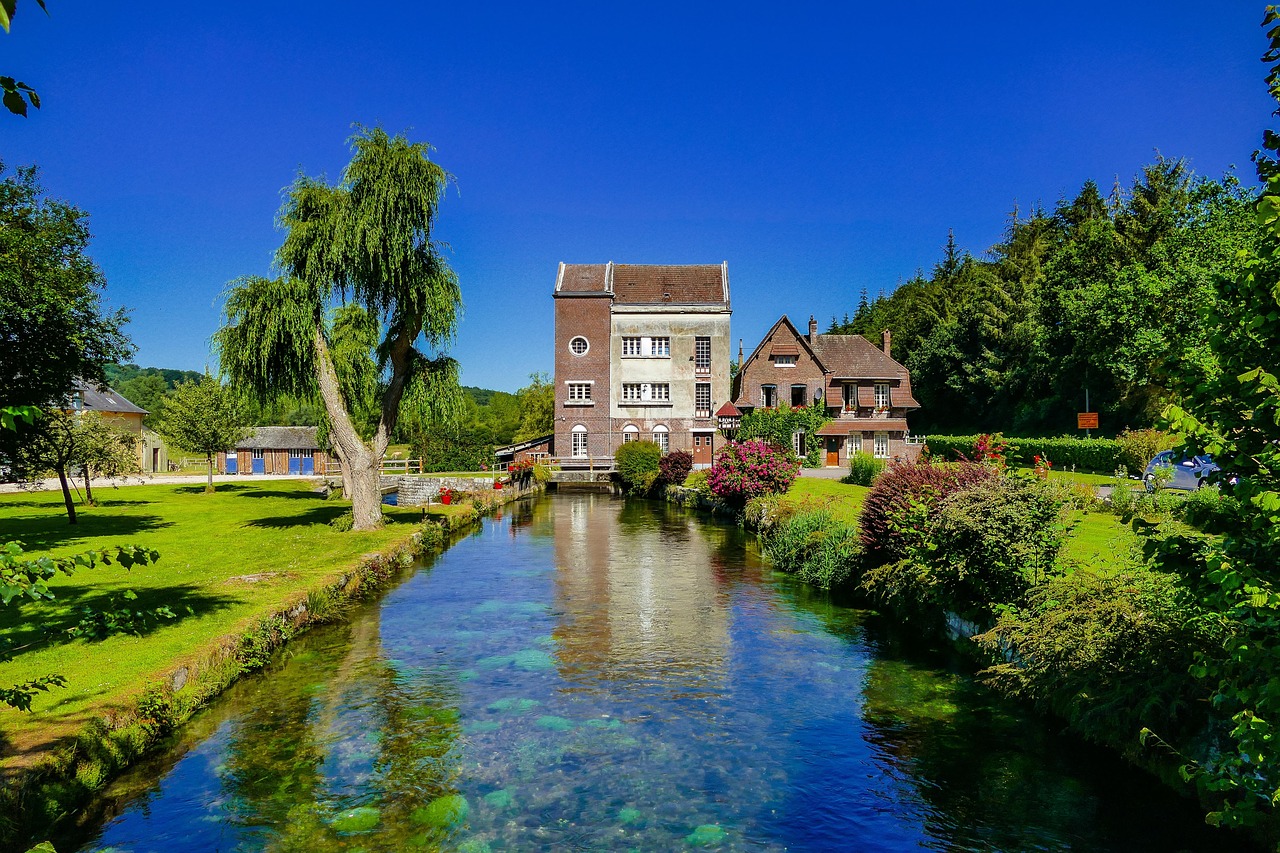
Castle-museum perspective above Dieppe, with open views over the coast
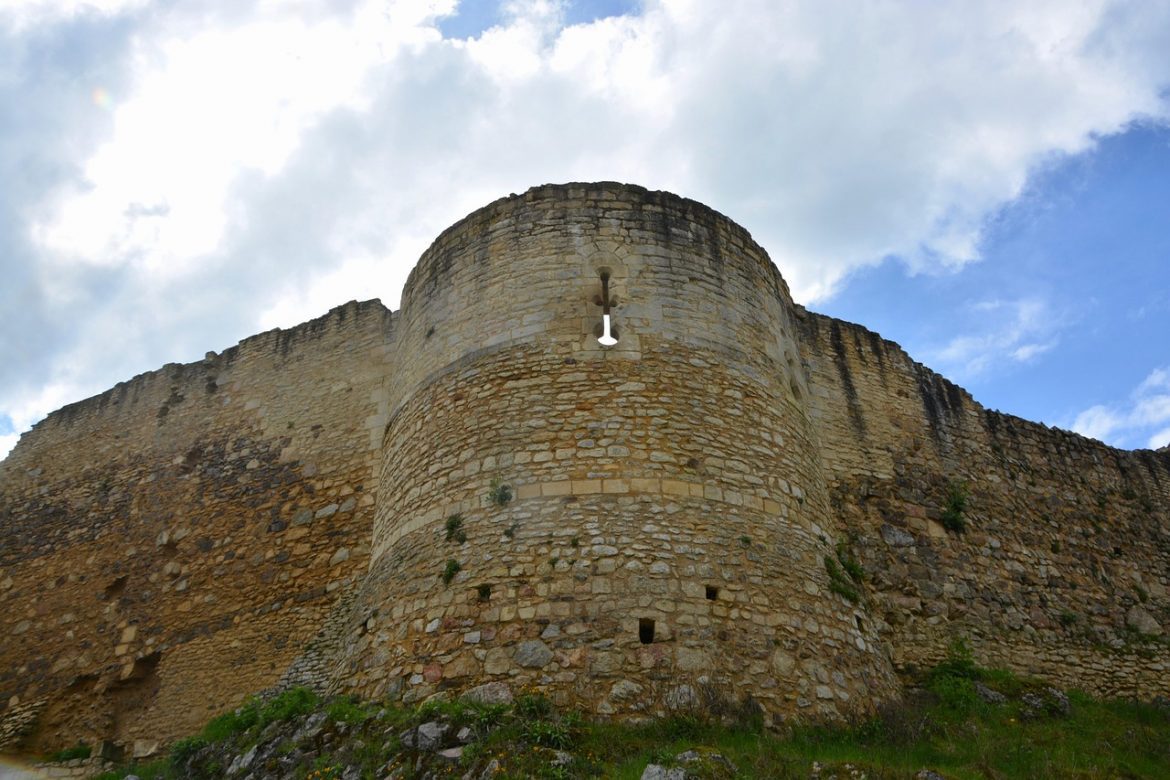
The fortress on the headland watches over Dieppe like a patient guardian. This is more than a viewpoint: it’s a castle-museum that anchors the town’s maritime identity, with a unique collection that connects craft, trade, and regional imagination. If you’re travelling solo, it’s an especially reassuring place—quiet rooms, clear storytelling, and space to absorb without performing “tourist energy”.
What to look for inside the castle-museum: collections, craft, and coastal stories
Inside, the displays connect sea trade and local artistry in a way that feels curated rather than overwhelming. Look for objects and visual narratives that give the town’s commercial past real texture, and note how the story is rooted in the Seine’s Normandy coast. You’ll also meet the spirit of local figures—Dieppe’s seafaring legacy includes the 16th century shipowner Ango, whose era helped shape the region’s confidence at the waterline.
Take your time: high-end travel isn’t about speed, it’s about depth. Let the threads settle, then step outside and let the wind reset your thoughts.
Remembrance with sensitivity: Dieppe in August 1942
Dieppe also holds a more solemn layer. In August 1942, the raid known as Operation Jubilee left lasting scars; many visitors pause here for quiet remembrance. If you’re travelling with care, it’s enough to acknowledge the weight of the place—no grand gestures—just a moment of stillness and respect.
A design tip that works beautifully: visit in late afternoon, then take a gentle promenade back towards the seafront as the light softens. The angle of the sun on the water gives photographers a kinder palette, and it lets the experience feel grounded rather than heavy.
Saturday Market in Dieppe: Norman Cuisine, Seafood Stalls, and Local Warmth
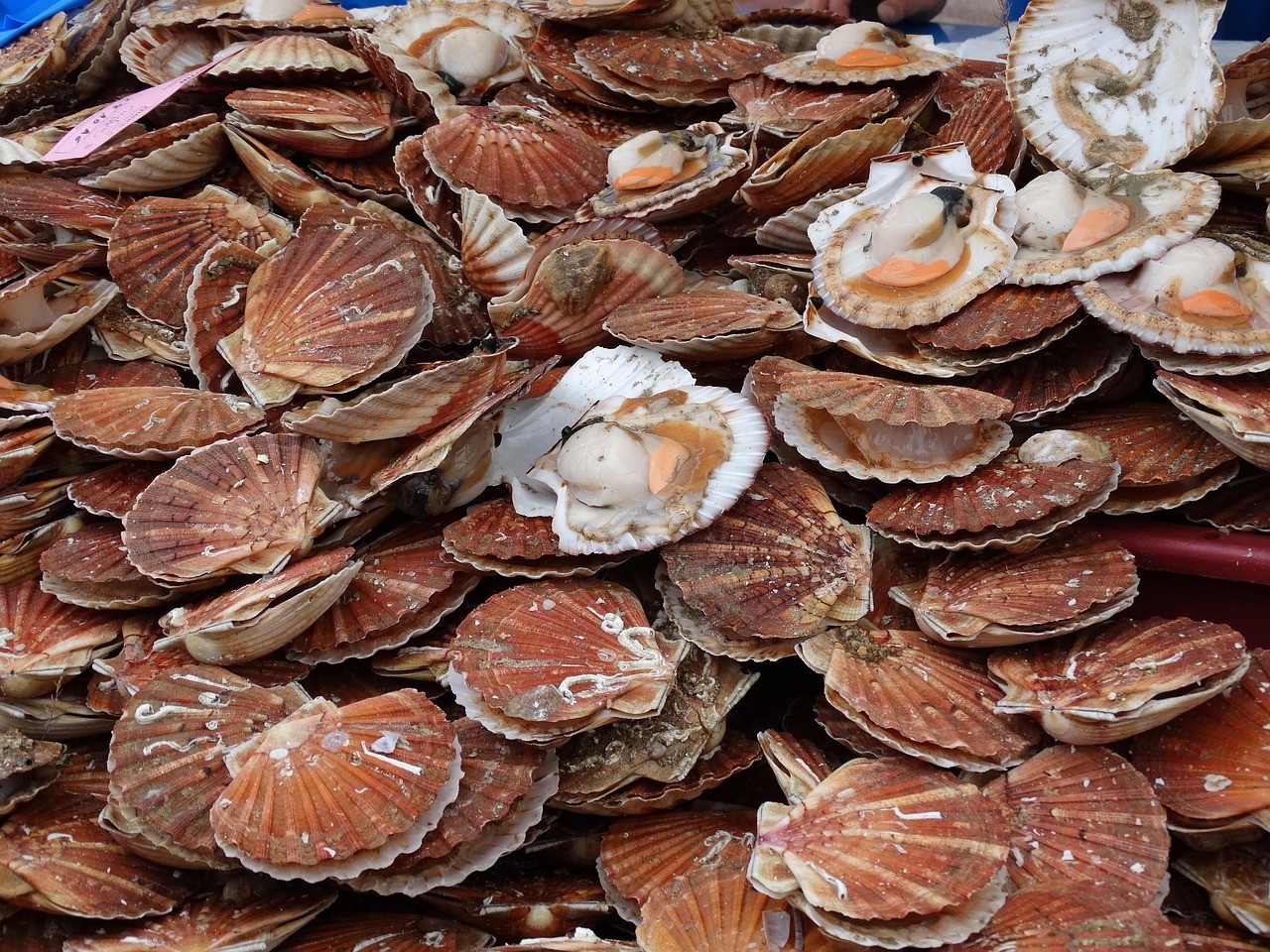
A Saturday morning in Dieppe, with seafood stands and a warm local rhythm
For many travellers, the emotional centre of the trip is the morning. The air carries a clean note of seawater and smoke from hot food stands; you hear greetings, laughter, and the gentle clatter of crates. Start early, take it slowly, and offer a simple “Bonjour” before you ask questions—local warmth often meets you halfway when you begin with courtesy.
The market can feel busy, but it’s easy to make it seamless with a light structure. Bring some cash, keep your hands free for tasting, and let yourself wander rather than “complete” the stalls. Dieppe is a leading scallop centre, and this is the moment to follow your appetite toward what looks freshest.
- Go early for the calmest browsing and the best selection of seafood.
- Ask what’s regional: vendors love sharing insight when you show genuine interest.
- Choose one treat to eat immediately, and one to take back—this creates a relaxed rhythm.
A small personal exchange with Saint-Jacques
One of my favourite stories shared by a visitor in Dieppe is beautifully simple. They paused at a fish stall, and a fisherman’s family invited them to taste something freshly cooked—true saint-jacques—right there, no fuss, just pride and hospitality. In that moment, the trip shifted from “seeing” to belonging, the kind of personal connection you can’t schedule but can quietly make space for.
After the market, wander the old town: follow one inviting rue you hadn’t planned, then settle into a classic café rhythm at café des Tribunaux. For a Normandy speciality, try something apple-led (cider or a Calvados-touch sauce) or a butter-rich dish that feels unapologetically Normandie.
Beach and Cliffs in Dieppe: Outdoor Adventure Along the Côte d’Albâtre

Cliff-lined horizons along the coast, a short drive from Dieppe
If your heart leans towards movement, Dieppe is where the outdoors feels immediate. Start with the beach: a wide arc of stones where the soundscape is part of the experience, the pebbles shifting like whispered percussion with every wave. For calm sea bathing, choose safe conditions only and keep an eye on tide times and signage—confidence comes from respecting the water. For a quieter stretch and a different angle, walk towards les tourelles and let the breeze do its work.
Cliff walking on the alabaster coast: sandstone, flint, and big skies
From the waterfront, it’s easy to step into a wilder frame: cliff paths that reveal the texture of sandstone and flint, and the bright drama of white cliffs. This is the alabaster coast—the côte d’albâtre / côte d’albâtre mood of northern Normandy—where light moves fast and horizons feel generous. When you pause, you can hear the mer below and watch the weather change in real time.
Literary travellers sometimes bring Guy de Maupassant along in spirit—Normandy was his birthplace, and the coastline’s shifting weather matches his clear-eyed sensitivity. Even if you’re not reading as you walk, you can feel the same truth: this landscape rewards attention.
Kayaking and guided coasteering: safe thrills along the coast
For adventure seekers, Dieppe offers water-based experiences that feel both thrilling and grounded. A sea kayak outing gives you a new angle on the coast; coasteering adds the playful edge of scrambling and swimming in guide-chosen sections. Book in advance, go guide-led, and trust the safety briefing—proper equipment and local knowledge turn risk into real freedom, and it’s one of the best water sports choices here along the coast.
Places to visit near Dieppe for half-day escapes: gardens, villages, and quiet history
If you want elegant half-day options that feel intimate rather than “tour bus”, start with Pourville, then continue to Varengeville-sur-Mer, where gardens and sea air mingle, including tucked-away corners like the puits-salé shoreline. For a garden in France, the Bois des Moutiers is a standout, with a collection of giant rhododendrons, hydrangeas, and beautiful design details framed by beech woodland. Pilgrims with an eye on long routes sometimes pass through this region on journeys associated with Compostela, and the quiet lanes suit that reflective pace.
History lovers may also enjoy the nearby château de Miromesnil (often written de Miromesnil), linked to the marquis de Miromesnil; it’s a graceful detour in the Seine-Maritime department. Some travellers seek out the shamrock garden there as a small, unexpected detail—proof that Normandy’s beauty can be precise as well as dramatic.
F.A.Qs
What is Dieppe famous for?
Dieppe is famous for its historic port, its cliff-top château museum, the lively Saturday market, and its long pebble beach backed by bright waterfront architecture. It’s also known for the international kite festival, when the sky becomes part of the spectacle.
What does Dieppe mean in French?
“Dieppe” is commonly linked to an old term meaning “deep”, often understood as a reference to a deep river or channel. Visitors also connect the name to the town’s relationship with water—its port, maritime life, and the way the sea shapes the atmosphere.
What went wrong at Dieppe?
During the Second World War raid on the town, Allied forces suffered heavy losses due to strong defences, challenging conditions, and difficulties withdrawing from the shore under fire. Today, many visitors approach the story with perspective and respect, recognising the human cost and its place in wartime history.
Is it worth visiting Dieppe?
Yes—Dieppe is worth visiting if you want a Normandy coastal town that blends culture, food, and outdoor adventure without feeling overproduced. You can explore the château, enjoy the market and local bistros, walk the cliffs, and take to the water, all while keeping the pace calm and restorative.
What Stays With You After Dieppe in France
In the end, Dieppe isn’t only about what you did; it’s about what you carry home. You remember the seaside air on your skin, the shifting light on the port, and the steady rhythm of waves against stone. Dieppe holds you gently: it asks for courage on the coast, then answers with softness in local encounters.
Later, when life speeds up again, small moments return without invitation—the hush after a gust of wind, the taste of salt, the comfort of being somewhere that didn’t demand hurry. Here, trust feels practical and personal at once: trust in a path, in a guide, in your own ability to explore and still feel safe.
If you ever find yourself daydreaming about land and sea meeting in a single glance, you’ll know where your thoughts are headed—back to Dieppe, and to whatever you might uncover there next time.