Post Contents
- Eiffel Tower in Paris, France: First impressions, viewpoints, and the City of Paris skyline
- From 1887 to 1889: construction history and the 1889 exposition universelle in Paris
- Eiffel Tower facts that feel like mind-blowing facts up close—Gustave Eiffel’s iron masterpiece
- Interesting facts on the way to the top: observation decks, first-floor glass, second-floor views
- Visit the Eiffel Tower with confidence: tickets, metro routes, costs, security, dining, and tours
- F.A.Qs
- What stayed with me after the Iron Lady
Eiffel Tower in Paris, France: First impressions, viewpoints, and the City of Paris skyline
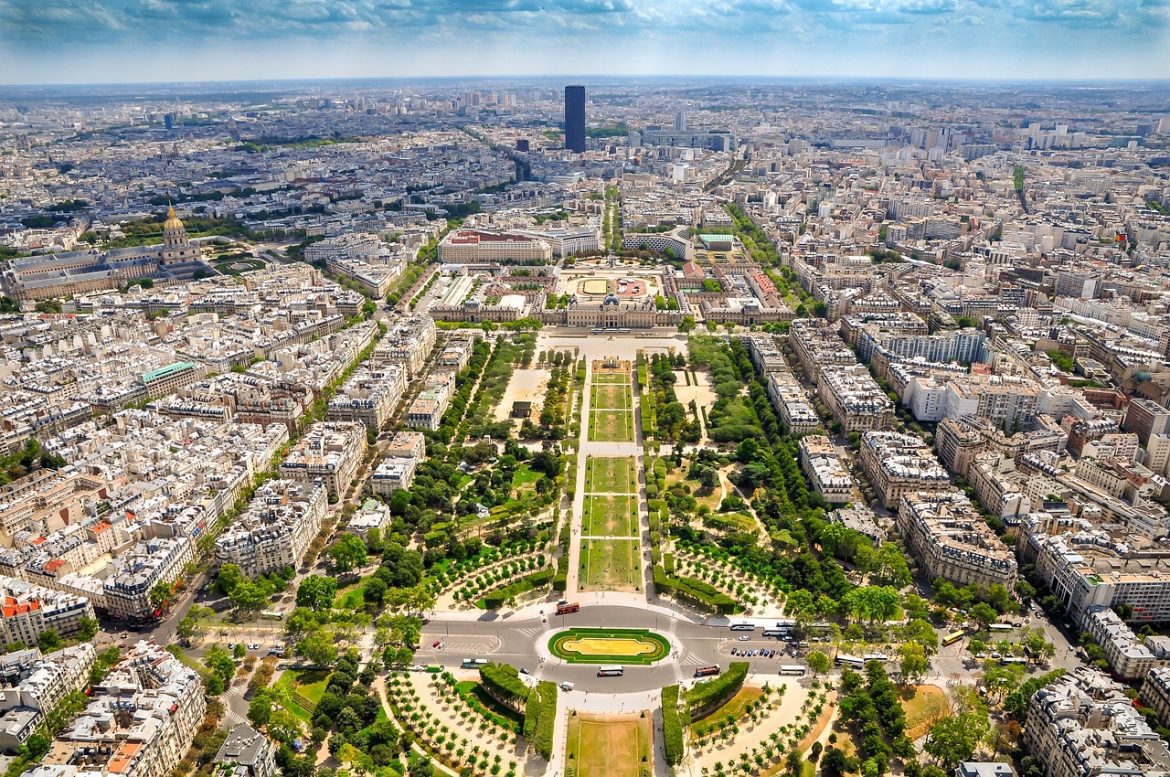
Eiffel Tower and Paris in one breath—first impressions and a skyline viewpoint
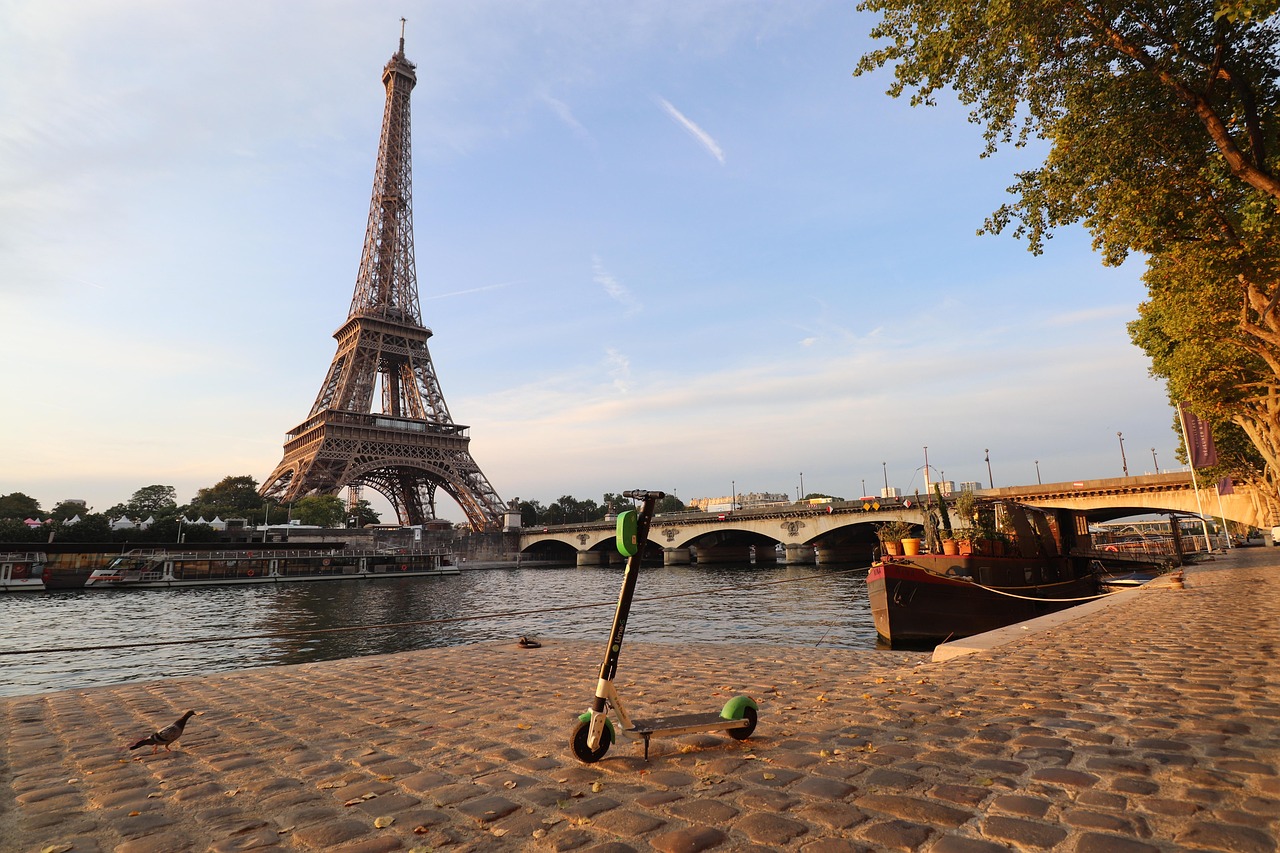
If you’re collecting Eiffel Tower in Paris, France, facts, start with the sensation of arriving: the Eiffel Tower rises like the symbol of Paris, with steps underfoot, height in your chest, and an antenna line that seems to stitch sky to street. From this angle, the city of Paris feels composed and alive, as if the monument is quietly holding the horizon in place. If you travel for culture and sensation in equal measure, this is where Paris meets you halfway—elegant, slightly wild, and unforgettable.
A traveller once told me they began their ascent at dawn, when the queues were still sleepy and the air felt cool and kind. Above the bustle, they found an unexpected serenity—an almost private moment with the French capital laid out beneath them, like a map drawn in rooftops. In the city of light, that hush can feel rare, which is exactly why it stays with you.
Start lines for adventure seekers around the monument and the Iron Lady
To design your day with calm confidence, set your “start line” before you even scan a ticket. These three spots offer different angles and moods, helping you meet the Iron Lady with intention rather than rush.
- Champ de Mars: wide lawns to steady your breath, plus the classic centred framing.
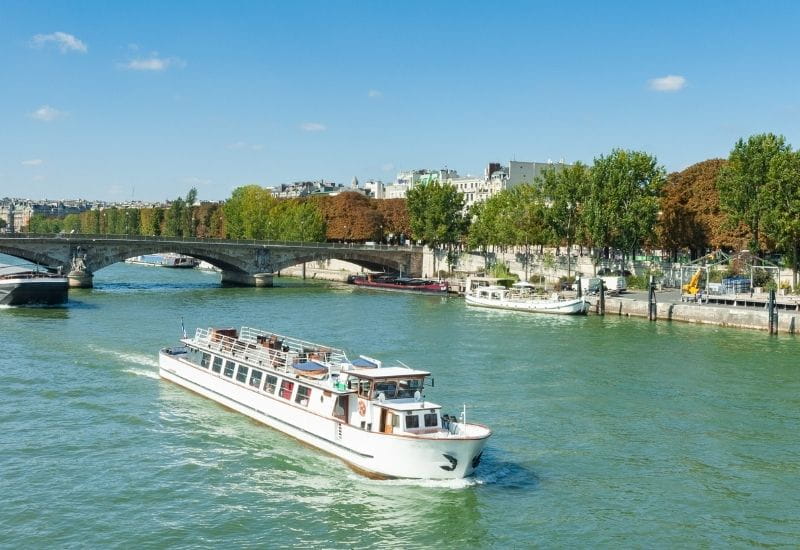
- Seine River Bend: a moving postcard as boats drift past and the city reveals itself in layers.
- Trocadéro terraces: a higher vantage point that makes orientation easy before you go up.
In the chapters ahead, the flow is deliberate: origins first, then close-up engineering, then the observation decks—and finally, practical planning that respects your time and energy.
From 1887 to 1889: construction history and the 1889 exposition universelle in Paris
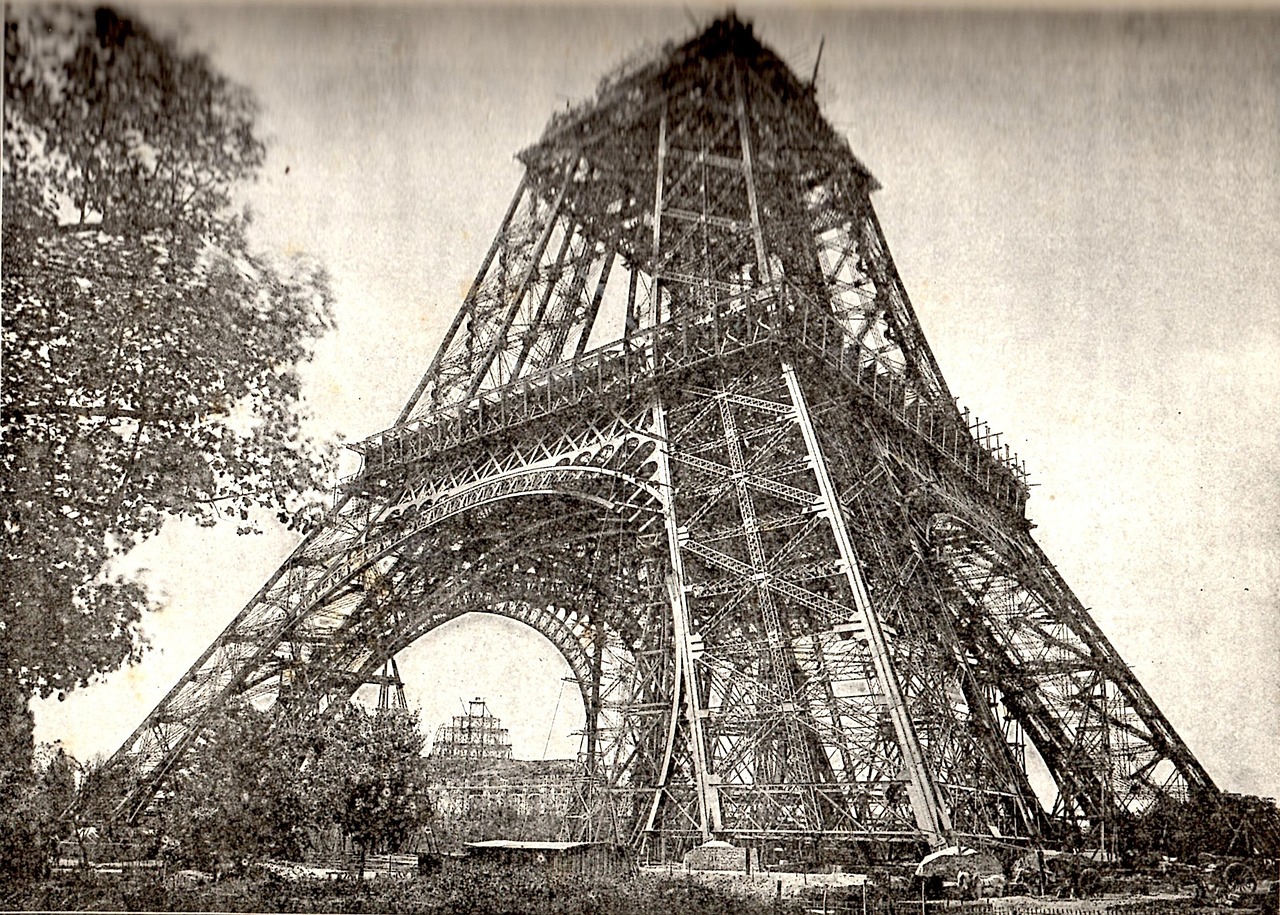
Eiffel Tower construction in Paris: the 1887–1889 timeline
In 1889, Paris prepared for an exposition meant to embody modern confidence, tied to the centenary of the French Revolution, the anniversary of the French Revolution, and the 100th anniversary of the French Revolution. The intention was to celebrate the 100th anniversary with a dramatic statement in iron—yet many voices protested, worried the skyline would be overwhelmed by industry. That tension is part of what makes this story feel so human, even today.
The timeline reads like controlled daring. A great competition was launched, and once the winning proposal was selected, the first digging work started in 1887, anchoring the four legs with obsessive precision. The build famously took two years, two months and five days—fast enough to feel like a myth, but documented step by step as the structure rose.
Gustave Eiffel and architect Stephen Sauvestre: the team behind the landmark
When people ask who built the tower, they often name only one person, but the credit is shared. The engineer Gustave Eiffel directed the enterprise and argued that structural logic could be beautiful. Meanwhile, architect Stephen Sauvestre shaped the public-facing details—arches, platforms, and proportion—so the final silhouette felt unmistakably Parisian rather than purely industrial.
By March 1889, the unveiling arrived in time for the 1889 World’s Fair, and the conversation flipped. What began as an object of discord became a source of desire and fascination, soon celebrated among the world’s great landmarks. It’s a reminder that bold design can be doubted first—and adored later.
Eiffel Tower facts that feel like mind-blowing facts up close—Gustave Eiffel’s iron masterpiece
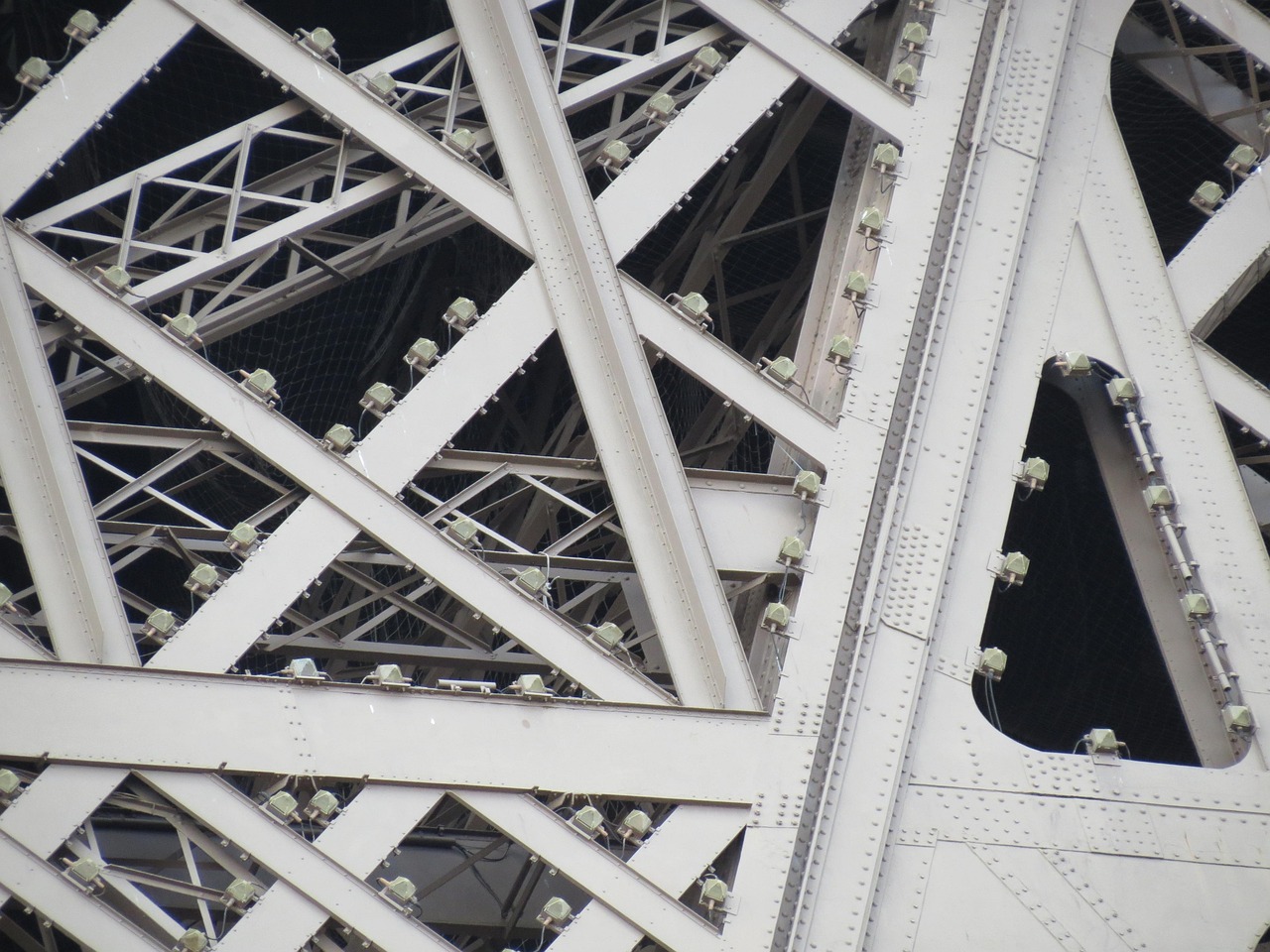
Close-up details: Gustave Eiffel’s design at eye level
Standing close enough to see the lattice resolve into patterns is the moment the Eiffel Tower stops being an image and becomes an experience. You notice how the legs curve inward like choreography, and how the iron seems to lean into the wind rather than resist it. For many travellers, that’s the shift from “I’ve seen it” to “I understand why it matters.”
Mind-blowing engineering details: iron, rivets, and Eiffel Tower changes
The headline is simple and startling: iron and 2.5 million rivets hold the frame together, making strength look almost delicate. On warm days, the Eiffel Tower changes by tiny amounts as the metal expands and contracts—an easy-to-miss detail that makes the structure feel quietly alive. It’s one more example of how precision becomes poetry at scale.
In 1889, it stood as the tallest structure, and for a period, it was the tallest building in the world, a benchmark that later skylines sought to match. Comparisons eventually turned toward American icons like the Chrysler Building, but the Paris Tower remains its own category: engineering made iconic, not just high.
- Communications helped save it: early telegraph tests and later broadcasts proved it was practical, not just decorative.
- A survival pivot: the military radio post in 1903 strengthened the argument for keeping it standing.
- A modern identity moment: in 1925, illuminated advertising turned the structure into a new kind of urban spectacle.
Culture left fingerprints here, too. Thomas Edison visited, and the private-apartment story is echoed today with wax figures of Eiffel near the upper levels, giving history an oddly intimate texture. And yes, the Statue of Liberty connection still fascinates people—proof that French engineering and symbolism travelled far beyond Paris.
Care and upkeep are part of the legend: the tower’s paint job is renewed every seven years to protect the iron and maintain a consistent colour across seasons. Today, sustainability isn’t an afterthought either—listen closely, and you may hear about discreet additions like wind turbines, a quiet sign the landmark keeps adapting.
Interesting facts on the way to the top: observation decks, first-floor glass, second-floor views
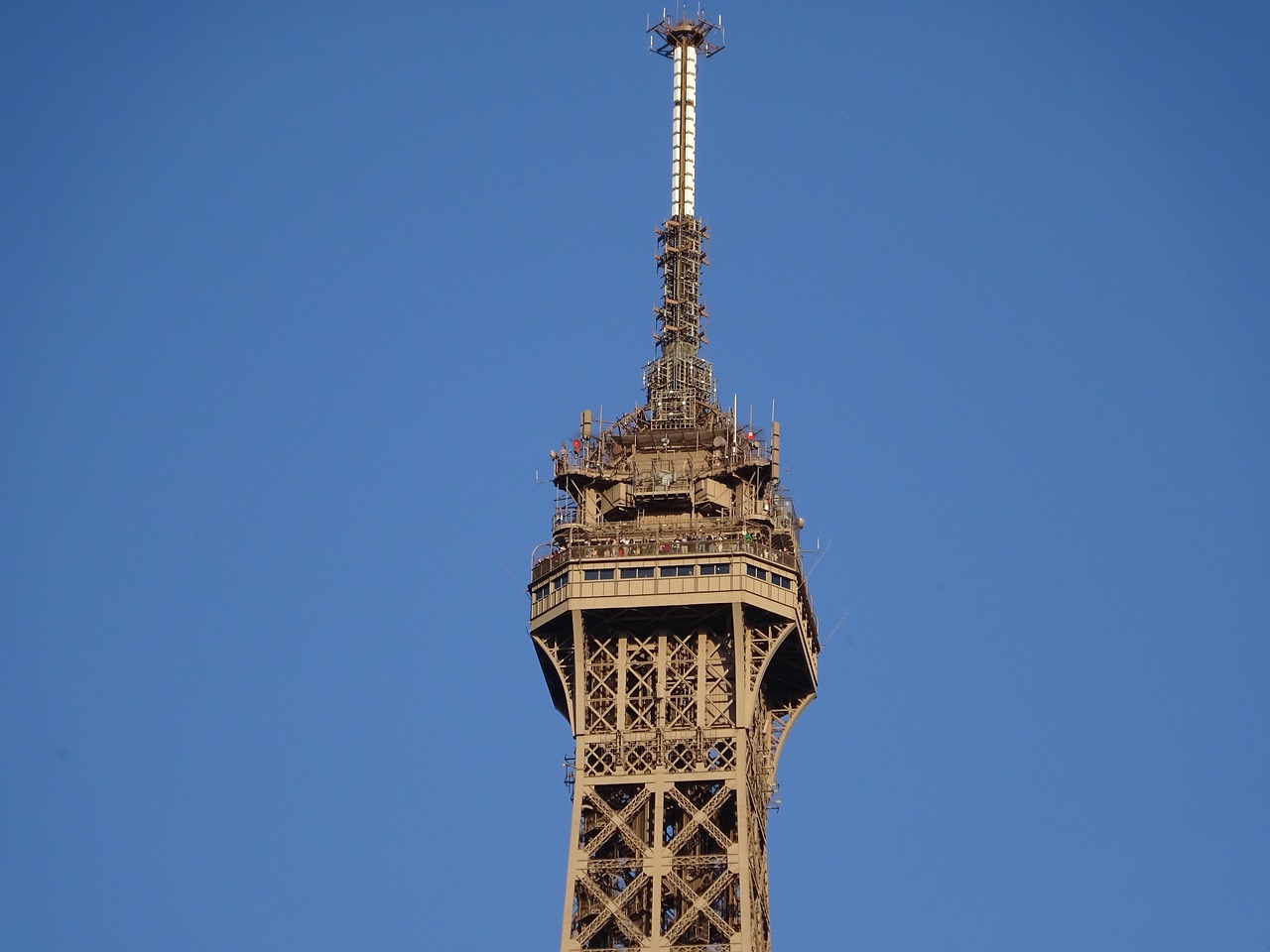
Observation decks and viewpoints as you climb
The ascent becomes part of the narrative. For adventure seekers, the way to the top can be stairs for a tactile, earned triumph, or a lift for a smooth glide while Paris unfolds like a designed panorama. Either choice works—what matters is pacing yourself so the experience stays spacious rather than hurried.
First floor and second floor moments you’ll feel in your feet
The first floor is where nerves and delight often meet. The floor of the eiffel tower includes a glass section that turns even confident travellers quiet for a second—then laughing, because your body catches up with your brain. It’s a clean little thrill that makes the monument feel interactive rather than distant.
From the second floor, the angles sharpen, and the city becomes more graphic: the Seine reads like a ribbon, and the Champ de Mars becomes a precise axis. If you want photos with strong geometry and real detail, this level is often the sweet spot.
Top of the tower views and the hourly sparkle after dusk
Then comes the summit: a vast, wind-bright perspective that makes you scan the horizon for your next adventure. On a clear day, the top floor of the Eiffel feels like a balcony over history, with districts and domes laid out like a map you can almost touch.
Plan at least one visit when the Eiffel Tower is lit up at night. Every hour after dusk, the sparkle turns the skyline into a theatre, and strangers often share that soft, collective pause that only travel can create. The Eiffel Tower during the day is all structure and sky; after dark, it becomes atmosphere.
Visit the Eiffel Tower with confidence: tickets, metro routes, costs, security, dining, and tours
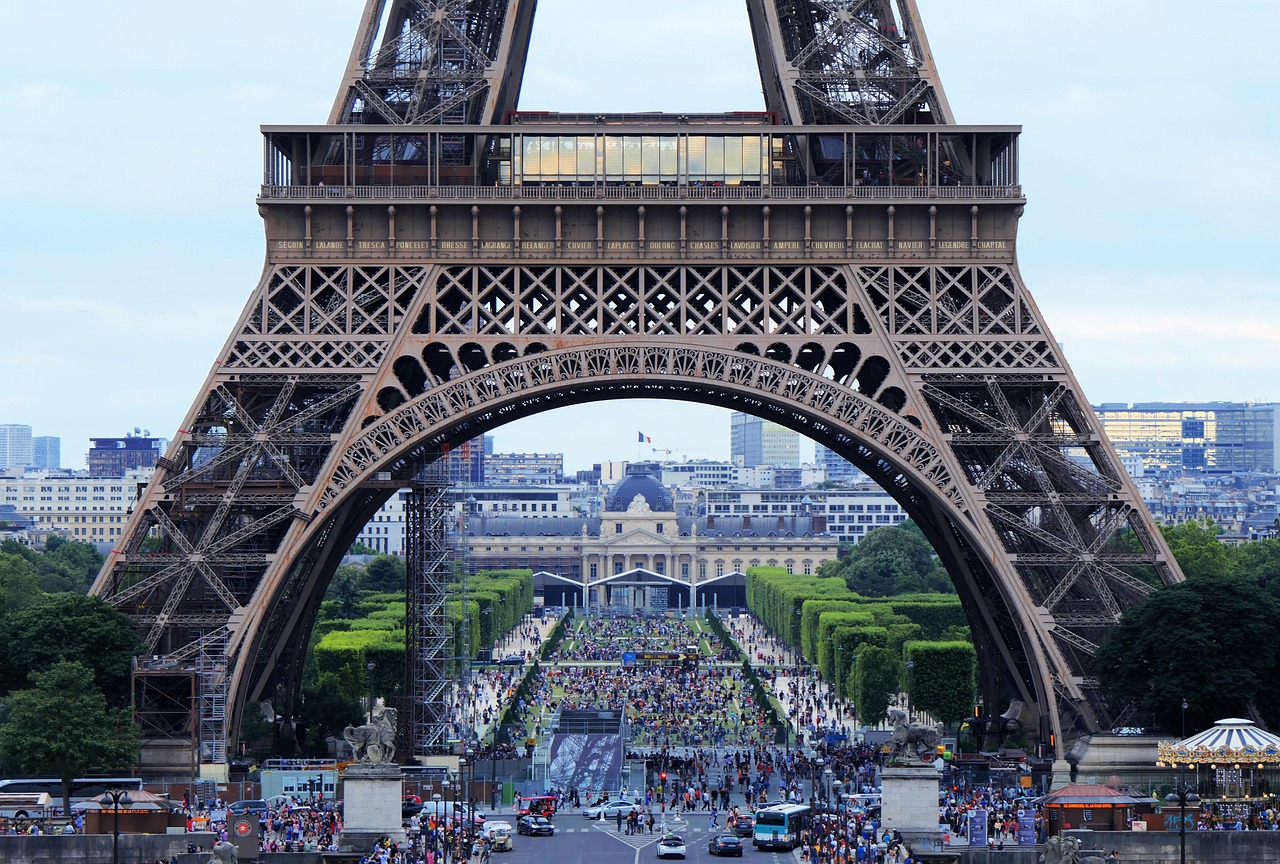
Plan a smooth visit: tickets, metro, dining, and tours
A little planning creates a calmer, more luxurious experience. My key information is simple: book timed tickets online in advance to avoid long queues, especially in summer and on weekends. Prices typically range from €11 to €26 depending on age and whether you choose stairs or lift—stairs suit energetic travellers, while lifts help anyone managing vertigo, mobility, or tight timing.
Tickets, metro routes, and smooth security near the monument
Getting there is straightforward. Use Paris Metro line 6 to Bir-Hakeim for a direct approach from the riverside, or line 9 to Trocadéro for that iconic terrace view before you descend. Early morning or late evening arrivals tend to feel more spacious—and often more beautiful.
Security checks are thorough, so travel lightly and avoid large bags. A patient queue, a quiet tone, and small local courtesies make the flow gentler for everyone. At a place this iconic, etiquette becomes part of the experience.
Dining and guided tours for a crafted cultural day in Paris
For high-end travellers, dining is part of the design. On the first level, 58 Tour d’Eiffel is a stylish way to pause with a view; on the second level, Le Jules Verne offers a Michelin-starred experience where the city becomes part of the table setting. Reserve well ahead, and treat the meal as a deliberate exhale in the middle of your climb.
If you want a deeper context, choose a guided tour that focuses on history, architecture, and the human decisions behind the build. It’s also the easiest way to understand how the tower survived changing tastes and wartime pressures—during occupied Paris, for example, the lifts famously stopped running, yet the silhouette stayed on the skyline. Today, it welcomes 7 million visitors a year, and it has greeted over 300 million visitors in its lifetime—proof that a global icon can still feel personal when you slow down.
- Best crowd strategy: arrive at opening or after dinner for cooler air and fewer tour groups.
- Quiet reset: design a picnic on Champ de Mars before or after your time on the decks.
- Local secret spots: ask a guide where to stand for calmer photos away from the main streams.
If you’d like to explore more refined routes across France that pair culture with adventure, browse our Trip gallery for inspiration.
F.A.Qs
What are five standout details to know about the Eiffel Tower?
Five favourites: it was completed in 1889 for an international celebration; its lattice is held together by millions of rivets; it’s protected by a meticulous repainting cycle; it became essential for communications; and its design still feels daring, even after more than a century.
How many lights are on the Eiffel Tower at night?
The exact number changes with upgrades and maintenance, so you’ll see different figures quoted. What stays consistent is the experience: after dusk, the sparkling system triggers a glittering show each hour, turning the tower into a moving part of the night skyline.
Who built the Eiffel Tower, and what was the purpose?
Gustave Eiffel’s company delivered the project as the centrepiece for the 1889 festivities and an international exposition, designed to showcase national confidence and engineering skill. Design refinements by Sauvestre helped it land as both functional and beautiful.
Why is the Eiffel Tower so famous in Paris today?
It’s famous for combining daring design, cultural symbolism, and unforgettable viewpoints in one place. It began as a controversial project, then became the defining skyline marker of Paris—equally powerful in daylight detail and in the nightly light show that pulls people into a shared moment.
Long after you leave, the Eiffel Tower seems to remain—an outline in your memory that makes ordinary streets feel a little more cinematic. You might remember the warmth of someone’s hand during the lights, or the quiet pride of reaching a level you once doubted. And when Paris returns to you in a different season, it won’t ask you to hurry; it will simply be there, waiting to be uncovered again.
What stayed with me after the Iron Lady
What lingers isn’t a checklist—it’s a feeling you carry quietly. The Eiffel Tower is a witness to a century passing, and standing near it can soften your sense of time in the best way. It reminds you that bold ideas can be contested, then cherished, and that your own journeys don’t have to be loud to be brave.
I still think about the hush of dawn above the roofs, and about the shared pause that arrives when the lights begin to shimmer. I think of the courage of taking the stairs—steady breath, steady legs—and how that effort builds a small, lasting confidence. Even the practical layers stay with you: the meteorological instruments and communications history hidden in plain sight, proof that beauty and usefulness can live together.
And perhaps that’s the most reassuring insight: even a global monument in the world can feel intimate, if you let yourself slow down. Paris teaches this gently—look closely, listen more, and trust your pace.