Post Contents
- Designing your French museum days with confidence for high-end travellers
- Louvre Museum mastery from the Pyramid to the north galleries
- Musée d’Orsay visit guide: France Impressionist masterpieces for a luminous museum visit
- Palace of Versailles gardens, galleries, art journey
- France museum tickets: guided tour for a seamless museum visit
- F.A.Qs
- Leaving France with beauty that stays with you on a French cultural journey after the museum musées
Designing your French museum days with confidence for high-end travellers
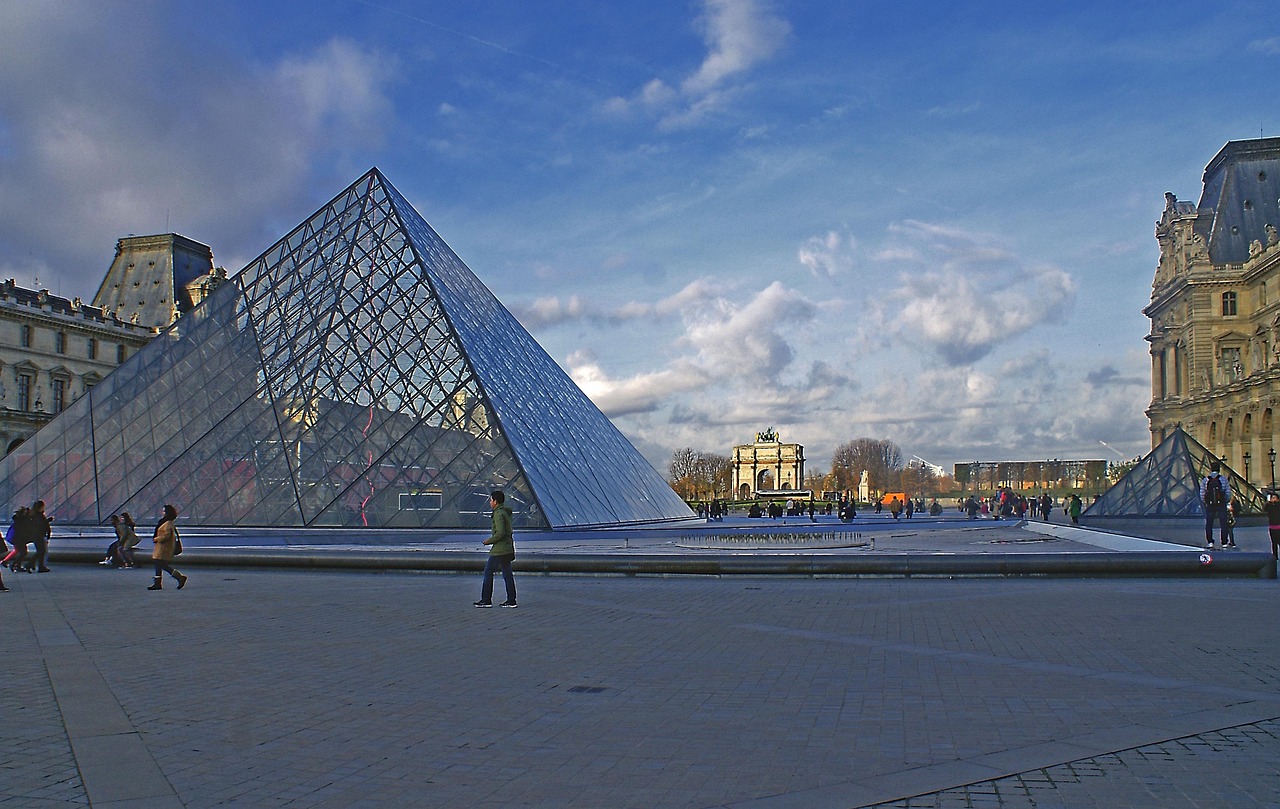
Designing your France museum days with confidence at the Louvre Pyramid
If you’re looking for a France museum itinerary for high-end travellers, think less in checklists and more in design. The most memorable days are crafted with breathing room: a slow entrance, a few chosen rooms, and time to simply sit with what moves you. With the right pacing, even the most famous museum moments can feel intimate rather than rushed.
To support that ease, set expectations around peak times. Weekday early mornings and late afternoons often give you a gentler entry flow, and the mood inside shifts noticeably once the midday crowds thin. You don’t need to do “everything”; you only need to explore what fits the day you want.
How to design a rhythm that feels spacious
Imagine your cultural days in France like a series of beautifully framed scenes. Plan one major site per day, then create a soft landing around it: a café pause, a local neighbourhood stroll, and a small moment of stillness before dinner. If you’d like inspiration for how these days can be stitched together, start with our Trip gallery and notice how much luxury comes from pace.
- Morning: museum entry and 2–3 priority rooms, then a calm coffee nearby.
- Afternoon: a short walk through a local quarter to reset your senses before your next stop.
- Evening: a restful dinner reservation—because comfort is part of the cultural experience.
Seasonal planning for 2026
Across 2026, Paris remains beautifully visitable year-round, but winter can feel especially reflective. January, in particular, often brings a quieter energy—softer light, fewer day-trippers, and galleries that feel more contemplative. If you want the public buzz to fade into the background, this is a season that can suit a slower, more personal style of travel.
As you design your days, remember: confidence comes from choosing what matters most and letting the rest go with care.
Louvre Museum mastery from the Pyramid to the north galleries
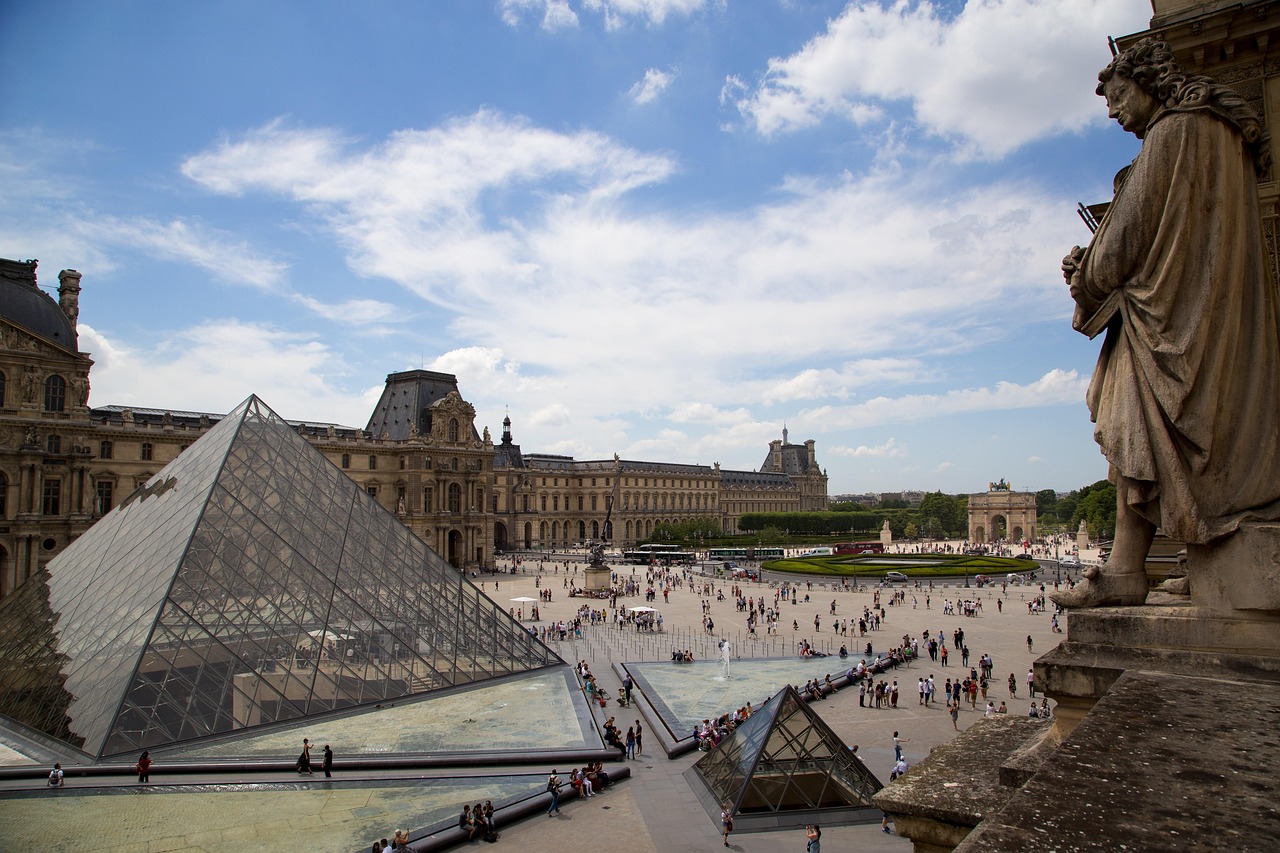
Louvre museum mastery from the Pyramid to the north galleries
For many travellers, the Musée du Louvre highlights the Mona Lisa and the Venus de Milo, and sits at the very top of the wish list—and rightly so. I still remember the first time I stood before the enigmatic smile of the Mona Lisa: the room was alive with energy, yet the moment itself felt strangely close, almost private. Even in the world’s most recognised museum, you can uncover a sense of quiet connection.
Start with a practical orientation so your first steps feel assured. Choose a simple route by wing, and give yourself a landmark to return to when the scale feels vast. It’s a museum that rewards calm navigation more than speed.
A simple first route that reduces fatigue
Enter under the Pyramid and commit to a “theme, not everything” approach. Choose one storyline—portraits, sculpture, or royal rooms—and let it guide your attention. On the floor plan, aim for one calmer corner on the first level when you need to reset, then use a north-facing passage to ease the crowd flow between sections.
When the moment is right, make your way to the icons: the Mona Lisa (expect a lively public energy) and the Venus de Milo sculpture, which can feel surprisingly serene with a little time. If your dates align with temporary exhibitions, check what’s on; a special loan can subtly shape your day and become the unexpected highlight you talk about for years.
Masterpieces, but leave space for wonder
The most trusted approach is also the most luxurious: stop trying to conquer the Louvre and instead let it reveal itself. This is where high-end travel becomes personal—your own pace, your own curiosity, and the confidence to pause when something resonates. Plan for comfort, and you’ll leave energised rather than depleted.
Musée d’Orsay visit guide: France Impressionist masterpieces for a luminous museum visit
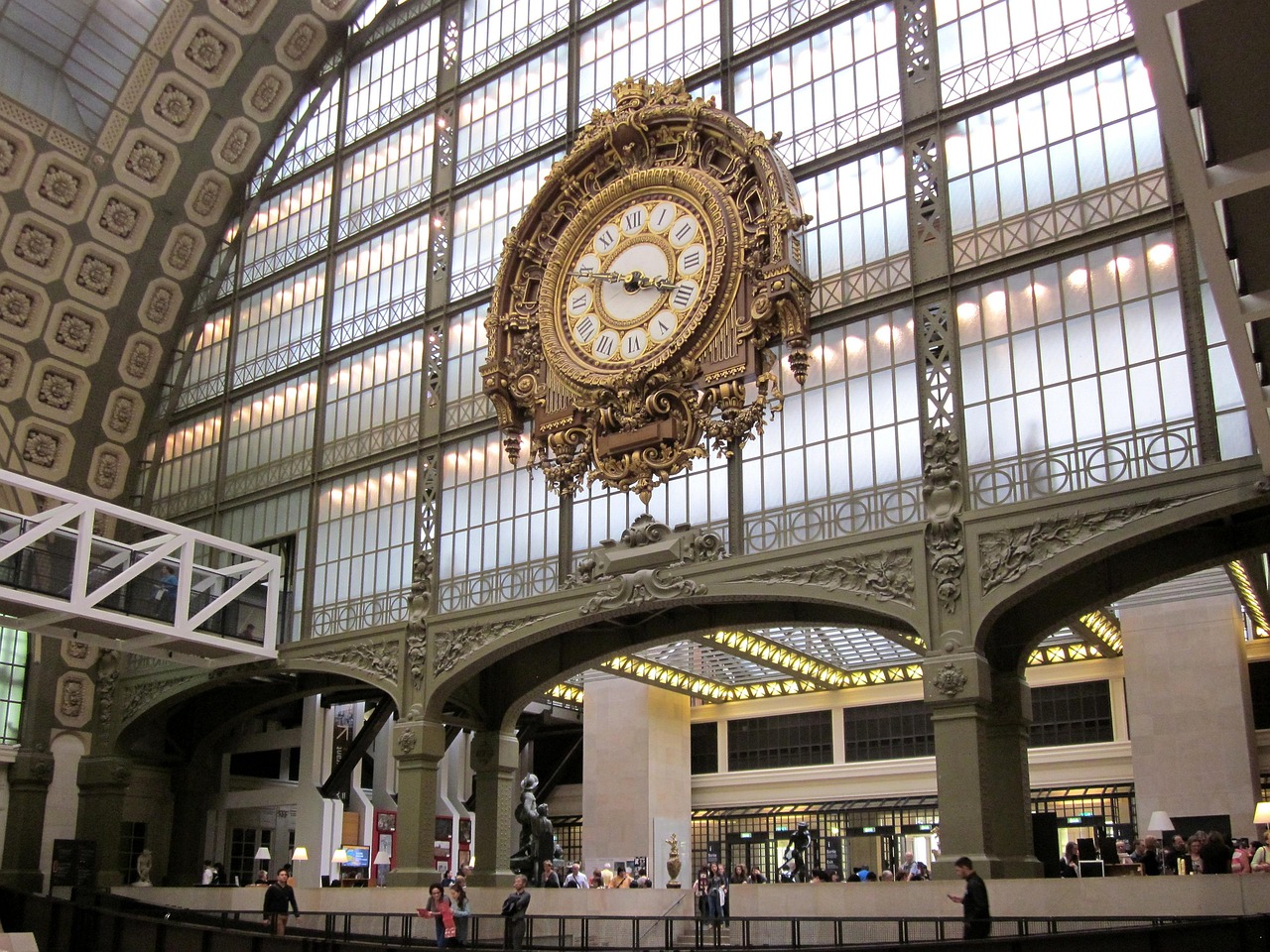
Musée d’Orsay a former station with luminous art
A Musée d’Orsay visit guide to French Impressionist masterpieces is really a guide to atmosphere. One art enthusiast I travelled with described a reflective afternoon here—standing with Monet’s water lilies, then turning a corner to meet Van Gogh’s vibrant strokes—while the old railway-station architecture held it all like a glowing frame. The building itself feels exceptional, changing how you experience each artwork.
Plan a gentle arc: begin along the central nave, then drift towards the great clock when you’re ready for a quieter pause. Mid-afternoon often brings softer light and a more settled mood; it’s a small detail, but it can transform how the rooms feel.
How the space reshapes what you see
At this musée, sightlines are part of the story. Iron-and-glass design creates long perspectives, so paintings feel different at a distance, then intimate up close. Take your time: step back, then step in, and notice how scale and colour shift with each move.
To reset the eye between bold canvases, look for a more intimate room with works on paper—a drawing or study can feel like a whispered conversation after the grandeur of the main galleries. It’s a simple way to keep your attention fresh and your visit deeply satisfying.
- Best pacing: 2–3 hours with one unhurried café stop.
- Quiet moment: linger near the clock when you want calm without leaving the building.
- Personal approach: choose three artists to explore in depth, rather than skimming everything.
Palace of Versailles gardens, galleries, art journey
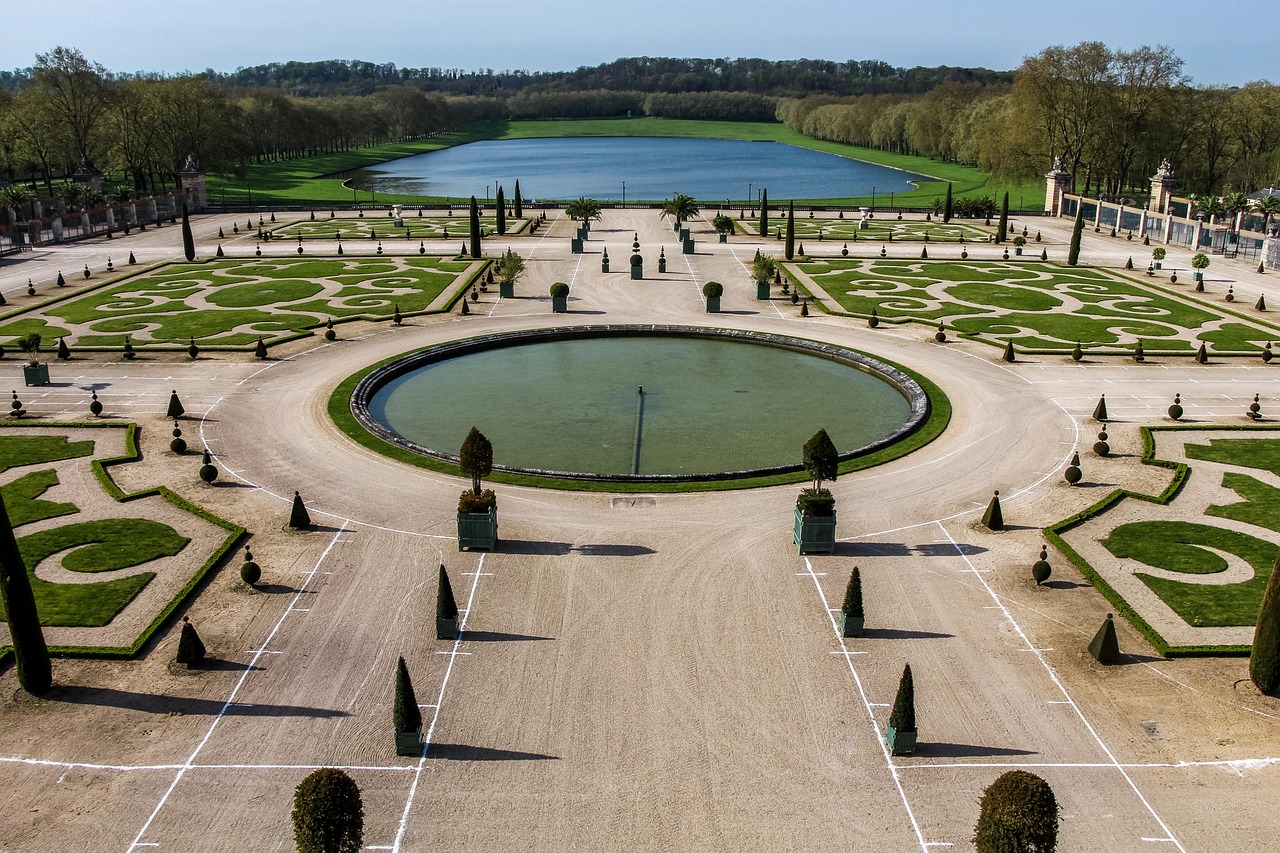
Versailles galleries and gardens where history breathes
For many, the Palace of Versailles gardens, galleries, and art journey in France is the day that feels most cinematic. I think of a couple who told me their favourite moment wasn’t inside at all: it was a serene boat activity on the garden water, drifting together as if the centuries had slowed. It brought the palace’s heritage to life beyond the canvases and gilding—history you could feel, not just see.
Inside, curate your route with care. The Hall of Mirrors deserves your unhurried attention, but the real luxury is knowing when to step out into the gardens and let the symmetry settle in your body. Versailles can be grand without being exhausting if you treat it like a sequence of scenes rather than a race.
Style and comfort, designed for the day
Dress elegantly for Versailles—think polished, effortless, and comfortable—and choose footwear that can handle long paths. This is one of those French places where the setting does the work of atmosphere; you simply arrive ready to receive it.
Do keep an eye on restoration updates. Ongoing construction is part of the palace’s living story, and it can shape which rooms feel quieter on certain days. Rather than seeing it as a disruption, consider it a reminder that this is not a frozen stage set, but a place still being cared for.
As a day trip from Paris, Versailles often offers the most expansive sense of grandeur—without rushing. Give it time, and it will give you scale, silence, and a lingering sense of wonder.
France museum tickets: guided tour for a seamless museum visit
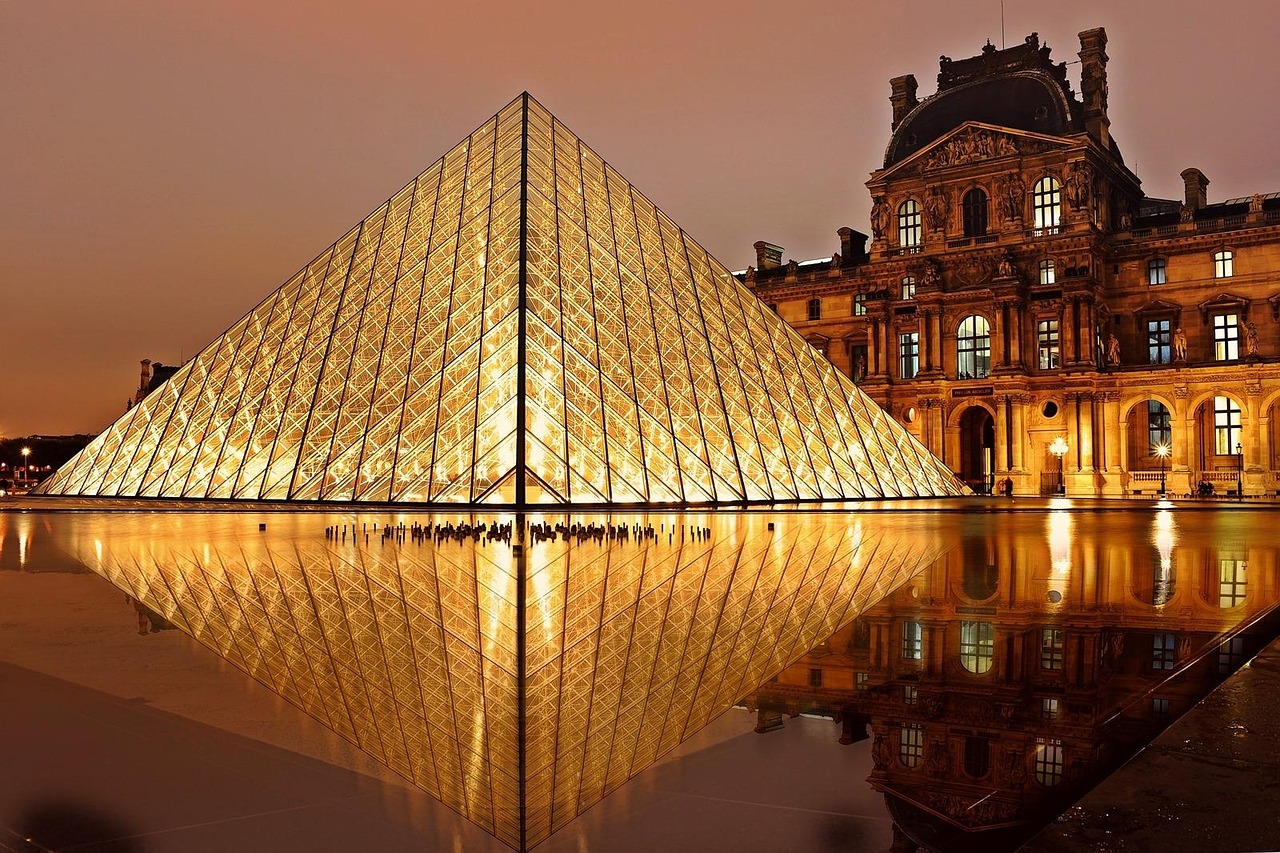
A seamless museum visit tickets metro and official website checks
If you want France museum tickets, Paris Metro, Paris Museum Pass, guided tour clarity in one place, begin with one golden rule: remove friction before you arrive. Reserve timed entry online for the Louvre and Versailles, and confirm any changes close to departure on the official website. That tiny habit builds trust in your plan and keeps your day feeling seamless.
Getting around is straightforward with the Paris Metro, and it’s often the most reassuring option when you want to travel like a local. Use Palais Royal–Musée du Louvre for the Louvre, Solférino for Musée d’Orsay, and Versailles-Rive Gauche for the palace. After busy hours, design a calm return: a short walk, a quiet drink, then the train—rather than pushing straight back into the city’s rush.
Tickets, passes, and when each makes sense
The Paris Museum Pass can offer genuine value if you’re visiting multiple sites across a few days and you enjoy a brisker cultural rhythm. For a slower, high-end pace—one major museum per day—single tickets can feel more refined, because you’re choosing with intention rather than maximising volume. Either way, book in advance so you skip the long lines.
Etiquette and upgrades that protect the mood
Small courtesies keep the experience beautiful for everyone: respect photography rules (no flash), keep phones on silent, and honour quiet zones. If you want deeper insight, a private guided tour can offer insider stories and, occasionally, restricted-area access—an expert layer that helps you explore with confidence and genuine care.
- Timing tip: weekday early morning or late afternoon tends to feel calmer.
- Comfort: wear comfortable shoes; you will walk more than you expect.
- Best support: pre-booked entry plus a guide creates a smooth, unhurried day.
F.A.Qs
What is the name of the famous museum in France?
The most famous museum in France is the Louvre in Paris. It is known for landmark masterpieces such as the Mona Lisa and for its vast historic setting, from the Pyramid entrance to its grand galleries.
What is the best museum in France?
“Best” depends on what you want to feel. The Louvre suits travellers seeking iconic masterpieces and breadth, while the Musée d’Orsay is beloved for Impressionist warmth and an unforgettable building. Versailles is unmatched for grandeur, gardens, and royal atmosphere.
What happened at the Louvre Museum?
The Louvre evolved from a royal palace into a public museum, and over centuries it has hosted major exhibitions, celebrated acquisitions, and periods of renovation to protect priceless works. Today, it remains a living institution where history, conservation, and culture meet daily.
What are the top five museums in Paris?
Many travellers start with the Louvre and Musée d’Orsay, then add the Centre Pompidou, Musée de l’Orangerie, and Musée Rodin. Together, they offer a rich mix of classic collections, modern vision, and intimate encounters with sculpture and painting.
When you’re ready to return, you won’t need to chase anything. You’ll simply arrive, and discover what meets you this time—quietly, in its own time.
Leaving France with beauty that stays with you on a French cultural journey after the museum musées
Long after you’ve left France, certain details return without asking. The weight of silence in a gallery. Winter light on pale stone in January. The way a face in a portrait seems to hold your gaze, even once you’re home and the day-to-day has resumed.
What stays isn’t only the famous rooms; it’s the change in attention. You may find yourself noticing colour more patiently, or understanding scale in a new way—how a small work can hold as much feeling as a grand hall. In that sense, the journey continues gently, like a thread you can pick up whenever you need it.
And perhaps that is the real comfort of travelling with trust and care: you didn’t rush, you didn’t force it, and the beauty had space to do its quiet work.