Post Contents
- Left Bank vs Right Bank: how the Seine shapes the bank of Paris (and how to choose)
- Saint-Germain-des-Prés & Saint Germain: cafés, jazz, and boulevard strolls
- Musée d’Orsay on the Left Bank: a musée trail for art lovers
- Luxembourg Gardens & the Latin Quarter: parks and gardens by the Seine
- Vintage finds, artisanal boutiques, and boutique hotels on the Left Bank
- Getting around the Left Bank: practical transport and safety tips
- A crafted two-day Left Bank adventure route with a Right Bank cameo
- F.A.Qs
- What stayed with me after the Left Bank
Left Bank vs Right Bank: how the Seine shapes the bank of Paris (and how to choose)
Left Bank vs Right Bank: a quick guide to choosing your side of the Seine
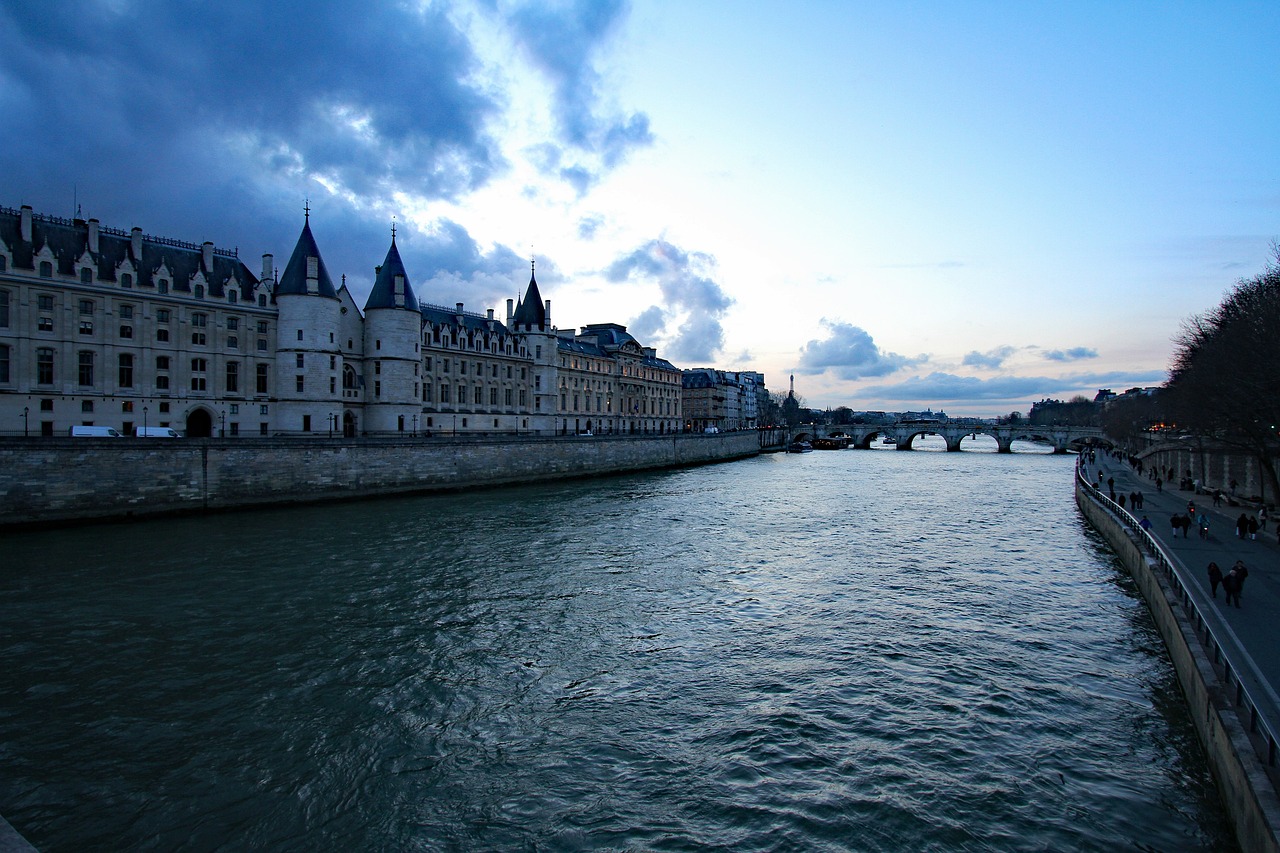
If you’re searching for a Left Bank versus Right Bank guide to Paris—specifically Left Bank Paris, France—start with one reassuring truth: you can’t get it “wrong”, only different. The Seine River is your compass, and once you understand the rive gauche and rive droite orientation, the city becomes beautifully legible. Think of the water as a ribbon that helps you stitch neighbourhoods together with calm confidence, then choose between left and right based on the kind of days you want.
Rive gauche and rive droite: a “map in words” for the Seine
Stand facing the flow of the Seine (generally west to east as it curves through the centre). The left bank is on your left-hand side: that’s the rive gauche, home to classic strolls through the 5th, 6th and 7th arrondissements. The right bank is on your right: the rive droite, where you’ll find big-ticket energy in areas such as the Marais, grand boulevard corridors, and busier nightlife hubs. It’s a simple “map in words”, yet it unlocks a surprisingly seamless way to navigate.
Choosing a base by arrondissement pace: Left Bank calm vs Right Bank energy
The left bank district is often described as bookish and artistic, with a walkable rhythm that rewards curiosity—perfect if you want to explore on foot and still feel supported by good cafés and galleries. The right bank of Paris brings more bustle and scale: grand magasins, a flagship department store scene, and even modern shopping malls, plus a faster pulse after dark. Each arrondissement along the water shifts the mood: the 6th feels intimate and literary; the 7th arrondissement is polished and quiet; the 5th feels student and lively; the 1st and 4th on the Right Bank feel central and museum-rich.
For adventure seekers, the best base is the one that matches how you want your days to unfold. If you like early starts, long walks, and evenings that taper into a gentle jazz set, the Left Bank will feel like a personal invitation. If you want high-energy nights and quick access to big-name shopping streets and clubs, the right bank will suit you.
- Stay in Paris on the left bank if you want slower mornings, culture at your doorstep, and a reassuringly walkable home base.
- Choose the right bank if you want a larger hotel inventory, late-night variety, and easy hops to major shopping streets.
- For comfort and value for money, consider quieter edges: the 7th for elegance, or calmer southern areas (more on that later).
- Whichever side you choose, design one “anchor” per half-day, then let small rue turns pull you into the rest of the story.
With that orientation in place, we can move from theory to the lived joy of the left bank—where ideas, music, and a certain timeless ease are always just a few steps away.
Saint-Germain-des-Prés & Saint Germain: cafés, jazz, and boulevard strolls
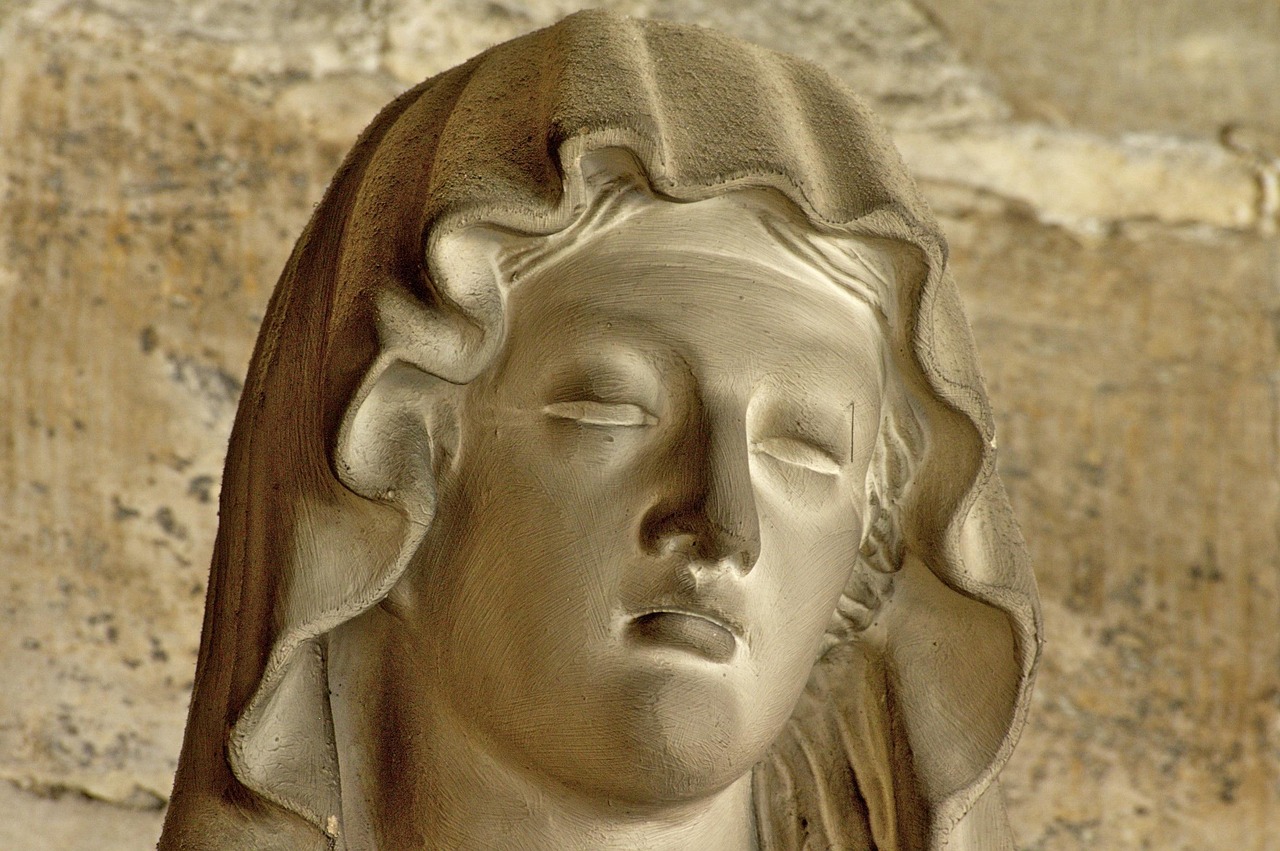
Saint-Germain-des-Prés: cafés, jazz, and the elegant rhythm of the Left Bank
For saint-germain-des-prés on the left bank, imagine a day that starts with a simple luxury: time. Begin early, before the pavements fill, and let the neighbourhood’s famous tables feel less like a queue and more like a front-row seat to Parisian life. This is where you explore with confidence—never rushed, always open to what you might uncover along a beautiful boulevard or a quiet side street.
Morning on the boulevard: famous literary cafés and the hum of ideas
Start at Café de Flore, then drift past Deux Magots—names that still carry the echo of artists, writers, and thinkers (even Victor Hugo feels close, as if conversation is part of the architecture). Arrive near opening if you can; you’ll be more likely to get a good table, and the whole experience stays light and unforced.
From there, walk along Boulevard Saint-Germain at an unhurried pace. Watch how the light moves across stone façades, how shopfronts feel curated rather than flashy, and how the left bank rewards attention to detail. It’s an authentic Parisian experience when you treat the walk itself as the destination.
Rues to browse: rue Saint-André des Arts, galleries, and a rare vinyl thrill
Now turn off the main boulevard and let the smaller moments lead you. On rue Saint-André des Arts, bookshops and tiny galleries create a pocket-sized treasure hunt—high-end travel at its best, because it feels earned. Another visitor shared the thrill of finding a rare vinyl record in a tucked-away shop in Saint-Germain-des-Prés, proof that the best stories aren’t always in the guidebooks; they’re in the corners you choose to follow.
To shape the afternoon, pick your flavour: speciality coffee shops for a lighter lift, wine bars for a pre-dinner pause, or a low-lit jazz club where the night feels intimate rather than loud. If you’re deciding where to eat, ask your hotel concierge for their favourite restaurants nearby—on this side of the river, the best meals are often quietly brilliant.
As evening arrives, you’ll notice something subtle: the left bank doesn’t demand attention; it invites it. And that invitation leads perfectly into a museum experience that feels like stepping into a dream built of light.
Musée d’Orsay on the Left Bank: a musée trail for art lovers
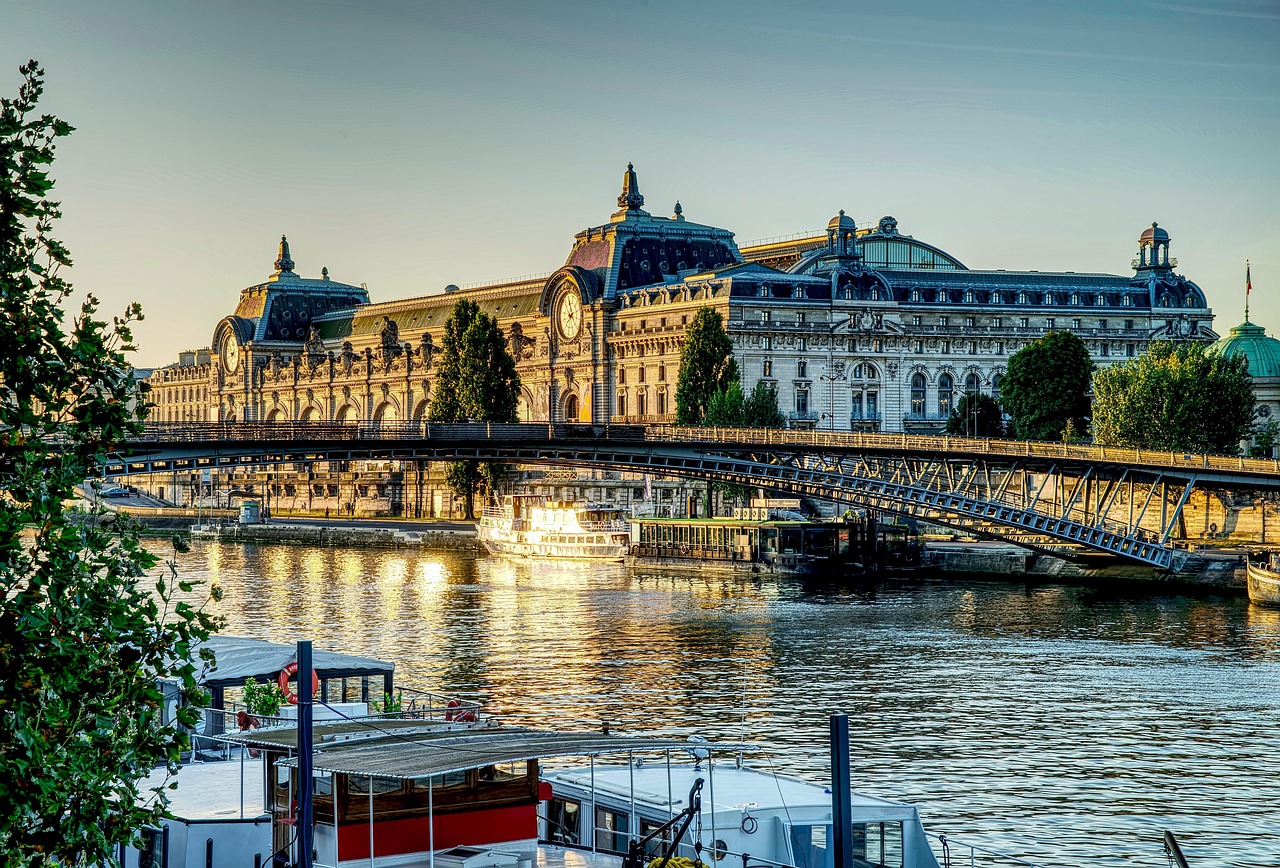
Musée d’Orsay: an essential Left Bank stop for Impressionist art
If your search is for Musée d’Orsay timed tickets on the Left Bank of Paris, here’s the expert approach that keeps it effortless. The building itself—a former railway station—sets the tone: wide spaces, a vaulted clock, and an atmosphere that feels more like arrival than entry. Book timed tickets online in advance, then plan to arrive 10–15 minutes early so security and scanning never eat into your best energy.
First room feeling: find your anchor artwork
One visitor described the awe of standing inside the Orsay Museum, captivated by Monet’s Water Lilies—an instant hush, as though the paintings create their own weather. It’s a powerful way to move through art: choose one anchor work to return to in your mind later, then let the rest unfold without pressure. This is how you keep a gallery day inspiring rather than overwhelming.
To pace yourself, design your visit in chapters: one Impressionist sweep, one sculpture pause, then a quick break before you continue. Even high-energy travellers benefit from these small resets; they keep curiosity alive.
A mini musée trail on the Left Bank, plus one Right Bank comparison
Afterwards, continue your cultural trail with the musée de Cluny for medieval Paris—a shift in texture that adds depth and insight to your day. If you want a single Right Bank reference point (without derailing your plan), note how the Louvre Museum sits across the river as a vast counterweight: grander, denser, more monumental. It’s a useful context for the left and right bank story, especially if you’re comparing which atmosphere suits you best.
And where does Picasso fit into all this? Think of him as part of Paris’s wider creative pulse—one more thread in a city that continually reinvented what art could be. The left bank doesn’t just show you masterpieces; it teaches you how to look.
- Book ahead to protect your time window and keep entry calm.
- Pick one anchor artwork (Monet, Degas, or a sculpture) to make the visit personal.
- Pause on purpose for water and a moment at the clock—your day will feel crafted, not crammed.
- Leave space for a post-museum walk so the art can settle before the next attraction.
With your senses fully awake, it’s time to step back into greenery and sunlight—where Paris feels gentle, and adventure becomes restorative.
Luxembourg Gardens & the Latin Quarter: parks and gardens by the Seine
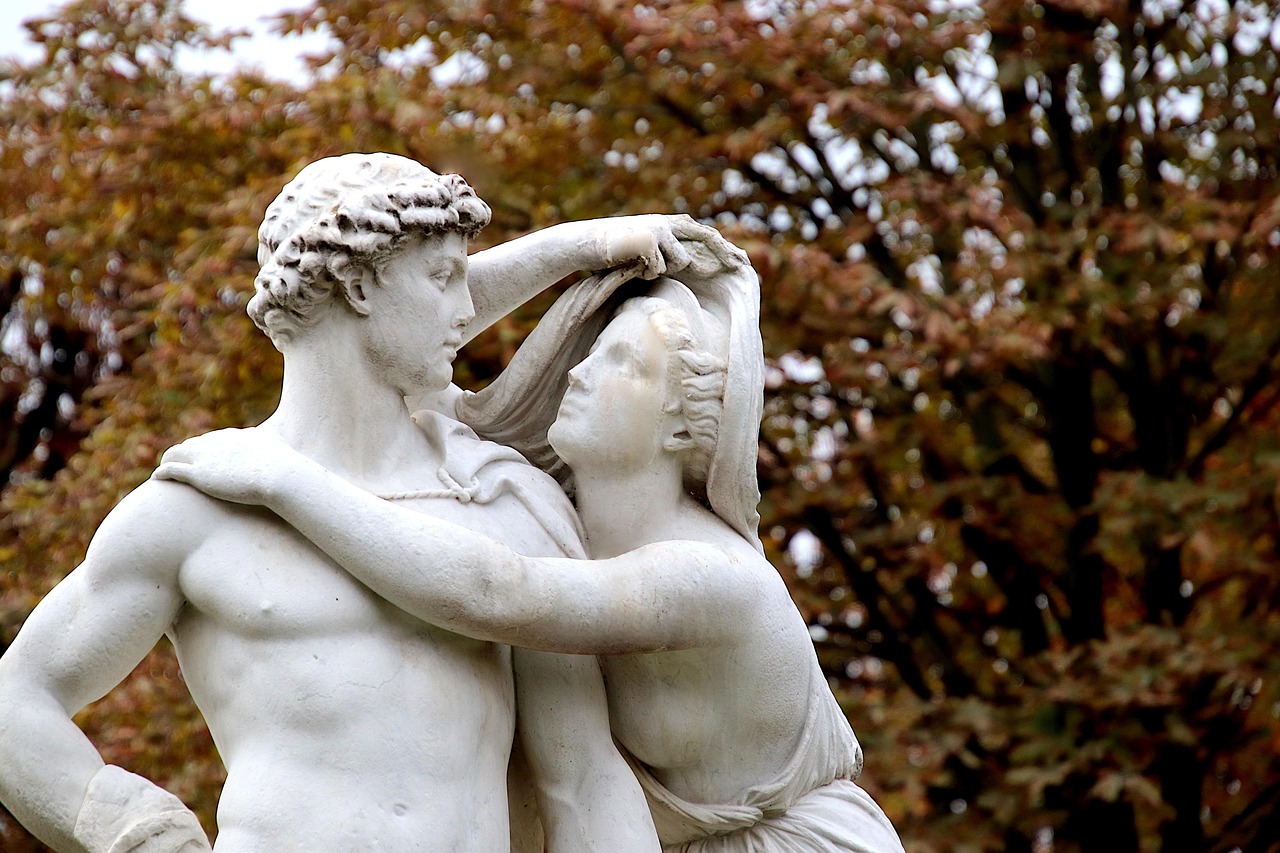
Luxembourg Gardens: a classic Left Bank pause near the Latin Quarter
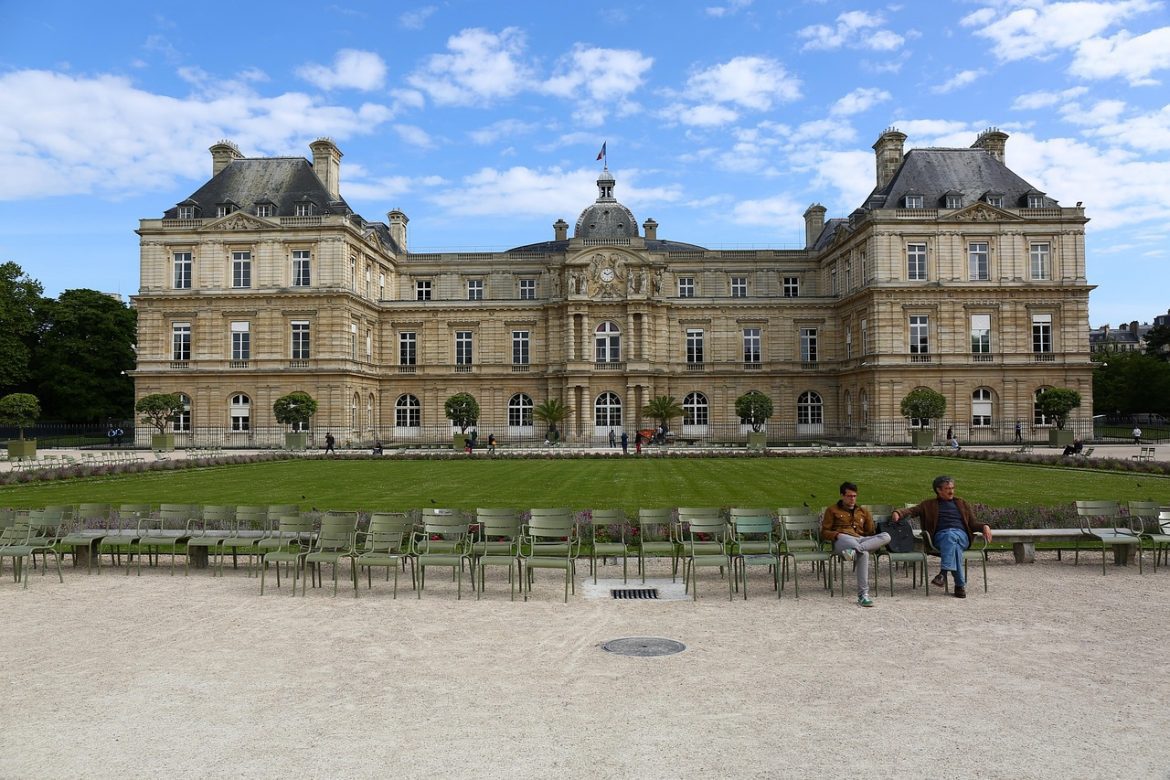
For Luxembourg Gardens and the Latin Quarter on the left bank, plan a slow loop that feels like a deep breath in the middle of the city. The gardens are one of the most elegant parks and gardens in Paris, and they’re at their best when you give them unstructured time. Come mid-morning if you can, when chairs are easier to claim, and the atmosphere feels quietly local.
Luxembourg Gardens rituals: sculptures, chairs, and a picnic
Stroll past statues and formal beds, then do what locals do: pull a green chair into the sun and let the day find its rhythm. Several travellers tell us their favourite memory is a simple picnic here—fresh fruit, a pastry, and the soft soundtrack of footsteps on gravel. There’s care in this kind of travel: you don’t just see Paris, you allow it to meet you.
If you like a little extra motion, circle the lawns, admire the sculptural details, and then head towards the edge streets where the city reappears in lively fragments.
Latin Quarter streets: bistros, Jardin des Plantes, and a Seine glow
From the gardens, drift into the Latin Quarter for charming cobblestone streets and that student buzz that keeps the area young. This is the place for reliable bistros, a warm crêpe, and an easy lunch between walks. If you want a graceful extension, the nearby Jardin des Plantes offers another calm pocket, and the Mosquée de Paris is a memorable stop for mint tea in a courtyard that feels far from the crowds.
As early evening approaches, follow the Seine for a stretch of river air and soft light. You’ll pass artists, street performers, and musicians who make the city of light feel intimate rather than staged. Several travellers cherish these strolls, remembering warm encounters with street musicians and painters—small conversations that feel like gifts.
Choose one bridge moment—Pont des Arts is a classic—then pause for a Notre Dame sightline across the water. If you need one more reset, pick a small park bench and let the day land gently.
After a day of art and gardens, the left bank’s next pleasure is tactile: the hunt for objects with story, and places to stay that make the whole experience feel beautifully designed.
Vintage finds, artisanal boutiques, and boutique hotels on the Left Bank
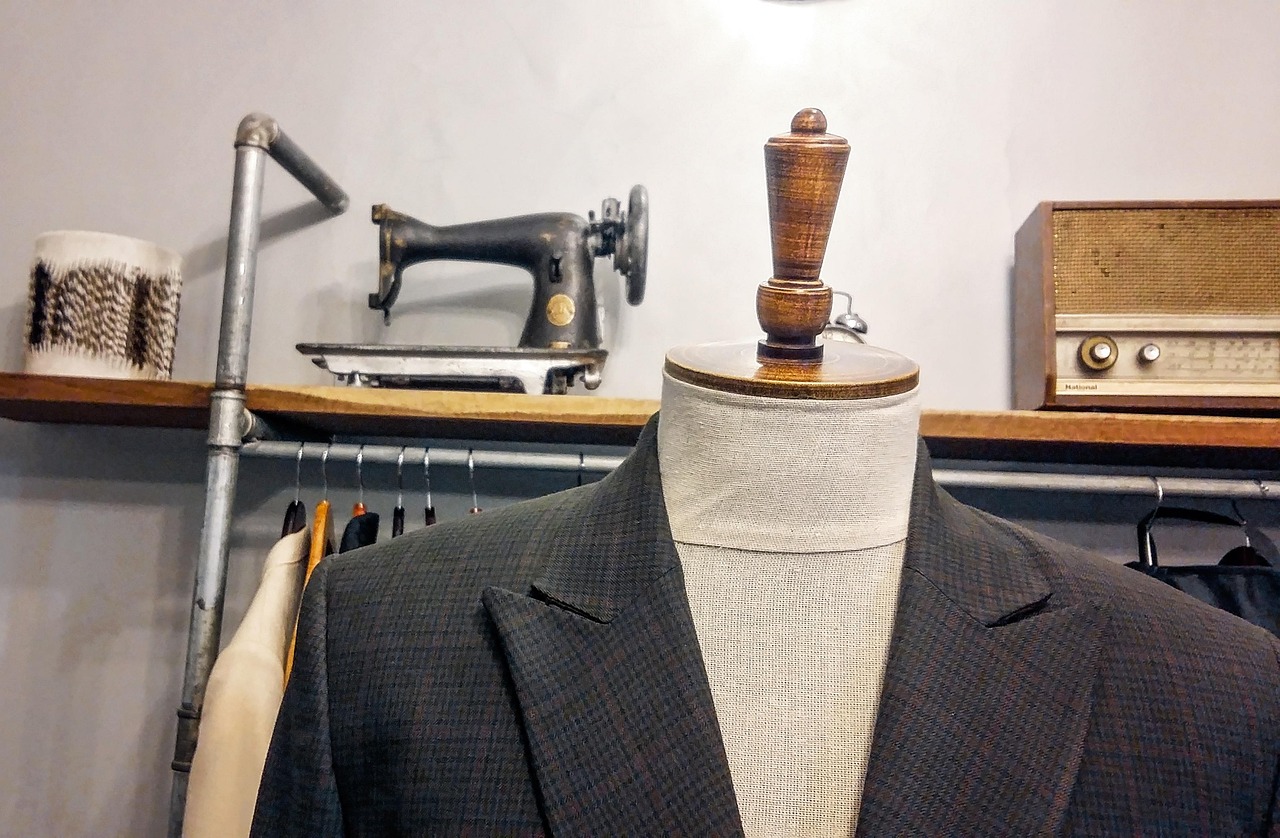
Vintage finds and boutique hotels: design-led shopping on the Left Bank
If you’re looking for vintage shopping, artisanal boutiques, and boutique hotels on the Left Bank, the key is to shop like a collector, not a tourist. This side has a quieter shopping personality: small ateliers, vintage rails, and artisan scents where the joy is in uncovering pieces with provenance. Think scarves with character, leather that has lived, prints from independent studios—objects that carry the essence of Parisian style in their details and deliver real Parisian charm without the fuss.
Bon Marché shopping and nearby design-led rues
Begin with Le Bon Marché department store, an icon that feels curated rather than chaotic. The beauty is that you can browse with calm even when the city is busy, then step back out to slower streets lined with design shops, fragrance counters, and galleries. It’s the kind of shopping that feels like editing a collection—one great piece at a time—rather than racing through racks.
When you’re ready to go smaller, slip into side streets and let the window displays guide you. The left bank rewards that kind of gentle attention: the best boutiques are often tucked away on a modest rue, a few doors from somewhere you’d otherwise walk past.
Where to stay: boutique hotels, hôtel options, and the best arrondissements
For boutique hotels, prioritise a location that supports your walking life. Staying close to Saint-Germain keeps you near galleries, the river, and late-night dessert stops; it’s also a reassuring base if you like returning for a quiet espresso after dinner. For calmer nights near Invalides, the 7th arrondissement feels polished and residential, with classic hôtel options that suit travellers who value sleep as much as sightseeing.
For a softer price point with strong connections and value for money, the 14th and 15th arrondissements can be an excellent base—especially if you prefer a more lived-in feel and still want the Left Bank within easy reach. If you’re planning a contrast detour, you can dip into the Marais on the right bank for concept shops, or take a Montmartre loop for hilltop views and creative energy; rue des Martyrs is a lovely place to browse. Even if you pronounce it as Saint Germain des prés, the feeling is the same: refined, welcoming, and quietly unforgettable.
- Shop early for a calmer experience and better conversations with owners.
- Ask about story: provenance, maker, and materials—high-end finds feel richer when you know the details.
- Pack a tote so delicate purchases stay protected as you walk.
- Save the bigger haul for a quieter day, so shopping stays a pleasure rather than a mission.
To keep all this effortless, the next step is practical: how to move through the bank in Paris smoothly, safely, and with the kind of confidence that frees you to explore.
Getting around the Left Bank: practical transport and safety tips
Getting around the Left Bank: metro tips, walking routes, and safety
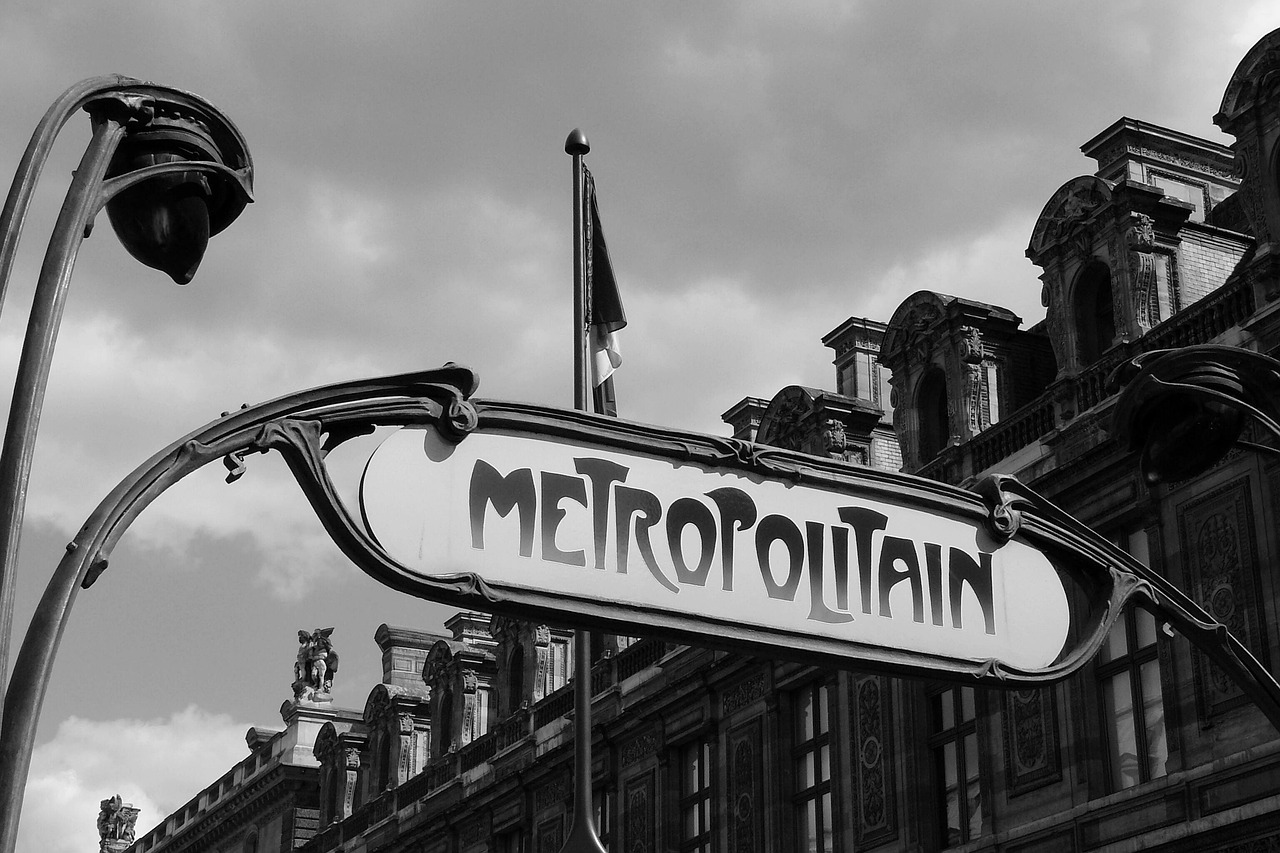
Keep it simple, and you’ll feel instantly supported. Metro lines 4 and 10 connect many Left Bank highlights, and RER B offers faster links. Key stops such as Saint-Michel and Odéon act like gateways: from them, you can walk to museums, riverside paths, and cafés without needing constant transfers.
Walking in reality on the left bank of Paris
The Left Bank of Paris is made for walking, but it asks for comfort: cobblestones, long distances, and frequent “just one more corner” detours. Wear comfortable shoes and design your day around a few anchors—one museum, one garden, one evening stroll—so you keep your energy for what matters. Choose a single quartier at a time, and let the rest be discovered on foot.
If you’re tempted to pack too much in, build in deliberate pauses: a sit-down break by the water, ten minutes of people-watching, or a quiet side street reset. Those small stops make your day feel seamless rather than strenuous.
Local etiquette, safety, and refuelling with confidence
A little local etiquette goes a long way. Greet shopkeepers with “Bonjour”, avoid eating on the metro (save your snack for parks or cafés), and keep belongings secure in busy stretches along the Seine. Paris is generally safe, but popular areas can attract pickpockets, especially when crowds gather around a landmark or during a performance.
For refuelling, lean on reliable bistros and simple pleasures: a crêpe between walks, a glass of water and a pastry, or a set lunch when you need to reset. If you want extra inspiration while you plan, browse our Trip gallery and imagine how your own days could be crafted with ease.
With logistics handled, you can focus on what you came for: a route that feels adventurous without ever feeling chaotic.
A crafted two-day Left Bank adventure route with a Right Bank cameo
A two-day Left Bank route with a Right Bank cameo
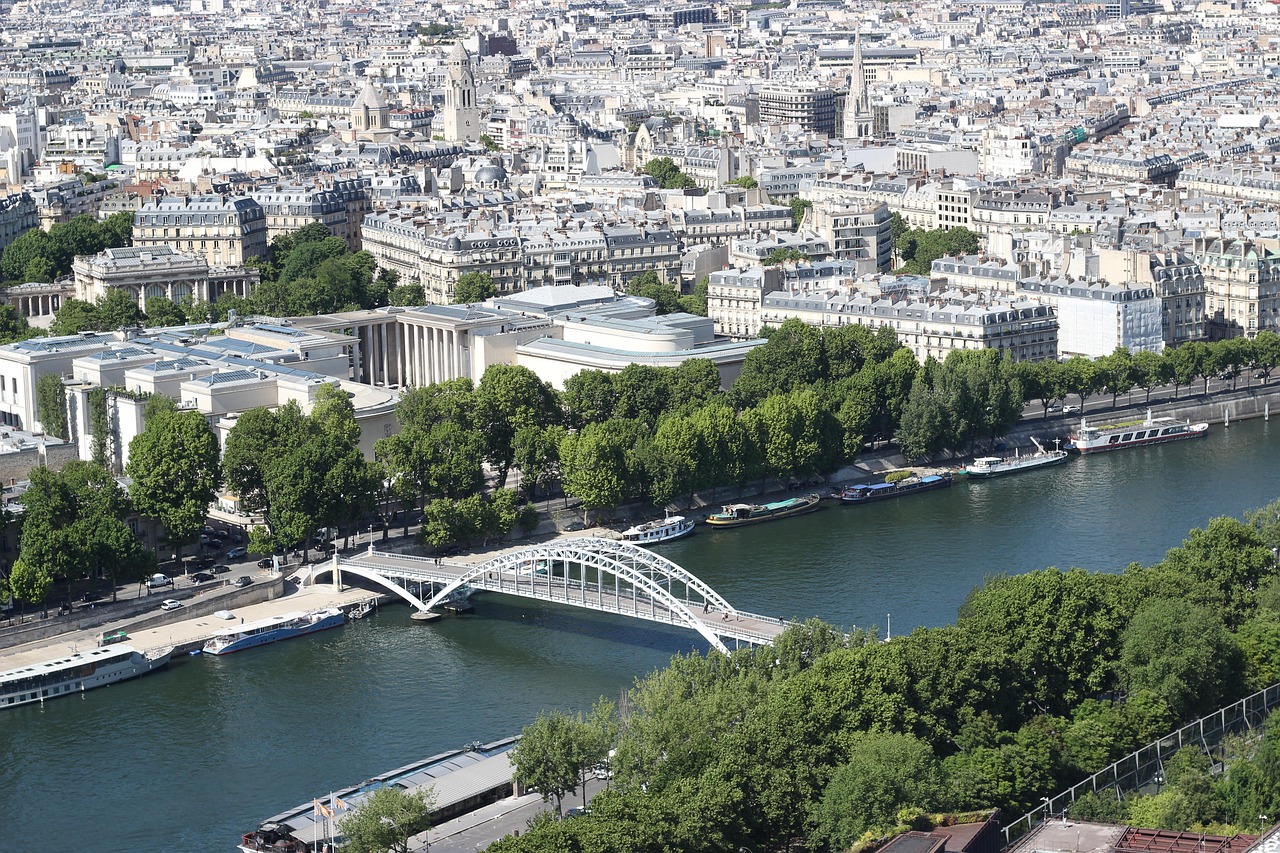
Here is a crafted two-day plan that keeps culture central and adventure alive. It’s designed for high-end travellers who want depth without fatigue—built around a few anchors, with generous space for discovery. Consider it a flexible framework you can shape together, with one short cross-river contrast to round out the left- and right-bank experience.
Day 1: Saint-Germain-des-Prés to Orsay, then a golden-hour Seine walk
Begin in saint-germain-des-prés with a slow start at a sidewalk table, then walk toward art with purpose. Aim to arrive at the museum around late morning, when your attention is fresh, then give yourself an unhurried lunch afterwards. In the afternoon, browse a few galleries or bookshops on a side rue, then keep your evening simple: a golden-hour stroll by the Seine, a glass of wine, and perhaps live music if the mood feels right.
The secret to day one is pacing. You’re not collecting sights—you’re collecting feelings.
Day 2: Luxembourg Gardens picnic to the Latin Quarter, then sunset sound
Start day two in Luxembourg Gardens with a picnic or pastry breakfast, then drift into the Latin Quarter for cobbled lanes and small discoveries. In the afternoon, choose one extra cultural stop or simply wander; then return to the river at sunset, when musicians and artists gather, and the city feels open-hearted. This is where many travellers describe the left bank as more than a place—it becomes a memory you can step back into.
To keep energy high, create breaks before you need them: water, a sit-down pause, and a small treat. It’s a simple form of care that makes the day feel generous.
- Best start time: 09:00–09:30 for quiet streets and easier seating.
- One big goal per half-day: museum, garden, or river walk—then let the rest be play.
- Golden hour: plan your Seine moments for late afternoon; the light does half the work.
- Flexible finish: keep evenings optional so you can follow your mood, not a timetable.
Want a contrast hit? Add a cameo crossing for a different texture: an Eiffel Tower viewpoint for scale, an Arc de Triomphe perspective for geometry, or even a late-night Moulin Rouge moment if you crave spectacle. Montmartre also gives you a creative jolt, but you’ll likely enjoy returning afterwards to Paris’s left bank, where it softens the city again.
And then, after all the walking and looking and listening, something quieter happens. The city follows you home.
F.A.Qs
What is considered the Left Bank in Paris?
The left bank is the area on the south side of the Seine, known as the rive gauche. It spans several neighbourhoods across more than one arrondissement, especially the 5th, 6th and 7th, where you’ll find gardens, museums, cafés and long riverside walks.
What’s on the Left Bank in Paris?
You’ll find cultural icons and everyday pleasures: saint-germain-des-prés tables, major museums, classic green spaces, elegant shopping, and walkable stretches beside the Seine. It’s also rich in smaller discoveries—bookshops, galleries, and tucked-away boutiques on quiet streets.
What is the Left Bank famous for?
The left bank is famous for its artistic and literary history and its Parisian café culture, with an intimate, walkable atmosphere that rewards lingering. Many travellers come for museums and river views, but leave remembering the softer details: thoughtful conversation, street music, and the calm of gardens.
Is it better to stay on the Left Bank or the Right Bank in Paris?
It depends on your travel style. The left bank often suits travellers who want a refined, cultural base with calmer evenings, while the right bank can offer bigger nightlife and heavier shopping zones. Many people mix both, but choose one as a “home rhythm” that matches how they like to start and end their days.
When I imagine returning, it isn’t to tick off more sights, but to rediscover that feeling—one more slow coffee, one more river breeze, and another corner of Paris waiting patiently to be noticed.
What stayed with me after the Left Bank
What lingered for me wasn’t one grand scene, but the afterglow of the rive gauche—the way morning light warmed a window, the way a violin line drifted along the water, the way a single jardin chair made time feel generous. The left bank becomes a kind of inner landscape: a reminder that you can move through a great city with curiosity and trust, and still feel held by its rhythm.
I think often of the smallest exchanges—an unhurried “Bonjour”, a shared smile when a street artist finished a sketch, the quiet satisfaction of finding beauty on an ordinary rue. The district of Paris I expected to be “iconic” turned out to be human. That, to me, is timeless Parisian charm: not perfection, but presence.
And perhaps that’s the real souvenir. You return home slightly more attentive—more willing to pause, more willing to look up, more willing to let a place teach you how to be in it. The bank of Paris you chose becomes part of how you remember yourself travelling.