Post Contents
- Most beautiful places in France by region: a first-visit itinerary with villages, coastlines, and classic day trips
- Gordes, Provence: a beautiful village and a beautiful place to visit in France (luxury guide)
- Provence lavender fields: best time to visit in France + places to visit for a calm day
- Loire Valley châteaux: hot air balloon day trip ideas + Burgundy, Beaune, and vineyard stays
- Normandy in northern France: Etretat cliffs, Monet light, Mont Saint-Michel, and other best places
- F.A.Qs
- Final Thought
Most beautiful places in France by region: a first-visit itinerary with villages, coastlines, and classic day trips
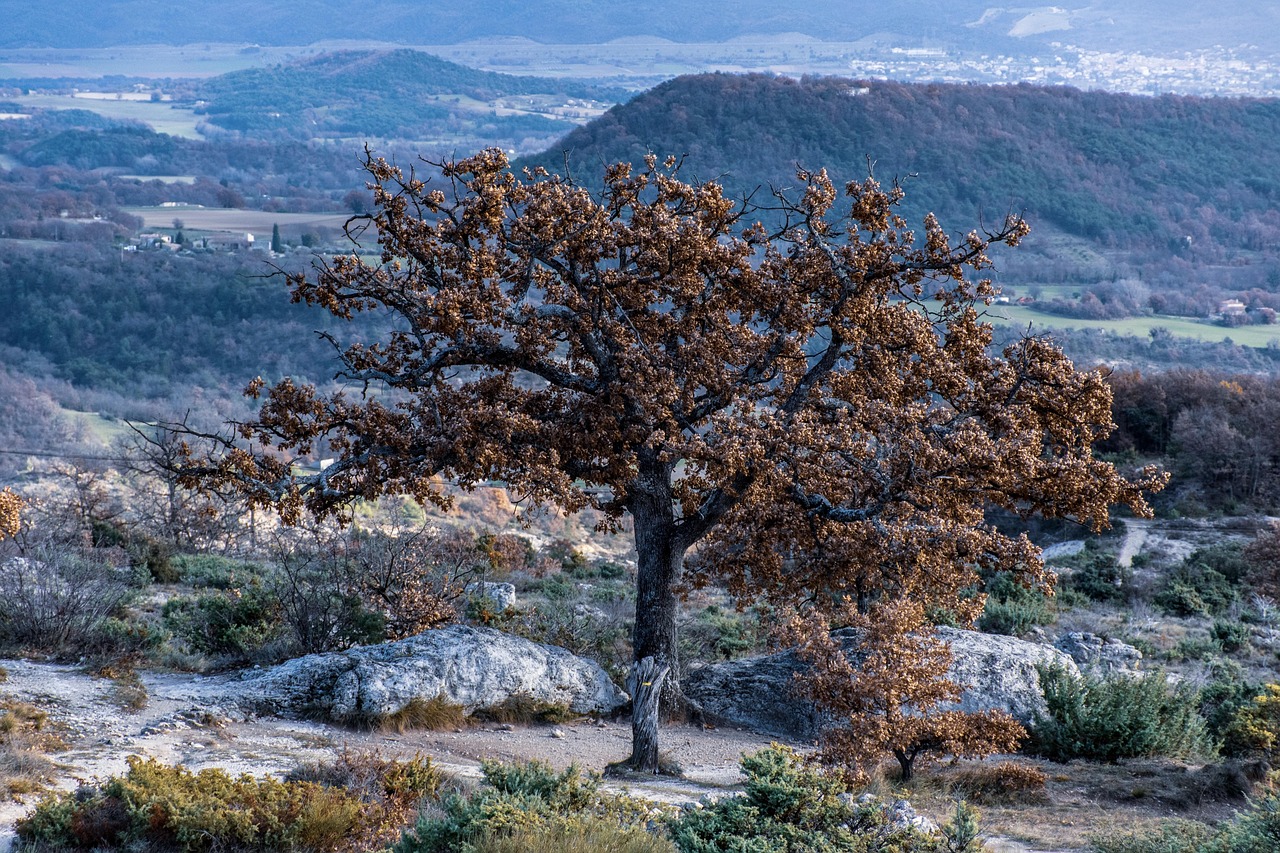
Beautiful places in France by region for a first visit with coast, countryside and hilltop villages
If you’re searching for the most beautiful places in France by region for a refined first-visit itinerary, start by thinking in layers rather than ticking off a list. Much of France opens up when you plan around mood: salt air and wide horizons in northern France, sunlit village life in southern France, and the storybook charm of eastern France. These are the kinds of beautiful regions where pace matters as much as the view, and where you can enjoy many beautiful places without feeling rushed.
To keep it effortless, imagine your route as a series of “beautiful place moments”: a coastal walk with sea light on the water, a vineyard lunch that lingers into the afternoon, and a little town square where you learn how locals greet one another. This approach turns planning into calm, especially when you’re heading to France for your first visit and want curated travel experiences rather than constant decisions.
Gateway planning from central Paris: a day trip from Paris to Versailles
For many travellers, central Paris is the most stylish base: it’s a great city for fine dining, galleries, and that first evening of arrival when you want everything close and reassuring. From here, you can build a gentle rhythm—two museum mornings, a long lunch, a market stroll—and still keep space for a day trip that feels celebratory rather than hectic.
The most classic day trip from Paris is Versailles. Arrive early so the palace feels calmer, then linger in the gardens like a beautiful park designed for slow wandering. Seeing the hall of mirrors in softer light makes the scale of the kings of France feel tangible—opulence, yes, but also the ambition behind it. For an especially smooth trip from Paris, pre-arranged tickets and transport remove the queues and guesswork.
How to choose regions in France by interest, season, and pace
High-end travel is often about choosing fewer places to visit and experiencing each more deeply. If art is your compass, you might pair Normandy with Paris, then drift down the Loire to its châteaux. If your heart is set on beautiful architecture and a slower café rhythm, Alsace can be a delight—think Strasbourg and Colmar with half-timbered lanes, an enchanting old town, and seasonal markets that make even a simple morning feel special.
For travellers who love food, consider building around Lyon, a celebrated city in France for gastronomy and one of the country’s great historic cities, then continuing into Burgundy for a vineyard-led stay. And if you want glamour on the water without losing authenticity, the French Riviera can be designed to feel intimate—quiet coves, a sandy beach or two, and early dinners away from the flash of Cannes and Monaco.
To help you decide, here’s a simple way to match experiences to regions in France—without overpacking your itinerary:
- Coastal light and dramatic landscapes: Normandy, with beach walks and cliff viewpoints.
- Village beauty and sunlit calm: Provence in southern France, especially around hilltop village stays.
- History in the countryside: the Loire Valley, where beautiful castles sit among riverside lanes and elegant estates.
- Wine-led elegance: Burgundy with a refined base in Beaune, a charming town made for long lunches.
- Storybook towns: Strasbourg (including Petite France) and Colmar in northeastern France.
Luxury planning principles for a seamless visit in France
The difference between a nice trip and a truly memorable one is often invisible: transfers that arrive exactly when you need them, reservations that reflect your tastes, and local support that quietly solves problems before they reach you. For longer distances, trains can be wonderfully civilised; for countryside routes and multi-stop days, private transfers offer greater freedom and comfort. Either way, the goal is the same when you visit France: seamless movement so your attention stays on the experience.
One helpful place to start is to browse a curated collection of routes and styles, then refine your choices based on your preferences and pace. If you’d like inspiration for design-led journeys across France, here is our Trip gallery with ideas you can tailor together with expert guidance.
Practical reassurance and on-the-ground support for first-time travellers
Safety is generally excellent, especially when you stay in well-reviewed hotels with strong concierge teams. As with any popular destination, keep situational awareness in tourist-heavy areas, protect valuables in crowded spaces, and don’t hesitate to lean on your hotel for local insight. When plans are crafted with care—transport, dining, museum entries, and a little built-in downtime—you move through this beautiful country with confidence, not vigilance.
Gordes, Provence: a beautiful village and a beautiful place to visit in France (luxury guide)
Provence beautiful place moments in a village around Gordes with honey-stone architecture
If you’re looking for a Provence Gordes village, a beautiful place to visit in France, a luxury guide, let it begin with light. Gordes is one of the most beautiful village escapes in Provence, rising like a sculpture from the hillside—honey-stone façades, shuttered windows, and a calm sense of permanence. Arrive around golden hour, and you’ll understand why this beautiful place is often named among the beautiful places in France: the landscape seems to glow from within.
What makes Gordes special for high-end travellers is how naturally it supports a slower, more personal rhythm. Explore in the morning, retreat during the heat of the afternoon, then return for an evening that feels intentional—unhurried, attentive, and grounded in a region of France that treats food, materials, and sunlight as art forms. With the right base, even a simple village day feels curated.
Getting to Gordes from Avignon with confidence (and comfort)
Gordes is best reached by car, and the simplest route is via Avignon, a handsome walled city that’s worth at least a quick look. You can take a train to Avignon and continue by private transfer, or arrange a driver from the start for door-to-door ease. For a first visit, this small choice matters: fewer moving parts mean more calm, especially when you’re travelling with camera gear—or simply when you want to arrive feeling composed.
Luxury stays range from discreet boutique hotels to private estates in the countryside. In peak season, book early—months in advance if you want a specific suite or a property with spa rituals and a quiet pool. A trusted concierge can also secure high-end dining and private tastings, so you don’t have to negotiate availability at the last minute.
A Michelin-starred evening that felt personal, not performative
One traveller shared a story that captures Gordes perfectly. After a slow stroll through the centre of town, they dined at a Michelin-starred restaurant where the chef came out to explain the seasonal ingredients—what was grown nearby, which herbs were picked that morning, and why a particular olive oil belonged to that dish. It wasn’t theatre; it was welcome. The meal became a sensory journey, and the kind of travel experience that leaves you feeling cared for rather than merely served.
That is the Gordes effect: the luxury is not only in the table settings, but in the trust created by small gestures, and the expert calm of people who love what they do.
To enjoy Gordes beyond photographs, design a day with gentle anchors:
- Morning: a quiet stroll through the village lanes before day visitors arrive.
- Late morning: artisan ateliers—ceramics, textiles, or local crafts that reflect Provence in texture and tone.
- Afternoon: a discreet vineyard appointment nearby, with time to pause rather than rush.
- Evening: a reservation-led dinner where the pace feels intentional.
Etiquette with care in a Provençal village
Simple French etiquette elevates every interaction. Begin with a warm “Bonjour” as you enter shops, and “Bonsoir” in the evening; it’s a small courtesy that instantly changes the tone. At meals, keep your hands visible (wrists on the table is common), and allow the pace of courses to unfold—there’s no need to hurry. These details help you explore with confidence, and they invite a more local kind of connection, even in a glamorous village setting.
Provence lavender fields: best time to visit in France + places to visit for a calm day
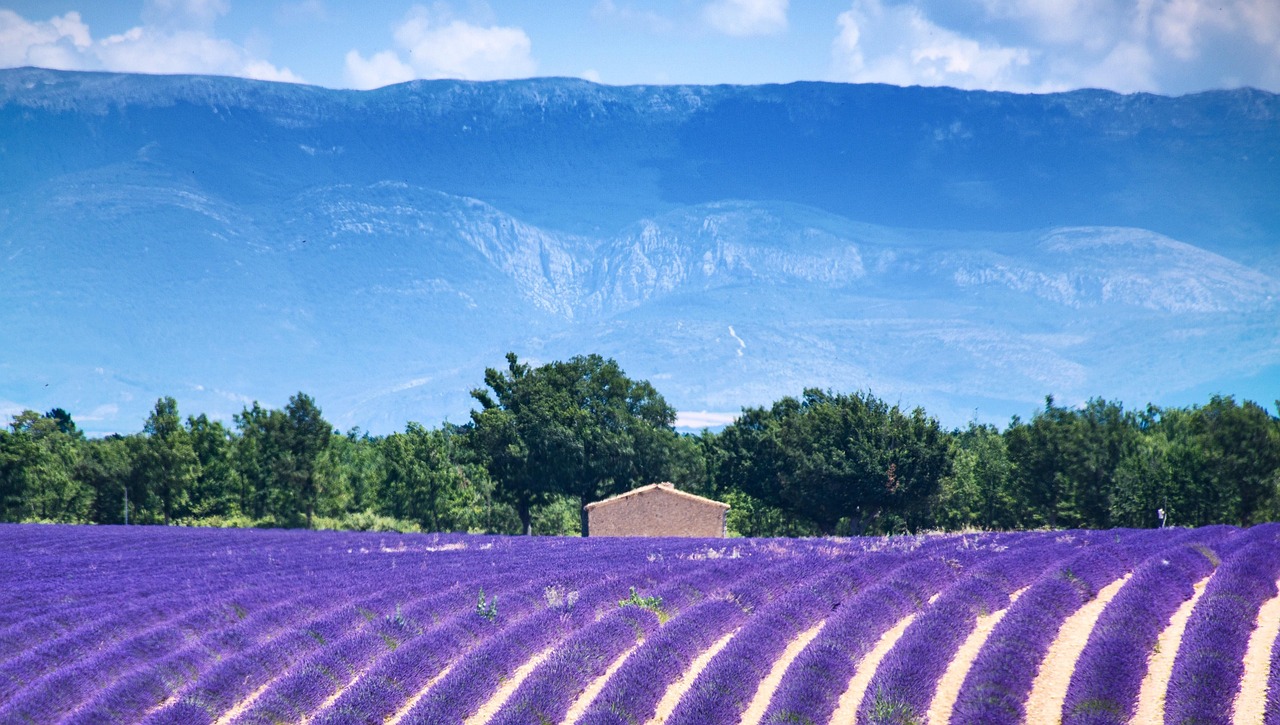
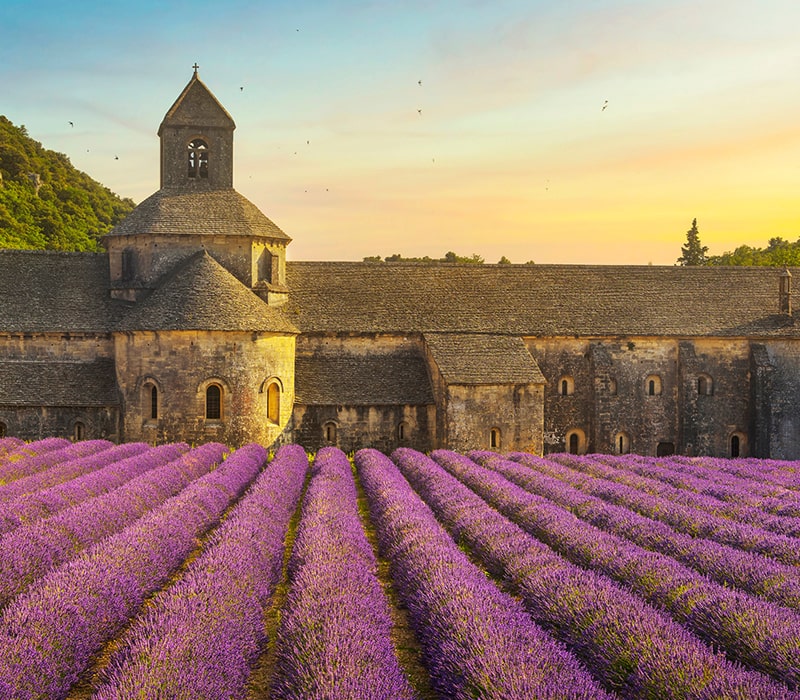
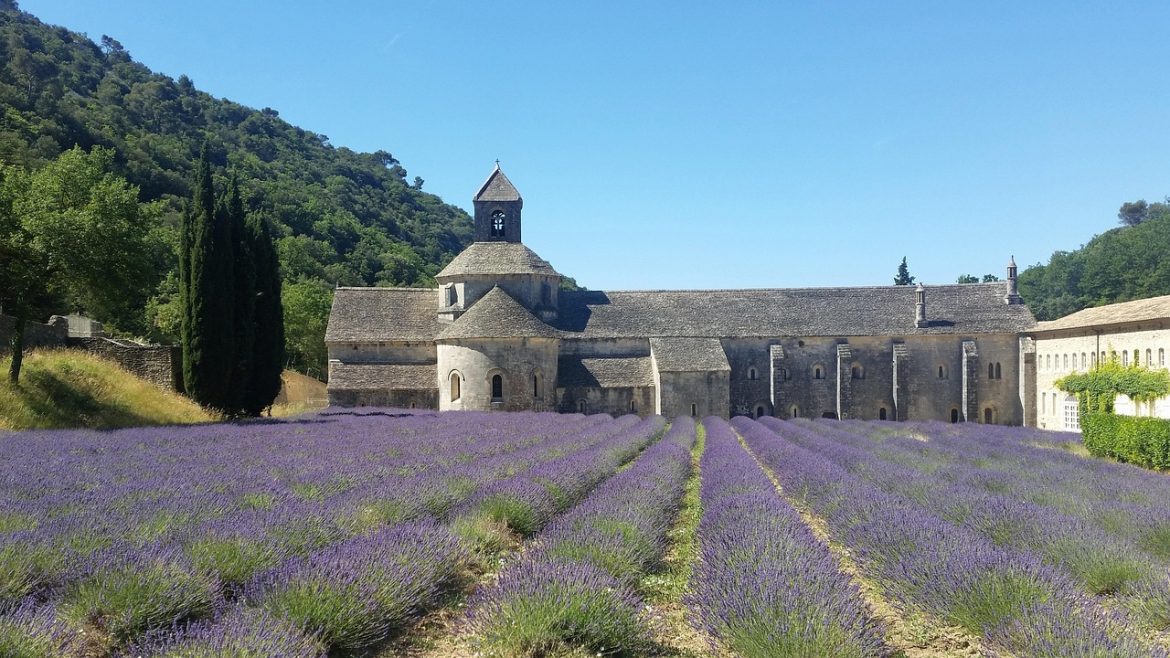
Lavender and countryside serenity in Provence in full bloom near Valensole
For travellers searching for the best time to visit Provence lavender fields in France, timing is everything—and it’s wonderfully specific. The best time to visit Provence for lavender is typically late June to early August, with peak bloom often in early July, depending on the season. Go early in the day when the air is cooler, and the colours feel saturated, and you’ll see why these fields are a beautiful place to add to your list of places to see in the south.
This is also where luxury travel can be surprisingly restorative. With a driver for the day, you can move through the countryside without the mental load of navigation, parking, or crowds, letting the senses do the work: purple lines against pale stone, bees humming, and the soft heat rising as the light shifts.
Design a photo-forward morning with respectful access to working farms
A beautiful place becomes even more meaningful when you treat it as lived-in rather than staged. Many lavender scenes are working farms, so respectful behaviour matters: don’t step into rows, avoid blocking tractors, and keep voices low in the early hours. A gentle sunrise drive along quiet lanes gives you space for photographs without feeling like you’re competing for them.
If you love images, ask your hotel to recommend viewpoints that suit your style—minimalist horizons, lone trees, or hills that layer into the distance. With local insight, you can create frames that feel personal rather than copied.
Create a calm sensory itinerary in the countryside
Beyond photos, build a day that feels like a ritual. A short lavender walk can be paired with a market stop for apricots, cheese, and a bottle of chilled rosé for a countryside picnic—simple ingredients, beautifully assembled. Later, a spa treatment inspired by Provençal botanicals can turn the heat of midday into a reason to slow down rather than hide indoors.
If you’re travelling together—partners, friends, or family—this is one of those rare days where everyone can find their own pace: sketching, reading, photographing, or simply listening to the quiet.
Where to stay for a seamless lavender season in Provence
To reduce decision fatigue, choose a base that matches the experience you want. A countryside stay offers intimacy and privacy; a luxury hotel provides strong concierge support, refined dining, and the reassurance of staff who can organise everything from reservations to last-minute changes. If you’re combining Provence with other parts of France, a chauffeured day or two can be the difference between feeling busy and genuinely restored.
Practical comfort makes this day far more enjoyable:
- Bring sunscreen and water; the summer sun can be intense even early.
- Wear breathable clothing and comfortable shoes for short field-side walks.
- Plan downtime in the afternoon so the day feels crafted, not crammed.
Loire Valley châteaux: hot air balloon day trip ideas + Burgundy, Beaune, and vineyard stays
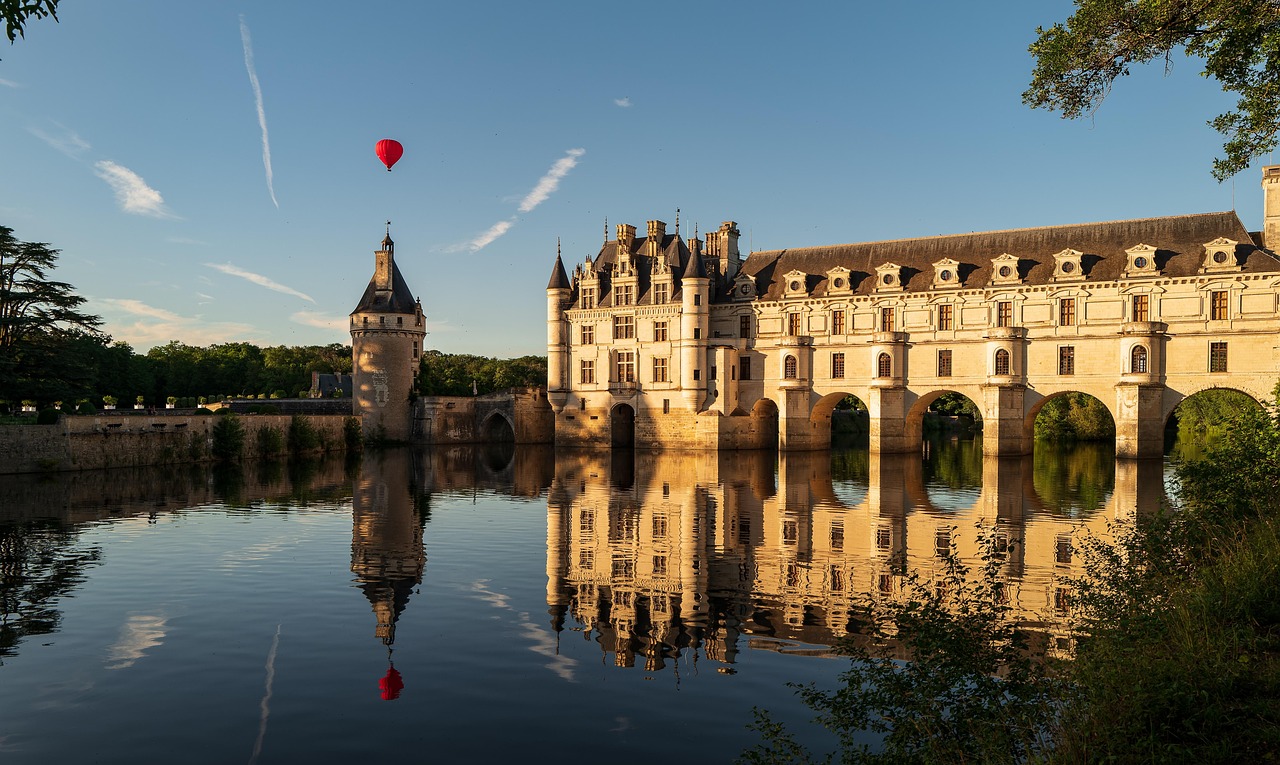
Loire Valley châteaux and Burgundy vineyard elegance with castle views
When travellers search for Loire Valley châteaux hot air balloon luxury day trip France Burgundy Beaune vineyard, they’re often craving a specific feeling: history you can touch, and a landscape that gives you room to breathe. The Loire Valley is a gentle masterpiece—river bends, formal gardens, and beautiful castles set in the countryside as if they’ve always belonged to the light. It’s one of the best places to visit when you want heritage without heaviness, and it pairs naturally with a wine-focused route.
While you can do a long day trip, the Loire rewards at least two nights, allowing you to explore early and late, when the roads are quieter, and the châteaux feel more like private homes than attractions.
Private sunrise ballooning over the Loire Valley châteaux (the best way to discover the landscape)
A luxury traveller once told us their most unforgettable memory in the Loire wasn’t a single château—though there were many—but a private hot air balloon ride at sunrise. Drifting above treetops, the scale of the Loire unfolded in silence: mist over the river, spires emerging, the geometry of gardens slowly appearing. It felt like the best way to discover France’s past—not as a museum panel, but as a living landscape.
That kind of moment is why pacing matters. With expert planning, you can be in the air before the day warms, then back on the ground for a late breakfast and a gentle afternoon visit when crowds thin.
How to keep château days seamless, slow, and rewarding
The Loire’s beauty can be undermined by busy timing, so design your days around calm. Private guides help you uncover details—the symbolism in staircases, the stories behind portraits—without feeling herded. Staying in château suites or refined manor houses creates continuity, so you’re not constantly packing and unpacking. It’s also easier to arrange a private transfer between properties, letting you enjoy the view rather than manage the route.
If you’re choosing between trains and a driver, consider your priorities: trains are elegant between major points, while a driver-guide is ideal for multi-stop days where you want to linger or change plans with confidence.
Shift to Burgundy and Beaune for vineyard elegance and slow village lunches
From the Loire, Burgundy feels like a change in tone—more intimate, more culinary, and deeply tied to place. A refined base in Beaune sets you up for market mornings, cellar appointments, and long lunches that become the highlight rather than the pause. When vineyard visits are pre-arranged, you’re welcomed with context, not just pours: soil, vintage, family history, and the quiet craft behind a label.
Allow yourself 2–4 nights for this pairing, ideally with a driver-guide. Keep one day flexible for a slow village lunch and countryside wandering—those unplanned turns are often where the heart of France appears.
Normandy in northern France: Etretat cliffs, Monet light, Mont Saint-Michel, and other best places
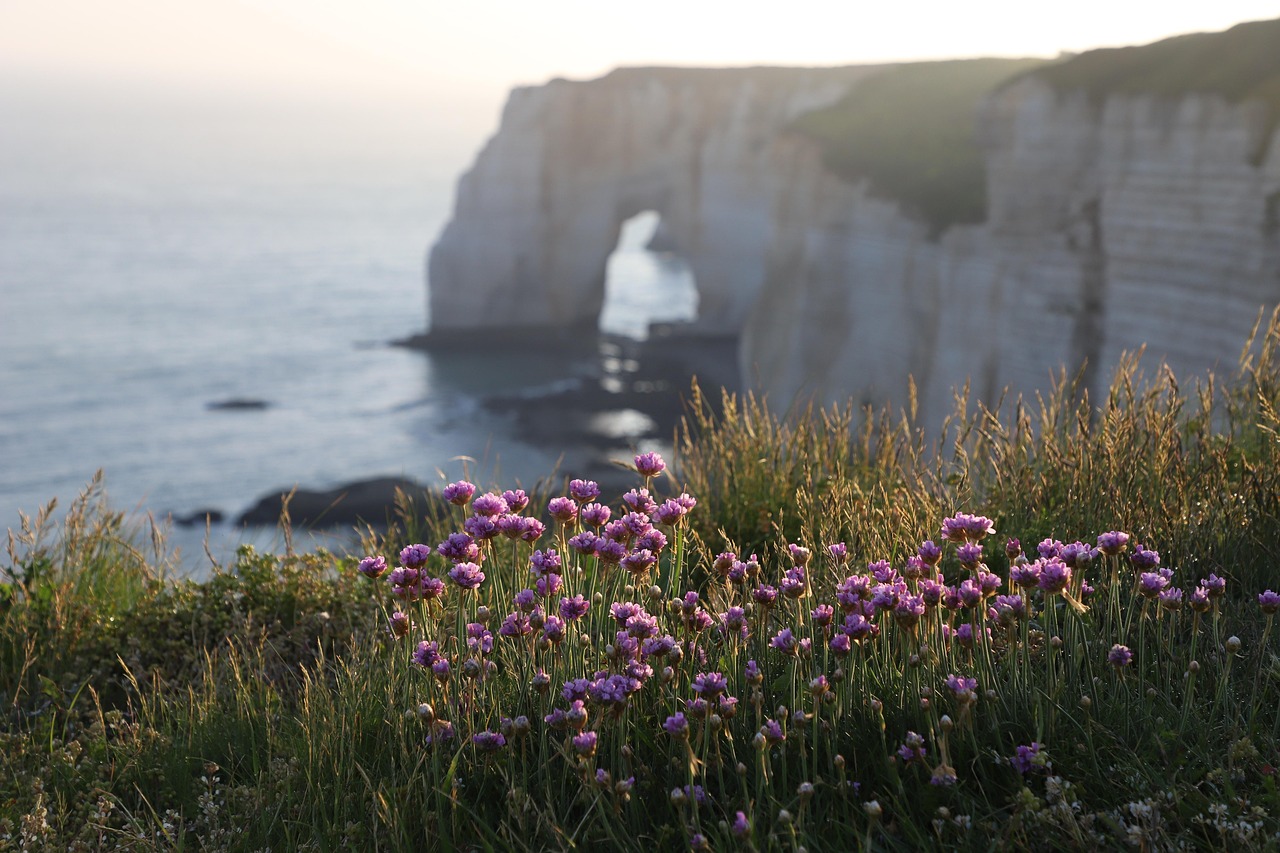
Northern France places to visit in Normandy from Etretat to Mont Saint-Michel
If you’re collecting northern France, Normandy, Etretat cliffs, Monet, Mont Saint-Michel, the best places to visit in one elegant route, think of Normandy as a study in light. This coastal stretch is both dramatic and soothing: sea air, long horizons, and a rhythm of beach towns and cliffside paths that invite you to slow down. It’s a beautiful place for travellers who want nature to feel expressive—wind, water, and sky doing the storytelling—with a lot of history just beyond the shore.
From Paris, Etretat is accessible by train, followed by a short taxi ride. It’s a straightforward transition that feels refreshing after the city, and it can be a relaxed second trip from Paris if you’re balancing museums with fresh air.
Etretat cliff walks: best views, sea air, and Monet’s Normandy muse
Etretat is famous for its chalk formations and natural arches—an iconic cliff landscape that looks almost designed. It’s no surprise that Monet returned again and again; the scene changes by the minute as sun and cloud move across the water. For the most peaceful experience, visit early in the morning, before day visitors arrive, and you’ll have more space to explore the best viewpoints and best views without feeling hurried.
Dress comfortably for hikes, bring sunscreen, and choose shoes with good grip—paths can be uneven, particularly after rain. If you prefer a gentler approach, a local driver can drop you near key lookouts so you can tailor your walk to your energy that day.
A dawn sketching story on the Normandy coastline
An artist once described their early visit to Etretat as creatively calming. They arrived at dawn, when the coastline was quiet, and the first light softened the edges of the rock. Sitting with a sketchbook, they felt revitalised—less like “sightseeing” and more like being in conversation with the landscape. It’s a reminder that some of the best places don’t demand constant activity; they reward attention.
Mont Saint-Michel: world heritage wonder, timed for calm
Then there is Mont Saint-Michel, a UNESCO World Heritage Site and true world heritage highlight that feels almost unreal at first glance—an abbey rising from the tide like a mirage. To keep it unhurried, arrive early or stay nearby so you can walk in before the busiest hours. When your timing is right, you can hear footsteps echo in narrow lanes and feel the hush of stone corridors without the pressure of crowds.
A thoughtful plan might include a nearby base with strong service, so your day begins gently and ends with comfort. With the right support, even a landmark this famous can feel personal.
If you’d like more depth, Normandy also rewards travellers who enjoy historic context beyond the sea views:
- Town of Bayeux: a historic town that makes a meaningful stop for cultural context and quiet elegance.
- Rouen: the place where Joan of Arc is remembered, best explored with a private guide for nuance and care.
- Coastal detours: a quieter beach or two for fresh oysters and long, late lunches on the water.
F.A.Qs
Where is the prettiest place in France?
The prettiest place in France depends on what moves you most: a hilltop village like Gordes for golden-hour beauty, the lavender countryside of Provence for summer colour, or Etretat in Normandy for dramatic cliff walks and sea light. For many high-end travellers, the “prettiest” spot is where you can slow down comfortably and experience the landscape with space, privacy, and a touch of local insight.
What is the most beautiful region of France?
Many travellers name Provence as the most beautiful region for its village life, markets, and sunlit countryside, especially in lavender season. Others choose Normandy for its coastal scenery, beach walks, and changing skies, or the Loire Valley for châteaux set within gentle landscapes. The most beautiful region is ultimately the one that fits your pace—restful, culinary, artistic, or by the sea.
What are the top 5 cities to visit in France?
A classic top five for first-time visitors is Paris, Lyon, Bordeaux, Nice, and Strasbourg. Paris offers museums and style; Lyon is a gastronomic capital; Bordeaux suits wine lovers; Nice anchors the French Riviera; and Strasbourg charms with its historic centre and Petite France quarter. If you prefer fewer bases, choose two or three cities and add a village stay for balance.
Where to go in France instead of Paris?
Instead of Paris, consider Provence for village life and lavender landscapes, the Loire Valley for château stays, Burgundy for vineyard appointments around Beaune, or Normandy for Etretat and Mont Saint-Michel. These places to visit in France feel richly French without the constant pace of a capital, and they’re ideal for travellers who want space, calm, and carefully planned comfort—some of the great places for a first itinerary.
Final Thought
If you travel well in France, what lingers isn’t only the photographs—it’s the texture and atmosphere. Light on stone at dusk, the scent of lavender caught on warm air, and the quiet moment before the sea meets the cliff returns when you least expect it. These are small things, but they have weight; they gently rearrange how you remember time, and why beautiful places in France can feel so personal.
There is also a more private kind of afterglow: the reassurance of a seamless plan, the trust built with local hosts, and the care found in ordinary gestures—an extra recommendation pencilled on a map, a table held a little longer, a driver who knows when you want silence. You come home with a new confidence to visit France slowly, and to notice the craft rather than rush past it.
Perhaps that is the real gift of a considered journey: you uncover a softer way of moving through the world, together, with intention. And once you’ve felt that ease, you begin to wonder what this country might show you next time—because there are always more places in France to fall for.