Post Contents
- Arriving in Rouen, Normandy, A City of Saints and Stories
- Old Market Square, Place du Vieux Marché Where Joan of Arcwas burned at the stake 1431, at the Old Market Square
- Church of Saint Joan
- Joan of Arc in Rouen: The Trial From Heresy to Heroine for Joan of Arc in Rouen trial heresy heroine Charles VII 1429
- Historial Joan of Arc: An Immersive Multimedia Journey for Historial Joan of Arc Rouen immersive multimedia show tickets
- Leaving Rouen: What Stayed With You
Arriving in Rouen, Normandy, A City of Saints and Stories
Arriving in Rouen, Normandy A City of Saints and Stories, your first view of Rouen by the Seine
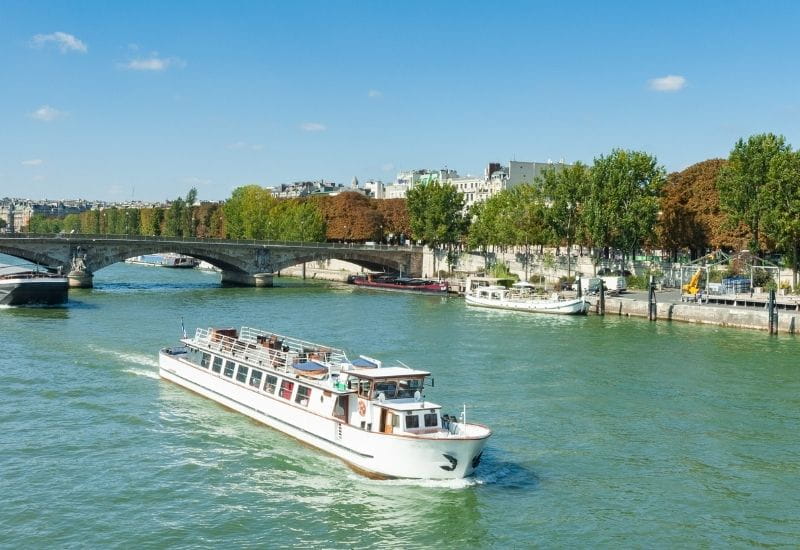
If you’re building a Rouen Normandy itinerary for Joan of Arc sitesin France, start by letting the Seine do the orienting for you. Rouen sits in northern France, and the river’s curve gives the city of Rouen a natural sense of direction: follow it, and you’ll feel the old town gathering around you. For high-end travellers who still love to roam, it’s the ideal mix—walkable, atmospheric, and beautifully legible once you know the first few landmarks.
Arriving at Rouen Rive Droite station, you’ll step into a city that rewards curiosity in small, elegant ways—timbered façades, quiet courtyards, and that sudden lift in the air as the streets open towards grand squares. Travellers often tell me their first steps on the cobblestones feel like walking into French history, yet the wayfinding is reassuringly clear, so you can explore with trust rather than fuss.
Rouen’s simple mental map along the Seine
From Rouen Rive Droite, head downhill towards the historic centre, and you’ll soon find yourself moving between church spires and café terraces. Imagine your route as a gentle arc: station to old town, on to the Place du Vieux-Marché, and then directly beside it to the Joan of Arc church. It’s a compact design—easy to create as a half-day or to stretch into an unhurried afternoon with stops for local pastries and boutique browsing.
- Station to Old Town: allow 15–20 minutes on foot, depending on photo stops.
- Old town to Place du: a short stroll; keep an eye out for Rouen’s side streets that open like theatre wings.
- Best seasonal window: late spring to early autumn for longer daylight and a more seamless walking pace.
Who Jeanne d’Arc was and why Rouen matters
Before you arrive at the square, it helps to carry a simple thread of her story with you. Jeanne—Jeanne d’Arc—was born in 1412 in Domrémy, Lorraine, a young peasant girl who became a shepherdess and claimed to hear voices calling her to a vocation. Her courage and conviction took her into the centre of national conflict, and Rouen became the stage where her fate was sealed—an experience that asks for respectful presence as you uncover the city’s layers.
Think of today as both adventure and care: moments of awe, quiet reflection, and a supportive sense that you’re walking with history rather than consuming it. That tone will serve you well as Rouen’s everyday life continues around the most sacred parts of the route.
Old Market Square, Place du Vieux Marché Where Joan of Arcwas burned at the stake 1431, at the Old Market Square
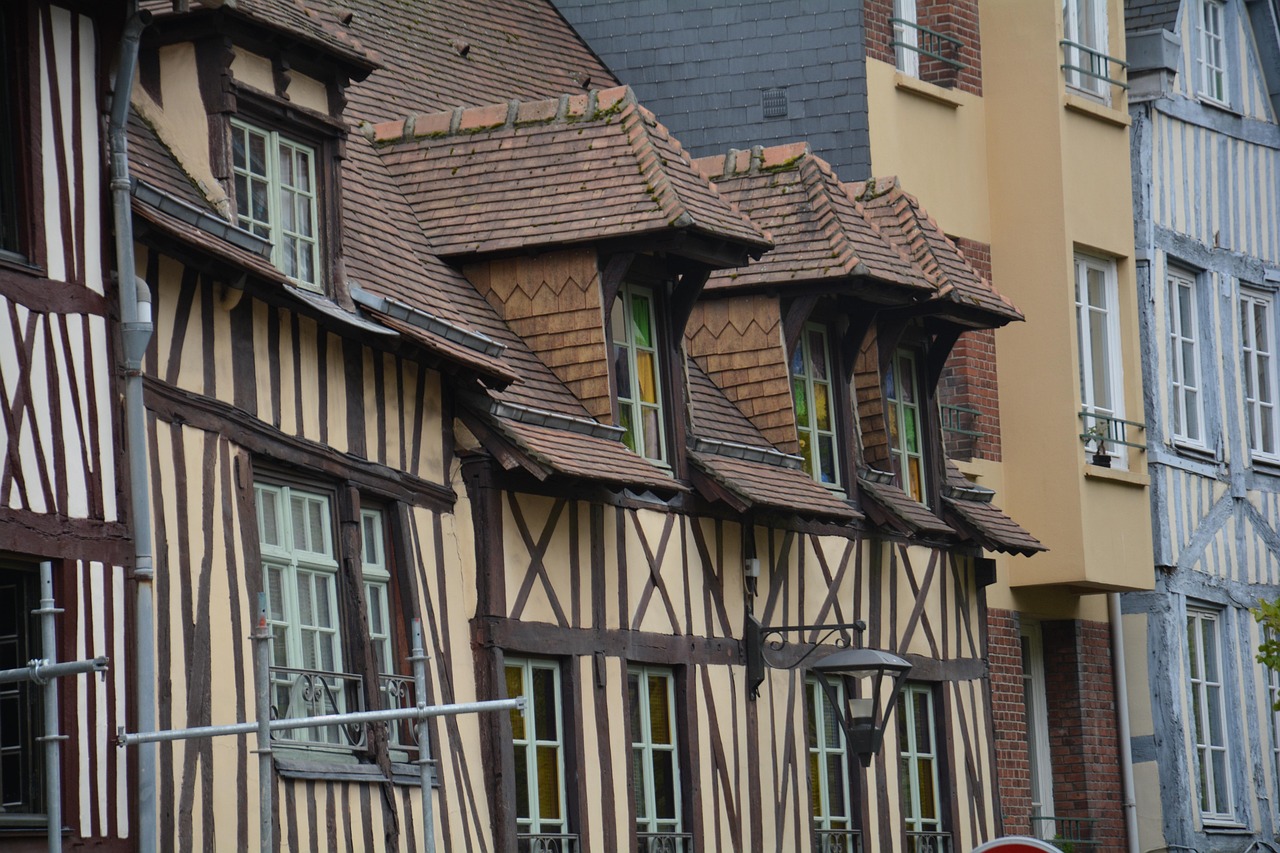
Old Market Square, Place du Vieux Marché Where Joan of Arc Was Burned, cafés and history in Rouen
To understand the Old Market Square Rouen Joan of Arc burned at the stake 1431 story, you have to feel the Place du Vieux-Marché as it is now: lively, conversational, and full of ordinary joy. That contrast is part of its power. This is Rouen’s heart—tables, market chatter, warm light—yet it’s also a memorial landscape where the past waits just under the surface.
On May 30th 1431, Joan of Arc was burnt here, and the account that her ash was scattered into the Seine makes the river feel newly symbolic. The square’s gravity lies within the wider context of the Hundred Years’ War and the English occupation, when control of Normandy and its cities became a chessboard of power. Standing here, it’s easy to feel moved—not by spectacle, but by the plainness of the place where everything happened.
Place of meaning without sensationalism
The trial language matters, but it doesn’t need drama. A tribunal accused her of heresy, and Pierre Cauchon, a bishop aligned with English interests, helped condemn her. When you’re on-site, it can feel surprisingly intimate: you’re not looking at a distant monument on a hill, but at a square woven into daily routines.
Look for the arc memorial elements that anchor the story—a cross, a monument, and a commemorative plaque that locates you precisely. Even if you don’t read French fluently, the act of pausing there is its own form of honour.
Adventure-seeker timing at the Old Market Square
If you love photography, visit at blue hour when Rouen’s evenings turn cinematic, and the square glows softly. This is one of those rare moments where you can explore with creative energy while holding the atmosphere with care. Keep voices low near the memorial points, and you’ll find the space meets you halfway—quiet, present, and deeply personal.
Church of Saint Joan
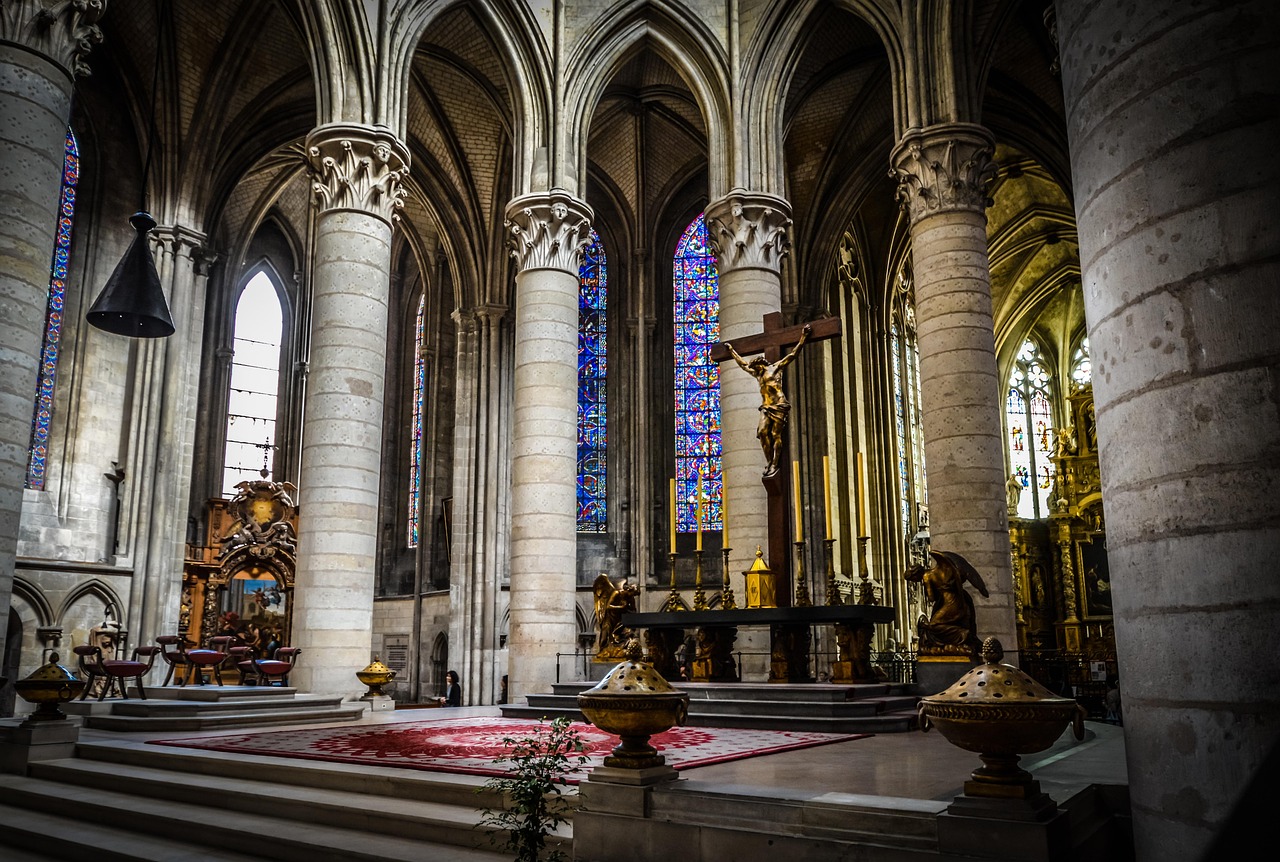
Church of Saint Joan of Arc A Modern Church of St Joan in Glass, stained glass windows in Rouen
For anyone searching “Joan of Arc church Rouen Church of Saint Joan of Arc stained glass windows”, the surprise is how contemporary the setting feels. The church of Saint Joan is a modern church built in 1979, designed to sit beside the square without pretending to be medieval. Instead of imitation, it offers a bold, tender response—an architectural act of remembrance that feels quietly confident.
The roofline is distinctive, like an upturned hull, and the vaulted ceilings sweep overhead with a lightness that invites you to breathe out. A glass wall catches Rouen’s shifting weather, so the building changes mood by the minute. Many travellers describe the moment they step inside as a gentle recalibration: the square’s noise fades, and the light becomes the story.
Stained glass windows that create saint light
The signature feature is the ensemble of 13 stained-glass windows, rescued from an earlier church and re-set here. The stained glass windows throw colour across pale surfaces, and those fine windows create a serene, reflective ambience that feels almost designed for quiet courage. If you’ve come for Saint Joan of Arc, this is where memory becomes luminous rather than heavy.
From an expert design perspective, this is modern architecture at its best: it honours what happened without trapping you in it. You can sit, observe, and let the story settle in a way that feels supportive rather than overwhelming.
Practical visiting notes for the church
Entry is free, and it’s easy to pop in for ten minutes or stay for an hour. Dress respectfully—especially shoulders and volume—and keep your tone soft so everyone can share the hush together. If you’re travelling in high-end style, you’ll still want comfortable shoes: the surrounding streets are cobbled, and you’ll enjoy the freedom to wander without thinking about your feet.
- Best light: late afternoon into early evening for layered colour and calmer crowds.
- Etiquette: no flash if you’re photographing; pause rather than rush.
- Mindset: come to uncover, not to consume—small acts of care make the visit feel communal.
Joan of Arc in Rouen: The Trial From Heresy to Heroine for Joan of Arc in Rouen trial heresy heroine Charles VII 1429
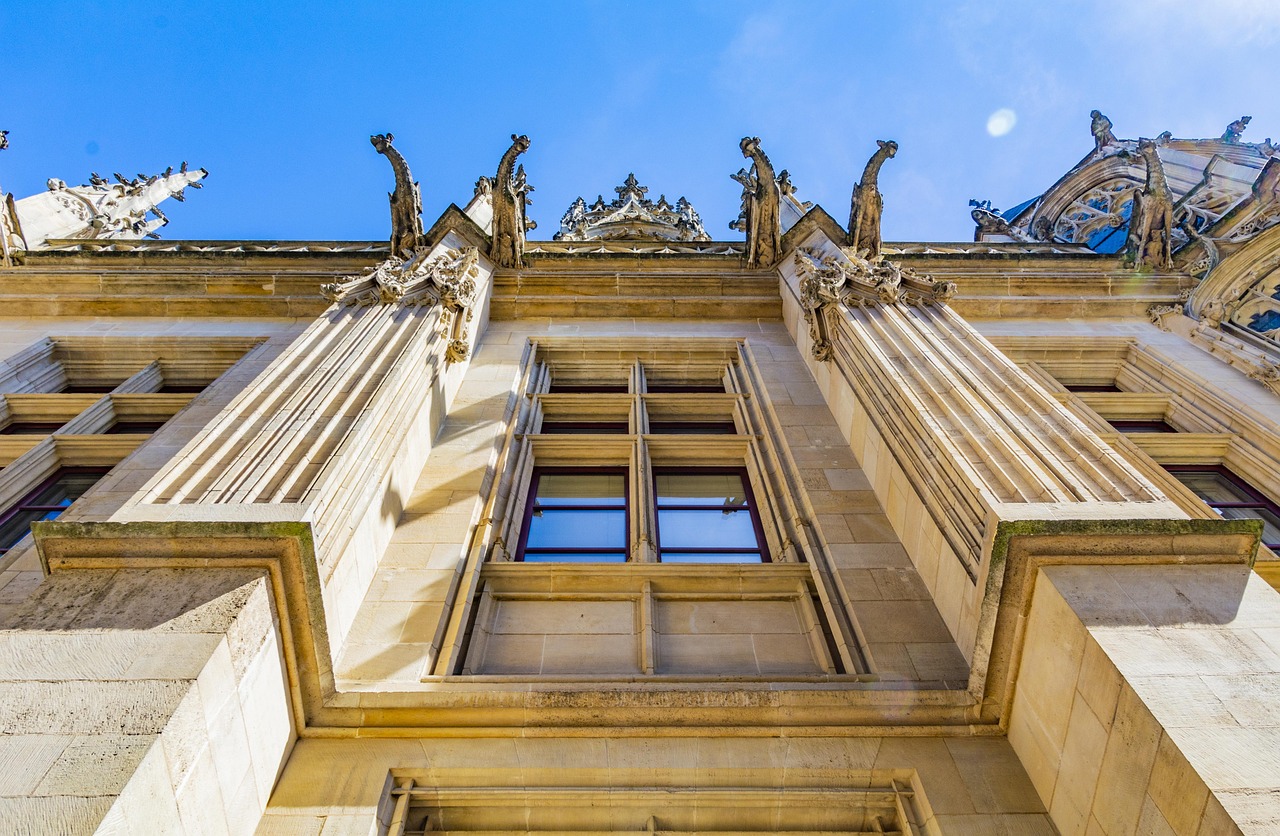
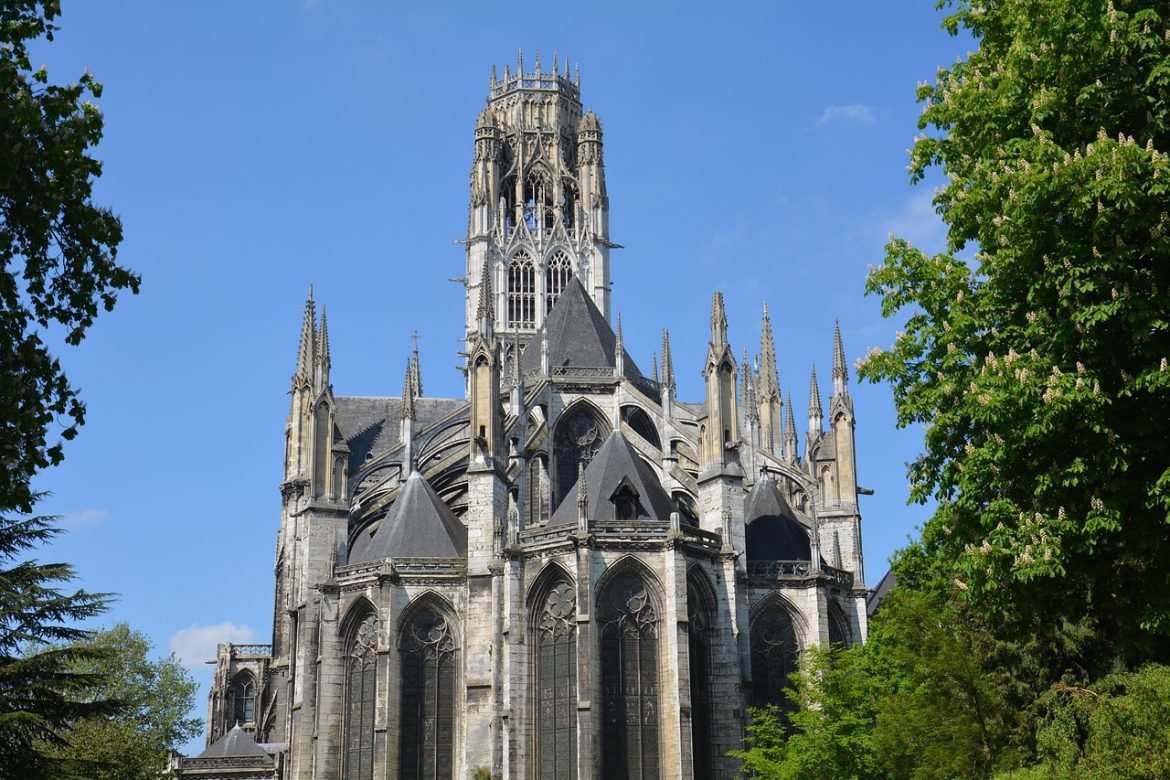
Joan of Arc in Rouen The Trial From Heresy to Heroine, a historic façade near Rouen’s old streets
If you’re looking up “Joan of Arc in Rouen trial heresy heroine Charles VII 1429”, a clear timeline helps you hold the story without getting lost in dates. In 1429, Joan of Arc travelled to Chinon to meet King Charles VII, then helped shift momentum towards the coronation at Reims. She was captured in May 1430 at Compiègne, after earlier support gathered at places like Vaucouleurs and Poitiers.
It’s also worth remembering her age: she was 19 years old when she died, which makes the scale of her choices feel starkly human. La Pucelle was not a symbol in her own mind; she was a person making meaning under pressure, guided by faith and an inner certainty she described with plain words.
Why Rouen became the stage in the 15th century
Rouen was under English control, with Burgundians—Burgundian allies—playing a key political role. That’s why the proceedings unfolded here, in a 15th-century atmosphere of law, power, and propaganda. The trial culminated in the stake in 1431, and the later reversal in 1456 shows how fragile “truth” can be when politics is the author.
This is where Joan’s story turns from condemnation to heroine: the long arc of reputation, the slow rebuilding of honour, and the eventual 1920 canonisation that made her Saint Joan in the eyes of the Church.
An on-the-ground detour that deepens insight
To connect narrative to place, consider a short detour to the donjon often linked to Jeanne d’Arc’s Rouen story. Even a brief stop can create a more three-dimensional sense of what confinement and interrogation might have felt like. Nearby, you’ll also spot Rouen’s layered architecture—timber houses with 16th century details and, in another corner, the 16th-century clock—quiet reminders that centuries stack up here like pages.
As you walk, let the city offer insight without forcing emotion. Trust your own pace; the most meaningful travel is often the most gentle.
Historial Joan of Arc: An Immersive Multimedia Journey for Historial Joan of Arc Rouen immersive multimedia show tickets
Historial Joan of Arc An Immersive Multimedia Journey, projections bringing Joan’s trial to life in Rouen
For travellers searching “Historial Joan of Arc Rouen immersive multimedia show tickets”, this is the most seamless way to turn facts into a felt experience. The Historical Joan of Arc uses sound, projections, and staged rooms to help you explore the story with fresh eyes—ideal if you learn through atmosphere as much as text. Many visitors share how connecting emotionally with the multimedia exhibit makes history come alive without tipping into the graphic.
Expect narrated scenes that reconstruct the trial context, placing you inside the arguments and anxieties of the period. It’s immersive, but not exploitative: the emphasis is on understanding how language, power, and belief shaped outcomes, and why Joan’s legacy kept evolving long after her death.
Tickets and pacing for a crafted visit
The Historical charges a modest fee, and it’s worth checking opening times and reserving a slot in busier months. If you’re arriving from Paris by train, plan this for mid-afternoon so your day feels unhurried and supported. The goal is not to rush from room to room, but to let each section land, especially if you’re travelling together and want space for conversation afterwards.
- Timing tip: go earlier for quieter rooms, or later for a moodier, more contemplative feel.
- Accessibility note: allow extra time if you prefer to pause often—this experience suits different travel paces.
- Afterwards: step outside and notice how the square and church of St. Joan suddenly feel more vivid.
Arc festival energy around May 30
If your trip falls around May 30, you may encounter small commemorations—a quieter ceremony than a spectacle—that can feel like an arc festival moment in the city. The tone is usually respectful, and if you choose to observe, do so gently: stand back, listen, and allow local remembrance to lead.
When you return to the Place du Vieux-Marché afterwards, you may find the details sharpen: the cross, the plaque, the geometry of the space where the pyre once stood. That shift—seeing with more context—is one of the most rewarding outcomes of the Historical.
F.A.Qs:
Was Joan of Arc in Rouen?
Yes. Joan of Arc was brought to Rouen under English control and faced a formal trial there. The city is central to her story because the proceedings led to her execution in 1431, and several sites in Rouen help you connect the narrative to the real streets and spaces.
Is there a statue of Joan of Arc in Rouen?
Rouen has memorial markers and commemorative elements associated with Joan of Arc, particularly around the Place du Vieux-Marché and near the church. While visitors often look for a single standout statue, the city’s remembrance is more layered, with monuments and plaques that pinpoint the history.
Where was Joan of Arc burned at the stake in Rouen?
She was executed at the Place du Vieux-Marché, the Old Market Square in Rouen. Today, it’s a lively square with cafés, but it also has a clear memorial focus, including a cross and plaques that mark the site’s significance and invite a respectful pause.
Where is Joan of Arc buried in France?
Joan of Arc is not known to have a traditional burial site. Historical accounts state that after her execution, her remains were burned furthe,r and the ashes were scattered, so there is no confirmed grave to visit in France. Instead, remembrance is held through sites like Rouen and later places of commemoration.
Leaving Rouen: What Stayed With You
For a Saint Joan reflection journey to Rouen, France, the most surprising part is how softly it follows you out of the city. Leaving Rouen doesn’t feel like ticking off a site; it feels like carrying a new sensitivity to place—how stone can hold voices, and how ordinary streets can be threaded with meaning. I found myself walking more slowly, as if the city had quietly taught me to listen.
What stayed with me most was light: coloured reflections from the stained glass windows lingering in my mind long after I’d stepped back into the square. Inside the Church of Saint Joan of Arc, the hush felt protective, and outside, the market rhythm returned—life continuing, not erasing what happened, but living alongside it.
There’s a particular kind of confidence that comes from slowing down with complex history. You don’t have to resolve it or reduce it; you simply make room for it, with care. In Rouen’s layered streets, I felt my own curiosity grow quieter and stronger—less about collecting, more about understanding.
If you’re ready to design a deeper route through France, you can browse inspiration in our Trip gallery and imagine what stories might meet you next when you travel with attention and trust.