Post Contents
- Best time to visit South Korea at a glance – seasons, times to visit, and what to expect
- Visit Seoul in spring – the best time to visit South Korea for cherry blossom moments
- Best times to visit South Korea in autumn – foliage, Seoul strolls, and day trips
- South Korea travel in summer – June to August, planning for Busan and Jeju beach days
- Time to visit South Korea in winter – snowfall scenery, ski breaks, and Seoul spa comfort
- F.A.Qs
- After South Korea – best time to visit, reflections, atmosphere, and personal moments
Best time to visit South Korea at a glance – seasons, times to visit, and what to expect
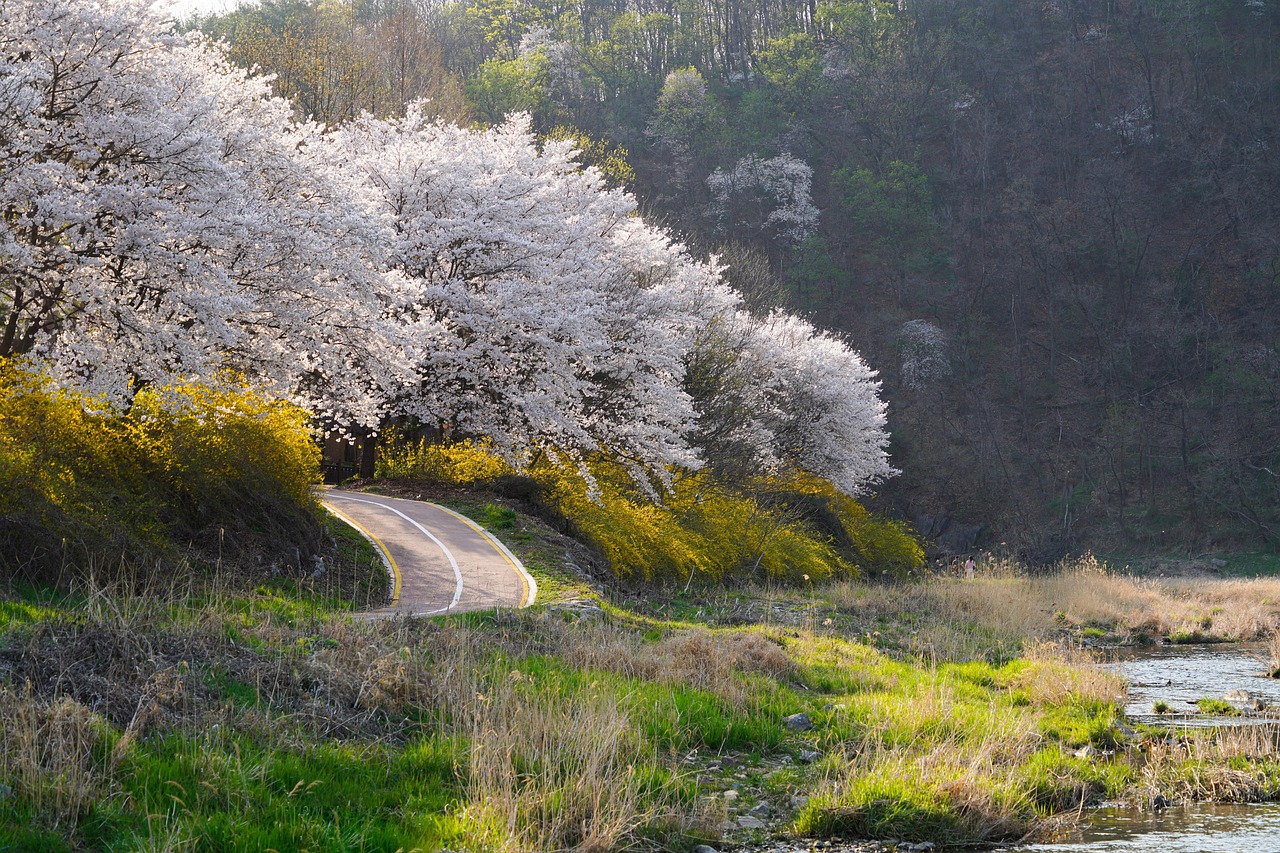
At a glance: South Korea’s four distinct seasons, with spring forsythia and soft light
When guests ask about the best time to visit South Korea, we frame it around South Korea’s four distinct seasons and the feeling you want to carry home. Here’s when to visit: most travellers find the seasons of spring and autumn are considered the best time for comfortable days, clear skies, and a pace that lets you linger. If you’re searching for the best time to visit the South for a refined, design-led journey, this destination rewards choosing dates that match your energy.
Spring feels buoyant and romantic, while autumn is crisp and cinematic without being demanding. Summer can turn hot and humid, and winter has a clean, chilly beauty that suits a crafted reset. It’s still a popular destination year-round, and any year in South Korea offers something memorable, but the true best times depend on your priorities, pace, and tolerance for crowds.
Planning your trip with confidence in popular times to visit
Some of the popular times to visit align with school holidays, major festivals, and long weekends, so a little early planning helps ensure a smooth experience. For high-end comfort while travelling to South Korea, build your itinerary around premium flights into Incheon International Airport, pre-arranged transfers, and well-timed check-ins that reduce friction when it’s a popular time for locals and visitors alike. Travel tips: reserve top restaurants, private guides, and signature spa treatments before the calendar tightens.
Rainfall and crowds can fluctuate with the weather, especially in the shoulder seasons when forecasts change quickly. With the right support—private guides, flexible reservations, and a driver on standby—you can keep each day seamless while still feeling spontaneous, even in the busiest part of the month.
- Spring (April to June): the weather is mild, gardens glow, and palace visits feel especially elegant.
- Autumn (September to November): cooler air, golden streets, and easy day trips into national parks.
- Summer (June to August): coastal stays, standout dining, and indoor culture when the skies turn dramatic.
- Winter (late December through February): ski breaks, fewer crowds, and restorative spa rituals.
Quick month-by-month cue for months to visit
In a typical month of the year, March brings the first signs of spring, and April can deliver the moment when cherry blossoms bloom. May and early June are ideal for long walks and outdoor activities before the deep-summer stickiness sets in. July and August can bring heavier rain, so we design flexible days and coastal stays with indoor options. October is a favourite for crisp light, while November often feels beautifully unhurried—perfect for a quick stop in Gyeongju, home to an UNESCO World Heritage site. In South Korea, January is at its sharpest and the coldest, so winter stays work best when layered with indoor comforts.
If you want the best to avoid pinch points without labelling any season a “bad” choice, skip the busiest weekends around major holidays and reserve flagship hotels well ahead of the end of the month travel surges. For curated inspiration as you start shaping your route and time to visit South Korea, dip into our Trip gallery and begin imagining your own design-led journey.
Visit Seoul in spring – the best time to visit South Korea for cherry blossom moments
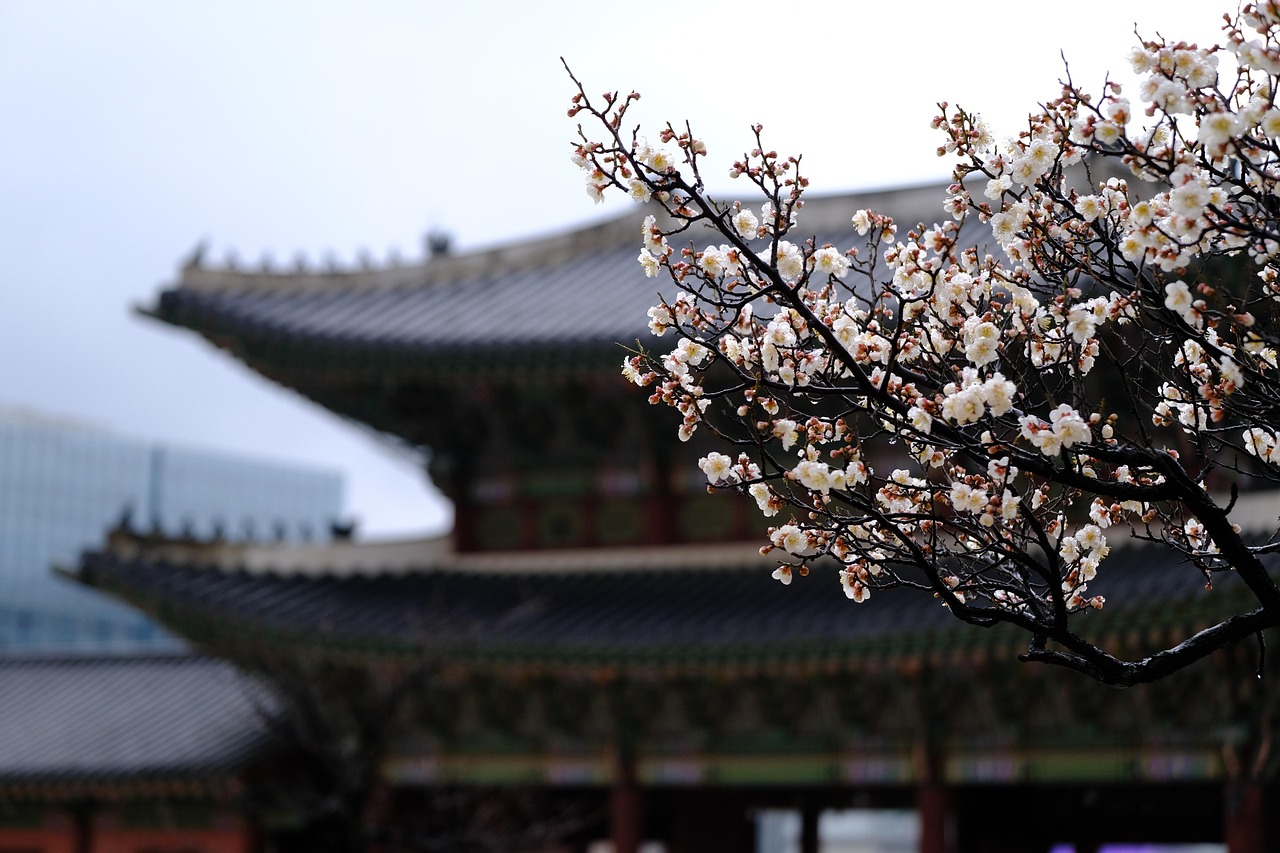
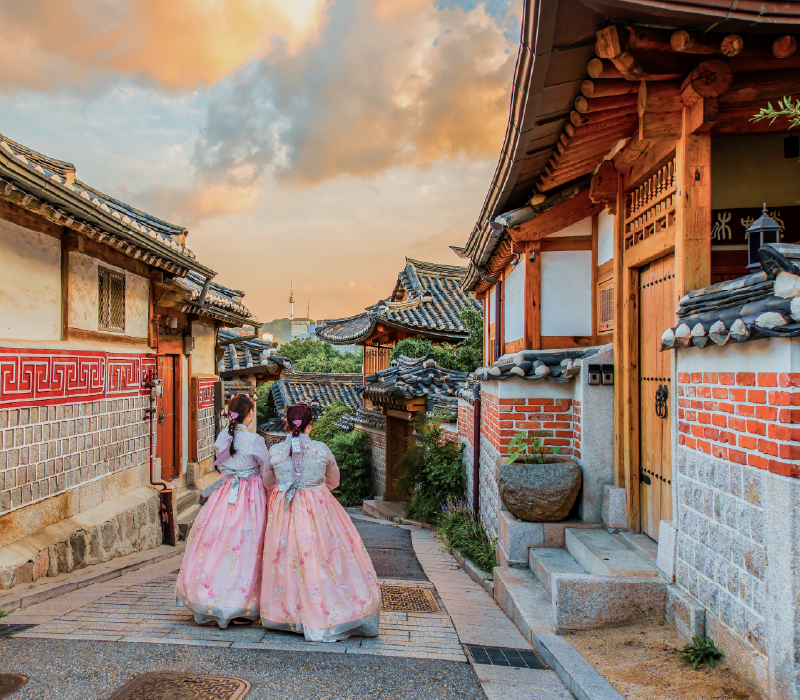
Spring in Seoul: hanok lanes, gentle blossom light, and an elegant pace
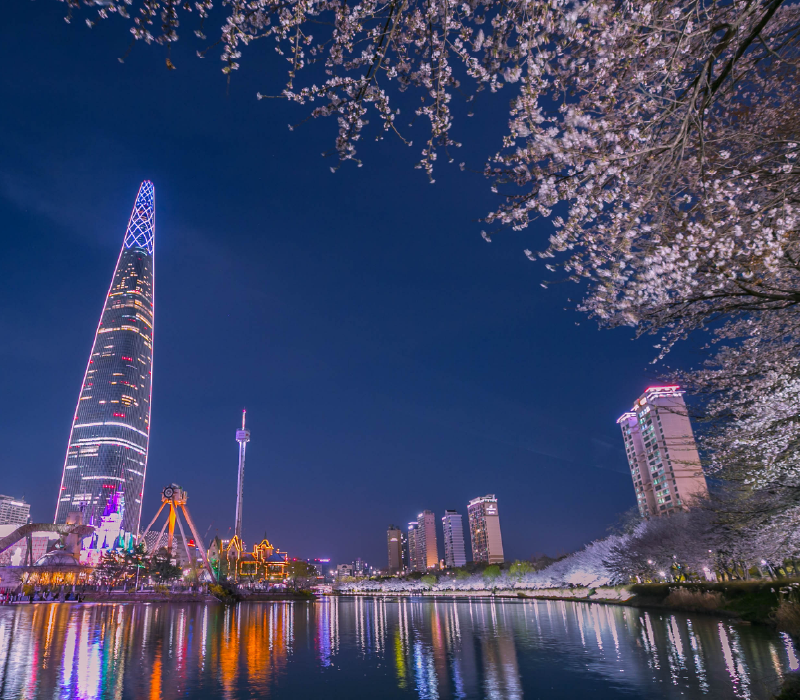
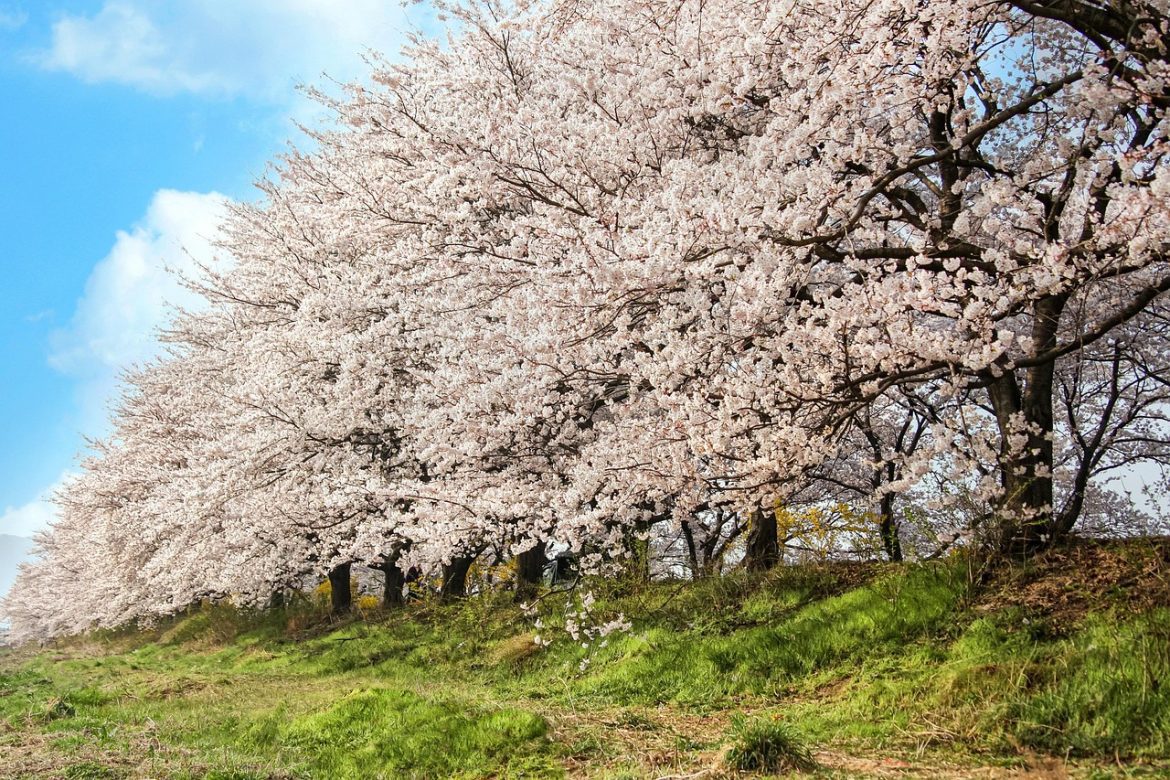
To visit Seoul for one of the best times to visit the windows, aim for the arrival of spring from March to May, when the city brightens and breathes again. South Korea in March brings the first blush of colour, and in South Korea in April the cherry blossoms bloom—sometimes reaching full bloom in a matter of days, which is why we keep plans lightly flexible.
This is the season to celebrate the arrival of spring in a way that feels personal: dawn palace courtyards, slow museum afternoons, and long dinners that begin later when the streets soften. For many travellers, mild weather and cherry blossoms create a rare mix of romance and comfort, making the city feel instantly welcoming, even when the highlights are busy.
Seoul palace mornings – cherry blossom crowds, quieter routes
Begin with Gyeongbokgung before the gates grow busy, then slip to Changdeokgung’s garden paths for a calmer rhythm. Cherry blossom crowds are real around the most photographed avenues, yet an expert guide can help you uncover side entrances, less obvious viewing angles, and the moments that feel unshared even in peak cherry blossom season.
A couple once told us their honeymoon highlight wasn’t a posed photo at all: it was watching petals fall like confetti over Changdeokgung’s historic gardens, then standing still long enough to hear the city hush. Their private guide simply slowed the pace, creating space for that kind of trust-filled moment to happen naturally.
Hanbok in Bukchon Hanok Village – boutique tea, modern Seoul extras
For a luxury culture pairing, choose a boutique hanbok rental with a tailored fit, then wander through Bukchon Hanok Village as the light softens. One solo traveller described an intimate tea ceremony in a secluded hanok as “quiet joy”—the steam of the tea, wood floors, and a feeling of being gently folded into Korean heritage rather than standing outside it.
If you want to add contemporary sparkle, spring is also a great time for exclusive K-pop behind-the-scenes tours and private cooking classes with renowned chefs in Seoul—crafted experiences that offer real local insight beyond the obvious. Reservation guidance matters here: book hanbok, premium tea, studio access, and chef-led sessions well ahead, particularly as weekends and the end of the month fill quickly.
Best times to visit South Korea in autumn – foliage, Seoul strolls, and day trips
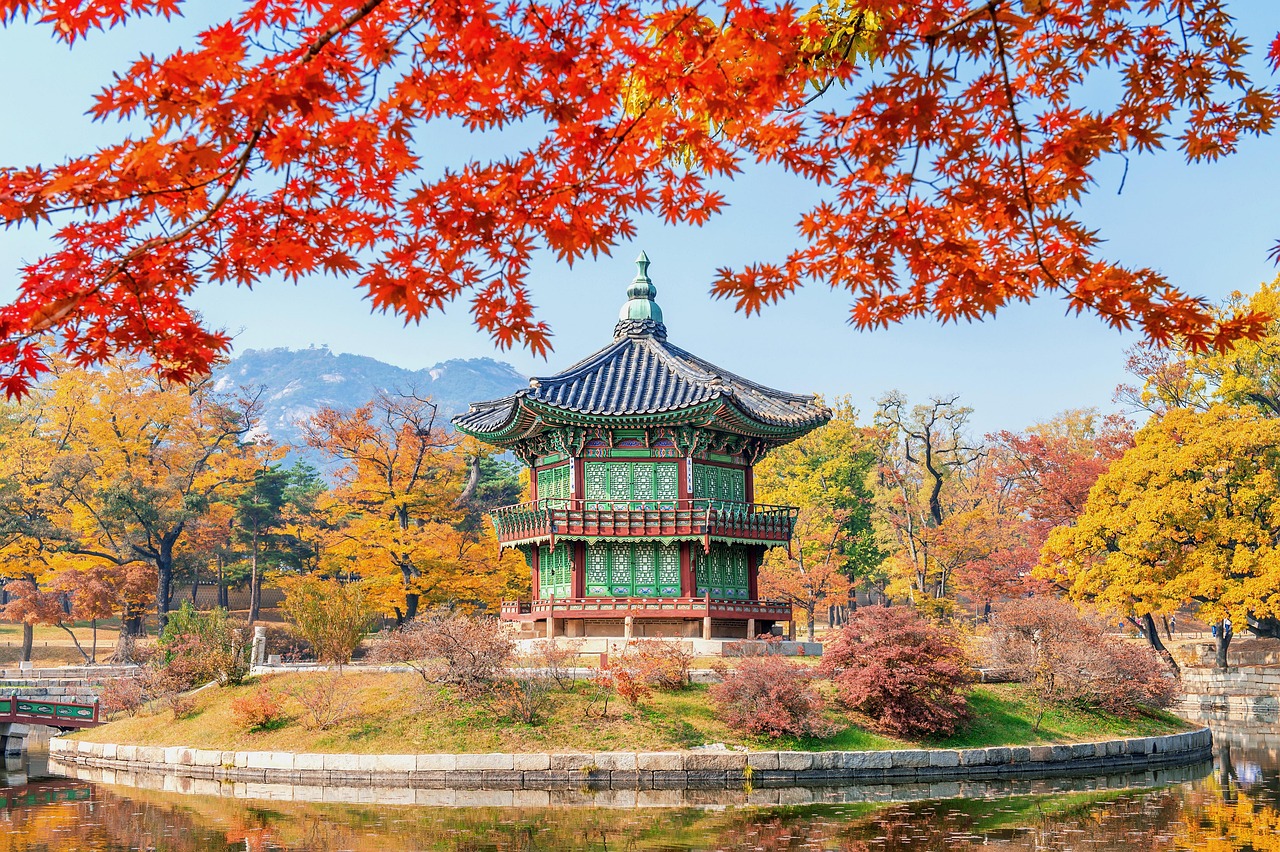
Autumn colour in South Korea: Seoraksan peaks and turning leaves
For many discerning travellers, September to November is one of the best times to visit South Korea, thanks to crisp mornings, pleasant weather, and luminous autumn foliage. Even in Seoul, you’ll find golden avenues in palace grounds and neighbourhood parks, while day trips open up national parks with painterly colour—often with fewer weather surprises and more consistent temperatures and weather conditions.
Autumn is also when time seems to move differently—less urgency, more texture. If you’re designing days around photographs, it’s kinder light; if you’re designing days around family, it’s the season that keeps everyone comfortable together, and you can generally expect sunny days between cool evenings.
Nami Island day trip – private moments on the water
Plan a luxury nature day to Nami Island for colour-soaked lanes and a calmer, curated arrival. A family once described their awe watching vivid leaves flare red and amber, made even more special by a private ferry ride and a gourmet picnic that kept them together—no rushing, just shared wonder and warm care in the details.
Pair the visit with a refined stop for artisanal coffee or a gallery-like space en route, especially if you’re travelling with varied ages and attention spans. The point is not to pack in sights, but to create a day that feels seamless and deeply present.
Seoraksan National Park – dry skies and golden ginkgos
For a bigger landscape, design an expert-led Seoraksan National Park outing with photographic stops and quieter trails. The phrase that returns every year is “dry skies and golden ginkgos”—a seasonal texture that makes even a short hike feel extraordinary. If you’d rather head to the mountains gently, we recommend a comfort-first schedule: late morning start, scenic lift options where available, and a long lunch with mountain views.
Anchor timing with South Korea in October, when colour is often at its richest. Do note Chuseok: many return to their hometowns to celebrate, which can affect hotel availability and transfers, so we plan transport early to ensure confidence and ease.
South Korea travel in summer – June to August, planning for Busan and Jeju beach days
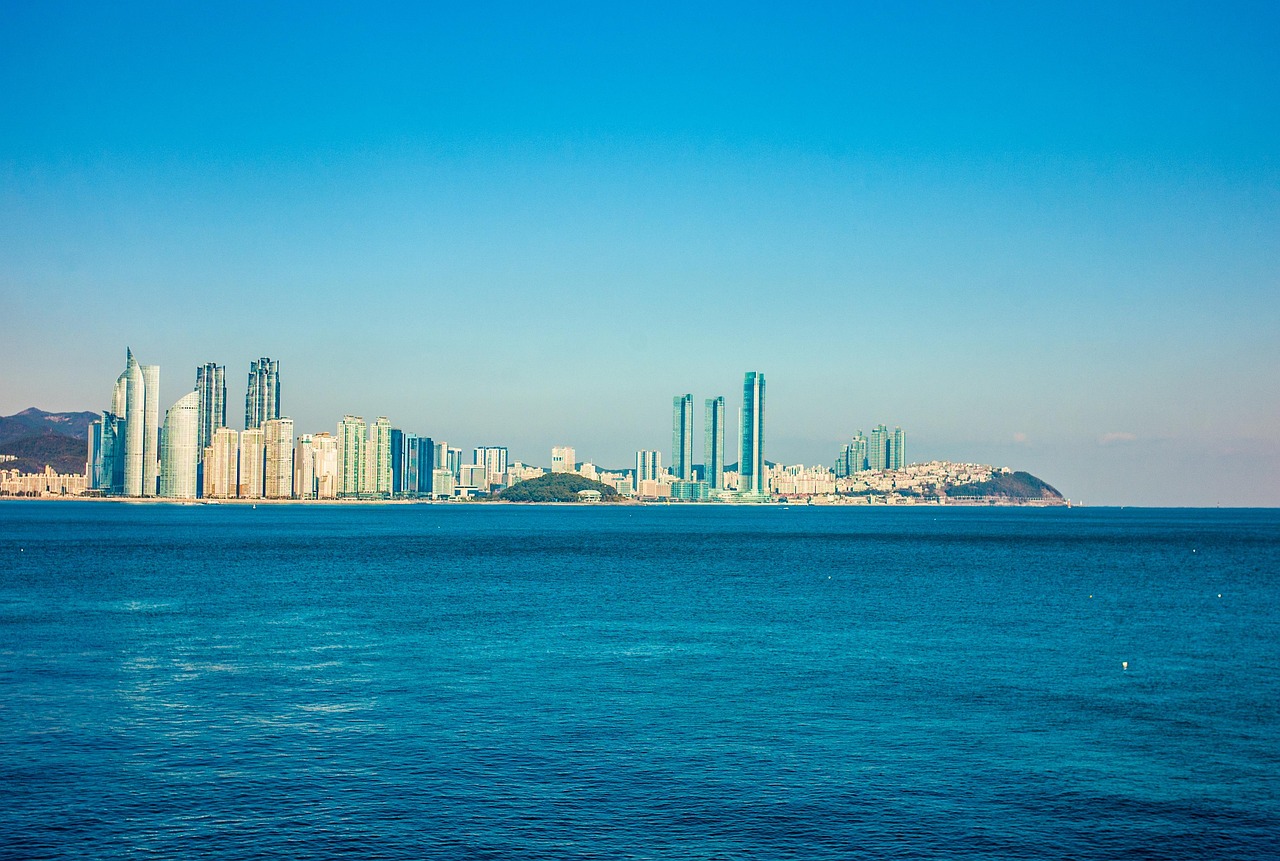
A polished coastal break: Haeundae’s shoreline in Busan
Summer is lively, glossy, and social, but travelling in South Korea during this period requires some planning. Expect high humidity and warm afternoons, and plan around monsoon season, when sudden downpours can interrupt rooftop plans and scenic drives—especially during peak monsoon season. For comfort, choose air-conditioned museums, shaded cafés, and flexible hours.
That said, summer can be deeply rewarding when you design for ease. Think late starts, a slower midday pace, and coastal breezes that make the heat feel softer rather than oppressive, plus indoor back-up plans for heavy showers and shifting rainfall.
Busan and Jeju escapes – coastal comfort when rain arrives
When the air turns heavy, Busan is an easy reset: sea views, resort-style pools, and an unforced holiday rhythm. Base near the beach for sunrise walks and spa-style hotel amenities, then balance the day with indoor alternatives—art spaces, cafés, and shopping streets—when the weather turns.
On Jeju, and especially Jeju Island, you can design days around viewpoints between showers, with drivers who can pivot routes at short notice. If you’re choosing between mountains or the beach, this is when the coast often wins for sheer ease.
A seamless heat strategy – private transfers and refined South Korean dining
For high-end travellers, a seamless heat strategy looks like private transfers, gallery and museum hours in the warmest part of the day, and later dining once the streets cool. Add a taste-led layer: elevated street-food tastings with an expert guide, followed by a reserved table at Michelin-starred restaurants for crafted South Korean menus that feel celebratory rather than heavy.
Do remember domestic travel surges in midsummer, particularly at the beginning of the month and around weekends. If your calendar is fixed, we build in buffer time so small delays don’t ripple into the rest of your trip.
Time to visit South Korea in winter – snowfall scenery, ski breaks, and Seoul spa comfort
Winter in Seoul: Gangnam streets glowing at night and a luxury reset indoors
Winters in South Korea run from December to February, bringing crisp air, snowfall in northern and mountainous regions, and a beautiful clarity to city lights. If you’re weighing times to visit for atmosphere, winter is ideal when you want contrast: bright outdoor scenes paired with exceptional indoor warmth, especially in Seoul after dark.
It’s a season made for slowing down with intention, and for discovering how well Korea does comfort. With the right planning, your days become less about endurance and more about calm rituals, curated neighbourhood walks, and concierge-level ease.
Ski days with a comfort-first design
If a ski break is on your list, we recommend a comfort-first approach: door-to-slope transfers, boutique lodges, and flexible schedules that protect your energy. The aim is not to chase every run, but to create a day with warm après rituals—firelit lounges, restorative soups, and quiet conversations that last longer than the slope time itself.
For families or first-timers, a private instructor can turn the mountains into something reassuring rather than intimidating. Even a short snow escape can feel expansive when the details are handled with care.
Seoul restoration – Gangnam jjimjilbang spas and winter rituals
Back in Seoul, balance the cold with restoration in Gangnam’s upscale jjimjilbang spas, where premium treatments turn winter into a luxury reset. One spa enthusiast praised the exceptional service and tranquillity at a five-star Seoul jjimjilbang, singling out a signature gold-infused treatment that felt both indulgent and genuinely calming.
Keep an eye on the cultural calendar: the Korean New Year, or Seollal, can reshape opening hours and dining reservations, so we plan with concierge-level support to preserve that seamless feeling. And if you’re wondering about a bad time to visit, the truth is there’s no single thing as a bad time—only different priorities, and the joy of designing a trip around what you most want to explore.
F.A.Qs
Which month is best to visit Korea for weather and crowds?
For many travellers, April or October are standout choices: April often aligns with cherry blossom season, while October brings clear skies and peak fall colour. If you prefer fewer crowds with comfortable temperatures, consider late March, early May, or early November. The “best” month ultimately depends on your priorities—blossoms, national park hikes, coastal time, or winter comforts.
What are the cheapest months to travel to South Korea?
Better-value periods are often found outside peak school holidays and major festivals, when flight and hotel demand is lower. Late winter (excluding Seollal) and the early-summer shoulder period can offer lower rates, especially if you avoid long weekends. For high-end travellers, value also comes from booking early: the best rooms and premium experiences are more available before popular dates fill.
What is the 52-hour rule in Korea, and does it affect visitors?
The “52-hour rule” commonly refers to South Korea’s legal cap on average weekly working hours, introduced to improve work-life balance. It doesn’t directly affect tourists, but it can subtly influence opening hours or staffing patterns in some industries. As a visitor, you’ll still find excellent service; it’s simply worth reserving sought-after restaurants, tours, and treatments in advance.
What is typhoon season in Korea?
Typhoon risk is highest in late summer, most commonly from August into September, though exact timing varies each year. Impacts may include strong winds, heavy rain, and transport disruptions, particularly in coastal areas. If you’re travelling, then choose flexible bookings, keep an extra indoor plan, and lean on local support for real-time routing decisions.
After South Korea – best time to visit, reflections, atmosphere, and personal moments
After South Korea, what stays with you is rarely the headline sight—it’s the hush of palace courtyards as footsteps fade, and the way a city can hold tradition and creative modern life in the same breath. You might remember the softness of tea steam curling into winter air, or the quiet pride in a host’s bow as they offer something with both hands, a small gesture that becomes its own kind of comfort.
A solo traveller once spoke about an unhurried tea ceremony in a secluded hanok: not the “perfect” photograph, but a feeling of being gently welcomed into something older than the day. In that stillness, heritage becomes felt rather than explained, and you begin to notice how easily your own pace can settle when you allow it.
Whether you came for cherry blossom light or autumn colour, you often leave with a steadier sense of trust in your choices—what you lingered over, what you let go of, and what you saved for next time. South Korea’s gift is that it doesn’t demand a single version of you; it meets you where you are, and lets you carry the mood home.
And if you ever return in another season, it won’t be to repeat the same journey—it will be to discover a new shade of the same place, and to see what it quietly reveals when you arrive with fresh curiosity.