Post Contents
- Best time to go to Korea at a glance – best times to visit & time to visit South Korea (Luxury guide)
- Visit Seoul in spring: cherry blossom season, South Korea in March & South Korea in April
- Autumn in Korea: September to November, South Korea in October, lanterns & Jeju Island
- Outside the best times: summer in South Korea (monsoon & rainfall) and winters in South Korea (South Korea in January, ski)
- Planning your trip to Korea: Korea travel, luxury flights, Seoul hotels & travel tips
- F.A.Qs
- Final Thought
Best time to go to Korea at a glance – best times to visit & time to visit South Korea (Luxury guide)
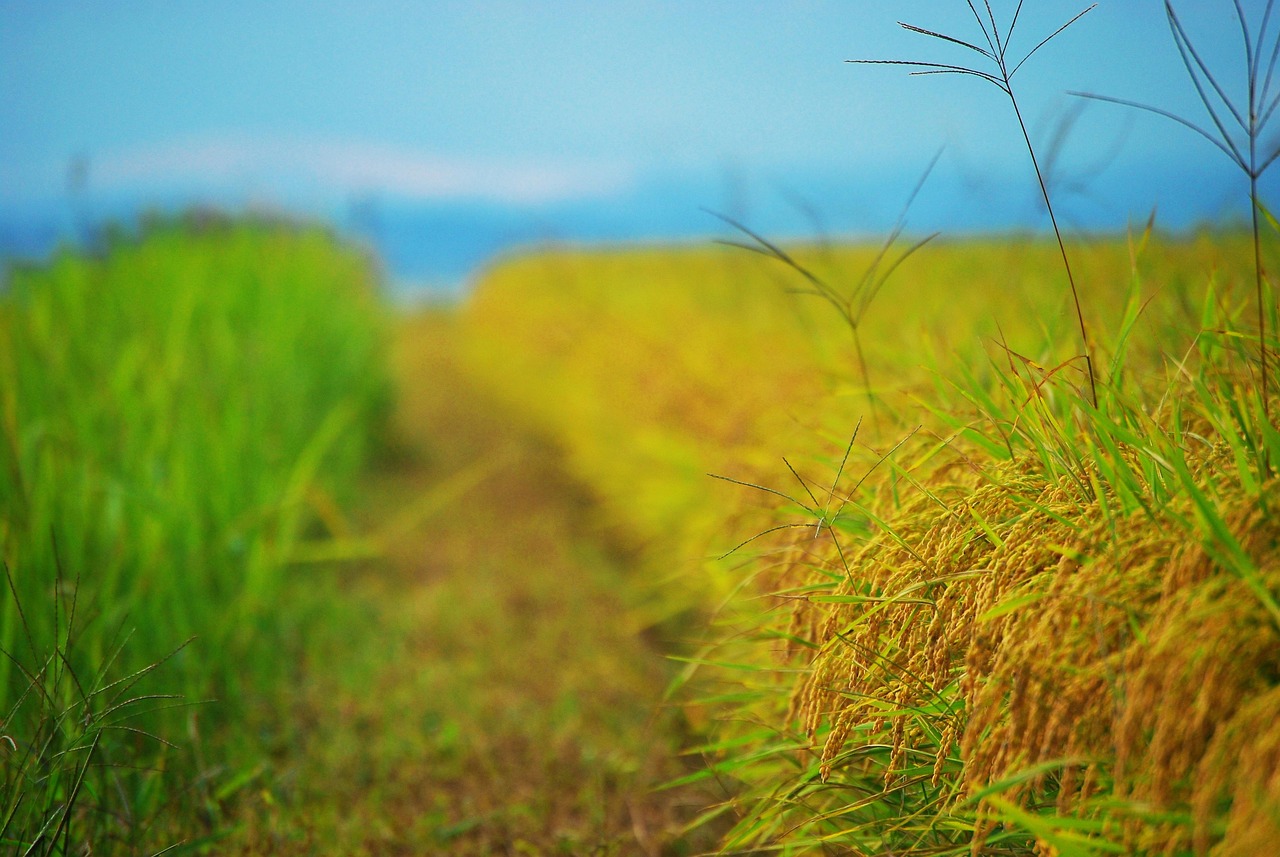
Korea best times to visit at a glance across four seasons
When clients ask about the best time to go to Korea, our luxury guide returns to the same gentle, sweet spots: spring and autumn. In practical terms, April to June and September to November deliver pleasant temperatures, clear skies, and a calmer rhythm that suits unhurried museum mornings, long lunches, and beautifully paced neighbourhood wandering. If your priority is ease—private transfers that run smoothly, outdoor dining without weather drama, and photo-ready light—these windows are among the best times to visit.
The year in South Korea is shaped by four distinct seasons, each with its own mood and pace. Spring feels airy and fresh; the summer months can be sticky and stormy; autumn is crisp and luminous; and winters in South Korea are bright, dry, and chilly. From a premium standpoint, it’s the combination of humidity levels and rainfall that most shapes the experience—especially once Korea’s rainy season begins to influence planning your trip, depending on the weather.
Korea travel by season: the year in South Korea and the four distinct seasons
In broad strokes, spring arrives with the first signs of spring in late March to May, summer settles in from June through August, autumn runs from September through November, and winter covers December into February. Korea’s rainy season (the monsoon) typically peaks in July, bringing heavier showers and sudden changes depending on the weather. Temperatures and weather conditions also vary across cities, with coastal Busan often different from inland Seoul, and Jeju offering distinct microclimates throughout the year.
Best months and popular times to visit Korea without the rush
For a designer itinerary, the best months are often May, early June, late September, and mid-to-late October—when you can uncover local texture without feeling squeezed by peak demand. In Seoul, this might mean a slower pace in gallery districts and traditional tea houses; in Busan, a coastal dinner with a sea breeze; and in Jeju, long views and quiet roads. These can be popular months to visit and even popular times to visit, yet they’re usually calmer than the single popular time around major family holidays.
- Most balanced time to visit South Korea: April–June and September–November for comfort and ease, often the best time of year for first-time visitors.
- Most intense popular time: Lunar New Year (Korean New Year) and Chuseok, when domestic travel surges and prices rise.
- Most weather-sensitive stretch: July and August (July and August) for heat, high humidity, and rainfall variability.
A quiet note of reassurance: you don’t have to race the calendar. With expert support, you can create a calm, crafted rhythm—choosing the right neighbourhood base, timing early starts, and leaving space for the small, local moments that make Korea feel personal. If you’re planning a months-long visit, this is also the time to travel with realistic expectations and room to pivot.
Visit Seoul in spring: cherry blossom season, South Korea in March & South Korea in April
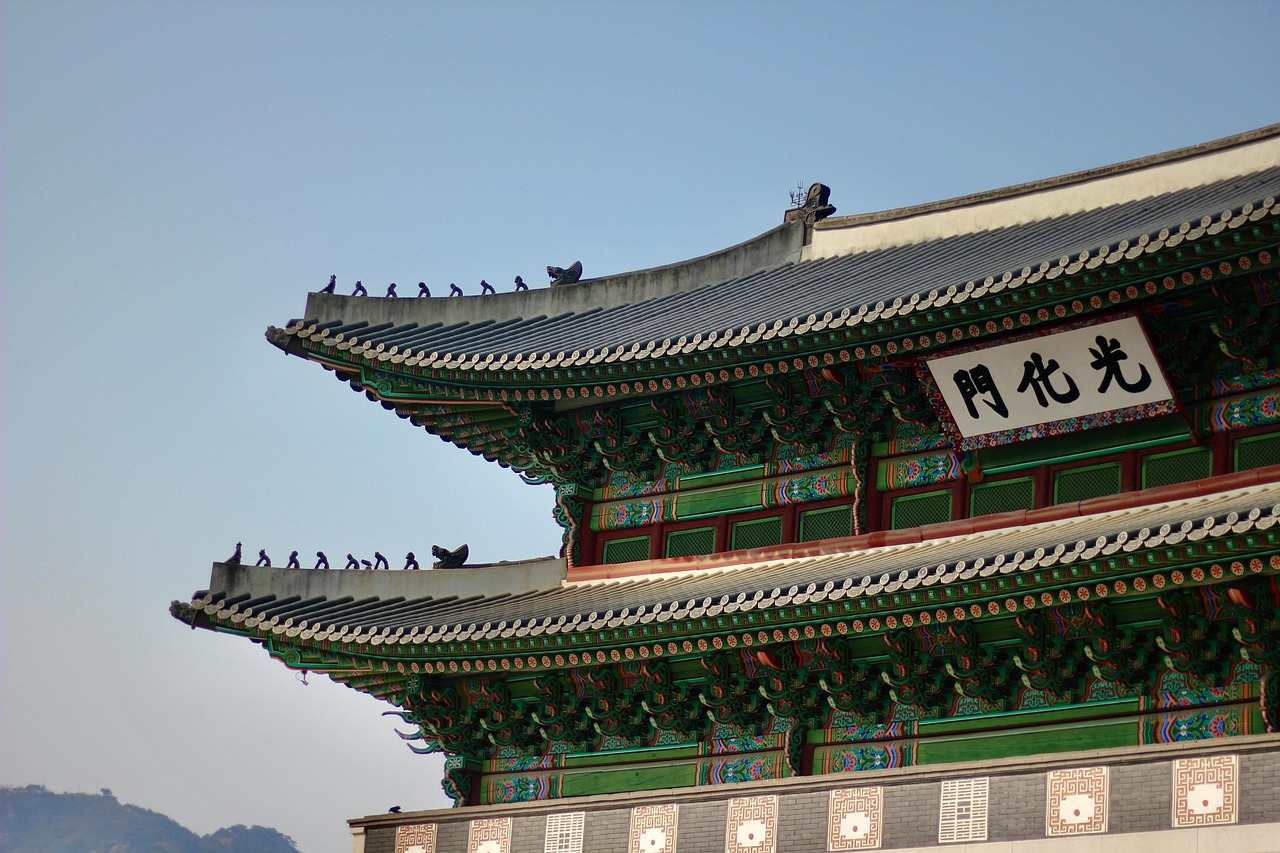
Visit Seoul in spring for cherry blossom season at Gyeongbokgung Palace
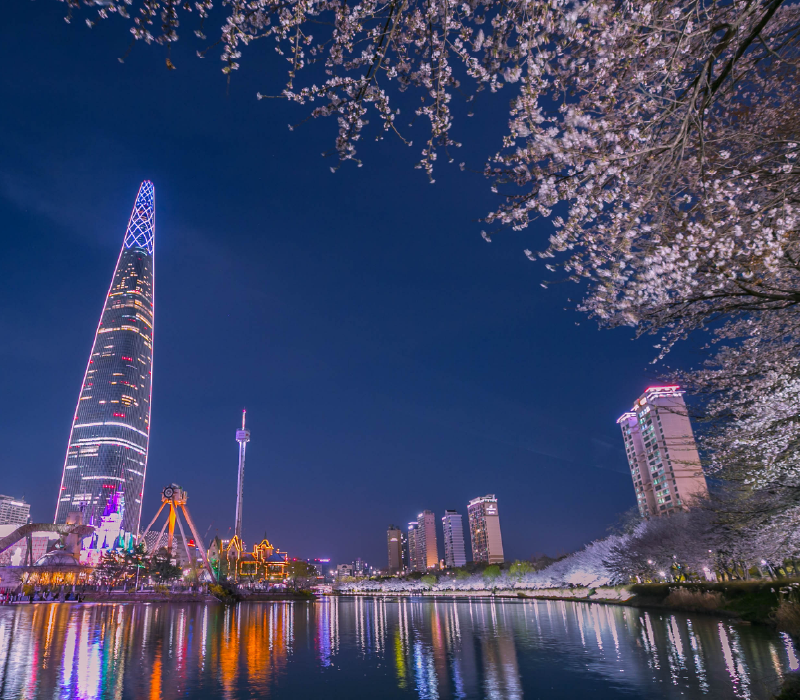
To visit Seoul in spring is to see the city soften—stone walls, palace roofs, and riverside paths brightened by petals and pale light. South Korea in March brings the arrival of spring in quieter, early gestures: magnolias, slightly warmer afternoons, and cafés opening their terrace tables to celebrate the arrival of spring. South Korea in April is when cherry blossoms bloom more reliably, turning everyday streets into a gentle celebration of Korean culture.
For many travellers, South Korea is during spring at its most photogenic and forgiving—one of the best times to feel both comfort and beauty in the same itinerary. If you prefer tranquillity over crowds, aim for the beginning of the month in early April on weekdays, or consider the end of the month for fewer cherry blossom crowds once peak weekends have passed. If you’re travelling for only part of the month, a well-timed plan helps you catch the peak without feeling rushed.
Seoul royal morning at Gyeongbokgung Palace: private guide etiquette and ease
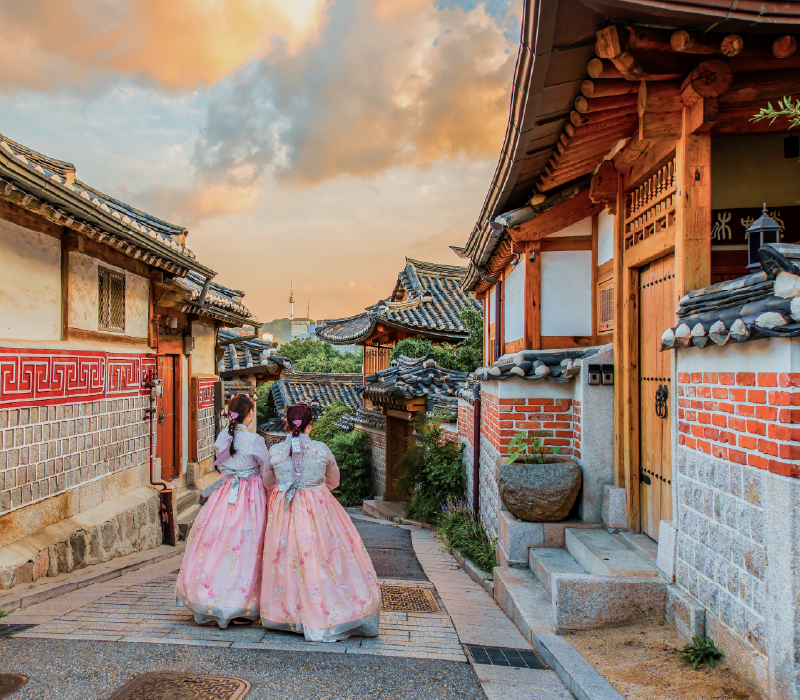
Create a royal morning at Gyeongbokgung Palace by arriving at opening time, before tour groups settle in. Tickets are straightforward on site, but a pre-arranged guide helps you move with confidence through courtyards and halls, offering insight into symbolism, royal protocol, and restoration work. Photography is welcome, but it’s worth pausing to appreciate the atmosphere: speak softly, avoid blocking pathways, and be mindful when framing portraits around ceremonial spaces.
If you’d like an added layer of cultural care, consider hiring a private guide who can interpret subtle details—such as seasonal motifs and palace alignment—while keeping your itinerary seamless. This is where luxury is felt: not in excess, but in the ease of being gently supported through a place that deserves reverence.
South Korea in April: Han River cruise when cherry blossoms bloom
One luxury traveller shared a moment that still feels like a scene from a film: a late-afternoon Han River cruise in April, timed so the light turned golden as petals drifted across the water. With a small, curated guest list and attentive, gentle service, the city skyline felt distant and quiet. They described it as serene beauty with a sense of exclusivity—space to breathe, to notice, and time to enjoy Seoul at its most graceful.
For spring day-trips, Gyeongju is a beautiful counterpoint to Seoul’s energy. A guided visit to a UNESCO World Heritage site there brings Korea’s ancient capital to life through tomb parks, temples, and museum collections that highlight a deeply South Korean story. Back in Seoul, keep one afternoon for curated neighbourhood strolls—bookshop stops, local cafés, and small galleries—when clear skies arrive, and the city feels newly washed.
Autumn in Korea: September to November, South Korea in October, lanterns & Jeju Island
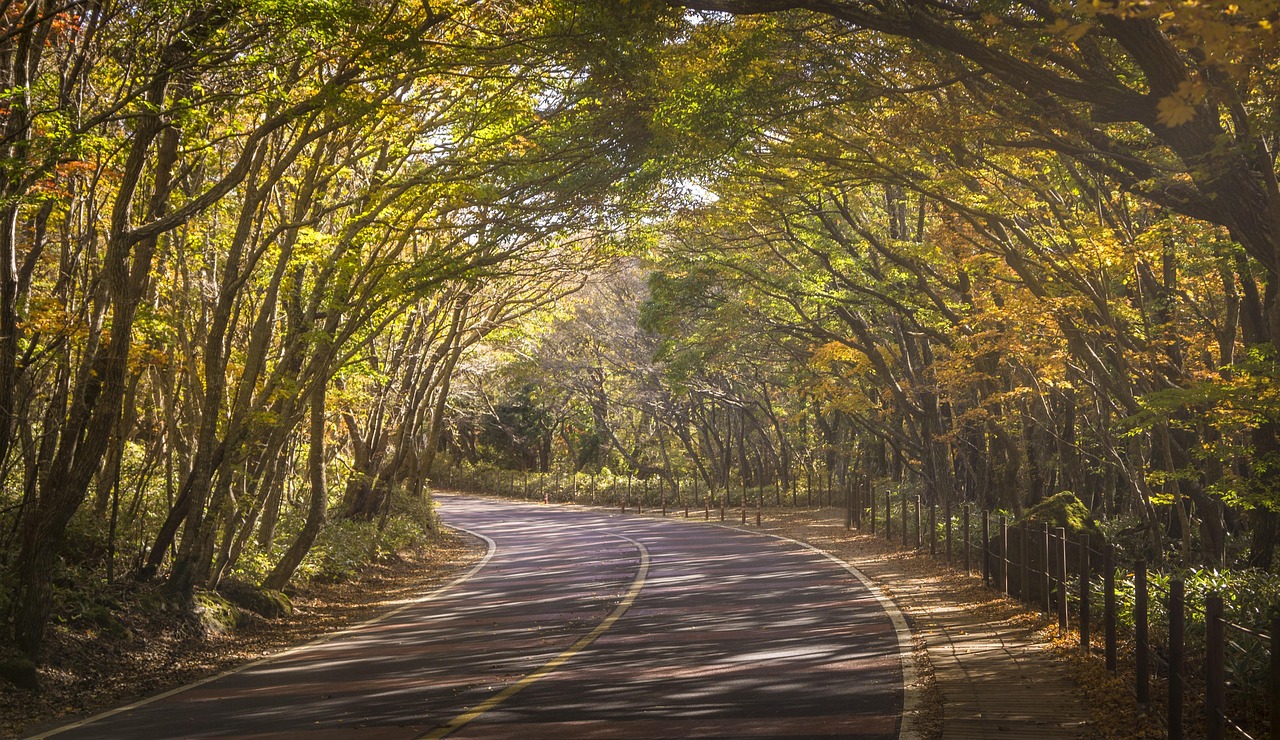
Autumn in Korea September to November lanterns and Jeju in rich seasonal colour
For many high-end travellers, autumn is considered the best time to slow down and savour Korea—especially from September to November. The air turns crisp, low rainfall becomes more common, and the light has a flattering clarity that elevates everything from palace stonework to mountain ridges. In October, South Korea is particularly renowned for autumn foliage, with colour-drenched avenues and forested slopes that invite long walks and lingering pauses.
If spring feels like a celebration, autumn feels like refinement. It’s an excellent time for outdoor activities without the summer’s heat, and for exploring South Korea’s national parks in comfort—Seoraksan and Naejangsan are favourites for leaf colour, while city parks in Seoul offer softer, easy-access beauty. With a well-crafted plan, you can keep your days spacious and still feel you’ve uncovered something deeply local in South Korea’s landscapes.
Lantern festival in Jinju: bespoke guided insight
Jinju’s lantern festival can become a cultural centrepiece of an autumn itinerary, especially when approached with a guide who can add context and calm. High-end visitors often recall the festival’s ambience—lanterns floating and glowing, reflections moving across water, and stories embedded in each display. One couple told us how a bespoke guided tour transformed the evening: their guide explained historical meanings and regional traditions, while quietly steering them to the best vantage points without jostling.
That kind of support creates a different relationship to a festival. Instead of pushing through crowds, you can time your arrival, arrange private transport, and enjoy a more personal experience—one that feels designed for you, not merely attended to.
Seoul lantern festival at Cheonggyecheon Stream + Jeju Island calm
For a softer alternative to busier hubs, the Seoul lantern festival along Cheonggyecheon Stream offers an elegant evening stroll with artful installations and a city soundtrack that feels surprisingly gentle. It’s easy to pair with a refined dinner reservation and a short walk back to a quietly luxurious hotel, rather than a late-night scramble across town.
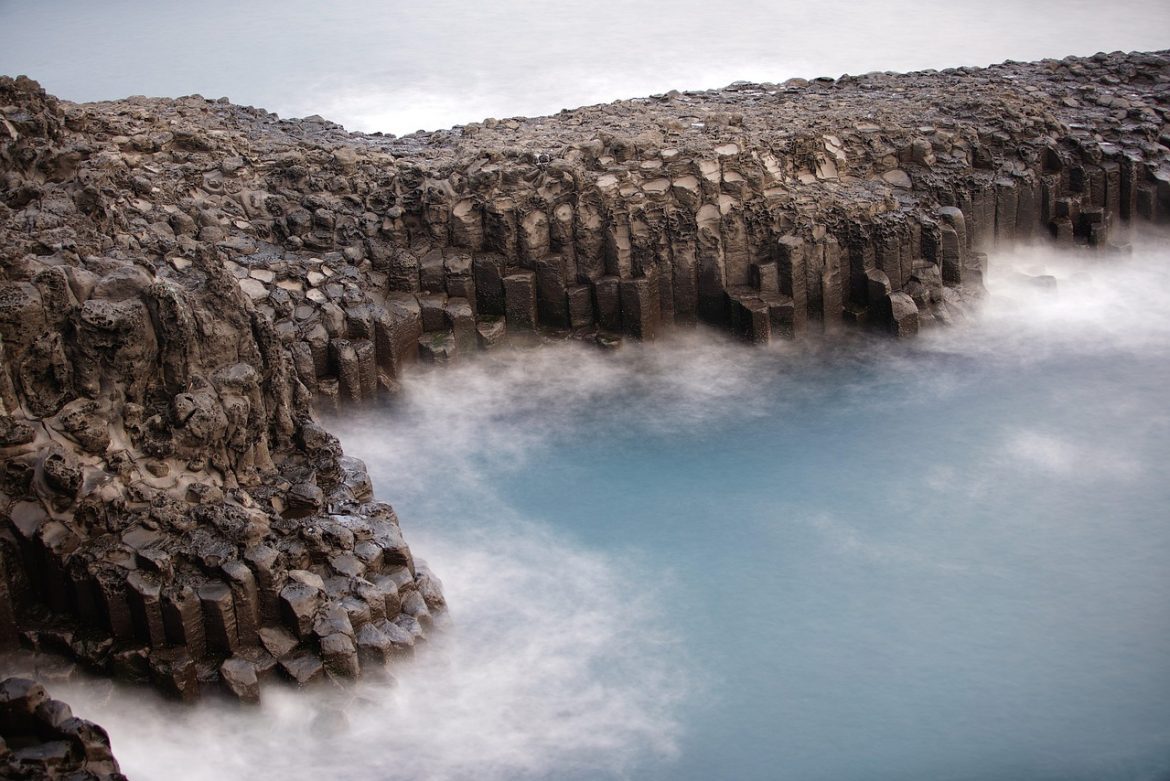
Then there is Jeju. Mild fall weather makes Jeju Island ideal for a private guided hike with personalised pacing—especially if you’d like to explore volcanic landscapes, coastal paths, and hidden viewpoints without feeling hurried. A couple reminisced about their guide’s thoughtful care: pauses for tea, routes adjusted for comfort, and time for a discreet beach moment afterwards. Jeju can feel like a deep exhale—nature, tranquillity, and crafted service in perfect balance.
- For foliage: plan a trip to South Korea in October for peak colour and clearer evenings.
- For lanterns: build in flexibility for festival nights and dinner timings.
- For Jeju: choose private touring so your pace stays calm and personal.
Outside the best times: summer in South Korea (monsoon & rainfall) and winters in South Korea (South Korea in January, ski)
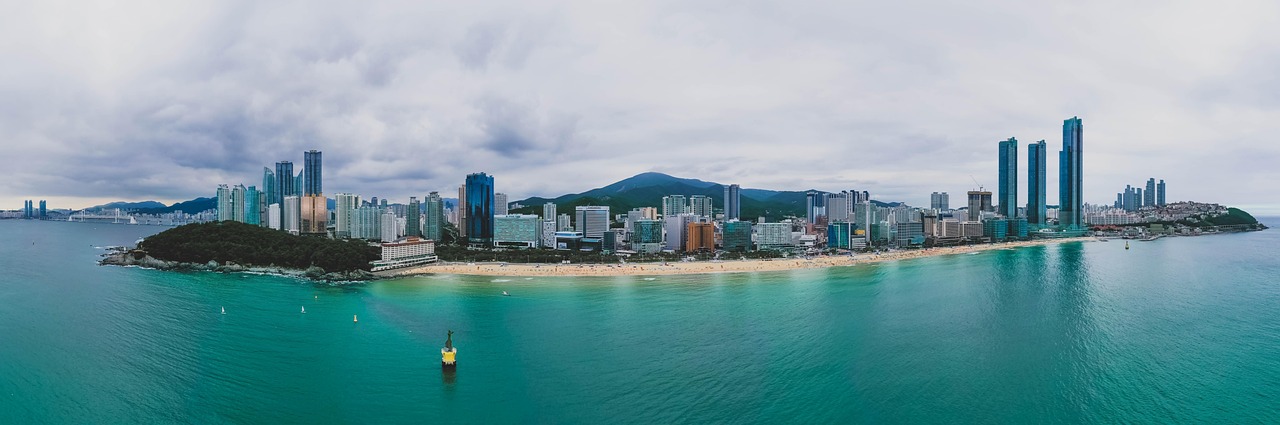
Outside the best times summer and winter in South Korea with coastal light
Even outside the best times for conversation, there are beautiful reasons to travel to Korea—provided expectations are set with care. Summer can be vibrant, but it’s also the season most shaped by humidity and sudden downpours; winter can be wonderfully crisp, yet it asks for warm layers and a different rhythm. The key is to design around conditions so the journey remains seamless, restorative, and aligned with your time of year for visiting.
Summer months: humidity, rainfall, and monsoon planning
In July and August, conditions are often hot and humid, and the monsoon can bring heavy rainfall that changes plans quickly. This is often the best option to avoid if your goal is long, outdoor touring days and effortless styling, though it can still suit travellers who prioritise indoor culture and spa time. In Seoul, summer is perfect for museums, private shopping appointments, wellness afternoons, and late-day dining when temperatures ease and evenings feel humid.
If you still travel to South Korea in midsummer, consider coastal breaks and short, flexible days. Visit Busan for breezy beach moments and exceptional seafood—especially at sunset when the air cools. A private driver and adaptable reservations help you pivot smoothly when the forecast shifts, so plans stay calm rather than compromised.
Winters in South Korea: South Korea in January, snowfall, ski and winter sports
Winters in South Korea can be bright and beautifully clear, but undeniably cold. South Korea in January is the coldest month of the year in many areas—January is the coldest month—so snowfall is possible, particularly in northern and mountainous regions. For travellers who enjoy winter scenes, it can be one of the best times to visit for fewer crowds and striking light.
A premium winter angle might include ski days and classic winter sports at mountainous resorts, followed by warm, local comfort experiences back in Seoul—tea houses, contemporary art, and hotels that feel like sanctuaries. The goal is not to fight the season, but to explore it with confidence and a little imagination.
Planning your trip to Korea: Korea travel, luxury flights, Seoul hotels & travel tips
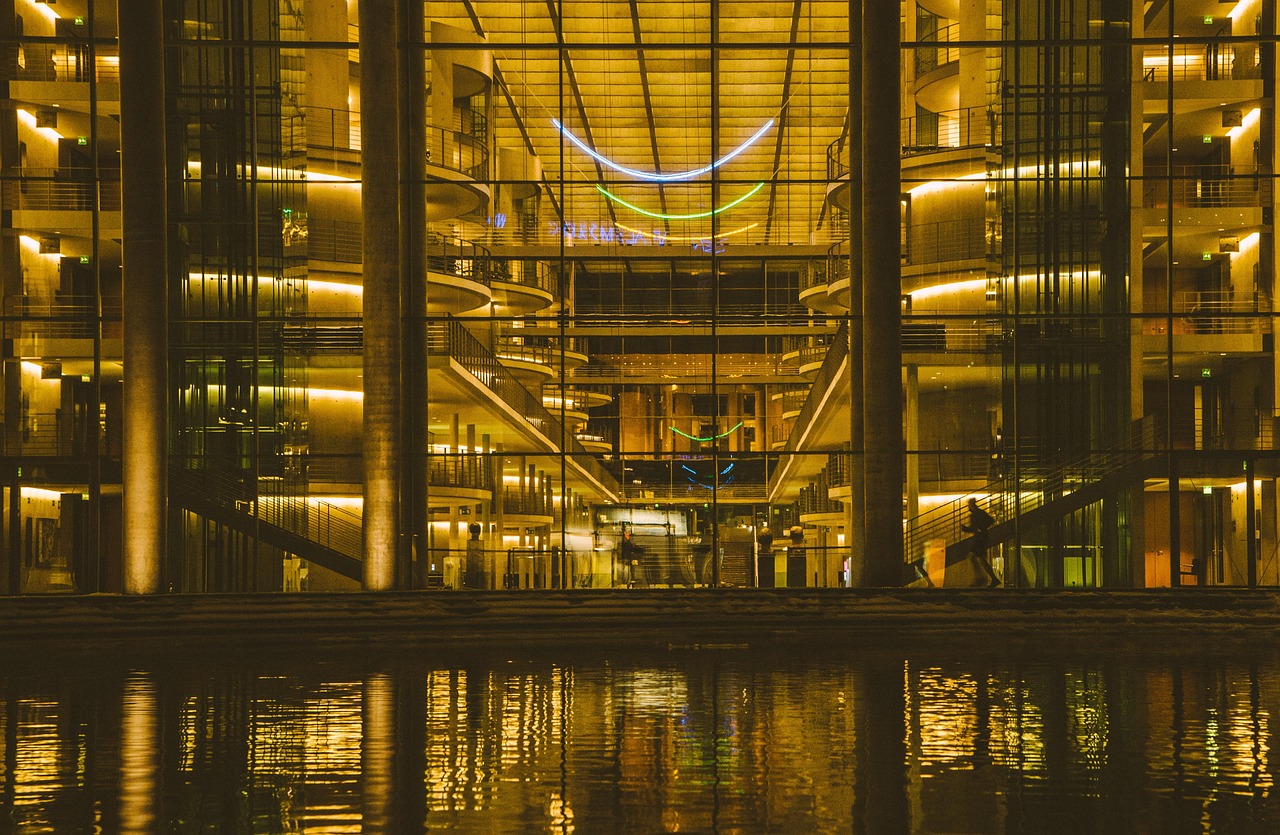
Planning your trip to Korea with premium confidence in Seoul
For high-end travellers, planning your trip is where the experience becomes truly effortless—and where the best time to visit South becomes easier to match to your style. Thoughtful flight choices, the right hotel base, and a calendar-aware itinerary make every day feel calm and intentional. Consider this your time to travel with trust—where logistics fade into the background and discovery takes the lead.
Seamless arrivals: Korean Air, Asiana and Incheon private transfers
For the smoothest start, choose premium cabins on Korean Air or Asiana Airlines on direct flights to Incheon International Airport. A lounge strategy—shower, light meal, and a calm boarding flow—helps you arrive feeling restored rather than depleted. On the ground, pre-arranged private transfers add a layer of care, especially after long-haul flights, so you move from terminal to hotel with quiet confidence.
If you’d like to browse inspiration before you lock in details, our Trip gallery can help you imagine what’s possible and create a style-led route that fits your pace.
Where to stay in Seoul: Gangnam vs Gyeongbokgung, calendar cautions
Where you stay shapes how Korea feels. In Seoul, Gangnam offers sleek luxury, excellent dining, and a polished base for appointments and contemporary culture. Staying near Gyeongbokgung Palace can be ideal for early mornings—particularly during cherry blossom season—when you want to step out before the city fully wakes. Match your hotel style to the time to visit South Korea: warmer months may call for properties with strong wellness facilities, while autumn and winter suit intimate lounges and serene design.
Calendar cautions matter for comfort and value. Lunar New Year (also called Korean New Year) and Chuseok are peak periods for domestic travel, and these periods can lead to higher prices, limited availability, and occasional closures. With an expert advisor, you can build in alternatives and adjust plans together, so changes feel supported rather than stressful.
- Local etiquette: bow when greeting and remove shoes indoors when indicated.
- Tipping: not customary, though appreciated for exceptional service in a discreet way.
- Travel tips: keep one flexible afternoon for neighbourhood discovery and weather shifts.
Ultimately, the year to visit South Korea is the one that matches your priorities—festivals or foliage, palaces or beaches, city energy or island quiet. The best times to visit are those that fit your pace, preferences, and the experience you want to curate.
F.A.Qs
Which month is best to visit Korea?
For many travellers, May and October are stand-out choices for comfort, clear skies, and scenery. May offers fresh spring warmth after March to May’s gradual build, while October brings crisp air and autumn foliage. If you’re planning around a cherry blossom trip, South Korea in April can be spectacular, but it’s also busier, so consider weekdays and early starts for a calmer, premium feel.
What is the cheapest time to visit Korea?
Prices are often lower during shoulder periods outside peak festivals and school holidays, particularly in late winter (after early January) and in parts of early summer before July and August. You can also find better value by avoiding the popular time around Lunar New Year and Chuseok, when domestic travel drives rates up, and availability tightens.
What is the 52 hour rule in Korea?
The “52 hour rule” usually refers to South Korea’s labour law limiting the working week to 52 hours (40 regular hours plus up to 12 overtime). It doesn’t directly affect tourists, but you may notice it shaping opening hours, staffing patterns, and service rhythms in some sectors. For travellers, it’s simply a reminder to book restaurants, guides, and drivers in advance.
What is typhoon season in Korea?
Typhoons most commonly affect Korea in late summer into early autumn, with the highest likelihood from August to September. Impacts vary by region, and coastal areas may experience effects first. If travelling in this period, stay flexible: choose refundable bookings where possible, keep indoor options ready, and rely on local support to adjust routes quickly and safely.
Final Thought
After South Korea, what often stays with you isn’t a checklist of landmarks, but a collection of small atmospheres: the hush of temple courtyards, the clean scent of air after rain, lantern light trembling on water. You may remember Seoul at twilight—street sounds softening as you step into a quiet lobby—and Jeju’s open horizons, where time seemed to stretch kindly. The seasons of spring and autumn can feel like two different poems, each leaving its own imprint.
There’s a particular comfort in knowing the journey was crafted with care. When timings, transfers, and reservations are held quietly in the background, you become freer to notice what’s in front of you: a thoughtful gesture from a host, the way a pathway curves, the warmth of tea in your hands. That trust enables a deeper sense of presence and a feeling of being looked after without fuss.
And perhaps that’s the real gift: Korea doesn’t simply show you beauty—it invites you to move through it more gently. Long after you’ve unpacked, you may find yourself imagining another best time of year to return, another neighbourhood to uncover, and another unhurried evening in Seoul, lit by whatever season waits for you next.