Post Contents
- Best month to visit Korea – best times to visit, time to visit South Korea & climate guide (weather, rainfall, humidity)
- Best time to visit Seoul in April – cherry blossom season, peak crowds & a cherry blossom festival plan
- Autumn leaves in Seoraksan – the best time to visit South Korea from September to November
- Festivals that shape the best times to visit South Korea – festival calendar highlights
- Luxury Seoul and beyond: shopping, stays and travel tips (Incheon, AREX, T-money, Jeju Island, Busan)
- F.A.Qs
- After South Korea: choosing the time to visit South Korea and the Seoul memories that linger
Best month to visit Korea – best times to visit, time to visit South Korea & climate guide (weather, rainfall, humidity)
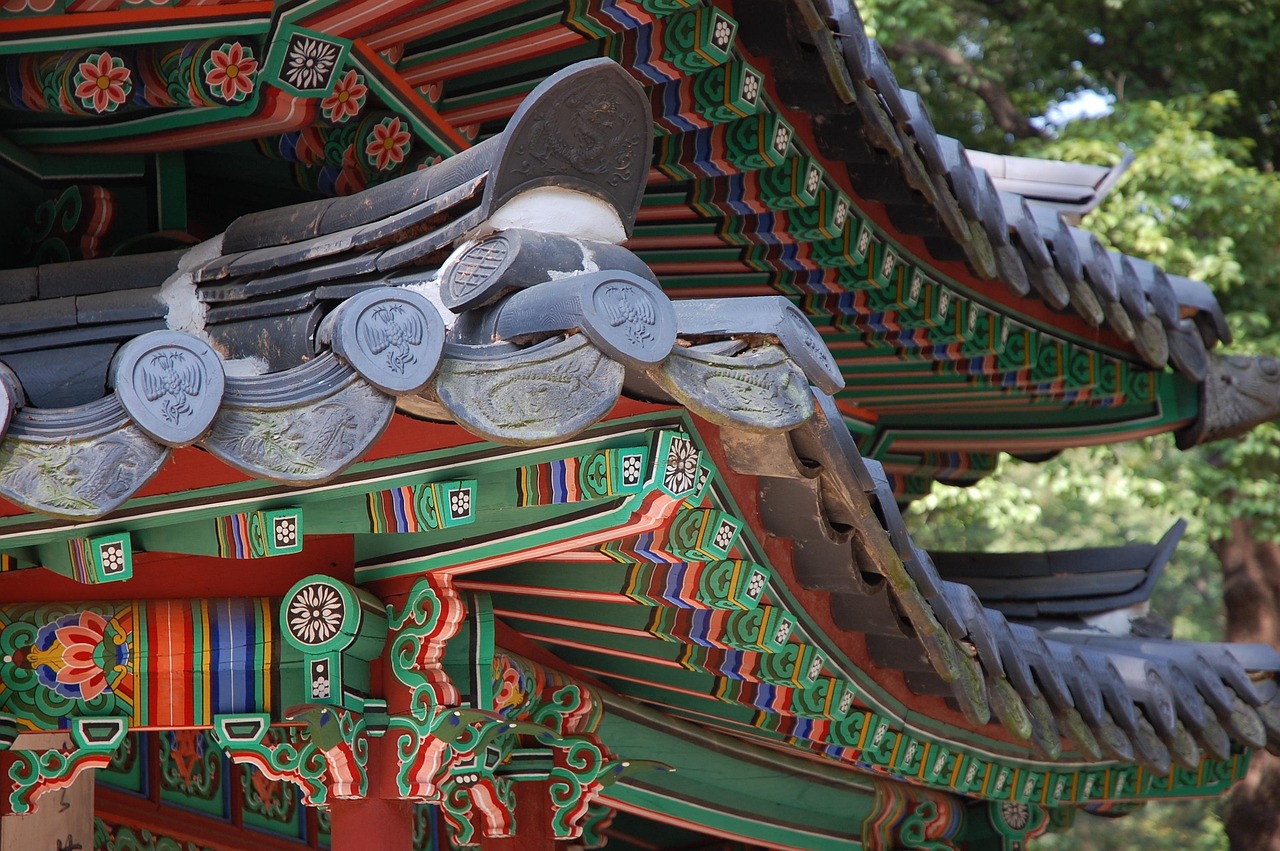
Best month to visit Korea and the best times to visit: a clear climate overview for Seoul and beyond
If you’re weighing the best month to visit Korea, begin with the essentials: South Korea by season has four distinct seasons, and those distinct seasons shape everything from what you pack to how your days feel. Use this climate guide as a practical compass for when to visit, with real-world temperatures and weather conditions, and how rainfall and humidity affect comfort for outdoor activities, museums, and late suppers in Seoul.
In simple terms, the best times usually align with the seasons of spring and autumn, when light is clear and evenings feel crisp. Summer in South Korea can be hot and humid, with high humidity and sudden showers that disrupt the day, while winters are cold and beautiful, but often better suited to indoor culture, cosy cafés, or a ski escape.
South Korea by season: what the weather feels like in Seoul, Jeju and coastal cities
Think of the year in South Korea as a guide to mood and movement as much as temperature. Spring (roughly March to May) brings the arrival of spring, longer daylight, and time for outdoor strolling—ideal for travellers who love wandering neighbourhoods in Seoul and temple courtyards without summer heat. Summer months (June to August) are energetic, but July and August often align with the monsoon, so expect higher rainfall, higher humidity, and evenings that can feel sticky and humid.
Autumn (September to November) is considered the best time for many visitors because the air turns crisp and the hillsides glow; it’s also a prime time for photography, food markets, and gentle hikes. Winter (December to February) can be chilly, with possible snowfall inland, and it’s ideal for galleries, tea houses, and winter sports; add one night near ski resorts if you want a snowy contrast to city life in Seoul.
Month-by-month snapshot: months to visit & popular months to visit at a glance
South Korea depends on your priorities and the month of the year you choose—treat this as a compass for times to visit, not a strict rule. South Korea in January is when January is the coldest month; sunsets arrive early, palace courtyards feel cinematic, and snowfall is possible. Around Lunar New Year, domestic travel spikes and some businesses pause, so reserve transport and dining early if you travel then.
South Korea in March is the part of the month when parks begin to soften; it’s still jacket weather, but the city feels freshly reset. South Korea in April is the headline act when cherry blossoms bloom, and the half of the month you arrive can change what you see—so keep plans flexible and ask your hotel to monitor forecasts. In July, Korea is typically characterised by the monsoon season, which can bring sudden downpours and high humidity. October in South Korea is a gift for walkers: clear skies, comfortable days, and the beginning of deeper autumn leaves.
Designer Journeys take: for most people, the best times to visit are spring or autumn—April to June and September to November—while it’s best to avoid the wettest stretch of South Korea’s monsoon season and the harshest cold, depending on the weather. If you want a simple month to visit South Korea with a strong chance of pleasant days, May and October are reliable, solid month choices.
- Good month choices for balance: late April, May, September, and October—often the best times for city breaks and day trips.
- Weather watch-outs: July and August for monsoon and humidity; mid-winter for sharper night temperatures.
- Peak energy: blossom weeks and major festival weekends can be the busiest periods, so book early.
High-end planning note: when it’s a popular time, Korea’s weekends can fill quickly—especially with domestic travel. The most seamless approach is to build in flexibility: secure hotel reservations early, plan one “floating” day, and use a private guide who can reroute your day depending on the forecast.
For a quick orientation on best times: Seoul is at its easiest in spring and autumn for long neighbourhood walks; Busan shines from late spring into early autumn with a relaxed seaside pace; and Jeju often feels most restorative in shoulder seasons when light winds make scenic drives effortless. If you’re prioritising national parks, autumn is often the best time to see colour, while spring is ideal for gentle trails before summer humidity peaks.
Best time to visit Seoul in April – cherry blossom season, peak crowds & a cherry blossom festival plan
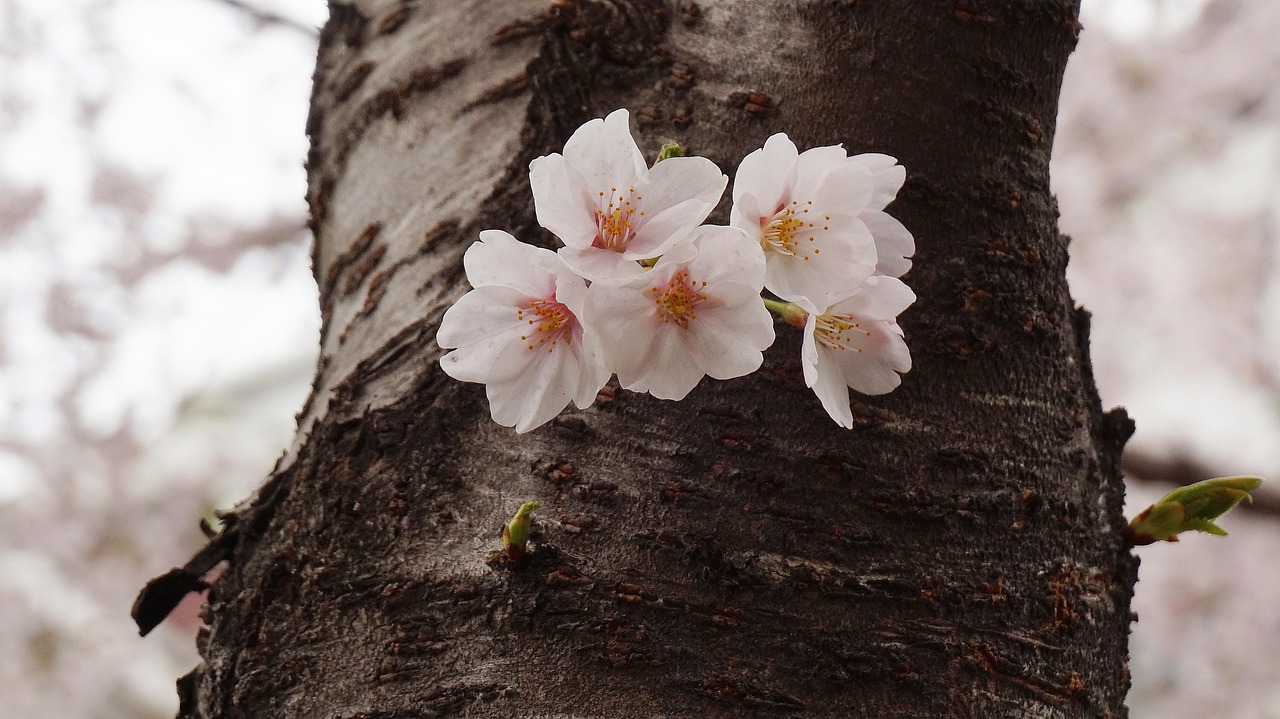
Best time to visit Seoul in April for cherry blossom season: timing, comfort, and crowd-savvy routes
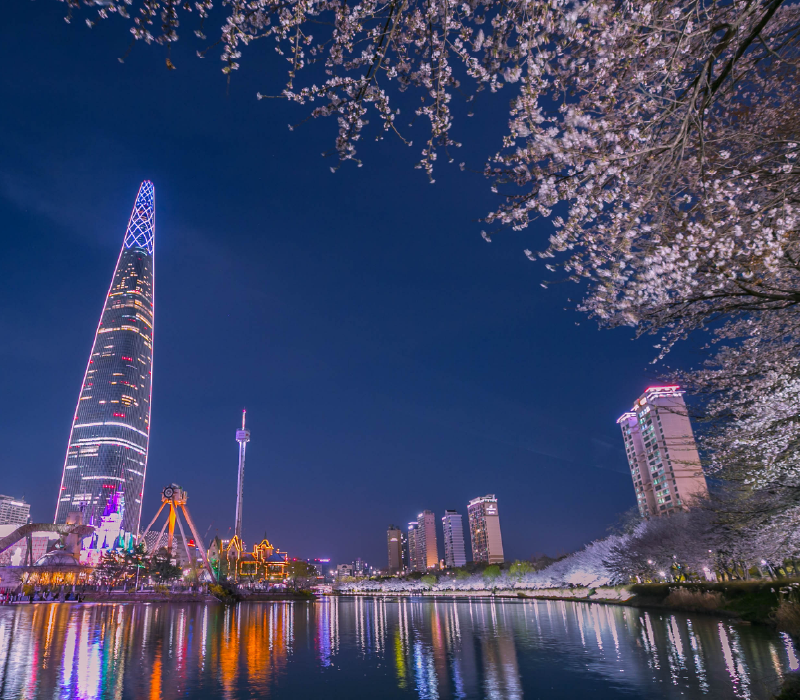
The best time to visit Seoul for soft, romantic beauty is often framed around the blossom, and for good reason: the best time to visit Seoul for cherry blossom can turn even a familiar avenue into a pale-pink dream. If you plan to visit Seoul in April, keep your schedule lightly crafted—this is when spring weekends get busy near the Han River and palace grounds.
The blossom window is short, and bloom timing can shift; the beginning of the month can feel early, while the end of the month can be too late in warmer years. This is why flexible pacing matters: your guide can steer you to quieter lanes, university campuses, or smaller parks when the headline spots are busiest.
Cherry blossom in Seoul: Yeouido Park walks, palace lanes and photo-ready viewpoints
Yeouido Park is a classic for a reason—wide paths, riverside air, and luminous canopies that soften the city’s skyline. Arrive early for the cleanest light and the calmest paths, then linger for coffee as the city gradually wakes; it’s one of the best times to enjoy spring in Seoul without feeling rushed.
To keep the day balanced, pair the blossom stroll with something quieter afterwards: Seochon lanes, a discreet gallery stop, or a slow café near a design shop. That “bloom beauty, then softer Seoul” rhythm is often the best time to enjoy the city at its most personal.
Cherry blossom festival day trips: Jinhae timing, comfort and reservations
If you want a signature cherry blossom festival experience, build in Jinhae (often visited as the Jinhae Festival) as a polished day trip—especially if you love photography and seasonal street food. The timing matters: flowers can peak in one part of the month and fade quickly, so keep one flexible day and confirm forecasts a few days ahead.
Luxury comforts in spring are straightforward but important. Dress in layers—mornings can be cool and afternoons mild—and carry a light scarf for river breezes. Seoul’s best dining rooms can book out even on weekdays during blossom weeks; reserve in advance, and let your hotel concierge manage timing so you can move through the city without friction.
Autumn leaves in Seoraksan – the best time to visit South Korea from September to November
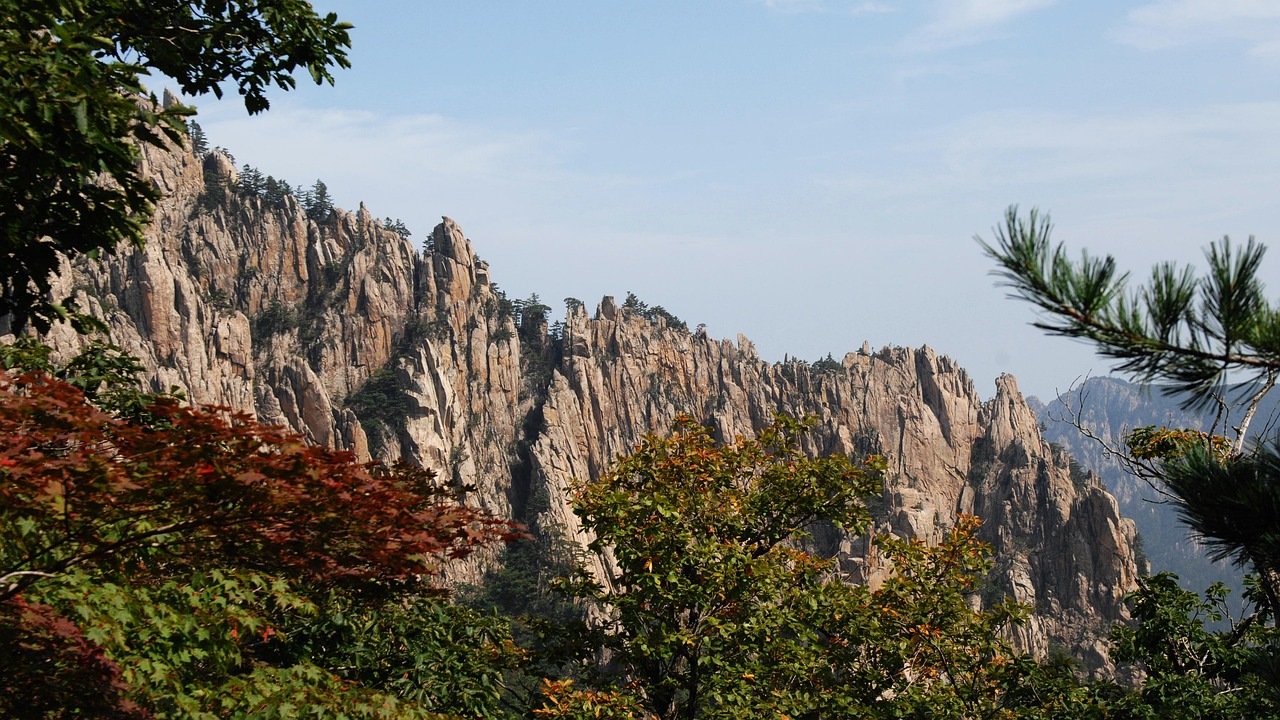
Autumn leaves in Seoraksan: September to November colour, temple calm, and curated day trips from Seoul
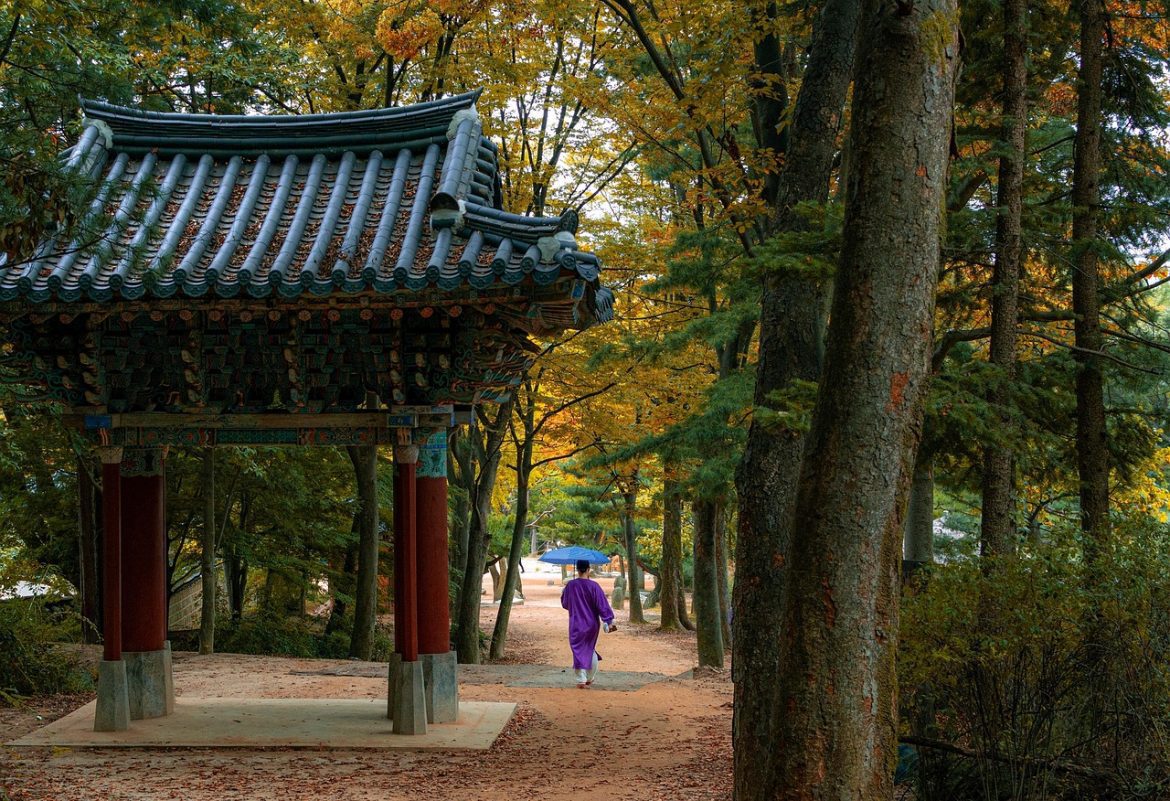
For many travellers, the best time to visit South Korea is when the mountains look hand-painted. The best time to visit South for colour is often September to November, when autumn foliage spreads across national parks and the air turns crisp enough to make every viewpoint feel newly revealed.
Two places stand out as the best places to see autumn colours: Seoraksan National Park for dramatic ridgelines and serene temples, and Nami Island for its golden paths and editorial-perfect scenery. With an early start from Seoul, you can experience the landscape at its quietest, then return to the city for a calm dinner.
Autumn leaves in Seoraksan National Park: trails, temples and a mindful pace
A traveller once described their Seoraksan hike as “a day that changed the speed of my thoughts”. They began before the crowds, stepping onto the trail as the forest shifted from shadow to copper; the ridgelines were breathtaking, but what stayed with them most were the temple visits tucked into the landscape.
That slower rhythm is the real luxury of autumn. Instead of chasing every lookout, design space for pauses—a warm drink, a small shrine, and a few minutes simply listening to the wind through the trees. When you travel to South Korea in this season, it’s easy to see why it’s a favourite for scenery and calm.
Upscale practicalities for pleasant temperatures, outdoor activities and autumn colours
On the trails, pleasant temperatures usually mean you’ll start cool and warm up quickly—so layers matter. A private transfer from Seoul is a game-changer for comfort: you can leave early, store extra clothing, and return without the stress of timetables after a long walk.
- Beat the busiest moments: arrive early, then finish with a late lunch when tour groups move on.
- Pack for comfort: a lightweight down jacket, a breathable base layer, and grippy shoes for stone steps.
- Keep it curated: choose one main trail and one temple stop for a seamless day.
Add a gentle by-the-sea layer without breaking the calm: stop in Sokcho for cafés and a market browse, then take a quiet moment by the water. It’s a soft landing back into Seoul—scenic, restorative, and unhurried.
Festivals that shape the best times to visit South Korea – festival calendar highlights
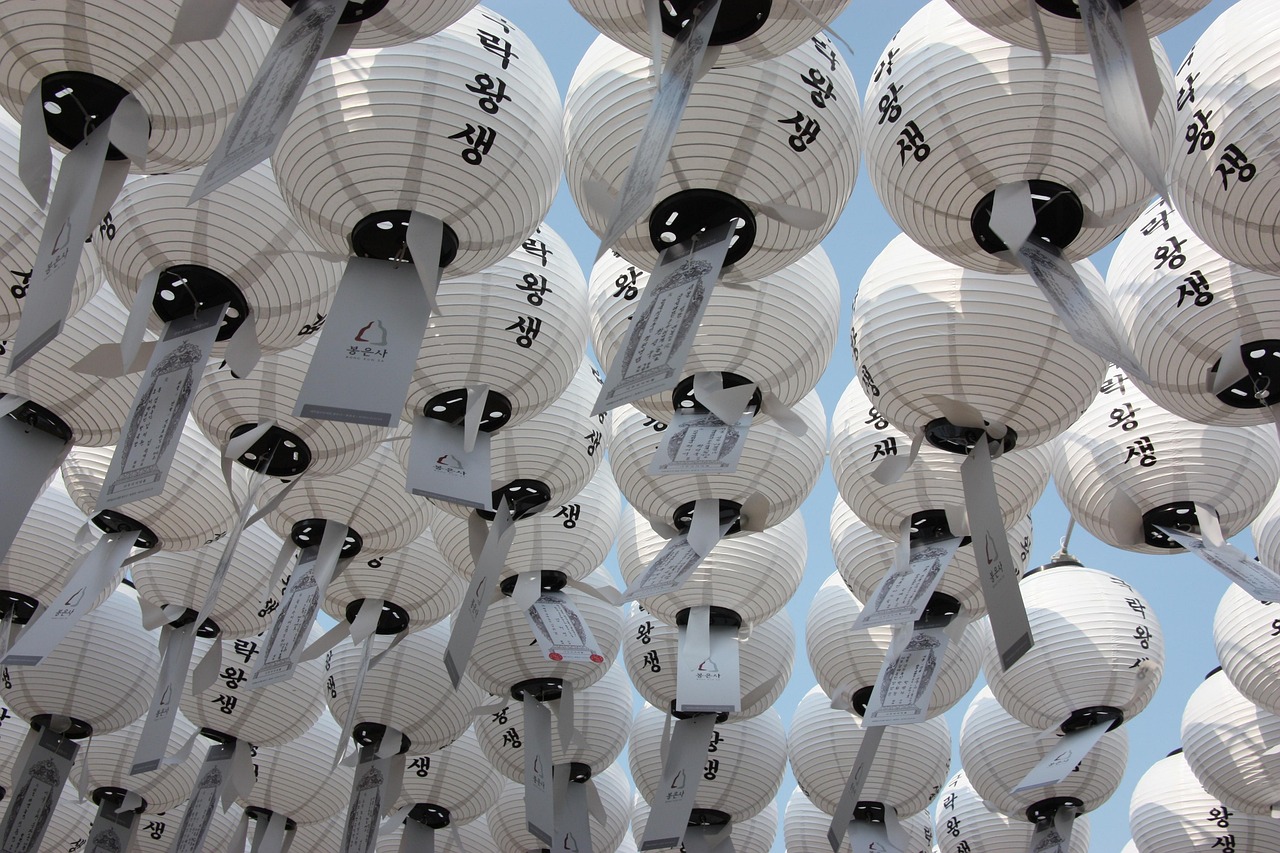
Festival calendar highlights: Seoul Lantern Festival, Andong Mask Dance Festival, and spring lantern traditions
If you prefer to choose times to visit based on atmosphere rather than weather alone, South Korea’s festival calendar is a useful guide. A thoughtfully chosen festival can be the best time to enjoy culture more deeply—without turning your journey into a checklist of “must-dos”.
For high-end travellers, the secret is curation: pick one or two festival dates that match your interests, then let the rest of the trip breathe with galleries, markets, and long dinners. This is often what turns the best times into a genuinely personal story.
Festival in Seoul: November evenings and the Seoul Lantern Festival
November suits travellers who prefer cooler evenings and luminous nights. The Seoul Lantern Festival can transform riverside walkways into a glowing art trail—part installation, part festival—and it feels most elegant when you arrive after the peak hour. Plan a refined early dinner in Seoul, then take your time along the lantern route with warm drinks in hand.
Elsewhere, the Andong Mask Dance Festival brings heritage to life through performance, craft, and an easy sense of humour. It’s vivid and welcoming, and it pairs beautifully with a slower regional itinerary that includes traditional markets and craft studios.
Lotus Lantern Festival rituals: a spring festival with a communal glow
Local guides often share stories of lantern-lighting rituals at the Lotus Lantern Festival: families writing wishes, strangers offering a hand, and streets turning into rivers of light. Travellers describe it as a moment of connection—simple, moving, and deeply memorable.
Booking guidance matters. Peak festival weekends can fill top hotels quickly, so reserve well ahead if you’re travelling for a specific date. A concierge-style plan—pre-arranged pick-ups, timed visits where possible, and built-in rest—helps you enjoy the festival while protecting your energy.
And don’t overlook taste. A festival day can be deliciously layered: street snacks to start, then an elevated tasting menu later. It’s a “lively, then calm” pacing that makes the best times feel effortless.
Luxury Seoul and beyond: shopping, stays and travel tips (Incheon, AREX, T-money, Jeju Island, Busan)
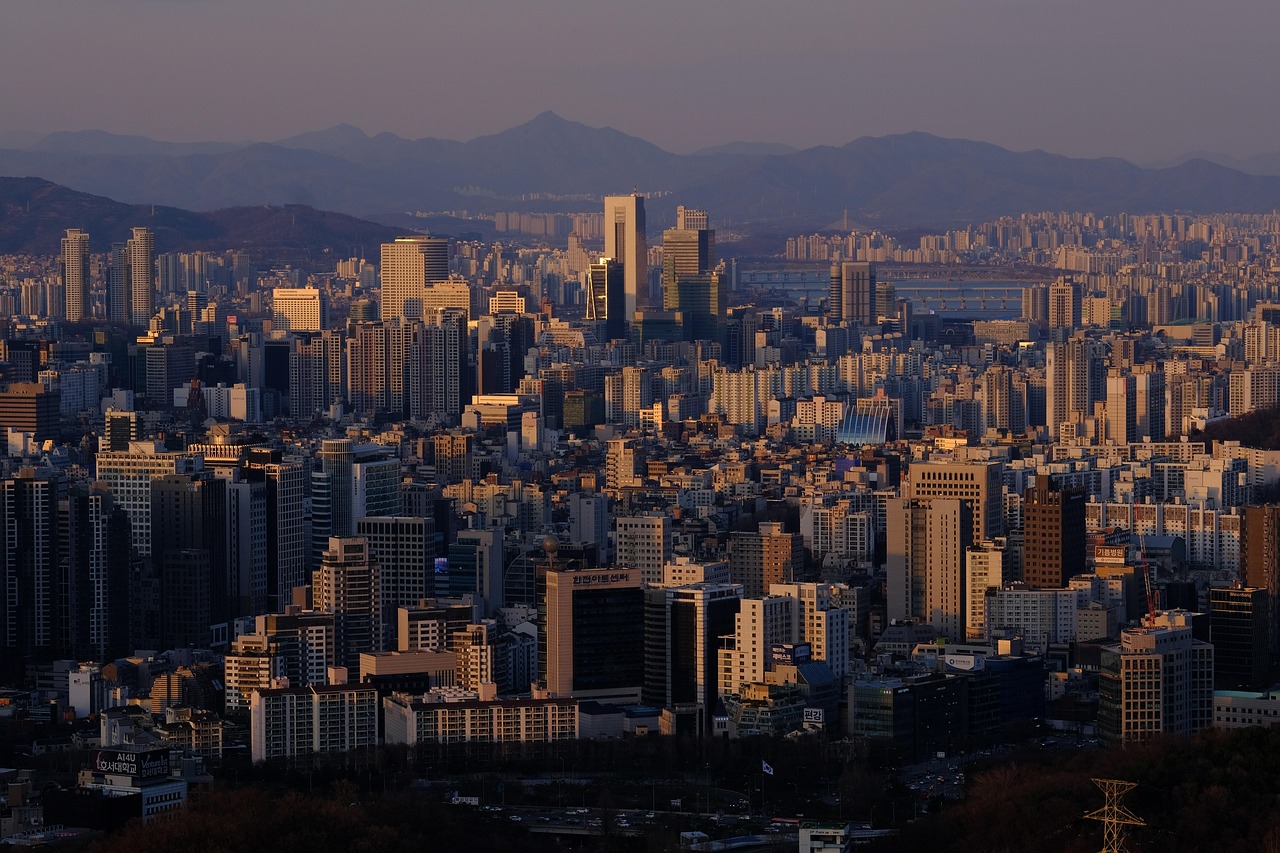
Luxury Seoul travel tips: smooth arrivals, shopping districts, and easy extensions to Busan and Jeju Island
When you’re deciding the best times to visit, it’s also worth remembering that Seoul is a world-class luxury city in every season—shopping, design, and dining are always in style. This chapter adds practical travel guides and travel tips: how to arrive smoothly via Incheon, how to shop with intention, and how to extend to Busan and Jeju for contrast.
If you want a single place to browse ideas for crafted itineraries, you can explore our Trip gallery—a helpful starting point for imagining what your South Korea travel could look like when you travel to South Korea with a slower, more curated pace.
Seoul design districts: Gangnam, Apgujeong and modern Korean style
Seoul’s status as a design capital is best experienced on foot, especially in Gangnam and Apgujeong, where flagship luxury brands sit alongside Korean designer boutiques. High-end travellers often enjoy working with local stylists—not to chase trends, but to discover ateliers and emerging labels that feel personal and well-made.
For a quieter shopping mood, go mid-morning on weekdays, then pause in a calm café before a gallery stop. This rhythm aligns with the best times of day in Seoul, especially during peak visitation, when sidewalks and department stores are livelier.
Gourmet Korea, where to stay, and easy add-ons to Busan and Jeju
Gourmet Korea is one of Seoul’s great pleasures, from Michelin-starred restaurants to refined hanjeongsik. Reservations are often required, and punctuality is part of local etiquette; a good concierge will also assist with dietary requests and seating preferences.
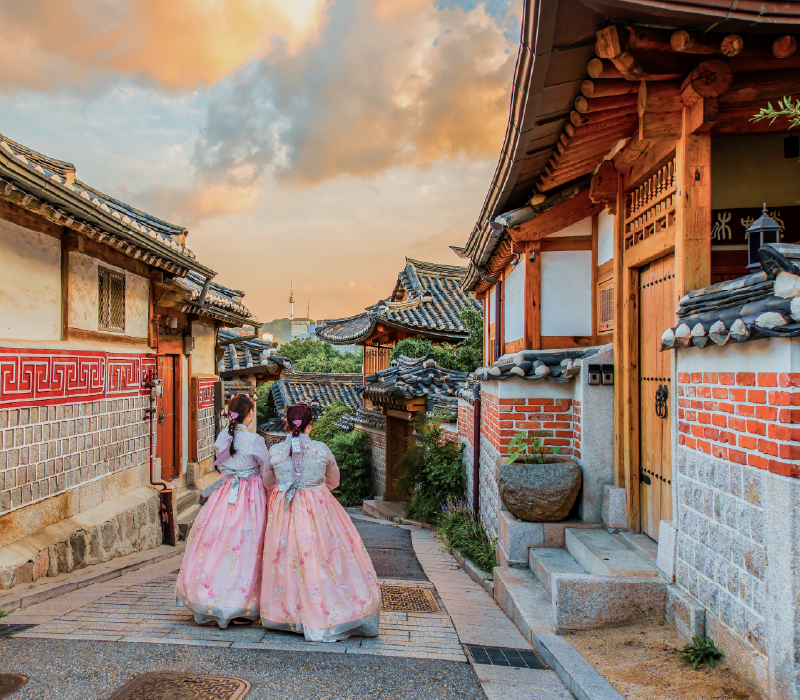
For stays, many travellers choose a refined hotel base in Seoul for seamless service, then add a night at a hanok guesthouse for traditional hospitality. If you’re craving sea air, Busan and Jeju offer two different kinds of seaside escape: Busan is one of the coastal cities with lively markets and beaches, while Jeju Island leans into windswept drives, tea fields, and art spaces. For a cultural pause between city and shoreline, add Gyeongju for heritage sites and slow afternoons.
- Transport made easy: fly into Incheon International Airport, then take the AREX for speed or a private limousine for door-to-door calm.
- City movement: use a T-money card for subways and buses; it keeps daily friction to a minimum.
- First-timer pointers: keep Korean addresses on your phone for easier taxi navigation.
Weather risk planning matters, too. Summer in South Korea can be humid, and South Korea’s monsoon season can interrupt beach plans in Busan and Jeju—especially in July and August—so keep museums, cafés, and spa time ready. In winter, Seoul is ideal for indoor culture, and a short ski add-on is easy to arrange; if you like winter sports, choose a well-located base near the ski resorts and plan a simple overnight.
Practical cultural polish goes a long way. South Korean etiquette emphasises respect and calm: remove shoes before entering homes, speak softly on public transport, and allow queues to flow. Tipping is not customary, but exceptional service can be thanked discreetly. For travel US readers, arriving in the evening can make jet lag easier, so your first morning in Seoul begins slowly and comfortably.
F.A.Qs
Which month is best to visit South Korea for the weather and festivals?
For many travellers, a good month is October for clear skies, comfortable temperatures and autumn leaves, while April is ideal for cherry blossom and city walks. For a simple time to visit South Korea that balances sightseeing and seasonal atmosphere, aim for spring or autumn—often the best times for walking, day trips and dining.
What is the cheapest season to go to Korea?
Late winter (often South Korea in January to February, outside the Lunar New Year) can be cheaper for flights and hotels, and you may find better-value luxury upgrades. It’s colder, so focus on indoor culture in Seoul—museums, shopping and Michelin-starred dining—rather than long days outdoors.
What month is the rainy season in Korea?
The rainiest period is typically summer, with Korea in July often marking the start of the monsoon season, which continues into August. Expect higher rainfall and humidity, and this’s the period we’re most likely to flag as avoidable if you want a beach-heavy itinerary; if you do go, plan flexible indoor backups.
What is the most beautiful season in Korea?
Beauty is personal, but many consider autumn the most beautiful season thanks to vivid mountain colour in national parks like Seoraksan and photogenic city parks. Spring is equally enchanting for cherry blossom, especially in Seoul, when riverside paths and neighbourhood streets turn pastel.
After South Korea: choosing the time to visit South Korea and the Seoul memories that linger
The time to visit South Korea can be pinned to blossom or autumn, to a festival weekend or a particular month in South Korea, but what remains is usually something quieter. It’s the way old courtyards sit in the shadow of luminous towers, and how Seoul can feel both vast and oddly intimate when you find a small street of warm light and steam from late-night kitchens.
You might remember a lantern-lit riverbank where strangers stood together in shared silence, each face briefly softened by the glow. Or a cherry blossom pause where the city noise became background music, and you realised you were calmer than you’d been in months.
High-end travel is often described as “luxury”, but here it can feel like trust: the ease of a seamless transfer, the warmth of a hanok welcome, and the quiet confidence of knowing you don’t have to rush to make the journey meaningful. Those are the Seoul memories that linger—soft, human, and timeless.
And long after you’ve unpacked, you may find yourself imagining a return: not out of urgency, but curiosity—wondering what you would discover next time, if you let the country meet you at a slightly different pace.