Post Contents
- South Korea: best times to visit and a climate guide for elegant seasonal planning
- Visit Seoul in spring: cherry blossom season, light, and quiet luxury
- Autumn in South Korea: autumn leaves, autumn colours, and seasonal dining
- Summer months in South Korea: festivals, rainfall, and Jeju Island escapes
- Winter and shoulder seasons in South Korea: design, calm, and winter sports
- F.A.Qs
- Final Thought
South Korea: best times to visit and a climate guide for elegant seasonal planning
South Korea best times to visit and a climate guide for elegant seasonal planning
If you’re asking the core question—best time to travel to Korea and the best times to visit this North Asian destination—start with the year in South Korea and its distinct seasons. Broadly, spring is fresh and bright, summer is hot and humid, autumn is crisp and luminous, and winter can be sharply cold. This climate guide focuses on the temperatures and weather conditions that shape comfort, especially the summer monsoon, which can bring sudden downpours and changed plans around July and August.
For many high-end travellers, spring and autumn are considered the best times to visit the south because you can enjoy long days without intense heat or deep cold. These are also popular times to visit, so the best suites can disappear quickly—particularly during school breaks and event weeks. For smoother planning and better choice, reserve at the beginning of the month when inventory opens, rather than waiting for last-minute availability; it’s a simple way to protect your pace and your preferred hotel style.
South Korea by season snapshot: times to visit Seoul, Busan and Jeju
Think of South Korea by season as an easy framework for choosing the right mood and the right destination. Seoul feels refined in spring or autumn, with palace walks and design districts at their best; Busan leans into coastal energy, seafood, and sea breezes; and Jeju is where nature-led luxury shines—resort mornings, volcanic landscapes, and an unhurried rhythm.
Here’s a clear way to choose among the best places without overthinking it, based on your time to visit and travel style:
- Seoul for culture, shopping, architecture, and curated history—ideal if you’re travelling in the seasons of spring and autumn.
- Busan is a coastal city for a break, with beaches, markets, and a softer pace between museums and ocean views.
- Jeju and Jeju Island for resort restoration, nature drives, and a “switch-off” feeling when the mainland is busiest—an excellent second destination after Seoul.
High-end expectations for travel to South Korea: crafted planning and flexibility
Arriving well sets the tone for the entire time to visit South Korea. Incheon International Airport makes luxury arrivals easy: private transfers, airport limousine buses, and lounge-to-hotel support help you create a calm landing in Seoul. As travel guides go, our strongest advice is to design a crafted itinerary with built-in flexibility—because even during the best times, weather can surprise you, and your day should still feel intentional.
Budgeting is part of confidence, too. Many upscale travellers plan to spend around $200–$300 per day on boutique stays, fine dining, and private touring, then layer in special experiences (a guide with art-historical insight, a driver for day trips, a reserved tasting menu). If you’re comparing months to visit and deciding which month of the year suits your pace, browse our Trip gallery and picture the level of care you want across each day.
Visit Seoul in spring: cherry blossom season, light, and quiet luxury
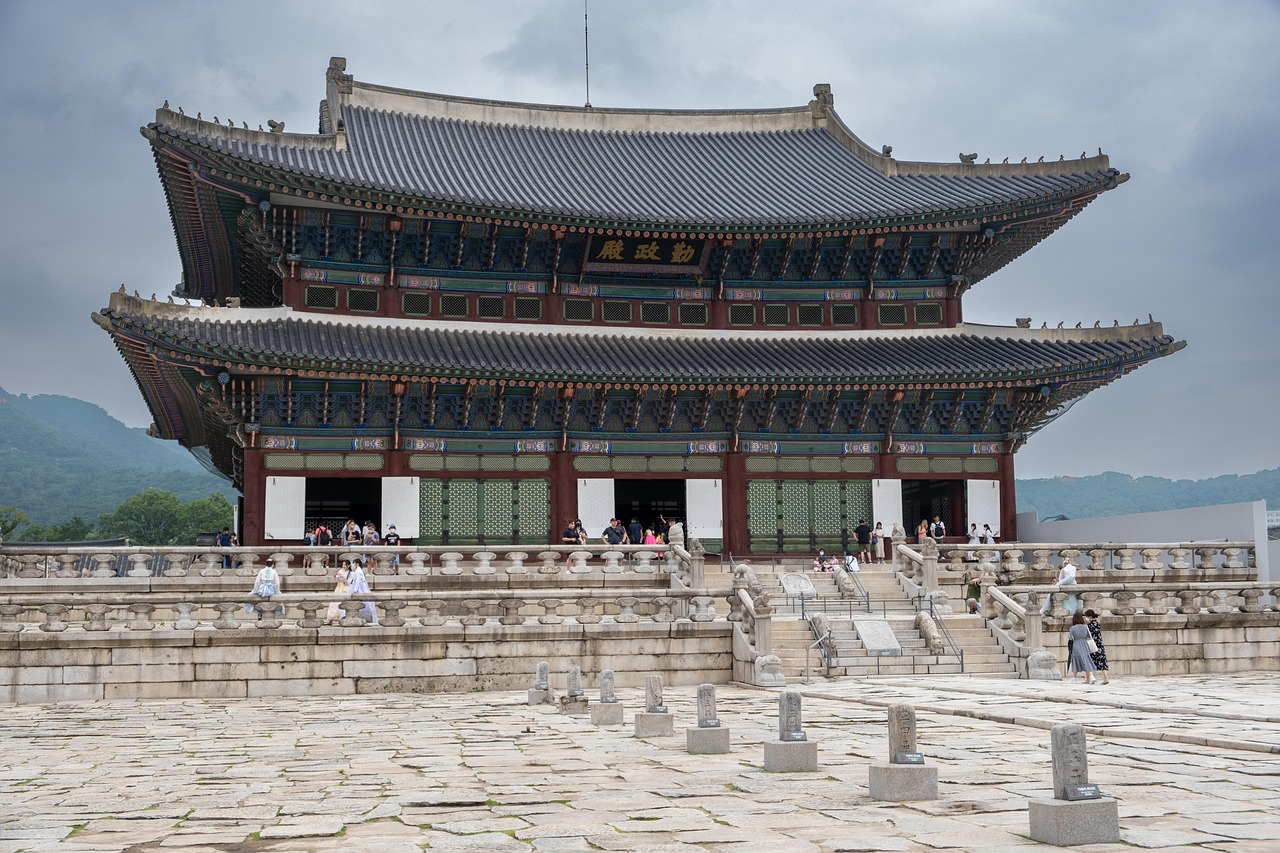
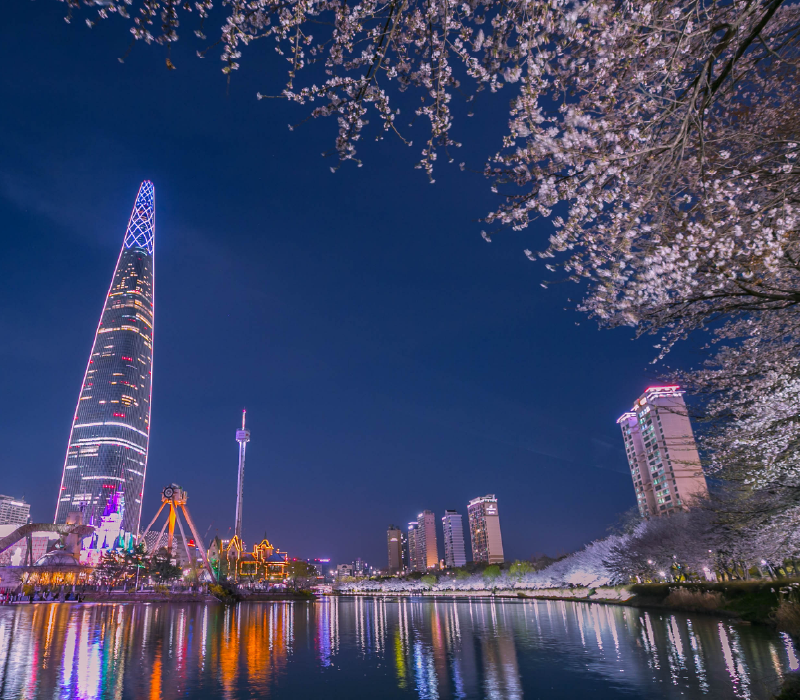
Visit Seoul in spring for the cherry blossom season at Gyeongbokgung Palace
When travellers search for the best time to visit Seoul in spring and ask how to visit Seoul for cherry blossom season, they’re usually dreaming of soft light, gentle air, and a city that feels newly polished. Spring can be one of the best times for garden walks and palace courtyards, and its arrival brings a clean clarity that makes photographs feel effortless. If your calendar allows, South Korea in March can feel quietly anticipatory, while South Korea in April often delivers the most classic blossom scenes, which many say South Korea is at its most charming during spring.
Cherry blossom timing in Seoul: Gyeongbokgung Palace routes and cherry blossom festival planning
Cherry blossom timing varies slightly by region, but in Seoul, it often peaks from late March into early April; when cherry blossoms bloom, the city seems to exhale into colour. For a cherry blossom festival atmosphere without losing your sense of calm, tour Gyeongbokgung Palace with a private guide who can shape a route through less crowded courtyards. A couple once shared how their hanbok dress-up experience here made the heritage feel more personal—walking slowly, hearing the fabric move, and seeing the palace stones differently.
For high-end travellers, the best time for photographs is early, before the bulk of day visitors arrive. Consider a simple flow: enter at opening, take portraits near the palace gates, then step into quieter lanes for detail shots—eaves, lanterns, tiled roofs—before returning to your hotel to reset. This is also the best time to visit Seoul, with fewer queues, keeping the day feeling spacious rather than rushed.
Insadong tea houses and a dawn in Bukchon: quieter Seoul beyond cherry blossom crowds
Between major sights, discover traditional Korean tea houses in Insadong—warm wooden interiors, gentle ceramics, and the kind of local insight that comes when you stop rushing. These pauses help you settle into the city and make the day feel designed rather than packed, especially if you’re travelling with family or prefer an unhurried pace.
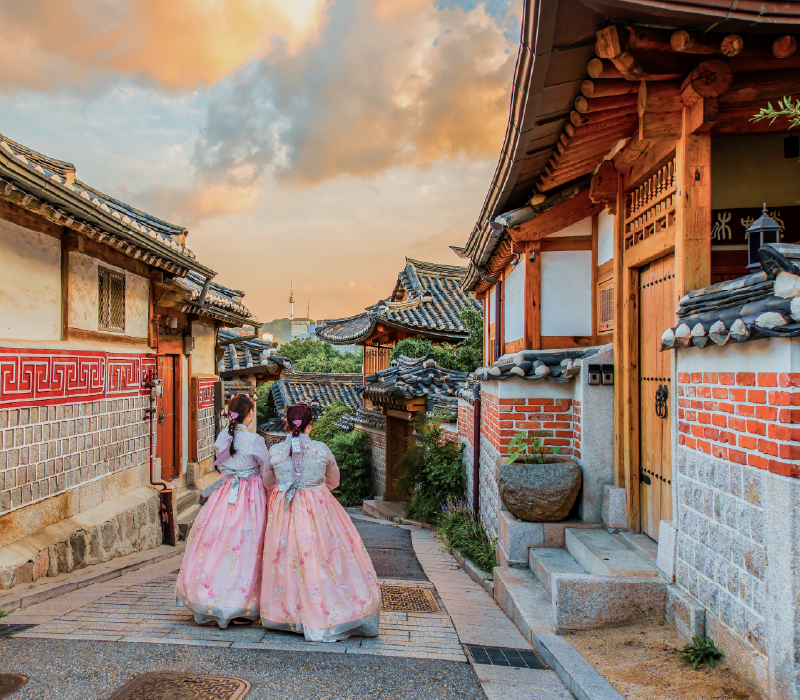
One luxury traveller told us their favourite moment wasn’t a headline sight at all: exploring Bukchon Hanok Village at dawn, when the lanes were hushed, and Seoul sounded older. It was a peaceful connection to history, away from cherry-blossom crowds, and it came with a quiet reminder of etiquette: use honorifics when addressing people and always remove shoes when entering traditional homes or temples. Those small gestures build trust, and they’re part of what makes Korea travel feel so welcoming for international guests.
Practical support matters here: reserve key entries, schedule transfers so you’re not negotiating taxis at peak times, and let a guide smooth the edges. It’s the difference between “seeing” Seoul and feeling held by it—especially in the best times to visit when demand is high.
Autumn in South Korea: autumn leaves, autumn colours, and seasonal dining
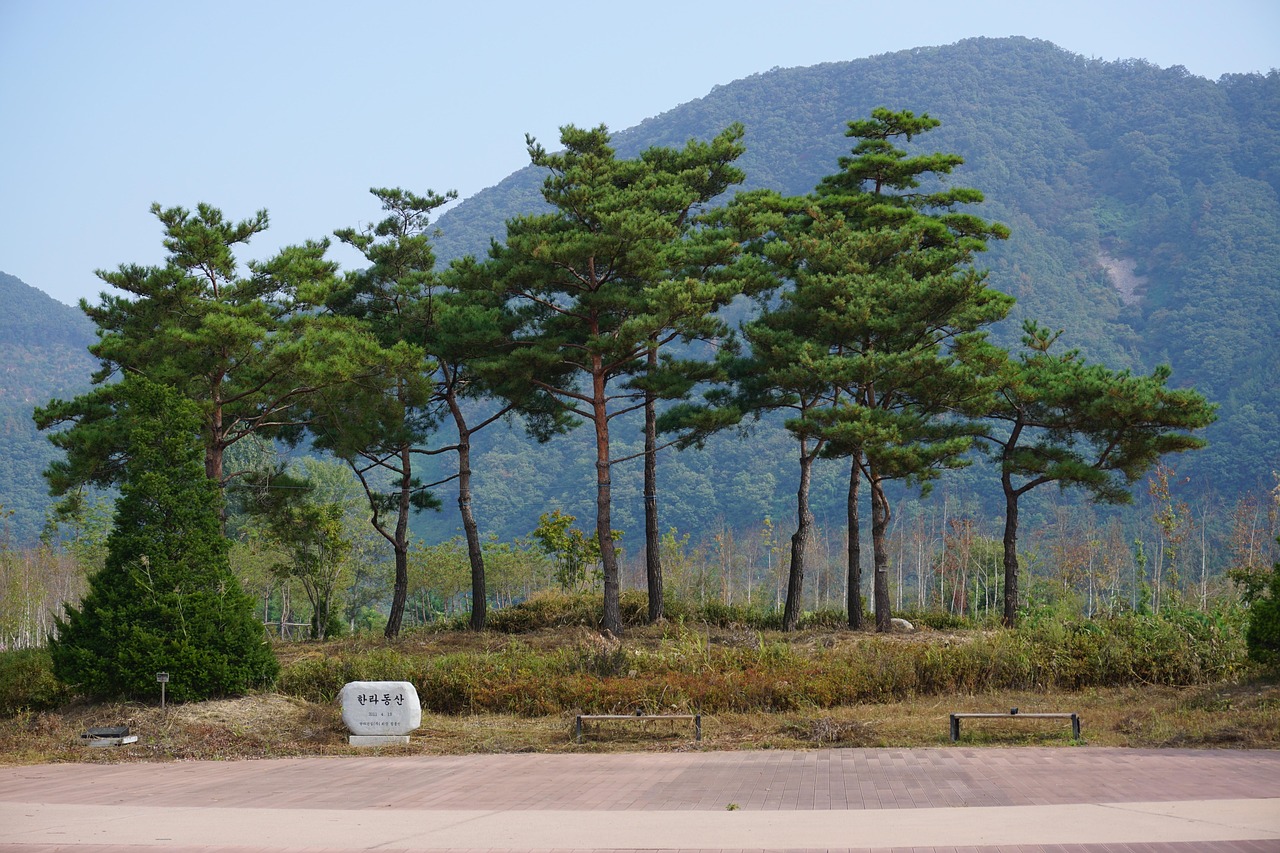
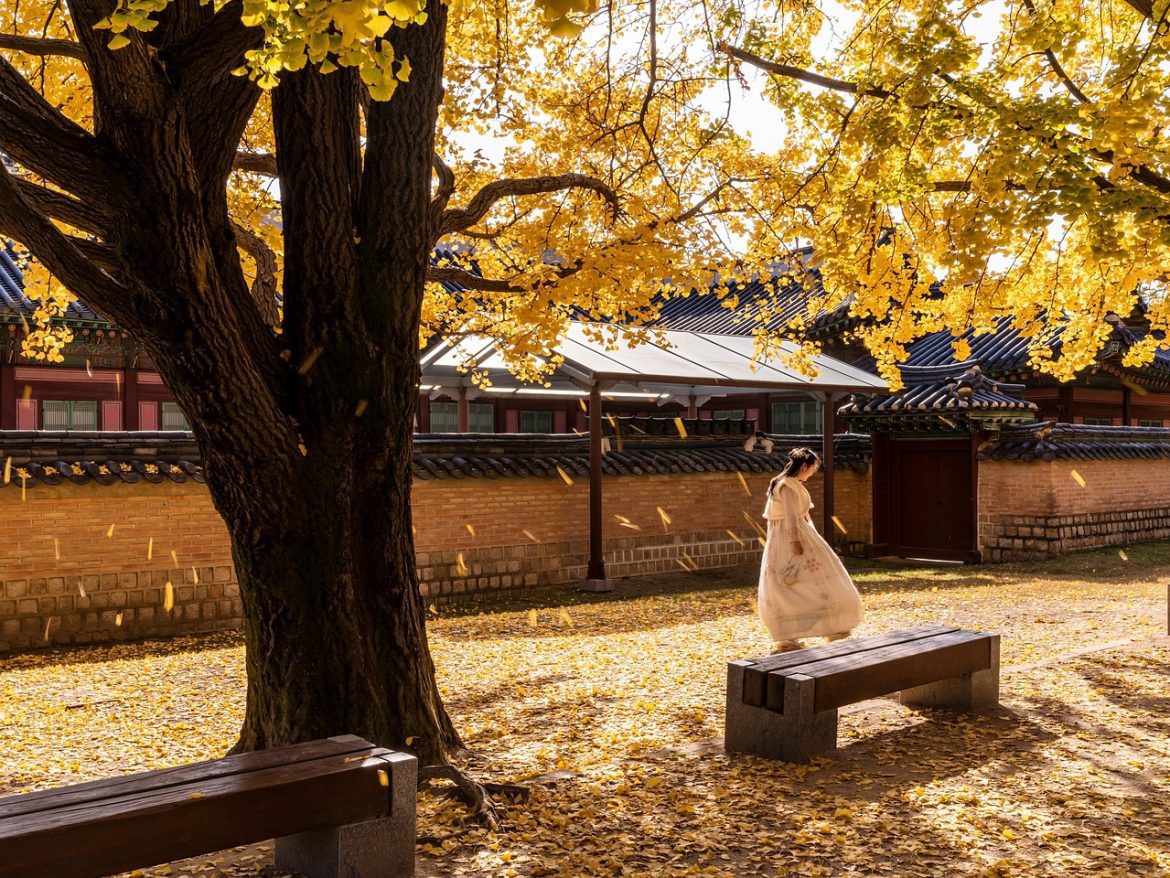
Autumn in South Korea for foliage and seasonal dining with golden park paths
If you’re weighing South Korea autumn leaves and the best times to visit—especially september to november—you’re already close to a classic answer. That window is often the most reliable for crisp days, comfortable layers, and glowing landscapes, and many travellers call it the best time to visit the south for nature with polish. Autumn arrives like a slow reveal: ginkgo gold in cities, maple reds in the hills, and clear skies that make distances feel sharp.
Nami Island, Seoraksan, and national parks: planning for peak autumn foliage
To time autumn foliage well, plan your most nature-forward days with early departures and a guide who reads the crowd as well as the weather. Nami Island can be magical when you arrive before the main wave; Seoraksan National Park is one of the national parks where the “wow” factor is immediate, but it rewards a strategic approach—private car, early start, and a short hike tailored to your comfort and footwear.
Because South Korea is characterised by microclimates, peak colour can vary by altitude and coast. Depending on the weather, part of the month may feel ahead in the mountains while half of the month still looks greener nearer the sea. A flexible schedule—one that can swap a hike for a museum day—keeps your time to explore feeling calm and controlled.
- Crowd-smart departure: Leave Seoul early, return before evening traffic, and keep dinner reservations in the city as a reward.
- Comfort detail: Pack light layers and a scarf—days are mild, but evenings can cool quickly.
- Nature with care: Choose gentle trails if you want more time to enjoy the scenery than to chase summits.
Royal cuisine in a hanok and a refined heritage pairing in Gyeongju
Autumn also feels like a season of flavour. One traveller still recounts tasting authentic Korean royal cuisine in a hanok restaurant during autumn—seasonal ingredients, carefully balanced textures, and a sense that the meal was designed as a story. It wasn’t just fine dining; it was a personal moment of connection, made richer by the season’s quiet confidence.
For a refined culture pairing when Seoul is busiest, consider a day trip to Gyeongju. The heritage sites and open spaces can feel restorative, and the pace suits travellers who prefer to uncover depth rather than chase a checklist. It’s one of the best places to see traditional beauty without feeling hurried.
Summer months in South Korea: festivals, rainfall, and Jeju Island escapes
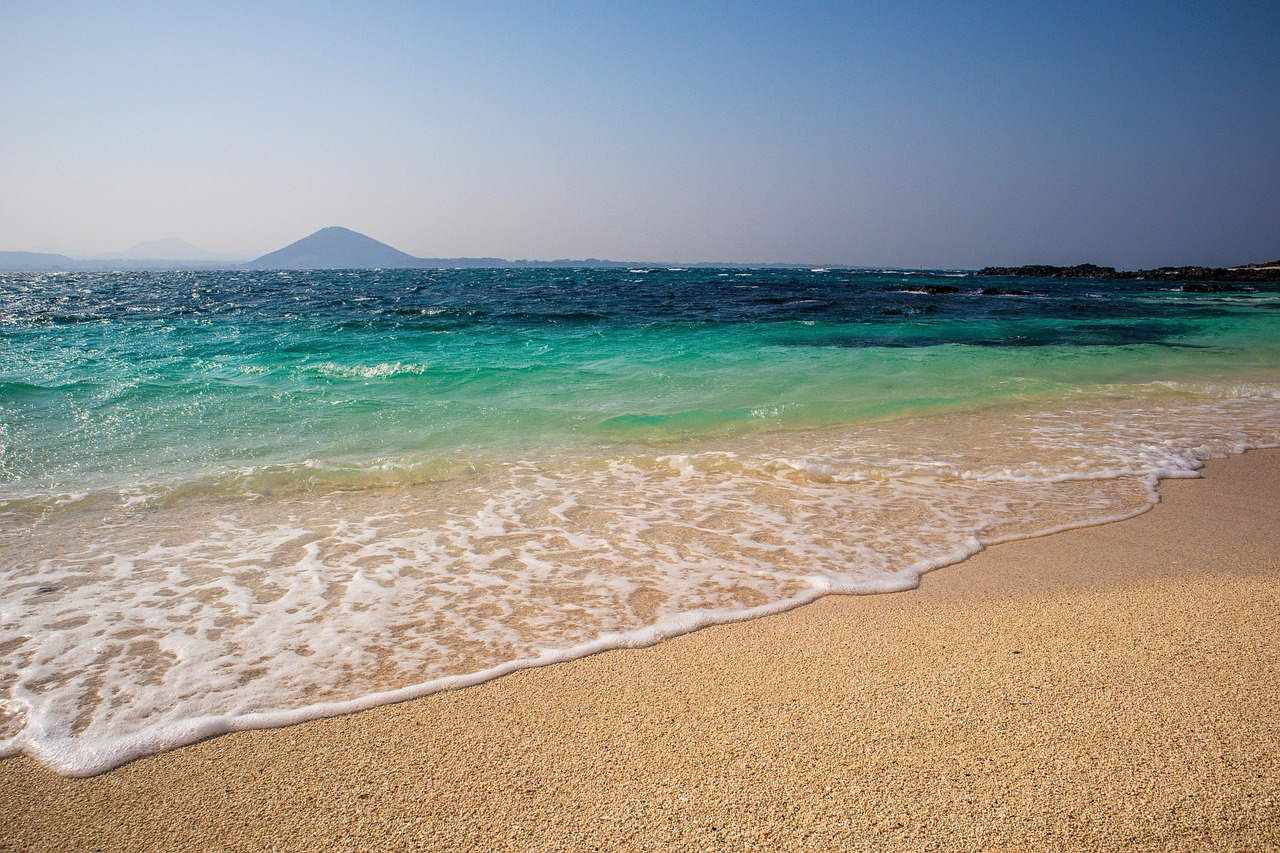
Summer months in South Korea festivals coast and Jeju Island with resort-ready views
Travellers searching for summer in South Korea, Korea in July, and Jeju Island options usually balance two truths: summer can be vibrant and generous, and it can also be challenging. The summer months are typically humid, with higher humidity that can feel heavy in the afternoons; you may notice high humidity in city streets as well as along the coast. Add South Korea’s monsoon season and seasonal rainfall, and you’ll want a plan built for comfort—especially in Korea in July and through July and August.
Monsoon comfort in Seoul: outdoor activities, indoor anchors, and time for outdoor windows
In Seoul, shift outdoor activities to mornings and evenings, and keep midday for indoor design-led stops—museums, cafés, galleries, and shopping that feels curated rather than frantic. This is where a crafted itinerary pays off: your guide can pivot quickly, and your driver can pick you up exactly when the sky changes.
A gentle rule of thumb for this season is to build each day with two “anchors”: one indoor highlight and one short outdoor window. It’s best to avoid the stickiest heat while still enjoying the city, and it preserves your time for outdoor moments without feeling like you’re battling the weather.
Boryeong Mud Festival and coastal escapes to Busan and Jeju
For a spirited local experience, the Boryeong Mud Festival is unlike anything else—playful, communal, and unexpectedly joyful. To keep it upscale, arrive with a private driver, bring a towel kit and change of clothes, and schedule post-festival spa time so your day ends in calm rather than chaos. With the right support, even the mess becomes a well-designed memory.
If you’d rather lean into sea breezes, look to coastal stays: Busan and Jeju are classic warm-season answers when you want a softer, resort-forward pace. Busan offers beaches and dining with city energy, while Jeju can be a good month choice in late summer if your priority is relaxation—think infinity pools, landscaped gardens, and slow evenings. Please note that school holidays and festival weekends are popular times for domestic travel, so book suites, flights, and private guides well in advance.
Winter and shoulder seasons in South Korea: design, calm, and winter sports
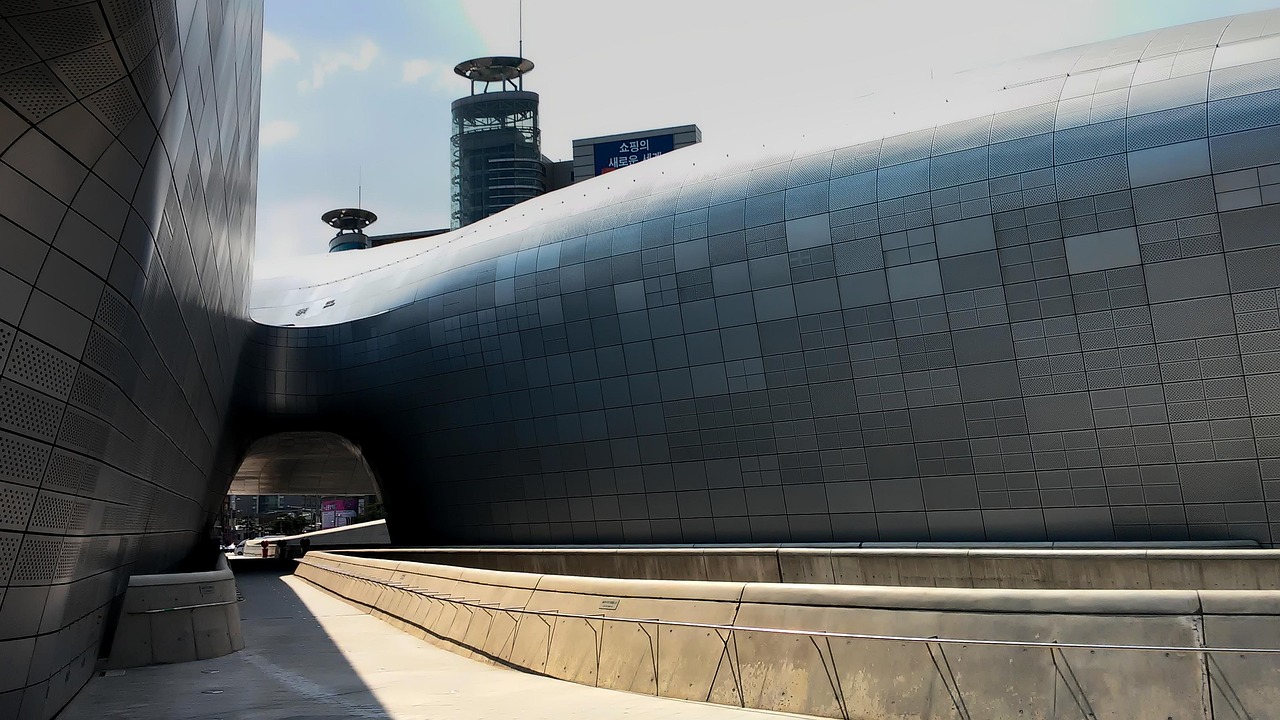
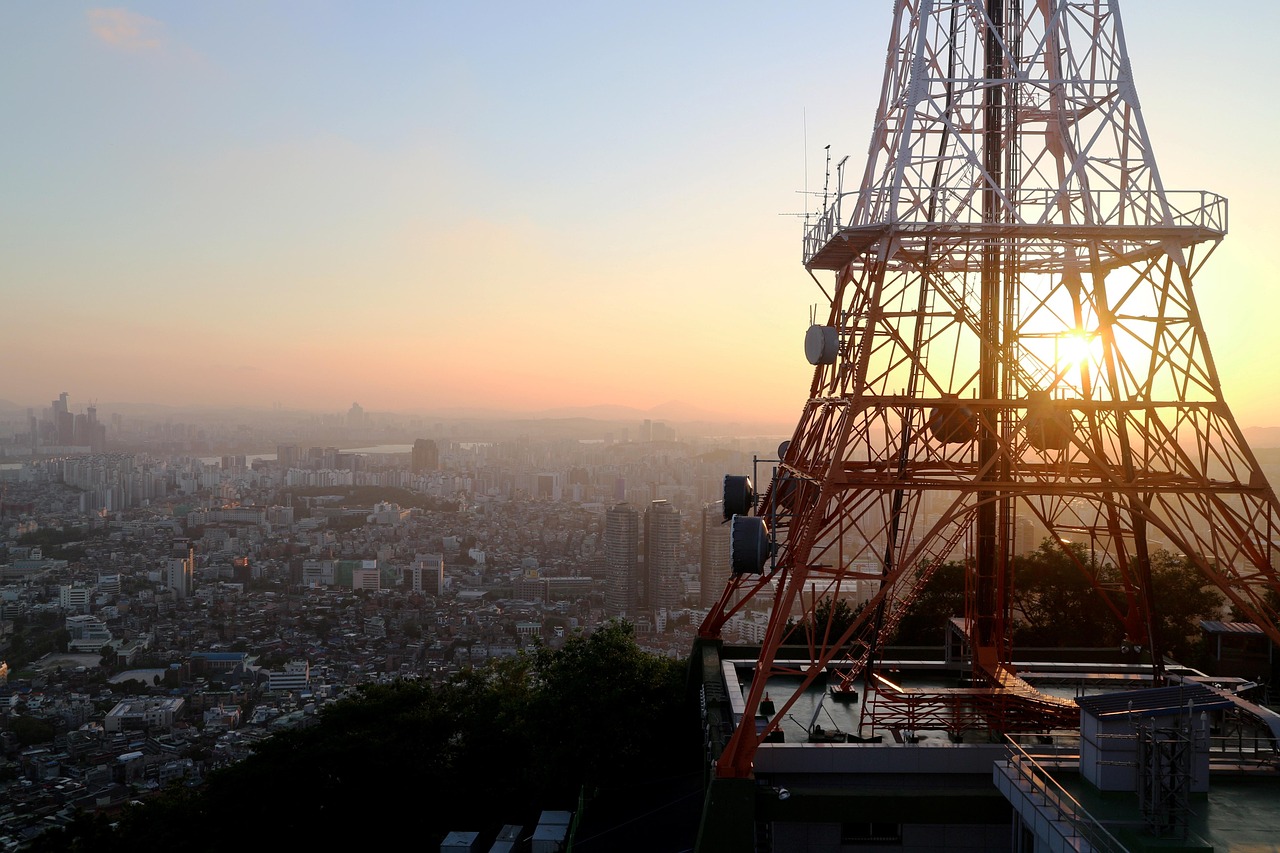
Winter and the shoulder seasons in South Korea for design and calm in Seoul at night
If you’re researching times to visit South Korea—especially south korea in january—it helps to name winter clearly. Winters in South Korea can be bracing; January is the coldest month, with chilly evenings and occasional snowfall, especially in inland and mountainous areas. With layered packing and concierge-level support—chauffeured transfers, pre-booked dining, warm hotel lobbies waiting—winter becomes less of a test and more of a mood.
Ski days, wellness recovery, and the luxury of quieter streets
For winter sports lovers, a ski escape can be a sleek add-on to your Seoul stay, with a resort atmosphere that still feels refined. Keep it simple: let your hotel arrange equipment and transport, and design the day around ease rather than endurance. Add a wellness ritual afterwards—sauna, massage, slow tea, and you’ll feel the care in the details.
Shoulder seasons can be especially elegant. In October, South Korea can still carry lingering colour, and the end of the month often brings cooler nights that suit warm interiors, long dinners, and galleries. It’s a lovely alternative if you prefer slightly fewer crowds but still want the glow of autumn.
Lunar New Year travel surges and a modern night at Dongdaemun
Timing matters around the lunar new year and the Korean new year, when domestic movement rises, and some businesses close or reduce hours. If those dates are your only option, the solution isn’t to avoid—it’s to plan with more intention: confirmed reservations, flexible touring, and a guide who can uncover what remains open and meaningful.
In Seoul, balance heritage with modern design by exploring Dongdaemun Design Plaza at night—architecture lit like sculpture, shopping that feels futuristic, and a sense of the city’s creative confidence. One traveller still remembers getting caught in unexpected metro delays, then being guided by the kindness of locals who stepped in without fuss. With a T-money card ready and KakaoMap on your phone, you can stay calm, accept the moment, and trust the city to take care of you.
- Travel tips: Pre-load a T-money card, download KakaoMap, and keep your hotel address in Korean for quick reassurance.
- Comfort cue: In winter, plan a warm café stop between outdoor sights to keep the day feeling seamless.
F.A.Qs
What is the cheapest season to go to Korea?
The cheapest season is often winter (outside holiday periods), when some flights and hotels drop in price. Late winter can feel especially good value if you avoid peak dates and choose upscale hotels offering seasonal promotions; it can be considered the best time for travellers who prioritise value over warm weather. Shoulder periods can also be attractive if you’re flexible with weekdays.
What is the 52-hour rule in Korea?
The “52-hour rule” refers to South Korea’s labour regulation that limits the standard maximum working week to 52 hours (typically 40 regular hours plus up to 12 overtime hours). For travellers, it’s not a tourism rule, but it can influence operating hours and staffing at some businesses, especially in smaller towns.
What is the coldest month in Korea?
January is the coldest month in South Korea. Expect crisp, dry air, chilly nights, and occasional snowfall, particularly inland. If you’re visiting then, plan warm layers, indoor cultural stops, and private transfers to keep the journey comfortable during your month in South Korea.
What is typhoon season in Korea?
Typhoon season generally overlaps with late summer, most often affecting Korea between July and September. Not every trip is impacted, but it can bring heavy rain, wind, and transport disruption. Build flexibility into your itinerary and keep reservations adjustable during that period—especially if those are your months to visit South Korea.
Final Thought
Long after the flight home, what remains from South Korea isn’t only the photographs—it’s the feeling of care in small interactions, and a new respect for the quiet rituals that shape daily life. There’s a gentleness in how a door is held, how a question is answered, how a table is set; it reshapes your time to travel, and reminds you that luxury is often the absence of friction. Even a simple kindness—someone helping during a confusing moment—becomes a personal compass you carry.
Seoul returns in memories as a city of contrasts you didn’t have to force: palace courtyards breathing in soft light, tea steam rising in Insadong, and design-lit streets that feel like the future, all in the same day. You may realise the best times aren’t only about weather, but about how smoothly you can move through the city—choosing quiet when you want it, and energy when you don’t.
And then there’s one intimate image that settles without effort: a dawn alley in Bukchon, the air cool and clean, rooflines stacked like quiet waves. No instruction, no urgency—just a sense that you were allowed to be there, and that the destination met you with warmth rather than performance. South Korea’s appeal is that it leaves space for curiosity, and invites you to return when the seasons shift, simply to see what changes—and what stays.