Post Contents
- Discover South Korea Tours Designed for High-End Travel and discover South Korea tour packages for a luxury vacation
- Seoul Heritage Days Palaces, Hanok Village and Private Guides for a Seoul, South Korea tour of Gyeongbokgung and Changdeokgung palace
- Seoul Nights Hanbok, Han River Cruise and Crafted Korean Cuisine for South Korea travel experiences
- DMZ with Expert Insight: A Rare Look at Korea’s Divided Story
- South Korea Trips Beyond Seoul, Busan, Gyeongju and Jeju Island
- F.A.Qs
- Final Thought
Discover South Korea Tours Designed for High-End Travel and discover South Korea tour packages for a luxury vacation
Discover South Korea Tours Designed for High-End Travel and discover South Korea tour packages for a luxury vacation
If you’re looking to discover South Korea tour packages for a luxury vacation, the “best” experience is rarely about squeezing in more sights—it’s about designing space for meaning. For high-end travellers, the best South Korea tours are defined by private guides who translate nuance (not just language), VIP access where it genuinely improves flow, thoughtful pacing, and logistics so smooth you stop thinking about them.
In South Korea, the smallest details elevate the whole journey: a palace courtyard reached before the crowds, a perfectly timed reservation, a driver who anticipates a quiet break between neighbourhoods. It’s the confidence of knowing that if plans need to flex—rain, jet lag, a new curiosity—your day can be reshaped with care.
South Korea itinerary ideas for a luxury South Korea tour
A well-balanced South Korea tour typically falls within the 7–12 day range, allowing for in-depth exploration rather than rushing. A classic framework connects places like Seoul and Busan, with an extension for nature and a reset time on Jeju Island. The point isn’t to follow a template—it’s to create an itinerary that mirrors how you like to travel: museum-and-architecture led, food-led, or calm-and-scenic.
- 7 days: Seoul with heritage and cuisine, plus a DMZ day and one gentle modern evening.
- 9–10 days: Add Busan’s sea air and a cultural stop via Gyeongju.
- 11–12 days: Finish with Jeju Island for a resort stay and personalised excursions.
For inspiration as you explore options, browse our Trip gallery and imagine how you’d like each day to feel—energising, unhurried, or quietly restorative.
Time to visit South Korea for comfort and atmosphere
When clients ask for the best time to visit the South, we often begin with the weather and end with the mood. March to May brings cherry blossoms and a buoyant sense of renewal, while September to November is crisp and luminous—ideal for long walks through palace grounds and coastal viewpoints. June to August can be humid (especially in July and August), but there are plenty of festivals, and the evenings can feel electric in Seoul. December to February is cold and clear, with a more minimal, local rhythm and fewer crowds.
Arriving is straightforward via Incheon International Airport. Private transfers are the most seamless choice for a high-end vacation, while limousine buses can be excellent if you prefer a simple, well-run shared service. Mobile connectivity is superb; many travellers rent a 5G WiFi device so maps, translations, and reservations are effortless from the first hour.
Budgeting brings calm. Many luxury South Korea vacations sit around $300–$500 per day per person for premium hotels, exclusive experiences, and refined dining—more if you add VIP access, suites, or multiple internal flights. Check visa requirements early (most visitors find it straightforward), and travel with confidence by observing local customs: a polite bow when greeting, modest dress at heritage sites, and removing shoes in traditional spaces.
Seoul Heritage Days Palaces, Hanok Village and Private Guides for a Seoul, South Korea tour of Gyeongbokgung and Changdeokgung palace
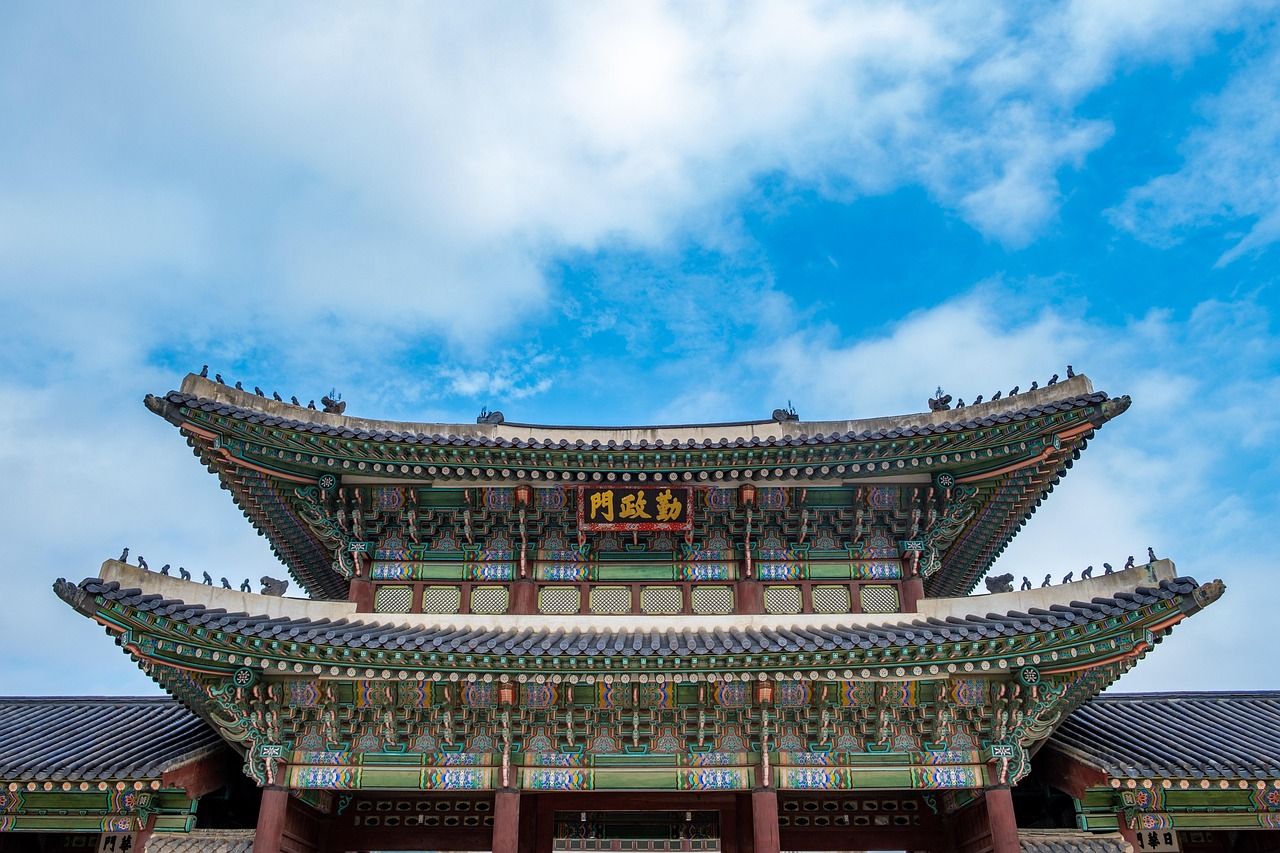
Seoul Heritage Days Palaces, Hanok Village and Private Guides for a Seoul South Korea tour of Gyeongbokgung and Changdeokgung palace
A Seoul, South Korea, tour of Gyeongbokgung and Changdeokgung palace is the most graceful way to begin understanding South Korea’s history—because it’s visible, walkable, and full of human-scale detail. With an expert guide, you’re not just seeing beautiful structures; you’re uncovering how power, philosophy, and aesthetics shaped everyday life.
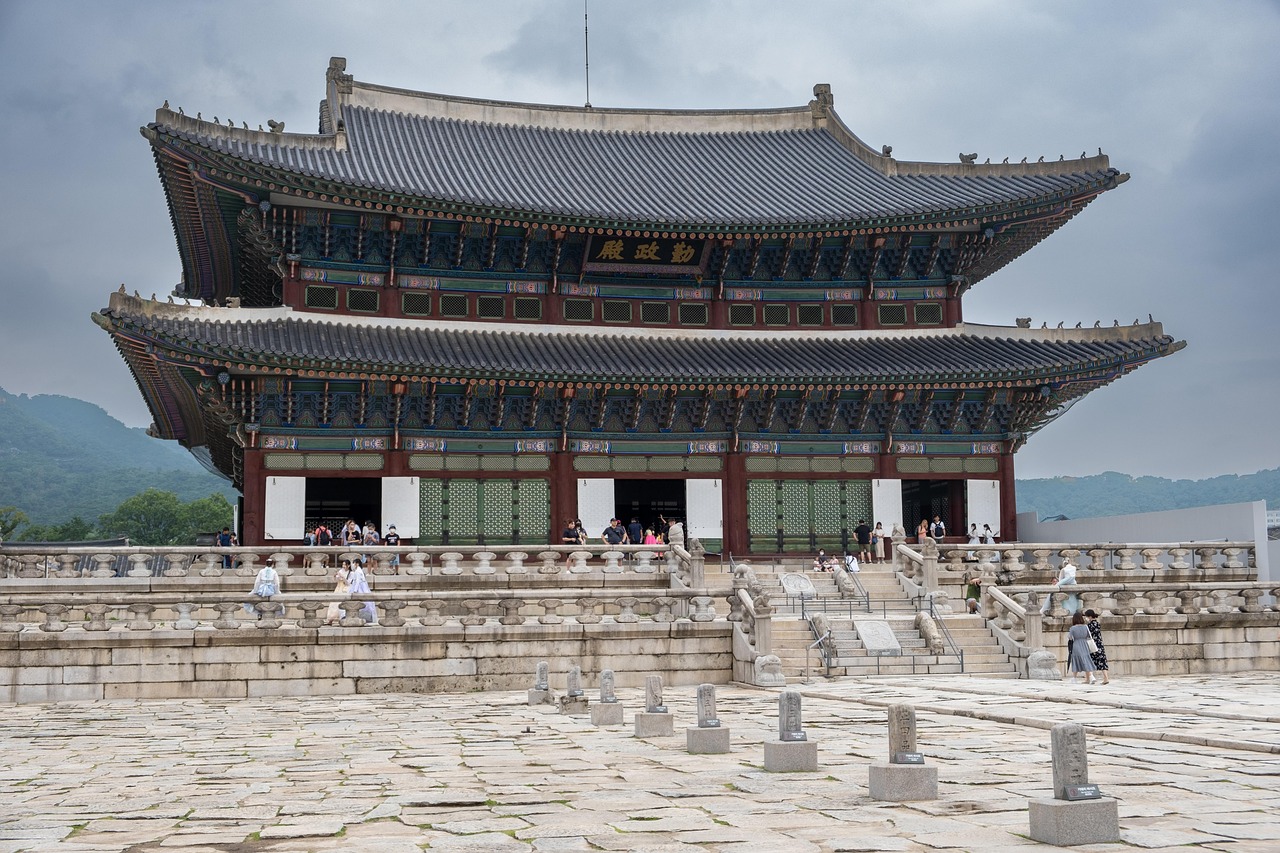
Start your Seoul city morning at Gyeongbokgung Palace, timed around the changing of the guard. Your guide can steer you to quieter courtyards and framed views, so you can hear the place rather than only photograph it. Gyeongbokgung is one of Seoul’s great anchors: geometry, colour, and mountains behind rooftops, all in a single gaze.
Seoul palace storytelling at Changdeokgung
From there, continue to Changdeokgung, where the narrative becomes more intimate. A private guide helps you read the royal architecture—how gates choreograph status, how corridors create privacy, and how the garden design speaks to restraint rather than spectacle. In South Korea, it’s often what’s subtle that stays with you: a roofline that softens into a hillside, a doorway placed to control a first impression.
Even if you’re not typically a “history traveller”, this is an easy entry point. The beauty holds you, and the stories follow. It’s also a comfortable pace for multi-generational travel, with time for pauses, tea, and seating as needed.
Respectful wandering in Bukchon hanok village
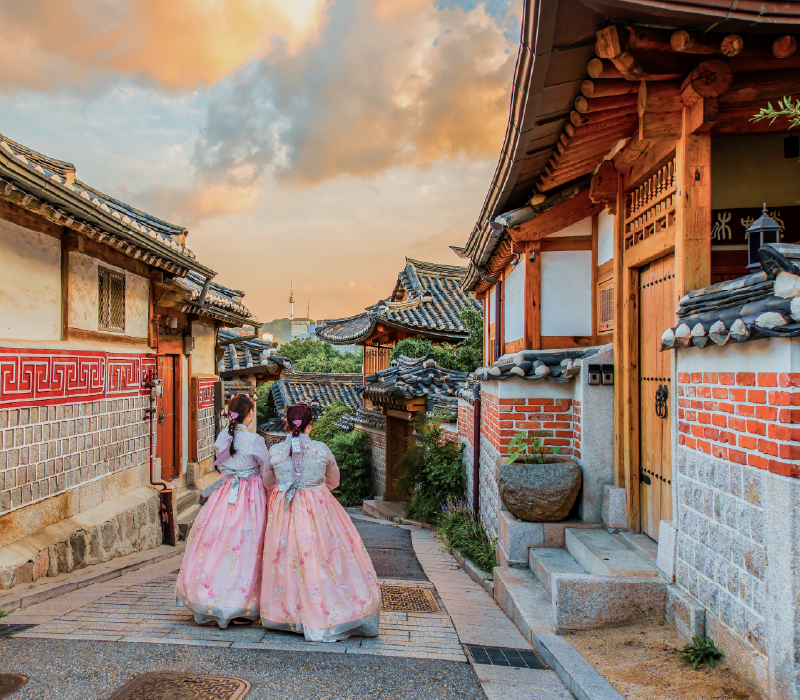
Later, drift into the lanes of Bukchon hanok village and Bukchon Hanok Village, where traditional hanok homes create a living museum. Your guide will point out details—wood joinery, tiled eaves, courtyard orientation—and help you move respectfully through residential tourist areas. It’s a small thing, but it matters: keeping voices low, stepping aside for locals, and treating doorways as private thresholds, not props.
One couple celebrating an anniversary told us their private hanbok photo shoot here became a cherished memory precisely because it didn’t feel staged. Their guide chose quieter alleys, waited for the right light, and gave them time to simply be together—hands linked, laughter softened—so the photos held their real mood.
If you prefer slower urban areas, consider an optional temple visit afterwards. A Buddhist sanctuary in Seoul offers a calm counterpoint: incense, steady chanting, and a reminder that the city’s energy has always had stillness woven through it.
Seoul Nights Hanbok, Han River Cruise and Crafted Korean Cuisine for South Korea travel experiences
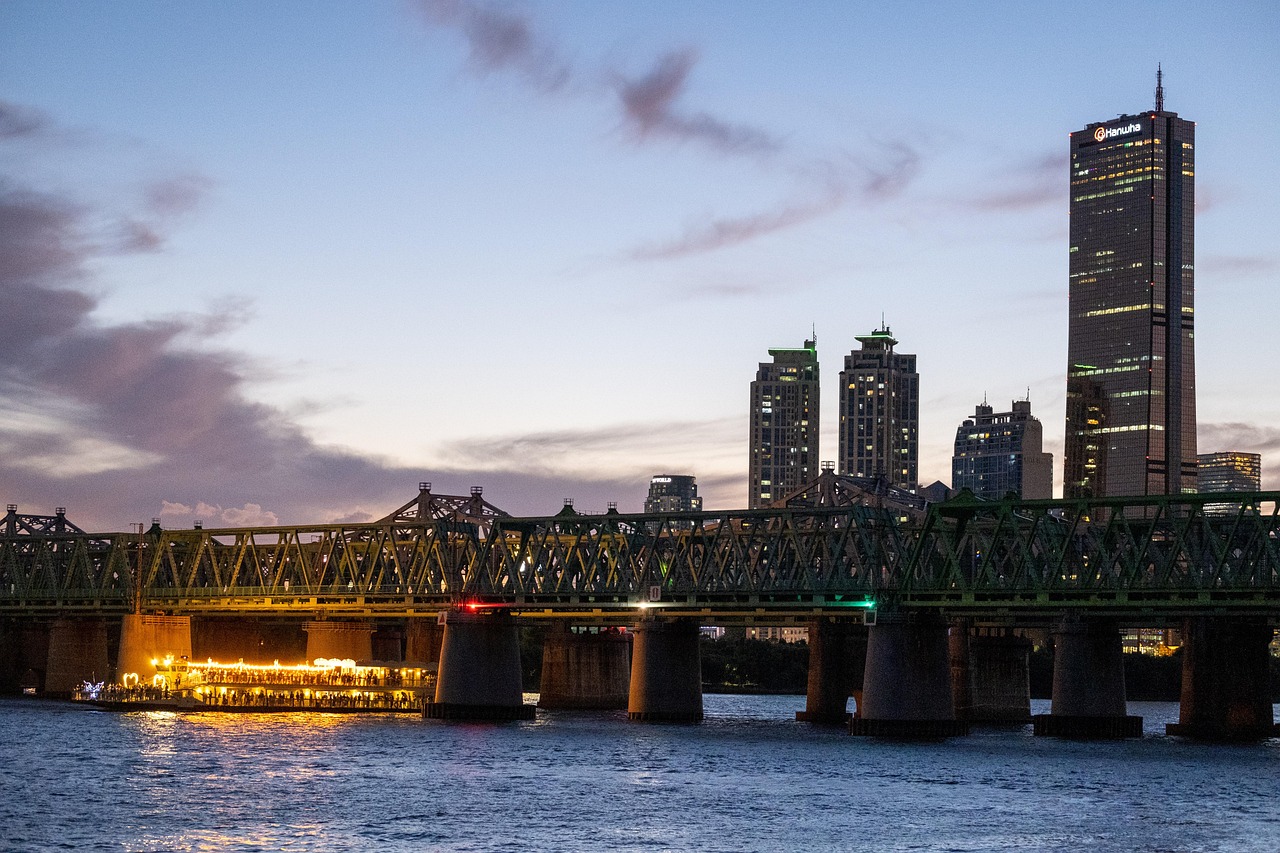
Seoul Nights Hanbok, Han River Cruise and Crafted Korean Cuisine for Seoul South Korea travel experiences, hanbok, river cruise Michelin restaurants
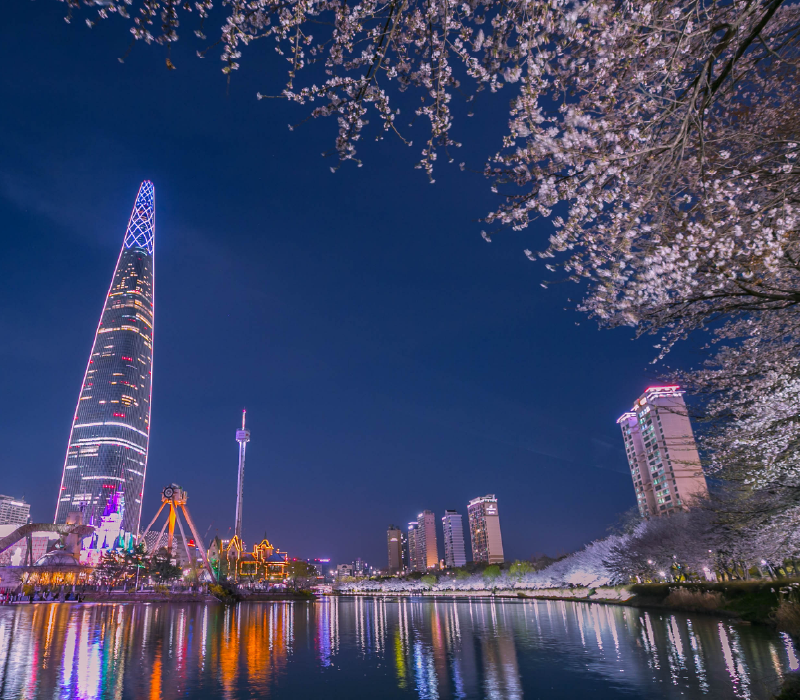
If your wishlist includes Seoul, South Korea travel experiences, hanbok, river cruise, and Michelin restaurants, the key is sequencing: style first, then skyline, then flavour. In Seoul, evenings can be designed to feel cinematic yet unhurried—crafted around your pace, not the city’s volume.
Imagine stepping into a hanbok session where a stylist adjusts colour and silhouette to suit you, followed by a photographer who understands angles and discretion. From there, you glide into a private Han River cruise as the light turns gold, then neon. Seoul’s skyline has a way of feeling both futuristic and oddly intimate when you’re on the water—especially with soft music, warm conversation, and a drink poured without fuss.
Crafted Korean cuisine and Michelin moments in Seoul
Then comes dinner: a chef’s table at a Michelin-starred restaurant, planned with your preferences and dining comfort in mind. Luxury food enthusiasts once described their delight at tasting rare Korean delicacies they’d never have ordered alone—because a trusted guide explained textures, origins, and the etiquette of sharing. If you’re new to South Korean dining cues, it’s simple: follow the host’s rhythm, accept pours with two hands when appropriate, and don’t be shy about asking what you’re tasting.
For contrast, we often add a brief, curated, and clean street—food stroll so you can sample bibimbap flavours in a more playful format without turning the evening into a queue-filled marathon. This is where Seoul feels most alive: a few bites, a few smiles, and then back to comfort.
Traditional tea ceremony as a personal pause
A traditional Korean tea moment can be the most personal form of cultural immersion. A solo traveller once told us that sitting in a traditional Seoul teahouse—listening to the sound of water cooling, watching steam rise—felt like “being welcomed into quiet”. With an exclusive traditional tea ceremony, the gestures are small yet precise, and you begin to notice your own pace slowing to match the room.
If you’d like a taste of modern South, we can design an elegant evening stop in Hongdae or a K-pop-inspired experience that feels curated rather than loud—think studio craftsmanship, fashion, or a private performance setting rather than crowded clubs. Throughout, we keep practical comforts in view: dietary needs flagged in advance, reservation lead times managed, and local transport coordinated so the night stays seamless.
DMZ with Expert Insight: A Rare Look at Korea’s Divided Story
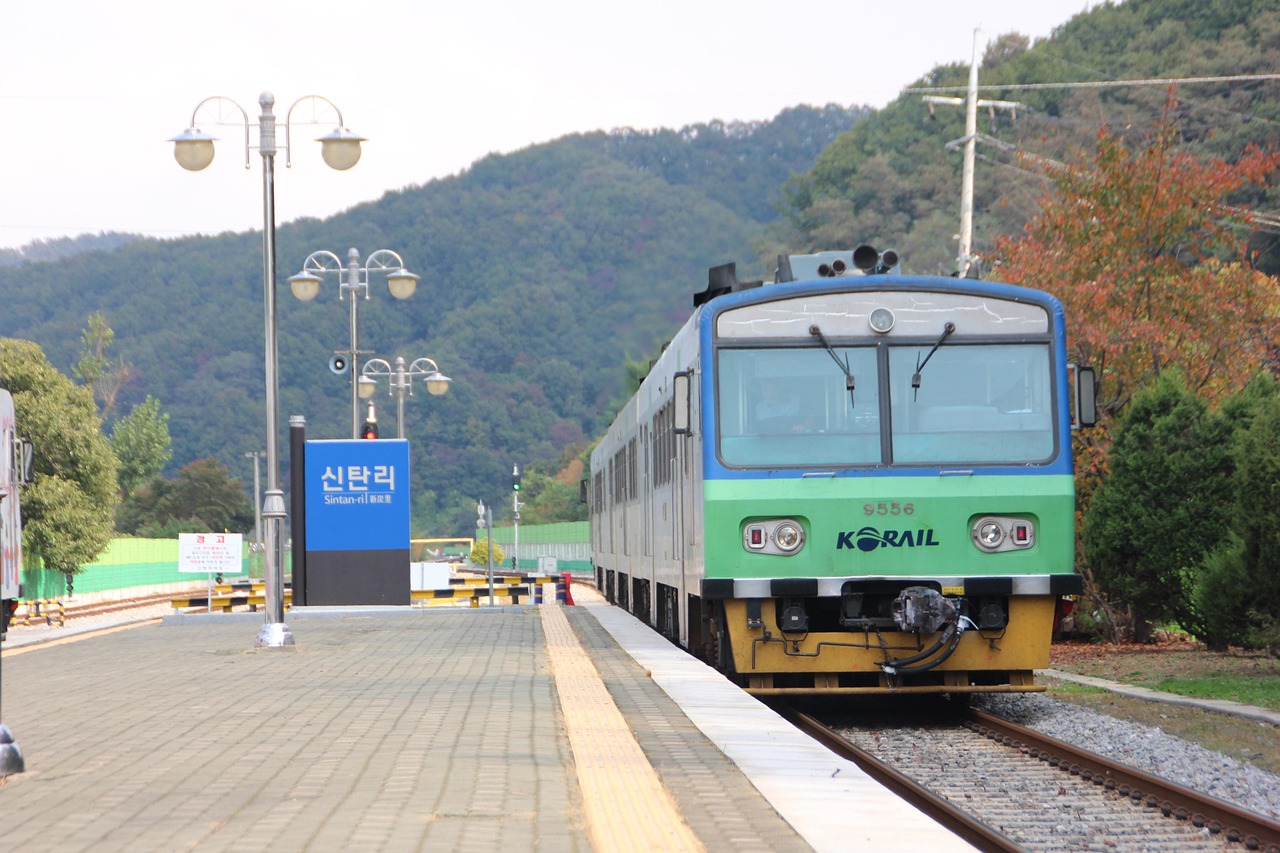
DMZ with Expert Insight A Rare Look at Korea’s Divided Story for DMZ South Korea tour with expert guides VIP access
A DMZ South Korea tour with expert guides, VIP access, is not about thrill-seeking—it’s about context, care, and a rare chance to understand the present through the past. The korean demilitarized zone is the heavily controlled demilitarised buffer zone on the peninsula, a place that still shapes how South Korea thinks, speaks, and plans.
With a specialist-led day, you gain evidence-based insight rather than headlines. It also helps emotionally: a calm, knowledgeable guide can hold space for questions, silence, and reflection in a way that standard group trips often can’t. For many travellers, this becomes the most grounding day of the trip to South Korea.
What to expect on a DMZ day from Seoul
From Seoul, the day begins early. Timelines can shift due to military operations, so flexibility is part of the experience. There are security rules governing identification, behaviour, and photography; VIP access can streamline certain steps but cannot override on-the-day restrictions. It can improve comfort: luxury transport reduces fatigue, and a private guide can time breaks, meals, and pacing so you arrive steady rather than rushed.
Your tour includes clear briefings beforehand—what to bring, how to dress modestly, and how to move respectfully through a site that remains politically sensitive. For older travellers or those with mobility needs, this planning makes the day feel possible and confident.
History made humans in the zone between the north and the south
The story here is complex and deserves careful consideration. A good guide frames the Korean War not as a distant chapter, but as lived memory—families separated, borders hardened, and consequences that still echo. Standing near the zone between North and South Korea, you feel how close North and South Korea are in geography, yet how far apart in daily reality.
Elderly travellers once recounted an emotional visit to the dmz with a local historian who adjusted the pace and personalised the narrative. They sat longer at certain viewpoints, asked questions without feeling hurried, and returned to Seoul with a quieter sense of understanding. The aim is never to sensationalise; it’s to experience Seoul thoughtfully, then return to Seoul grounded rather than overwhelmed, holding the buffer zone between the north as a real place rather than an abstract line.
South Korea Trips Beyond Seoul, Busan, Gyeongju and Jeju Island
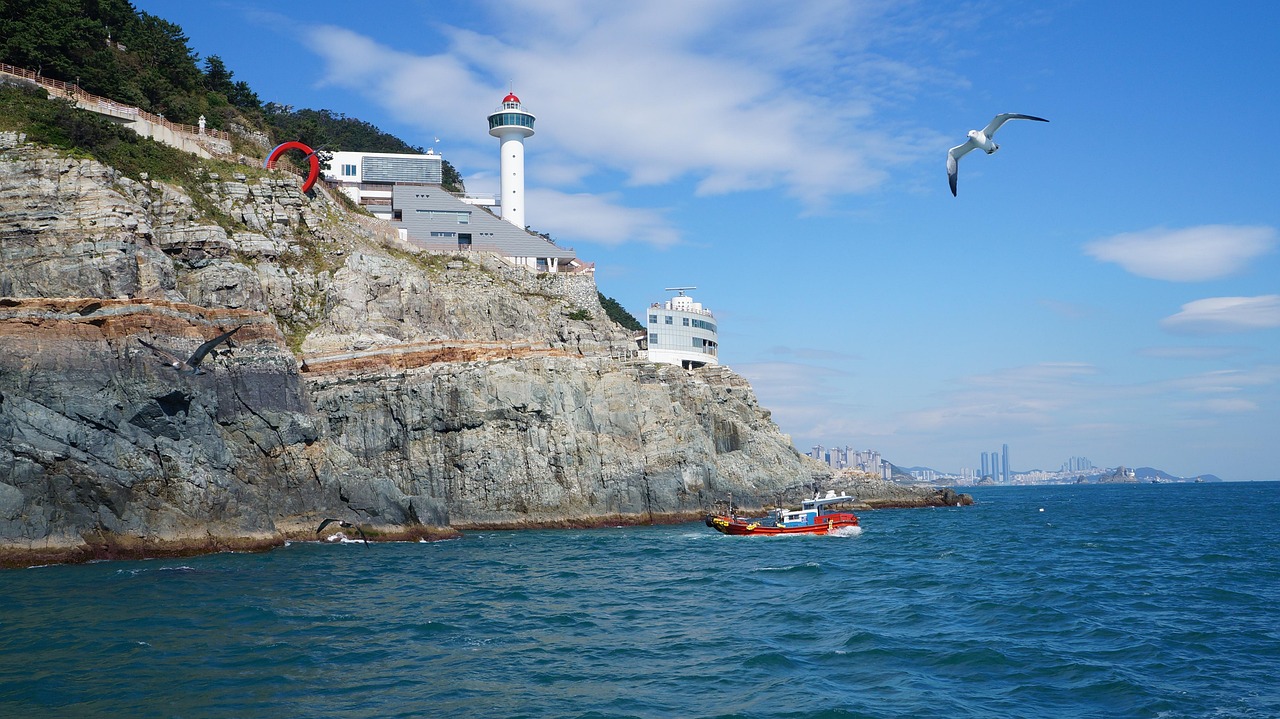
South Korea Trips Beyond Seoul Busan, Gyeongju and Jeju Island for South Korea trips itinerary Seoul and Busan with Gyeongju and Jeju Island
For travellers planning trips to South Korea, the key to an itinerary that flows is to include Seoul, Busan, Gyeongju, and Jeju Island. South Korea is compact enough to move efficiently, yet varied enough that each region feels like a new chapter—palace courtyards to sea cliffs, ancient tomb landscapes to lava-tube caves.
The transfer from Seoul and Busan is wonderfully smooth by high-speed rail, which is often more relaxing than flying once you factor in airport time. We design this leg to feel like a reset: comfortable seats, snacks ready, and arrival timed for an easy check-in and a sunset walk.
Busan’s coast and markets with local translation
Busan’s coastal character is immediate—salt air, wide horizons, and a softer pace than Seoul. A curated day might include Gamcheon culture village for colour and community stories, Haedong temple perched by the sea, and a guided visit to Jagalchi fish market, where your local expert can translate, steer you towards the best stalls, and help you order with confidence.
Busan’s food scene is equally compelling, particularly if you enjoy seafood handled with precision. This is also an ideal place to simply breathe: cafés with ocean views, galleries, and shoreline paths that make the city feel one of Asia’s most liveable coastal escapes.
Gyeongju and Jeju Island for cultural and natural balance
Gyeongju feels like a time capsule of the Silla Kingdom. Here, South Korea’s history extends beyond the capital through royal tomb mounds set in gentle landscapes, Buddhist artistry, and the quiet dignity of an ancient temple. The ancient Silla kingdom wasn’t just powerful—it was culturally luminous, and you feel that in the restraint of stonework and the spaciousness of the sites.
Then, Jeju Island: a shift into cultural and natural restoration. A luxury stay—one night or more—can include sunrise at Seongsan Ilchulbong, the lava-tube wonder of Manjanggul Cave, and gentle nature walks designed for unhurried conversation. This is where many travellers feel their shoulders drop, as if the island gives them permission to slow down.
- Elegant market visits: choose quieter times and go with a guide who knows which traditional markets are calm and high-quality.
- Refined comfort foods: enjoy Korean BBQ via private reservations and well-ventilated, relaxed seating.
- Trusted recommendations: rely on local knowledge for timing, tables, and the most enjoyable routes.
With the right design, you never feel you’re “doing more”—you feel you’re uncovering a wider, more textured South Korea, with Busan’s sea air, Gyeongju’s depth, and Jeju Island’s light, each offering something distinct.
F.A.Qs
What month is best to visit South Korea?
April and October are often ideal for a comfortable South Korea vacation: April for cherry blossoms and bright spring days, and October for crisp air and clear skies. If you prefer fewer crowds, consider late March to May or September to November, when temperatures are comfortable for palace walks, food tours, and coastal time in Busan without humidity.
What is the 3-day rule in Korea?
The “3-day rule” can refer to practical travel and booking habits rather than a single official policy—many popular experiences, restaurants, and guided tours in Seoul are best reserved at least 3 days in advance. For high-end travellers, booking earlier is even better, especially for chef’s tables, private guides, and limited-access cultural sessions.
What is the best tour company for South Korea?
The best tour company for South Korea is the one that matches your pace and standards: private guiding, seamless transport, strong local relationships, and transparent planning. Look for a team that can design the trip around you—heritage, cuisine, nature, or family travel—and provide calm support on the ground, not just a fixed schedule.
What is the 52-hour rule in Korea?
The “52-hour rule” most commonly refers to South Korea’s labour standards that limit the average working week, and it can affect operating hours for some businesses and services. For travellers, it’s rarely disruptive, but it’s a good reason to book dining and specialist visits in advance—especially on weekends or public holidays—so timings remain seamless.
Final Thought
After a South Korea vacation, personal reflections from a luxury tour often arrive quietly, days or weeks later, when you least expect them. It might be the memory of a palace corridor in Seoul, where footsteps softened, and the city seemed to hold its breath. Or the way a host placed a cup down in a tea room—unhurried, attentive—reminding you how powerful small rituals can be.
South Korea’s kindness tends to be practical rather than performative: a door held open before you notice, a guide who reads your energy and suggests a pause, a driver who appears exactly when you step outside. That sense of being looked after creates a different kind of freedom on vacation—you stop managing and start noticing.
For some, what lingers is a conversation near the dmz, where history felt human and complicated, and you left with deeper empathy rather than simple conclusions. For others, it’s the sea air in Busan, or Jeju Island’s dawn light catching the edge of a volcanic landscape. These moments become anchors: not checklists, but textures you carry.
Travelling together can deepen connection—shared silence in a garden, laughter in a hanok lane, the easy comfort of being understood without many words. And if you travelled solo, you may find you brought home a steadier inner pace, as though the country’s balance of energy and calm offered you permission to move differently.
Ultimately, South Korea stays with you as a feeling: crafted modernity alongside an old soul, confidence paired with care. And once you’ve met it in that way, it’s easy to imagine returning—not to repeat the same route, but to discover south again, with fresh eyes and a little more time.