Post Contents
- South Korea weather in September and the best time to visit for average temperature insight
- Seoul in September weather for the Seoul Lantern Festival, and cultural festival nights at the best time
- Autumn escapes near Seoul best places in September for autumn foliage and national parks
- Seoul’s best time to visit in September
- Time to visit South Korea in September
- F.A.Qs: South Korea in September
- Final Thought
South Korea weather in September and the best time to visit for average temperature insight
South Korea weather in September and the best time to visit for average temperature insight
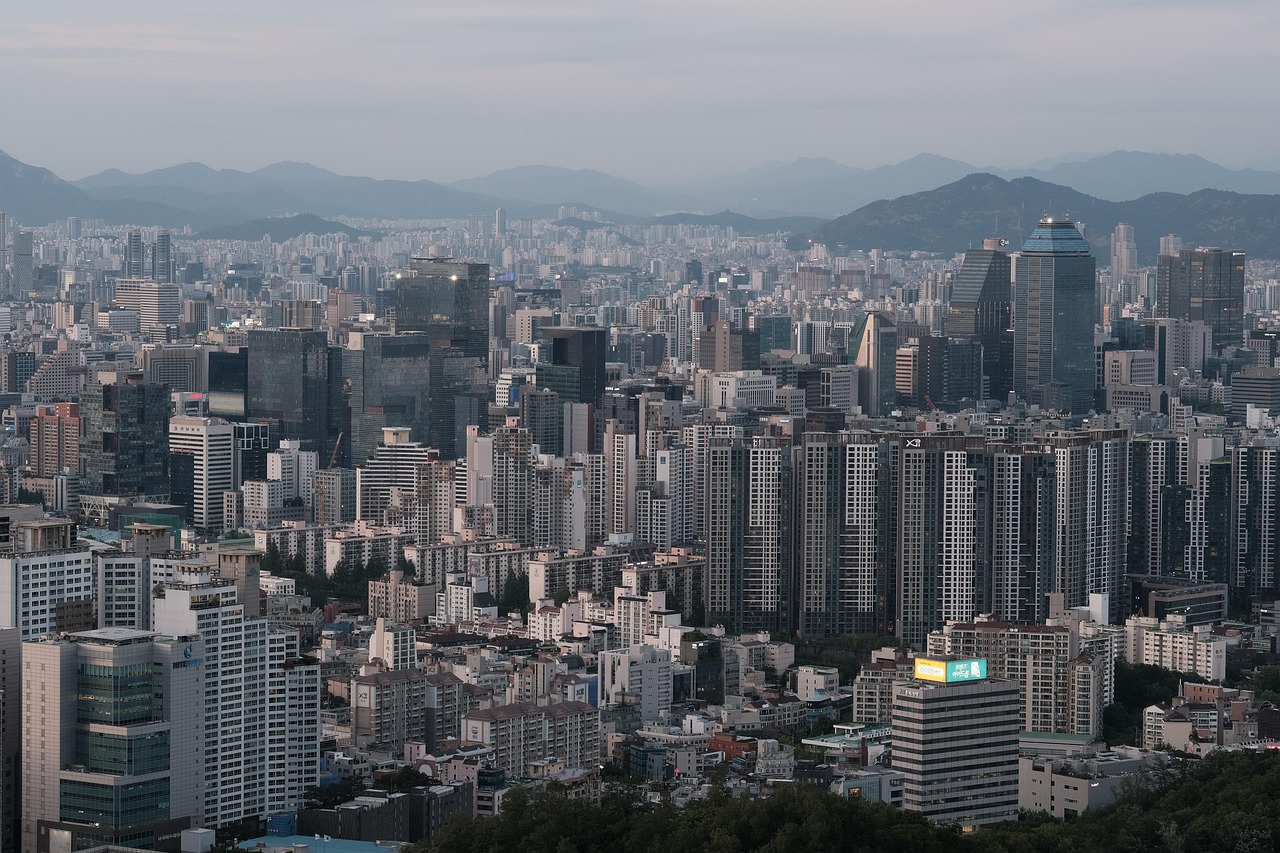
If you’re planning to visit South Korea in September, the average temperature is the best time to visit. Here’s the reader-friendly snapshot you actually need. Across much of the country, average temperatures are comfortable, with daytime temperatures often in the 19–25°C range and a noticeably cooler evening breeze. In Seoul, the air can still feel summery in the sun, but the city becomes gentler after dark.
Throughout the month, you’ll feel the season tilt: the beginning of the month can be warm weather with a slightly muggy edge, then temperatures remain pleasant before temperatures drop towards the end of September. That late-month shift is what makes September such a thoughtful, crafted time to travel—summer energy without summer heat.
September weather changes across South Korea with humidity and low temperature swings
In practical terms, the average high in many inland areas stays comfortable for walking tours and rooftop aperitifs, while the low temperature can surprise first-time visitors once the sun dips. A concrete feel-point many travellers remember is an evening often dropping towards 19°c—cool enough to appreciate a light jacket, not cold enough to change your plans.
Humidity is generally lower than peak summer, but early September can still feel close in the afternoon, especially if you’re moving between outdoor markets and heated subway platforms. The reward is that city exploring feels much more comfortable than in July or August, with a softer, less urgent pace.
Rainfall and precipitation after the monsoon season and rainy season
September sits after the monsoon season, and while the core rainy season has usually eased, you can still see intermittent showers. Treat rainfall as a scheduling detail, not a deal-breaker: a passing downpour can be followed by crisp air and bright streets within the hour. Keep your luxury comfort intact by choosing hotels with strong concierge support and having one polished indoor option ready for each day.
A simple ‘check before you go’ system helps: use Seoul weather stations and the stations near your hotel location to fine-tune each morning’s timing, especially for outdoor reservations. It’s also worth checking air quality reports on arrival—most days are clear, but a quick glance supports smarter decisions about long walks versus chauffeured hops.
- Packing cue: think breathable day layers plus one elevated evening layer for cooler terraces.
- Daily rhythm: book outdoor highlights mid-morning, then keep galleries, spas, and tea rooms as your rain-friendly anchors.
- Footwear: a sleek trainer or walking shoe that can handle a damp pavement without looking technical.
Seoul in September weather for the Seoul Lantern Festival, and cultural festival nights at the best time
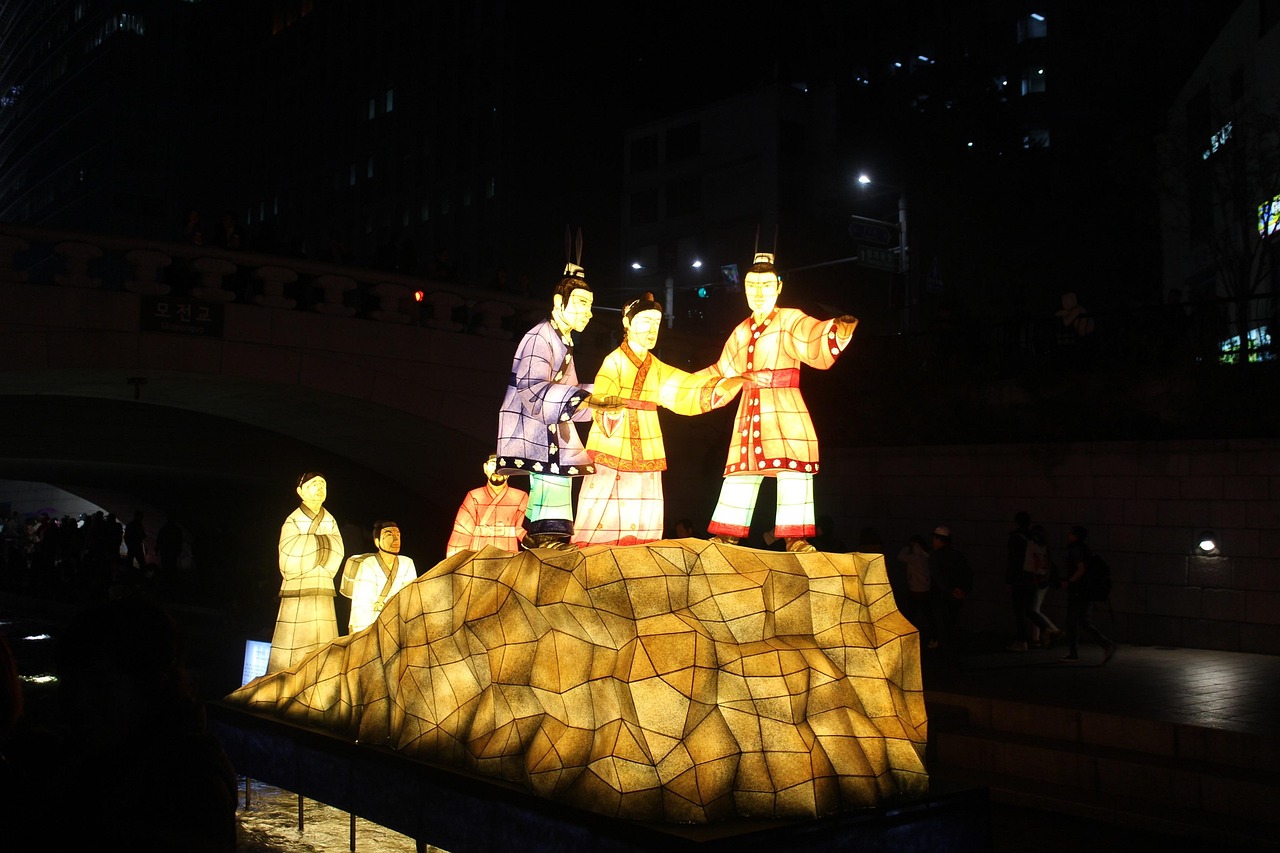
Seoul in September has the best weather for the Seoul Lantern Festival and cultural festival nights at the best time
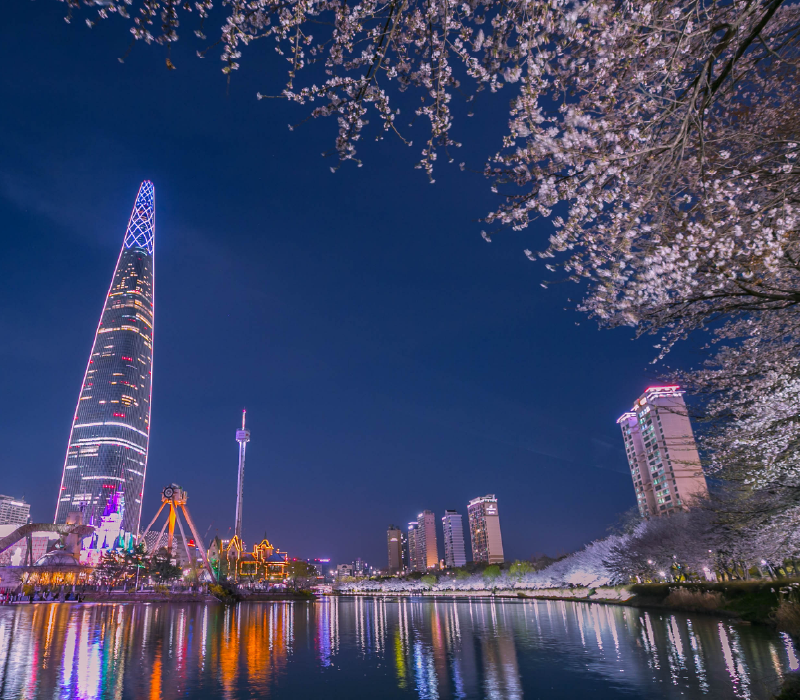
Seoul September weather Seoul Lantern Festival cultural festival best time is not just a search phrase—it’s a real feeling once you’re there. September evenings in Seoul often bring clear skies and a gentle temperature drop, making lantern-lit walks, riverside dinners, and rooftop views feel effortless. This is when the city’s design confidence and historic soul sit beautifully together.
One luxury traveller told us that attending the Seoul Lantern Festival created a magical memory: culture and beautiful lighting unfolding under pleasant skies, without the heavy summer air. It’s the sort of night you don’t rush—slow steps, softer conversation, and a sense of being held by the city’s glow.
After-dark Seoul route via Yeouido, Han River, Namsan and Seoul Tower
To design an elegant evening, begin in Yeouido as the sun fades, then stroll along the Han River where the breeze feels newly autumnal. From there, let your driver or taxi take you up towards Namsan for the view near Seoul Tower, when the city lights sharpen, and the air feels clean.
The transition from daytime warmth to crisp night is where September shines—light layers keep you comfortable and camera-ready. If a brief shower appears, you can slip into a café or hotel lounge, then continue once the streets settle again.
Palace twilight with respectful local etiquette
For a quieter, crafted counterpoint, add a palace visit close to twilight with a private guide who can uncover symbolism in rooflines and courtyards. Keep photography restrained—no flash in intimate spaces, and be mindful of ceremonies or staff directions. The result feels refined rather than crowded, especially when your timing is curated around softer hours.
Reassurance matters: Seoul is easy to navigate with chauffeured options, premium taxis, and hotel teams who can keep your plans on track. You’re free to explore, knowing the city will meet you with both energy and care.
Autumn escapes near Seoul best places in September for autumn foliage and national parks
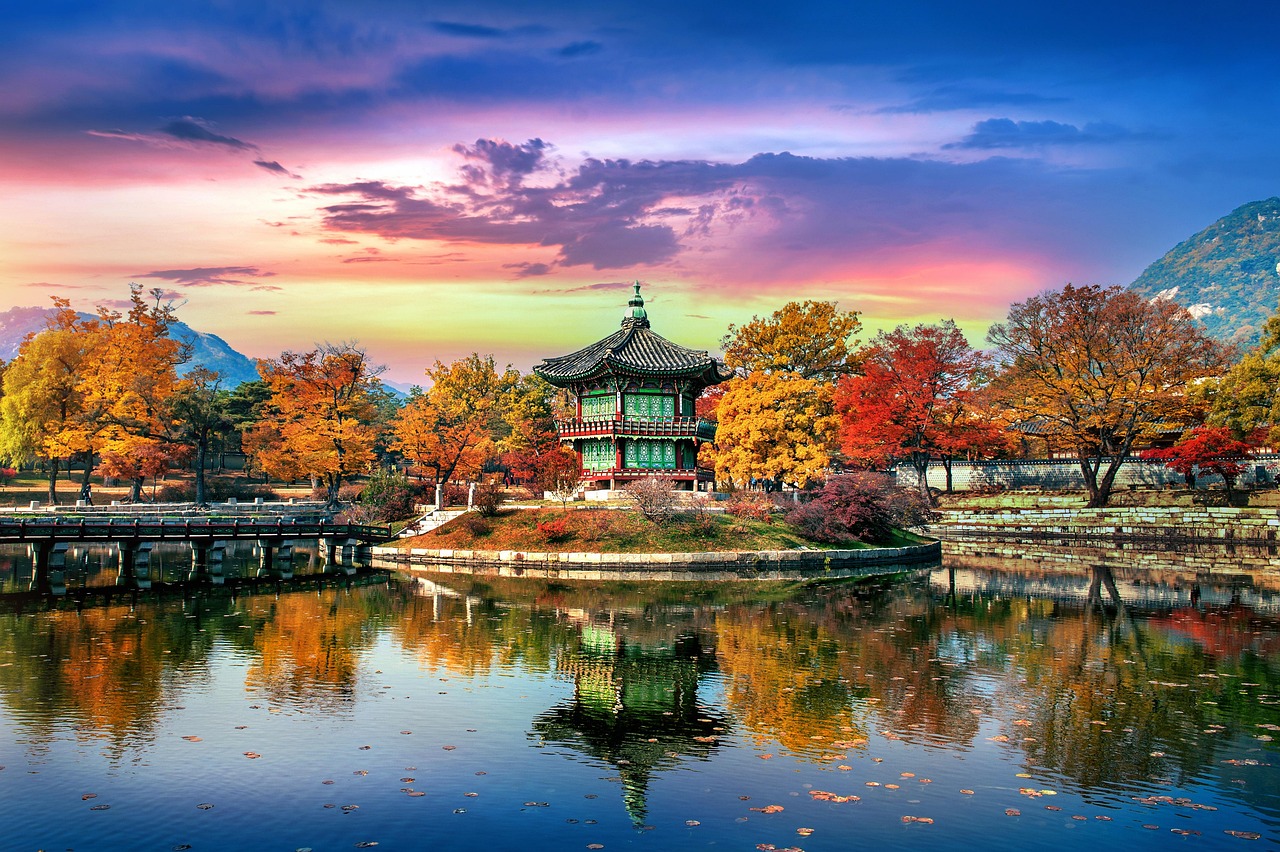
Autumn escapes near Seoul best places in September for autumn foliage and national parks
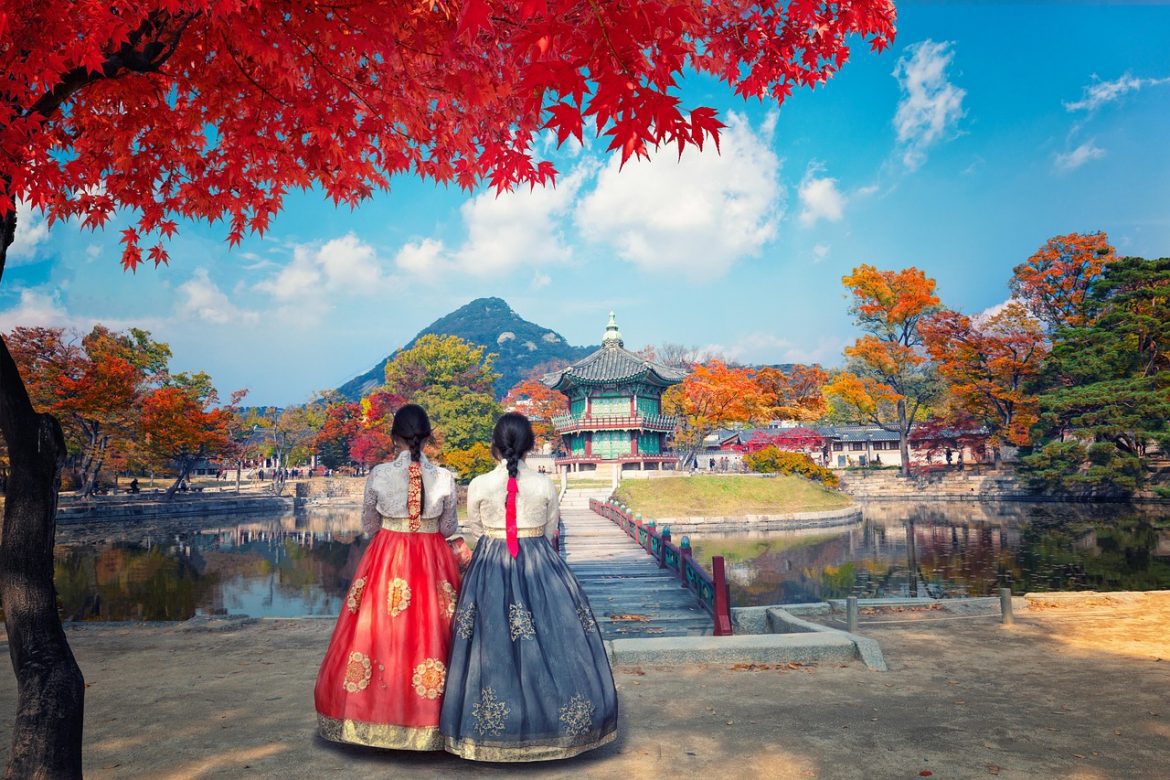
When travellers talk about South Korea’s photogenic season, they’re usually pointing to September to November—a long, flattering arc where light improves, and landscapes gain depth. Early autumn, in particular, is ideal for outdoor activities: you can walk further, linger longer, and still arrive back in Seoul looking polished rather than sun-drained.
For many, the best places near Seoul in September, autumn foliage, Nami Island, Seoraksan, and Bukhansan National Park, come down to one question: do you want a gentle half-day reset, or a full-day statement in the mountains?
Nami Island changing leaves with comfortably cool daytime temperatures
Nami Island is the classic escape for photographers and nature lovers—wide paths, calm water, and pockets of colour that begin to deepen as the month progresses. Visitors often describe the joy of hiking and cycling here in comfortably cool conditions; the light feels kinder, and the scenery invites you to slow down rather than tick boxes.
Even if foliage is still building in early September, the island’s composition—trees, reflections, and open space—still delivers that ‘exhale’ you crave after the city. Go early, and you’ll feel the place before the busiest arrivals.
Curated national park experiences at Bukhansan National Park and Seoraksan
For a near-Seoul option, Bukhansan National Park offers a half-day immersion with rewarding viewpoints that don’t demand a dawn start. For a more dramatic day, Seoraksan brings sharper peaks and a sense of scale—best enjoyed with a private transfer or premium rail paired with a car, so your journey stays seamless.
Keep the details quietly luxurious: a styled picnic with good coffee, a calm viewpoint rather than the busiest summit, and a light shell that packs away if you meet a brief shower. Trail etiquette is simple but important: stay on marked paths, keep voices low in shared resting areas, and carry your litter out.
- Timing advice: start earlier on weekends to avoid peak queues at the most popular lookouts.
- Polished comfort: bring a spare pair of socks; it’s the quickest way to feel fresh after a damp path.
- Photography: pause, breathe, and shoot fewer frames—your best images come when you’re unhurried.
Seoul’s best time to visit in September
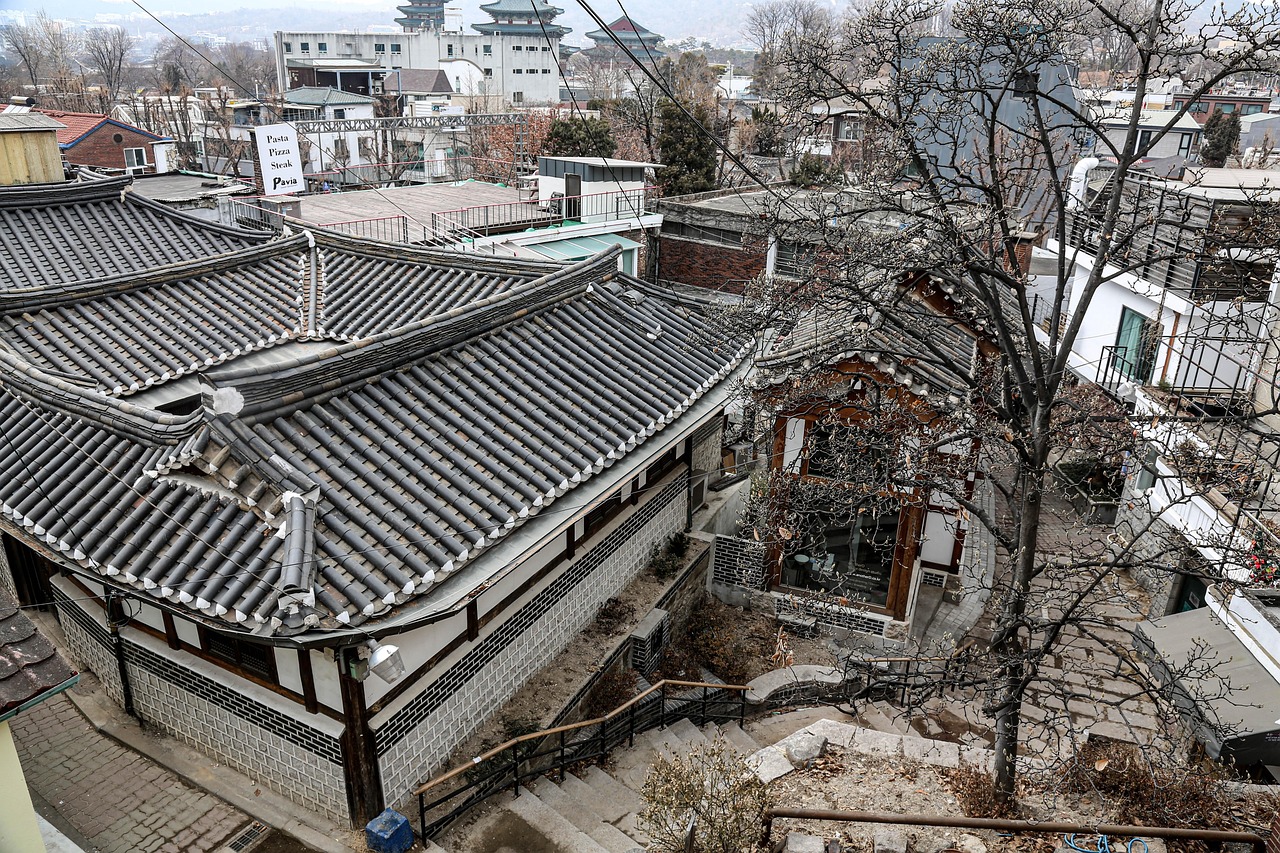
Seoul best time to visit in September weather for Bukchon Hanok Village tea ceremony and palace calm
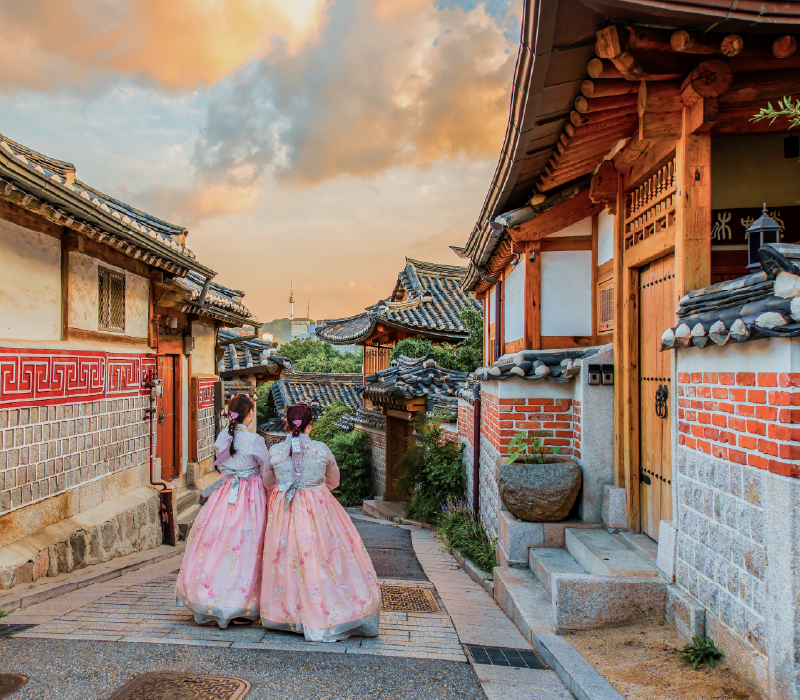
Seoul’s best time to visit the Bukchon Hanok Village, the tea ceremony palace, and the September weather is about more than convenience—it’s about the quality of quiet you can find in a global capital. In the softer air of September, a morning in Bukchon feels restorative: tiled roofs, narrow lanes, and a gentle hush that invites you to slow your pace.
One traveller described a peaceful morning, sipping traditional tea here, as the moment Seoul truly made sense—history and modern comfort, held together by warmth and trust. It’s a personal kind of luxury: not loud, not showy, simply well-made and cared for.
Local customs in Seoul for a respectful, seamless experience
These heritage spaces ask for small gestures of respect. Remove shoes before entering traditional homes and certain rooms; keep voices low in residential lanes; and photograph with care—ask when people are present, and avoid blocking doorways. These details may seem small, but they create a more welcoming experience for everyone and help you navigate Seoul with confidence.
Heritage pairing with a palace and contemporary design
To keep the day balanced, pair your tea ceremony with a palace visit led by a private guide who can interpret architecture, symbolism, and seasonal gardens without rushing you. Then shift into a contemporary gallery or design boutique—Seoul is a city where craft and creativity sit side by side, and that contrast is part of its charm.
Small luxury touches reduce friction: advance reservations, bilingual hosts, and a concierge-style approach that supports you quietly in the background. On bright afternoons, sun protection is essential; in shaded courtyards, a light wrap helps you stay comfortable without altering your silhouette.
Time to visit South Korea in September
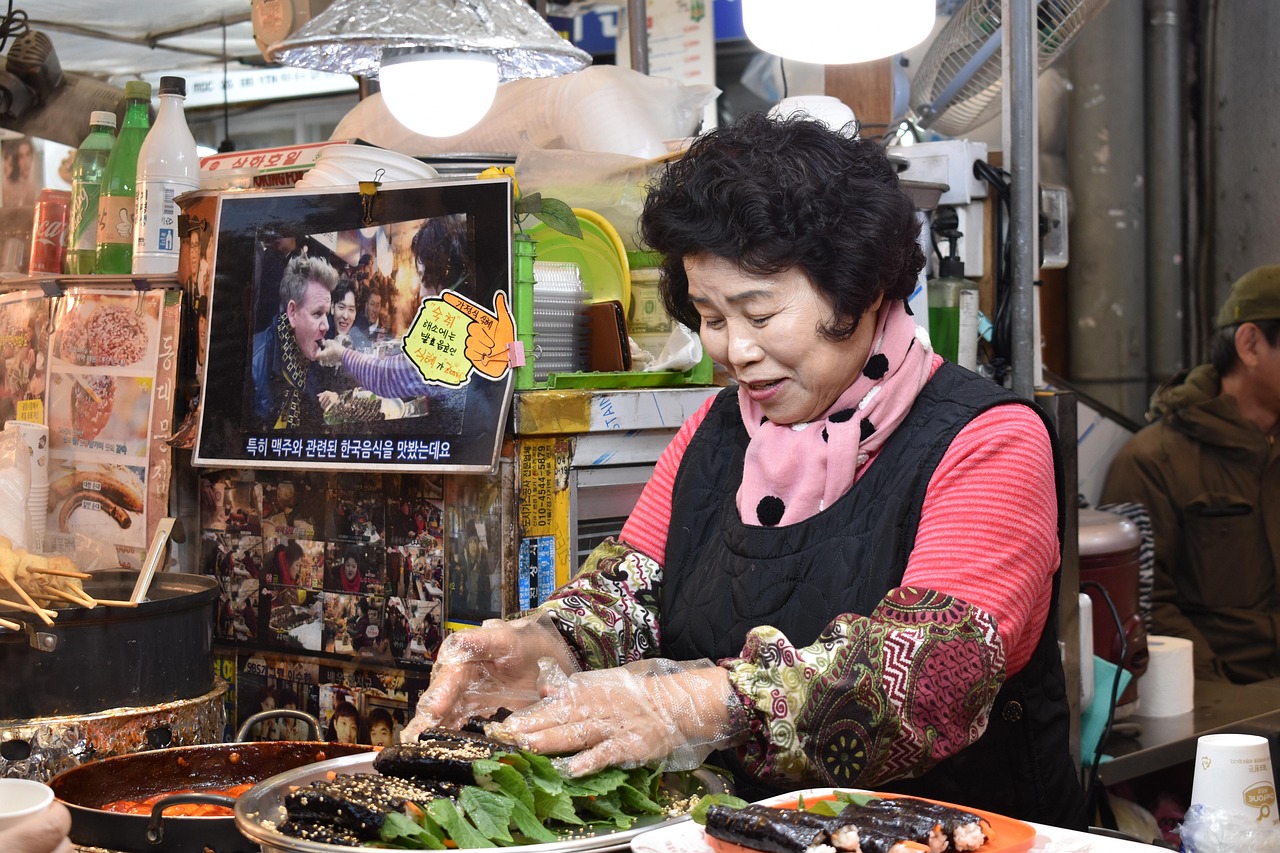
Time to visit South Korea in September travel tips from Incheon to Busan Jeju Island and Gyeongju
If you’re weighing the timing of your visit to South Korea, start by planning your arrival. Landing at Incheon International Airport can feel remarkably smooth with pre-booked luxury car services, lounge access, and a hotel team ready to meet you. For longer distances, high-speed trains are efficient—and when paired with a car on arrival, they stay genuinely premium.
We often suggest a ‘Seoul base with curated extensions’ approach: keep a beautiful hotel in Seoul for consistency, then add two- or three-night escapes depending on your priorities. If you’d like help visualising the flow, our Trip gallery can spark ideas you can tailor to your taste.
Best time to go within September for Jeju Island, Busan and Gyeongju
Within September, the best time to go depends on what you want to feel. Early to mid-month tends to suit city evenings and coastal dining, while later weeks can lean cooler and quieter. Busan offers coastal ease—sea breezes, smart cafés, and beach walks that still feel warm enough in daylight. Gyeongju is your heritage counterpoint, where ancient sites sit calmly in early autumn light. Jeju Island is for a softer pace—wide horizons, slower lunches, and a sense of retreat.
In one evening in Seoul, make room for Gwangjang Market: travellers recount the excitement of tasting fresh seasonal street foods, guided by friendly vendors and a lively atmosphere. Follow it with premium dining—especially if you’re staying near Gangnam, where pricing can run higher but signature experiences often justify the splurge.
Chuseok planning and risk-proofing for weather and availability
Calendar awareness matters in September because Chuseok dates shift each year and can affect availability. When Chuseok aligns with your travel window, expect domestic travel surges and tighter restaurant bookings—book accommodations and experiences well in advance to ensure a seamless trip.
For peace of mind, choose travel insurance that covers weather-related disruption and keep one ‘beautiful indoor’ option ready each day. Hydration and sun protection still matter in early September, especially during long walks. A flagship service anchor such as Hyatt Seoul can be reassuring: consistent concierge support, reliable transport coordination, and a calm base that holds everything together.
- Arrival upgrade: pre-book a meet-and-greet at Incheon so your first hour feels supported.
- Dining budget: plan one premium tasting menu night and one market-led night for contrast.
- Respectful travel: temples and hanok spaces welcome quiet manners and modest attire.
F.A.Qs: South Korea in September
Is it a good time to visit South Korea in September?
Yes. September is often considered the best time to visit for many travellers because the weather is typically comfortable for cities and nature, with fewer extremes than midsummer. Early to mid-month is especially pleasant, while the end of the month can feel cooler and may bring occasional showers.
What to wear to Korea in September?
Pack light layers: breathable outfits for warm afternoons and a smart jacket or wrap for cooler evenings. Comfortable walking shoes are essential for walking in Seoul neighbourhoods and for day trips. Bring sun protection for bright days, and a compact umbrella or light rain layer to stay comfortable if brief rain appears.
Is September a rainy season in Seoul?
Not usually. The main rainy season typically begins earlier, but September can still see intermittent rainfall as the season transitions. Showers are often short rather than day-long washouts, so it’s wise to keep plans flexible and include a couple of refined indoor options, such as museums, galleries, or tea houses.
Does Korea have typhoons in September?
It can. Typhoons are not guaranteed, but September is within the broader window when they may affect parts of South Korea. Check forecasts closer to departure, consider travel insurance that covers weather disruption, and keep your itinerary supported with backup plans so you can adjust smoothly if conditions change.
Final Thought
After South Korea in September, what stays with you is rarely the headline moment on its own—it’s the texture around it. Lantern light on stone, the soft warmth of tea in a quiet room, and the way early autumn air can calm even a busy Seoul street until you notice your own footsteps again.
There’s a particular comfort in moving between energy and stillness: markets that hum, temples that breathe, design hotels that feel effortless, and old courtyards that ask you to pause. The most meaningful encounters often feel local and unforced—small kindnesses, gentle boundaries, and the steady sense that respect travels well.
And somewhere in that rhythm, you uncover something personal about pace. When a journey is crafted with care, it doesn’t end when you fly home; it settles into memory with quiet clarity—leaving you curious about what you might notice next time.