Post Contents
- Best times to visit South Korea at a glance: luxury travel guide for Seoul and refined seasonal planning
- Springtime to visit Seoul: cherry blossom season, best time to visit Seoul, and festival experiences
- Autumn best time to visit South Korea
- Winter times to visit South Korea
- Summer season in South Korea by season
- Luxury planning by month to visit South Korea
- F.A.Qs
- After South Korea: what lingers from the best times to visit and the Seoul seasons you’ll remember
Best times to visit South Korea at a glance: luxury travel guide for Seoul and refined seasonal planning
Best times to visit South Korea at a glance: luxury travel guide for Seoul and refined seasonal planning
In this luxury traveller guide to the best season to visit Korea, think in three refined priorities: weather comfort, aesthetic moments, and access to reservations for private experiences. The time to visit South Korea can feel wonderfully open-ended, yet small timing choices shape everything from blossom-lined walks to how easily you can secure a suite, a private guide, or a sought-after tasting menu. With expert planning, these best times become a journey that feels effortless, personal, and deeply local.
For most travellers, spring and autumn are considered the best times to visit the south for clear skies and relaxed outdoor activities, making them some of the best times to visit overall. They are also popular times to visit, which is where design and support matter: early bookings, flexible dates, and a calm strategy for peak travel. Summer brings humidity and higher rainfall during Korea’s rainy season, while winters in South Korea reward those who lean into snow scenes, a cosy festival calendar, and the quiet luxury of warm interiors.
Month in South Korea snapshot: months to visit, climate notes, and key moments
A quick month-by-month view of South Korea helps you picture the year in South Korea at a glance and identify the months to visit for your style of trip. South Korea in March marks the arrival of spring, when parks begin to soften, and the capital feels newly bright. South Korea in April is the heart of cherry blossom season, and it’s when cherry blossoms bloom into those postcard streets and riverside paths. In October, South Korea is at its foliage peak, when crisp air sharpens the outlines of mountains and palace roofs. In January, South Korea can be beautifully calm, with winter festivals and a sense of stillness between bright, dry days.
- South Korea in March: early spring light, cool evenings, and the arrival of spring in city parks.
- South Korea in April: see cherry blossoms at their most photogenic, especially when you can shift by a day or two to catch full bloom.
- South Korea in October: clear skies and glowing foliage for day trips, palace gardens, and national parks.
- South Korea in January: the coldest month of the year, energy, snowy scenes, and a winter festival rhythm that feels intimate.
Best time to see: quick table for a crafted itinerary
If you prefer a swift decision, this is the best time to see an overview that helps you sketch a first itinerary with confidence and choose a good month for each highlight.
| What you want to see | Good month window | Where it shines |
|---|---|---|
| Cherry blossom | Late March to April | Seoul parks, palace grounds, Jinhae |
| Foliage | October to early November | Nami Island, Seoraksan, palace gardens |
| Beach | Late June to September | Busan and Jeju, sea-view stays |
| Ski | December to February | Gangwon-do resorts and winter sports |
For first-timers, Seoul is the natural base: palaces that glow in spring and autumn, night markets that hum year-round, and tea houses where local stories unfold slowly. When you visit Seoul with intention, each season feels like a different version of the same beloved city—ready for you to explore at your own pace.
Springtime to visit Seoul: cherry blossom season, best time to visit Seoul, and festival experiences
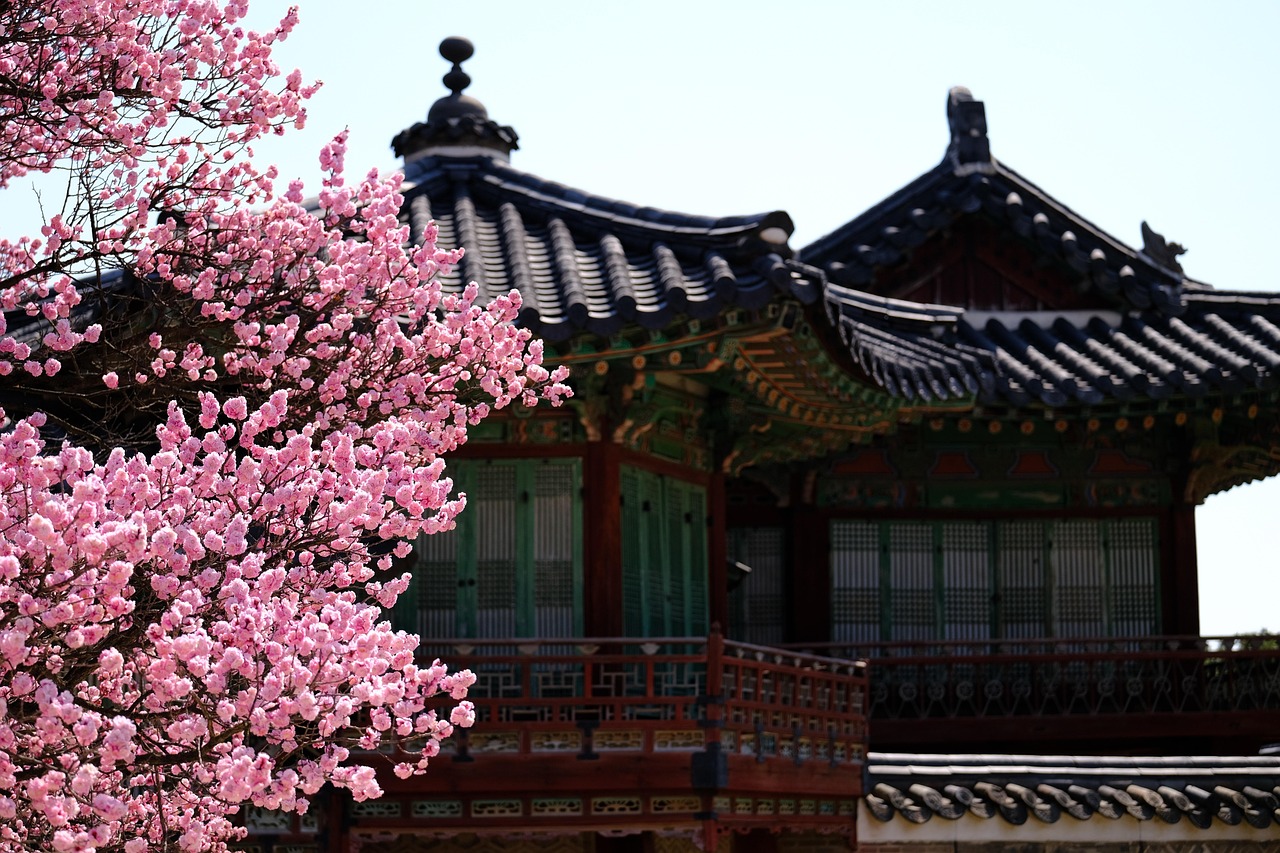
Springtime to visit Seoul: cherry blossom season, best time to visit Seoul, and cherry blossom festival experiences
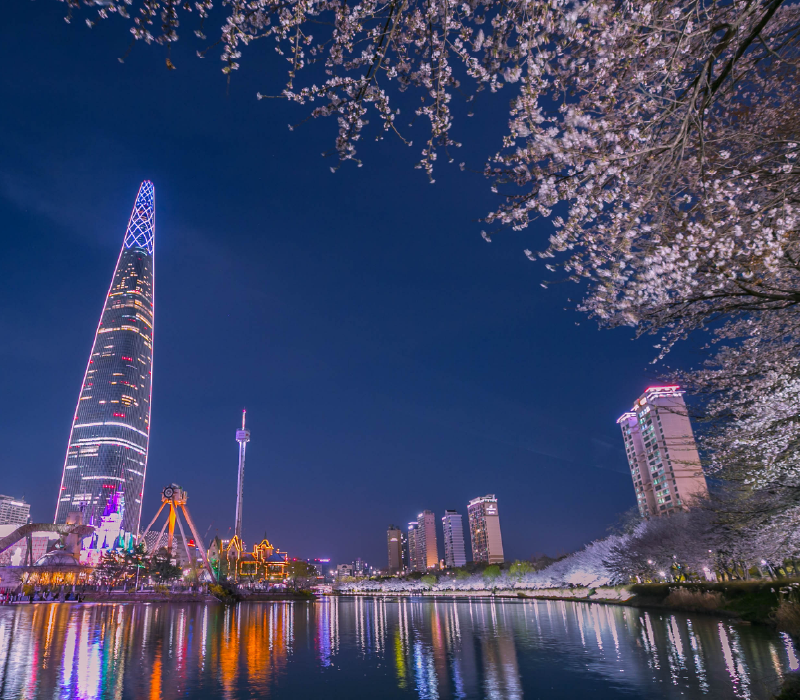
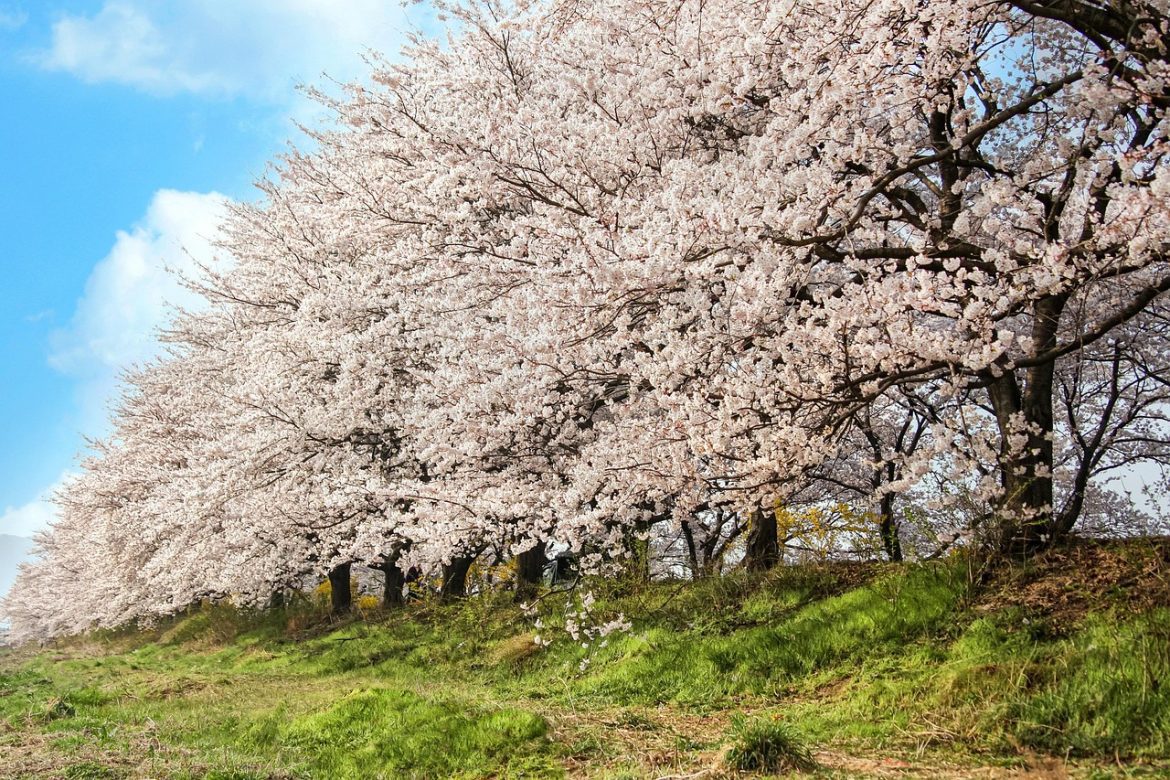
For many travellers, the best time to visit Seoul is from March to May, especially for the cherry blossom season, though blossom timing can shift by up to a week depending on temperatures. Rather than pinning your plans to a single date, build a flexible “blossom window” so your time in South Korea stays steady even if nature runs a little early or late. This is one of the best times to visit for beautiful weather, comfortable walking conditions, and a festival atmosphere without the extremes of heat or deep winter.
One traveller told us that walking beneath flowering tunnels in Seoul felt like stepping into a dream—soft petals drifting in the breeze, street cafés glowing, and the city suddenly quieter. That’s the special power of cherry blossom: it turns familiar avenues into something briefly, breathtakingly new, then disappears with graceful speed. If you’re choosing the best season to visit Korea for romance and atmosphere, spring is often the most effortless answer.
Where to see cherry blossoms in Seoul and beyond: best places to see spring colour
Start with Yeouido Park for classic riverside walks, where locals picnic under trees that reach full bloom in a matter of days. If you’d like a festival-led escape, consider the Jinhae cherry blossom festival, a cherry blossom festival that pairs coastal air with immersive streets of flowers and lights. For high-end travellers, a private driver transforms these day trips into a seamless rhythm—unhurried, comfortable, and designed around the best places to see each scene at its most luminous, even when cherry blossom crowds build.
Luxury hanbok moments at palaces in Seoul during spring
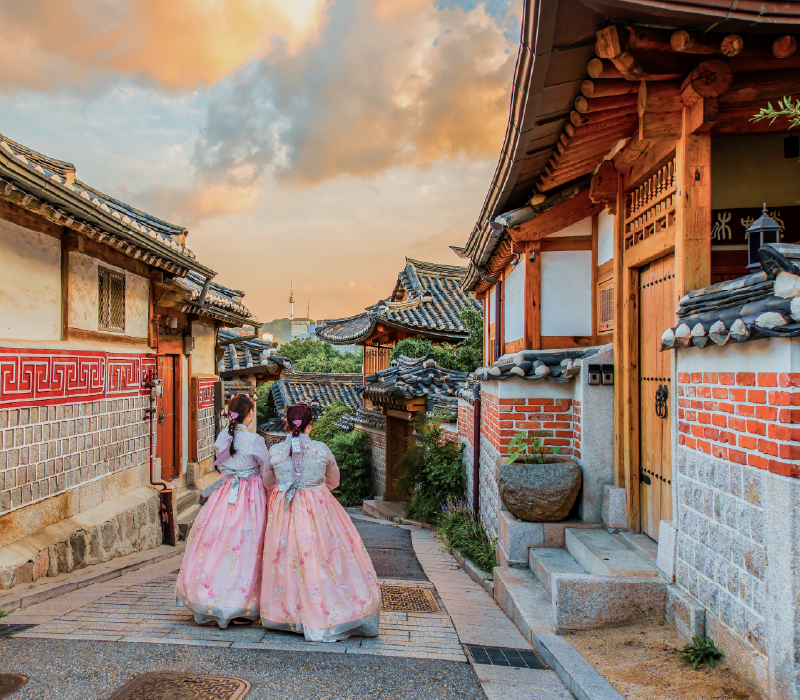
Spring is also a beautiful season to uncover Seoul’s palaces with a refined cultural lens. Arrange exclusive hanbok rental with a private cultural tour at Gyeongbokgung and Changdeokgung, then add a photographer for a personal keepsake that feels artful rather than staged. The stone courtyards, painted eaves and garden paths are especially photogenic when clear skies return, and the air still holds a touch of chill.
- Plan for evenings: spring can feel chilly after sunset, so dress in layers to stay comfortable.
- Reserve early: premium dining and five-star stays sell quickly in popular months to visit.
- Built in flexibility: if cherry blossom crowds swell, shift to a quieter palace entrance or a later stroll.
In spring, festivals in South Korea feel optimistic and open-hearted, and friendly locals often make the experience warmer than any temperature chart can promise. It’s one of the best times to visit, which rewards travellers who arrive with curiosity, trust, and a little space in the schedule to linger.
Autumn best time to visit South Korea
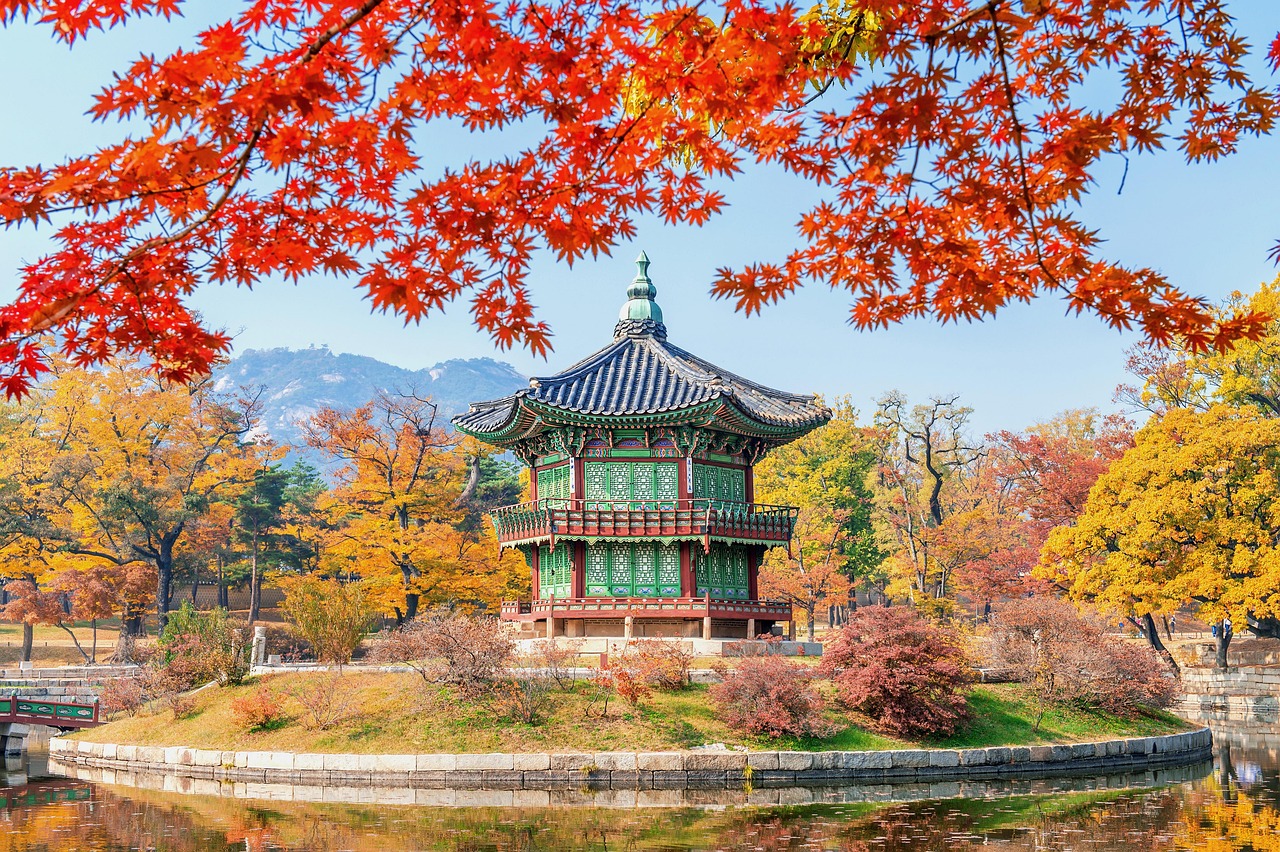
Autumn best time to visit South Korea: foliage in Seoraksan National Park and elegant Seoul days (September to November)
If you’re weighing the best times to visit South Korea for autumn scenery against spring blossoms, autumn often wins for crisp comfort and cinematic landscapes. September to November is a popular time for clear skies, cooler air, and time for hiking that feels energising rather than demanding. For many, this is the most balanced time to visit South Korea: city elegance in Seoul, then wilderness calm within easy reach, plus a steady calendar of food and culture festivals.
One high-end traveller described an autumn walk in Seoraksan as the perfect reset from urban life: golden colour spreading across the ridges, a quiet pause near a mountain temple, and the gentle sound of the wind moving through the trees. In places like this, even a short route can feel like a true retreat, especially when your day is paced by a guide who shares real insight into the landscape and local history.
Seoraksan National Park: outdoor activities, national parks, and foliage highlights
Seoraksan National Park is among Korea’s most celebrated national parks, and the foliage here can be extraordinary. Start early for softer light and fewer people, then retreat to a warm lunch stop before the afternoon cool arrives. If you prefer a quieter rhythm, your driver and guide can adjust outdoor activity routes to match how you feel in the moment—comfort first, always.
Visit Seoul in autumn: palace gardens, Insadong tea houses, and a festive evening
To keep the season feeling complete, pair your nature day with a refined city day. In Seoul, palace gardens and stone courtyards take on a honeyed tone in autumn, then evenings invite you into Insadong tea houses for artisan encounters and local conversation. Add one festive night—perhaps a small neighbourhood festival or a curated tasting—so the trip feels both cultured and alive.
- Early starts help you enjoy Seoraksan with more space and softer light.
- Private drivers make transfers seamless and protect your energy for the experience itself.
- Choose your good month: early autumn is greener and quieter, while later weeks bring deeper colour.
Among all the times to visit, autumn is one of the best times to visit South Korea for comfort: photogenic, calm, and beautifully suited to an itinerary that moves between mountains and Seoul without hurry.
Winter times to visit South Korea
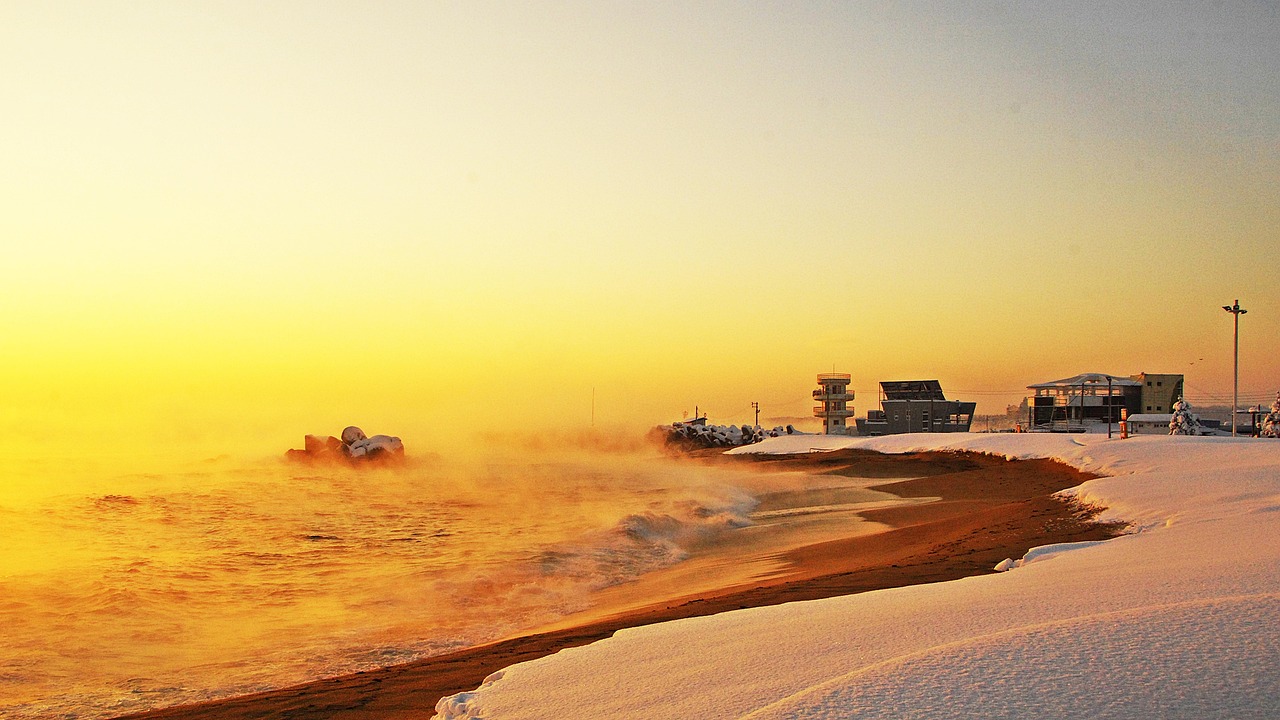
Winter times to visit South Korea: festivals, snow, spa serenity, and South Korea in January in Gangwon-do
For travellers drawn to stillness and bright winter light, the time to visit South Korea in January can be quietly spectacular. Winters in South Korea bring colder temperatures, shorter days, and crisp air that makes city lights sparkle; January is the coldest month for many regions. Put simply, January is the coldest month in South Korea, so plan for icy mornings, a warm hotel base, and indoor cultural stops between outdoor activities.
A distinctive highlight is the Hwacheon Sancheoneo Ice Festival, where you can fish through ice and wander snowy streets in Gangwon-do. This festival is playful and photogenic, and with the right support, it can also feel surprisingly comfortable. A private ice fishing experience, chauffeured transfers, and a warm retreat afterwards can turn a brisk day into a truly festive memory, especially when it aligns with the Lunar New Year season.
Festival days in Gangwon-do: timing, comfort, and winter festival atmosphere
At the Hwacheon Sancheoneo Ice Festival, timing and access make all the difference. Arrive early to enjoy the freshest snow and avoid queues, then step back when the crowds gather. Many festivals in South Korea have a similar rhythm: a calm beginning, a lively middle, and a peaceful end—choose the pace that suits you, and you’ll feel held by the day rather than rushed by it.
Ski, winter sports and spa serenity near Seoul
A high-end traveller once reminisced about a winter stay at a luxury resort in Gangwon-do, complete with spa treatments, warm pools, and private experiences that blended comfort with adventure. Add ski days or other winter sports, then return to Seoul for galleries, late dinners and soft-lit bars. A two-centre design keeps the trip elegant—Seoul for culture, the mountains for snow and restoration.
- What to pack: warm clothing, gloves, and footwear with grip for icy conditions.
- Transport matters: private transfers reduce stress and keep the day seamless.
- Comfort pacing: plan short outdoor breaks followed by warm, unhurried indoor time.
Among the best times to visit for contrast and atmosphere, winter suits travellers who love brisk air and deep warmth, quiet mornings and glowing evenings—designed with care and confidence.
Summer season in South Korea by season
Summer season in South Korea by season: monsoon season planning for Busan, Jeju Island, and coastal luxury
When considering South Korea by season, summer can be rewarding, but it requires realism and flexibility. This section answers the question about South Korea by season honestly: summer in South Korea is hot and humid, with high humidity, noticeable moisture, higher rainfall, and a rainy season that can disrupt plans at short notice. Korea in July often sits in peak monsoon season, and South Korea’s monsoon season can bring sudden downpours even when mornings look clear—especially during the July and August stretch, when rainfall spikes.
That said, the summer season still holds glamour when you lean into coastal ease and indoor culture. Think sea-view suites, long lunches, and late evenings when the air cools slightly. With the right design, it can be a time to enjoy the coast without feeling at the mercy of the weather.
Busan beach stays: best time to visit Busan, beach clubs, and city energy
Busan is a stylish, warm-weather base, especially if you love a beach atmosphere with city energy. The best time to visit Busan for classic seaside days is typically late June through early September, though Korea in July can feel intense at midday. Choose a hotel with an excellent pool, a spa, and concierge support, then plan sunrise walks and sunset dining so the day feels polished rather than sticky.
Jeju Island: nature, low-key luxury, and monsoon-friendly pacing
Jeju Island offers a gentler pace: boutique resorts, private drivers, and local food experiences that feel immersive yet effortless. It’s ideal if you want nature without long hikes, and if you like discovering small cafés, coastal roads and quiet viewpoints between showers. For those who dislike heat, the best way to avoid the most oppressive days is to consider late June or early September, or to pivot to indoor museums in Seoul when the rainy season is at its peak.
- Build flexibility: keep one “floating” afternoon for weather changes during South Korea’s monsoon season and South Korea’s rainy season.
- Choose one festive evening: a lantern festival or a food festival keeps nights lively even when it rains.
- Balance your trip: mix coastal days with Seoul’s indoor culture for comfort.
Even in the summer months, festivals in South Korea can be surprisingly atmospheric—music, street food, and welcoming local energy that turns a wet night into a story you’ll retell. If you’re comparing times to visit, summer is rarely the easiest, but it can still be one of the best times for coast-lovers who plan around weather and choose the right addresses.
Luxury planning by month to visit South Korea
Luxury planning by month to visit South Korea: travel guides, South Korea travel tips, and a seamless Seoul start
If you’re looking for a clear month to visit South Korea, luxury travellers tend to begin with spring and autumn because they’re often considered the best times to visit for comfort, clear skies, and easy day-to-day pacing. These travel guides also help with reservations, routing, and the finer details that define a high-end trip, including South Korea travel tips on Incheon arrival logistics, table bookings, and hotel design. In practice, time to visit South Korea depends on how you want to move through each day—art and shopping in Seoul, time for travel into national parks, or coastal calm in Busan and Jeju.
As a gentle framework, spring and autumn are the seasons that most travellers find easiest, while the hottest month is typically August and the coldest month often lands in January; many locals will say January is the coldest month. Within any month of the year, the beginning of the month can feel calmer than the end of the month, especially around school holidays and domestic travel surges. If you’re travelling in the middle of the month that aligns with a major public holiday or a major festival weekend, plan earlier and secure key experiences with expert help.
Arriving via Incheon: private transfers, first-day planning, and time for travel
Most international flights arrive at Incheon International Airport. For speed, the AREX express train is efficient into Seoul; for complete ease, private car transfers provide door-to-door comfort and a calmer first impression. Whichever you choose, the aim is the same: a seamless arrival that preserves your energy, so you begin with confidence rather than logistics.
Where to stay and how to book high-end access in Seoul (palaces, artisans, and festival nights)
For accommodation, many travellers mix a five-star hotel in Seoul with a boutique hanok stay for a crafted sense of place. In spring and autumn, reserve well in advance—these are popular times to visit—so you don’t compromise on room category or location. To uncover deeper local stories, book guided tours early: private palace visits, hanbok styling, artisan studios, and one curated festival evening can all be arranged at a pace that feels personal and unhurried.
- Payments: cash is widely used for small purchases, while cards are accepted in most high-end venues.
- Etiquette: removing shoes in homes and traditional tea houses is a sign of respect and care in South Korean culture.
- Packing: layers suit the shoulder seasons, especially when mornings and evenings shift.
If you’d like visual inspiration while you refine your dates, explore our Trip gallery and imagine how your own itinerary could be designed—beautifully paced, deeply considered, and supported throughout.
F.A.Qs
F.A.Qs: Best season to visit Korea and time to visit South Korea planning
Which month is best to visit Korea?
For many travellers, April and October are standout months to visit. April captures cherry blossom in Seoul and beyond, while October brings crisp weather, clear skies, and striking foliage in national parks. If you want the easiest balance of comfort and atmosphere, these can be among the best times to visit, especially when planned with a little flexibility and an eye on cherry blossom bloom dates.
What is the cheapest season to go to Korea?
Prices can dip in parts of winter (outside Lunar New Year and other holiday peaks) and during the rainy stretches of summer, when demand is lower, and some travellers consider it best to avoid the wettest weeks. However, value isn’t only about nightly rates; it’s also about what you can comfortably do each day, particularly in hot and humid conditions. If you’re flexible on dates and room types, a luxury trip can still feel crafted and cost-effective in quieter weeks.
What is the most popular season in Korea?
Spring and autumn are the most popular seasons, thanks to comfortable temperatures, outdoor activities, and beautiful scenery. Spring draws travellers seeking cherry blossom and cherry blossom festival events, and autumn attracts those who want clear skies and mountain colour. These are popular times to visit, so booking hotels, guides and special dining well ahead helps you keep the experience seamless.
What is the 52-hour rule in Korea?
The “52-hour rule” commonly refers to South Korea’s 52-hour workweek cap, designed to limit excessive working hours. For travellers, it can subtly shape city rhythms: evenings and weekends may feel especially lively as people make time for dining, shopping and festivals. It’s not a travel restriction, but it can influence when venues feel busiest, especially in Seoul during peak festival periods.
After South Korea: what lingers from the best times to visit and the Seoul seasons you’ll remember
Long after you’ve stopped checking the calendar to schedule visits, what remains is atmosphere. The hush of palace courtyards in Seoul, the soft clink of cups in an Insadong tea house, the way lantern light warms a winter street—these details settle into memory with a quiet permanence. South Korea’s seasons are vivid, yet it’s often the small human moments that return to you first.
Travellers speak of the kindness felt at a festival when a stranger offered directions with patient warmth, or the gentle pride of a local artisan explaining their craft over tea. Someone remembers how cherry blossom drifted across their sleeve like snow; another recalls autumn air in the mountains, and the calm of a temple pause that made the city feel very far away. In those moments, the destination stops being a place you visit and becomes something you carry.
Perhaps that is the real best time to visit the south: the one you create together with intention, curiosity and trust, where comfort and discovery move in step. One of the best times is when your trip matches your pace—whether that’s spring or autumn for easy walking, or winter for spa evenings and a festival glow. If you’re still asking the best season to visit Korea, the answer is often the season that lets you be present and makes you want to return to Seoul for a different chapter.