Post Contents
- South Korea: times to visit, what each season feels like (best time to travel to South Korea)
- Visit Seoul in spring: cherry blossom season near Gyeongbokgung (best times to visit)
- Autumn in South Korea: best times to visit for foliage, lantern nights & South Korea in October
- Jeju Island: best months to visit South Korea and plan a private Jeju tour
- Summer in South Korea: monsoon season planning, Busan beach stays & travel tips
- South Korea in January: ski escapes, winter sports, Lunar New Year, and a DMZ tour
- F.A.Qs
- Final Thought
South Korea: times to visit, what each season feels like (best time to travel to South Korea)
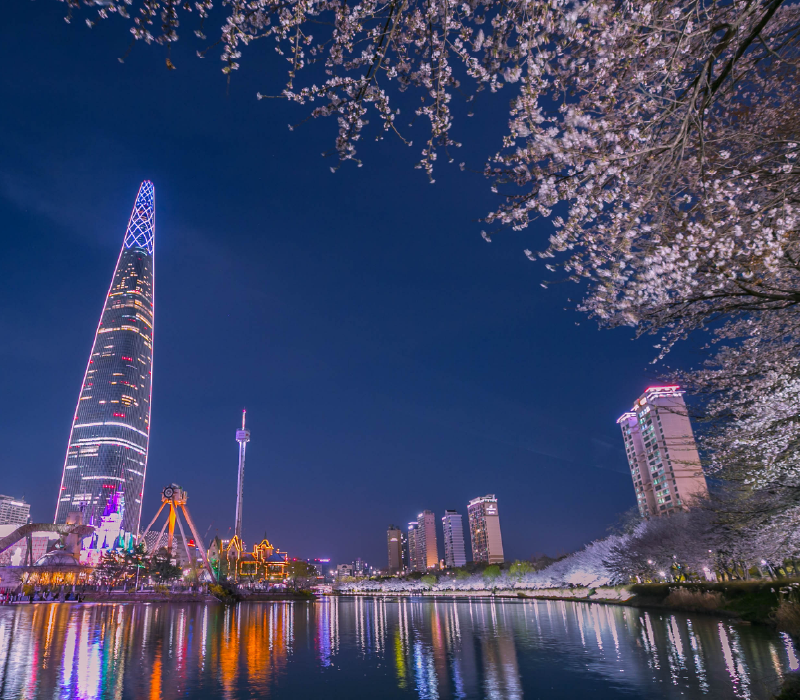
South Korea times to visit by season in Seoul on the Han River—how the weather, colours, and pace shift across the year
When guests ask about the best time to travel to South Korea, we frame the answer around comfort, colour, and how easily a route can be crafted from city to countryside. For most travellers, spring and autumn are the clear favourites—brighter skies, gentler temperatures, and a pace that invites you to linger, whether you’re in Seoul or exploring much of the country by rail. If you’re choosing the best time to travel for food, design, and easy walking days, these shoulder seasons are consistently the best times—and, for many, the best time to visit South Korea without compromise.
Think of the year in South Korea as four distinct seasons with very different personalities. This perspective helps you decide the best time of year to visit, how to balance city glamour with island heritage and outdoor space, and when to avoid crowds—without rushing. For many clients, understanding seasonality is the difference between a “good trip” and an excellent time that feels effortless from start to finish.
Best months to visit: a simple guide to comfort, crowds, and colour
Spring (March to May) brings the arrival of spring with crisp mornings, comfortable afternoons, and evenings that suit a light layer—especially in Seoul. Autumn (September to November) delivers mild weather and clear air, with an autumnal glow that flatters landscapes and architecture alike; for many travellers, the weather is mild enough for long lunches and unhurried neighbourhood walks. If you’re narrowing down the months to visit, these are often the best months for first-timers and repeat visitors alike.
Summer is rewarding but demands smarter planning: July and August can be hot and humid, and humidity plus rainfall can shape your day at short notice. Winter is made for crisp city scenes and mountain escapes, yet it’s a colder, more curated style of touring—shorter outdoor windows, warmer interiors, and an emphasis on comfort between stops.
- Spring: fresh markets, long walks, and cherry blossom season; an excellent time for palaces, galleries, and gentle outdoor activities.
- Autumn: autumn foliage, lantern nights, and scenic drives with cooler city days and clear viewpoints.
- Summer: coastal energy and food culture, but plan around Korea’s rainy season and monsoon patterns.
- Winter: quiet historic districts, seasonal cuisine, and mountain breaks that can include ski days and cosy lodge time.
Popular times to visit: pricing, availability, and how to travel well
Beyond the seasons, it helps to recognise the popular times to visit and the popular time patterns in South Korea. Weekends can see domestic travel surge toward coastal drives, mountain walks, and headline attractions; school holidays and Chuseok can tighten availability and lift prices in Seoul and resort regions. In practice, these spikes often define the most popular months to visit, even when the weather is still pleasant.
Our high-end lens is simple: choose shoulder dates where possible and design an itinerary with breathing room. You’ll often find better restaurant access, quieter suites, and smoother touring—less time waiting, more time to enjoy. If you’re still deciding on the year to visit South Korea, begin with priorities (blossom, foliage, food, beach days, or snow) and build a confident route around the country’s rhythm; this is the most practical way to start planning your trip. For inspiration, explore our Trip gallery.
Practical comforts matter too: most international flights arrive at Incheon International Airport, and luxury transfers can support a calm arrival into Seoul. Budgeting $200–$300 per day is a sensible baseline for refined dining, accommodation, and guided tours, while a local SIM card or portable Wi‑Fi keeps navigation and concierge coordination seamless.
Visit Seoul in spring: cherry blossom season near Gyeongbokgung (best times to visit)
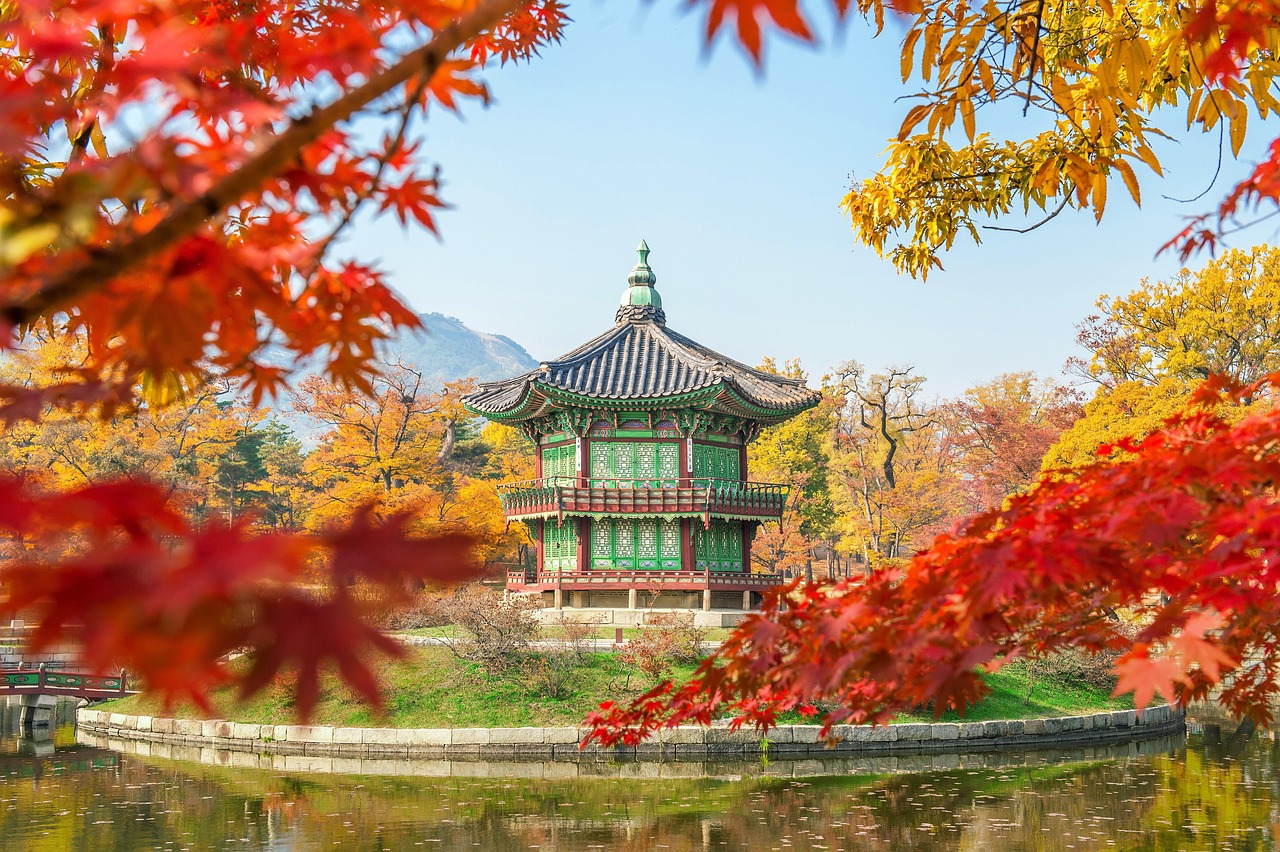
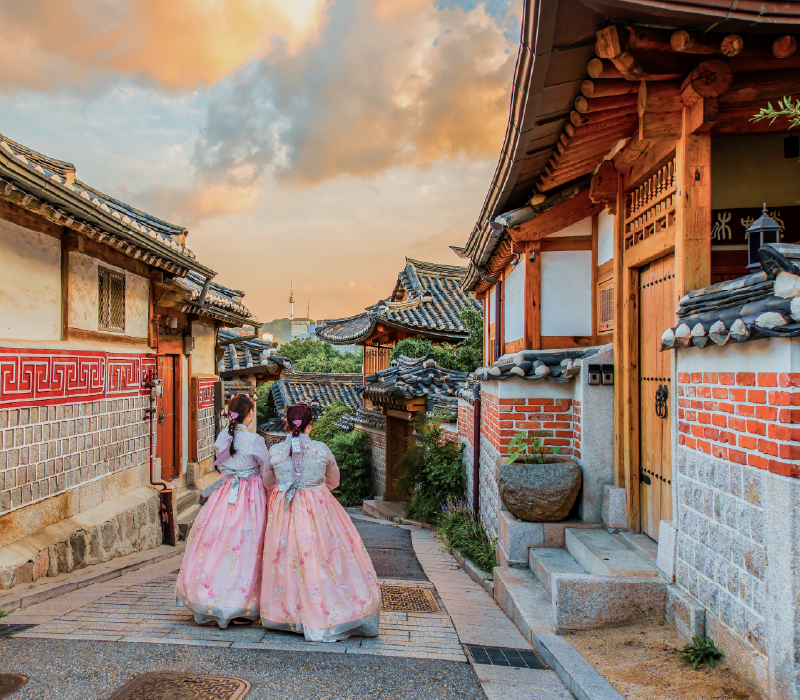
Visit Seoul in spring for cherry blossom walks and palace courtyards in soft morning light
If your dream is to visit Seoul when the city looks freshly painted, then March to May is your window. South Korea is during spring at its most gentle: skies are often clear, street life feels lighter, and the pace suits slow walks between palaces, galleries, and cafés. For many guests, this is the time to visit South Korea when the itinerary practically designs itself—especially if you want comfort-first sightseeing and long café afternoons.
Timing within the spring matters. South Korea in March can still carry a cool edge after sunset, with blossoms just beginning to stir. South Korea in April is usually the sweet spot for cherry blossom, while early May leans greener and slightly warmer—ideal for long lunches and twilight strolls between neighbourhoods. March and May bookend the season, offering a mix of crisp mornings and softer evenings.
Seoul at dawn: escape cherry blossom crowds with quiet palace hours
One luxury traveller told us their most unforgettable moment came at Gyeongbokgung just after first light. They arrived before the busiest gates, when the courtyards were nearly silent, and the trees looked like a soft halo against tiled roofs—an antidote to cherry blossom crowds. In those minutes, Seoul felt private—less like a capital city, more like a personal memory being created in real time.
If you’re sensitive to crowds, an early start is the simplest form of comfort. It also brings better photography conditions: cleaner light, fewer interruptions, and a slower rhythm that encourages you to notice details—paintwork, stone textures, and the way petals gather along pathways.
Private hanbok fitting in Seoul: a refined, respectful cultural detail
To deepen the cultural experience, consider a private Hanbok fitting and styling session rather than a quick hire. A solo traveller shared how wearing a custom Hanbok and strolling the palace grounds at sunset felt quietly transformative—less about dressing up, more about stepping into history with respect and care. We can also recommend a discreet fitting location in Seoul where craftsmanship and proportion are taken seriously.
For spring additions that keep the day seamless, we recommend an evening walk along Cheonggyecheon Stream, a curated tea house stop for seasonal sweets, and—if you value keepsakes—a discreet photographer who specialises in natural, elegant portraiture.
Autumn in South Korea: best times to visit for foliage, lantern nights & South Korea in October
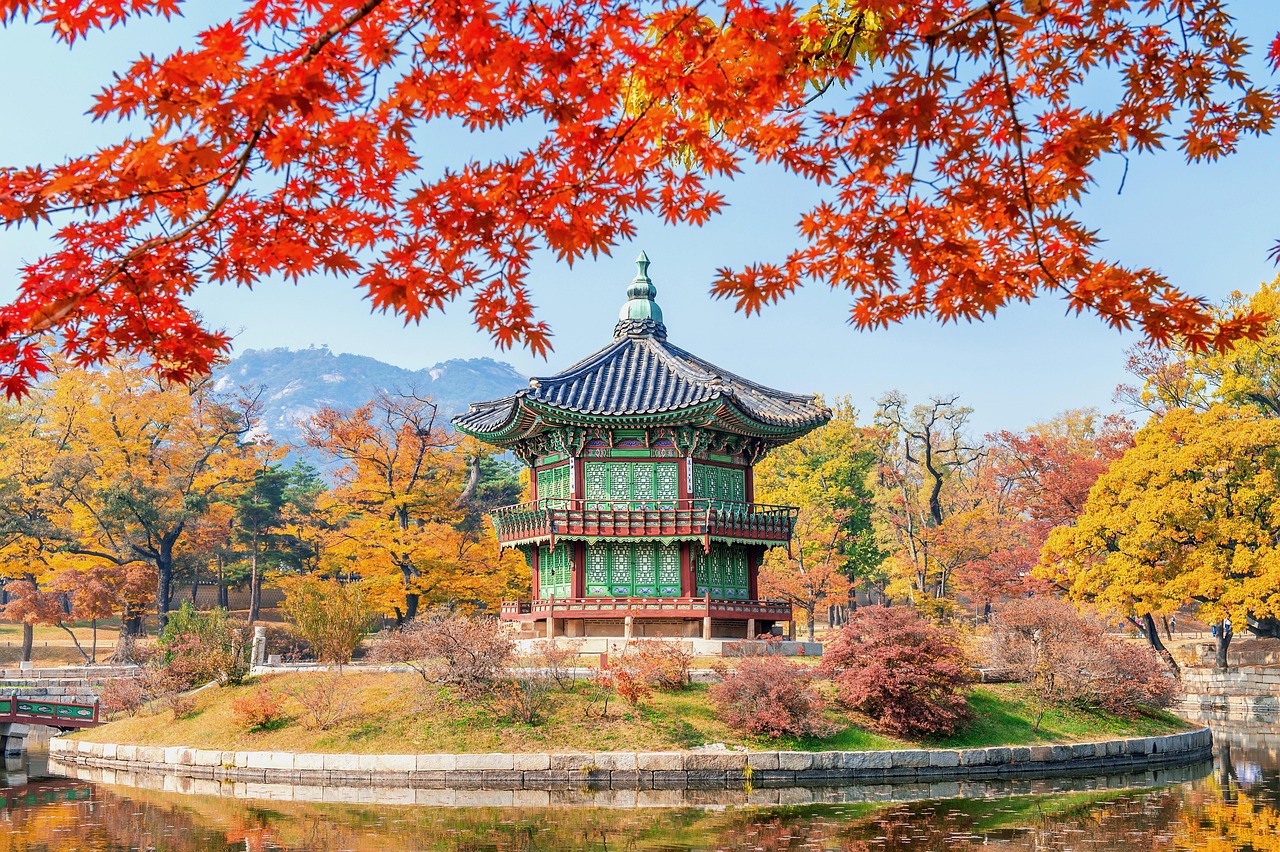
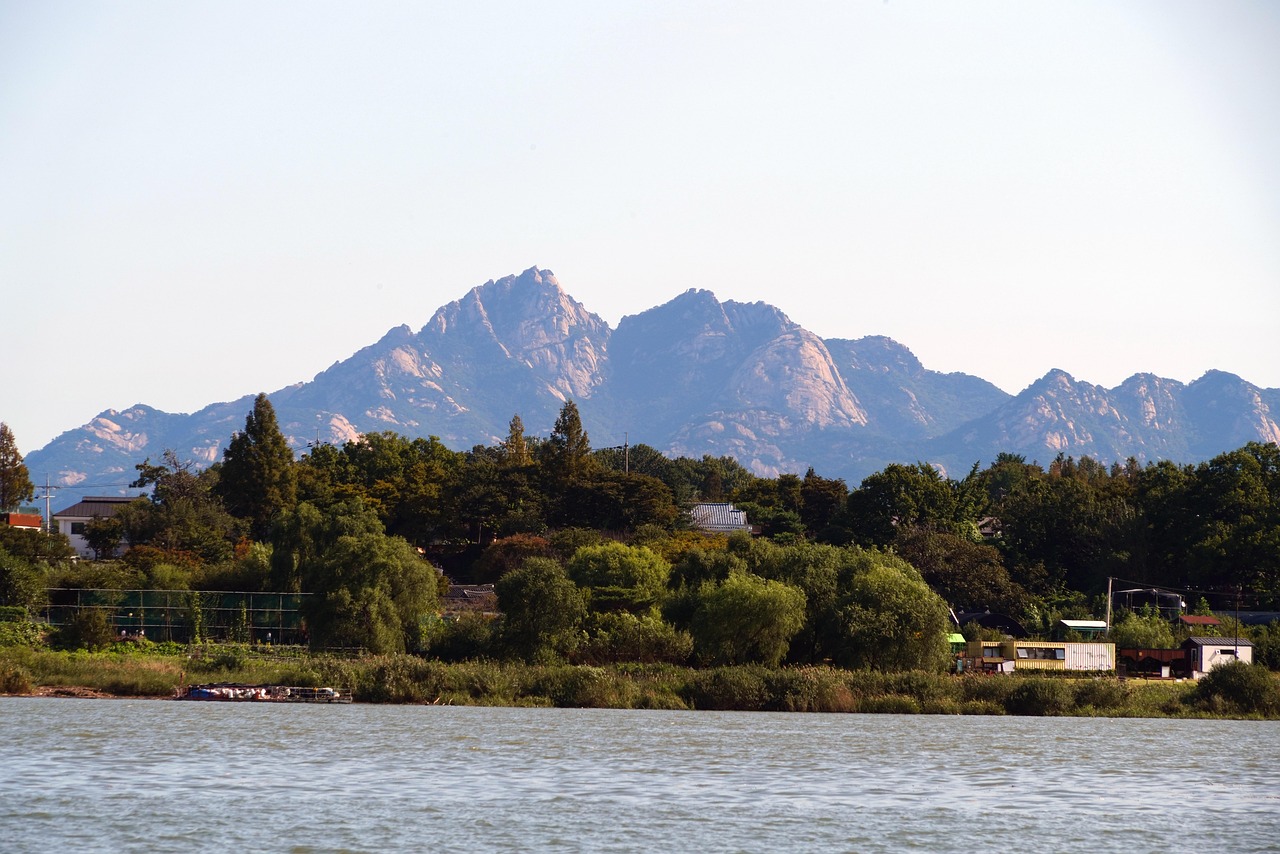
Autumn in South Korea—crisp mountain air, glowing foliage, and unhurried drives
For many discerning travellers, autumn is when South Korea feels at its most elegant—clear air, comfortable days, and a calendar that rewards slow travel. September and November are particularly appealing, and South Korea in October is often the headline month for refined touring. With smart route design, it’s one of the best times to combine city stays with countryside scenes and seasonal dining.
In this period, you’ll often find pockets of low rainfall, vivid colour on the hills, and evenings that suit outdoor dining without the heaviness of summer. If you love a cultural atmosphere, lantern events can be beautifully layered into an itinerary, balancing nature with local traditions and curated experiences.
National parks in South Korea: Seoraksan, Jirisan, and quiet luxury in nature
If your idea of luxury is space, silence and beauty, plan time in South Korea’s national parks—and treat Korea’s national parks as a genuine highlight, not a day-trip afterthought. Seoraksan is the classic choice for vivid colour and scenic viewpoints, especially if you’re happy with short, well-maintained trails and cable car access. Jirisan can feel quieter and more contemplative, with a mountainous character that suits travellers who prefer nature without a constant hum of visitors.
Autumn photography is forgiving: clearer air, softer shadows, and cooler temperatures that make longer walks comfortable. For a seamless experience, consider a private driver-guide so you can pause when the view asks you to—without watching the clock.
- Design for pace: start earlier on weekends, then retreat to a spa or a chef-led dinner when day-trippers peak.
- Choose your viewpoints: higher elevations can be breezier, so bring a light knit for lookouts.
- Built-in flexibility: foliage timing can shift slightly year to year, and that’s part of the charm.
Jinju lantern nights: local hospitality and the Seoul Lantern Festival
Autumn also carries the glow of Jinju’s river lantern celebrations—an unforgettable evening that often aligns with this season. One visitor recounted being invited to join a local family for the night: lantern-lit riverside walks, then a shared meal of traditional dishes that felt like their hometowns, even far from home.
If you’re building an event-led itinerary, book premium rooms and private guides early; autumn can be a popular time, especially around peak weekends and public holidays like Chuseok. The best to avoid (if you crave quiet) are Friday-to-Sunday city breaks in prime foliage weeks—consider midweek stays instead, or base yourself slightly outside hotspots for a calmer return at night. If you’re in the capital, the Seoul Lantern Festival can add a gentle evening layer without needing to leave the city.
Jeju Island: best months to visit South Korea and plan a private Jeju tour
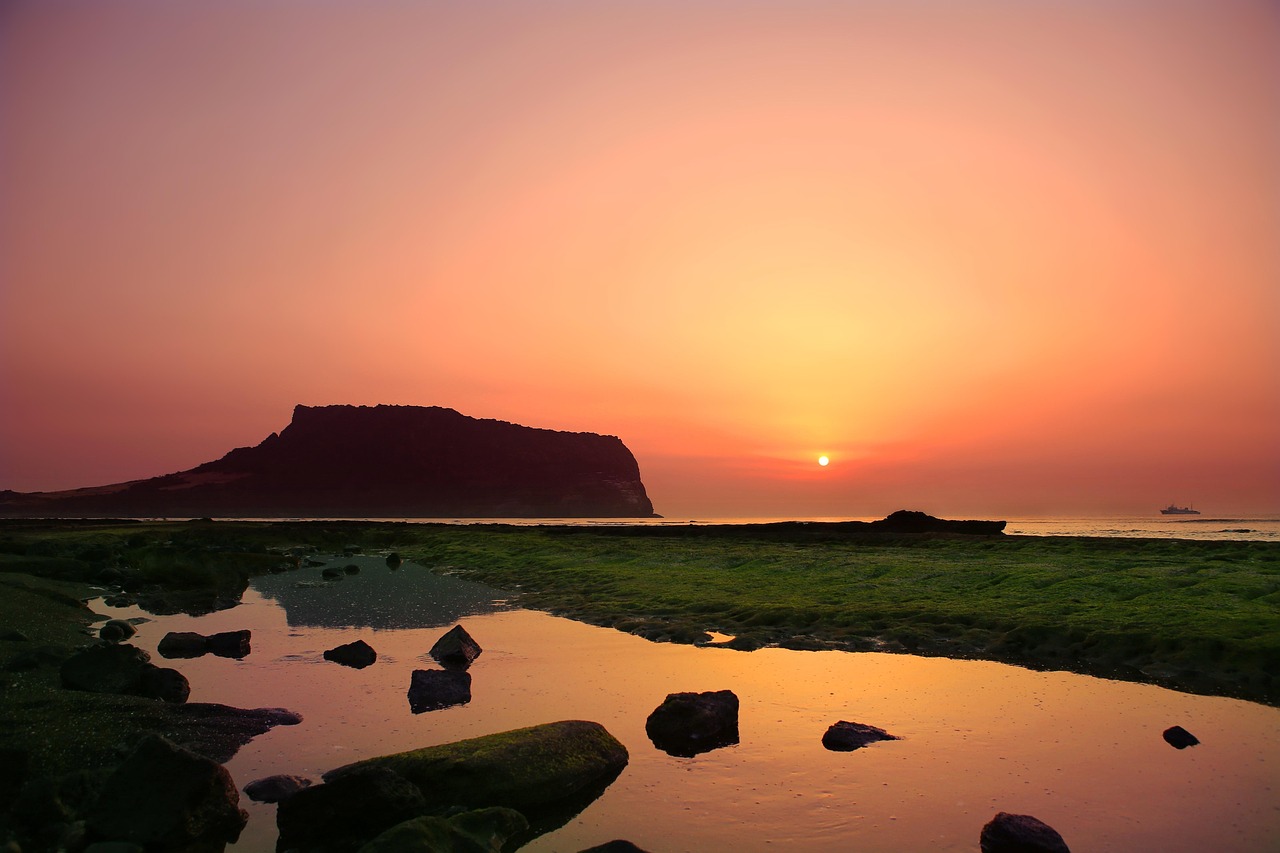
Jeju Island—coastal horizons, volcanic landscapes, and a slower luxury pace
For travellers who want South Korea to feel spacious, Jeju is the reset button—wind, stone walls, and coastal roads that invite you to slow down. Jeju Island pairs beautifully with a few dynamic days in Seoul, and the best months depend on whether you prioritise hiking, seafood, or uninterrupted time to enjoy the island’s calm between mainland highlights.
Spring and early summer can be bright and fresh, while autumn often delivers clear days and comfortable evenings. Winter can be striking too, but sea conditions and wind can change quickly, so it’s best approached with flexible, well-supported planning—especially if you want your days to feel calm rather than weather-led.
A private guided day in Jeju Island: from Seongsan Ilchulbong to Seogwipo
We love designing a private guided day that begins before the island fully wakes. Start with Seongsan Ilchulbong sunrise peak, then move on to the Manjanggul Lava Tube for a cool, otherworldly contrast. After that, slow the pace: a late lunch and a local seafood tasting in Seogwipo, where the flavours feel clean and direct—very Jeju.
A couple described their Jeju private tour as including the icons while also uncovering quieter corners: a viewpoint road with no coaches, a café with a local pottery display, and a coastal walk timed for golden light. That bespoke rhythm deepened their insight into Jeju landscapes—less sightseeing, more true exploration.
Hallasan in each season: rainfall, wind, and why it’s perfect for hiking
Hallasan is central to Jeju’s character and can be perfect for hiking in the right conditions. Spring and autumn often offer the most comfortable trail temperatures, while winter may require traction gear and a more conservative plan. Rainfall and wind can reshape a day quickly, and sea spray can make coastal paths slippery—so keep footwear sturdy and let your guide adjust timings with confidence.
If you’re linking Jeju Island with the mainland, the KTX can support fast, comfortable travel between cities, and flights back into Seoul are frequent—useful if you’re finishing with shopping, dining, or one last cultural stop.
Summer in South Korea: monsoon season planning, Busan beach stays & travel tips
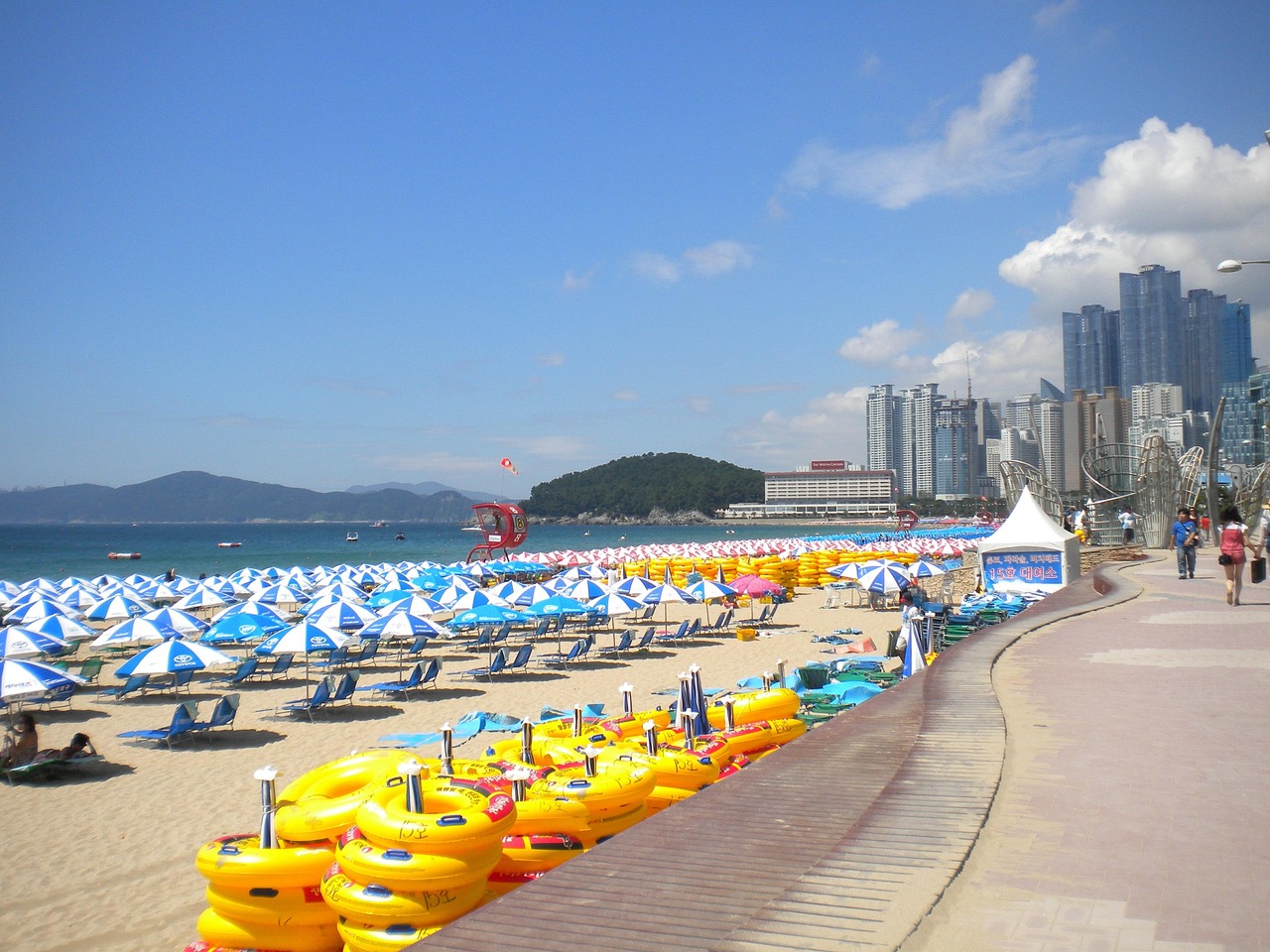
Summer in South Korea—coastal city energy, warm evenings, and flexible planning
Summer in South Korea comes with honest trade-offs. Early June often feels like a build-up, and peak monsoon season typically arrives in mid-summer, when downpours can be intense and short-lived. Still, if you love seaside energy, night markets, and long dinners, this can be a memorable time—especially with a well-designed base in Busan.
The key is to plan around the weather rather than fight it. Expect sudden showers; keep a flexible schedule, and lean into indoor experiences when storms roll through. Thoughtful hotel locations and local support help you reroute quickly if plans change. That responsiveness turns uncertainty into something manageable and keeps the trip feeling seamless.
Comfort-first pacing for Korea’s rainy season and monsoon season
During Korea’s rainy season, the most luxurious choice is often restraint. Build buffers between bookings, choose hotels with strong spa facilities, and prioritise districts where you can duck into galleries, cafés, and boutiques without long transfers. This is also when a local SIM becomes more than convenient—it’s real-time ease when plans evolve, especially as monsoon season showers raise humidity.
- Umbrella strategy: a compact umbrella plus a light raincoat handles sudden downpours better than either alone.
- Indoor anchors: schedule one museum, one shopping block, and one tea or tasting experience daily.
- Footwear: choose shoes that handle slick pavement and still feel polished at dinner.
Busan as a refined summer base: beach time, dining, and easy transfers
When the forecast behaves, Busan offers genuine beach pleasure with excellent dining and oceanfront stays. In the summer months, consider a slow morning by the water, then retreat for a long lunch and a spa-led recovery before evening cocktails—this balance makes travel to South Korea feel energetic without feeling hectic.
If you’re combining Seoul and Busan, keep transfers efficient and avoid over-stacking tours on arrival days. The journey feels more crafted when your schedule allows for pauses, especially when the air is warm and the days are changeable.
South Korea in January: ski escapes, winter sports, Lunar New Year, and a DMZ tour
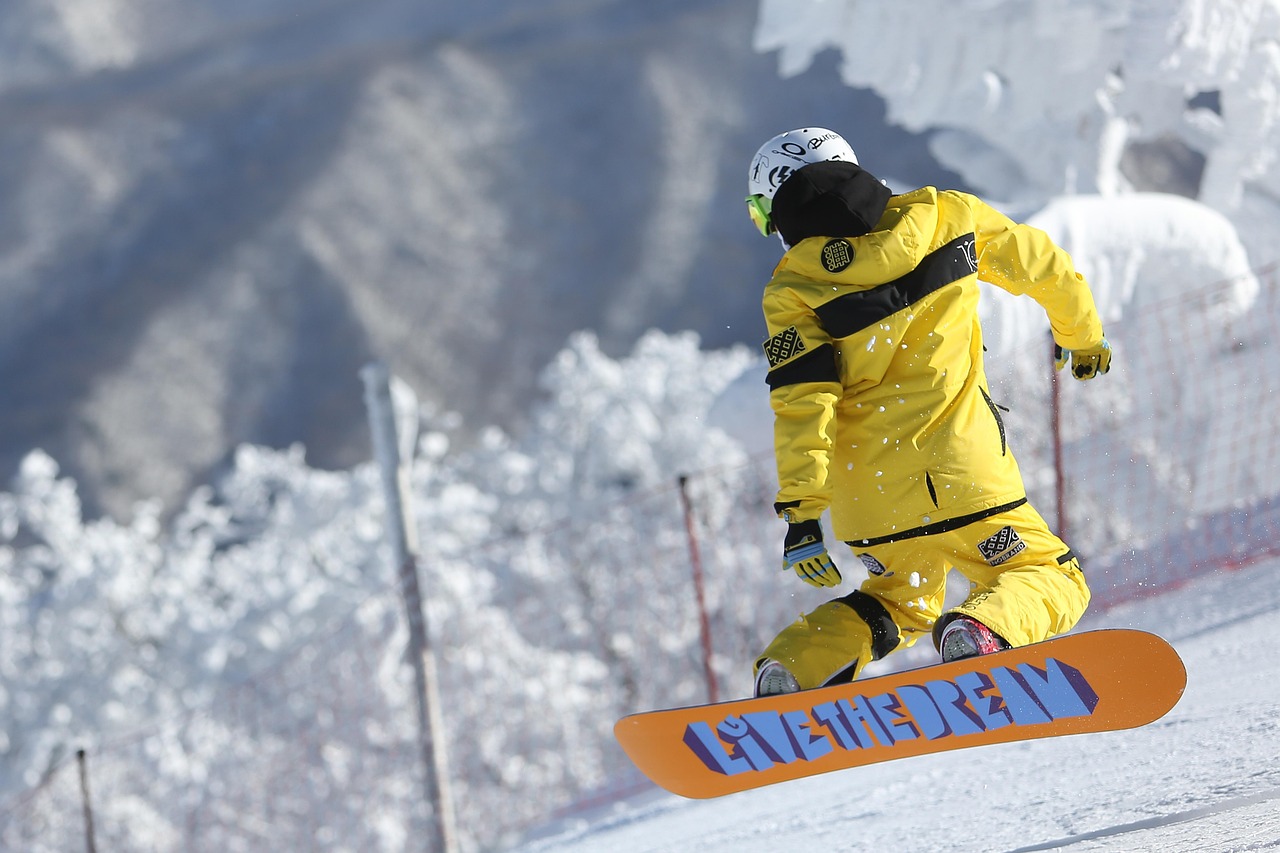
South Korea in January—clear skies, crisp light, and thoughtful winter touring
For travellers drawn to clarity, South Korea in January offers a very different kind of beauty. January is the coldest month, and mornings can be genuinely chilly, with possible snowfall and crisp air that makes the sky feel close and bright. Winter is about texture: steam rising from soup, the quiet of courtyards, and clean architecture under pale light.
If winter sports are part of your design, a ski escape can be surprisingly luxurious—think lodge comfort, attentive service, and warming rituals between runs. Note that the lunar new year can shift schedules, availability, and pricing, so it’s wise to secure key reservations early if your dates overlap.
Winter options beyond Seoul: cultural etiquette and the calm of Gyeongju
Even in winter, you can uncover moments that feel deeply personal. Plan shorter outdoor visits with warmer indoor breaks, and lean into seasonal food experiences that build trust in the day’s rhythm. A few South Korean etiquette basics also help: remove shoes before entering homes and use both hands when giving or receiving items.
If your itinerary allows, add one atmospheric detour: Gyeongju. On a cold, clear day, its heritage sites feel almost meditative, especially when you time visits for late-morning warmth and then return to a cosy dinner.
An exclusive DMZ visit: thoughtful context with a vetted operator
A DMZ tour can be one of the most compelling ways to gain insight into modern Korean history and geopolitics, especially when handled with sensitivity. Choose an exclusive experience with a vetted operator who prioritises safety, respectful conduct, and clear explanations. Done well, it can feel less like a checklist and more like a thoughtful conversation with the present day.
This is also a season when private transport and a calm guide make an outsized difference—less exposure to winter wind, more time spent actually understanding what you’re seeing, including key viewpoints and visitor briefings.
F.A.Qs
What is the 52-hour rule in Korea, and does it affect visitors?
The 52-hour rule typically refers to South Korea’s 52-hour workweek cap (40 regular hours plus up to 12 overtime hours). For travellers, it can subtly shape city rhythms: some offices close earlier, certain services run on predictable schedules, and weekends can feel especially lively as locals reclaim their time.
What is the cheapest time to go to South Korea for flights and hotels?
Lower prices are often found in quieter windows, such as late winter (outside Lunar New Year) and parts of the rainy summer period. That said, value comes from balancing rates with comfort—choosing a time to visit South Korea when you’ll still enjoy the experience and avoid the most crowded holiday weekends.
What is typhoon season in Korea, and should you avoid it?
Typhoon risk is highest in late summer into early autumn, and weather can disrupt flights and coastal plans. Not every trip is affected, but if you travel to South Korea, then keep your itinerary flexible, choose well-located hotels, and rely on local support for swift adjustments.
How many days in South Korea is enough for Seoul, Jeju, and beyond?
For a first trip, 7–10 days is enough to enjoy Seoul with day trips and add one additional region, such as Busan or Jeju Island. With 12–14 days, you can tour at a more luxurious pace, include time in the countryside and national parks, and build in rest—so the journey feels seamless rather than rushed.
Final Thought
In the end, the best times to visit this destination are less about spreadsheets and more about what lingers when you’re home. There is a hush that settles in your memory—the soft scrape of footsteps across palace stone, the way lantern light skims over water, and the calm confidence that arrives when the timing simply fits.
I still picture a Hanbok hem catching the last of the day’s warmth, and the quiet pride of craft in every seam. I remember a shared table where the food tasted of care, and the conversation didn’t need translation to feel local and true. And I think of Jeju, where the wind seems to edit your thoughts down to what matters—horizons, salt air, and the relief of slowing.
South Korea gives generously, but it gives differently in each season. If you ever return—perhaps in another month, under another kind of light—you may find the country hasn’t changed so much as revealed a new layer you weren’t ready to notice before.