Post Contents
- Discover South Korea and Design Your Luxury Itinerary for a Luxury South Korea Tour
- Seoul Palaces and Bukchon Hanok Village Elegance for Gyeongbokgung Palace and Changdeokgung
- Seoul Style in Garosugil Gangnam and Myeongdong for Luxury Neighbourhoods and Korean Cuisine
- Uncover the DMZ with an Exclusive Guided Tour: Insight into the Demilitarised Zone
- Busan and Gyeongju UNESCO World Heritage Site Temples by High Speed Train KTX
- Jeju Island Natural Beauty and Luxury Resort Stays for Seongsan Ilchulbong Sunrise
- Seamless South Korea Travel Planning and Seoul to Tokyo Extension with Tour Packages
- F.A.Qs
- After South Korea, What Stays With You
Discover South Korea and Design Your Luxury Itinerary for a Luxury South Korea Tour
Discover South Korea and Design Your Luxury Itinerary
To discover South Korea itinerary, a luxury South Korea tour planning at its best is to feel how quietly everything can flow: private airport meet-and-greet, thoughtful pacing, and calm transitions that protect your energy. A high-end trip to South Korea isn’t about doing more—it’s about creating the right rhythm, with the option of a guide and driver when you want deeper insight, and self-guided time when you want space.
The pleasure is in the details: luggage handled without fuss, reservations made in advance, and a hotel selection that matches your taste—boutique charm in Seoul, a polished waterfront base in Busan, and a restorative suite on Jeju. If you’d like a visual sense of what this looks like in real itineraries, browse our Trip gallery and imagine your own version.
Itinerary design with a gentle pace and free time to explore
Here’s a refined 10-day tour sketch many travellers love—built around Seoul and Busan with culture-led detours, plus breathing room. It’s a scenic flow rather than a sprint, designed for comfort and confidence.
- Days 1–4 Seoul: palaces, design districts, artisan moments, and evenings kept unhurried.
- Day 5 DMZ: an exclusive, limited-size day with expert context and a calm return.
- Days 6–7 Busan: ocean air, curated market time, and art-forward neighbourhoods.
- Day 8 Gyeongju: Silla-era heritage, museum-quality storytelling, and ancient serenity.
- Days 9–10 Jeju Island: sunrise, spa rituals, and a softer pace before departure.
We build in free time to explore by design—often mid-afternoon—so you can linger in a gallery, pause for coffee, or simply return to your suite and reset from the city bustle.
South Korea travel timing, arrival, and tour price comfort
For most travellers, the best time to visit South Korea is spring (April to June) and autumn (September to November), when the light is flattering, the air is crisp, and foliage frames temple roofs and palace courtyards beautifully. These months are also popular for premium bookings, so early booking matters—especially for top hotels and limited-capacity experiences.
Most journeys arrive in Seoul via Incheon International Airport. We recommend a private limousine service to transfer to your hotel—it sets an immediate tone of trust and support, particularly after a long-haul flight. For budgeting, expect a realistic tour price of roughly US$200–$500 per person per day for upscale dining, boutique stays, and premium experiences, depending on season and room category. A polished South Korea tour often includes private transfers, select guided tours, and pre-arranged reservations, while flights and some dinners can be tailored to your preferences.
Seoul Palaces and Bukchon Hanok Village Elegance for Gyeongbokgung Palace and Changdeokgung
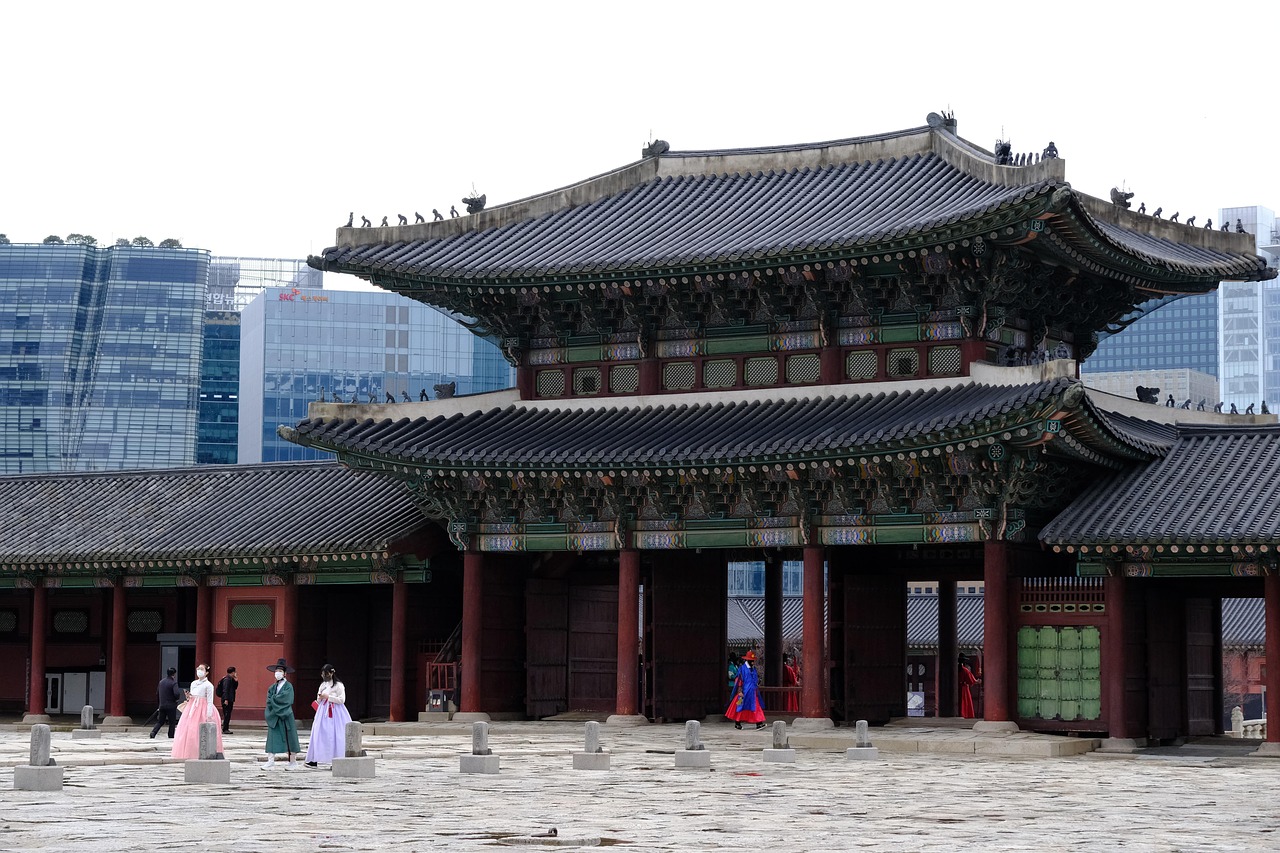
Seoul Palaces and Bukchon Hanok Village Elegance
A day centred on Seoul’s Gyeongbokgung Palace and Changdeokgung, with a luxury hanbok experience, feels like stepping into the country’s royal heart—where geometry, colour, and calm proportions reveal layers of Korean culture and history. In Seoul, the palaces are not just monuments; they are living classrooms in space, hierarchy, and harmony.
Begin with Gyeongbokgung Palace for its grand courtyards and ceremonial symmetry, then continue to Changdeokgung, admired for its relationship with the surrounding landscape. Time your morning to catch the royal guard changing ceremony, a moment of pageantry that feels especially crisp when guided with context rather than crowds.
Palace etiquette in South Korea with confidence and care
High-end travel is often about knowing small rules so you can relax. In palaces across South Korea, dress neatly, keep voices soft in enclosed halls, and follow signage about restricted areas. Photography is generally welcome, but be respectful—avoid flash in delicate interiors and keep tripods to designated areas. If you’re wearing Korean clothing (especially hanbok), it’s worth checking whether timed entry queues have separate lines or benefits.
Bukchon Hanok Village and a private hanbok photoshoot
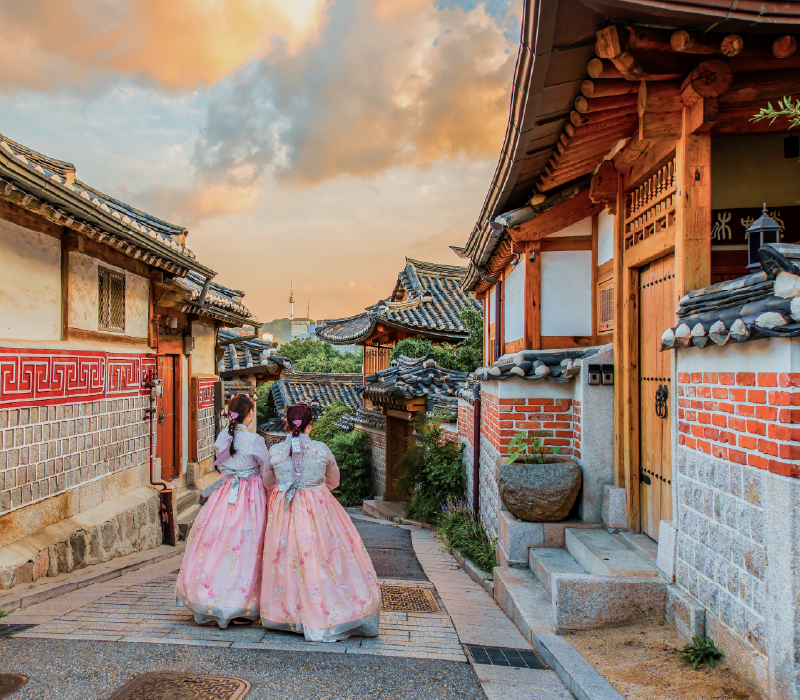
For many, the next most personal memory is a luxury hanbok rental with a private photographer in Bukchon hanok village. One couple celebrating their anniversary told us the experience felt “like the city slowed down just for us”—from being gently fitted into premium fabrics to the quiet guidance of a photographer who knew the best light and angles. Their day ended with a traditional tea ceremony in a hidden teahouse, the kind of place you’d never find without local insight and careful introductions.
As you step back in time, notice the lines of Korean architecture: tiled roofs lifting at the edges, courtyards that invite reflection, and a typical Korean sense of proportion that feels both grounded and graceful. In peak seasons, reserve timed palace entries, photographers, and premium hanbok styles well ahead—this is one of those experiences that is truly better when it’s crafted rather than improvised.
Seoul Style in Garosugil Gangnam and Myeongdong for Luxury Neighbourhoods and Korean Cuisine
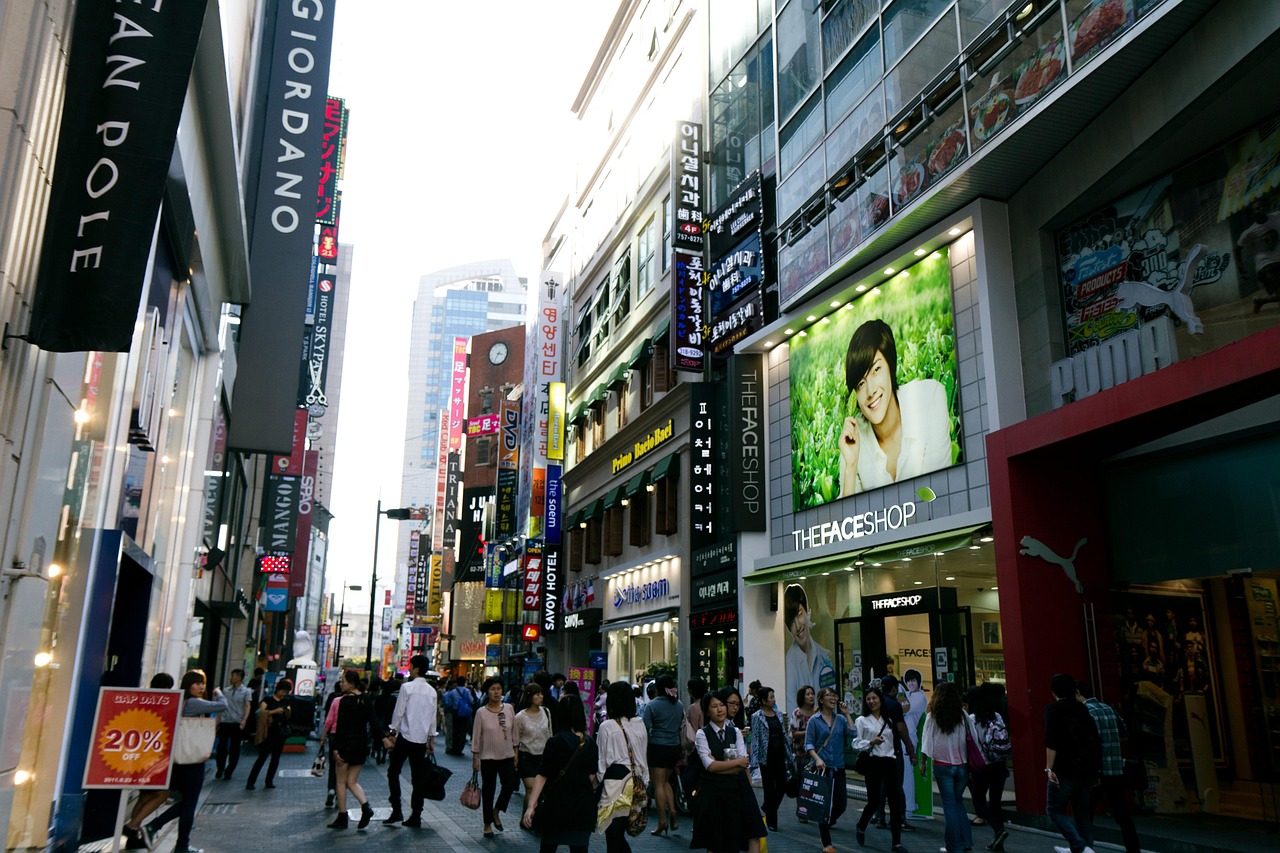
Seoul Style in Garosugil Gangnam and Myeongdong
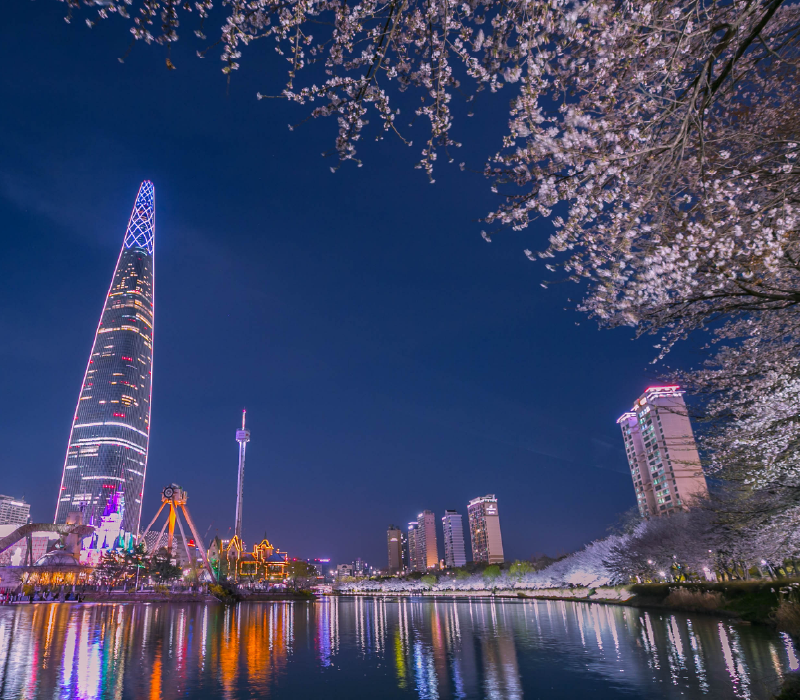
When you search for Seoul luxury neighbourhoods, Garosugil, Gangnam, Myeongdong, and Korean cuisine, you’ll find an endless list—but the luxury lies in editing. In Seoul, a well-designed day balances statement districts with small, local details, so your time feels curated rather than crowded.
Start with Garosugil for an elegant stroll past upscale boutiques, art galleries, and gourmet cafés. It’s the ideal place to create a personal route—perhaps a gallery appointment, a fragrance counter, and one long coffee where you can people-watch in peace.
Gangnam nights and modern Seoul polish
Gangnam after dark shows a glossy, contemporary side of South Korea, but it can still feel intimate with the right reservations. An elegant food lover once described her favourite evening here as “a conversation with a chef” after discovering Korean fusion cuisine through a personalised tasting menu. The meal wasn’t only delicious; it offered insight into how Seoul’s chefs reinterpret tradition with confidence.
For a standout dinner, book a Michelin-starred Korean barbecue experience—yes, Korean BBQ can be fine dining when the cuts are exceptional, the ventilation is discreet, and the service quietly anticipates your pace. Pair with premium soju or a thoughtful wine list for a polished take on savouring authentic Korean cuisine. If you’d like something iconic earlier in the day, a beautifully presented bibimbap in a calm dining room can be just as satisfying.
Myeongdong and a refined taste of street food
In Myeongdong, keep the energy light and curated: a few trusted beauty counters, then a short, elegant street-food tasting selected for cleanliness and quality. A private guide can help you navigate without feeling rushed, leaving you free to enjoy the city’s sparkle rather than wrestle with decision fatigue.
To add a creative pocket without tipping into chaos, choose Hongdae selectively—think contemporary design shops, a small live-music venue with table seating, or an early-evening gallery visit. This is Seoul’s playful side, best enjoyed with boundaries that protect your comfort.
Uncover the DMZ with an Exclusive Guided Tour: Insight into the Demilitarised Zone
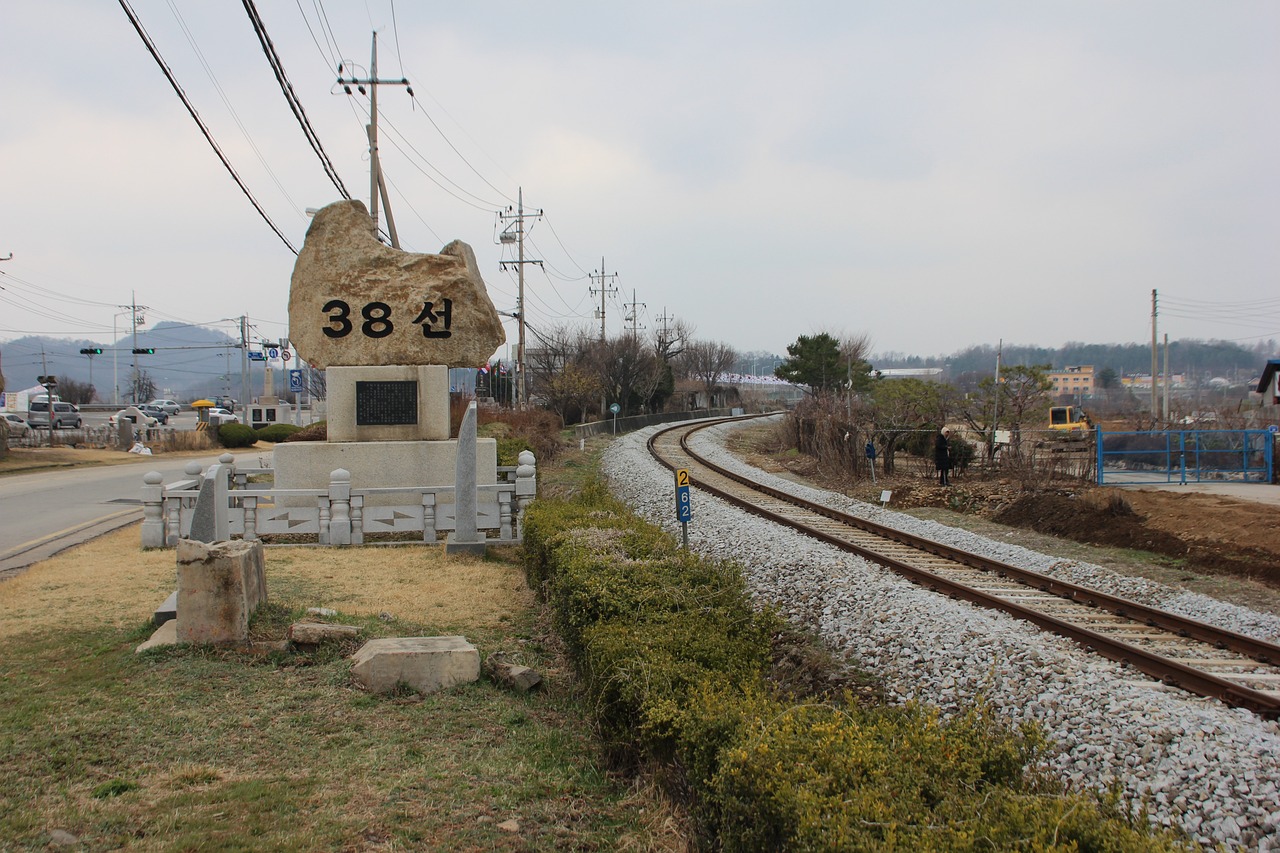
Uncover the DMZ with Expert Insight into Korea’s Divide
For the DMZ exclusive guided tour, the demilitarised zone between North and South Korea, is a place that requires quiet attention. We recommend an exclusive, limited-size day with an expert guide who can translate history clearly and respectfully, without sensationalism. It’s a powerful contrast to Seoul—and it’s best approached with care.
DMZ essentials for first-time visitors to South Korea
In simple terms, the dmz is the demilitarised zone, a buffer area that separates the two Koreas. Understanding the Korean Peninsula and the legacy of the Korean War helps make sense of why North Korea remains central to modern South Korean identity. Your guide should provide balanced context, explaining how families, politics, and memory continue to shape daily life in South Korea.
Planning with calm, security, and cultural sensitivity
Expect an early start from Seoul, with passport requirements and security checks. A private car or small coach keeps the day feeling controlled, and a good operator prepares you in advance on what you can and cannot bring. Dress smartly and comfortably, and be ready for moments that feel emotional—your guide’s role is to offer insight, not to rush you through it.
It’s also worth taking a reflective view of North and South Korea today. Avoid provocative behaviour, follow instructions carefully, and keep photography in line with the rules. When you return to Seoul, choose an evening that restores you: a quiet cocktail bar with views of the city, a riverside walk, or a gentle wellness reset at your hotel spa.
Busan and Gyeongju UNESCO World Heritage Site Temples by High Speed Train KTX
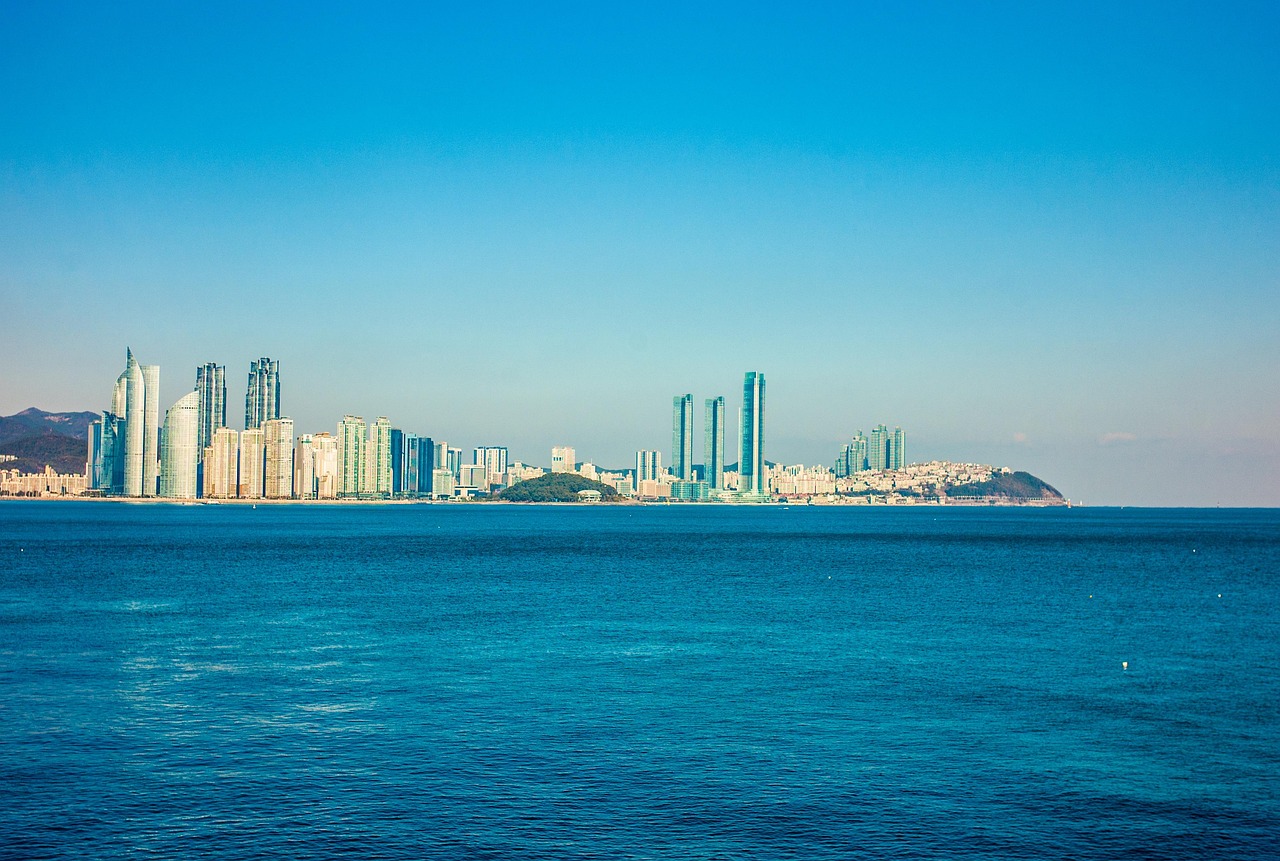
Busan and Gyeongju World Heritage Temples by High Speed Train
A journey built around the Busan Gyeongju UNESCO World Heritage Site high-speed train, KTX, is one of the most satisfying ways to see beyond Seoul without losing comfort. Taking the high-speed train (KTX) feels streamlined and civilised—especially when your seats are reserved in advance, and your luggage plan is simple.
High-speed rail from Seoul to Busan with seamless comfort
From Seoul, the KTX makes reaching Busan refreshingly efficient. Choose comfort-class seating if available, travel with one easy-to-handle case, and consider a hotel that can assist with luggage forwarding or porter support. This is where a crafted itinerary protects your energy: you arrive ready to enjoy, not recover.
- Book morning departures for the calmest station experience.
- Pack a light layer—carriages can feel cool.
- Keep snacks elegant and simple; save appetite for your next meal.
Busan contrasts and a curated market moment
Busan offers fresh ocean air and a softer edge. Begin with Haeundae beach—ideally paired with a refined ocean-view café where you can linger. Then pop into Jagalchi market with a guide for a quick, sensory edit: just enough to feel the local pulse, without letting the bustle take over.
For an art-forward detour, plan a visit to Gamcheon Culture Village as a photographic experience—go early, focus on a few viewpoints, and ask your guide for the best spots to avoid crowd bottlenecks. It can feel playful and beautiful when timed well.
Continue onwards to Gyeongju, the heart of the Silla Kingdom story. Here, ancient tombs sit quietly in parkland, and museums offer context that feels almost gallery-like—ideal for travellers who enjoy learning without being lectured. It’s a World Heritage Site experience that deepens your understanding of South Korea’s history.
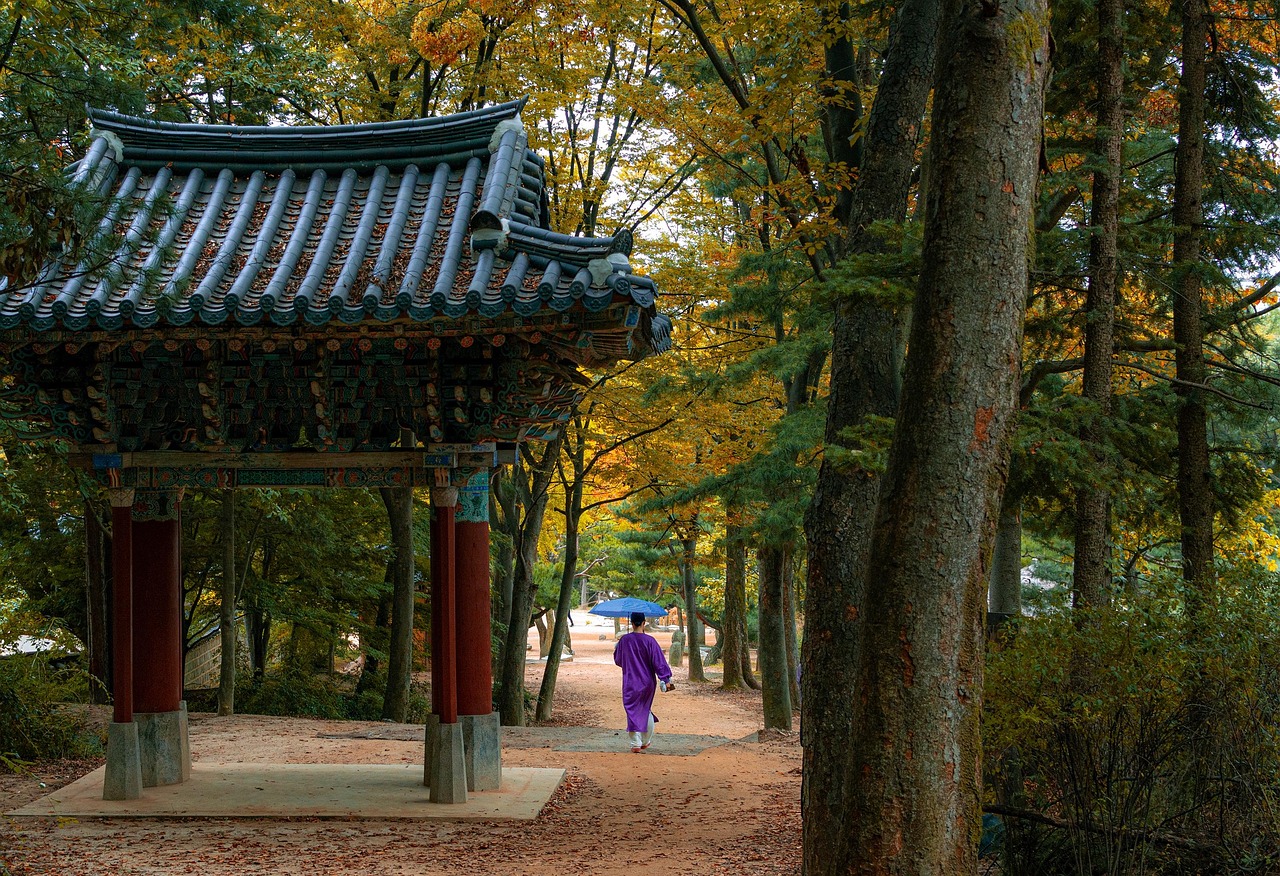
For a respectful spiritual pause, visit Haedong Temple for coastal views and a gentle moment of stillness. Keep voices soft, dress modestly, and treat prayer spaces as living places of devotion. If your interest is in embodied culture, an optional golgulsa visit can introduce sunmudo martial arts—a disciplined, meditative practice rooted in Buddhist tradition.
Jeju Island Natural Beauty and Luxury Resort Stays for Seongsan Ilchulbong Sunrise
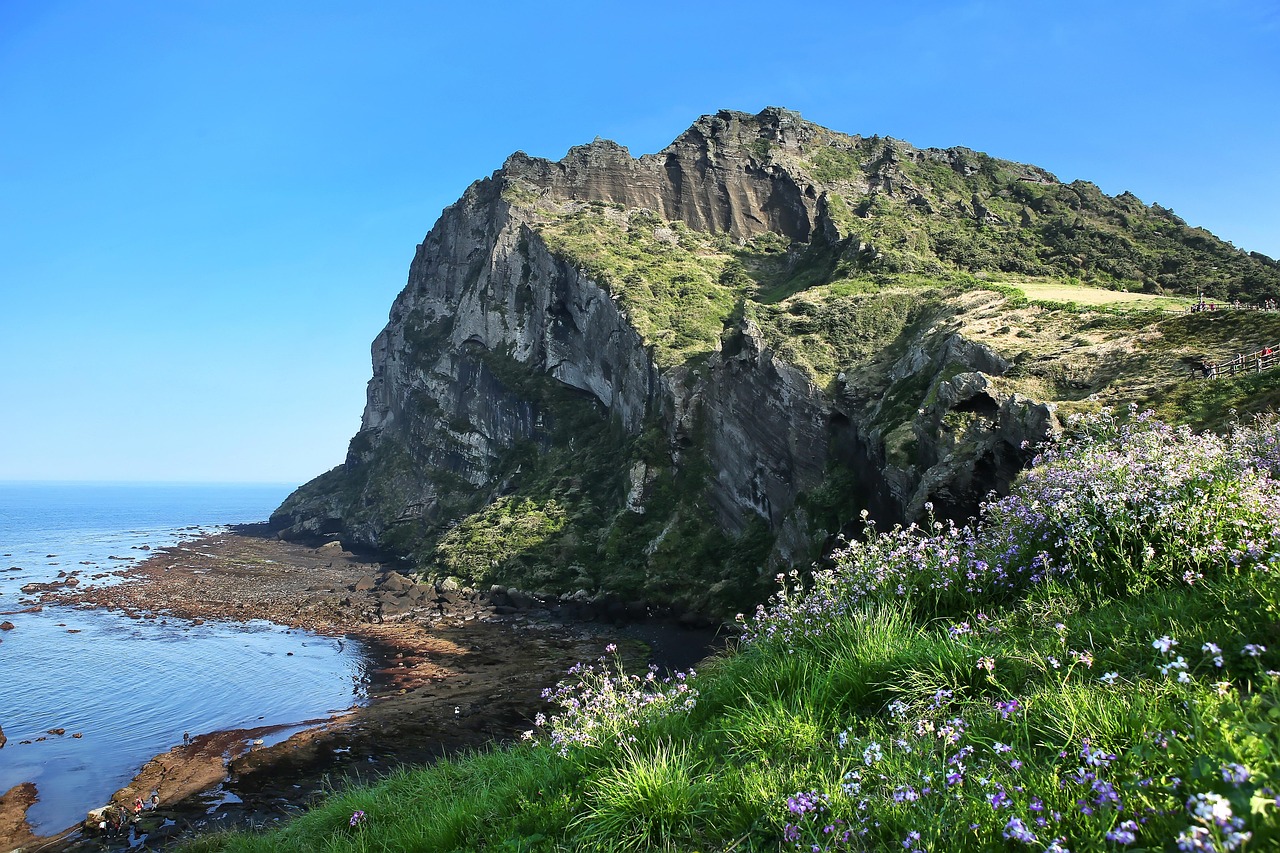
Jeju Island Natural Beauty and Luxury Seaside Resorts
If you’re searching for Jeju Island luxury resort Seongsan Ilchulbong sunrise South Korea trips, you’re likely craving a softer counterpoint to city life. Jeju Island is exactly that: sea air, open skies, and the kind of calm that makes your whole journey feel more balanced. It’s where many travellers experience South Korea as spacious and restorative.
Seongsan Ilchulbong sunrise with private timing
The signature morning is Seongsan Ilchulbong sunrise peak, best enjoyed with a private transfer timed for comfort. Leave early enough to avoid crowd pressure, and consider a photographer if you want a keepsake without fuss. If you’d rather keep it quiet, ask your driver for a less-busy viewpoint strategy—sometimes a few steps away changes everything.
Luxury resort details that make Jeju feel crafted
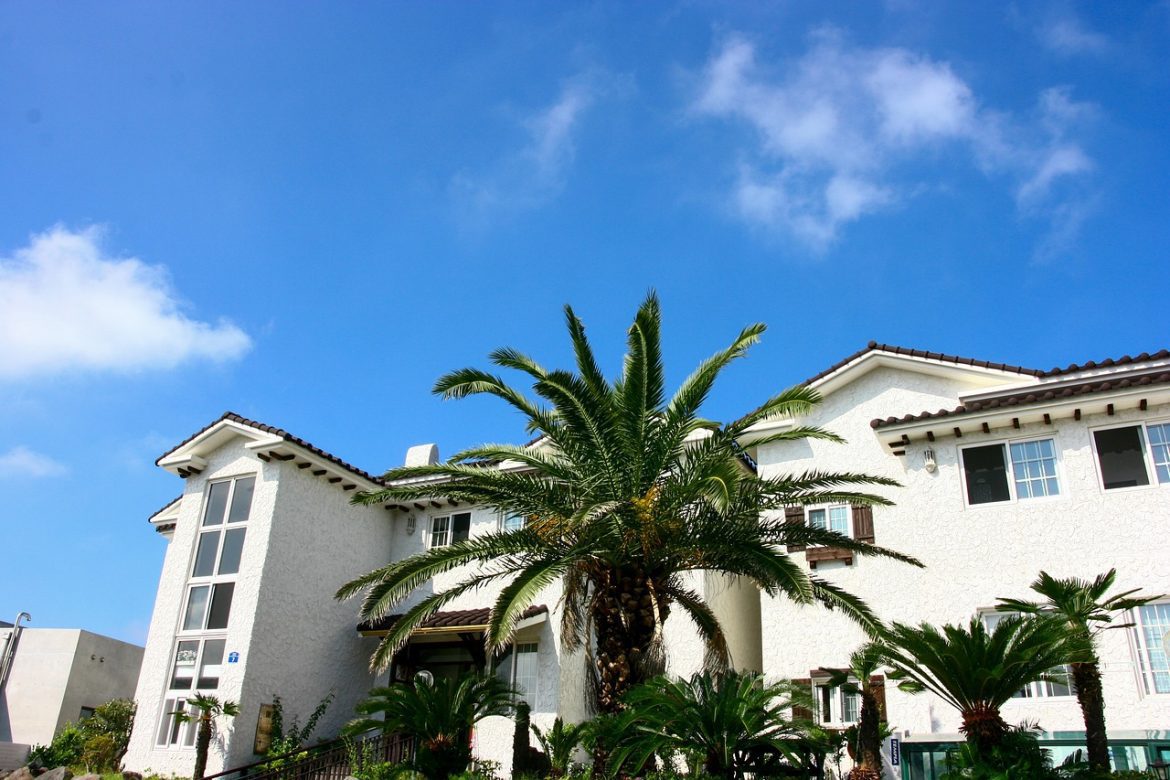
For high-end travellers, the difference is in the hotel’s emotional intelligence: seaside suites with soundproof calm, spa rituals that feel local rather than generic, private dining when you want privacy, and concierge support that anticipates rather than reacts. One family still reminisces about their stay at a luxury resort here—the personalised service that remembered small preferences, and the sunrise views that made mornings feel like time together, not a schedule.
Add one crafted nature moment: a gentle coastal walk, a visit to tea fields, or a curated seafood lunch where quality and technique are elevated. It’s still Korean cuisine, just expressed with refinement—clean flavours, seasonal sourcing, and a pace that lets you taste the island’s character. For many, this is where they most deeply experience the South in a way that feels both personal and peaceful.
Seamless South Korea Travel Planning and Seoul to Tokyo Extension with Tour Packages
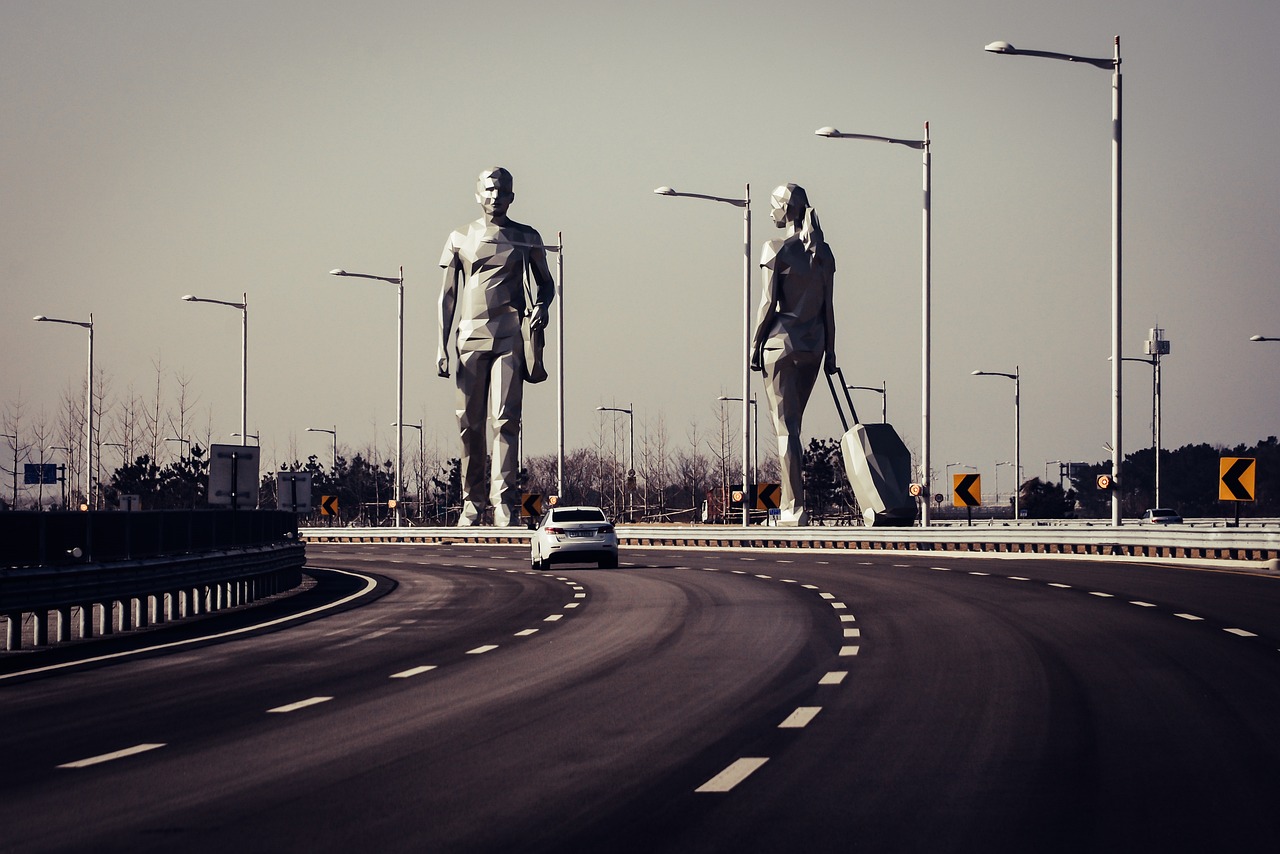
Seamless South Korea Travel Planning and Seoul to Tokyo Extension
When you search for South Korea travel tour packages booking Seoul to Tokyo, Japan, and South Korea, what you’re really asking for is peace of mind. The most luxurious feeling in travel is trust: knowing someone has checked the details, considered your comfort, and can offer support when plans shift.
How to enter South Korea and check specific entry requirements
Before you enter South Korea, check the specific entry requirements near your departure date, as regulations can change. A good planner will confirm documentation, arrival procedures, and any health or transit considerations so you can focus on the journey. This is especially helpful for a first-time tour to South Korea, when small uncertainties can otherwise steal your excitement.
Getting around Seoul and beyond with confidence
Within Seoul, taxis are efficient, private transfers are effortless, and the metro is clean and safe if you choose a self-guided afternoon. Outside the city, rail service is excellent, and private cars make transitions to the countryside feel seamless. Decide where you want a guide (for deeper cultural insight) and where you want independent time (for shopping, cafés, or rest). For language, learn a few basics, including bowing slightly when greeting and removing shoes indoors—simple gestures that signal respect and care.
Tech helps you feel local: Naver Map is invaluable for navigation, and KakaoTalk makes it easy to message drivers, guides, or restaurants. This is often how a solo traveller gains confidence—one guest told us she overcame language barriers by bonding with local artisans during a pottery-making workshop in Insadong. Those shared smiles and small corrections became her favourite kind of connection, and a gentle way to learn about Korea’s everyday creativity.
For the best South Korea tours, secure key reservations early: palace time slots, Michelin tables, DMZ permits, and boutique workshops. Ask your provider to clarify what your tour includes—transfers, guiding hours, entrance fees, and any special access—so expectations stay aligned.
- Reserve your DMZ date first; availability can be limited.
- Book premium restaurants 3–6 weeks ahead in peak months.
- Choose hotels based on neighbourhood feel, not just star rating.
If you’re combining Japan and South Korea, keep the transition calm with a simple Seoul to Tokyo flight, ideally midday. Consider luggage forwarding so you can travel light, arrive centred, and keep your journey narrative feeling crafted rather than fragmented.
F.A.Qs
What is the best tour company for South Korea?
The best tour company is the one that matches your pace and priorities: clear communication, transparent inclusions, and the ability to tailor experiences such as private transfers, palace timing, and fine dining. Look for a team that offers expert guides, calm logistics, and thoughtful support if plans change—especially for premium stays and limited-capacity experiences.
What is the best month to travel to Korea?
For most travellers, April to June and September to November are the most comfortable, with mild weather and beautiful seasonal colour. These periods also suit high-end travel well, as walking tours, palace visits, and coastal escapes are more relaxed. If you’re planning popular hotels and Michelin dining, book early during these peak months.
How much does a trip to Korea cost?
For upscale travel in South Korea, many guests budget roughly US$200–$500 per person per day, depending on hotel category, private transfers, guiding, and dining choices. Costs can rise with suite upgrades, exclusive experiences, and peak-season demand. A tailored itinerary helps you spend intentionally, keeping comfort high and decisions simple.
Is Korea friendly to American tourists?
Yes—South Korea is generally welcoming and safe, and American tourists are typically met with warm curiosity and helpfulness. Learning a few polite phrases, bowing slightly when greeting, and removing shoes indoors where appropriate goes a long way. Navigation apps and translation tools also make day-to-day moments easier, so you can travel with confidence.
After South Korea, What Stays With You
The end of the tour rarely feels like an ending. It’s more like noticing that certain sensations have quietly taken root: palace light on stone, the softness of hanbok fabric at your wrist, the clean hush that settles after an early morning. In South Korea, the most lasting memories are often small kindnesses in passing, a shared laugh when words fail, a cup of tea served with gentle formality.
There’s the tenderness of an anniversary photoshoot, where affection feels amplified by tradition. There’s the solo traveller’s confidence, built slowly through patient hands shaping clay alongside artisans, and the relief of realising connection doesn’t require perfect language. And for some, there’s the serenity of a temple stay recalled by an expatriate living in Seoul—a pause so still it felt like the city itself was breathing more quietly for a night.
Long after you’ve returned home, you may find yourself thinking of sea air on Jeju, or the way Seoul’s streets shift from bright energy to intimate calm after midnight. Perhaps that is what travel can do when it’s designed with care: it leaves you more attentive, more present, and gently curious about what you haven’t yet noticed.