Post Contents
- Time to Visit South Korea by Season: luxury times to visit, slow design days, and the best time to visit South
- Spring (March to May): cherry blossom days, South Korea in April, and Seoul at its most luminous
- Autumn (September to November): golden trails, South Korea during October, and a classic time to visit Korea
- Summer (June to August): South Korea travel planning, rainy-season rainfall, and coastal escapes to Busan and Jeju
- Winter in South Korea: city lights, snowfall, and ski days in January
- Designing a Seamless High-End Itinerary for South Korea travel: travel tips, KTX from Incheon to Seoul, and luxury pacing
- F.A.Qs
- After South Korea: what stays with you, whatever season you choose
Time to Visit South Korea by Season: luxury times to visit, slow design days, and the best time to visit South
Choosing your perfect season in South Korea for luxury travel—city design, mountain light, and an unhurried pace
If you’re wondering when is the best time to go to South Korea, it often comes down to one question: do you want blossom-soft streets, or crisp mountain light and gallery days? For many clients, the time to visit South Korea feels most effortless in spring and autumn, when the climate supports long walks, private touring, and elegant meals without rushing—yet South Korea depends on the mood you want to wake up to.
Think of South Korea by season as a curated palette with distinct seasons: spring brings celebration, summer is bold and beachy, autumn delivers clarity and colour, and winter offers city sparkle and cosy interiors. If you’re weighing the months to visit, the best time of year is usually the stretch when you can move between neighbourhoods, galleries and outdoor activities without negotiating extremes—and when your itinerary leaves room for small surprises.
Weather in South Korea: temperatures and weather conditions, humidity, and rainfall patterns
For a quick read on temperatures and weather conditions, spring sits in the gentle middle with mild weather; autumn is cooler, with lower humidity and famously clear skies. Summer in South Korea can be hot and humid, with higher rainfall, rising humidity, and occasional days of high humidity, while winter is crisp—especially inland and in the mountains, where evenings feel sharp and refined.
For high-end planning, a good month is also about access: suites you truly want, dining reservations you can trust, and the ease of moving across the country without friction. If you’re choosing popular months to visit in a popular time, premium restaurants and private guides book earlier, and domestic travel increases around long weekends and school breaks.
Times to visit: how to choose the time of year to visit South Korea with confidence
Here’s the reassuring part: there are many times to visit that can feel exceptional, as long as your itinerary matches your pace and priorities. When you’re choosing the time of year to visit, consider how much walking you want, whether you’re planning day trips, and how you feel about heat, rain, and late-night dining.
Now, imagine what you’ll create together: a palace morning, a private hanbok session, mountain temples that slow your thoughts, and coastal calm when you want the horizon. For many travellers, this is considered the best time to plan with intention, because comfort supports deeper immersion—and gives you time to breathe between highlights.
Spring (March to May): cherry blossom days, South Korea in April, and Seoul at its most luminous
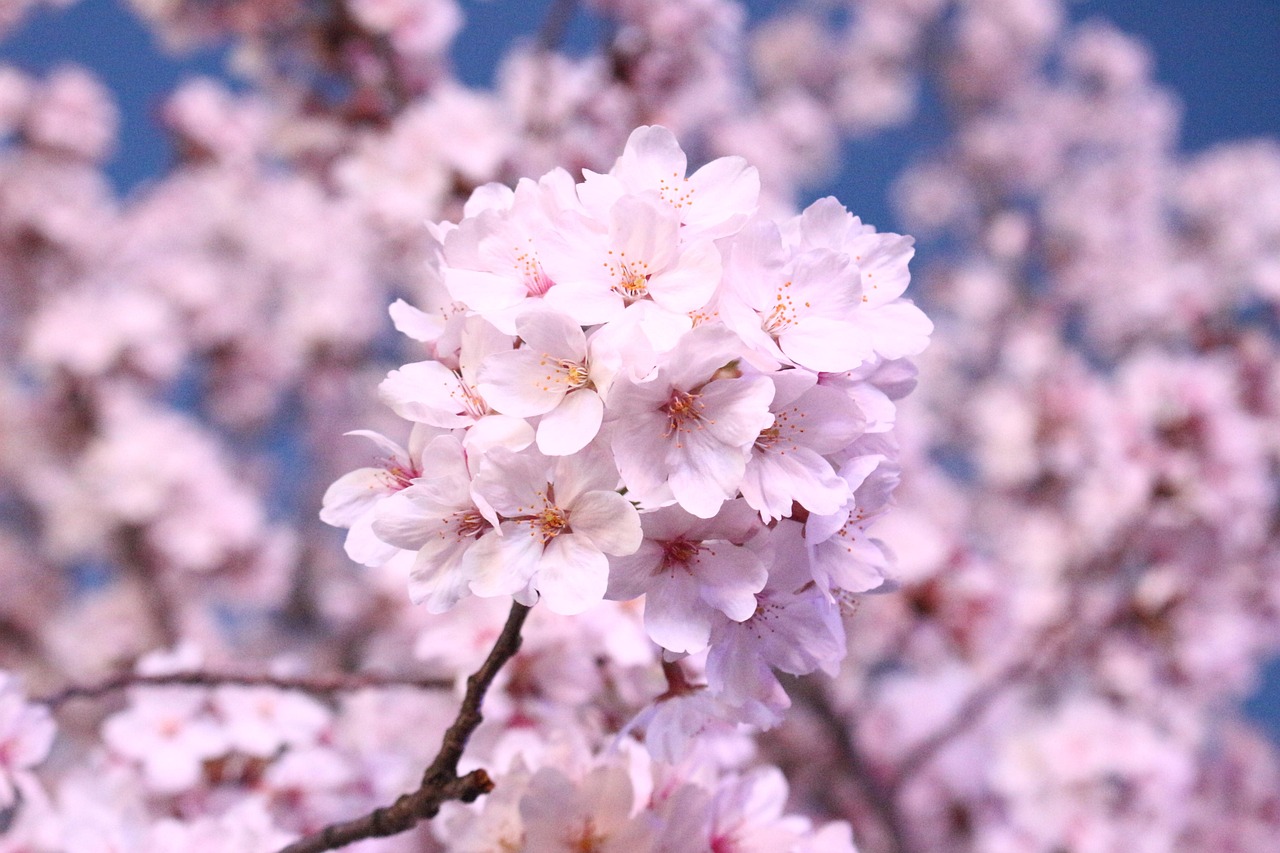
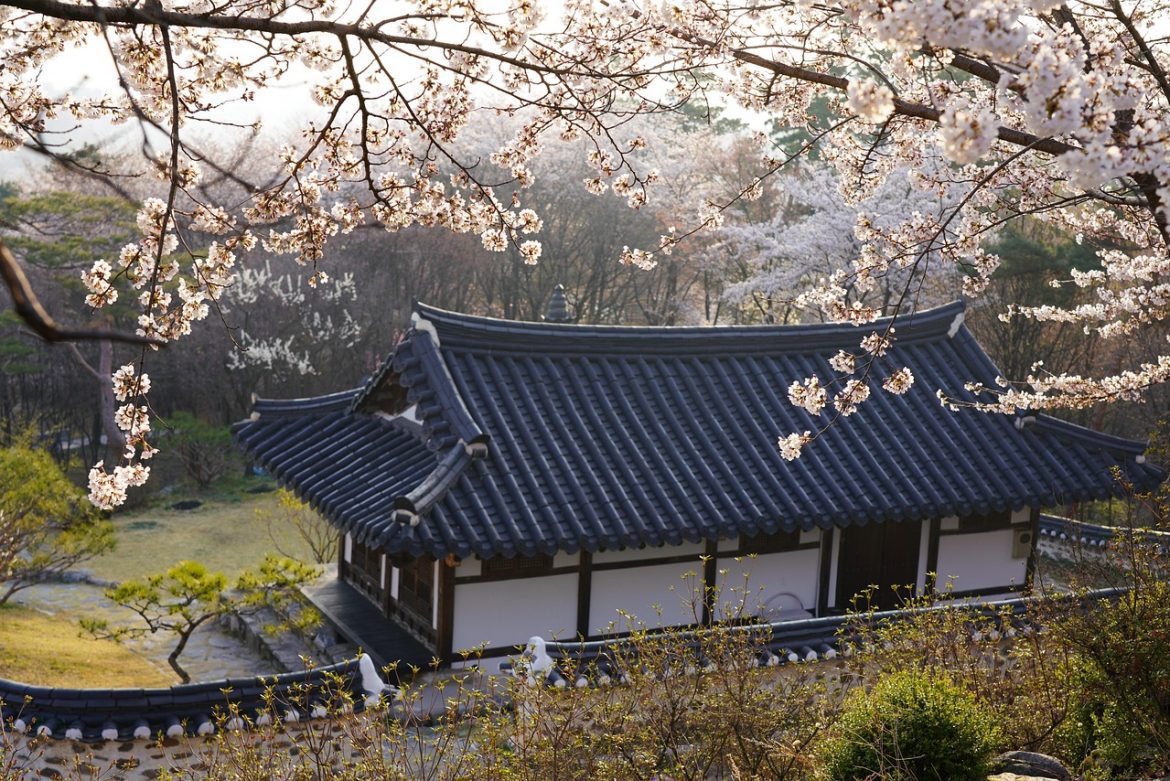
Spring in Korea: petal-lined streets, palace mornings, and café afternoons designed for slow luxury
If your notes say South Korea in April and cherry blossom moments, you’re already close to the heart of it. This window is a wonderful time to enjoy palace culture and café afternoons, then drift south for festival energy—without heavy layers or complicated logistics. For many travellers, April is one of the best times to see the city at its most romantic, with comfortable days that invite you outdoors.
Spring’s charm is how it encourages you to slow down and give yourself time to enjoy the details. It’s the moment to explore design-led districts, book a private guide for heritage neighbourhoods, and still leave space for spontaneous discoveries—street markets, gallery openings and tiny tea houses that feel like secrets; it’s also when South Korea is during spring at its most effortlessly walkable.
South Korea in March: early blooms, softer evenings, and a quieter luxury rhythm
In South Korea in March, the country feels like it’s exhaling after winter. In the south, early blooms arrive first; in the capital, you’ll notice lighter evenings and a gentler rhythm for museums, palaces and shopping—ideal if you’re planning shorter stays with a curated pace.
It’s also a smart time to visit for travellers who value calm: you can often secure better suite availability, and it’s easier to design a seamless schedule with private transfers, flexible touring, and unhurried breakfasts.
April: when cherry blossoms bloom, cherry blossom season peaks, and the cherry blossom festival shines
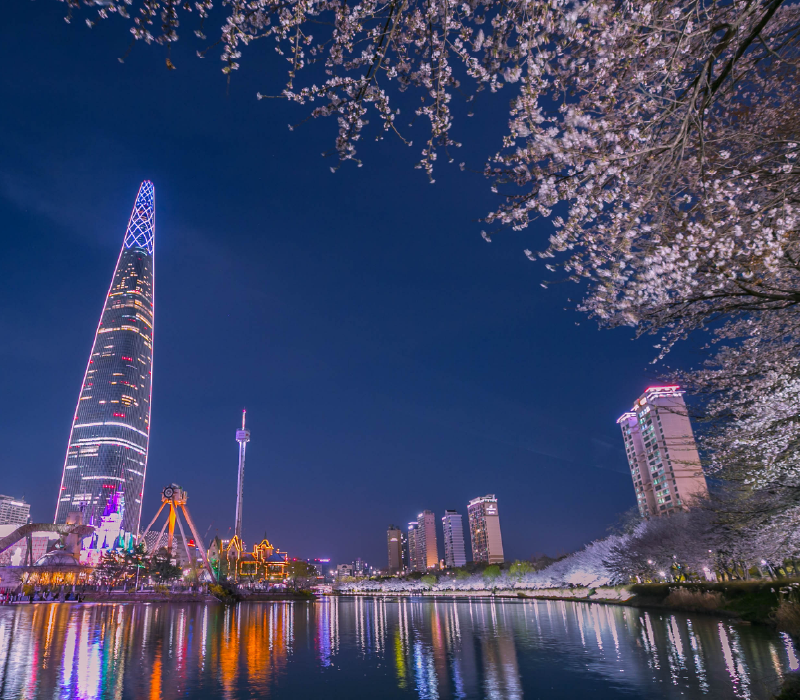
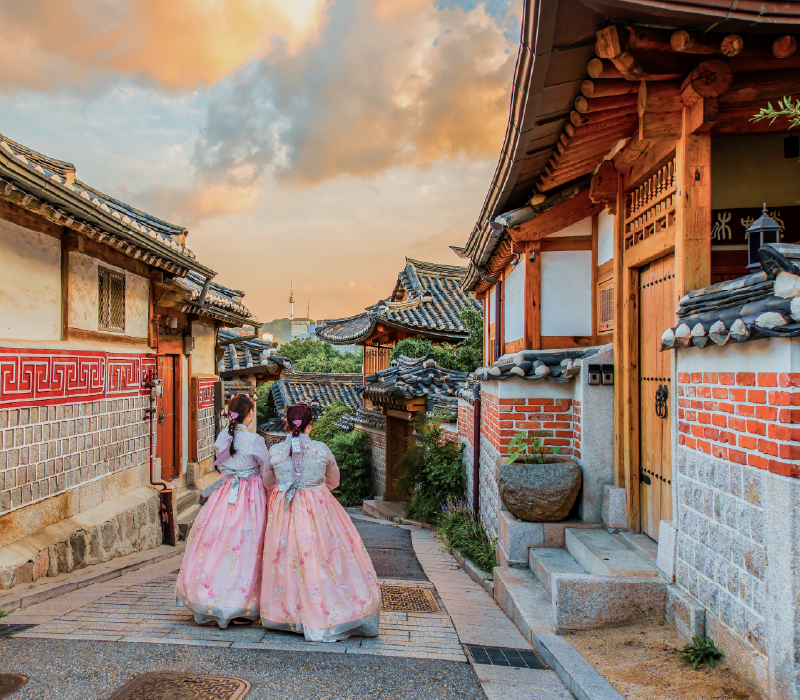
April is cherry blossom season, when cherry blossoms bloom, and the city turns soft around the edges. In the capital, Yeouido Park is a classic for an early stroll; for a more curated feel, we love pairing a palace morning at Gyeongbokgung with a crafted hanbok photo session, then finishing with a private tea house tasting.
For festival scale, Jinhae is the name most travellers know, and the cherry blossom festival atmosphere can be genuinely moving. For the best places to see petals at their peak without stress, reduce cherry blossom crowds by planning weekday timing and an early shoot—at the beginning of the month or the middle of the month, depending on the year in South Korea and how bloom forecasts shift.
A solo traveller once told us the most magical part wasn’t the photographs—it was sitting beneath the cherry blossom canopy with locals as picnics quietly formed around them. Even in a busy city, the communal feeling felt safe, supported and unexpectedly personal, as if the branches gave everyone permission to be softer for a moment.
- Premium positioning: book a private driver for day trips so you can arrive early and leave before peak footfall.
- Photography comfort: choose routes with level paths and nearby cafés for warm breaks and easy touch-ups.
- Dining flow: pair modern Korean tasting menus with lighter lunches so you never feel hurried.
Autumn (September to November): golden trails, South Korea during October, and a classic time to visit Korea
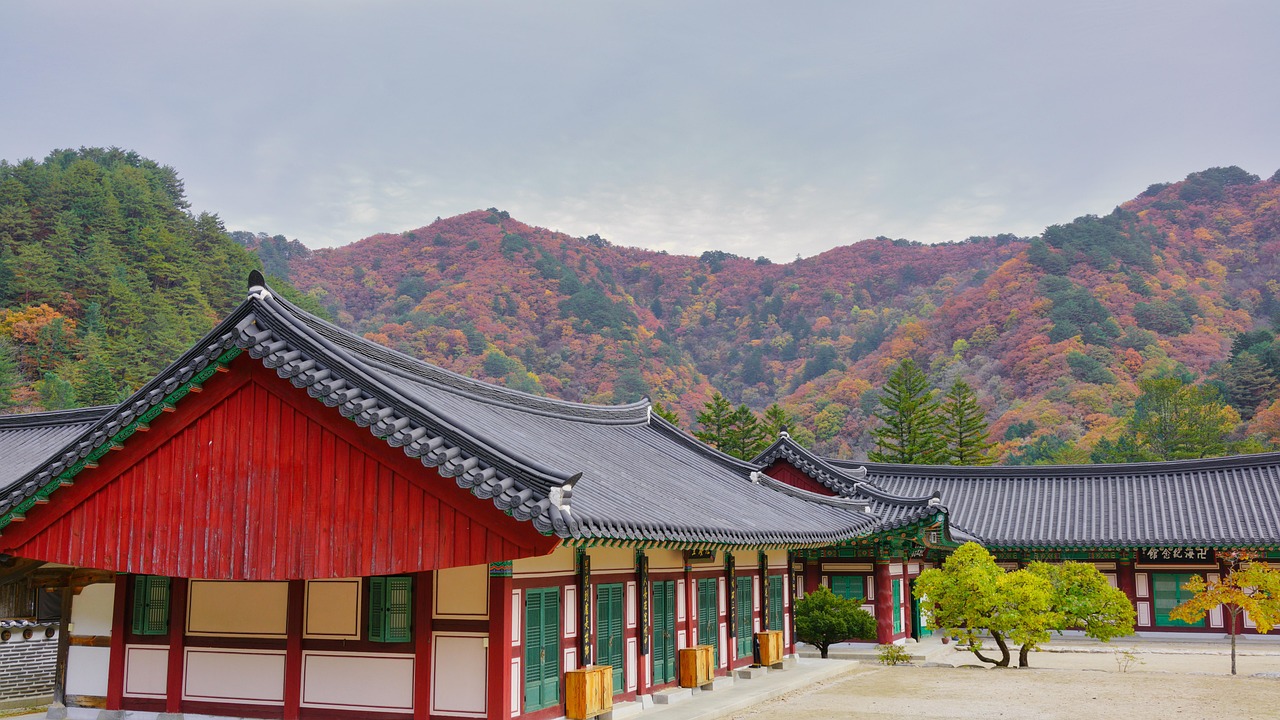
Autumn in Korea: golden hillsides, flattering light, and temple mornings paced for calm
For travellers seeking a classic time to visit Korea—especially South Korea in October—the appeal is simple: comfort and beauty. Autumn answers the question without fuss because the air feels clean, the light is flattering, and even full itineraries feel unhurried.
In many regions, Korea is usually very dry in autumn, which means walking days feel effortless and styling stays cooperative for photos. It’s also a good time to visit for travellers who want to move between the capital and South Korea’s national parks with minimal disruption and maximum flexibility, including scenic drives, easy viewpoints, and gentle hikes framed by natural beauty.
South Korea in October: peak foliage in national parks and mountainous escapes
South Korea in October is the sweet spot for colour, and Seoraksan is the signature—mountainous, cinematic, and surprisingly restorative when you pace it well. Nami Island offers a softer version of the season, perfect for a day trip that feels gentle rather than athletic, and these are among the most photogenic landscapes of the year.
One traveller described hiking Seoraksan with an expert private guide as “being looked after without being managed”. Their route was personalised for comfort, with thoughtful rest points, photo stops in quieter pockets, and a peaceful visit to a mountain temple that made the day feel like more than scenery.
Visiting Korea: Bulguksa, national parks, and temple etiquette with confidence
For cultural depth, we love adding Gyeongju and Bulguksa—serene, dignified and quietly profound. Visiting Korea’s temples is simple once you know the etiquette: remove shoes where indicated, offer a gentle bow, and keep your voice soft so others can reflect.
A small insight that helps: carry easy-on socks in your day bag, and choose footwear that looks polished but supports uneven stone paths. It’s the care in the details that keeps the day feeling elegant, whether you’re temple-hopping or pairing heritage with nearby national parks, and it’s a true time for outdoor exploration.
- Seasonal planning: start early for Seoraksan to enjoy calmer trails and cleaner light.
- What to wear: layers you can adjust, plus stylish trainers or lightweight hiking shoes.
- Comfort upgrade: private guiding keeps timing flexible and the pace truly personal.
Summer (June to August): South Korea travel planning, rainy-season rainfall, and coastal escapes to Busan and Jeju
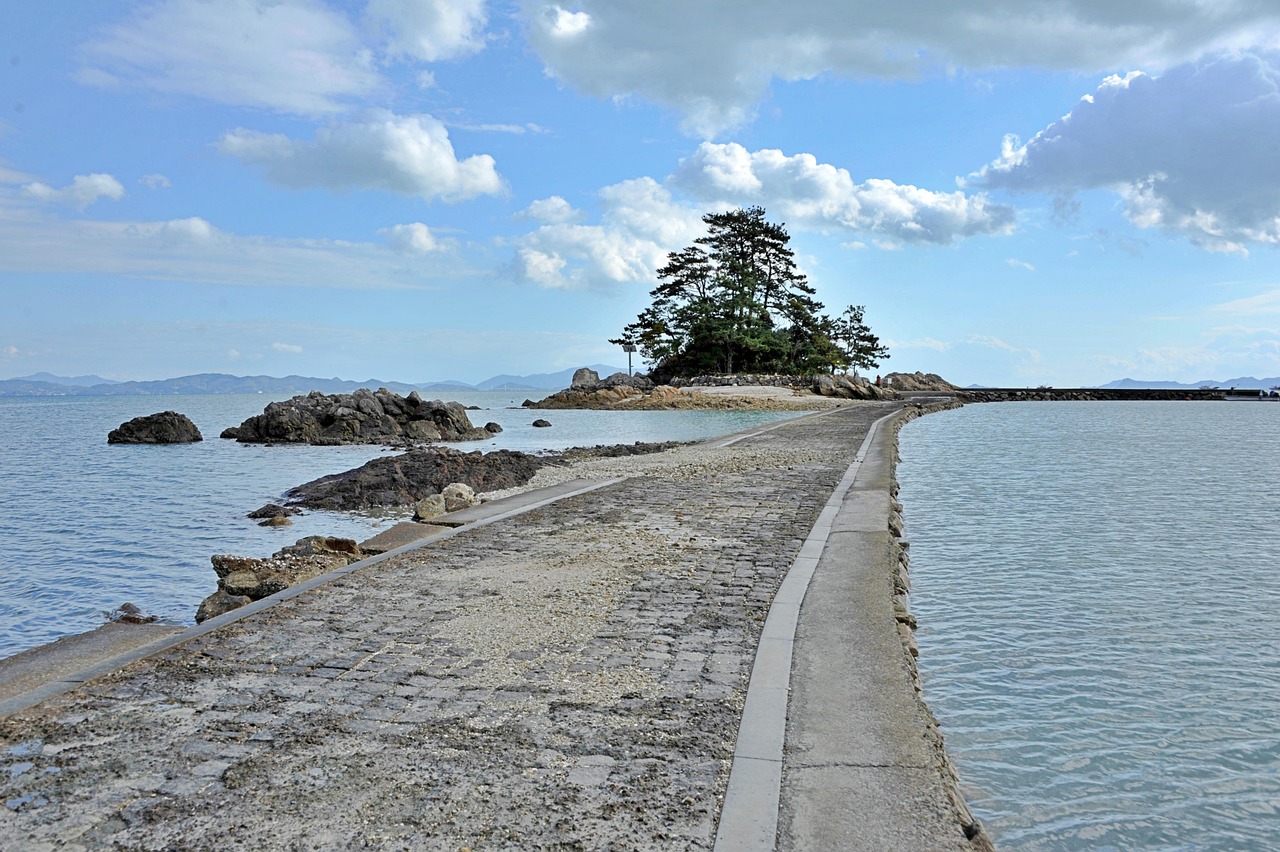
Summer in Korea: seaside dining, resort afternoons, and flexible touring with rain-friendly backups
If you’re researching midsummer travel, it helps to be frank and reassuring. The months between June and August can be busy, and the rainfall over the summer months between June and August may shape a few days; expect a humid time to travel, and plan for South Korea’s monsoon season to influence timing and day-to-day pacing.
That said, it can still be a good time to visit, especially for travellers who love resort life, seafood, and a schedule built with strong indoor alternatives. With expert planning, a little extra rainfall becomes part of the atmosphere rather than a spoiler, and you can move smoothly between experiences.
Korea in July and August: a coastal strategy, July and August heat, and time to enjoy summer days
In July, humidity typically rises and rainfall can be heavier, although patterns vary by year. If you’re travelling at this point in the calendar, plan mornings for breezy walks and markets, then keep afternoons open for museums, spa time, contemporary shopping, or a chef’s counter where the weather simply disappears.
For a pairing that works beautifully, Busan and Jeju deliver laid-back glamour by the sea—two distinctly coastal moods in one trip. Busan’s beachside districts are lively and stylish, while Jeju slows everything down for long lunches, art stops, and quiet viewpoints; for many itineraries, Busan and Jeju Island are the most balanced way to mix energy and calm.
Jeju Island: boutique stays, the island of Jeju, and crowd-free moments
On the island of Jeju, a car-with-driver is often the most seamless choice for high-end travellers—especially when weather shifts and you want to adjust plans mid-day. If you prefer to self-drive, we’ll suggest routes with easy parking and quieter scenic roads, so the journey remains calm and curated.
To avoid peak weekend crowds on Jeju, aim for midweek check-ins and book dining early. One part of the month can feel dramatically calmer than another, even in the busiest windows, and boutique properties often reward early reservations.
- Humidity management: linen blends, a light layer for air-conditioned spaces, and a simple skincare refresh kit to stay comfortable in a humid climate.
- Transit ease: keep flight times generous when hopping between cities, especially on the Busan side and between the mainland and Jeju Island.
- Rain-ready luxury: plan one “indoor day” you’ll actually enjoy—tea ceremonies, galleries and spa rituals.
Winter in South Korea: city lights, snowfall, and ski days in January
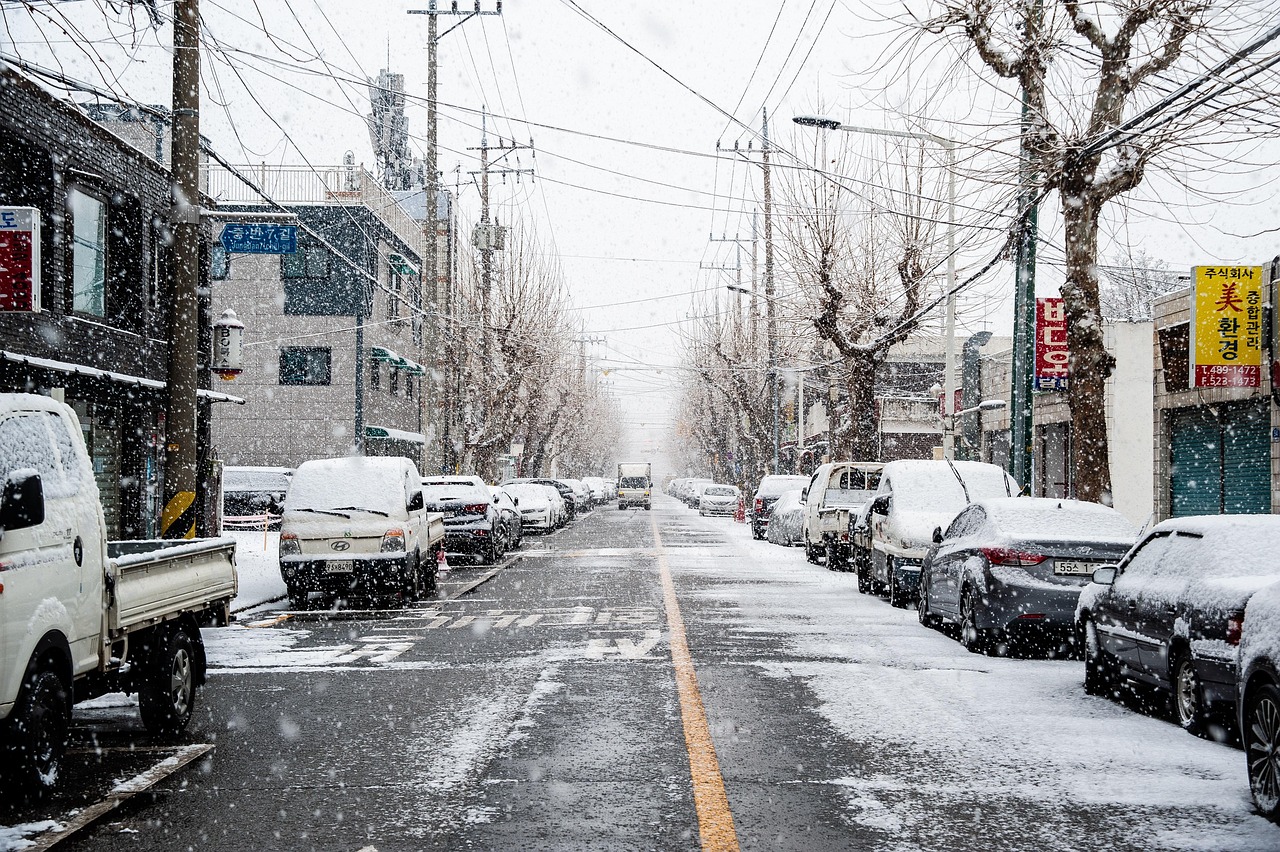
Winter in Korea: crisp nights, glowing streets, and warm, design-forward interiors
Searches for January trips and winter sports often come from travellers who want atmosphere—bright city nights, warm interiors, and the pleasure of stepping out into crisp air. In the capital, the season feels brisk rather than punishing, with occasional snowfall adding a cinematic edge to evening walks.
In South Korea, January is when you feel the season most strongly, and in many areas, January is the coldest month. It’s a naturally cosy time to travel, ideal for travellers who prefer curated indoor culture with a few outdoor highlights and beautifully paced meals.
If you want ski days, the best experience is often the simplest one: private transfers, lessons booked at the right time, and equipment waiting without queues. A day on the slopes can be wonderfully light-touch—ski in the morning, a long lunch, then a gentle return to the city.
For families or first-time learners, a private instructor can build confidence quickly. For experienced skiers, we’ll focus on timing and smooth logistics so your day feels premium rather than busy.
Lunar New Year: timing, closures, and a restorative cultural balance
Lunar New Year is a key factor: some venues close, and there’s heightened local travel. When the calendar shifts, an expert planner can simply redesign the flow—more galleries, a bathhouse ritual, or a calm temple visit that feels restorative rather than rushed.
Winter menus are another pleasure: warming broths, elegant grilled dishes, and lingering moments in traditional tea houses. As the month goes on, you may find the city feels even more intimate—more time to enjoy what’s close and quietly beautiful.
Designing a Seamless High-End Itinerary for South Korea travel: travel tips, KTX from Incheon to Seoul, and luxury pacing
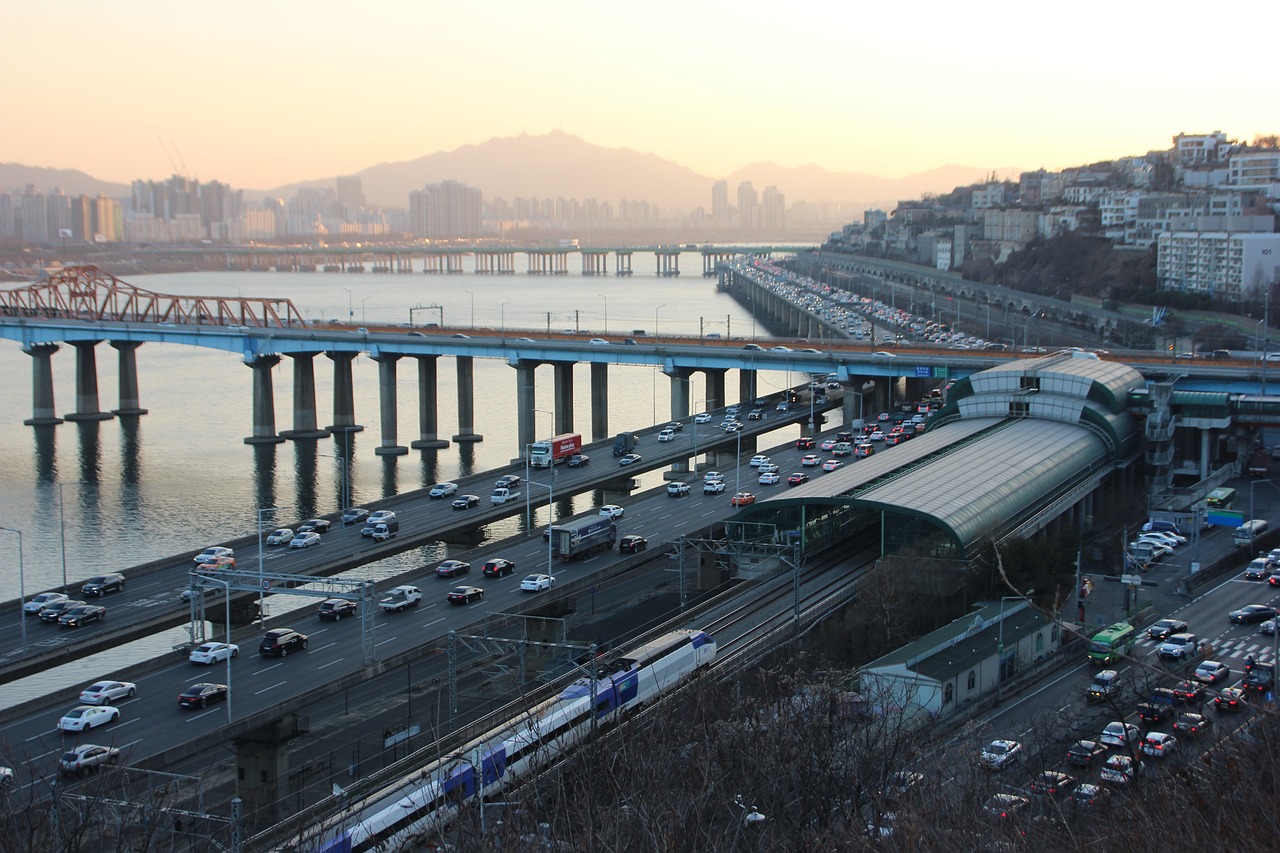
Seamless arrivals in Korea: private transfers, smart pacing, and a polished first day in the capital
For travellers thinking about the time to travel and arrival flow, the aim is usually the same: arrive well, move smoothly, and keep every day feeling intentional. If you’re choosing the time to travel to South Korea around key dates, we’ll map out check-in timing, transfers, and a first-night plan that feels calm; South Korea is usually exceptionally efficient once you’re on the ground.
We’ll often plan a “soft landing” first day: check-in, a gentle neighbourhood walk, and an early dinner close to your hotel. It’s the fastest way to explore with trust rather than pushing through jet lag, and it creates a calmer rhythm for the rest of your stay.
Best time to visit Seoul: where to stay for crafted comfort and walkable days
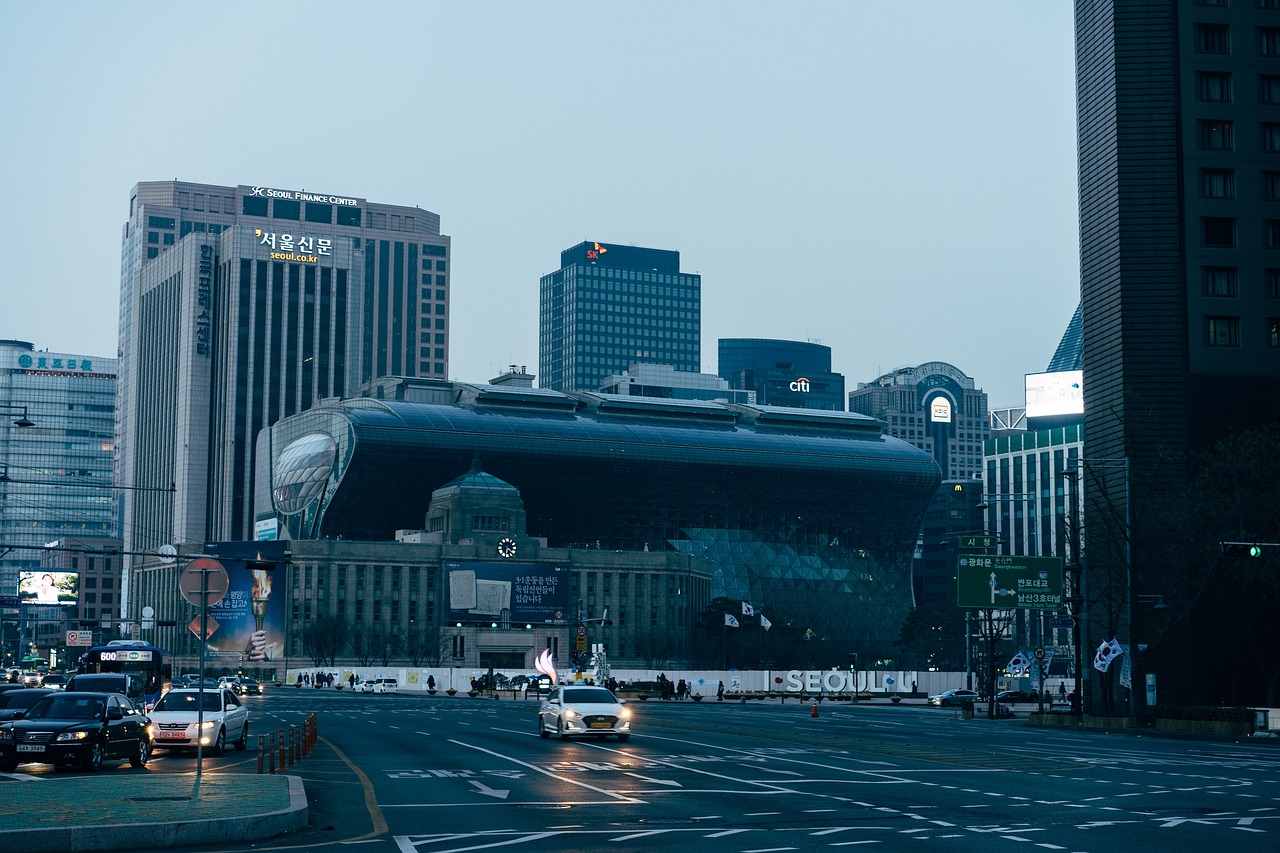
The best time to visit Seoul is typically the seasons of spring and autumn, when outdoor strolling feels effortless, and you can linger at palaces without weather pressure. For high-end comfort, central hotels keep you close to design districts, major galleries and the city’s modern architecture—ideal if you have limited time and want everything within easy reach.
For couples, we also love a deluxe hanok guesthouse in Bukchon Village. One couple celebrated their anniversary there, describing it as “quiet luxury”—heated floors, thoughtful service, and the feeling of living inside history, yet still close enough to the city’s energy when they wanted it.
Food, culture and seamless transport for a polished journey
City experiences anchor any season: a guided morning at Gyeongbokgung, a private K-pop dance workshop for something playful and modern, and a tea house visit that resets the pace. The journey becomes less about ticking sites, and more about how you want each day to feel—and how much space you want between moments.
Food can be the most memorable part of the journey. A foodie once shared their degustation at a Michelin-starred restaurant as the moment they truly understood contemporary Korean cuisine—precise flavours, impeccable service, and a calm confidence in every course. For premium access, make reservations well in advance, particularly in the most requested dining weeks.
To move between cities, the KTX high-speed train is a comfortable way to travel to South Korea’s key hubs; it’s swift, polished and keeps the experience seamless. If your itinerary includes the capital down to Busan, the train turns a long travel day into a relaxed, scenic interlude.
- Money: currency is the Korean won, and contactless payments are widely accepted.
- Safety: This destination is very safe, with standard precautions in busy districts and thoughtful awareness of local norms.
- Customs: remove shoes in homes and some temples; gentle bowing and considered gift-giving are appreciated in South Korean culture.
- Planning note: if you’re choosing a month to visit South Korea for high-demand dining, book early for your preferred seating.
If you’d like a visual sense of what your journey could become, explore our Trip gallery for inspiration you can make your own.
F.A.Qs
Which month is best to visit South Korea for cherry blossoms or autumn colour?
For many travellers, April or October is the standout, depending on whether you prefer cherry blossom walks or autumn foliage. If you want comfortable temperatures, dry-feeling days and a balanced itinerary, late spring and mid-fall are often the easiest months to enjoy city highlights, day trips and national parks without extremes.
What is the cheapest time of year to fly to South Korea?
Lower fares are often found outside peak school holidays and major festival periods. Late winter and certain early-summer weeks can be better value, though prices vary by route and how far ahead you book. Flexibility with midweek departures and return dates can make a noticeable difference.
When should you avoid travelling to Korea?
If you dislike crowds, consider avoiding major public holidays and peak-blossom or foliage weekends, when reservations fill up quickly. The wettest stretch of early-to-mid summer can also feel less comfortable for travellers who want long walking days, though it’s manageable with an itinerary built around museums, spa time and coastal stays.
Is South Korea cheap or expensive for luxury travellers?
South Korea can be either, depending on your style. Everyday transport and casual dining can feel reasonable, but luxury hotels, private guiding, and top dining experiences can place it in the premium category. High-end travellers typically value excellent service standards, safety, and the overall polish of the experience.
After South Korea: what stays with you, whatever season you choose
The season you choose shapes the memories you carry, but the moments that linger are often smaller than you expect. It might be the warmth of a shopkeeper’s patience as you choose a gift, or the hush that falls over a temple courtyard as you step lightly and breathe out.
Later, you’ll remember the way the capital holds its contrasts without forcing you to choose: a palace wall lit softly at dusk, then a glass tower catching the last light, and the calm confidence of knowing you were supported throughout. There’s a softened sense of time that comes from being able to move at your own pace, with care built into each transition.
And perhaps that’s the real gift of a journey designed together—space for wonder without performance, connection without pressure, and the quiet trust that you can return when you wish. Whatever month you choose, each month in South Korea offers a different mood, and every year of visiting brings fresh details to discover; to experience South Korea at its best is to let the season guide the pace. South Korea has four distinct seasons, and there will always be more times to visit when the moment feels right.