Post Contents
- Best times to visit South Korea by season – what the year in South Korea really feels like
- Seoul in spring – best time to visit Seoul for cherry blossom walks and an easy city rhythm
- Autumn colours and city escapes beyond Seoul – Busan, Gyeongju, and polished Korea travel days
- Summer and winter in South Korea – monsoon rainfall, ski days, and seamless luxury travel tips
- Jeju Island – natural beauty, slow-luxe walks, and the best time of year to reset
- F.A.Qs: When is the best time to visit Korea?
- Final Thought
Best times to visit South Korea by season – what the year in South Korea really feels like
Best times to visit South Korea by season: a luxury traveller’s overview
If you’re asking when is the best time to visit Korea, it helps to think in terms of South Korea by season rather than chasing one perfect date. This North African country brings its own texture—spring light, summer energy, autumn clarity, and winter sparkle. For most travellers, spring and autumn are the easiest to love, and for many people, the best time to visit the south is simply spring or autumn when pacing feels effortless.
In plain, luxe-traveller terms, the weather in South Korea is often more comfortable than first-timers assume. South Korea is usually at its most walkable outside Korea’s rainy season, and Korea is usually very dry once the summer monsoon pattern passes. That means you can plan museums, markets, palace courtyards, and coastline time with more confidence—while still allowing flexibility if the sky changes.
Weather in South Korea: temperatures and weather conditions that shift month to month
Over a year in South Korea, humidity levels shift dramatically, so the same city can feel completely different from one month to the next. Spring season starts crisp and fresh, then warms into airy afternoons; autumn arrives with that polished, cinematic clarity that makes city views and national parks feel especially vivid. In contrast, the summer months between June and August bring higher humidity and a notable increase in rainfall.
Rather than treating a calendar like a spreadsheet, think about how Korea’s distinct seasons support your style of travel. Do you want early starts for photography, long lunches, or slow mornings with a concierge-crafted breakfast? The right time to visit Korea is the one that matches your rhythm—and gives you the time to enjoy both culture and rest.
Months to visit South Korea: choosing a good month for blossoms, beaches, or autumn colours
As a rule of thumb, the best times to visit are March to May and September to November, when clear skies and low rainfall make it easy to explore on foot. If you’re selecting a good month for art, dining, and blossom-filled streets, April is often ideal; if you’re craving autumn colours and a calmer city pace, South Korea during October is a classic choice.
- Spring (March–May): cherry blossom season, comfortable daytime temperatures, and elegant city wandering.
- Summer (June–August): warmer nights and beach energy, balanced by indoor culture and wellness during monsoon season.
- Autumn (September–November): crisp air, pleasant temperatures, and luminous foliage in South Korea’s national parks.
- Winter (December–February): bright, chilly days, markets, and the possibility of snowfall in mountainous areas.
Popular times to visit are often shaped by school holidays, major weekends, and festival dates—so it pays to plan ahead. South Korea depends on these internal rhythms more than you might think; during the lunar new year, for instance, many locals travel to see family, which can subtly affect transport availability and pricing. For high-end stays, booking early gives you more choice in rooms, guides, and dining reservations.
Quick snapshot of temperatures and weather conditions: spring usually falls into mild days; summer can be hot and humid with high humidity; autumn stays comfortably cool; and in winter, temperatures will occasionally dip into genuinely cold evenings. Snowfall is most likely in higher regions, and that’s where winter sports escapes come into their own—especially if you build in spa time and relaxed dining so the trip still feels unhurried.
Seoul in spring – best time to visit Seoul for cherry blossom walks and an easy city rhythm
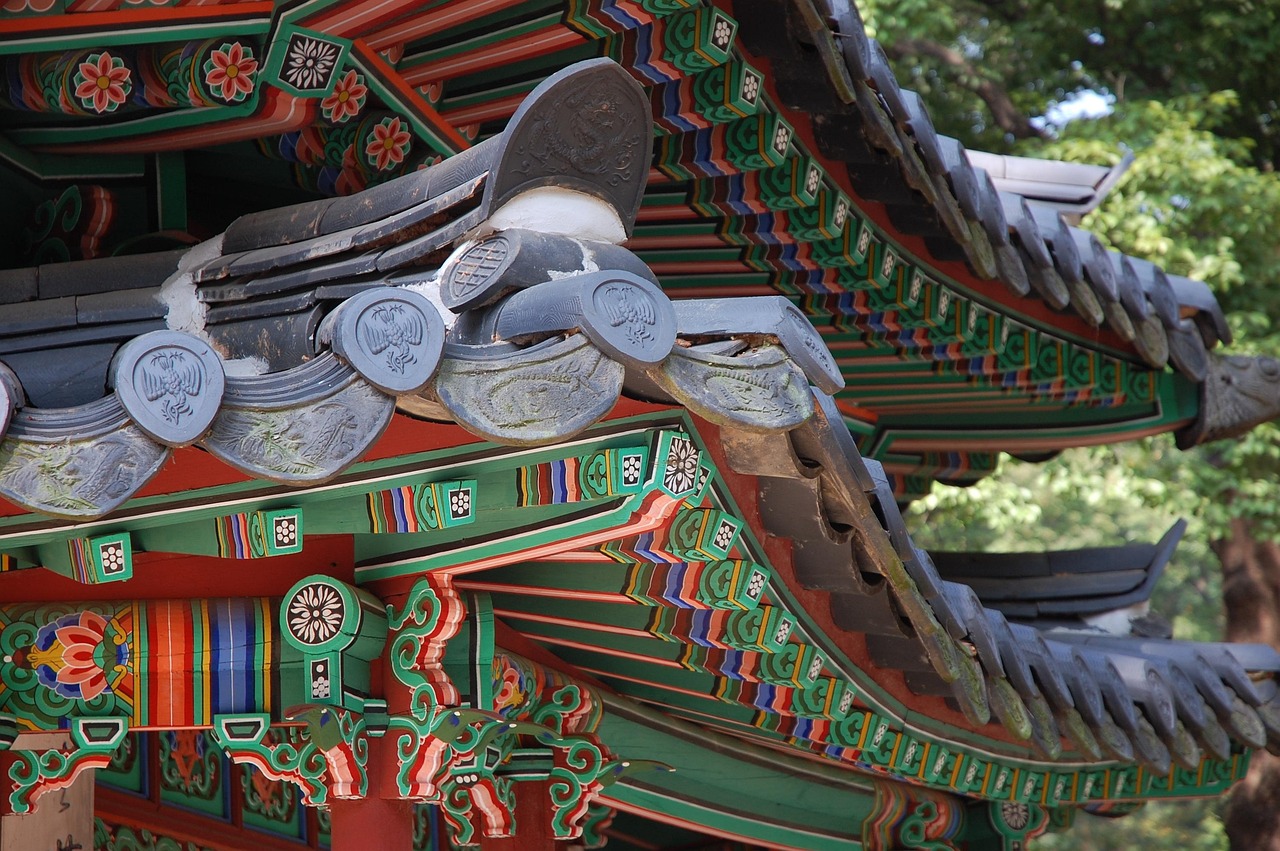
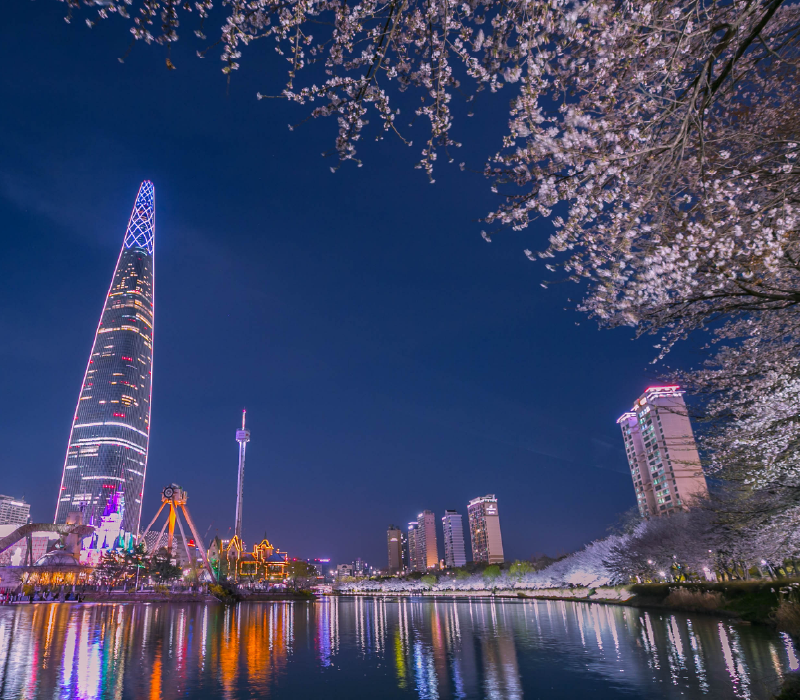
Spring in the capital: cherry blossom days and palace courtyards
For many travellers, the best time to visit Seoul sits at the heart of the wider question, “When is the best time to visit Korea?” In the spring, the city offers a rare mix of light, comfort, and beauty, making it effortless to move between palaces, design districts, and cafés. If you want to visit Seoul with ease and elegance, late March through April is often a standout time to travel.
Cherry blossom is brief, but it doesn’t need to feel rushed. With an expert guide and a well-paced plan, you can enjoy blossom-lined streets, slip into quieter parks, and still keep space for shopping, galleries, and crafted meals. The key is to design your days around light: early morning for petals and photography, late afternoon for culture, and evenings for a little glamour.
Cherry blossom season: enjoying blossom and the cherry blossom festival without the hurry
In spring, the capital’s cherry blossom moments range from wide boulevards to riverside paths. Aim for a mid-week visit where possible, and treat the cherry blossom festival atmosphere as an accent, not the whole story. You’ll feel the city’s softness—petals in the air, café terraces reopening, and that sense of renewal that makes even familiar streets feel newly discovered.
If you’re timing a trip around a cherry blossom festival, build in one flexible day. Blossoms are living things; they arrive on their own schedule, and the most reassuring luxury is having options when the weather shifts.
Palaces and hanok lanes: Gyeongbokgung Palace, Bukchon, and design-led evenings
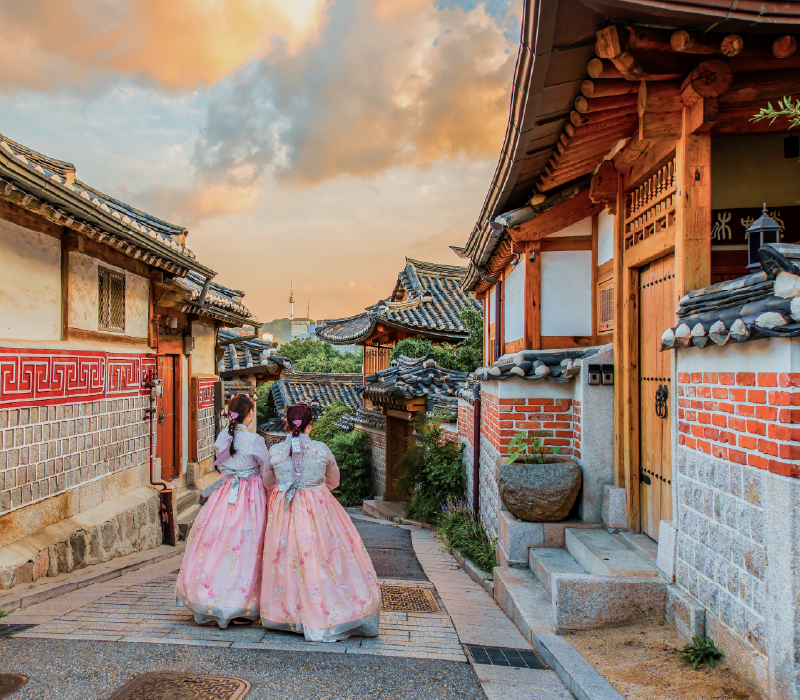
No spring itinerary feels complete without cultural immersion: Gyeongbokgung Palace for grandeur, and Bukchon Hanok Village for quieter, lived-in history. A simple etiquette note makes the experience smoother: in traditional homes and some cultural spaces, you’ll remove shoes before entering. It’s a small gesture, but it signals respect—and can open doors to warmer, more personal exchanges with local hosts.
One traveller shared a moment that stayed with them long after the flight home: wearing a Hanbok in Bukchon. As they walked the sloping lanes, the silk sleeve caught a spring breeze, and suddenly history felt close—something you could touch, not just observe. It wasn’t performance; it was connection, an uncovering of place through texture, pace, and presence.
As evening arrives, create a gentle pivot from tradition to the future at Dongdaemun Design Plaza. An art enthusiast described the thrill of seeing its curves lit at night, with cultural events humming nearby—architecture and imagination in conversation. With a concierge’s support, you can stitch these moments together into a curated route that feels effortless: a calm transfer, a timed entry, and a final cocktail with the skyline sparkling below.
Autumn colours and city escapes beyond Seoul – Busan, Gyeongju, and polished Korea travel days
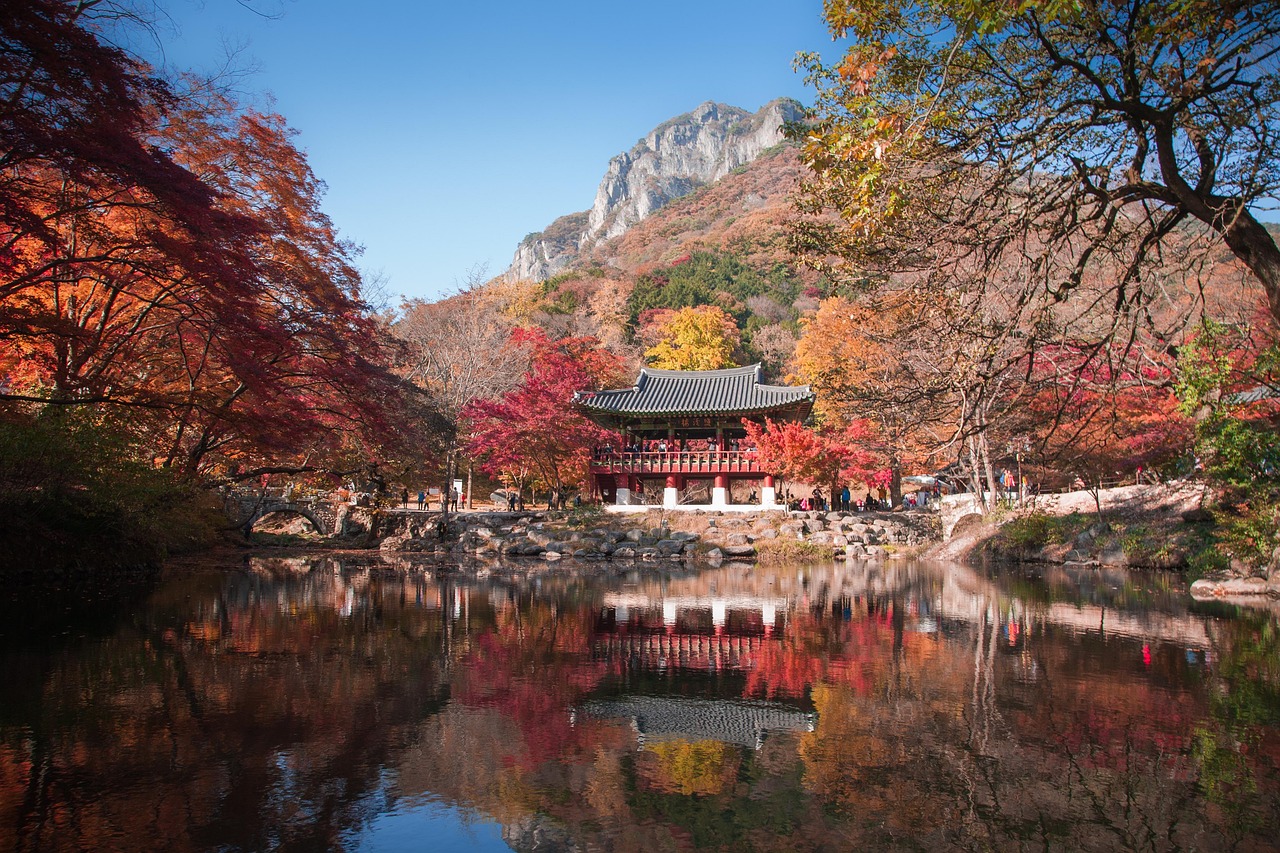
Autumn colour beyond the capital: temples, coastlines, and calm skies
If you’re comparing times to visit for a calmer, more cinematic trip, you’re already thinking like a seasoned traveller. Autumn is among the best times to visit because the air turns crisp, the light feels sharper, and the city rhythm softens after the months between June and August. This season brings a sense of polish to travel in Korea: you can walk more, linger longer, and photograph without battling heat haze.
In the capital, early autumn can be beautifully balanced—neighbourhood strolling in the daytime, museum time when the light turns golden, and candlelit dinners that feel both local and elevated. It’s also a smart time to visit South Korea if you want big-city energy without the most intense peak-season pressure, and it can be one of the popular times for travellers who value comfort over crowds.
Autumn evenings with the Seoul Lantern Festival atmosphere
Autumn colours frame parks and palace grounds, but the mood truly changes after dark. The Seoul lantern festival adds an atmospheric layer—glowing forms reflected on the water, families strolling, photographers waiting for the perfect moment. If you value design and storytelling, it’s an easy way to experience the city as art, not just a checklist.
- Neighbourhood ideas: Ikseon-dong for courtyards and cafés, Samcheong-dong for galleries, and the Han River for dusk walks.
- Gentle pacing: schedule one “free” morning for spontaneous shopping or a slow tea ceremony.
- Photography tip: aim for the hour before sunset—warmer tones, fewer harsh shadows.
Busan and coastal cities: sea views, seafood, and an easy change of pace
A coastal pivot to Busan (and other coastal cities) can make an autumn trip feel refreshingly varied. Sea air, seafood markets, and contemporary cafés create an effortless contrast to palace courtyards, and it’s one of those times to visit when simply walking can be the highlight. Coastal weather can shift quickly, so pack a light layer and a compact umbrella—small insurance that keeps the day seamless.
For a slower heritage day, add Gyeongju. It’s a place for quiet temples, gardens, and gentle storytelling—less “must-see”, more “let it unfold”. With a private guide, you can connect the cultural dots without feeling hurried and create space for the personal insights that make a journey stay with you.
And then there’s the dining. A luxe traveller once described an indulgent evening at a Michelin-starred restaurant in the capital: traditional flavours reimagined with contemporary presentation, every course crafted with restraint and confidence. It wasn’t just delicious—it was a window into how modern South Korean identity honours the past while designing the future.
Summer and winter in South Korea – monsoon rainfall, ski days, and seamless luxury travel tips
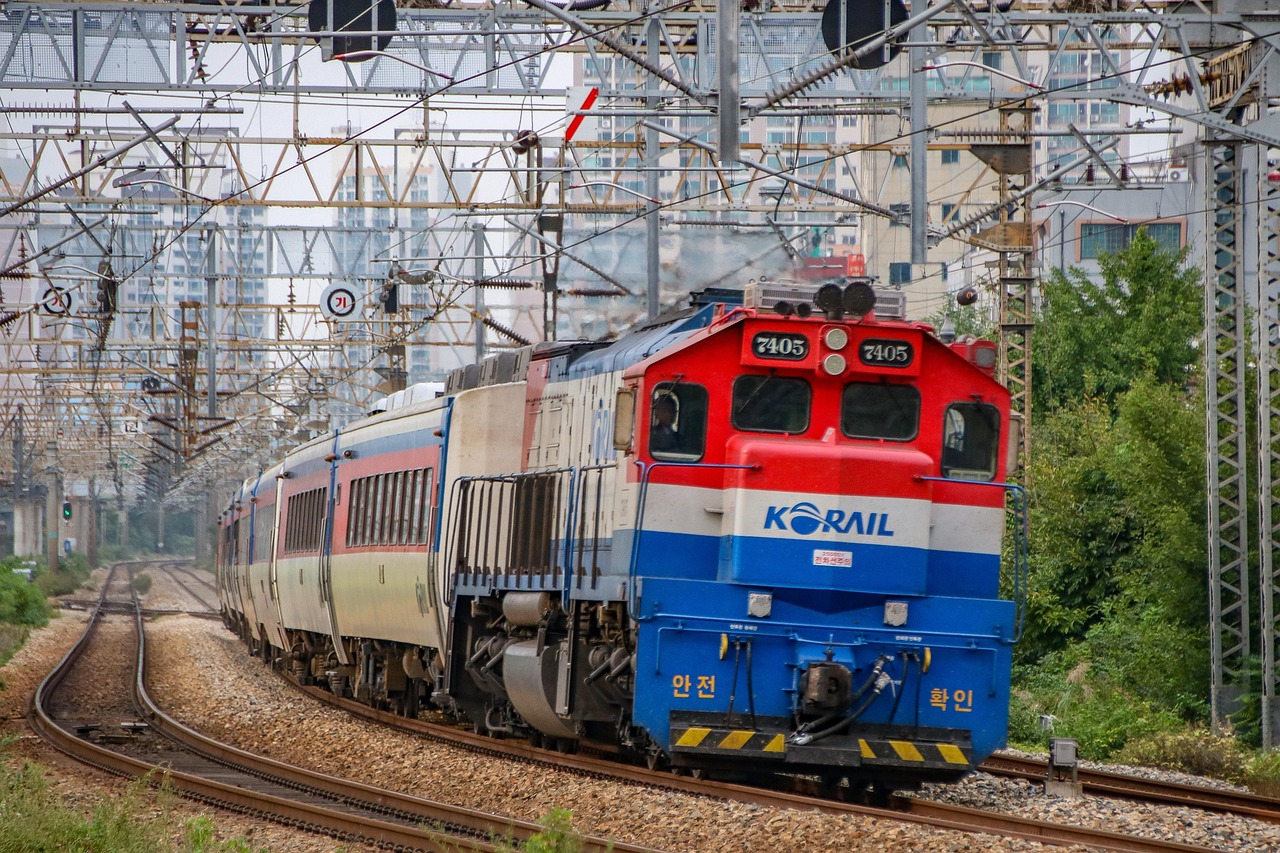
Summer and winter planning: comfort-first luxury, whatever the forecast
If you’re assessing the time to visit South Korea for sun, festivals, or winter escapes, it helps to know that the shoulder seasons aren’t the only answer. Summer in South Korea can be luminous and lively, but it comes with monsoon season realities: a notable increase in rainfall, plus rainfall over the summer months that can arrive in sudden bursts. July and August are often humid months for travel, and midday sightseeing can be intense.
The good news is that a humid stretch can still be a good time when you build the day around comfort. Think indoor culture blocks, leisurely lunches, and hotels with strong wellness facilities—so you’re never at the mercy of the weather. For many itineraries, that’s the difference between “getting through” a season and truly enjoying it.
Summer months between June and August: monsoon season, humidity, and smart timing
In midsummer, plan outdoor highlights early, then retreat. Some days bring low 30s during July, and you’ll appreciate shaded routes and air-conditioned galleries; humidity can spike quickly after a shower. If you’re moving regions, keep flexibility at the beginning of the month or the middle of the month when you’re most likely to adjust plans, especially as conditions can be changeable across the summer months.
A simple rhythm works well: mornings for markets and palaces, afternoons for contemporary museums, and evenings for rooftop views. These are times to visit when comfort is won through smart scheduling, not endurance, and it helps to accept that the months to visit for heat-lovers won’t look like the months that suit hikers.
Winter in South Korea: winter sports hubs around ski resorts, snowfall, and spa-led recovery
Winter in South Korea is crisp, bright, and quietly stylish; the season brings beautiful light and a calmer pace. For adventure, winter sports hubs around major ski resorts become a draw, with ski days that pair well with exceptional dining and restorative spa time. Snowfall usually falls more reliably in higher regions, where you can get long periods in the low temperatures; in the city, it often feels dry and bracing, and nights can be very cold.
Pack with intention: temperatures will occasionally dip, and may drop to truly bitter levels, so prioritise warm layers and a good coat. For first-timers, a guide-led introduction to jjimjilbang etiquette can be deeply grounding after a long flight—more soothing than intimidating, and surprisingly social in a gentle way.
For seamless logistics when travelling to Korea, arrive at Incheon International Airport and arrange luxury transfers so the first hour is calm. Use the KTX for comfortable connections, invest in a T-money card for easy public transport, and keep a concierge on call for last-minute changes. If your time in the south is limited, base yourself in one city and add one curated day trip, rather than trying to cover everything.
Jeju Island – natural beauty, slow-luxe walks, and the best time of year to reset
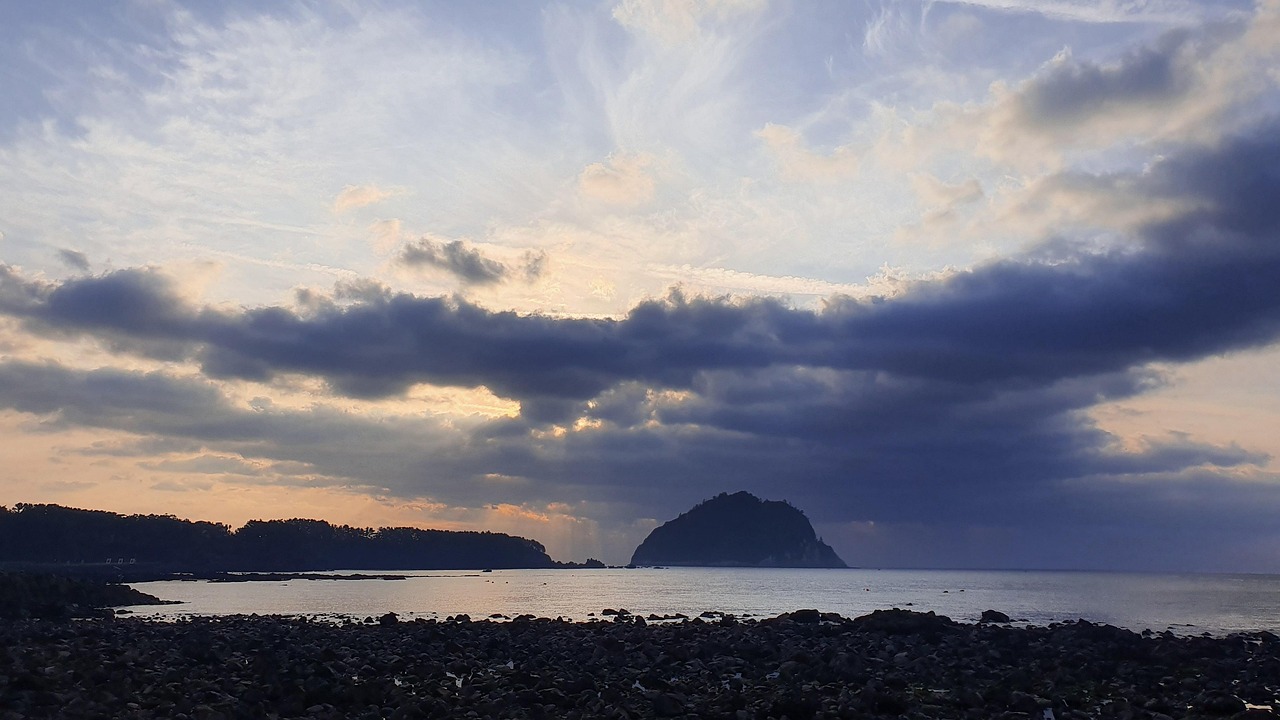
Jeju Island: romantic landscapes, design-led stays, and a slower pace
If you’re searching Jeju Island as part of your South Korea travel planning, picture it as the refined exhale of a wider itinerary. After the city sparkles, Jeju Island offers volcanic landscapes, pristine beaches, and a quieter rhythm—while still feeling impeccably serviced. It’s where you go to slow down, to explore without noise, and to rediscover your own pace in nature.
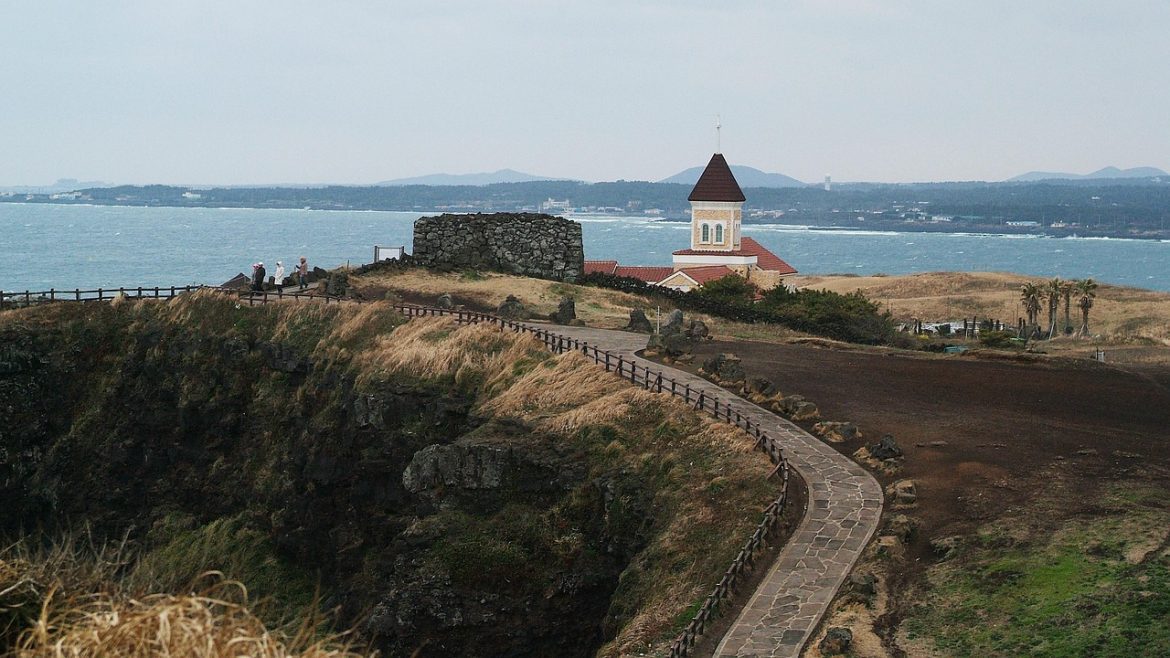
The best places to see on the island are often the simplest: oceanfront viewpoints where waves meet lava rock, pathways through fields and forest, and small cafés where a local owner remembers your order. Weather can change quickly here, so the most elegant approach is a flexible plan—one that can pivot from outdoor routes to spa time without feeling like a compromise.
Jeju and the Olle Trails: a romantic, intimate day outdoors
A couple once shared their romantic hike on Jeju’s Olle Trails: they started in soft morning light, walked through lush greenery and across volcanic formations, and stopped often—less for photos, more for quiet. What made it feel intimate and safe together was the simplicity: a pre-arranged driver for the return, a well-marked route chosen to match their fitness, and a slow lunch booked in advance so there was no rushing.
Jeju invites that kind of closeness. It’s not about collecting sights; it’s about creating space for conversation, for shared silence, for noticing natural beauty in detail.
Best time of year on Jeju Island: outdoor days versus spa-led design
For outdoor days, late spring and early autumn are often ideal: comfortable temperatures, clearer horizons, and fewer weather surprises. In summer, wind and rainfall can sweep in quickly along exposed routes; that’s when a spa-led itinerary feels like a smart design choice rather than a fallback. In winter, the island can be brisk and dramatic—perfect for cosy suites, sea views, and a slower pace.
If you’d like to browse beautifully designed itineraries and get inspiration for your own route, you can explore our Trip gallery. Discreet luxury is often behind the scenes: private guides who read the weather, driver days that remove friction, and advance bookings that give you confidence without over-structuring your freedom.
F.A.Qs: When is the best time to visit Korea?
Which is the best month to visit South Korea?
For many high-end travellers, April or October are strong choices because they combine comfortable daytime temperatures with clear skies. April often aligns with cherry blossom season in the capital, while October is known for calm weather and autumn colour. The best month depends on whether you want blossoms, hiking in national parks, or a city-led cultural itinerary with galleries and dining.
What is the cheapest time to go to South Korea?
Cheaper periods often fall outside peak visitation times, especially by avoiding major school holidays and headline festivals. Late winter (excluding Lunar New Year) and parts of early summer, before the peak in July and August, can offer better-value room rates. That said, the best value for luxury is often found by booking early, choosing the right neighbourhood, and balancing weekdays with a shorter weekend stay.
How many days are enough for Korea?
Seven to ten days is a comfortable baseline for a first trip, allowing time for the capital and one or two regions, such as Busan or Jeju Island. With 10–14 days, you can add a slower heritage stop, such as Gyeongju, and build in wellness time without feeling rushed. If you’re travelling in summer or winter, an extra day helps you stay flexible around weather and energy levels.
What is typhoon season in Korea?
Typhoons are most likely in late summer, typically August into early September, and can affect coastal areas more noticeably. Not every summer sees significant disruption, but it’s wise to plan with flexibility, especially for Jeju Island or other coastal cities. A well-supported itinerary—reliable transfers, a strong hotel concierge, and indoor alternatives—helps keep the experience seamless if conditions shift.
Final Thought
By the time you’re home, the question of the best time of year or the year to visit South Korea tends to soften. What remains is not a timetable, but a feeling—how the seasons of spring and autumn (or the sparkle of winter, or the intensity of summer) shaped your inner weather as much as the skies above. In a country of four distinct seasons, your memories change with the light.
You might remember warm greetings and the reassuring bow that quietly sets a tone of respect. You might think of shared meals where the table felt like a small ceremony, or the hush after a hanjeungmak session when the city’s noise seemed to fall away. Perhaps it’s a silk Hanbok sleeve lifting in a spring breeze, or the particular clarity of an autumn evening when everything looked newly edged with light.
With time, these details become emotional landmarks. They’re proof that visiting korea wasn’t only about seeing—more about noticing, and letting a place meet you where you are. Ultimately, the right time of year to visit is the one that supports your energy, your pace, and your personal curiosities with trust and care.
And if you ever return, imagine how different it might feel in another season—same country, new light, and a fresh layer of insight waiting quietly for you to uncover.