Post Contents
- South Korea to Tokyo: A Crafted Japan and South Korea Itinerary
- Seoul, South Kore,a Luxury Neighbourhoods and Local Insight
- Seoul to the DMZ Uncover History with a Private Guided Tour
- Beyond Seoul A South Korea Seaside City and UNESCO Day Trip
- Tokyo and Kyoto, Japan Tour: Luxury Districts, Temples, and Dining
- F.A.Qs: Japan and South Korea trip planning
- Final Thought
South Korea to Tokyo: A Crafted Japan and South Korea Itinerary
South Korea to Tokyo A Crafted Japan and South Korea Itinerary with a refined route map
If you’re weighing a Japan and South Korea itinerary, Seoul to Tokyo tour package, the key is to treat it as one refined story across two countries, not a checklist. Start in South Korea’s capital city, let Seoul’s style and warmth settle in, then fly onwards to Tokyo’s bustle before ending with Kyoto’s quiet elegance. That arc creates contrast, and it also creates calm—especially when you build in a true travel day buffer and generous pauses.
For high-end travellers, we always design breathing room: a late breakfast after arrivals, unhurried evenings for a concierge-led reservation, and mornings that leave space for spontaneity. If you’d like to see what a curated journey can look like in images, our Trip gallery offers a glimpse of the textures—markets, skylines, temples, and those quiet corners that stay with you.
Itinerary pacing for 16 days with free time to explore
Here’s a sample 16-day flow that keeps the experience crafted and comfortable while still feeling expansive. It’s designed to give you confidence that you can do Japan and South Korea together without feeling rushed.
- Days 1–5 Seoul: settle in, a gentle walking tour, galleries and shopping street moments, and a heritage morning at Gyeongbokgung Palace.
- Day 6 DMZ: private guided tour, then an early evening back in Seoul for a restorative dinner.
- Days 7–8 Seaside city interlude: Busan with panoramic views and café culture; return to Seoul smoothly.
- Days 9–10 Tokyo: Ginza and Omotesando for luxury shopping, plus refined night energy near Shibuya Crossing.
- Days 11–13 Kyoto: private tea ceremony, a temple route, and an evening walk near the geisha district atmosphere in Gion.
- Days 14–15 Tokyo: final dining reservations, Nakamise shopping near Sensoji Temple, and time for a view towards Fuji if the weather is kind.
- Day 16 Depart: a calm final morning and airport transfer.
This kind of itinerary works because it respects jet lag, appetite, and attention—three things luxury travel quietly protects.
Tour details and tour package choices with ef as a reference
When comparing tour details, you’ll usually choose between private planning (driver-guide, curated bookings, your own tempo) and a premium group tour with a tour director. A group tour can be reassuring if you like structure and the easy company of fellow travellers, and it can still feel elevated when hotels, dining, and timing are thoughtfully selected. Some travellers look at EF as a structured option; an EF tour can be a helpful reference point for how a day-by-day programme is assembled, even if you ultimately prefer a more private approach.
On budget without sticker shock: your tour price is typically shaped by top-tier hotels, private transfers, access-led guided tour experiences (such as the DMZ), Michelin reservations, and the quality of your local guide. In other words, you’re paying for seamless support, not just rooms and trains.
Prior to departure, keep a calm checklist: confirm entry requirements, secure key dining bookings (especially counters and tasting menus), and choose travel insurance that covers high-end activities. We suggest reviewing these days prior to departure rather than the night before—confidence comes from having time on your side.
Seoul, South Kore,a Luxury Neighbourhoods and Local Insight
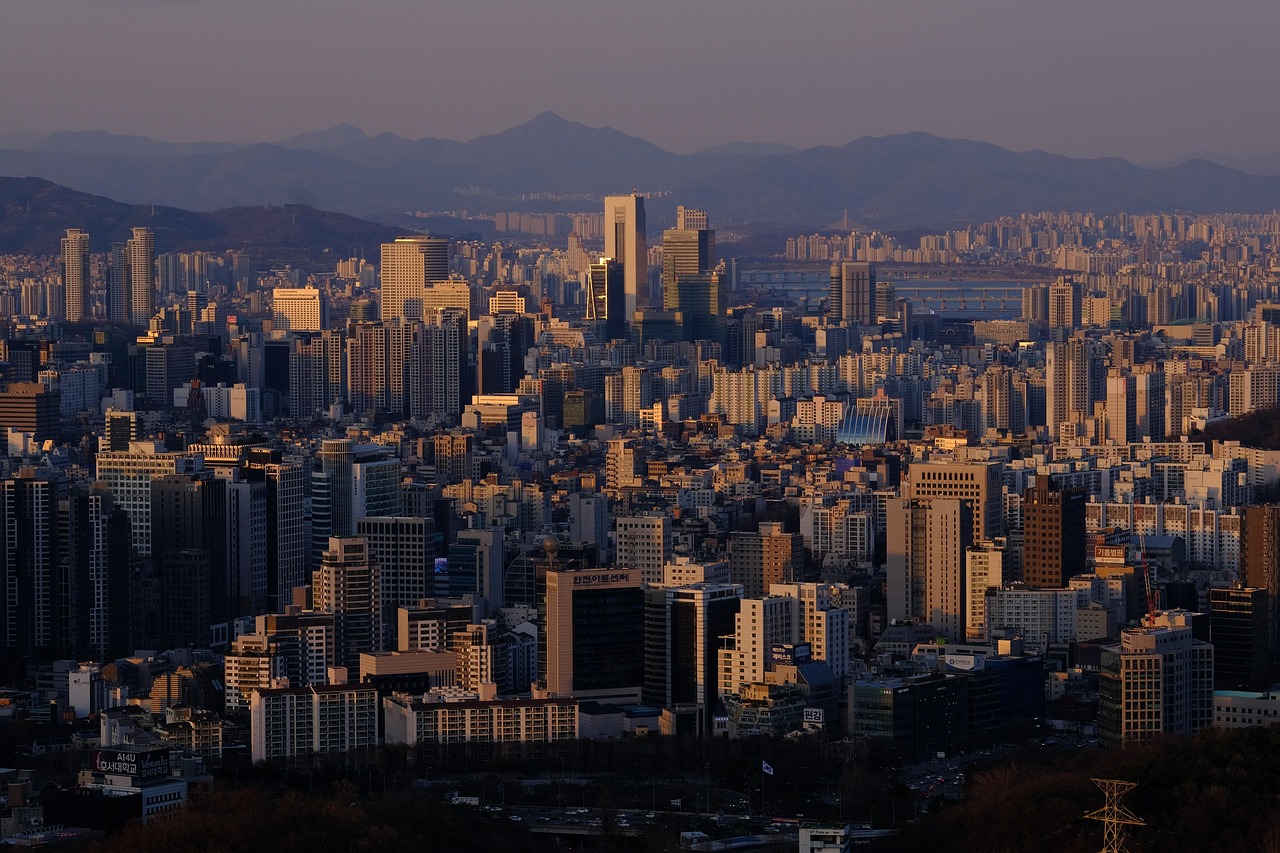
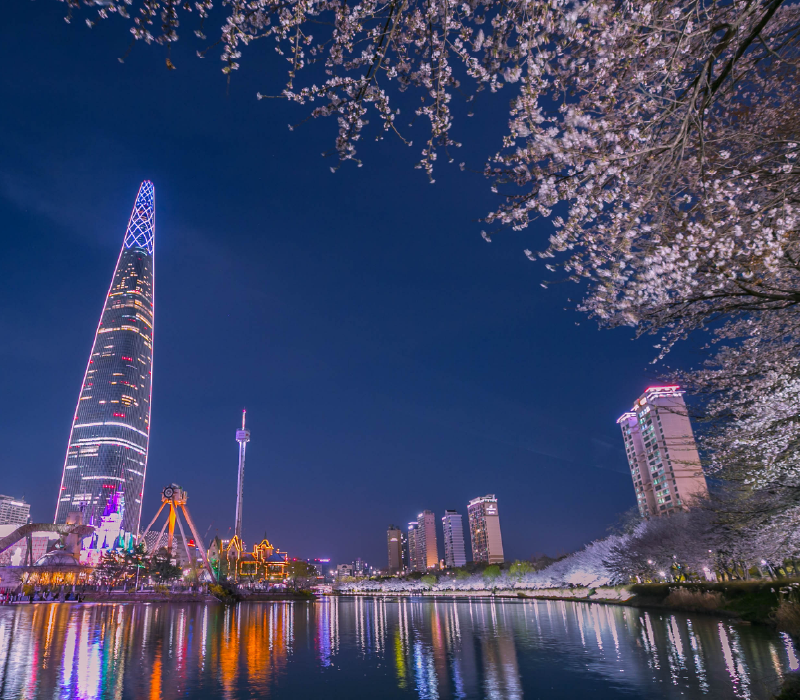
Seoul South Korea Luxury Neighbourhoods and Local Insight with a skyline view
A Seoul, South Korea luxury guide, Gangnam Insadong approach starts with one decision that changes everything: where you set your base. Seoul is a capital city of nearly 10 million, and the right hotel philosophy matters—quiet prestige, seamless service, and walkable access to the moments you’ll actually remember. Think a lobby that feels like an art space, a concierge who can create a last-minute table, and a room that restores you after the city’s pace.
In Seoul’s best addresses, luxury is often expressed through discretion: staff anticipate your needs before you ask, and support arrives without fuss. This is also where etiquette becomes reassuring rather than intimidating—small gestures, done gently, help you feel at home.
Gangnam nights and Seoul’s food scene with expert concierge support
Gangnam after dark is glossy and confident—high-end boutiques, modern skyscrapers, and a food scene that ranges from intimate chef’s counters to polished dining rooms with exceptional wine lists. If Michelin-starred restaurants are on your wish list in Seoul, ask your hotel to secure tables early; the best rooms can be booked out weeks ahead, especially in spring and autumn.
We often suggest a “one big dinner, one simple dinner” rhythm: one evening with a tasting menu, and the next with something quietly local and comforting. That balance lets you enjoy Seoul without turning every meal into an event.
First-timer morning route to Gyeongbokgung Palace, then Insadong
For a gentle start, visit Gyeongbokgung Palace for the royal guard changing ceremony, then take some time in Insadong for crafted souvenirs and tea. This pairing offers history and culture with comfort—wide courtyards, beautiful lines, and small shops where you can choose a piece to bring home with personal meaning.
If you want context without overload, book a private walking tour with a local guide and include a brief stop at the Museum of Korea. It’s a grounding way to learn about the history before you move into modern Seoul’s design districts.
Service etiquette in Seoul: use two hands when giving or receiving items, keep your tone soft in quiet spaces, and remember tipping is not expected—care is already built into the experience.
Seoul to the DMZ Uncover History with a Private Guided Tour
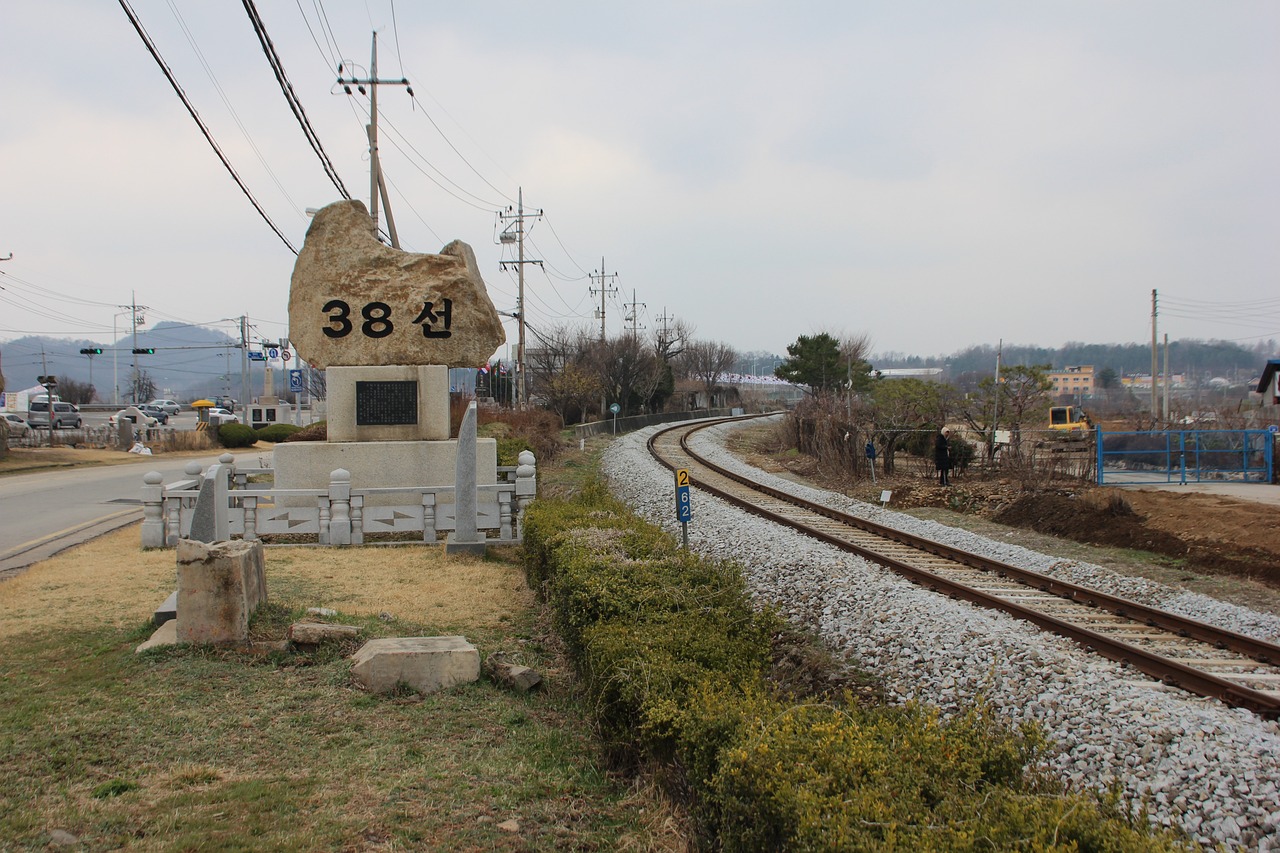
Seoul to the DMZ Uncover History with a Private Guided Tour near the border
A DMZ private guided tour in Seoul, South Korea, a demilitarised zone experience, is one of the most impactful days you can choose, and it deserves to be framed with care. The demilitarised zone is not a theme-park stop; it’s a place where you’re asked to hold complexity. A guided tour matters because it helps you understand North and South Korea beyond headlines and provides a respectful space for your feelings.
We’ve found that travellers appreciate a calm pace here: clear briefings, unhurried transitions, and a guide who can answer questions without sensationalism. Luxury today is emotional steadiness and thoughtful logistics.
Private guided tour planning with tour director-style logistics
Timing and security protocols can change, so the most seamless DMZ days are planned as a professional operation. Your confirmation should read: “Tour directly through your mobile,” with your pickup time, ID reminders, and a simple plan for how to meet your tour. If you’re travelling on a premium group tour, your tour director will often handle these moving parts; privately, your driver-guide can do the same with quiet efficiency.
- What to wear: comfortable closed-toe shoes, layers (weather changes quickly), and understated colours.
- Photography: follow instructions closely; some areas are sensitive, and signage should be treated as absolute.
- Accessibility: discuss stairs and walking distance in advance—an expert planner can tailor the day for comfort.
A personal story from the border and a memorial museum moment
A couple once described their private DMZ day as quietly profound: seeing the border first-hand made history feel immediate, human, and unexpectedly personal. They discussed the stillness at the viewing points, the weight of small details, and how their guide’s calm explanations helped them process rather than rush on. It was, they said, an unforgettable reminder that travel can uncover empathy as much as it uncovers places.
Where relevant on the route, a memorial museum stop can add context without overwhelming you. The right guide will help you learn about the history with clarity, then give you space on the return drive to simply look out of the window and breathe.
Beyond Seoul A South Korea Seaside City and UNESCO Day Trip
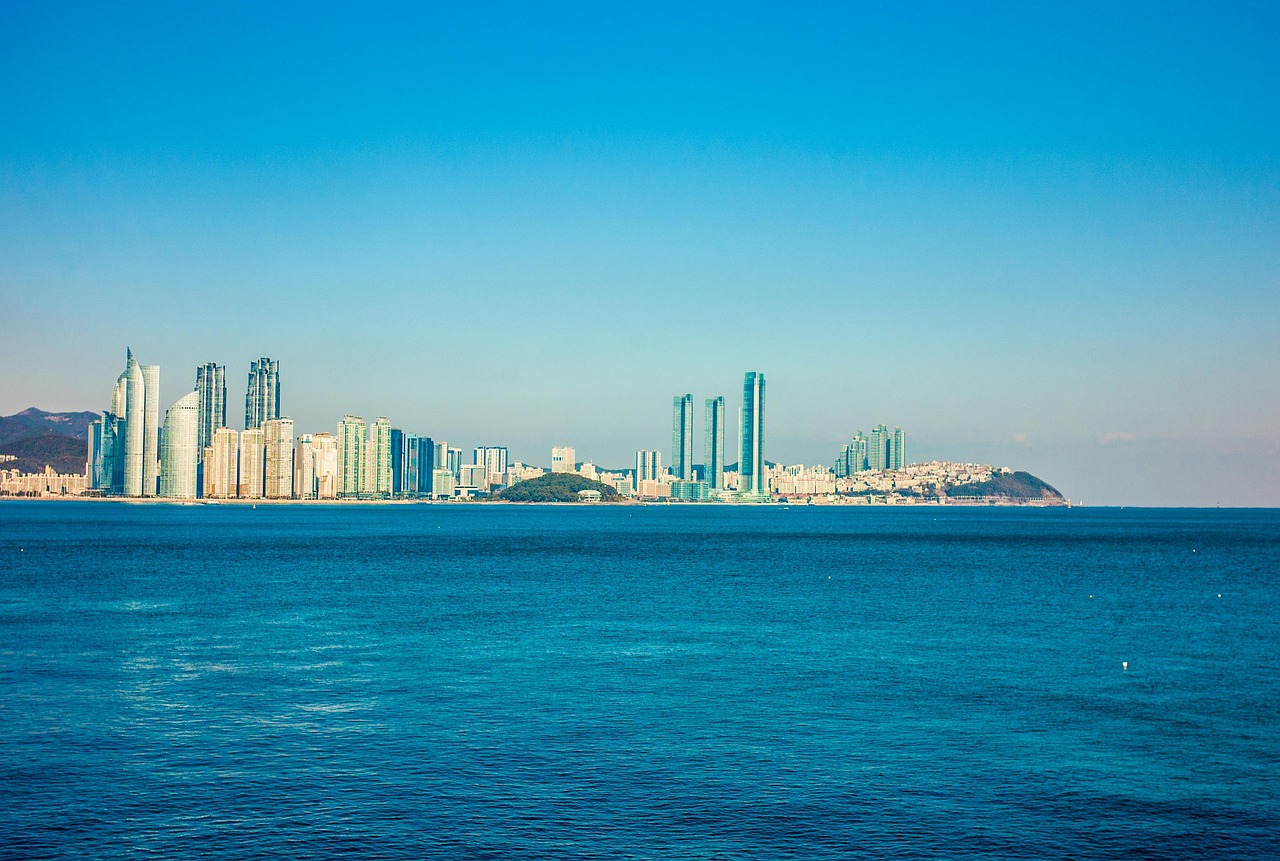
Beyond Seoul A South Korea Seaside City and UNESCO Day Trip with coastal views
A South Korea day trip to Busan, Gyeongju, and the UNESCO World Heritage Site plan is the perfect counterpoint to Seoul’s intensity. We recommend a polished split: enjoy the capital’s galleries and tailoring, then step into a seaside city where the air feels lighter, and the pace softens. Busan gives you panoramic views, a graceful café culture, and a slower stroll by the water that feels almost restorative.
For a high-end traveller, this isn’t about packing in more; it’s about designing contrast. You’ll return to Seoul feeling refreshed, with more emotional space for the final chapters of your journey onwards to Tokyo.
Busan interlude with panoramic views, a cable car, and elegant timing
Busan is most enjoyable when you avoid the mid-day crush. Start early, enjoy a late coastal lunch, then take a cable car ride timed for softer light. If you’d like a single vivid cultural stop, Gamcheon Culture Village can be beautiful when approached thoughtfully—go with a driver who can drop you at a quieter entry point, so it stays personal rather than performative.
Keep the rhythm gentle: one signature viewpoint, one neighbourhood to wander, then back to your hotel with time to change before dinner.
Gyeongju as a day trip with a driver-guide and a UNESCO World Heritage site
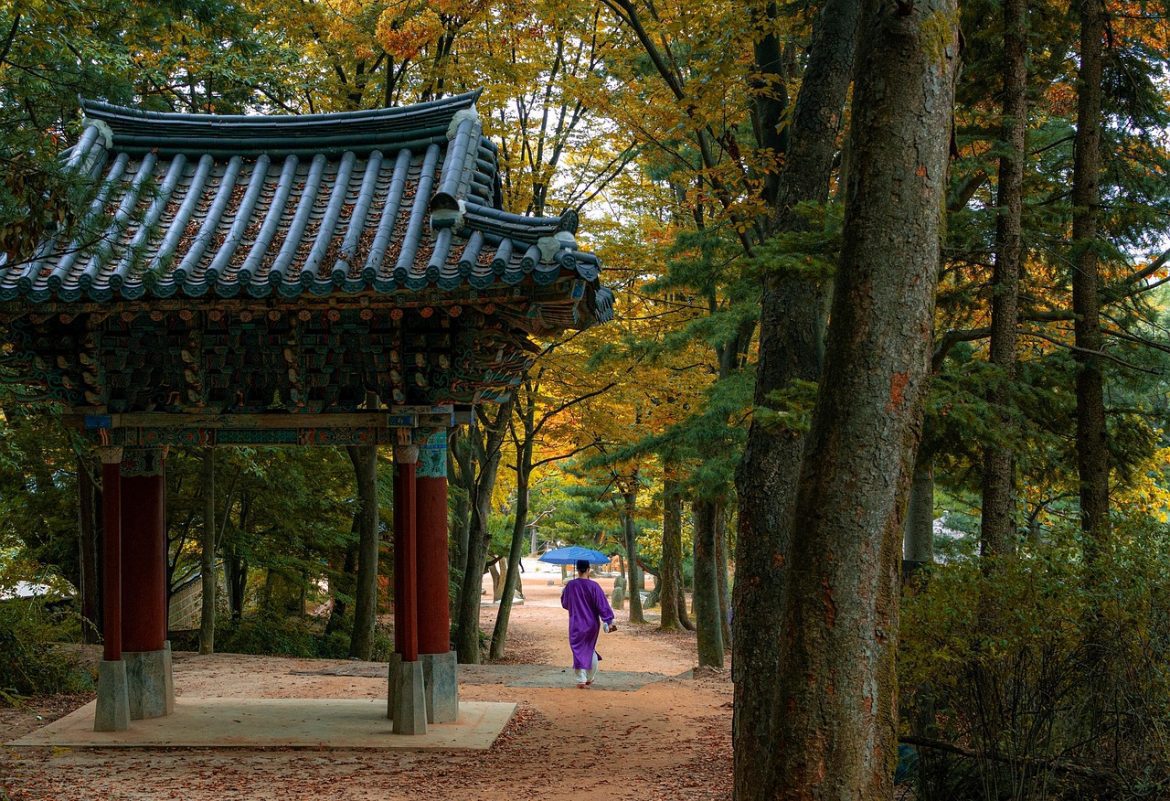
Gyeongju makes an exceptional day trip for history and culture, especially with a driver-guide who can help you explore the area comfortably. Choose one UNESCO World Heritage site and give it the time it deserves; your guide can layer in the Korean context while keeping the experience calm and unhurried.
Cuisine for discerning palates can include a little street food without worry—pick busy stalls with fast turnover and clear hygiene cues, then balance it with a farewell dinner back in Seoul in a dining room where service feels like choreography.
Transit confidence: KTX is the fastest way to travel; book first-class seats and ask your hotel to assist with luggage handling so your day stays seamless.
Tokyo and Kyoto, Japan Tour: Luxury Districts, Temples, and Dining
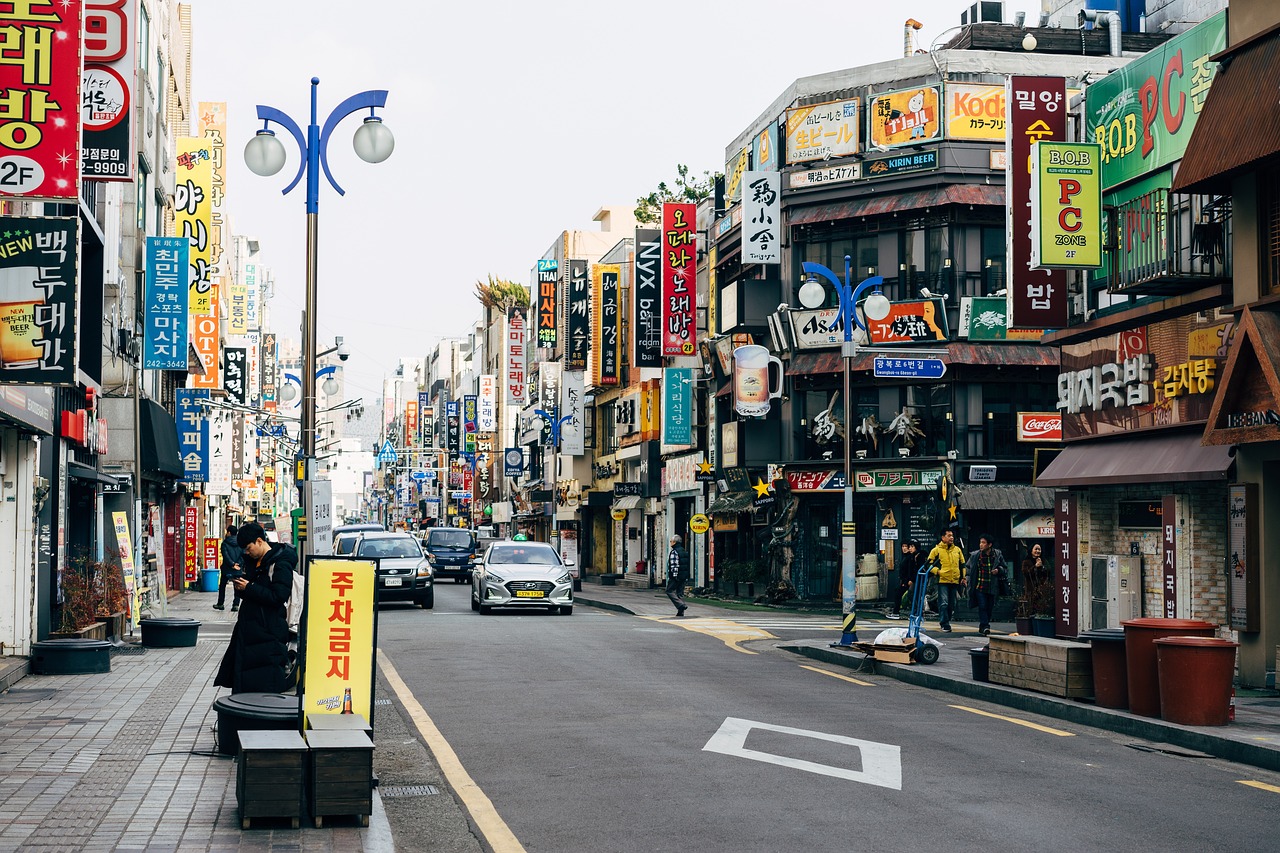
Tokyo and Kyoto Japan Tour Luxury Districts Temples and Dining through city streets
If you’re picturing a Tokyo Kyoto Japan tour luxury Ginza Omotesando kaiseki Michelin route, the transition from Seoul to Tokyo is simpler than many travellers expect. Flying is the quickest option; once you land, keep an easy arrival rhythm—hotel check-in, light dining, and the rest of the day at leisure. One upscale traveller told us their boutique hotel in Tokyo felt like entering a calm sanctuary, with seamless service that made the city’s scale feel instantly manageable.
This is also where a Japan and South Korea journey becomes a study in contrasts: Seoul’s edge and warmth, then Tokyo’s precision—both held together by expert planning and trust.
Tokyo’s upscale districts, from Ginza and Omotesando to Shibuya Crossing
Begin with Tokyo’s upscale districts: Ginza for heritage luxury and impeccable department stores, then Omotesando for architecture-led shopping and fashion that feels curated rather than loud. In the evening, visit Shibuya Crossing for the signature energy—Tokyo’s bustle, framed with a refined lens. Choose a high vantage point for a short cocktail rather than getting swept into the crowd.
For a quieter cultural pause, pair Sensoji Temple with Nakamise shopping—small snacks and souvenirs, then step into the incense-scented calm. It’s a perfect example of how Tokyo can feel both kinetic and soothing in the same hour.
Kyoto’s temple route, private tea ceremony, and traditional Japanese etiquette
Kyoto is where many travellers feel time change texture. We suggest a quiet cultural day: a private tea ceremony with a Kyoto-based tea master, followed by a respectful temple route that includes a shrine and a torii gate. One traveller described their tea ceremony as an intimate immersion—refined, unhurried, and deeply human, with each movement feeling like a small lesson in attention.
Include the Golden Pavilion for its luminous stillness, and if you’re visiting other Buddhist temples, keep your voice low and your pace gentle. In the geisha district atmosphere of Gion, observe with sensitivity—this is a living neighbourhood, not a stage set.
Rail guidance without overwhelm: the Japan Rail Pass can help if you’re making multiple long-distance journeys; reserve the bullet train early for preferred seats. Remember traditional Japanese etiquette—remove shoes indoors, bow respectfully, and keep temple behaviour calm and low-key.
Michelin and kaiseki dining across Seoul and Tokyo
For many high-end travellers, dining is the spine of the experience. Create a balanced Michelin path across Seoul and Tokyo: one kaiseki meal in Kyoto for seasonal artistry, one intimate counter in Tokyo for precision, and one contemporary tasting menu in Seoul that celebrates South Korean ingredients with modern creativity. This mix keeps meals memorable without becoming exhausting.
If the sky is clear on one of your final Tokyo days, consider a view towards Fuji from a discreet vantage point outside the city. It’s not about ticking a landmark; it’s about letting a single image settle quietly into the memory.
F.A.Qs: Japan and South Korea trip planning
Can you do Japan and South Korea in one trip?
Yes. A trip to Japan and South Korea works well when you design a calm pace: begin in Seoul, then continue to Tokyo, adding Kyoto for cultural depth. The key is to build in a travel-day buffer, book premium hotels and key dining early, and use private guides when you want richer insight and seamless support.
Is $5000 enough for a trip to Japan?
$5000 may be sufficient for Japan, depending on trip length, season, and your hotel standard, but it’s usually tight for a high-end stay. Tokyo and Kyoto are increasingly expensive, with top-tier hotels, private transfers, and Michelin-starred dining. If luxury is your priority, plan for a higher budget or shorten the stay while maintaining the crafted experience.
Is it worth visiting South Korea after Japan?
It is, especially if you enjoy contrast. South Korea offers Seoul’s modern design energy, exceptional service, and meaningful history—such as a DMZ visit—while Japan brings Tokyo’s refinement and Kyoto’s traditional Japanese calm. Together, South Korea and Japan offer a richer perspective than either alone, without repetition.
How many days do you need in Japan and Korea?
A comfortable range is 12–16 days for both countries, allowing Seoul, a day beyond the capital (such as Busan or Gyeongju), then Tokyo and Kyoto. With fewer than 10 days, you’ll spend too much time in transit. With around 16 days, you can include free time to explore and still keep the journey feeling seamless.
Final Thought
After South Korea’s personal reflections on luxury travel, what lingers isn’t only the skyline or the shopping bags—it’s the feeling of being gently carried. Seoul’s energy stays with you in small ways: the quiet efficiency of a hotel team who remembered your coffee, the warmth in a guide’s voice as they offered insight without judgement, the sense that you were free to explore because someone had already thought through the details with care.
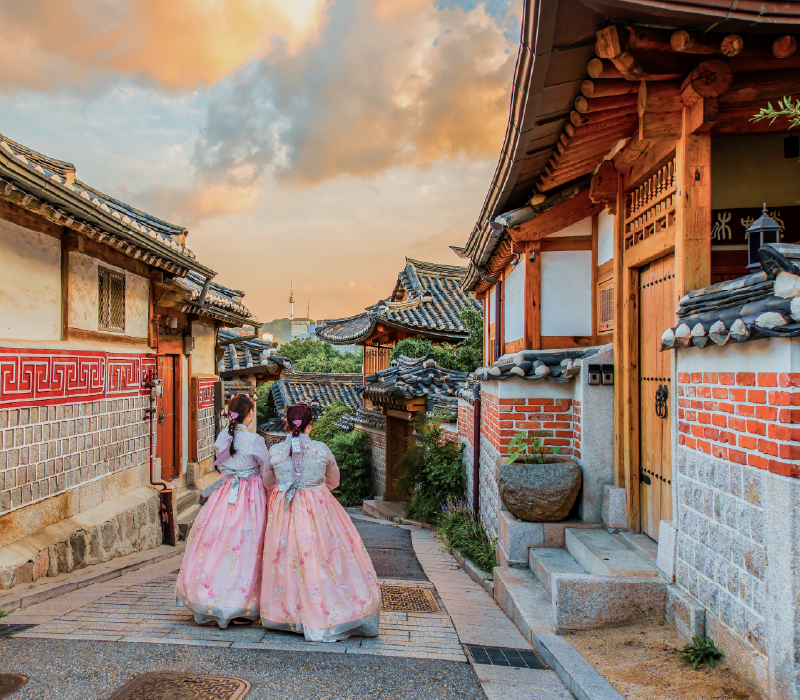
Sometimes the clearest memory is an image you didn’t plan. A lane in Bukchon Hanok Village at an in-between hour, where the city’s sound softens, and the air feels newly calm. Or the hush of a temple courtyard in Kyoto, where your steps slow without instruction, and you realise you’re listening more carefully than you have in months.
The travellers’ stories become part of that inner gallery. The DMZ’s weight—felt in the body more than the mind—sits alongside the delight of wearing traditional Korean attire: one traveller’s custom-tailored Hanbok in Seoul, which turned photographs into something more like belonging. And then there’s Tokyo’s polished kindness, and Kyoto’s restrained grace, a form of hospitality that doesn’t ask for applause, only presence.
In the end, a journey through Korea and Japan can reveal what we uncover in ourselves when we travel slowly, with trust and expert support: steadier attention, deeper gratitude, and the confidence to let a place meet us as we are. And when you find yourself planning your next adventure, you may notice you’re no longer chasing highlights—you’re listening for the moments that feel quietly true.