Post Contents
- July weather in South Korea: average temperature, humidity and rainfall, plus the best time to visit
- Seoul weather in July: a seamless luxury city rhythm in Samcheong-dong
- Boryeong Mud Festival (Korea in July) near Seoul: accommodation ideas and a polished day trip
- Jeju Island in July: South Korea travel, rainfall awareness, beach time and typhoon planning
- Planning a trip: time to visit South Korea in July with Seoul and Busan stay ideas
- F.A.Qs: July weather in South Korea
- After South Korea in July: what stays with you in the light
July weather in South Korea: average temperature, humidity and rainfall, plus the best time to visit
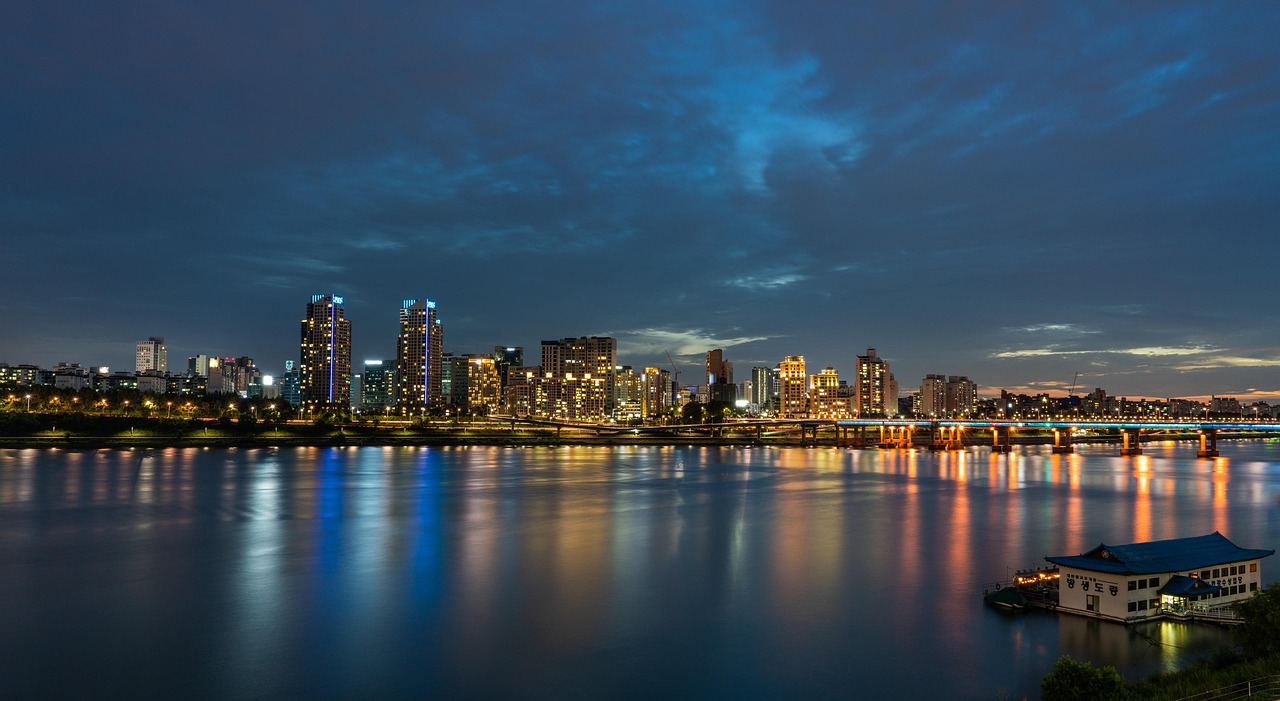
July light over South Korea—Seoul skyline after summer rain
For many travellers, July weather in this North Asian destination is best understood as a daily rhythm rather than a single forecast: brighter skies early, warming by midday, then showers more likely later on. It’s often described as typically the wettest month, and while that can sound daunting, it’s also when parks and mountains look intensely green, and the streets feel freshly washed after rain.
Across South Korea, afternoons can be hot and humid, and the month in South Korea tends to reward travellers who build flexibility into their schedule. With thoughtful pacing—museum time when the air feels heavy, then rooftop dining when the weather lifts—summer in South Korea can still deliver a calm, design-led journey.
At-a-glance: average temperature in Seoul, average highs and South Korea weather in July
As a general reference point (always check your week’s forecast), the temperature in Seoul often peaks around 27 °C, with an average low near 20 °C. Many visitors notice that humidity changes comfort more than the number itself, and a high-temperature day can feel noticeably warmer when the air is still.
- Average high temperatures in major cities: mid- to high 20s°C, depending on region and coastal influence; an average high in the upper 20s is common inland.
- Average low evenings: around 20°c in Seoul, often feeling balmy rather than cool.
- Rainfall: bursts and bands rather than constant drizzle; your experience depends on timing and neighbourhood.
- UV index: frequently strong between late morning and mid-afternoon—plan shade and reapply sunscreen.
Monsoon season in South Korea: monsoon patterns, skies in July and the chance of rain
Monsoon season in South Korea (often called the monsoon) brings moist air and periods of heavier rain, but it rarely means you lose an entire day. The skies in July can look beautifully cloudy for photography—softening harsh shadows on hanok rooflines and giving city scenes a cinematic glow—though it helps to keep a graceful indoor backup for rooftop plans.
Think of July and August as “beautiful but flexible”: when experiences are built with weather buffers—late starts, private transfers, and indoor cultural anchors—July can still be a good month for travellers who value comfort and calm. If you’re comparing months to visit, spring or autumn can feel drier and gentler (with cherry blossom season as a standout), yet south korea’s summer energy—festivals, a relaxed beach day, and lush valleys—has its own charm; this is also where broader korea weather expectations meet real, day-by-day nuance, including the weather in july patterns you’ll feel on the ground.
Seoul weather in July: a seamless luxury city rhythm in Samcheong-dong
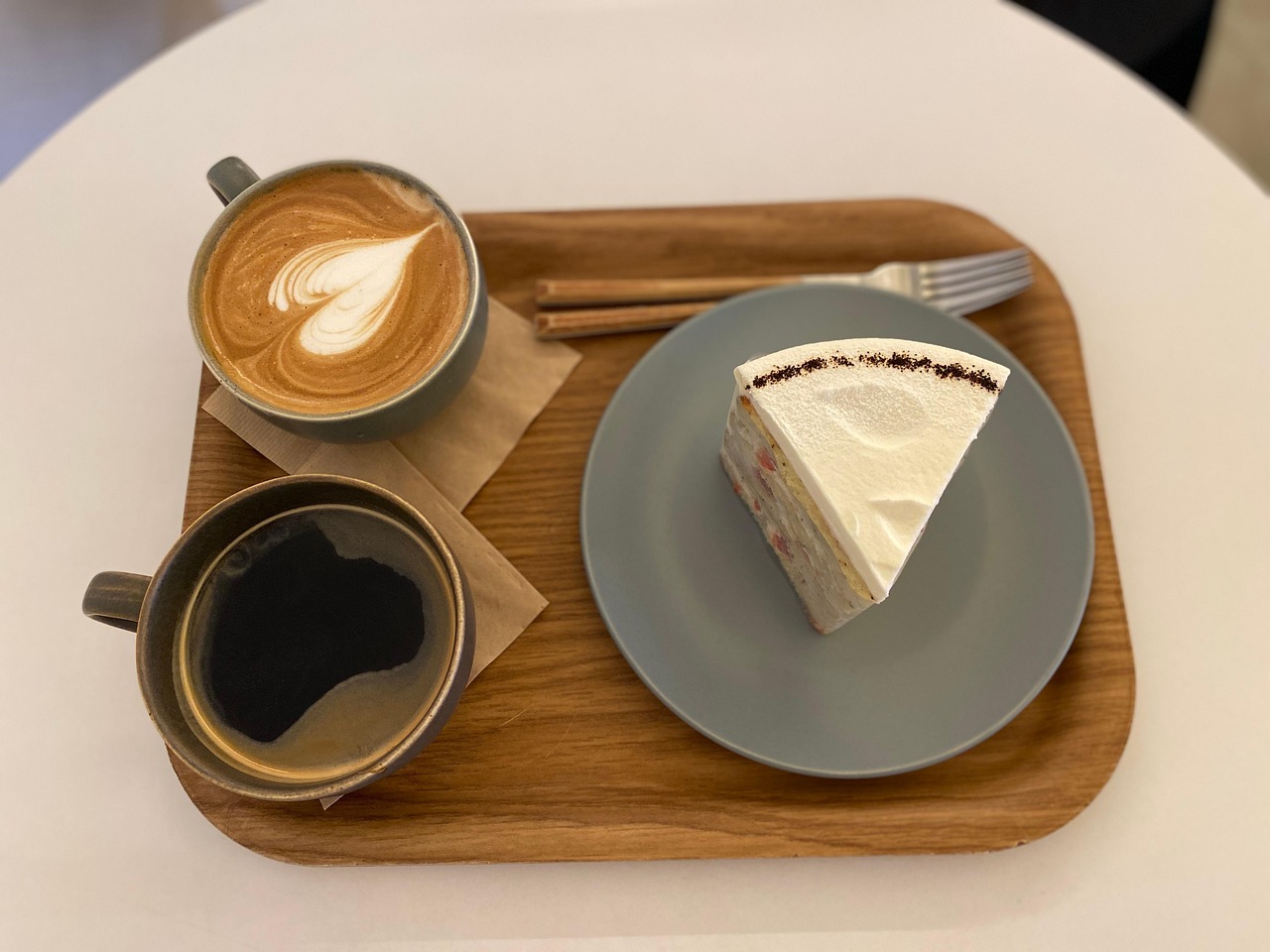
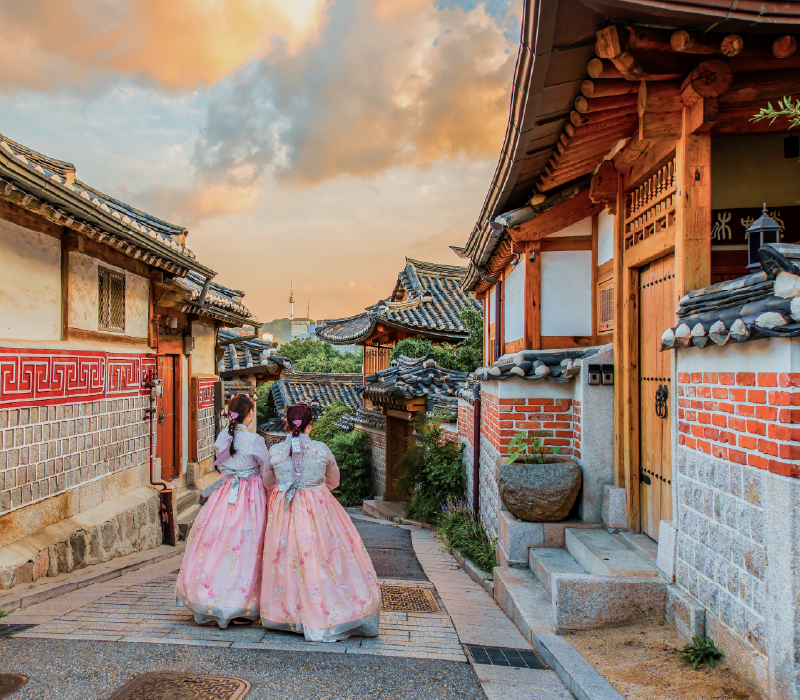
Samcheong-dong cafés—cool interiors between warm summer strolls in Seoul
To travel well in Seoul in July, treat the day like a well-composed itinerary: bright mornings for walking, early afternoons for cool interiors, and evenings for slower, candlelit dining. This is Seoul in July at its most rewarding—contrasts everywhere, and countless ways to explore without pushing through peak heat.
If you’re mapping out an itinerary that prioritises beauty and ease, it helps to think in “micro-neighbourhoods” rather than big crossings. A private driver or a luxury guided tour can keep the day seamless when sudden showers appear, crowds build, or humidity makes long walks less appealing.
Samcheong-dong and Bukchon-style lanes: the best time to visit Seoul neighbourhoods
For high-end travellers, Samcheong-dong offers an elevated pocket of Seoul where boutique galleries sit beside designer cafés, and traditional tea houses provide a hush that feels restorative. Start early to wander nearby Bukchon-style lanes, then drift into modern art spaces as the day warms—an approach that fits Korean weather in July beautifully and aligns with the best time to visit Seoul within a single day (morning outdoors, afternoons indoors).
One couple we met described their luxurious stay in a hanok-style guesthouse as the quiet highlight of their trip to Seoul. The traditional lines and wooden textures felt timeless, yet the modern comforts—discreet air conditioning, impeccable bedding, and a host who anticipated every need—made warm nights feel calm. Their insight was simple: when your base is thoughtfully chosen, you move through the city with trust rather than tension.
Comfort notes for Korea weather in July: air quality, humidity levels and refined alternatives
In the summer months, hydration becomes a form of luxury: keep water close, pause in shaded courtyards, and plan mid-afternoon resets. Air quality can vary, so if the day feels heavy or rainy, consider spa afternoons, a private museum tour, or a long lunch that turns into an unhurried tasting journey.
- Carry reapplication-ready sunscreen and step into shade between neighbourhood stops.
- When humidity rises, choose shorter outdoor loops and longer indoor cultural experiences; this is especially true during periods of high humidity.
- Use polite language and a respectful bow—small etiquette gestures that signal care and create warm local connections.
Boryeong Mud Festival (Korea in July) near Seoul: accommodation ideas and a polished day trip
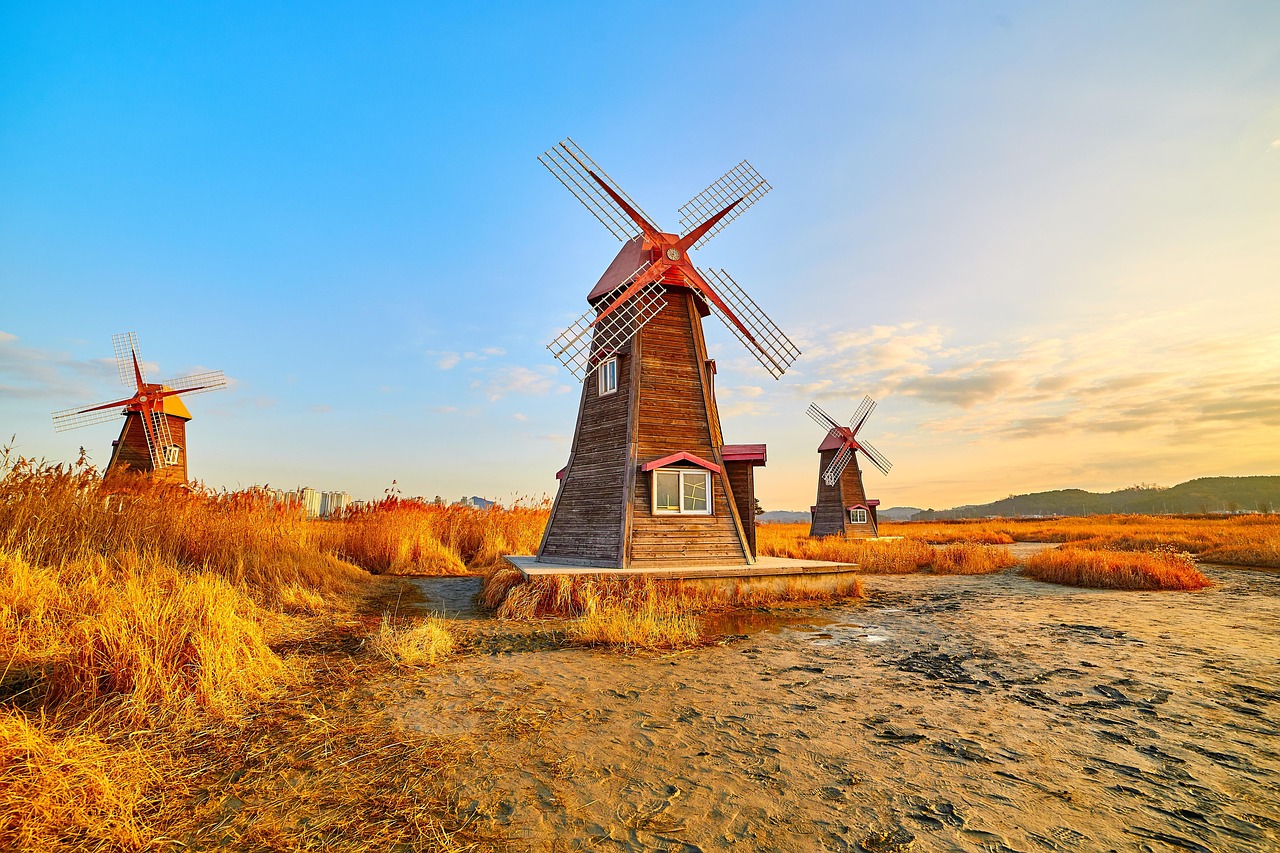
A playful mud-festival day trip near Seoul, with an easy return to city comfort
If you want to visit Korea for a summer event that feels genuinely local—yet can still be experienced with comfort—this festival is the standout. For travellers who love playful culture with a polished return to the city, it’s a joyful counterpoint to Seoul’s galleries and calm tea houses, and one of the best places to feel South Korean summer spirit up close.
A solo traveller we spoke with arrived expecting a spectacle and discovered something warmer: strangers laughing together, friends offering help, and mineral-rich mud that felt surprisingly therapeutic. Their personal note was reassuring—if you arrive alone, you’ll still be welcomed into the atmosphere with ease, especially when you simply join in with curiosity and confidence.
High-end logistics for a trip to Korea: timing, crowds and weather buffers
For a refined trip to Korea, private transport from Seoul can transform the day: door-to-door timing, chilled water on arrival, and the option to avoid the busiest entry windows. Public routes work, but a driver gives you control when the chance of rain rises later in the day.
To keep the experience crafted around peak crowds and afternoon showers, many travellers choose an early arrival, take part in signature activities, then step back for a rinse, a quiet coffee, and a timely return before evening traffic builds.
What to wear for humidity and rain: lightweight clothing and easy transitions
Stays are best booked well in advance around festival dates—many travellers prefer a design-forward base back in Seoul, so after muddy fun, they return to calm linens, excellent showers, and a dinner reservation that feels effortless. For clothing, choose breathable, quick-dry, lightweight garments; bring spare sandals and an umbrella; on-site rinse routines make the transition surprisingly smooth.
- Pack a small dry bag for electronics and a spare top for the return journey.
- Choose easy-wash fabrics that are comfortable in high humidity.
- Let your concierge or guide suggest a late dinner slot—perfect after a shower and a quiet reset.
Jeju Island in July: South Korea travel, rainfall awareness, beach time and typhoon planning
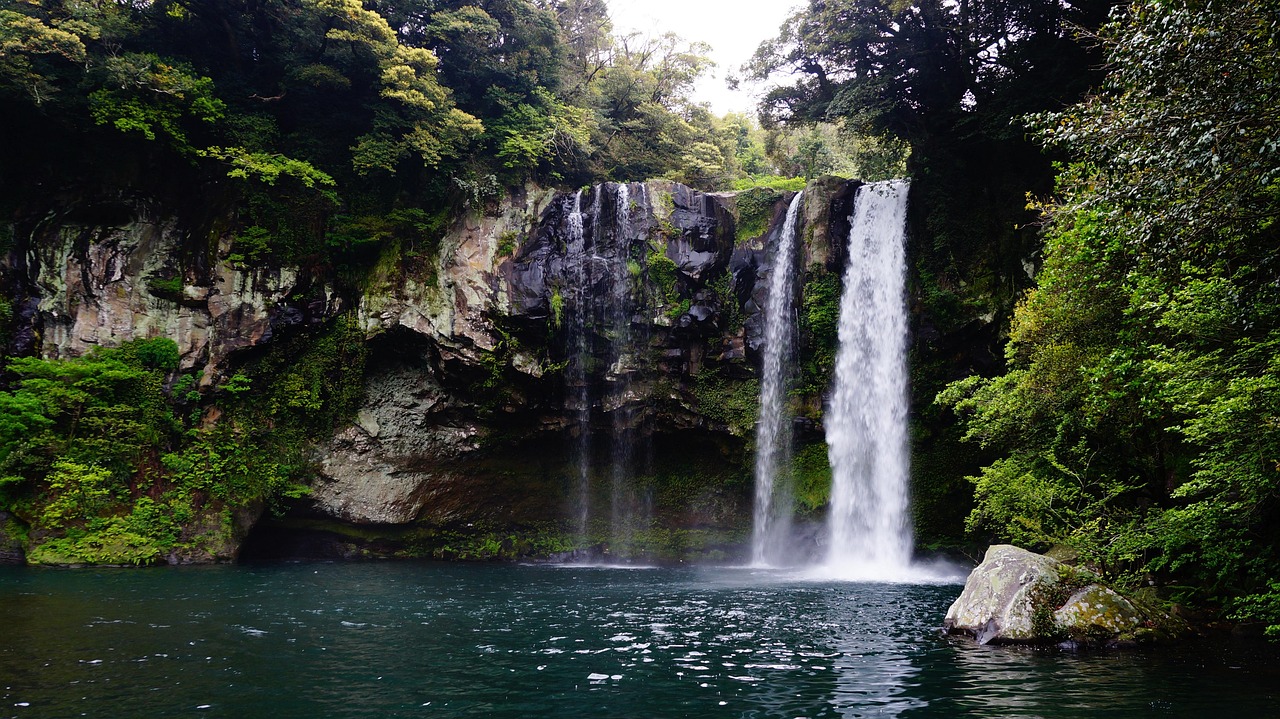
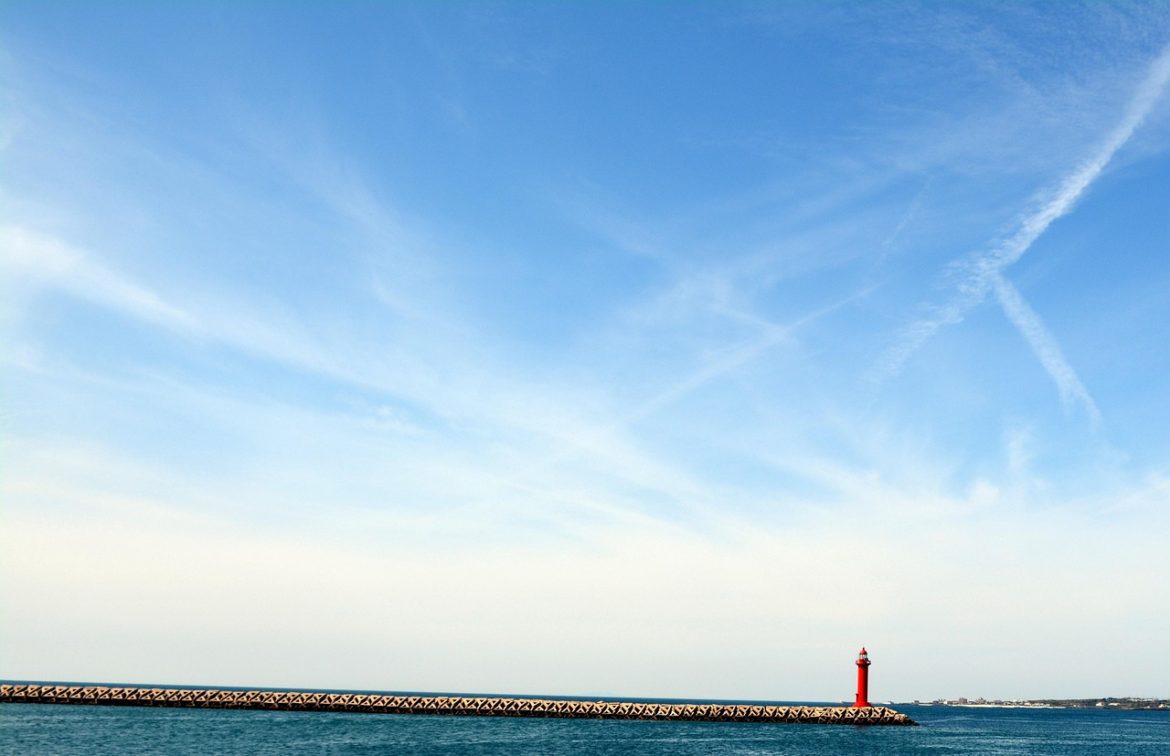
Jeju Island in July—waterfalls, coastal trails and weather-aware pacing
Jeju Island offers the kind of restorative contrast that makes South Korea travel feel perfectly balanced in summer: waterfalls, volcanic scenery, and coastal trails that invite you to slow down. When you’re visiting Korea in July, Jeju’s nature can be wonderfully grounding—especially when your days are built around the gentlest weather windows.
In July, expect humidity and brief showers, with mornings often the easiest time for longer coastal walks. As a calibration point, an average high of around 26 °C is common, though it can feel warmer in still air—so light layers and a calm pace matter. If you’re choosing between islands and cities, a little coastal beach time here can be the perfect reset.
Private tours on Jeju Island and an itinerary crafted around showers
A family told us their private guided tour of Jeju Island was a masterclass in quiet luxury: their expert guide watched radar patterns, shifted timings without fuss, and led them to secluded volcanic coves between brief rainy spells. Children stayed energised because the day flowed—snack stops were timed, car rides were short, and the best viewpoints appeared just as conditions cleared.
If you’re imagining a high-comfort escape, this is where you can truly design your day: a late breakfast, an early waterfall visit, a shaded garden walk, then a relaxed return to your hotel before a golden-hour coastal stop.
Typhoon awareness with calm support and sea-window moments
A typhoon is not a daily expectation, but it’s worth gentle awareness in mid-to-late summer. It may affect ferries or flights, and sea conditions can change quickly; the difference for high-end travellers is support—your hotel concierge can reroute calmly, protect your reservations, and keep the mood steady.
When the sea is calmer, consider an aspirational interlude: private yacht time with a crafted picnic and photographer-ready stops as light breaks through. It’s the kind of experience that turns “weather” into atmosphere.
Planning a trip: time to visit South Korea in July with Seoul and Busan stay ideas
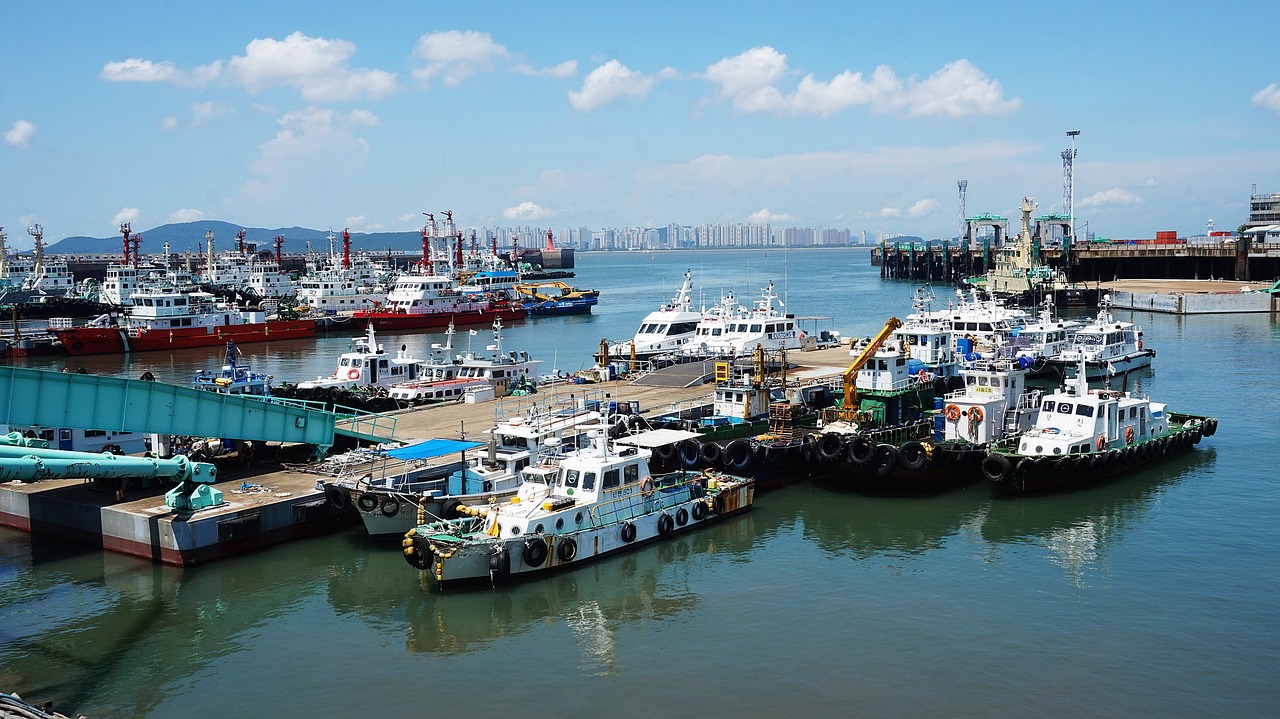
Arriving in South Korea in July—smooth landings and an easy first day
Travel feels simplest when you accept that the time to visit South Korea in summer is less about “perfect weather” and more about perfect flow. For high-end travellers, a balanced split works well: a few nights in Seoul for culture and dining, then coastal relief—either Jeju Island or Busan—where sea air and slower mornings soften the heat.
If Jeju doesn’t fit, Busan can be an elegant alternative with a relaxed waterfront mood, smart hotels, and excellent seafood. A Seoul–Busan pairing also keeps travel efficient while still offering a change of pace, and it’s a lovely way to see more of South Korea without overpacking your schedule.
Arrivals via Incheon and Jeju airports with first-class ease
Arrive via Incheon International Airport for Seoul or Jeju International Airport for island access; both can feel remarkably smooth with first-class services, lounge time, and fast-track support. That first hour matters—it sets the tone for a journey that feels seamless, not hurried. If you’d like visual inspiration before you travel to South Korea, browse our Trip gallery for design-led routes and comfort-first pacing.
Packing and getting around: travel tips for the weather in South Korea
For weather in South Korea during July, pack breathable layers, quick-dry pieces, a compact umbrella, and sun protection you’ll actually reapply. Make hydration a small ritual—water between neighbourhoods, and a cooling drink mid-afternoon—so energy stays steady even when evenings feel warm; this is a practical way to handle humidity without letting it shape your entire day.
- Choose private drivers for door-to-door routing when rain arrives suddenly, or streets feel crowded; it’s a smart response to South Korea’s weather variability in midsummer.
- Plan outdoor highlights early, then keep indoor options (museums, spas, tastings) as quiet buffers; even in South Korea in July, you can keep the day feeling polished.
- For flexible days near Seoul, Nami Island can feel curated—green, photogenic, and easy to time around showers.
F.A.Qs: July weather in South Korea
Is July a good time to visit South Korea?
Yes, July can be a good time if you enjoy festivals, lush landscapes, and warm evenings, and you’re comfortable planning around showers. With flexible timing, private transport, and indoor alternatives, you can still travel in a polished, unhurried way—even during wetter spells.
Is July the hottest month in Korea?
July is one of the warmest periods, but the hottest month of the year is often August in many areas—depending on region. In July, heat is frequently paired with humidity, so it can feel warmer than the thermometer suggests, especially in cities during mid-afternoon; for many travellers, that’s the key factor when choosing the right month of the year.
What to wear in Korea in July?
Wear breathable, quick-dry fabrics, comfortable sandals or trainers, and bring a light layer for air-conditioned interiors. A compact umbrella is helpful for afternoon showers, and high-SPF sunscreen is essential due to the strong daytime sun.
Is it rainy in Seoul in July?
It can be. Seoul may see frequent showers and overcast spells in July, often building later in the day. Many travellers find mornings clearer for walks and sightseeing, then use afternoons for museums, cafés, spas, or other indoor experiences when rain arrives.
After South Korea in July: what stays with you in the light
After South Korea in July, what often lingers isn’t a single landmark but a texture: warm rain on lantern-lit streets, the hush inside a tea house, and the way the city sounds softens when the pavement is still damp. In Seoul, you might remember the quiet confidence of stepping from a warm evening into a cool gallery, or the simple kindness of a host who left extra towels without being asked.
There’s a particular togetherness to summer travel here—shared laughter with strangers, a small bow exchanged at a market stall, a fleeting conversation that feels unexpectedly personal. Even playful moments, like festival mud and rinsing off under open sky, can become a kind of care: proof that joy and comfort can co-exist.
With a journey thoughtfully crafted, the weather becomes part of the narrative rather than a problem to solve—cloud and sun, pause and movement, indoor calm and outdoor colour. You may find that trust grows quietly, not through grand gestures, but through steady support and the feeling of being gently looked after.
And later, when you think back on July light—how it fell across tiled roofs and coastal paths—you might simply wonder what this destination would feel like in another season, with the same curiosity and calm.