Post Contents
- South Korea tour overview – designing a high-end itinerary for South Korea travel
- Seoul in style – Gangnam & Apgujeong luxury shopping, fine dining, and modernity
- Seoul’s royal past – Gyeongbokgung Palace, Bukchon Hanok Village, and quiet cultural detail
- Seoul creativity for South Korea trips – Ikseon-dong boutiques, gallery hopping, and K-pop made easy
- A crafted taste of Seoul – luxury food tour, cooking class, and Korean cuisine essentials
- Border day trip from Seoul – history, context, and a respectful pace
- Busan with a luxury lens – coastal calm, spa time, and Gamcheon Culture Village
- Gyeongju heritage and a creative detour – UNESCO sites, temple artistry, and a civic perspective
- Jeju Island luxury resorts – private jeep touring and volcanic landscapes
- Seamless logistics in South Korea – luxury transfers, hotels, costs, and safety
- F.A.Qs: Tours to South Korea
- After the journey, what stays with you from a luxury route
South Korea tour overview – designing a high-end itinerary for South Korea travel
A luxury route that balances Seoul, Busan, Gyeongju and Jeju without rushing
A high-end itinerary works best when you design it with intention: fewer stops, deeper access, and enough space to recover between experiences. For tours to South Korea, that usually means choosing a strong base in Seoul, then adding only the places that genuinely shift the mood of the journey—rather than racing from landmark to landmark.
A refined flow many travellers love is Seoul first (for contemporary energy, shopping, and food), then Busan for coastal charm, then the ancient traditions of Gyeongju, finishing with Jeju for natural beauty and a softer rhythm. If you’re curious about creative culture beyond the capital, you can also add a short stop in a southwestern arts hub—best handled with a specialist guide so the logistics feel effortless.
Itinerary rhythm for the best South Korea – seasons, pacing, and hotel nights
Season shapes everything: spring (April to June) for cherry blossoms and gentle temperatures, or autumn (September to November) for crisp air and clear light. These windows can lift hotel rates, but they also support a calmer pace, fewer weather disruptions, and better photography—particularly when your itinerary is built around early starts and long lunches.
- Seoul: 4–6 nights for shopping, palace visits, galleries, and a crafted dining scene.
- Busan: 2–3 nights for sea views, markets, and spa time.
- Gyeongju: 1–2 nights for heritage depth with unhurried evenings.
- Jeju: 3–4 nights to reset in a resort between lava-formed coastlines and ocean air.
Getting around with confidence – private support, bullet train comfort, and smart transfers
For transfers, you can combine private chauffeurs with rail for door-to-door ease. The high-speed train is sleek and comfortable, and many travellers describe the KTX ride as a true bullet train moment—especially satisfying after a long lunch when you simply want to glide to the next hotel without stress.
Where to spend: prioritise bilingual private guides, time-saving transfers, and reservations that unlock quieter access. If you’d like a visual sense of what a polished route can look like, browse our Trip gallery for inspiration you can tailor to your own pace.
One gentle note on costs: premium pricing is real, but it often buys you something priceless—time, calm, and the feeling of being supported when plans shift.
Seoul in style – Gangnam & Apgujeong luxury shopping, fine dining, and modernity
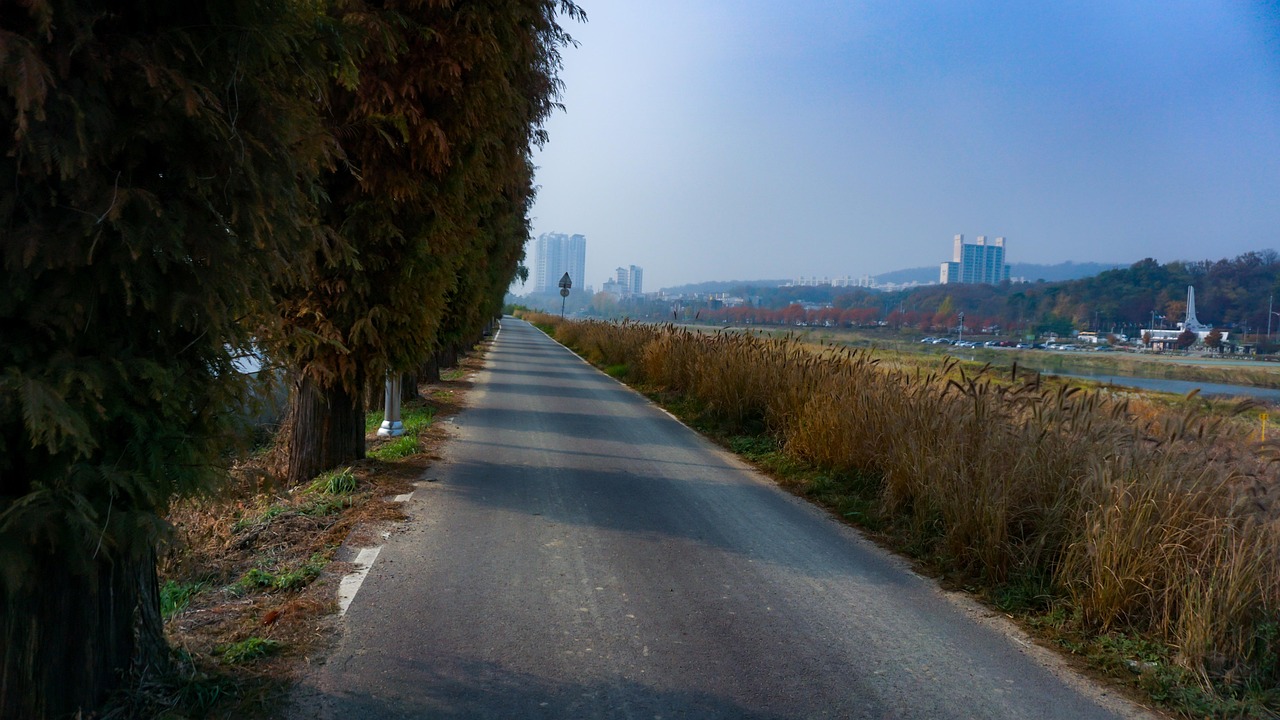
Gangnam and Apgujeong for designer boutiques, calm service, and evening plans
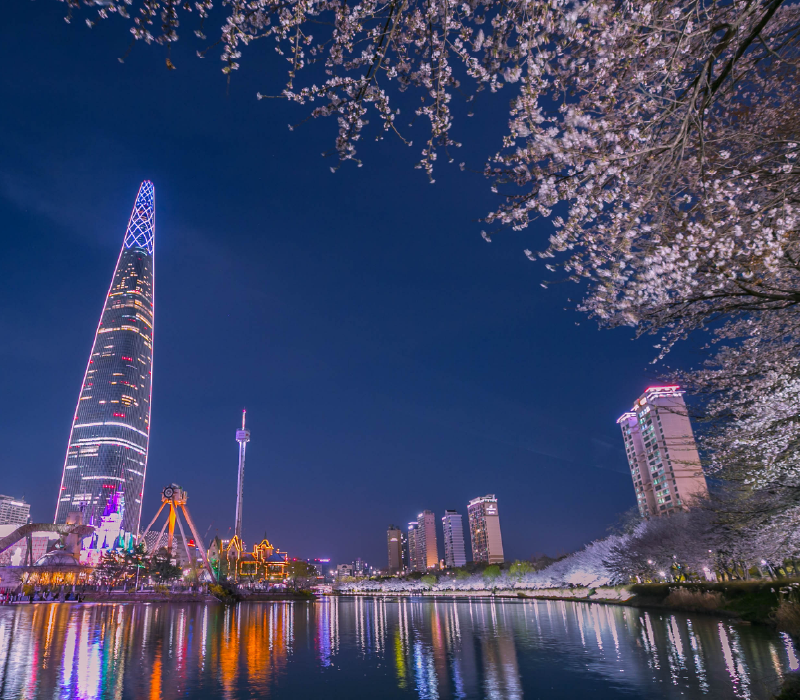
Gangnam and Apgujeong luxury shopping and fine dining are less about chasing labels and more about discovering the city’s taste level—confident, playful, and quietly precise. In these neighbourhoods, you can explore designer boutiques and concept stores, then slip into discreet cafés where service feels personal without being intrusive.
For where to stay, Gangnam works beautifully if you want nightlife and shopping on your doorstep. If you prefer skyline calm, choose a hotel near the Han River; it’s a seamless base for cross-city access, and the views at dusk can feel like a private show.
Seoul evenings designed for together time – reservations, ambience, and a softer pace
One couple told us they dressed up for a curated tasting menu—each course a small piece of craft—then stepped out into the night for a Han River yacht cruise. What they remembered most wasn’t the glamour; it was the care: warm blankets already set out, music adjusted without asking, and the city reflecting on the water as if it had softened for them.
If you’re tempted by fine dining, book early and ask your hotel or concierge to confirm dietary preferences in advance. The best restaurants are welcoming, but a local bilingual concierge can smooth last-minute changes with confidence—especially on weekends or during peak seasons.
Contemporary luxury with traditional cues in service
Even in the most contemporary rooms, you’ll notice traditional cues in hospitality: the gentle pace of pouring, the respectful space given to conversation, and the attention to small comforts. This is Seoul at its best—forward-looking, yet still grounded in a steady human touch.
Seoul’s royal past – Gyeongbokgung Palace, Bukchon Hanok Village, and quiet cultural detail
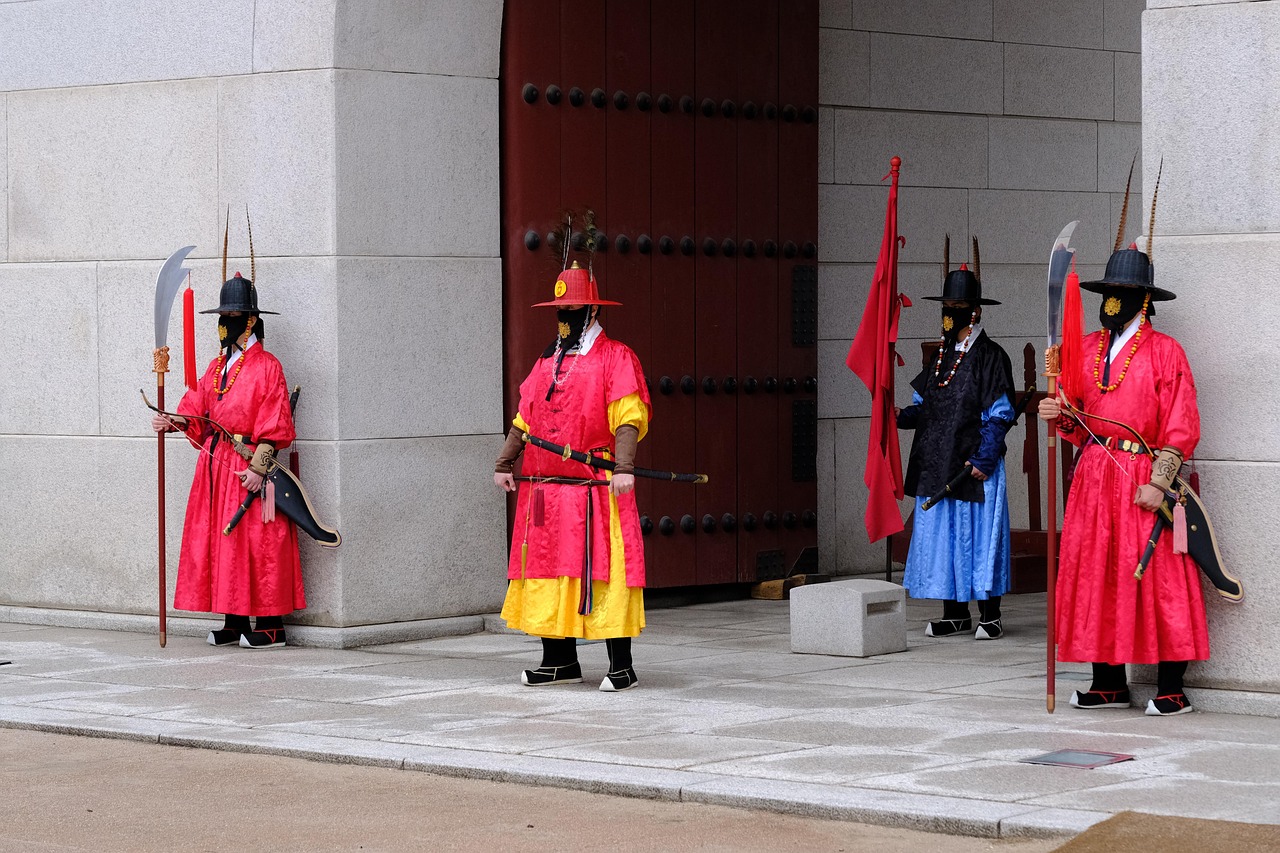
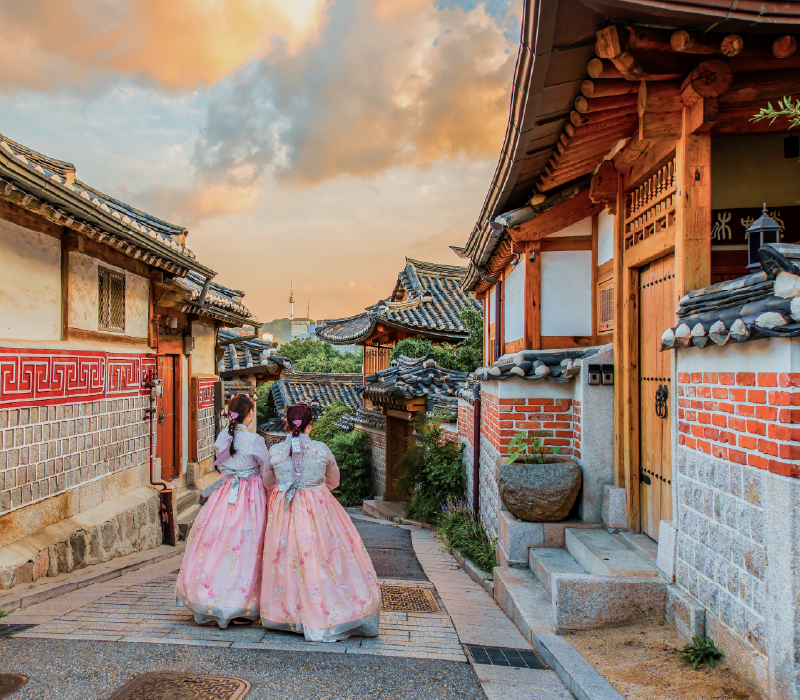
A calm morning among royal architecture before exploring Bukchon’s historic lanes
Days built around Gyeongbokgung Palace often change how travellers feel about South Korea. Start with an immersive morning inside the royal complex, where Joseon-era geometry and layered roofs create a sense of order that’s almost soothing—especially when an expert guide leads you into quieter corners beyond the main courtyard.
With the right pacing, the palace visit becomes more than a photo stop. You begin to notice sound and space: gravel underfoot, the way light pools under eaves, and how courtyards guide the eye towards mountains that never quite leave the frame.
Seoul etiquette with calm reassurance – what to wear, how to move, what to expect
Dress comfortably and modestly, with shoes that handle stone paths. Photography is generally welcomed, but it’s considerate to avoid blocking walkways or stepping into restricted areas for a shot; small courtesies keep the atmosphere calm for everyone.
- Go early for cooler air and fewer crowds.
- Let your guide handle timing, tickets, and the quiet routes.
- Carry water, and pause often; unhurried is the luxury.
Bukchon’s narrow streets, a tea ceremony, and a hanok moment
A solo traveller once described exploring Bukchon Hanok Village at dawn, walking the narrow streets before the city wakes. From there, a tea ceremony in a hanok setting brings the morning to a gentle focus: measured gestures, fragrant steam, and a traditional Korean sense of welcome that feels quietly personal.
You may also notice how Buddhist aesthetics subtly shaped craft and gardens—less as doctrine, more as a design language of restraint, patience, and respect for materials.
Seoul creativity for South Korea trips – Ikseon-dong boutiques, gallery hopping, and K-pop made easy
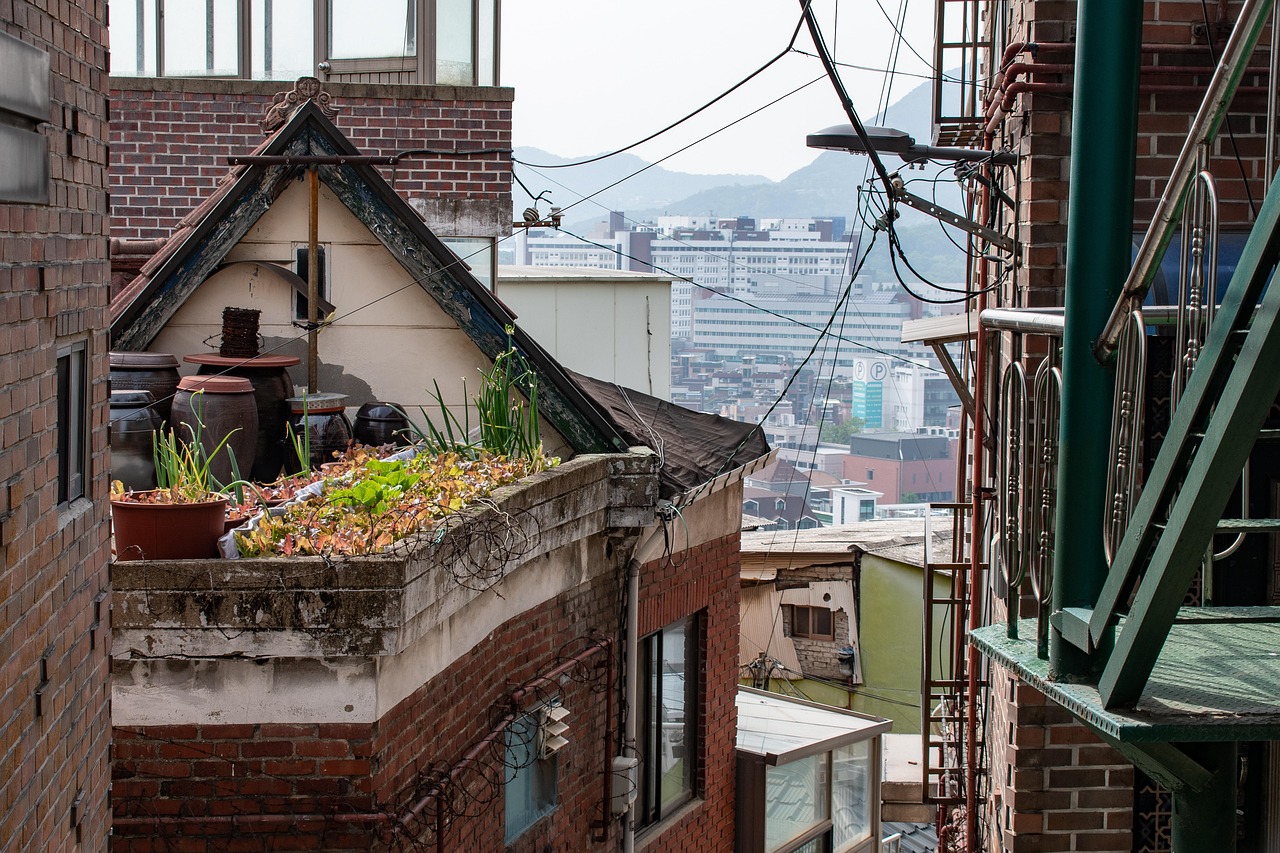
Ikseon-dong’s small studios and reimagined spaces for a lighter, creative afternoon
Ikseon-dong’s boutique galleries and K-pop experiences make a striking contrast to the royal architecture. The area feels lived-in and creative: small design shops, artisan studios, and cafés tucked into reimagined buildings where new ideas sit beside older textures.
This is where a good guide becomes part of your support system. Rather than zig-zagging through crowded lanes, you can uncover the story behind makers—why a ceramic glaze looks the way it does, or how fragrance blending has become a modern ritual in the city.
Creative experiences you can build with local artists – studio visits and small workshops
Consider a private appointment with a ceramicist, a curated studio visit, or a short workshop that leaves you with something meaningful to take home. These experiences are often more memorable than big-ticket shopping, because they feel personal and rooted in place—crafted, not mass-produced.
K-pop made comfortable and tailored – classes, events, and stress-free evenings
If you love K-pop, you don’t need to do it the hectic way. Arrange personalised dance classes in a private studio, or attend special performances where seating, transport, and timings are managed; it’s reassuring to enjoy the energy, then step back into calm.
For the evening, karaoke in a private room can be refined rather than rowdy—especially when a concierge books a comfortable venue and lines up a quiet supper afterwards.
A crafted taste of Seoul – luxury food tour, cooking class, and Korean cuisine essentials
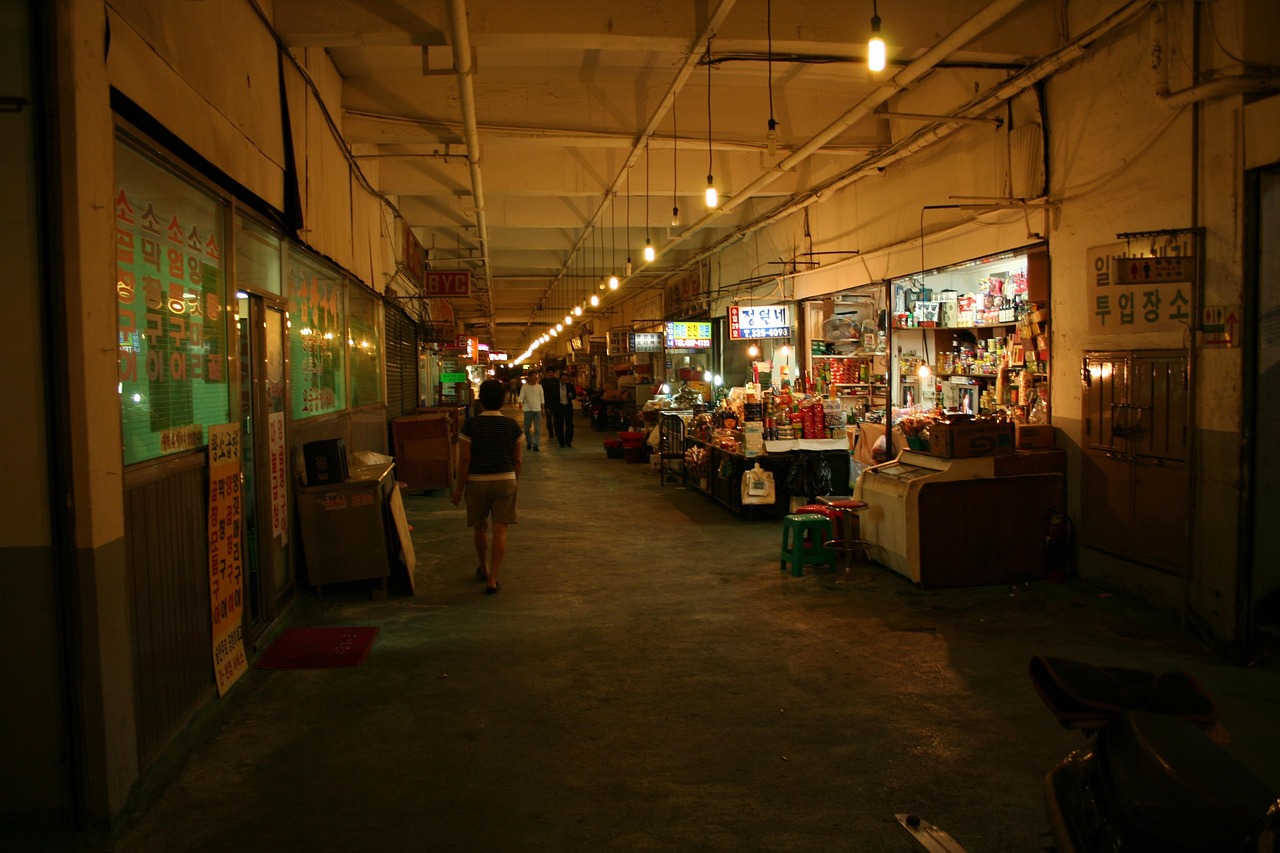
A market-to-table day that balances comfort, flavour, and careful pacing
A luxury food-focused day is where high-end travel becomes wonderfully grounded. The best approach is balance: keep your tasting menus, but also explore markets with a comfort-forward plan so you feel both adventurous and cared for.
One traveller told us their highlight was a hands-on lesson hosted by a local chef. Making kimchi together—learning seasoning balance and technique—shifted their entire understanding of what makes dishes taste “alive”, not just spicy or bold.
Gwangjang Market with a comfort-first plan – pacing, hygiene, and standout bites
Choose one market and do it well. This is an easy place to try street food with confidence when you have a driver for pick-up and a guide who paces the route with rest breaks; that small layer of support keeps the experience enjoyable rather than overwhelming.
- Try bibimbap in a clean, high-turnover stall.
- Enjoy barbecue in a well-ventilated restaurant where service feels calm.
- Let your guide introduce rice wine gently, in a welcoming setting.
Safety, dietary needs, and a sense of trust
In crowded lanes, keep personal belongings close and choose vendors with consistent turnover. A private guide can translate ingredients, help with allergies, and quietly steer you towards the best options—so you can stay present and relaxed while you taste.
Border day trip from Seoul – history, context, and a respectful pace

A thoughtful day of history with clear explanations and careful pacing
On a DMZ day, a private guided tour can make a trip to the demilitarised zone profound rather than sensational. When done well, it becomes one of the most meaningful experiences in South Korea because it is framed by context, respect, and emotional intelligence.
Your guide should explain the Korean War in human terms—how it shaped families, borders, and ordinary life—without turning history into a performance. You’ll also hear language that’s carefully handled, acknowledging both North Korean and South Korean realities with nuance.
Why a private experience changes the day – pacing, questions, and quiet attention
With a private experience, you control timing and minimise queues. You can ask the questions you actually have, pause when you need to, and listen properly—rather than being shepherded along. That space is part of the luxury: not extravagance, but quiet attention.
A visitor once shared they felt deeply moved during the day, not by spectacle but by the guide’s care. The stories connected geopolitics to everyday tenderness—parents, letters, routines—and the emotional weight landed gently, held with perspective.
Practical considerations for the day – documents, clothing, and planning
- Bring your passport for checks and allow extra time.
- Wear comfortable layers and shoes; the weather can shift quickly.
- Choose operators known for accuracy, traveller support, and clear communication.
Done with care, this day becomes less about a boundary and more about understanding what resilience looks like when it’s lived, not narrated.
Busan with a luxury lens – coastal calm, spa time, and Gamcheon Culture Village

Busan’s ocean air and hillside colour for a softer, slower chapter of the trip
A luxury-focused day in Busan is the softer counterpoint to the capital: sea air, wide views, and a more relaxed rhythm—without losing service standards. After the intensity of the city, Busan can feel like an exhale, especially when your plan includes long horizons and unhurried meals.
Gamcheon Culture Village (Gamcheon) is a colour-and-craft stop worth approaching thoughtfully. Go early, take the quieter alleys, and support local communities through small purchases that directly benefit artists and shopkeepers.
Design a seaside route with a private driver and photo-friendly pauses: a viewpoint, a coastal café with ocean outlook, then time for a spa reset before dinner. It’s not about doing more—it’s about doing it beautifully.
Market snacks after spa time, surprisingly perfect
Some high-end travellers admit their most surprising joy in Busan comes after a spa treatment: slipping into a market for a few tastes with a guide’s reassurance, then returning to a refined hotel feeling both comfortable and connected.
To move between Seoul and Busan smoothly, rail is often the simplest choice when you factor in city traffic. If you prefer maximum privacy, a chauffeured transfer can be arranged, but trains are typically the most seamless option.
Gyeongju heritage and a creative detour – UNESCO sites, temple artistry, and a civic perspective
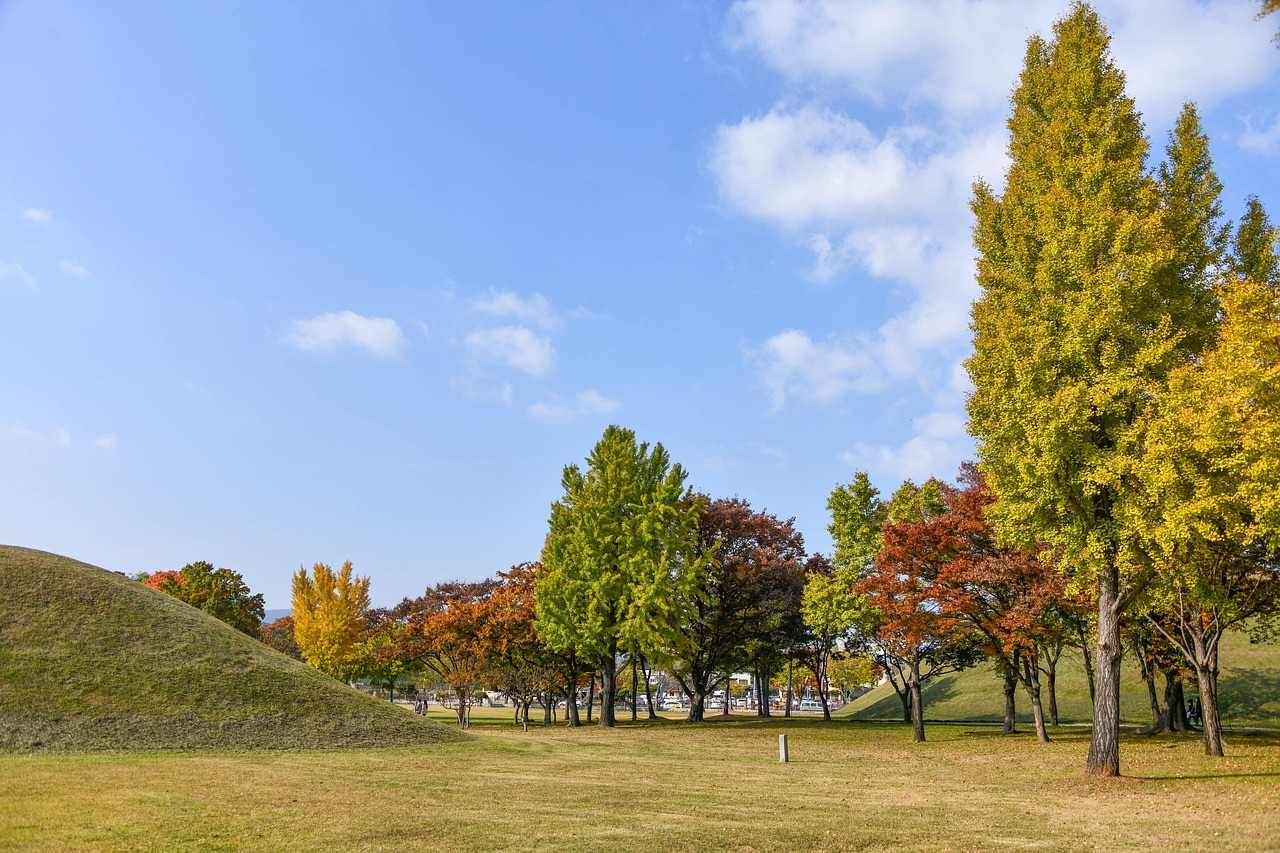
Quiet heritage landscapes and gallery time when you want depth without crowds
Planning in Gyeongju works best when you let the day breathe. This former capital rewards curiosity through atmosphere rather than facts: shaded paths, stone forms, and a steady pace that makes the past feel close.
With a thoughtful guide, you can experience UNESCO-listed Bulguksa Temple and Seokguram Grotto with the respect they deserve, then continue to the Daereungwon Tomb Complex as afternoon light softens. The goal isn’t to collect sites; it’s to feel what history sounds like when the crowds thin and you can hear your own steps.
Gyeongju days are designed for calm and context – timing, meals, and gentle evenings
- Start later if needed, then extend lunch to avoid peak heat.
- Build in early hotel check-ins for a truly seamless rhythm.
- Keep the evening simple—one beautiful meal and rest.
Gwangju as a creative and civic lens – galleries, countryside add-ons, and breathing space
This southwestern stop adds a different kind of insight: galleries, cultural spaces, and stories that sit closer to modern identity. If you want a nature pairing nearby, bamboo forests and tea plantations make restorative add-ons that feel bespoke, especially when combined with a long, quiet tasting in the countryside.
Jeju Island luxury resorts – private jeep touring and volcanic landscapes
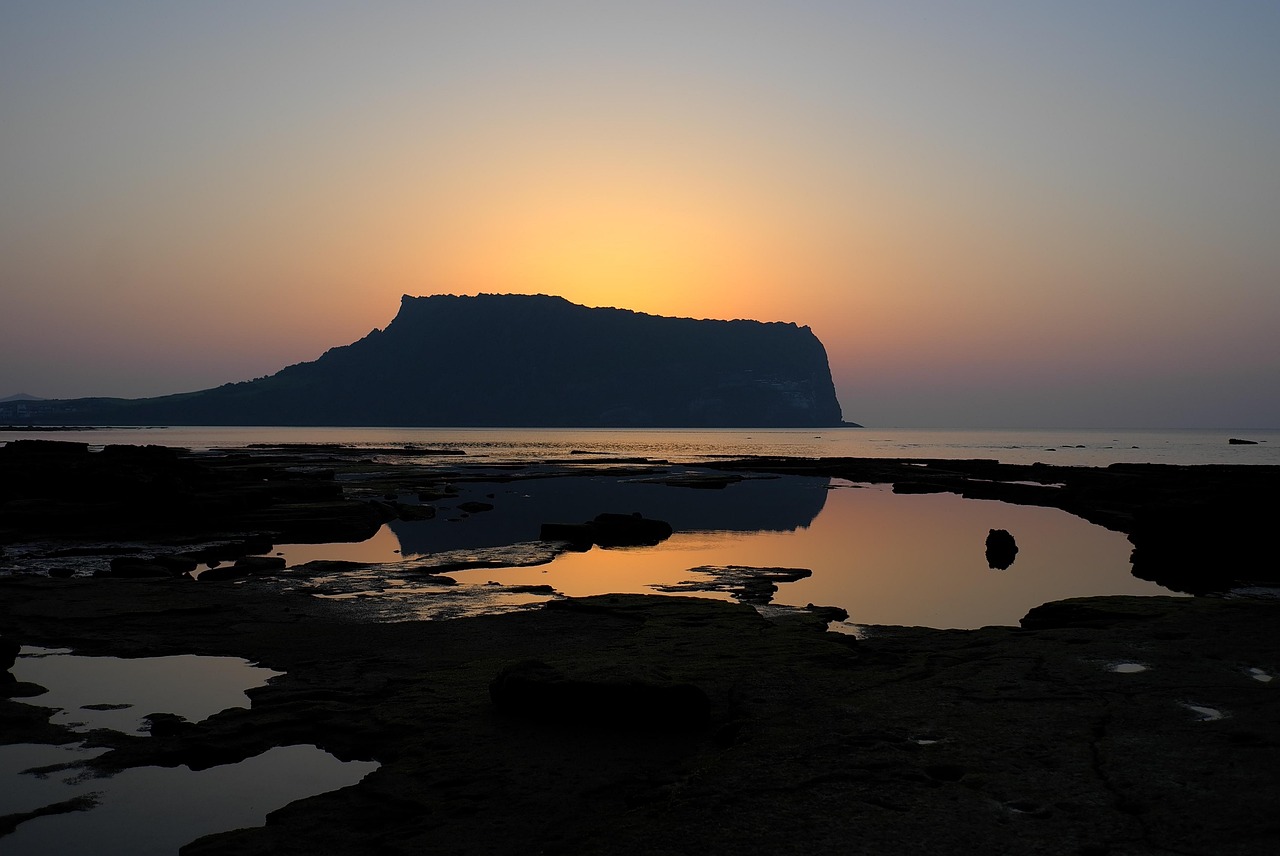
A slower island rhythm of sunrise light, ocean views, and gentle exploration
Jeju is where you feel the destination’s quieter side. It’s a reset: ocean air, slower mornings, and scenery that makes the cities feel like a different chapter of the same story.
Choose a high-end resort stay with an excellent spa and ocean-facing rooms. Then create a rhythm that honours rest: late breakfasts, unhurried pool time, and one meaningful excursion each day; the island is most generous when you don’t over-schedule it.
Sunrise comfort at Seongsan Ilchulbong – timing, layers, and a warm breakfast after
Seongsan Ilchulbong at sunrise is worth the early alarm, but do it comfort-first. Arrange a private driver, bring warm layers, and plan an unrushed breakfast afterwards—ideally back at your hotel where everything is already waiting.
Private jeep exploring without the adrenaline
A private jeep excursion should feel curated rather than intense, with scenic stops, light walks, and ample time for photography. It’s a gentle way to explore volcanic terrain while keeping the day soft around the edges.
In the wider itinerary, Jeju offers space and texture—an invitation to uncover calm, and to let the journey settle into you.
Seamless logistics in South Korea – luxury transfers, hotels, costs, and safety
Practical planning that keeps the experience calm, polished, and well supported
Practicalities matter most at the exact moments you don’t want to think about logistics. The easiest way to enter South Korea is via Incheon International Airport, where limousine buses, private car services, and meet-and-greet options can carry you from arrivals to your hotel with immediate confidence.
Checklist for a seamless journey – documents, insurance, and bookings
Keep this list simple and current at booking time, as specific entry requirements can change:
- Passport validity and any visa or authorisation checks needed for your nationality.
- Travel insurance with medical cover and trip disruption protection.
- Private tour confirmations, hotel reservations, and any restaurant bookings.
- Copies of key documents are saved securely online.
Getting around, comfort, and cultural etiquette
For daily movement, private chauffeurs offer flexibility—particularly when you’re balancing galleries, shopping, and dinner reservations. For speed, the subway can be excellent, and your guide can help you navigate stations and peak times so it feels simple rather than stressful.
For connectivity, local SIM cards or portable Wi-Fi keep maps, translation, and concierge contact effortless. It’s a small purchase that supports independence without friction.
Overall, the country is very safe, but stay alert in crowded markets as you would in any city. For a small cultural flourish, some travellers add a taekwondo performance in Seoul, or a half-day at a folk village near the city when they want something lively but still structured.
If you’re extending a longer design-led Asia journey, it’s also easy to combine the country with a trip to Japan—particularly if you enjoy contemporary architecture, craft, and food culture across both destinations.
F.A.Qs: Tours to South Korea
What is the best tour company for South Korea for luxury travellers?
The best tour company for South Korea is the one that matches your travel style: vetted private guides, consistent luxury hotels, and seamless transfers. For high-end travellers, prioritise operators that offer bilingual support, curated experiences (not rushed schedules), and transparent communication on reservations, pacing, and comfort—these are often the details that set the best South Korea tours apart from the average.
What is the best month to go to South Korea for a calmer itinerary?
April, May, October, and November are often considered the best months to visit. Spring brings mild weather and cherry blossoms, while autumn offers clear light and comfortable temperatures. These months also tend to support a smoother itinerary with fewer weather-related disruptions.
What is the “three-five rule” in South Korea, and is it enough?
The “3-5 rule” is a common travel approach: spend about 3 days in Seoul to cover key neighbourhoods and cultural sites, then about 5 days in other regions such as Busan, Gyeongju, or Jeju, depending on your interests. It’s a helpful baseline, but luxury travel often benefits from slower pacing and a little more breathing room between experiences.
Can US citizens travel to South Korea right now, and what should they check?
US citizens can generally travel, but entry rules can change. Check official government sources for current visa or authorisation requirements, health rules, and passport validity guidance before departure. If you’re booking premium services, confirm entry details with your hotel or tour operator as well.
After the journey, what stays with you from a luxury route
Reflections after returning home rarely sound like a checklist. What stays with you is the feeling of moving through difference with calm confidence—held by expert hands when needed, yet still free to wander at your own pace.
It might be the hush of a courtyard before anyone speaks, or the way a server placed a cup down as if it mattered. It might be a dawn walk where the city felt like it was breathing, or an unexpected conversation that gave you new insight into South Korea’s tenderness beneath its bright surfaces; later, you might remember that South Korea’s warmth was never loud, just steady.
Some travellers say the most lasting change is trust—trust in their preferences, their pace, and their ability to explore without proving anything. The destination remains vivid, but not demanding: a place you can carry lightly, returning to in memory when life feels too fast.
And perhaps that is the finest souvenir of all: not the certainty of having seen it all, but the sense that there is still more to uncover, whenever the time feels quietly right.