Post Contents
- Best time of year to visit Seoul, Korea – at-a-glance overview for South Korea seasons
- Spring in Seoul – best time to visit Seoul for cherry blossom walks (April–May)
- Summer time to visit Seoul – night markets, monsoon season, and smart heat planning
- Autumn in Seoul – the best time to visit for foliage, dry weather, and heritage views
- Winter time to visit South Korea – Seoul Lantern Festival lights, Korean New Year, and ski add-ons
- Beyond Seoul – best time to visit Busan, Jeju Island, and national parks by season
- Luxury travel tips to visit Seoul – Incheon transfers, T-money, SIM cards, and private tours
- F.A.Qs: Best time to visit South Korea and Seoul
- What stays with you after Seoul
Best time of year to visit Seoul, Korea – at-a-glance overview for South Korea seasons
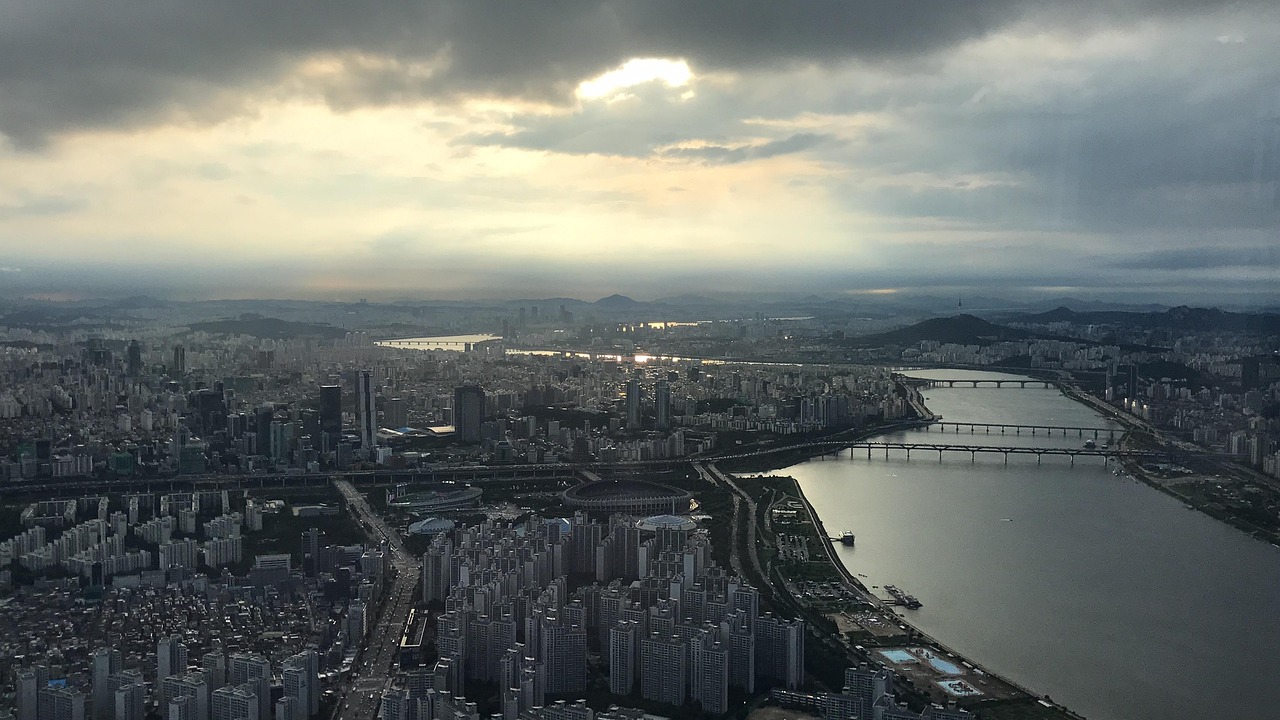
Best time to visit Seoul and South Korea at a glance with skyline views
If you’re searching for the best time of year to visit seoul korea, think of the year in South Korea as four distinct moods: luminous spring blossoms, energetic summer nights, glowing autumn colour, and winter’s lantern-lit calm. For most travellers, spring and autumn (spring and fall) are the stand-outs—these months to visit deliver pleasant weather and a comfortable average for walking, dressing well, and lingering outside.
How you choose your time to visit depends on what you want to uncover. For photography, you’ll love cherry blossom season and the clean light of beautiful autumn. For fashion-forward city breaks, the capital thrives year-round, but the sweetest balance arrives when average daily temperatures sit around 23°c and weather doesn’t dictate your day. For food, every season has its specialties—from night markets in the summer months to warming street snacks in winter.
How to choose the best time to visit based on your priorities in the city
Here’s the reassuring luxury lens: you can create a seamless trip in any season if you design the pacing around daylight, indoor highlights, and your appetite for crowds. Popular times to visit usually mean higher room rates, more limited suites, and timed-entry pressure at major sights—yet with expert help, planning your trip still feels calm, crafted, and personal for anyone who want to visit.
- For blossoms and romance: late March to early May, when trees reach full bloom.
- For heritage and colour: late September to early November (often the sweetest time to visit Seoul for crisp light).
- For festivals and city buzz: warm evenings, with weather buffers for sudden showers.
- For winter sparkle: December–February, with cosy indoor anchors and a touch of lantern glow.
One practical note: the best to avoid for some travellers is peak summer heat plus the rainy season, unless you’re happy to explore in shorter bursts between showers. The chapters below walk season by season—so you can visit Seoul with trust, care, and real confidence while you travel in asia.
Spring in Seoul – best time to visit Seoul for cherry blossom walks (April–May)
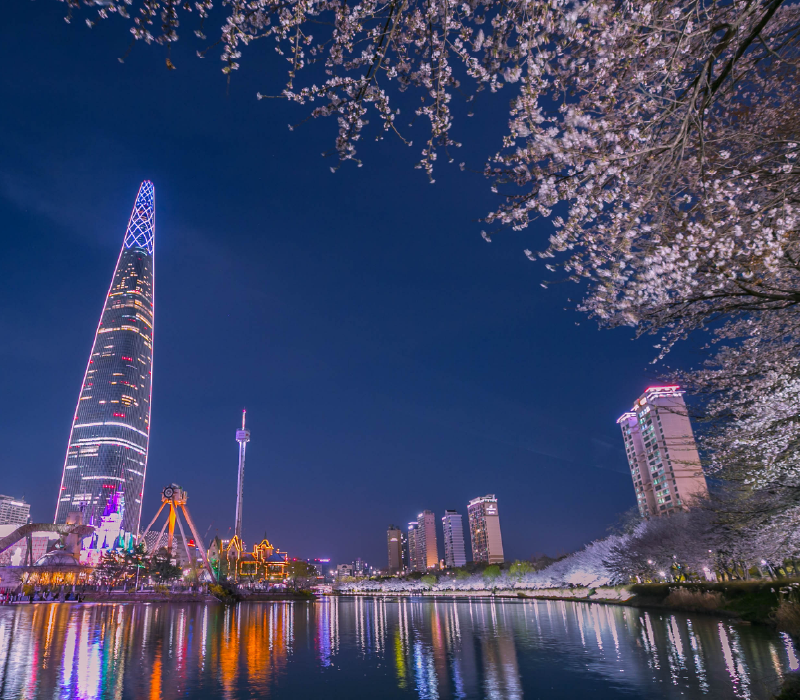
Spring in Seoul the best time to visit for cherry blossom at Yeouido Park
For many travellers, spring is the best time to visit for a city break that feels newly polished—blue skies, gentle temperatures, and petals drifting across river paths. In South Korea, bloom timing shifts slightly each year, but late March to early April can bring the first wave, while the beginning of may often still holds soft, green freshness for long strolls and terrace dining.
Yeouido Park and Namsan Park are two of the most satisfying spring walks: one is wide and river-bright, the other climbs towards panoramic views. If you want a romantic highlight, plan at least one unrushed afternoon by the Han River when the trees reach full bloom, then follow it with a quiet palace stop for tradition and calm.
Cherry blossom festival romance with a Han River cruise
A luxury traveller once told me their favourite memory of the cherry blossom festival was watching the shoreline drift past from a Han River cruise—quiet music, a glass of something chilled, and petals blurring the city’s edges. They said seoul is during the spring at its most cinematic, the kind of scene you don’t just photograph; you feel it settle into you.
Premium photo timing and early-morning heritage calm
To explore with more space and better light, start early. Many high-end travellers describe the serenity of an early morning visit, when you can move through gates and courtyards before the day turns busy, feeling composed and quietly cared for.
A crafted photo plan is simple: aim for golden hour near the river, be mindful of local etiquette (give couples and families their moment), and keep a light layer for evenings—weather is still changeable in spring. One spring quirk is yellow dust; pack a chic scarf and hydrating mist so you stay comfortable without sacrificing style.
Summer time to visit Seoul – night markets, monsoon season, and smart heat planning
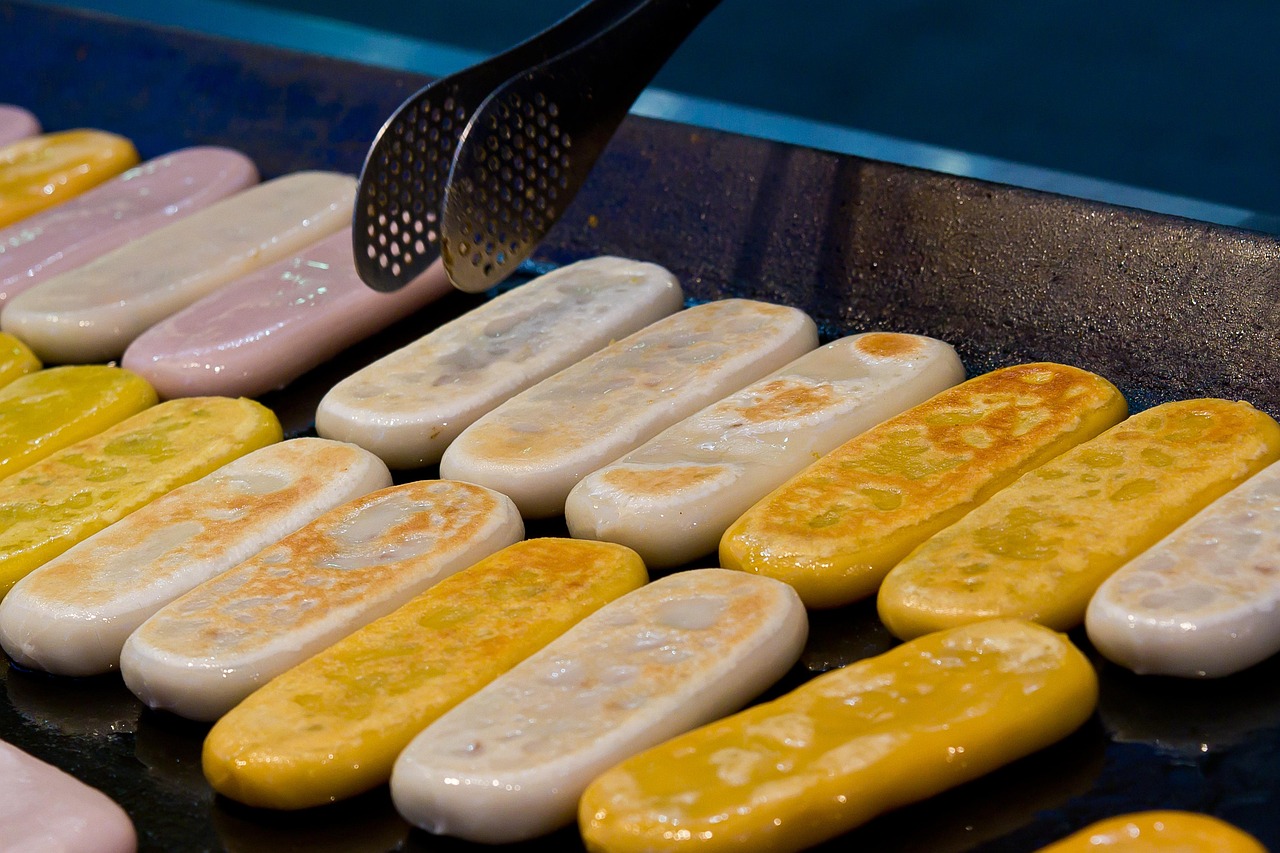
Summer time to visit Seoul for Bamdokkaebi Night Market city energy
If your ideal time to visit includes late-night wandering, live music, and gourmet street food, summer can feel wonderfully alive. Evenings stretch out, and the city leans into creativity—design stalls, small-batch crafts, and flavours you’ll crave again long after you leave South Korea. It’s also a great season for outdoor activities that start after sunset, when the pace feels softer.
The trade-off is weather. Monsoon season (and the broader monsoon pattern) typically builds in july and august, when conditions can be hot and humid and you’ll notice rising humidity after dark. Expect bursts of heavy rainfall rather than constant drizzle, and watch for the occasional typhoon ripple affecting flights or ferries further south; this is why good pacing matters in South Korea’s peak summer.
Monsoon season made easy with luxury pacing and indoor anchors
The secret is to design your days in elegant blocks: an indoor cultural morning, a calm spa or gallery pause, and then a flexible evening if the skies clear. This keeps your trip feeling seamless even when the forecast changes. Carry water, prioritise shade, and choose breathable tailoring—linen blends and polished sandals that can handle puddles.
- Hydration and comfort: plan café stops and keep electrolytes in your day bag.
- Indoor anchors: museums, private tastings, and concept stores between showers.
- Rain-ready style: compact umbrella, lightweight trench, and quick-dry layers.
In a capital city, luxury is often about support and adaptability: your driver, concierge, or guide can reroute you in minutes, so you’re never stranded by rainfall. Plan for rainfall and high humidity by building extra transit time and choosing venues with covered entrances; it’s a simple way to stay composed.
Autumn in Seoul – the best time to visit for foliage, dry weather, and heritage views
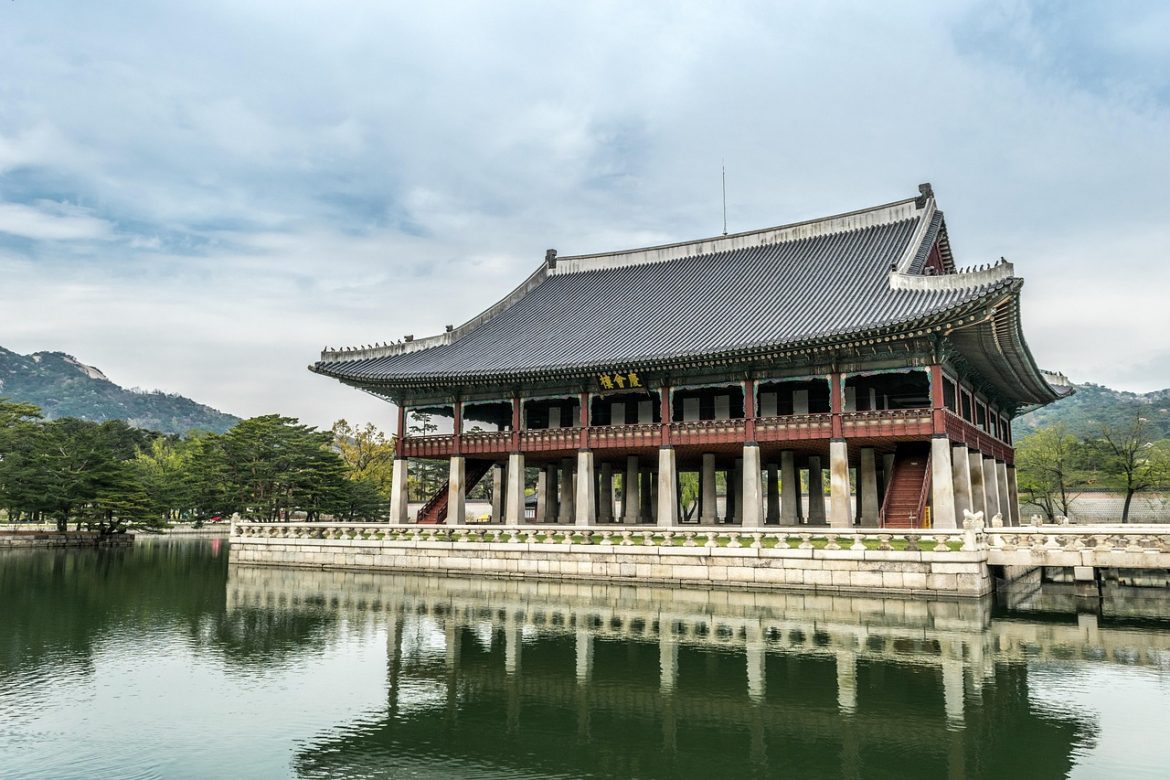
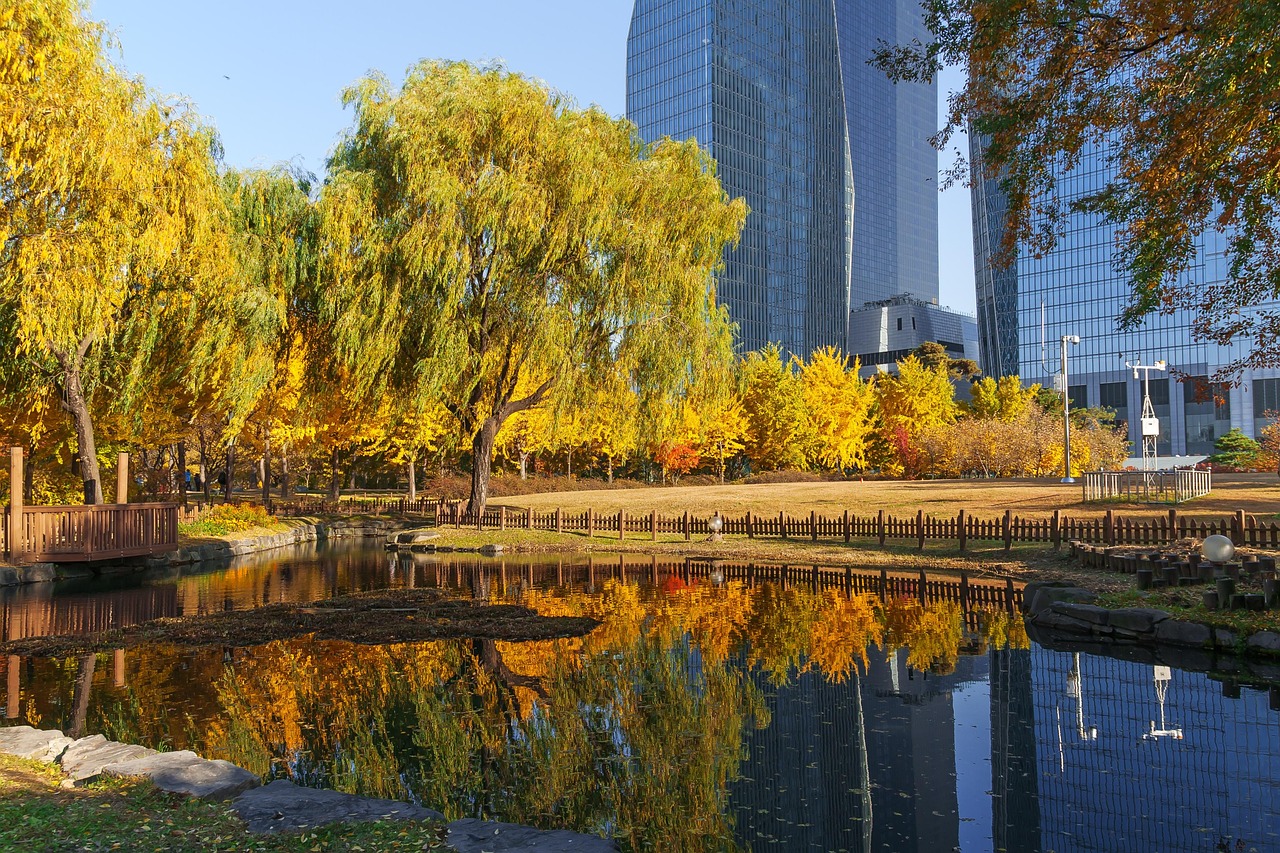
Autumn the best time to visit Seoul for foliage at Namsan and Gyeongbokgung
For many, autumn is the best time to visit Seoul—the moment South Korea feels most effortlessly refined. september to november brings dry weather, crisp air, and a beautiful season for slow luxury—long lunches, unhurried shopping, and evenings that invite a light coat rather than a weather plan.
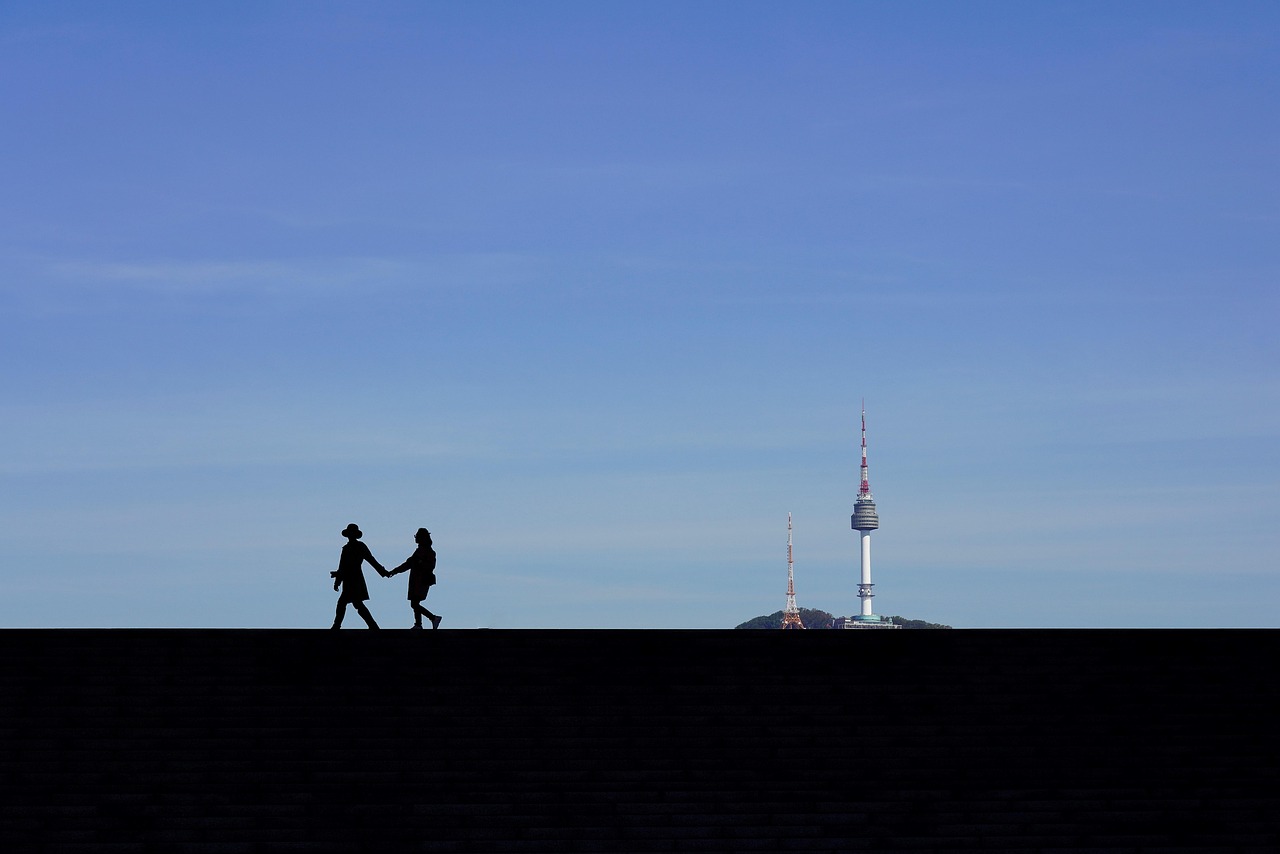
This is the season for foliage—maples turning in shades of red—and for heritage that photographs like a film still. Around Namsan Seoul Tower, you’ll find viewpoints that reward a gentle climb and a little patience for the light, and it’s perfect for exploring on foot without feeling rushed.
Best time to see autumn colour at heritage sites (Namsan and Gyeongbokgung)
For the best time to see colour, arrive just after opening, when paths are quieter and your guide can lead you to still corners. At Gyeongbokgung, time your entry for softer morning light and consider a single, meaningful moment rather than trying to cover every courtyard. It’s also one of the easiest ways to feel like royalty for a day—present, unhurried, and fully in the scene.
Tea in a hanok as the season turns
Another visitor described the peaceful joy of sipping traditional tea inside a centuries-old hanok while leaves fell outside like confetti. In that quiet, you can discover a gentler side of the city—one built on detail, ritual, and care.
Plan around Chuseok with confidence. Chuseok is a major holiday that can reshape domestic travel, with people returning to hometowns to celebrate and some businesses closing or running shorter hours. If your dates fall near it, your hotel concierge can help secure reservations and adjust logistics so your days still feel composed.
Winter time to visit South Korea – Seoul Lantern Festival lights, Korean New Year, and ski add-ons
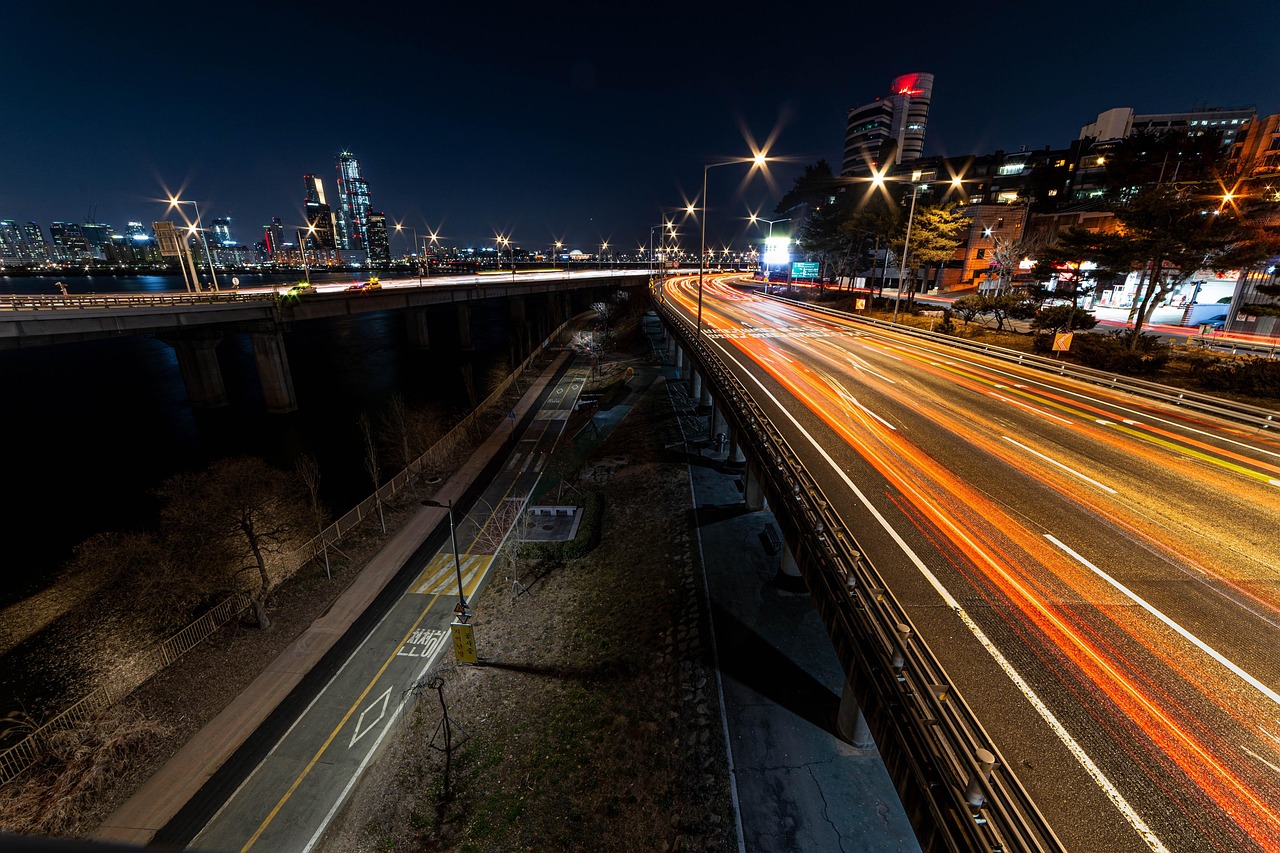
Winter time to visit South Korea for lantern lights and cosy Seoul streets
As a time to visit South Korea, winter can feel almost theatrical: illuminations in shopping streets, ice displays, and a hush that settles over the river. For travellers who prefer galleries, cafés, and design districts without summer crowds, winter offers an intimate rhythm—and it can be an affordable time to visit outside peak weekends.
High-end travellers often tell winter stories in small details: the delight of warm street snacks in the cold, and the glow of a lantern festival tucked into local neighbourhoods. If you’re lucky, you may catch the Seoul Lantern Festival, and if your dates align with lunar new year (the korean new year), you’ll see a more traditional side of celebrations and family rituals.
Winter sports like skiing and snowboarding from the capital
If you’d like an active extension, winter sports are easy to add: a day trip to ski resorts or a short two-night escape. January is often the coldest month of the year, so dressing well is about elegant layering—cashmere, heat-tech base layers, and a long tailored coat. Private transport and equipment fitting keep everything simple, with a warm return for dinner.
- Pack to stay polished: gloves, a sleek beanie, and moisture-rich skincare for dry air.
- Plan for short daylight: book daytime outdoor scenes, then settle into evenings indoors.
- Choose cosy rituals: a teahouse visit or a private tasting adds calm.
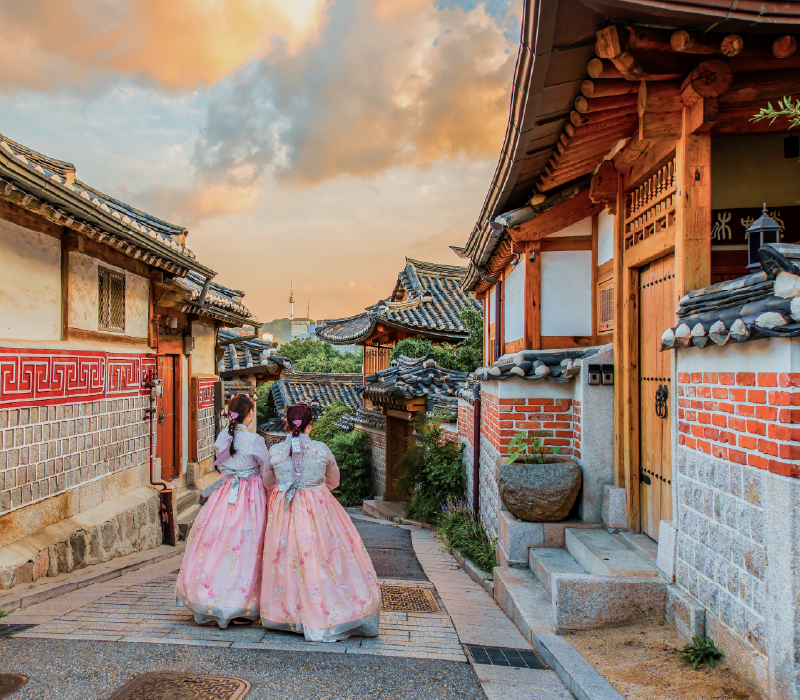
Bukchon Hanok Village tea houses for a restorative pause
For a softer counterpoint, traditional tea houses in Bukchon Hanok Village offer warmth and quiet. It’s a personal pause that helps you feel looked after—an unspoken reassurance that winter in South Korea can be as soothing as it is beautiful.
Beyond Seoul – best time to visit Busan, Jeju Island, and national parks by season
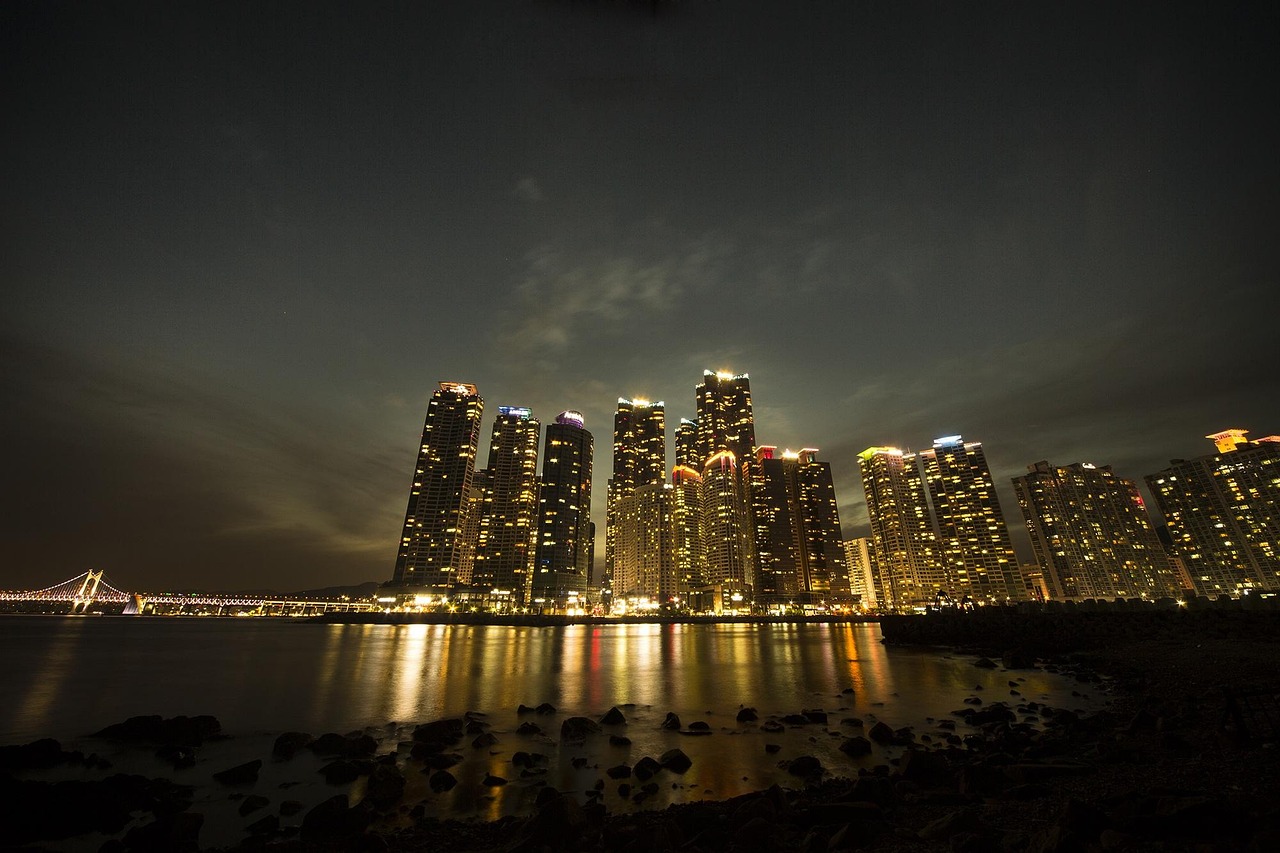
Beyond Seoul best time to visit Busan Jeju and national parks by season
If you’re planning beyond the capital, the time to visit depends on coast versus city. Cities like the capital hold their shape in any weather, while cities like busan feel most rewarding when the sea breeze is comfortable and you can settle into seaside dining without rushing back indoors—especially if you love a long beach promenade.
The best time to visit busan is often late spring or early autumn, when Haeundae is pleasant for a beach walk and hotel terraces feel inviting. In mid-summer, you can expect higher heat, and summer in South Korea can push high temperatures with a sticky feel—often an average daily peak close to 30°c along the coast.
Jeju Island guidance for beaches, scenic drives, and shoulder-season calm
For jeju island, think scenic drives, boutique stays, and long lunches with ocean views. Jeju is at its calmest in shoulder seasons, which falls between late spring and early summer or after peak heat has faded. The island of jeju can be brilliant for a quiet reset: fewer crowds, clean horizons, and a slower pace that pairs beautifully with a high-end itinerary.
National parks and mountainous escapes with culture in Gyeongju
If nature is your priority, South Korea’s national parks offer a different kind of luxury—space, air, and perspective. Seoraksan and Jirisan are mountainous escapes that can be visited as short add-ons, with private transfers and carefully timed walks for the best light. For culture, consider Gyeongju in beautiful autumn: it pairs historical depth with open landscapes in a way that feels both grounded and inspiring.
And if you want to catch blossoms beyond the capital, Jinhae is a beloved spring destination—best as a well-designed day trip when your schedule allows.
Luxury travel tips to visit Seoul – Incheon transfers, T-money, SIM cards, and private tours

Luxury travel tips to visit Seoul seamlessly with Incheon transfers and private tours
For travellers who want to visit with ease, a few day-one details turn a lovely stay into a seamless one. When you travel to South Korea on a long-haul route—especially if you travel US to the capital—small choices on arrival protect your sleep, your skin, and your sense of glamour.
Arrivals and connectivity for confidence in South Korea
Fly into Incheon International Airport and arrange luxury car transfers so you arrive composed. Once you’re in the city, purchasing a T-money card makes metro rides effortless, and a portable Wi-Fi device or local SIM card keeps maps and translation apps working smoothly. It’s a quiet advantage for travellers: you can move like a local, without feeling rushed.
If you’d like visual inspiration while you design your route, browse our Trip gallery for a sense of pace, style, and what’s possible with expert support.
Signature experiences to book early (and how to handle a popular time)
Two splurges are worth securing well ahead, especially in any popular time window when you should expect larger crowds. First: a luxury hanbok rental paired with a private guided tour of ancient palaces—an immersive way to connect with south korean heritage through craftsmanship, colour, and story. Second: a VIP K-pop backstage tour, which offers rare behind-the-scenes access and a new kind of cultural insight.
- Crowd strategy: reserve tours and fittings in advance and favour early start times.
- Shopping flow: plan Gangnam and Apgujeong for weekday mornings for a calmer experience.
- Local respect: polite greetings matter, and remove shoes indoors when invited.
Reassurance matters, too. The city is very safe with low crime; still, carry yourself with quiet awareness, and let your hotel team support dinner reservations and transport. When you feel looked after, you can simply discover more—together with the people you love, or in your own company—without strain.
F.A.Qs: Best time to visit South Korea and Seoul
Which is the best month to visit Seoul?
April is often the best month if you want cherry blossom season and mild days, especially around the Han River and Yeouido Park. Late October is another favourite for crisp air and autumn colour, with comfortable walking conditions and elegant light for photography.
What is the cheapest month to visit South Korea?
The most affordable time to visit is usually in the deeper winter weeks outside major holidays, when demand softens and some hotels offer better-value upgrades. Prices vary by events and weekends, so checking flexible dates can reveal quieter, better-priced options.
What is the 52 hour rule in Korea?
The “52 hour rule” refers to South Korea’s labour standard limiting the typical workweek to 52 hours (usually 40 regular hours plus up to 12 overtime). For travellers, it can subtly shape business hours and staffing patterns, but in the capital most visitor services still run smoothly.
How many days is enough to see Seoul?
Four to five days is enough at a high-end pace: two days for heritage and neighbourhoods, one for shopping and design districts, and at least one evening for dining and cultural experiences. Add extra time if you want day trips or a slower, more restorative rhythm.
What stays with you after Seoul
The city changes with the season in a way that feels quietly intimate, as if it’s always offering you a different version of itself. In South Korea, the details are what linger: the softness of morning light on stone, the steady kindness of service, the sense that someone has thought ahead so you don’t have to. It’s not only that you saw something beautiful; it’s that you were given space to notice it.
Later, what returns isn’t a checklist. It’s the hush before the streets fill, the scent of tea in a hanok, lantern light catching on a winter evening as you turn a corner and the world briefly slows. These are personal memories—small, exact, and surprisingly reassuring—proof that travelling well can change your pace long after you’re home.
And perhaps that’s the real gift of this destination: it doesn’t ask to be finished. It simply waits, ready to be rediscovered in another season, when the timing feels right.