
Post Contents
- Northern Vietnam Itinerary Overview for High-End Travellers and a Luxury Travel Guide
- Hanoi as Your Elegant Base in Northern Vietnam Travel Guide with Luxury Hotels and Old Quarter Charm
- Sapa and Sa Pa Luxury Trekking Through Rice Terraces with a Private Guide
- Ha Long Bay and Halong Bay by Private Yacht with Luxury Vietnam Tours
- Ninh Binh Itinerary for Trang An and Tam Coc Day Trips from Hanoi
- Ha Giang Loop Luxury with a Private Driver in North Vietnam
- Seamless Logistics and Local Etiquette for a Northern Vietnam Travel Guide
- What Stayed With Us After Northern Vietnam Reflection in Hanoi, Sapa, and Ha Long Bay
- F.A.Qs: Northern Vietnam
Northern Vietnam Itinerary Overview for High-End Travellers and a Luxury Travel Guide
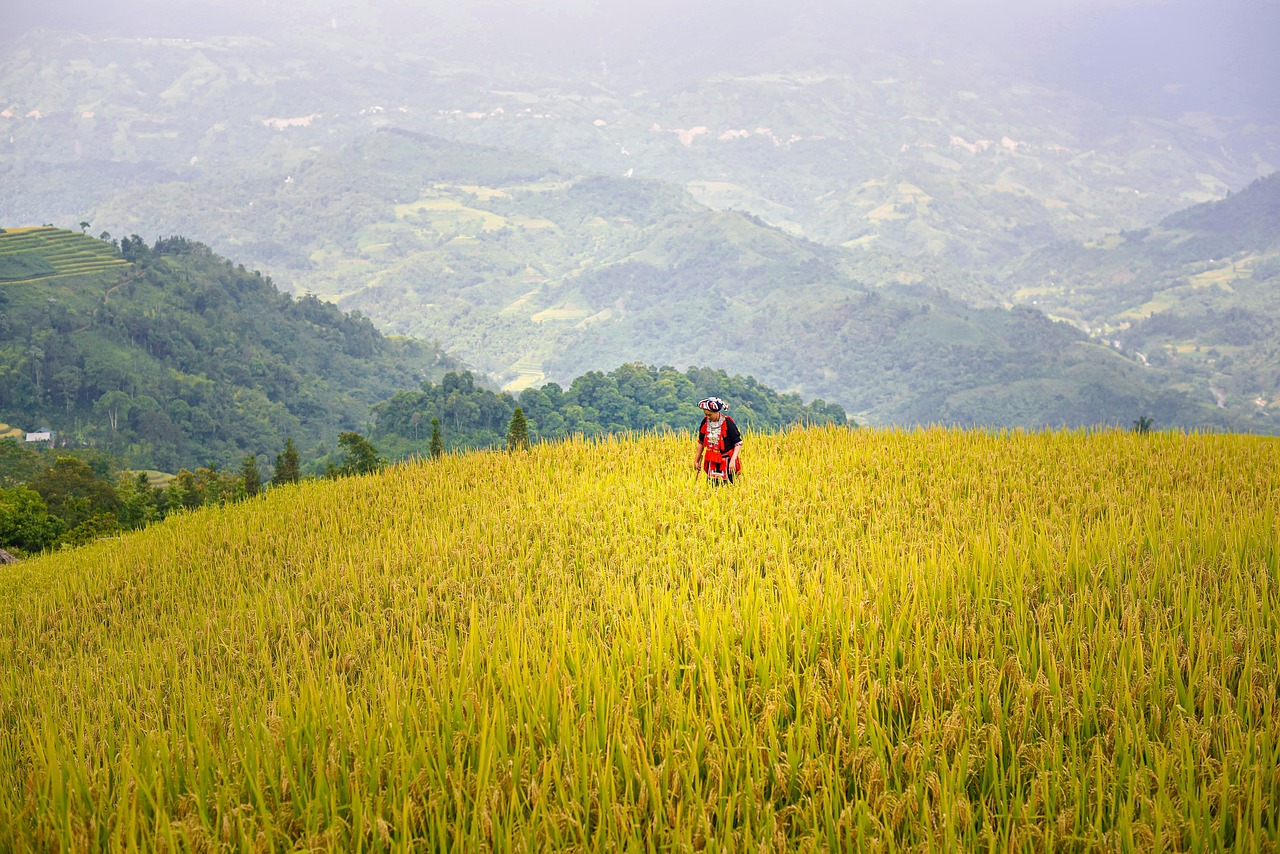
Northern Vietnam Itinerary Overview for High-End Travellers with a serene lakeside moment
If you’re looking for a northern Vietnam itinerary luxury travel guide that feels indulgent yet grounded, think in arcs rather than boxes. The best of northern Vietnam fits beautifully into 7–12 days, balancing Hanoi, Sapa, Ninh Binh, Ha Long Bay and, if you’d like to head north again, Ha Giang. The rhythm matters: city energy, mountain air, karst country, then long bay stillness—each change of scene designed for comfort and confidence.
A high-end pace is simple: aim for two-night minimums wherever you can. Hanoi deserves at least two nights as the heart of the city, and Sapa (Sa Pa) feels far richer when you’re not rushing. Between each, create a seamless flow with private transfers or the luxury train, so you arrive with your shoulders relaxed, ready to explore northern Vietnam with care.
Design your North Vietnam itinerary with comfort-first pacing
Start in Hanoi for orientation and curated dining, then move to Sapa for a private trek through rice fields and villages around Sapa. Return back to Hanoi briefly to reset, then continue to halong bay for a private cruise among limestone karsts. From Hanoi, you can also design day trips from Hanoi into the red river delta or south of Hanoi to Ninh Binh for a softer, scenic contrast.
If you’re deciding between “more places” and “more depth”, choose depth. Private guiding means you uncover layers quickly—architecture, craft, and local stories—without needing to tick every attraction. That’s how luxury feels here: not bigger, simply better supported.
Luxury decision tree for hotels, yachts, and curated day trips
To create trust in the plan, make the key decisions early: boutique hotels in Hanoi, a boutique lodge around Sapa, and an all-inclusive private yacht in Ha Long Bay or lan ha bay. Add curated day trips from Hanoi—markets, craft ateliers, and countryside stops—without turning your itinerary into a sprint.
- Hanoi: Old Quarter for atmosphere, or West Lake for space and serenity.
- Sapa: boutique lodge with valley views, plus a private guide and optional porter support.
- Long bay: private yacht cruise route designed around privacy (Ha Long Bay, lan ha bay, or bai tu long bay).
- Day trips: Ninh Binh karst landscapes, or gentle countryside time in Mai Chau or Pu Luong.
What to book first (so everything else falls into place): your local guide, your train/driver, your yacht route and permits (including bai tu long where relevant), and dining reservations in Hanoi. When these are secured, the journey becomes a calm, crafted sequence rather than a logistics puzzle.


Hanoi as Your Elegant Base in Northern Vietnam Travel Guide with Luxury Hotels and Old Quarter Charm
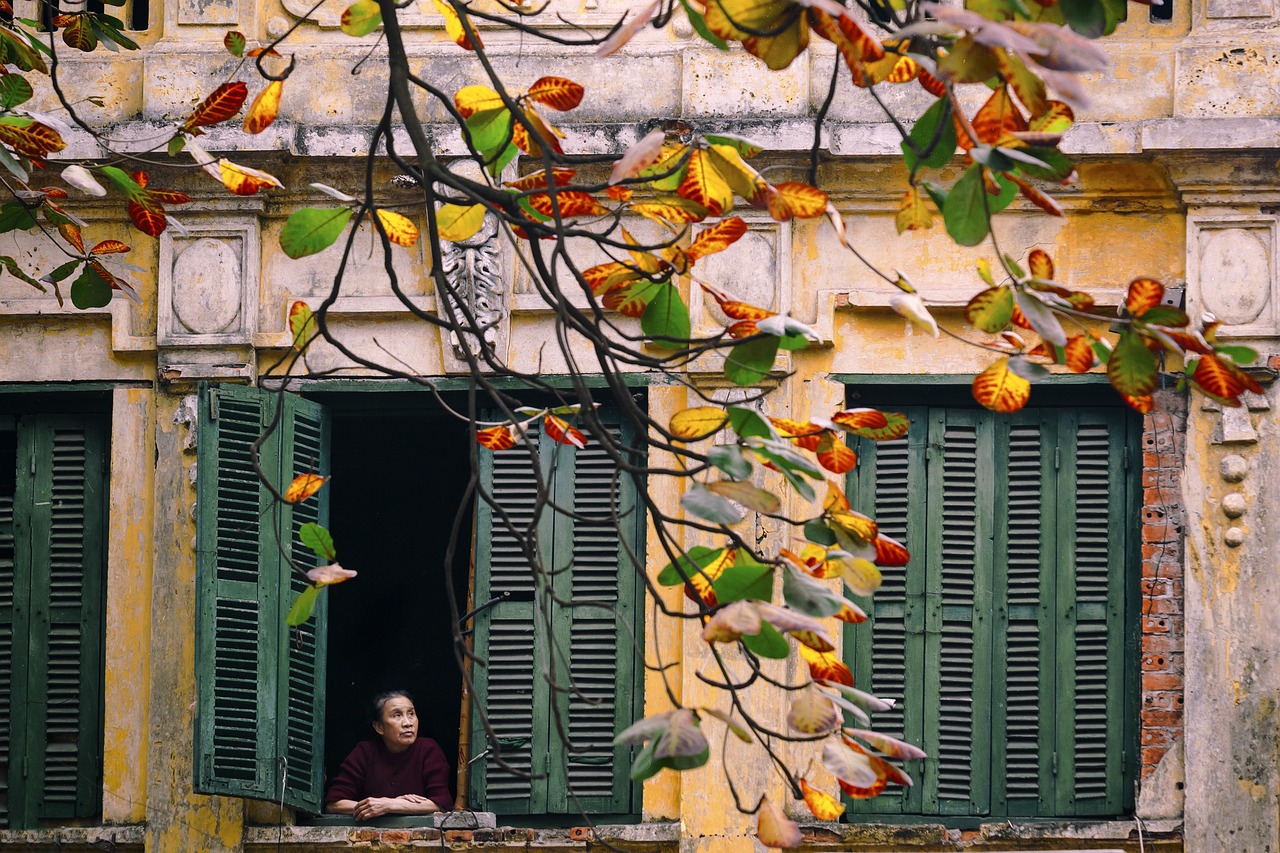
Hanoi as Your Elegant Base in Northern Vietnam with Old Quarter streets
This Hanoi northern Vietnam travel guide luxury hotels Old Quarter chapter begins with a simple truth: Hanoi is where you settle in, find your bearings, and let Vietnam’s energy soften into something intimate. For high-end travellers, the right base creates confidence—concierge support, thoughtful design, and a sense that the city is holding you gently even when it’s busy.
For atmosphere, stay in the old quarter—close to coffee culture, boutique shops, and late-evening food streets. For quiet mornings and more space, choose West Lake, where leafy boulevards and water views make it easier to exhale after flights (even if you’ve come from Ho Chi Minh City first). Either way, Hanoi’s best luxury is a feeling: personal care, not fuss.
Hanoi attraction moments to begin gently
Wake early for Hoan Kiem Lake at sunrise, when tai chi groups move in unison and the air feels clean. Visit the Ho Chi Minh Mausoleum area with respectful timing and modest dress; your guide will help you understand what’s appropriate and why it matters. Then wander heritage streets for an art-and-architecture insight—French-era facades, small galleries, and craft ateliers you’d likely miss alone.
To keep your first full day seamless, ask your hotel to arrange private transfers between sights and a calm lunch reservation. It’s a small design choice, but it changes everything when the heat rises and the pavements fill.
A personal first night in Hanoi with a local guide
One gourmet enthusiast described their first night in Hanoi as a kind of joyful surrender—navigating the city by vintage motorbike with a local guide who chose every stop with expert certainty. They uncovered a hidden gem bowl of northern Vietnamese noodles, then paused for egg coffee in a quiet lane while their guide translated stories from the stallholders. The reassurance wasn’t just in the flavours; it was in the trust that someone was watching the details.
If you want the same feeling, plan a refined “first night” route: a short walk, one signature dish, one sweet bite, and an early finish. Save the deeper market explorations for the next day, when your senses have caught up.
Sapa and Sa Pa Luxury Trekking Through Rice Terraces with a Private Guide
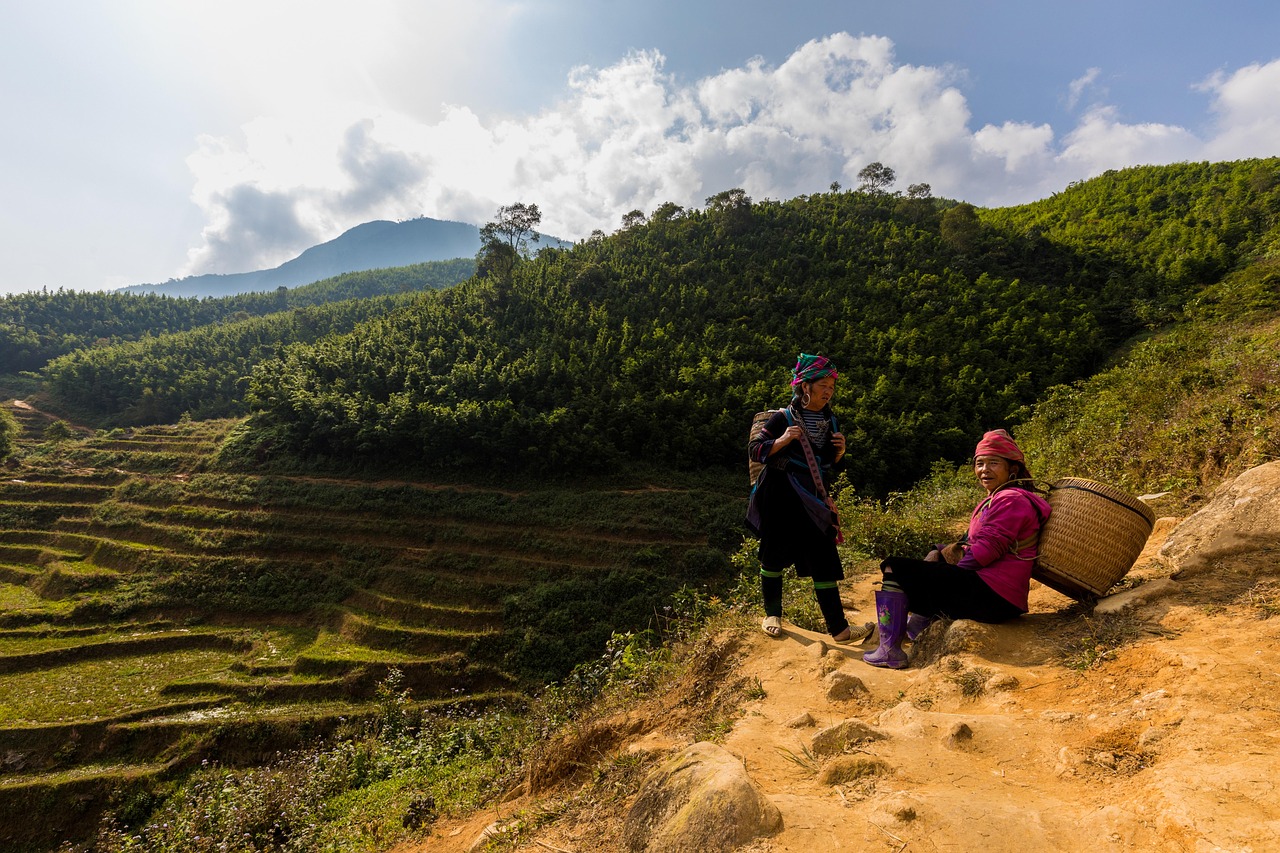
Sapa and Sa Pa Luxury Trekking Through Rice Terraces in Northern Vietnam
For many, the emotional centre of a trip is Sapa, and a Sapa luxury trek private guide boutique lodge northern Vietnam plan is the most comfortable way to meet the mountains. You’re here for green hills, misty valleys, and rice terraces that curve like sculpture—yet you can still travel softly, with support and flexibility built in.
Design your days around energy, not ego. Start early if the forecast is clear, or sleep in and switch to a shorter scenic route if rain arrives. A private guide can tailor the trek to your stride, with porter support if you’d like your hands free for walking poles and a camera.
Around Sapa routes and comfort-first alternatives
There are many ways to explore without overdoing it. A gentle ridge walk gives you wide viewpoints, while village paths bring you close to daily life. For a rest-day that still feels meaningful, consider taking the cable car up Fansipan (taking the cable car is part of the ease), then return for a spa session or tea-tasting in your lodge.
Beyond the terraces, weave in one waterfall stop and one unhurried afternoon to read, breathe, and watch clouds lift. Luxury in Sapa is often the quiet between plans.
Serene morning trek and Hmong hospitality with care
A high-end traveller once shared a serene early morning hike in Sapa that began before breakfast. They walked through rice fields as fog thinned, then met local Hmong villagers offering warm hospitality and handmade crafts. What made it special was the tone: permission-first, respectful, and genuinely personal—no intrusion, no bargaining theatre, just human exchange.
If you’re visiting ethnic villages, modest dress matters, as does listening more than speaking. Ask before taking photographs, and let your local guide explain how different ethnic groups (including Dzao communities) prefer to be approached. When you travel with care, you’re not just seeing northern Vietnam’s beauty—you’re meeting it properly.
- Pack: light rain layer, breathable base layers, sun protection, and grippy walking shoes.
- Carry: small notes in Vietnamese dong (dong) for crafts, plus a reusable water bottle.
- Wear: shoulders covered in villages and temples, especially when meeting ethnic minorities.
Ha Long Bay and Halong Bay by Private Yacht with Luxury Vietnam Tours
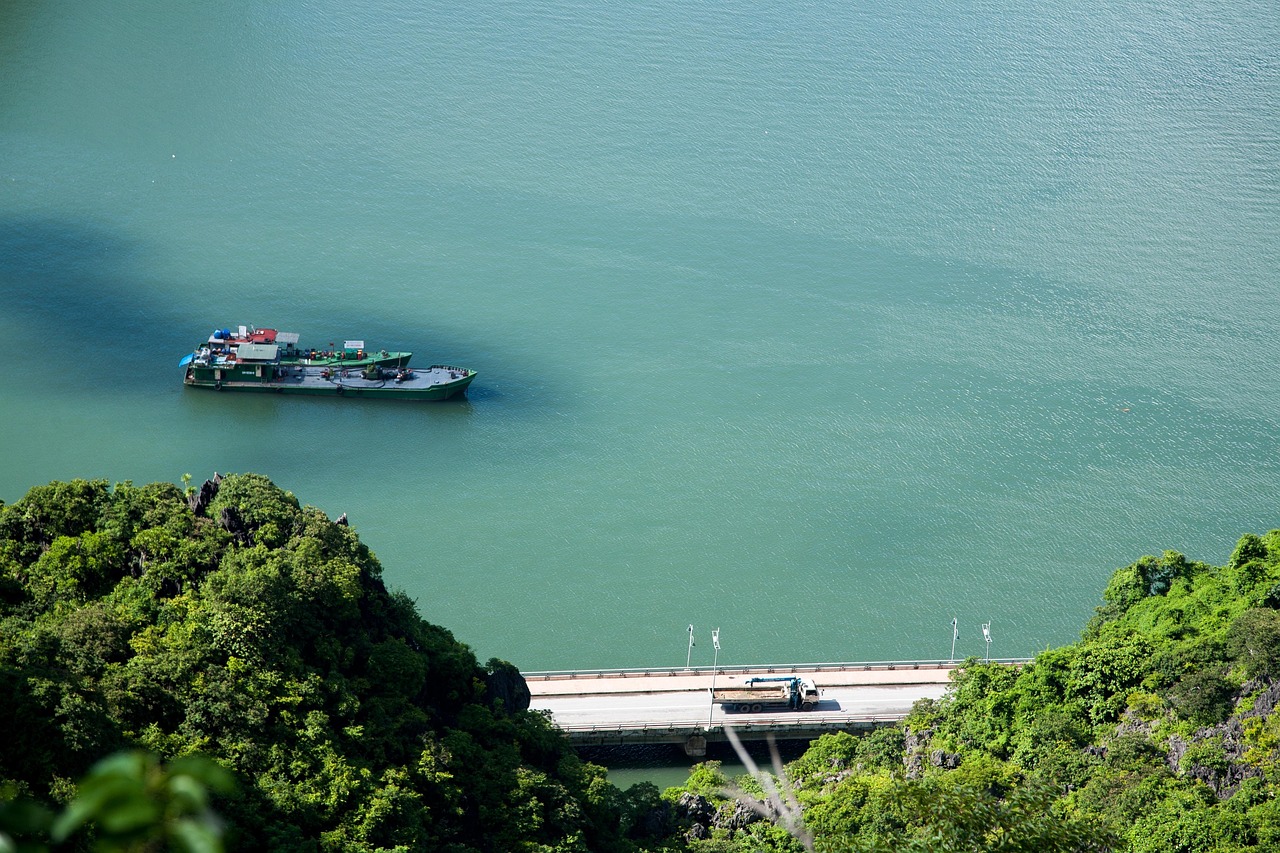
Ha Long Bay and Halong Bay by Private Yacht among limestone karsts
This Ha Long Bay private cruise luxury Vietnam tours limestone karst chapter is where the journey turns quiet and cinematic. A private yacht transforms halong bay from a famous attraction into a personal sanctuary—your own deck, your own dining pace, and a route designed around privacy rather than crowds.
From Hanoi, most embarkations are 2.5–3.5 hours by private transfer, and your crew handles the rest. The landscape is the reward: limestone formations rising from emerald waters, with fishing boats drifting like brushstrokes. It’s easy to see why Vietnam tourism leans on this image—but the private experience feels entirely different.
Route choices for long bay privacy and calmer water
Design matters here. Classic Ha Long Bay is iconic, but lan ha bay is often calmer and feels closer to Cat Ba. Bai Tu Long and bai tu long bay can be even quieter, especially for travellers who want fewer neighbouring boats and more unbroken horizons.
- Ha Long Bay: the most famous karst scenery and classic viewpoints.
- Lan Ha Bay: sheltered coves near Cat Ba island, great for gentle paddling and beach pauses.
- Bai Tu Long Bay: a slower feel, ideal if you value space and a quieter route.
Mystical fog, gourmet meals, and a cave lit by stalactite detail
Another visitor described an unforgettable tranquillity aboard a private boat in Ha Long Bay: personalised service, perfectly timed tea, and a morning when fog curled around each limestone karst like silk. Later, their guide led them into a cave where the stalactite shapes caught the light—beautiful, slightly otherworldly, and hushed by the water outside.
For reassurance, opt for all-inclusive private Vietnam tours: permits, safety standards, and route planning are handled together, and your meals can be truly gourmet. Costs reflect exclusivity, but the value is in the crafted ease—especially if you’re pairing Hanoi and halong bay in one smooth sequence.
And yes, you’ll hear the wider geography mentioned: this coast opens towards the South China Sea, yet on board, the world feels smaller—just you, the deck, and the long bay horizon.
Ninh Binh Itinerary for Trang An and Tam Coc Day Trips from Hanoi
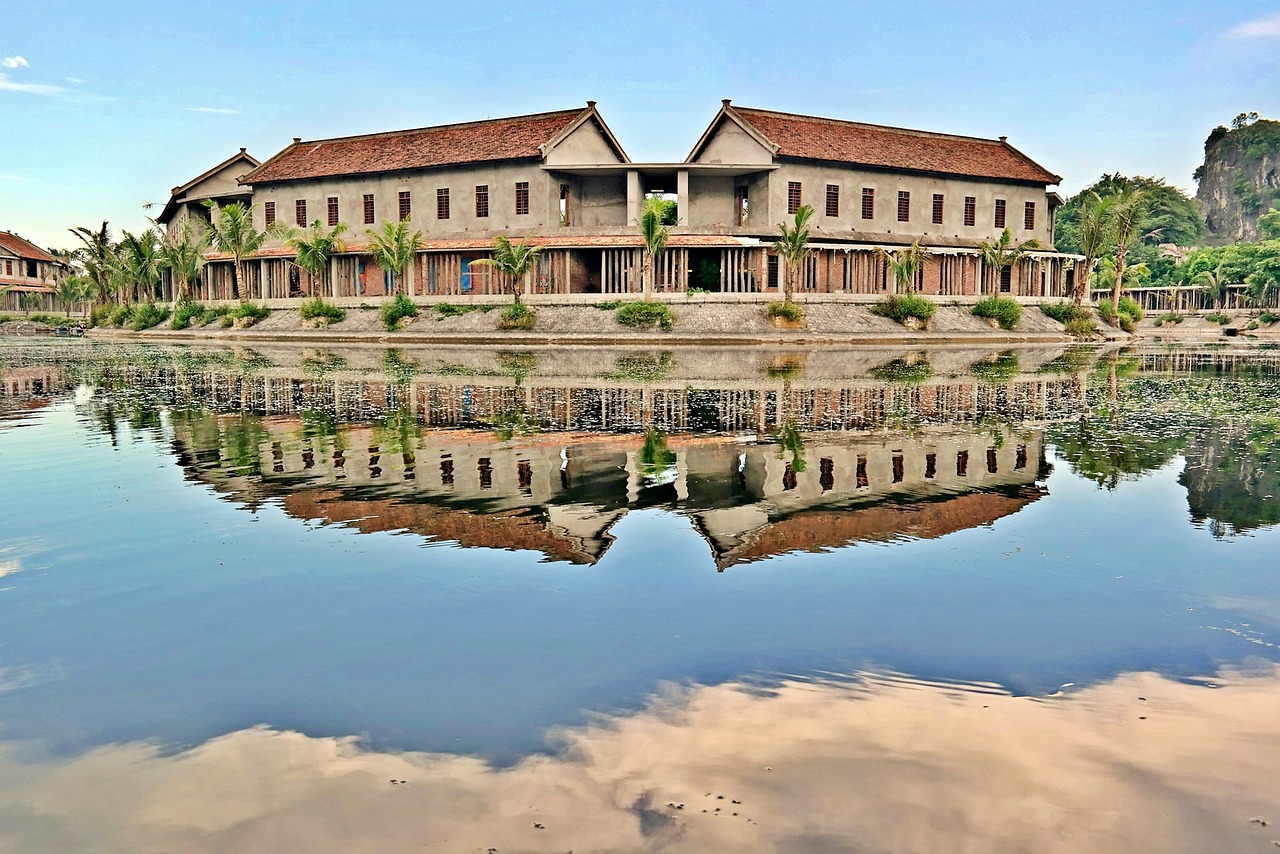
Ninh Binh Day Trips South of Hanoi for Karst Country landscapes
When you want a beautiful escape without repacking, a Ninh Binh itinerary Trang An Tam Coc day trips from Hanoi plan is the most rewarding option south of Hanoi. After Hanoi’s buzz, Ninh Binh feels intimate—karst peaks, quiet lanes, and water routes where time slows in the best way.
Private transfers make the day feel generous rather than long. Leave Hanoi after breakfast, return before late dinner, and let your driver handle the city edges so you can stay present.
Tam Coc vs Trang An boat ride timing and comfort
Both Tam Coc and Trang An deliver that “floating through mountains” feeling, but the mood differs. Tam Coc is famed for rice paddies and riverside views; it can be busier, so timing is everything. Trang An, a unesco world heritage site, is more regulated and often feels smoother, with multiple route choices and dramatic karst corridors.
Ask your guide to start early, or go later in the afternoon when day-trippers thin out. The difference between pleasant and perfect is often just an hour.
Stops along the way for a refined day
Build in a few carefully chosen pauses. The ancient capital of Hoa Lu adds historical texture, while Hang Mua offers a viewpoint for those happy with steps and a little heat. Bich Dong is gentler and quietly atmospheric, and a short cycle route through rice fields is a lovely way to feel the landscape without rushing it.
- Choose 2–3: Hoa Lu, Hang Mua, Bich Dong, plus either Tam Coc or Trang An.
- Keep it seamless: pre-book lunch, and carry water and sun protection.
- Photography with care: always ask permission in villages, especially when meeting local families and artisans.
Ha Giang Loop Luxury with a Private Driver in North Vietnam
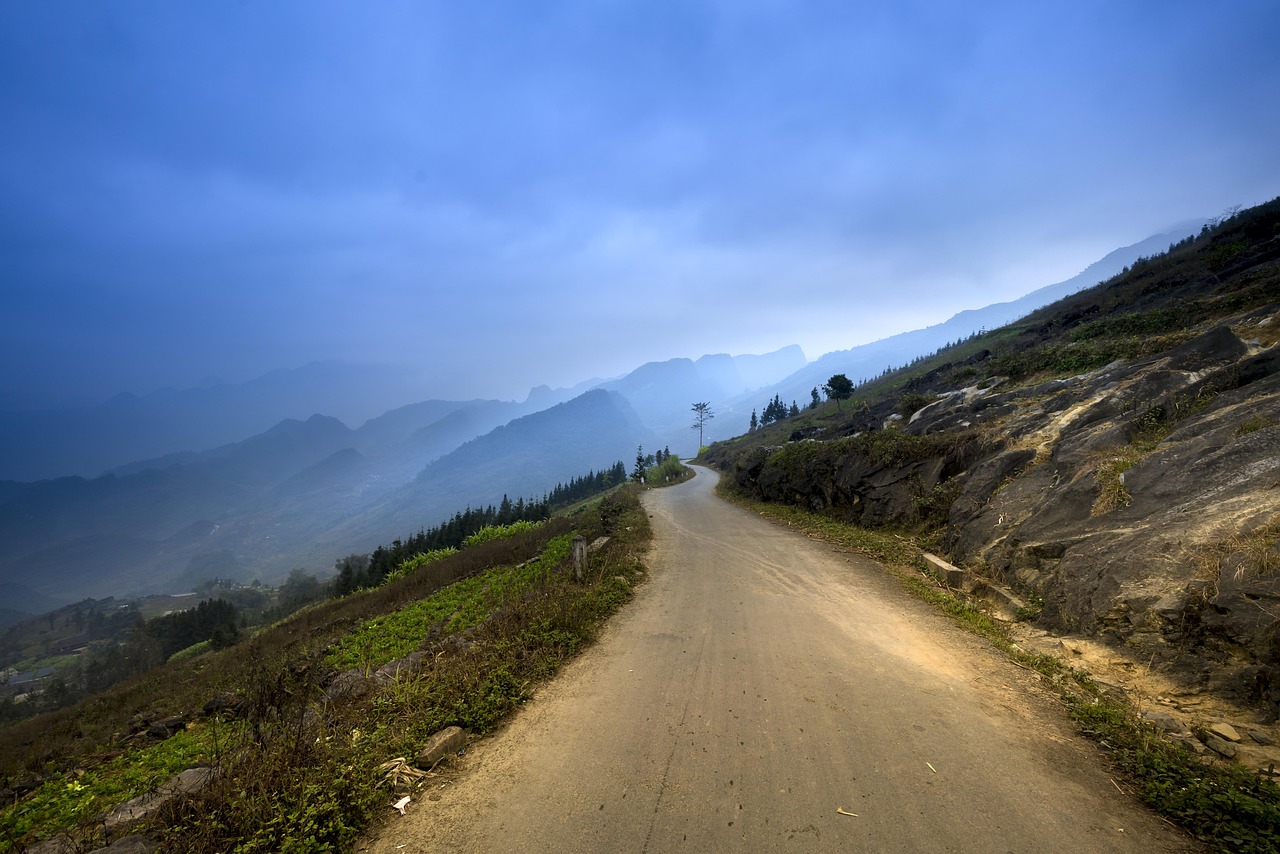
Ha Giang Loop and the North Vietnam Frontier in Comfort with mountain roads
If you’re curious about the frontier but prefer reassurance, a Ha Giang loop luxury private driver Dong Van Meo Vac approach is the best way to explore. The roads are dramatic, conditions can change quickly, and comfort comes from expert support: a conservative driver-guide, well-timed stops, and handpicked stays where evenings are genuinely quiet.
This is north Vietnam at its most expansive—big skies, sharp ridgelines, and a sense that you’re at the edge of the north of Vietnam, where culture and geography meet. It’s also where “less but better” becomes a guiding principle.
Dong Van plateau scenery and market mornings with care
Design the route around the Dong Van plateau, with time for a Chinese border viewpoint and a slow market morning. In Dong Van, choose a small, characterful hotel with warmth and reliable comfort. Continue to Meo Vac for another restful night, keeping dinners simple and early so you wake refreshed.
A good guide helps you experience local life without feeling intrusive. You’ll be invited to look, learn, and listen—then step back when it’s right.
Thrill balanced with trust and conservative driving standards
The giang loop is sometimes spoken about as a thrill ride, but luxury reframes it: safety, pacing, and road-sense come first. Weather shifts can bring fog or sudden rain, so keep plans flexible and avoid driving after dark. With the right support, you can enjoy the drama of the landscape without carrying the risk.
If you’d like a slower reset afterwards, extend to Ba Be National Park, a nature reserve of lake, forest, and cave systems. It’s a soft landing after mountain roads—calm water, birdsong, and time to read on a veranda.
Seamless Logistics and Local Etiquette for a Northern Vietnam Travel Guide

Seamless Logistics and Local Etiquette for Northern Vietnam with luxury train travel
For travellers who value calm, this northern Vietnam travel guide best time to visit private transfers currency chapter is where confidence becomes practical. Vietnam is straightforward when you design it well: a few smart bookings, respectful etiquette, and a plan that builds comfort into every transfer.
The great time to visit is September to November or March to May, when skies are clearer and temperatures are kinder. Shoulder-season travel can also create value—fewer crowds in Hanoi, easier reservations, and more breathing room on the water.
How to move smoothly between Hanoi, Sapa, and remote sites
Private transfers are the simplest way to keep the experience seamless, especially for airport arrivals and the drive towards long bay. For Sapa, consider a luxury train option between Hanoi and Lao Cai, then a private car onward; it’s comfortable, efficient, and feels like part of the adventure. For more remote sites and destinations, blend short flights with drivers to protect your time and energy.
If you’re planning beyond the core route, your planner can advise on connections to Mai Chau, Pu Luong, or onward routes that keep you out of traffic at peak hours. Small decisions like these are what make a journey feel crafted rather than crowded.
Money, tipping, and culture with care
Currency is Vietnamese dong, and while cards work in many high-end hotels and restaurants in Hanoi, you’ll want cash for markets and small purchases in Sapa and Ha Giang. Tipping is appreciated but not mandatory in high-end establishments; it’s most meaningful when it recognises attentive service from guides and drivers.
Dress modestly when visiting ethnic villages, ask permission before photography, and lean on your local guide for insight into what’s appropriate. Northern Vietnam is welcoming, and when you travel with care, that warmth comes back to you.
If you’d like inspiration while you design, browse our Trip gallery and imagine how each element could be shaped around your pace.
What Stayed With Us After Northern Vietnam Reflection in Hanoi, Sapa, and Ha Long Bay
This northern Vietnam reflection Hanoi Sapa Ha Long Bay chapter isn’t a checklist, because what lingers rarely is. It’s the softness of early light on Hoan Kiem Lake in Hanoi, when the city feels like it’s whispering before it speaks. It’s the quiet moment on a Sapa path where the mist lifts and the terraces hold the day’s first colour. It’s water that barely ripples, as limestone stands watch in Ha Long Bay, and you realise you’ve stopped hurrying inside yourself.
What remains is often smaller: a cup of coffee offered without ceremony; a shared smile when your pronunciation lands well enough; the gentle pride in a craftsperson’s hands. You remember how you were supported—how the logistics disappeared, how comfort was anticipated, how trust turned unfamiliar places into somewhere you could simply be.
Long after you’ve unpacked, you may still feel the shift: a steadier pace, a warmer attention to detail, a sense of gratitude for the people you met and the care with which you travelled. Northern Vietnam doesn’t demand you hold on tightly; it invites you to carry it lightly, and to stay quietly curious about what you might discover next time you’re ready.
F.A.Qs: Northern Vietnam
Is North Vietnam better or South Vietnam?
Neither is “better”—they’re different. Northern Vietnam tends to feel more seasonal and heritage-rich, with Hanoi, Sapa, karst landscapes, and Ha Long Bay. The south is warmer year-round with a faster rhythm around Ho Chi Minh City and the Mekong. Many high-end travellers prefer starting in Hanoi for culture, then adding the south if they want beach time and modern city energy.
Which cities are in North Vietnam?
Hanoi is the main hub, with popular northern bases including Sapa (Sa Pa) for the mountains and Ha Giang for frontier scenery. Coastal gateways for cruises include Ha Long City and nearby ports used to access Ha Long Bay, lan ha bay, and bai tu long bay. Ninh Binh is often visited as a day trip south of Hanoi rather than an overnight city break.
Is Northern Vietnam still communist?
Vietnam is a one-party socialist republic, so the country is governed under a communist-led system, including northern Vietnam. As a visitor, day-to-day travel feels practical and welcoming: hotels, guides, and experiences operate much like elsewhere in Asia, with an emphasis on respect at official sites. A good guide in Hanoi can provide context, especially around the Ho Chi Minh Mausoleum area.
What is considered Northern Vietnam?
Northern Vietnam generally refers to the region from Hanoi and the Red River area up to the Chinese border, including mountainous provinces such as Lao Cai (Sapa) and Ha Giang (Dong Van and Meo Vac). It also includes the northeast coast and islands where cruises run through Ha Long Bay and nearby bays. It’s a diverse region, ranging from city streets to rice terraces and karst seascapes.