Post Contents
- Must-see places in Kyoto Japan: Kyoto essentials for a first visit with best things and things to see
- Fushimi Inari Shrine in Kyoto: vermilion gate paths, a forest hike, and a unique thing to do in Kyoto
- Kyoto temple guide: Kinkaku-ji, Kiyomizu-dera, and the best things to see in Kyoto
- Gion Kyoto: geisha culture, tea ceremonies, kaiseki dining, and a thing to do in Kyoto at dusk
- Arashiyama bamboo grove: bamboo forest walks, a gentle day trip from Kyoto, and places to visit in Kyoto
- Arashiyama bamboo: pair the Arashiyama bamboo grove with one temple for a calmer morning
- Imperial Palace grounds: the imperial palace and visiting the Kyoto Imperial Palace with the right expectations
- Luxury day trip planning around Kyoto: choose one day trip from Kyoto, then come back to Kyoto rested
- Kyoto reflections: a personal journey through places to see in Kyoto
- F.A.Qs: must-see places in Kyoto Japan and planning for your first visit
Must-see places in Kyoto Japan: Kyoto essentials for a first visit with best things and things to see
Kyoto essentials for a first visit: best things, things to see, and a calm Kyoto city rhythm
This guide to must-see places in Kyoto Japan is for travellers who want the headline Kyoto attractions, but also the breathing space that makes Kyoto feel like Kyoto. The best things aren’t only the famous temple and shrine names; they’re the pauses between them—paper lanterns under eaves, the sound of gravel, and the small courtesy of a bow at a gate. If you’re looking for the best things: think in layers—one iconic site each morning, one quieter neighbourhood each afternoon, and one beautiful meal each evening.
Kyoto rewards a journey you design with intention. Imagine your days as a sequence of atmospheres: a shrine approach in soft mist, a temple garden at noon, and traditional Kyoto streets as dusk gathers. With the right rhythm, even well-known Kyoto can feel intimate and unhurried—more like a private viewing than a rush from queue to queue.
If this is your first visit, treat this article as a Kyoto travel guide you can adapt: choose a few top Kyoto highlights, then leave room for small surprises that become your favourite memories.
Where to stay in Kyoto city: stay in Kyoto well, and plan the right days in Kyoto for a luxury pace
For a first time in Kyoto, location is your greatest form of support. Choose a base that lets you glide between districts without constant transfers, and that offers a calm return at the end of the day. Many travellers love staying near the Kamo River for walkability, or near quieter lanes just beyond the brightest streets of the city of Kyoto.
For a luxury pace, three to four nights is often the sweet spot for your days in Kyoto: enough time for two major temple mornings, one shrine sunrise, one evening in Gion, and one nature reset. If you can spare five nights, Kyoto begins to open up—suddenly you have time for a slower matcha pause, a second visit to a favourite temple, or a day trip that still feels seamless.
A simple Kyoto itinerary that stays spacious might look like this: one early start for Fushimi Inari, one day focused on temple artistry (Kinkaku-ji and Kiyomizu-dera), one evening for Gion and kaiseki, and one morning in Arashiyama bamboo. You’ll uncover plenty without feeling pulled in every direction, and you’ll also understand how to stay in Kyoto in a way that feels restorative, not rushed.
Getting in and around: Tokyo to Kyoto Station, Japan travel tips, and a smooth arrival routine
Most travellers arrive from Tokyo, the capital of japan, by shinkansen—efficient, comfortable, and wonderfully civilised. For many people planning a trip to japan, it’s a highlight in itself: step aboard, settle in, and watch the landscape shift from the Tokyo sprawl into Kyoto’s softer palette. This is a simple win for japan travel, especially if it’s your first time in japan and you want your time in japan to feel easy from day one.
Your arrival point is Kyoto Station, a modern hub that can feel big at first, but is extremely well signposted. From Kyoto Station (and especially from JR Kyoto Station—write it down once as jr kyoto station for ticket counters), blend local buses with taxis for door-to-door ease. Buses are practical for main corridors, but taxis can be the small indulgence that keeps your time in kyoto calm—particularly after dinner, when you’d rather not decipher routes.
For high-end travellers, a private guide or car for one day can transform popular routes into a crafted experience, with timing and entrance order planned to avoid the busiest surges. As japan travel tips go, this is one of the most effective: spend a little to protect your mornings at a temple, your evenings in Gion, and your energy across the whole Kyoto trip.
Best time to visit Kyoto: time to visit, crowd-smart planning, and mornings that feel serene
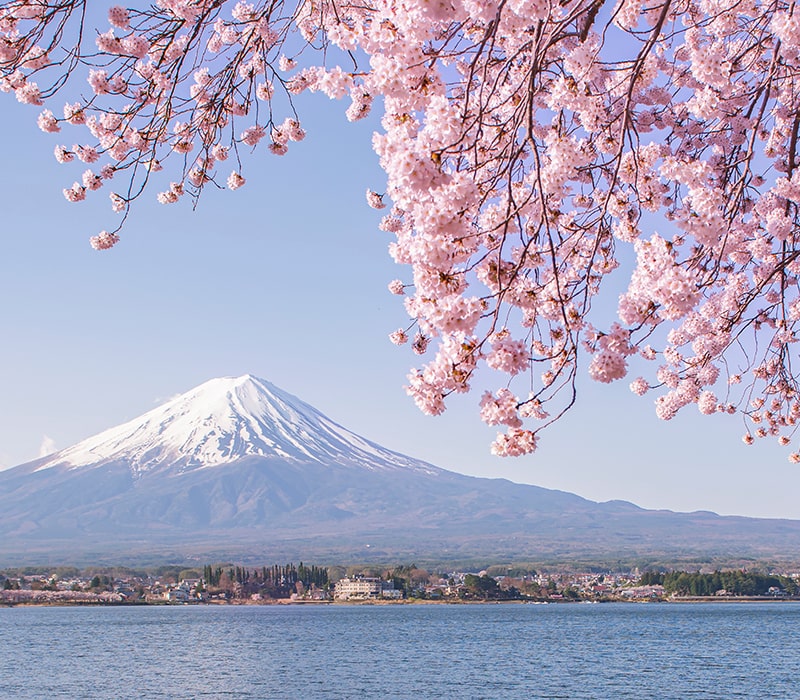
The best time to visit Kyoto is typically spring or autumn, when the air is gentle and the city feels set for beauty. During cherry blossom season, Kyoto has a luminous softness; in autumn, temple gardens become a study in amber and red. If you’re deciding your time to visit, aim for weekdays where possible, and plan your top Kyoto mornings earlier, then let afternoons be flexible.
In popular kyoto, crowd-smart timing matters more than speed. Start at dawn, take a long lunch, and return to a temple or district as the day quietens. You’ll still catch atmosphere—just with less jostling and more space for insight, which is often the real luxury.
- Cash culture: carry yen for small offerings at a shrine, temple ticket windows, garden kiosks, and traditional venues that don’t accept cards.
- Pre-booking: reserve kaiseki meals, private guides, and small-group cultural experiences in Kyoto to keep your trip to Kyoto smooth.
- Gentle etiquette: dress modestly at any temple or shrine, speak softly, and move with care—Kyoto is a living city, not a stage set.
If you’d like visual inspiration before you create your route, our Trip gallery is a beautiful place to begin imagining your japan travel in a more design-led way.
Now, let’s step into one of the most unique experiences in Kyoto—Kyoto’s iconic vermilion gate paths, best met at first light.


Fushimi Inari Shrine in Kyoto: vermilion gate paths, a forest hike, and a unique thing to do in Kyoto
Fushimi Inari Shrine at dawn: a quiet walk through vermilion gates in Kyoto
For a dawn hike at Fushimi Inari, Kyoto feels hushed, sacred, and unexpectedly spacious—an iconic shrine experience that becomes deeply personal when you meet it before the city fully wakes. The approach is immediate: vermilion gates, stone foxes, and a path that pulls you forward like a promise. It’s one of the best things to do for atmosphere on a trip to Kyoto, because it’s not a single viewpoint; it’s a moving, forested journey.
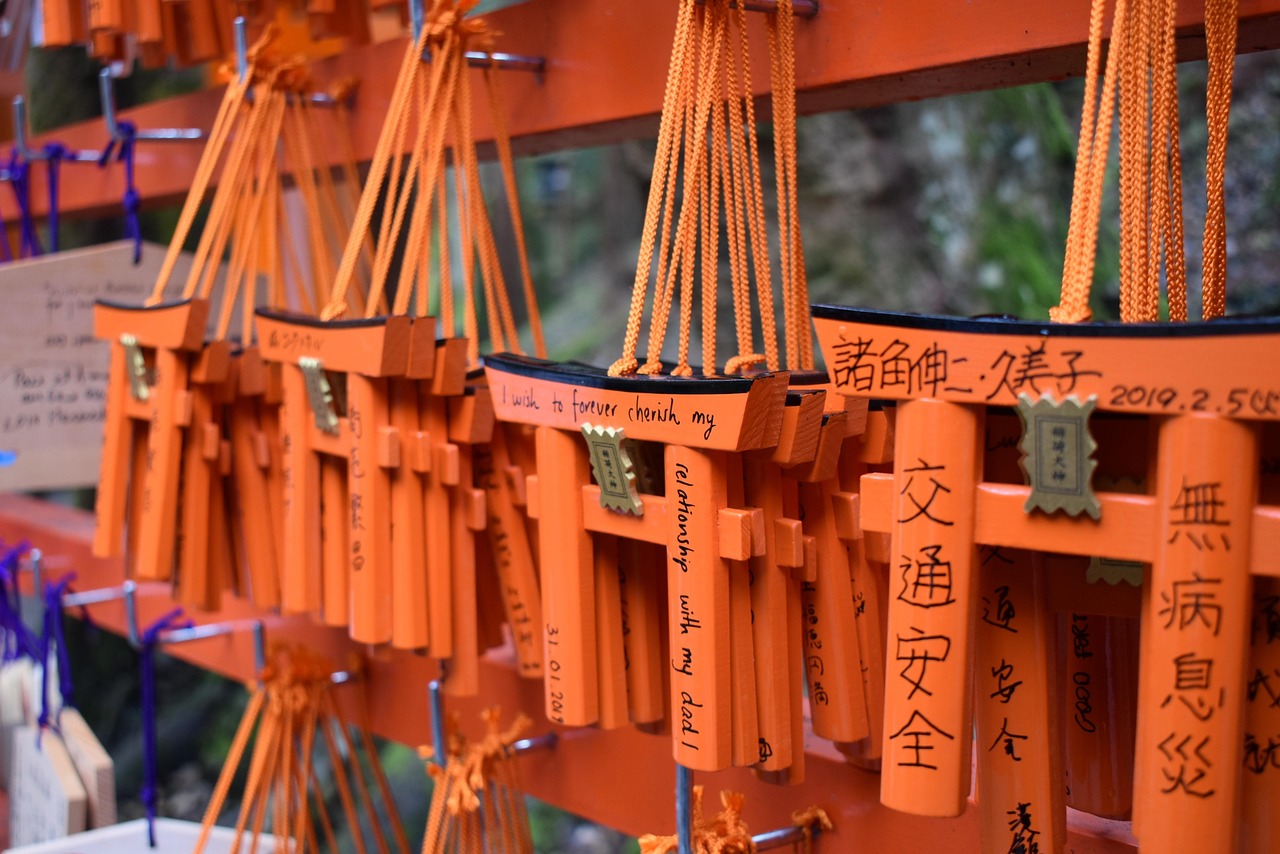
The gate tunnels here aren’t merely photogenic. They’re offerings—physical symbols of gratitude and hope—so the walk naturally asks for a slower pace. If you allow yourself to move with care, you’ll notice the sound of your footsteps, the cool shade on your shoulders, and the way the colour of the gates changes as daylight strengthens.
Dawn calm at Fushimi Inari for crafted solitude (aim to arrive early in the morning)
One traveller told us they left their hotel while the streets were still dim and arrived early in the morning, expecting only a quick photo. Instead, they found peaceful solitude on the first rise beneath the gates—no queues, no chatter, just the soft rhythm of breathing and the scent of cedar. As they climbed, the city noise dropped away, and the path felt like a private corridor through the hillside.
That is the quiet luxury of Fushimi Inari Shrine: not exclusivity in the formal sense, but a feeling that the shrine has made room for you. When you pause at a small altar or step aside to let someone pass, there’s a sense of trust—an understanding that everyone is borrowing the same sacred space, together.
How long to allow, and which parts of the shrine walk feel most atmospheric
You can experience the lower section in 45–60 minutes, but two to three hours allows a more seamless flow: a steady ascent, moments to rest, and enough time to uncover quieter stretches where the gates thin and the forest becomes the main presence. Many visitors rush to the first photogenic tunnel and turn back; if your energy allows, continue beyond the initial crowds and you’ll often find your own pace.
For a high-end rhythm, consider this approach: walk up to a viewpoint, pause for water, then decide whether to continue. The crafted choice is not “how far can we go?” but “what do we want to feel?” If you’re travelling with family, you can split gently—one person continues to a higher loop while others enjoy a slower circuit near the main shrine structures.
Wear comfortable shoes with grip; the path includes steps and can be damp. A light layer is helpful in spring and autumn, when the air can be cool even on bright days.
Cultural care and respect in a living shrine space
Fushimi Inari Shrine is not a museum; it’s a living shrine woven into daily life. Dress modestly, keep voices low, and be mindful of where you stop—especially near prayer areas. Small gestures matter because they protect the atmosphere for worshippers and visitors alike, and they keep the experience in Kyoto aligned with what it truly is: reverent, not performative.
If you’d like to take photographs, do so with care. Avoid blocking the path, and never chase a moment at someone else’s expense. When Kyoto feels crowded, etiquette is what turns a busy corridor into a shared space that still holds dignity.
Practical note: the Fushimi Inari Shrine grounds are free to enter, which makes it a generous start to any Kyoto trip. After your walk, stop for a simple refreshment nearby—tea, water, or something sweet—then return towards central Kyoto with that quiet clarity still in your body.
From here, Kyoto’s temple artistry awaits—golden light, timber balconies, and gardens that feel like philosophy made visible.
Kyoto temple guide: Kinkaku-ji, Kiyomizu-dera, and the best things to see in Kyoto
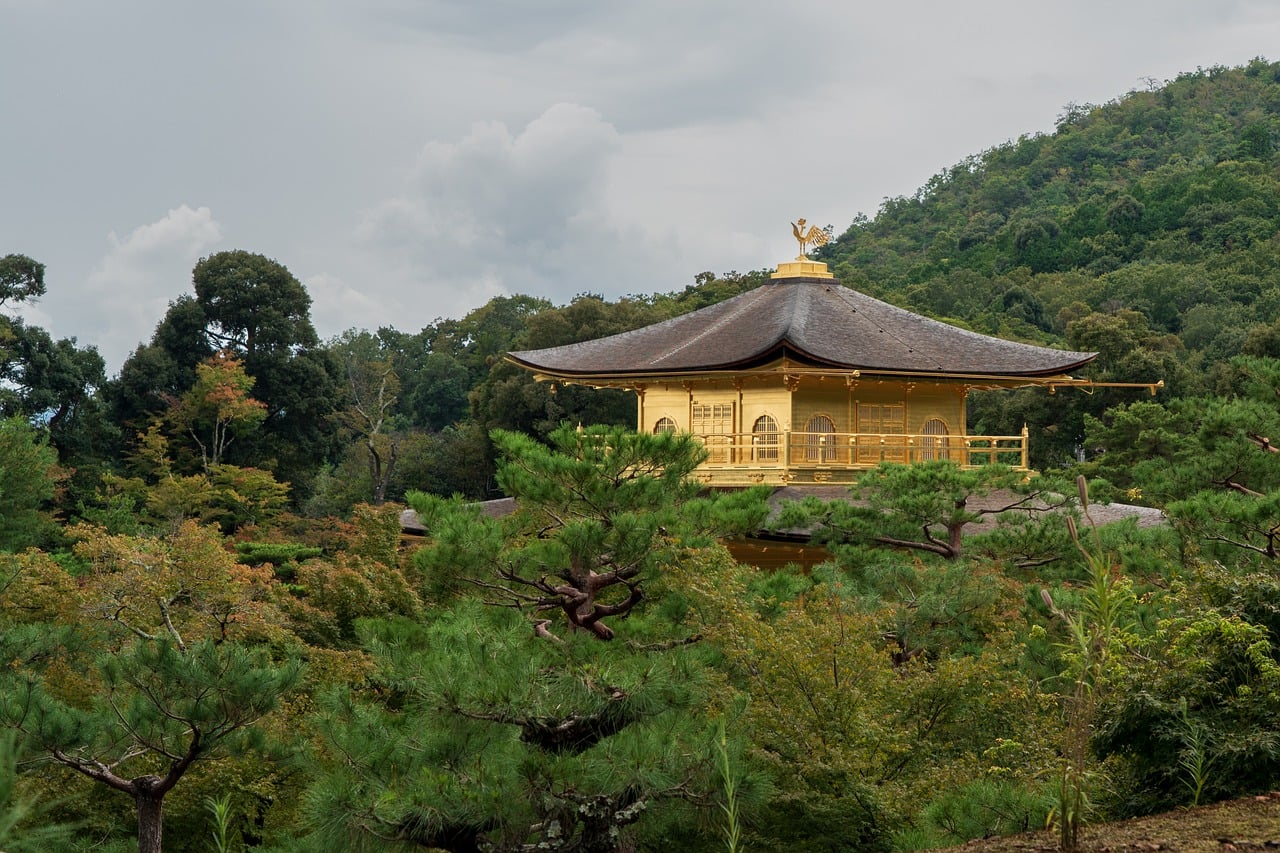
Golden light and timeless temple design in Kyoto, including Kinkaku-ji
Think of this as a Kyoto temple guide—Kinkaku-ji, Kiyomizu-dera, and the best things to see in Kyoto when you want beauty with meaning, not just a photograph. Kyoto’s temples in japan are celebrated for a reason: proportion, restraint, and a deep conversation between architecture and landscape. Yet even in the most famous temple grounds, the difference between “busy” and “transcendent” is often timing, pacing, and where you choose to stand.
Today’s two anchors—Kinkaku-ji and Kiyomizu-dera—are unmistakably iconic. The goal isn’t to avoid that fame; it’s to experience it with confidence, supported by thoughtful planning that keeps your visit in Kyoto calm. If you’re building a short list of temples in kyoto, these two temple stops are a strong foundation.
Kinkaku-ji: a must-see place in Japan for golden reflections and temple artistry
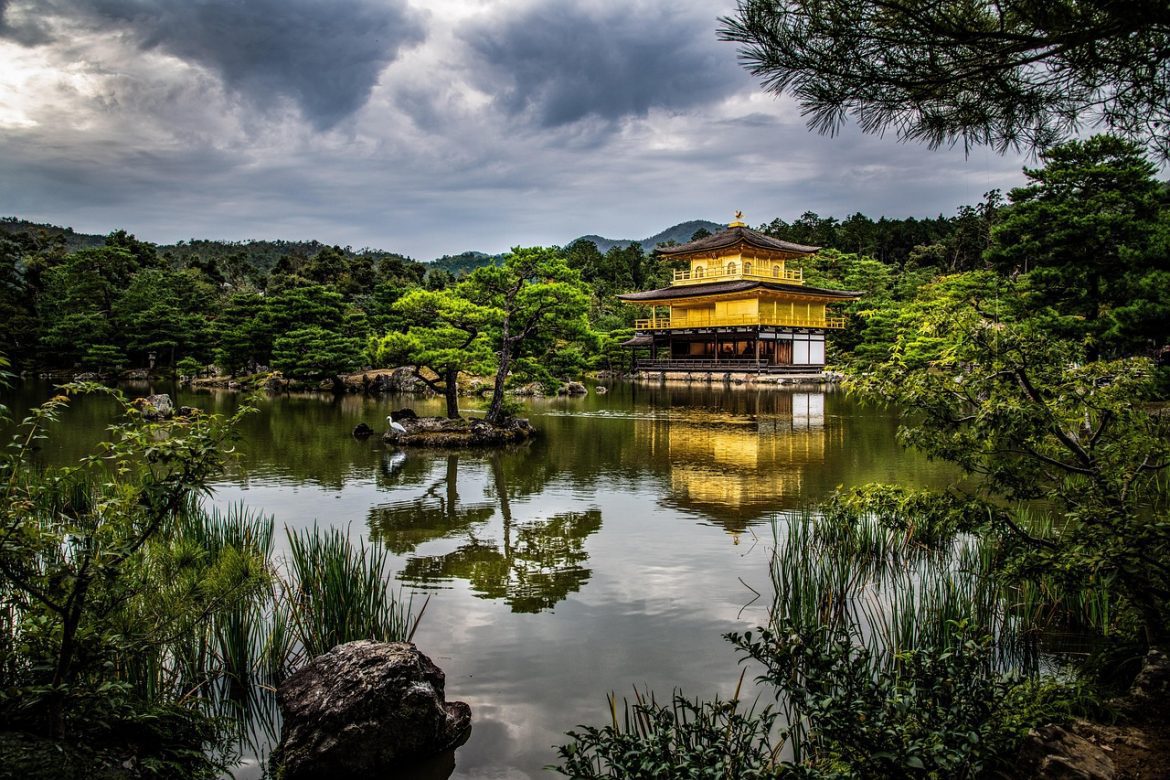
Kinkaku-ji, the Golden Pavilion, is a place in japan that can feel almost unreal when the light is kind. A high-end visitor once described arriving as the afternoon softened in autumn, and watching the golden reflection settle into the pond like a painting being finished in real time. The pavilion didn’t just gleam; it seemed to hold the landscape together—pine, water, and sky stitched into one quiet composition.
To protect that kind of moment, choose either early morning or later in the day when day-trippers thin. Take photographs, yes, but also give yourself a few minutes of stillness. Notice how the temple grounds guide your eye, how the temple path reveals and conceals, and how the temple garden is designed to slow you down.
Budget clarity helps: Kinkaku-ji admission is around 400 yen. Carry cash for the ticket, a small charm, or a modest offering—those small rituals can make the temple experience feel more personal.
Kiyomizu-dera: panoramic Kyoto city views, hillside temple architecture, and seasonal mood
Kiyomizu-dera offers a different kind of wonder: a timber stage extending over the hillside, with expansive views across Kyoto city. If Kinkaku-ji is about reflection, Kiyomizu-dera is about perspective—seeing the city of Kyoto as a layered landscape of rooftops, trees, and distant hills.
Arrive early if you can, or choose late afternoon for softer light. In spring, blossoms bring a delicate brightness; in autumn, the surrounding foliage becomes a warm frame around the temple’s dark wood. Inside any temple space, keep voices low, avoid phone calls, and move mindfully; the atmosphere of care is part of what makes Kyoto feel quietly powerful.
If you’re travelling with a private guide, ask them to design your route through the temple complex so you catch key viewpoints without backtracking. It’s a small detail, but it keeps the flow seamless—especially when crowds are building.
- Best photographs: at Kinkaku-ji, compose the pavilion with its reflection; at Kiyomizu-dera, include the stage rail and the city beyond.
- Calm timing: early or late visits help you experience even popular temple sites with more grace.
- Cash essentials: tickets, charms, and small kiosks are easier with yen in your pocket.
More temples in Kyoto: how to add one extra temple stop without overwhelming your itinerary
If you have room to add one more temple experience, choose based on what you want to feel rather than what you “should” do. For gardens, look for temple grounds known for raked gravel or mossy stillness. For architecture, choose a temple with strong timber lines and controlled views. For contemplation, pick a smaller temple where you can sit quietly without constant movement around you.
Kyoto is complete without: rushing from temple to temple. The most lasting impressions often come from the temple you didn’t plan to love. Next, we’ll shift from temple calm to evening elegance—Gion at dusk, where tradition is still in motion.
Gion Kyoto: geisha culture, tea ceremonies, kaiseki dining, and a thing to do in Kyoto at dusk
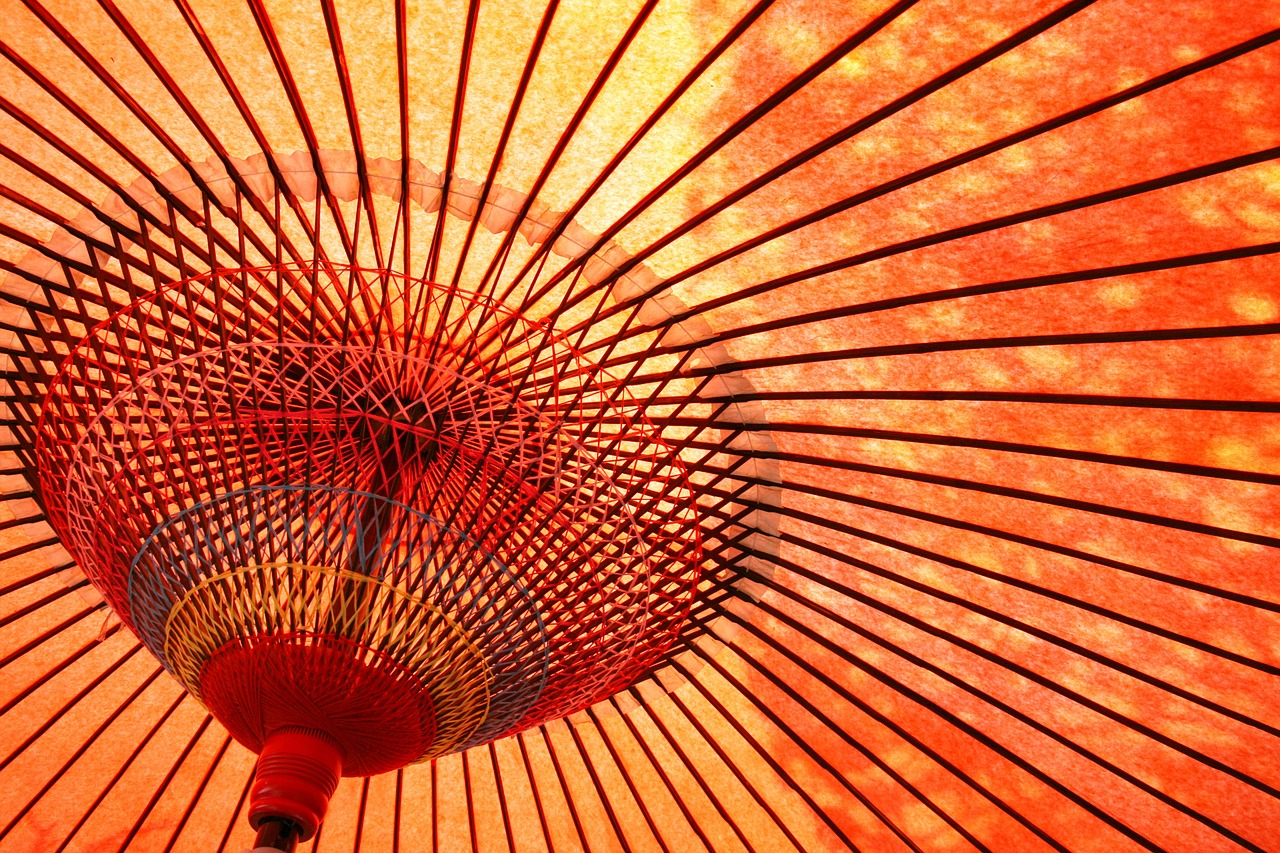
Gion at dusk in Kyoto: geisha culture, tea ceremonies, and kaiseki dining
Gion belongs on a Kyoto bucket list because it’s an evening of atmosphere, artistry, and quiet rules that reward respectful travellers. Gion is traditional kyoto in motion—narrow lanes, wooden façades, and the soft glow of lanterns that makes even a short walk feel cinematic. For many visitors, it’s one of the best things to do after a temple-heavy day, because the pace naturally slows.
The key is to keep your experience intimate rather than performative. Stroll at dusk with care, allowing the streets to reveal themselves slowly. You’re not “hunting” for geisha; you’re entering a neighbourhood where cultural work continues, and your role is to observe with respect—quietly, and without interrupting.
Tea ceremonies in Gion: a matcha ritual and one of the most unique Kyoto experiences
One traveller shared a memory of matcha tea in a hidden teahouse: a simple doorway, hushed rooms, and hosts whose gracious calm made time feel suspended. They described the soft sound of the kettle, the warmth of the bowl, and the way the ritual settled their thoughts after a busy day of Kyoto attractions. For them, it wasn’t just a tasting—it was a doorway into an older rhythm of attention and care, and one of the most unique cultural pauses in the city.
Tea ceremonies vary from short demonstrations to deeper, more formal experiences in Kyoto. For high-end travellers, pre-booking matters: it ensures the setting is refined, the group is small, and the pacing is crafted. Your host will guide you through the gestures—how to receive the bowl, how to turn it, how to drink—so you can relax into the ritual with confidence.
Kaiseki dining: it’s one of the best things for design-led flavour in Kyoto
Kaiseki is one of the best things you can do for your senses in Kyoto—it’s one of the best ways to taste seasonality with intention. Think of it as edible restraint: a sequence of courses that balances texture, temperature, colour, and calm. In autumn, you might find chestnut, mushroom, persimmon; in spring, bamboo shoots and delicate greens, all presented with the same careful design you notice in a temple garden.
For a seamless evening, pre-book well ahead—especially if you want a private room in a refined teahouse-style restaurant. Let the restaurant know about dietary needs early; many can accommodate, but it requires planning. Arrive on time, keep conversation soft, and allow the meal to unfold without rushing.
If you’d like a local counterpoint earlier in the day, pair your Gion evening with Nishiki Market. Nishiki Market is a textured, aromatic corridor—tea, pickles, sweets, ceramics—perfect for artisan shopping and small tastings. Go mid-morning for the widest choice, and treat it as a gentle food stroll rather than a full meal, so you still have appetite for kaiseki later.
For travellers who enjoy contemporary Japan alongside heritage, the Kyoto International Manga Museum offers a different kind of cultural insight—playful, creative, and unexpectedly soothing if you need a break from temple schedules. It’s an easy add-on between shopping streets and your next shrine or temple stop.
After Gion, your Kyoto trip can broaden into nature and imperial history—still close, still comfortable, and designed to feel personal.
Arashiyama bamboo grove: bamboo forest walks, a gentle day trip from Kyoto, and places to visit in Kyoto
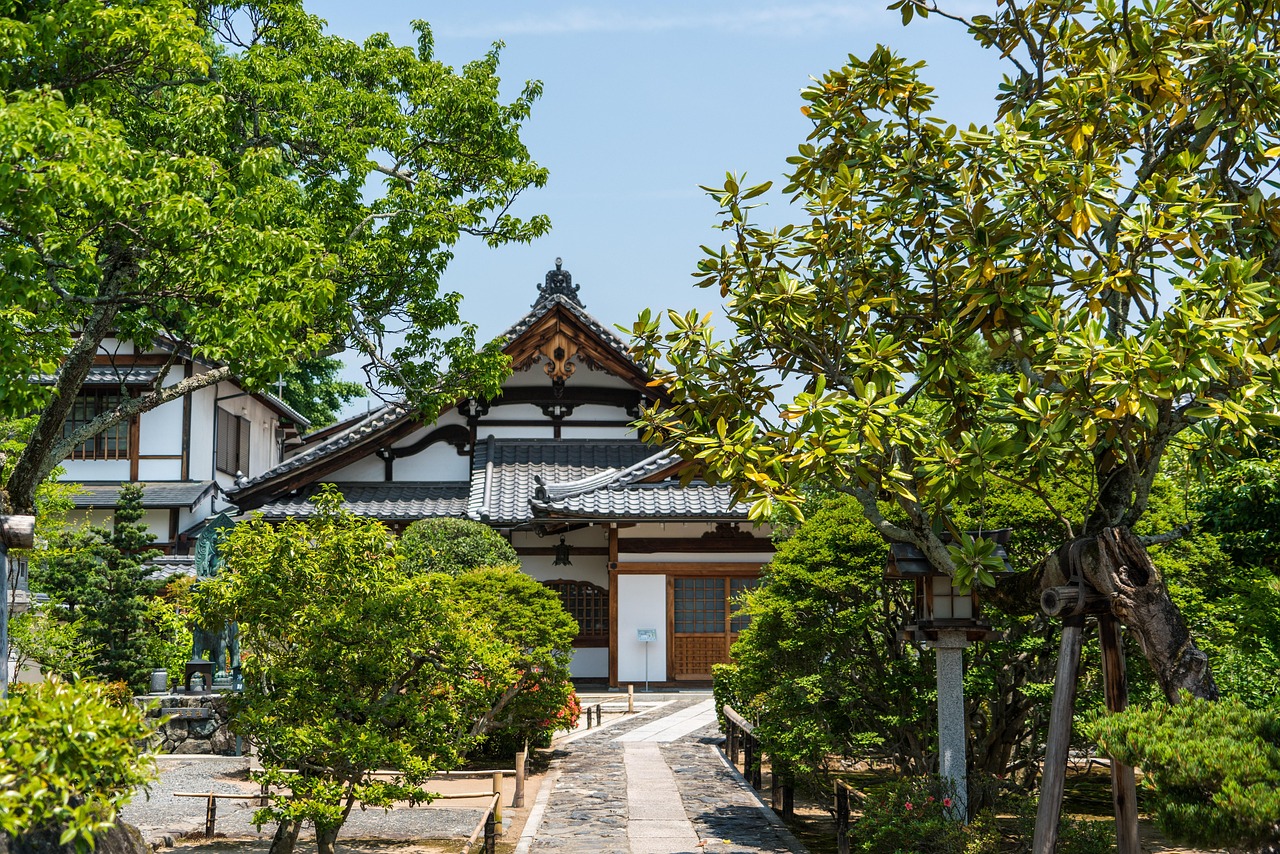
Arashiyama bamboo grove in Kyoto: a calm morning and day trips around Kyoto
Arashiyama bamboo grove is often searched as a single idea, but it’s best enjoyed as a balanced morning: bamboo first, then something grounding—river air, a temple pause, or a quiet garden. The grove is famous, yes, yet it can still feel quietly cinematic if you choose softer light and avoid the busiest mid-morning rush. For many travellers, this is a restorative thing to do in kyoto that resets the senses.
Arrive at first light or later in the afternoon to let the bamboo forest breathe. When the light is slanted, the stalks seem taller, the shadows more delicate, and the sound of footsteps softer. Even a short walk can reset your sense of pace—Kyoto has a way of doing that, especially when you step into green shade.
Arashiyama bamboo: pair the Arashiyama bamboo grove with one temple for a calmer morning
To keep the experience unhurried, pair Arashiyama bamboo with one nearby stop rather than trying to “do everything”. A short riverside walk is an elegant way to transition back to city life, and a temple visit adds structure and stillness to the morning. If you’re travelling as a couple, this is a lovely place to slow down together; if you’re with family, it offers space for different walking speeds without anyone feeling left behind.
As always in Kyoto, temple etiquette stays simple: quieter voices, mindful movement, and a sense of shared space. The reward is subtle—less about a single attraction in kyoto, more about the feeling you carry out through the gate.
Imperial Palace grounds: the imperial palace and visiting the Kyoto Imperial Palace with the right expectations
For a contrasting mood, add the Imperial Palace grounds to your Kyoto plan. The imperial palace area offers broad, calm walking routes and a different sense of scale—more open, more formal, and quietly dignified. If you’re able, visit the Kyoto Imperial Palace (mentioned here once for clarity): security and opening times can shape access, so check current details and keep expectations flexible.
The grounds are excellent for a mid-day reset when temple and shopping streets start to blur together. It’s also a good option if someone in your group wants less stair climbing and more level walking, without losing that feeling of historical depth.
Luxury day trip planning around Kyoto: choose one day trip from Kyoto, then come back to Kyoto rested
If you want a day trip, choose one that preserves comfort and mood. A private car offers the most seamless experience, especially if you’re moving between multiple stops or travelling with luggage. Trains are efficient and can feel beautifully simple, but they require a bit more coordination at stations and on platforms.
One classic day trip from kyoto focuses on heritage towns and calm landscapes; an alternative trip from kyoto might prioritise coastal air or a slower countryside lunch. If you’re connecting onward to Tokyo again, you can even plan the return timing to avoid commuter surges. Whichever you choose, a curated guide can add expert context without turning the day into a lecture—just the right insight at the right time.
The guiding principle is “less is more”: one or two meaningful stops, one outstanding meal, and enough breathing space to enjoy the journey itself. That way, you arrive back to Kyoto with energy for another temple, another shrine, or simply an unplanned evening walk.
- Best light for bamboo: early morning or late afternoon for softer tones and fewer crowds.
- Choose one pairing: bamboo forest plus a temple or riverside walk keeps the morning crafted.
- Comfort first: private car for ease, trains for simplicity—either works when you design the timing well.
As your trip to kyoto unfolds, you’ll notice how quickly the city teaches you to choose: to leave one more stop for another season, to protect your energy, and to keep the experience personal. And then, almost without warning, it’s time to go—and what remains is something quieter than any checklist.
Kyoto reflections: a personal journey through places to see in Kyoto
Kyoto reflections sound like an ending, but it’s more like the beginning of how Kyoto stays with you. Long after you’ve left the temple gates and shrine paths behind, you might remember small details more clearly than the landmarks: the sound of gravel underfoot, the hush of a corridor, the way light slid across lacquered wood as a door closed gently. Kyoto has a talent for turning ordinary moments into something you carry.
Some travellers remember the climb at Fushimi Inari, not for the height, but for the sense of being held by the mountain—each step under the torii gates a soft repetition that quietened the mind. Others remember Kinkaku-ji’s golden shimmer as if it were a private exhibition, nature and art aligned for a minute that felt perfectly composed. And for many, it’s Gion: the warmth of a shared bowl of tea, the careful gestures, the feeling of being looked after without fuss.
What lingers most, perhaps, is the local hospitality—the steady, unshowy trust you encounter when you follow small rules with sincerity. Someone shows you where to place your shoes at a temple entrance. A host guides your hands through a tea gesture with care. A taxi driver waits as you gather yourself outside a shrine, giving you time to breathe before you move on. It leaves you with quiet confidence, and that confidence supports you as you explore elsewhere in Japan.
Even the so-called best things and places to see are only a beginning. Kyoto changes by season and by mood: cherry blossom season brings brightness and gentleness; autumn adds depth and fire; winter pares the city back to clean lines and steam rising from cups. You may find yourself imagining back to kyoto in another month, another light, with a softer plan and a deeper patience.
Kyoto is complete without haste. The longer you notice, the more you discover—beauty not as a performance, but as a practice. And once you’ve learnt that way of seeing, it has a quiet way of following you home, asking only that you keep looking for unique things in the everyday.
F.A.Qs: must-see places in Kyoto Japan and planning for your first visit
What are the top 5 things to see in Kyoto on a first visit?
For many travellers, the top five are Fushimi Inari Shrine, Kinkaku-ji (the Golden Pavilion), Kiyomizu-dera, a dusk stroll through Gion, and the Arashiyama bamboo grove. Together they balance shrine atmosphere, temple artistry, panoramic views, traditional culture, and nature—especially when you time visits early or late for a calmer feel.
What not to miss in Kyoto if you want the best things without rushing?
Don’t miss an early start at Fushimi Inari, a standout temple moment at Kinkaku-ji or Kiyomizu-dera, and an evening in Gion that includes either tea ceremonies or kaiseki dining. Also, build in one slower pocket of time—an unhurried walk, a garden pause, or a riverside stroll—so Kyoto feels spacious rather than rushed.
What is the most visited place in Kyoto, and how do you see it calmly?
Fushimi Inari is widely considered one of the most visited Kyoto sites, and its torii gates are among the city’s most recognisable images. The good news is it can still feel serene: arrive early in the morning, walk beyond the first gate tunnels, and you’ll often find quieter stretches of forest path.
What is a must try in Kyoto beyond temples and shrines?
A must try in Kyoto is kaiseki: a multi-course meal built around seasonality, craft, and balance. If you prefer something simpler but equally meaningful, try a formal matcha experience in Gion. Both offer a sense of Kyoto’s design-led calm—where flavour, gesture, and atmosphere are treated with the same care.