Post Contents
- Ho Chi Minh City Travel Guide – a luxury-first arrival for attractions in Saigon Vietnam
- Things to Do in Saigon: Ho Chi Minh City District 1 city tour of top attractions
- Ben Thanh Market – luxury shopping, tailoring, and best things to buy in Saigon, Vietnam
- War Remnants Museum, Museum of Fine Arts & Tao Dan Park – Vietnamese culture and reflection in Ho Chi Minh City
- Cu Chi Tunnels tour, Mekong Delta day trip & Saigon River dinner cruise – around Ho Chi Minh City
- What stayed with us after Saigon, Vietnam – personal reflections from Ho Chi Minh City
- F.A.Qs: Ho Chi Minh City and Saigon travel essentials
Ho Chi Minh City Travel Guide – a luxury-first arrival for attractions in Saigon Vietnam
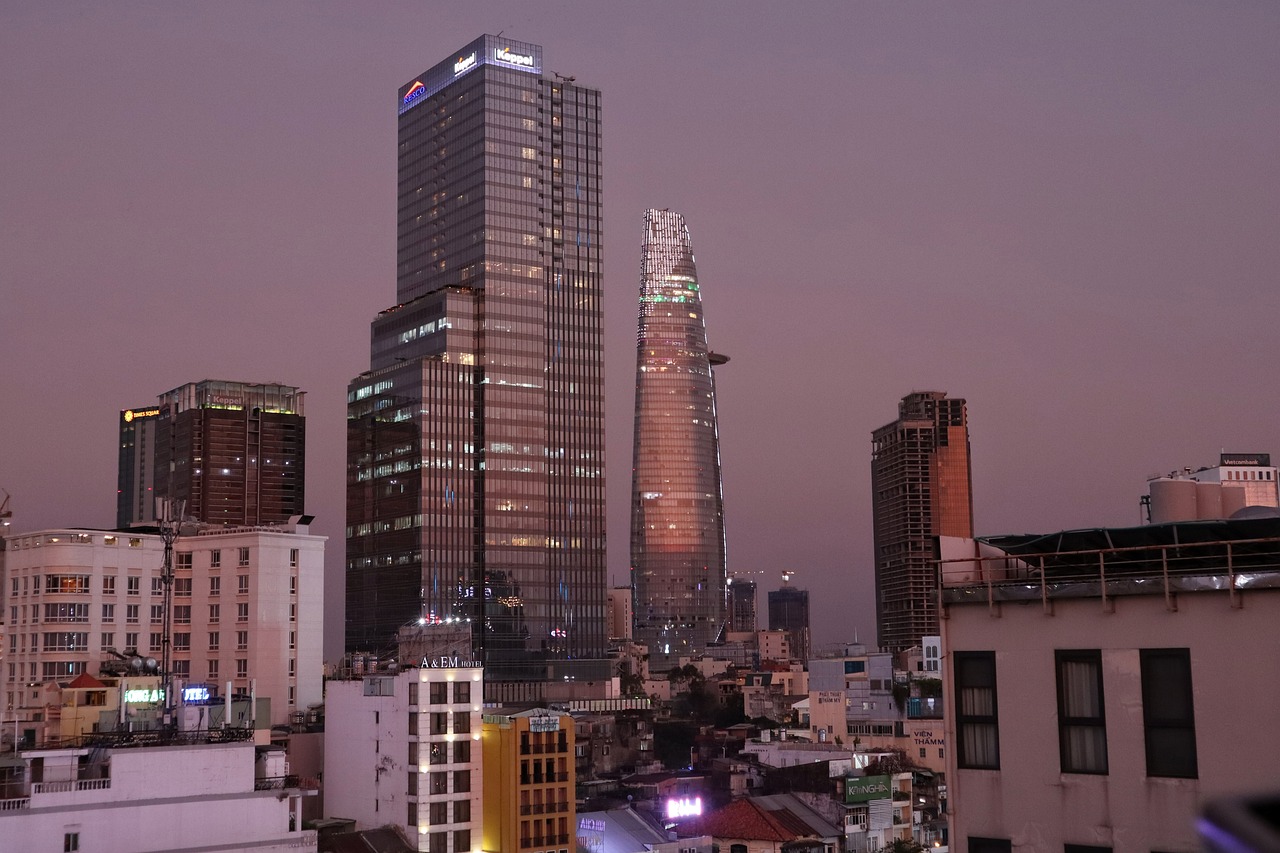
Luxury-first Ho Chi Minh City travel guide: settle into Saigon with calm comfort and skyline views
For the high-end traveller, a Ho Chi Minh City travel guide approach begins with one promise: ease. This is the largest city in Vietnam, a huge city in vietnam where the pace can feel thrilling—yet with the right design, the city is a bustling metropolis that becomes wonderfully liveable. Use this guide to shortlist attractions in saigon vietnam that match your style, from French colonial façades and incense-scented temples to Ho Chi Minh City’s new generation of chefs and artists shaping HCMC’s most compelling addresses; Chi Minh City is home to both heritage and reinvention.
If you’re looking for things to do in ho that feel private, polished, and personal, start by deciding what you want the city to give you: history with context, food with confidence, and culture without rush. We’ll help you plan a trip to Ho Chi Minh with expert support—think vetted guides, thoughtful pacing, and hotel concierge care—so you can visit Ho Chi Minh City with comfort and see the city at its best, without feeling hurried by crowds.
Neighbourhood orientation in Ho Chi Minh City – where to stay in Ho Chi Minh (District 1 and beyond)
Most first-time visitors choose District 1 as the centre for an elegant first stay. It’s where many of the buildings in ho chi minh are within a short, chauffeured radius, and where you can step from afternoon tea to the opera house without logistics getting in the way. If you want to stay in ho chi minh with a sense of address, District 1 places you near the classic icons, around district 1 landmarks, and close to the city centre—ideal for evenings that move from gallery to cocktail bar with quiet efficiency.
Beyond District 1, it’s worth knowing a few areas of the city so you can create a day that suits your mood. District 4 is a quick hop for changing perspectives and riverfront angles along the Saigon River—perfect if you love candid photography and quieter views of the city. Meanwhile, pockets of District 3 offer leafy streets and a slightly softer, local cadence that pairs beautifully with museums, boutique shopping, and Vietnamese café culture.
How to see the city: private car, Grab, and a guided motorbike ride in HCMC
In Ho Chi Minh City, transport is part of the experience, and the right choice can make every hour feel seamless. For most luxury travellers, a private car with a professional driver is the calmest way to move across the city—especially in the heat or when you’re wearing smart attire for dinner in the centre. For short hops, ride-hailing apps like Grab are convenient and generally safe in HCMC when you keep journeys point-to-point, sit in the back seat, and confirm number plates before entering.
A motorbike experience can be extraordinary when designed safely with an expert guide: helmet quality, a well-planned route, and off-peak timing make all the difference. We suggest a motorbike outing in the early evening, when the light turns honeyed and the air cools slightly, rather than midday when the sun can drain energy quickly. If you do choose two wheels, let your hotel or a trusted operator arrange it, so you feel supported from start to finish and can focus on the Vietnamese street scenes rather than navigation.
- Heat strategy: plan outdoor walks early morning and after 4pm; rest mid-afternoon in air-conditioned galleries or lounges.
- What to wear: light, breathable clothing and comfortable shoes for days exploring; pack a layer for cool indoor spaces.
- Security with grace: keep valuables close in markets and on public transport; a crossbody bag worn to the front helps without fuss.
- Dress codes: smart casual is usually ideal, with more formal looks welcomed at high-end restaurants and performances.
Best time to visit is typically December to April, when Vietnam’s southern skies are clearer and humidity is lower. As a quick time to visit snapshot: December and January feel crisp for evenings out, March is bright and lively, and April can run warmer—perfect for late dinners and rooftop views of ho chi minh with wide views of the city as the sun drops over the centre.
If you’d like inspiration for a broader trip to ho chi minh and beyond, browse our Trip gallery and imagine how Saigon can be the first chapter of a beautifully crafted Vietnam itinerary—and, when the timing is right, a reason to visit vietnam again with fresh eyes.


Things to Do in Saigon: Ho Chi Minh City District 1 city tour of top attractions
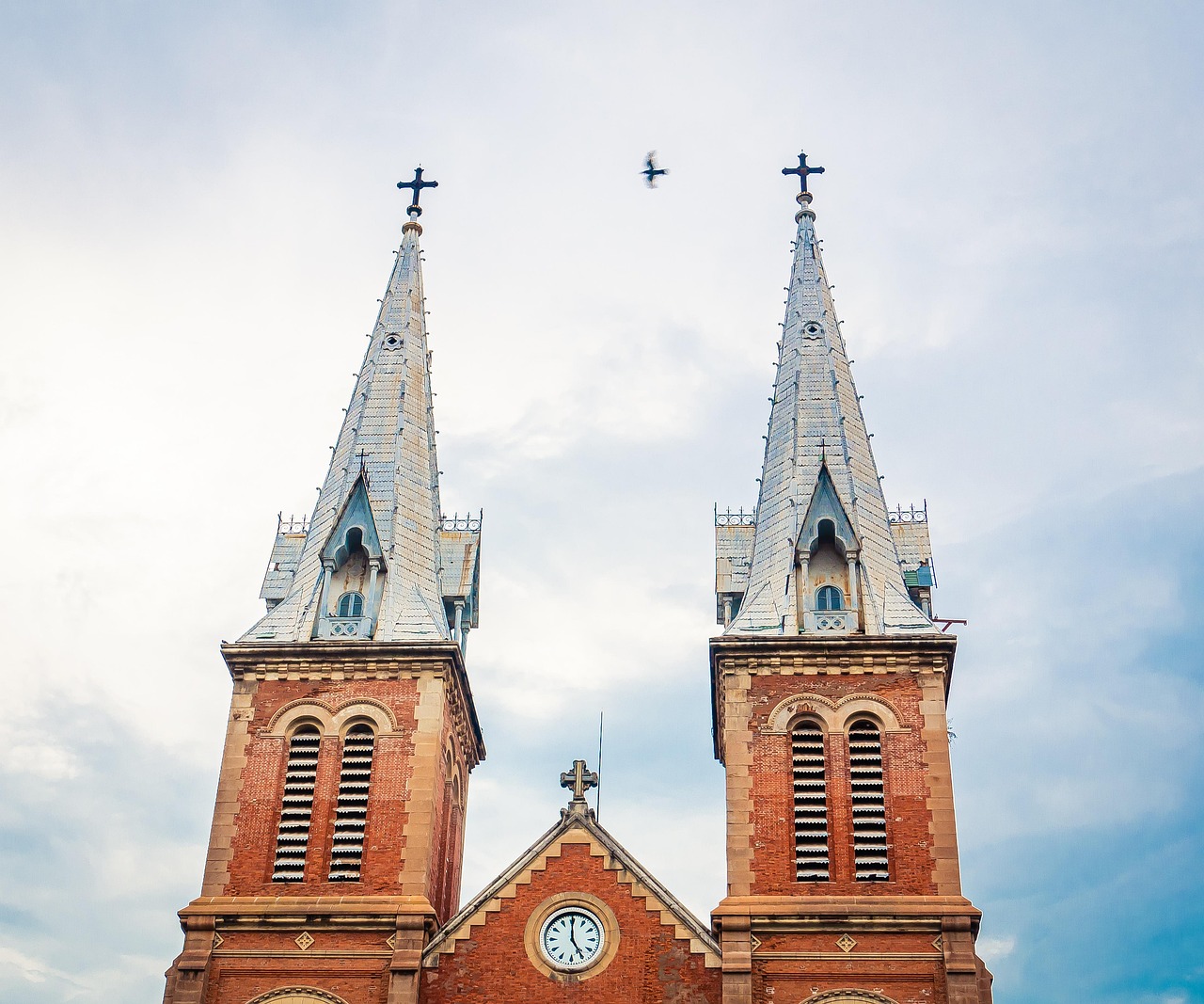
Things to do in Saigon, Vietnam: a refined District 1 route through iconic architecture and top attractions
If your wish list reads “things to do in Saigon Ho Chi Minh City District 1 top attractions”, we recommend designing a half-day city tour that feels unhurried. District 1 rewards a slower pace: details in wrought-iron balconies, the scent of Vietnamese coffee drifting from café doors, and those moments when you catch a perfect angle for photographs without a crowd pressing in. For many travellers, this is one of the best things about a first day in Ho Chi Minh City: it’s beautifully walkable between stops, yet effortless with a car on standby.
This route works beautifully with a private guide and driver, allowing you to glide from landmark to landmark without friction. You’ll see in ho chi minh the city’s classic heart, then close with a modern skyline moment—proof that Saigon’s identity is always evolving, even within the same centre.
Saigon Central Post Office – central post office highlights that are worth a visit
Begin at the Saigon Central Post Office, one of the most beloved French-era buildings and, quietly, one of the best things about starting early. The central post office interior is light-filled and grand without feeling intimidating; pause to admire the old maps and arched ceilings before the mid-morning groups arrive. It’s worth a visit for the craftsmanship alone, and a gentle way to settle into HCMC with confidence and a sense of place at the saigon central post office.
Just across the way is Notre Dame Cathedral. Depending on restoration schedules, access can change, so it’s wise to verify current openings with your concierge. Even if you only see the exterior, the view of Notre Dame Cathedral against tropical greenery is pure Saigon—old-world romance framed by scooters, street life, and Vietnamese daily rhythms.
Saigon Opera House, Independence Palace & Bitexco Financial Tower – finish on Nguyen Hue walking street
From there, continue to the Saigon Opera House, the refined cultural anchor of District 1. For high-end travellers, book seats in the central stalls or the front of the dress circle for the most balanced view; your hotel can often assist with premium tickets and the right performance choice. Venue etiquette is straightforward: smart casual works, though a more formal look never feels out of place, especially for gala evenings at the Saigon Opera House and the nearby opera house precinct.
Next, slow down at Independence Palace, a history stop that benefits from calm, curated pacing. Arrive early, ask your guide to share context softly rather than overload you with dates, and keep photography respectful in more intimate rooms. It’s a powerful way to understand the Vietnam War era’s closing chapter without losing the feeling of being present, especially if you’re balancing museums with shopping and dining in the centre.
As the afternoon warms, shift to a modern contrast at Bitexco Financial Tower. Time it for golden hour, when the city turns luminous and the glassy skyline feels almost cinematic—these are the views of ho chi minh you’ll remember long after the lift doors close, with sweeping views of the city in every direction. Choose a cocktail that feels crafted rather than rushed, and let the day exhale.
Finish by strolling Nguyen Hue Walking Street and the broader walking street atmosphere after sunset. It’s Saigon’s open-air living room: families, photographers, and fashion students moving with an easy confidence. Step into the cafe apartment at 42 Nguyen Hue (often written as the Café Apartment) for Vietnamese espresso, design-forward interiors, and a balcony seat for people-watching—an elegant ending before dinner.
Ben Thanh Market – luxury shopping, tailoring, and best things to buy in Saigon, Vietnam
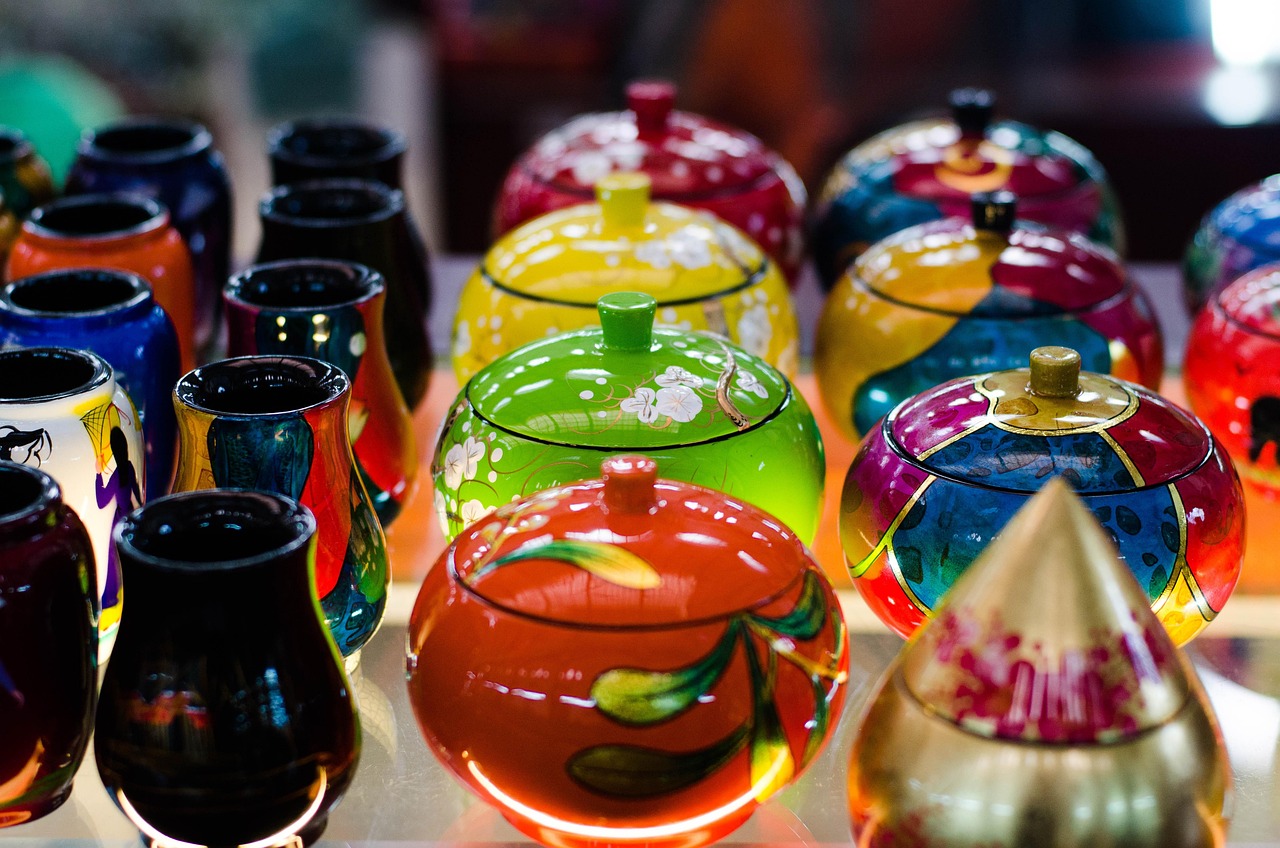
Ben Thanh Market: curated Vietnamese lacquerware, silk, and thoughtful gifts in Saigon
Ben Thanh Market luxury shopping tailor made fashion Saigon Vietnam can sound like a contradiction—until you experience it well. Think of Ben Thanh Market as more than a market: it’s an editing exercise, a place to discover Vietnamese craft at close range, and a lesson in how warmth and boundaries can co-exist. Arrive in the morning to avoid the thickest crowds, and you’ll find the atmosphere brighter, calmer, and easier to navigate with care in the centre.
Keep your belongings secure without losing the joy: a zipped crossbody worn to the front, phone away between purchases, and cash separated into smaller amounts helps you relax. A trusted guide can also smooth introductions, translating politely and helping you negotiate with confidence—especially helpful if you’re shopping as part of a short trip to Saigon with limited time.
Crafted purchases at Ben Thanh Market: a trust checklist for Vietnamese souvenirs
For high-end travellers, the luxury angle is in workmanship and provenance. Look for Vietnamese lacquerware with depth and clarity (not cloudy finishes), silk that feels cool and resilient, and homewares that show consistency in pattern and stitching. Ask vendors about origin and care instructions; the best sellers answer with pride, not pressure, and the most reputable stalls are happy to explain what makes an item authentic.
- Materials: check silk labels, feel for weight, and inspect seams; for lacquer, look for even layers and clean edges.
- Pricing: start with a friendly counter-offer and keep your tone warm; walk away if figures jump erratically.
- Finishing: examine corners, clasps, and stitching—quality reveals itself in the quiet details.
- Packaging: for gifts, ask for protective wrapping; reputable stalls will accommodate carefully.
A luxury traveller once recounted a serendipitous encounter here with a master tailor—an unassuming conversation that turned into a fitting in a quiet back area, with fabric samples laid out like art. The final bespoke suit was immaculate: shoulders set perfectly, a subtle Vietnamese lining pattern, and designer-level detailing that made it feel personal rather than performative.
Gourmet street food near the market and where to eat in Ho Chi Minh
Street food is part of Saigon’s identity, and you can sample it with trust when you use a few hygiene cues: busy stalls with high turnover, gloves or tongs in use, and hot items served straight from the pan. Choose bottled water, be cautious with ice if you have a sensitive stomach, and keep your tasting portioned so you can enjoy the day comfortably—this is one of the best things about Vietnamese dining: small bites, big flavour, and endless variety.
Inside and nearby, try a crisp banh mi with pâté and herbs, a fragrant noodle soup, or classic pho in ho chi minh when you want something soothing in the heat. If you’d like a more curated approach, ask your hotel to arrange a private food tour that balances iconic flavours with clean, well-regarded addresses. For a simple north-star when you want to eat in ho chi minh, pick one standout meal near the market—then leave space for spontaneous stops when you uncover something irresistible among the many places to eat.
Mini-itinerary add-on: pair Ben Thanh Market with a relaxed lunch in the centre, then a short return to your hotel for a pause before evening plans. It keeps the day seamless, and prevents the market energy from becoming tiring rather than exciting.
War Remnants Museum, Museum of Fine Arts & Tao Dan Park – Vietnamese culture and reflection in Ho Chi Minh City
Ho Chi Minh City museums and Tao Dan Park: reflective galleries, shaded paths, and calm resets in Saigon
For travellers seeking depth, “War Remnants Museum Museum of Fine Arts Tao Dan Park Ho Chi Minh City” is a powerful trio—history, creativity, then a quiet reset. In Ho Chi Minh City, these experiences can be emotionally rich, and the key is to design your day so you have space to feel, reflect, and breathe. Saigon offers extraordinary Vietnamese insight when you move through it with gentleness and a well-paced plan.
Plan this day for a weekday morning if you can, when galleries are calmer and the park feels more local. A private guide adds context and protects you from information overload, helping you understand Vietnam’s layers without feeling overwhelmed—especially if you’re balancing culture with rooftop cocktails and shopping later in the centre.
War Remnants Museum: Vietnam War history with care and context
The War Remnants Museum is one of the most affecting attractions in ho chi minh, and it deserves a thoughtful approach. Some exhibits are confronting, especially for those unfamiliar with the Vietnam War’s lived realities; it can help to set an intention beforehand, and to schedule a quiet lunch afterwards rather than jumping straight into shopping. If you’re travelling as a couple or family, check in with each other as you move through the rooms.
An expert guide can be invaluable here, not to rush you, but to offer grounded explanation and answer sensitive questions. Many travellers find it helpful to visit earlier in the day, when you’re fresher and can step out into daylight afterwards to recalibrate in Saigon’s softer side streets.
Museum of Fine Arts, Ho Chi Minh City Museum and Tao Dan Park – art, heritage, and calm
To counterbalance the intensity, the museum of fine arts (also referred to as the City Museum of Fine Arts) brings you back to beauty—light in stairwells, carved balustrades, and galleries that invite quiet observation. Prioritise a few rooms rather than everything: lacquer paintings, contemporary pieces with Vietnamese motifs, and the building’s architectural details that feel like a story in themselves. If you hear locals mention the minh city museum of fine, they’re often referring to this same beloved space, the museum of fine arts in the heart of Ho Chi Minh City.
If you want broader cultural layers beyond wartime narratives, consider the Ho Chi Minh City Museum or the History Museum of Ho for older histories and artefacts. These museums help you understand Saigon not as a single era, but as centuries of trade, belief, artistry, and change—Vietnam in long form, carefully told.
Then, step into Tao Dan Park for a serene retreat amid the city’s bustling streets. Come early morning for shaded paths, tai chi, and birdsong; on weekends you may stumble upon small markets, local art installations, and gentle community performances. An art enthusiast once described finding inspiration in the park’s quiet corners—sketchbook open, chatting with local artists, and watching an impromptu dance rehearsal unfold as if it had been arranged just for them. In Ho Chi Minh City’s bright intensity, Tao Dan is a great place to soften the edges and feel cared for.
Cu Chi Tunnels tour, Mekong Delta day trip & Saigon River dinner cruise – around Ho Chi Minh City

Day trips from Saigon: Cu Chi Tunnels, the Mekong Delta, and a Saigon River dinner cruise with comfort
When travellers search “Cu Chi Tunnels tour Mekong Delta day trip Saigon River dinner cruise”, what they’re really asking is how to explore around ho chi minh city without sacrificing comfort. The answer is design: early starts, reputable operators, and a pace that prioritises your wellbeing. Saigon rewards you when you trust logistics to experts and keep your own attention free for the experience itself—especially on long day trip routes outside the centre.
With the right planning, you can move from history to landscape to night-time romance in a single day, or spread it across two days for a calmer rhythm. Either way, your guide should feel like quiet support—present when needed, invisible when you simply want to look out of the window and daydream about what comes next in Vietnam.
Cu Chi Tunnels day trip: what to expect on a Cu Chi Tunnels tour
The Cu Chi Tunnels are a signature day trip, and they deserve careful handling. Choose reputable tour operators, ideally small-group or private options, so you can ask questions and move at your own pace; if you want the most seamless experience, request a cu chi tunnels tour that includes door-to-door transfers from District 1. Safety matters: confirm which tunnel sections are open, what crawling is optional, and whether you can opt out of tighter spaces while still learning fully.
A traveller once shared their unforgettable moment descending into the Cu Chi Tunnels, feeling the weight of history and resilience first-hand after years of war. Their voice softened as they described the temperature shift underground, the narrowness, and the sudden appreciation for the people who lived and organised there. It wasn’t thrill-seeking; it was respectful witnessing, supported by a guide who kept the tone calm and grounded.
Practical note: wear light clothing you don’t mind getting dusty, and bring water. If you’re sensitive to heat, ask for an early departure and a private car with strong air-conditioning for the return to HCMC.
Mekong Delta by design, plus Saigon River nights in the city centre
The Mekong Delta offers a contrasting day trip: softer horizons, water palms, and the rhythm of river life. To avoid crowds, leave early, choose routes that favour smaller canals, and prioritise comfort—shade, clean stops, and time for conversation rather than rushing through souvenir points. A well-designed Mekong Delta day can still feel authentic and local, especially when you stop at a family-run workshop or share seasonal fruit with a host who enjoys telling stories about Vietnamese life beyond the city.
Back in Saigon, evening luxury can be as simple as letting the city come to you. A private dinner cruise along the Saigon River is one of the best things to do in ho when you want romance without effort: fine dining, live traditional music, and a skyline that glitters just enough. One couple celebrated their anniversary this way, describing the evening as the perfect blend of culture, exquisite local cuisine, and quiet togetherness—no rushing, no noise, just a crafted celebration that felt uniquely theirs.
- Evening energy choices: choose Nguyen Hue for a relaxed stroll, or, if you’re curious, sample Bui Vien Walking Street briefly and leave on your own terms.
- Door-to-door ease: ask your hotel to arrange pick-up and return so your night ends as smoothly as it began.
- Food comfort: if you’ve had a big day trip, opt for lighter courses and savour the view rather than over-ordering.
Nightfall in Ho Chi Minh City can be whatever you need it to be—quiet, celebratory, or somewhere in between—so long as it’s designed around your comfort and confidence in the centre.
What stayed with us after Saigon, Vietnam – personal reflections from Ho Chi Minh City
What stayed with us after Saigon was less about ticking off top things, and more about atmosphere: softened light on colonial façades, the hum that runs across the city, and the feeling that someone had gently thought ahead for us. Ho Chi Minh City can be intense, but when you’re well looked after, the intensity becomes texture—something you notice, rather than something that drains you. It’s also why so many travellers list Ho Chi Minh City among the top attractions of Vietnam: not just for sights, but for the feeling of being immersed.
One late morning, we slipped into a traditional coffee tasting arranged by a local host. There was no performance to it—just a low table, small cups, and the patient ritual of brewing. Locals welcomed an explorer with easy smiles, weaving stories of Saigon’s evolving café culture, of old neighbourhoods changing shape, and of how Vietnamese hospitality often arrives quietly, like shade on a bright day.
In moments like that, the city’s contrasts began to make sense: restless creativity and quiet grace living side by side. We carried home a sense of connection created together through small exchanges—an attentive waiter remembering a preference, a guide pausing when a story felt heavy, a tailor pinning a sleeve with such care it felt like a kind of respect. After days exploring, those details mattered as much as the landmarks.
Perhaps that is the gift of a trip to saigon when it’s designed with trust: you return not with a checklist, but with a new sensitivity to detail—how a place can hold both history and hope, noise and tenderness, all at once. And sometimes, on an ordinary afternoon elsewhere, you’ll catch the scent of coffee or the glint of evening light and find yourself wondering what else you might uncover, next time you visit Vietnam.
F.A.Qs: Ho Chi Minh City and Saigon travel essentials
What is Saigon best known for?
Saigon is best known for its high-energy street life, French colonial architecture, and an extraordinary food scene that ranges from refined dining to street food. Many travellers also remember its café culture, creative boutiques, and the way old and new sit side by side across Ho Chi Minh City—especially in District 1 and the wider centre.
What is the main tourist attraction in Ho Chi Minh City?
Many visitors consider the Cu Chi Tunnels and the District 1 landmarks the main tourist attractions, depending on your interests. In the city, icons like the Saigon Central Post Office, Independence Palace, and the Saigon Opera House anchor a classic first visit with history and culture.
What is Ho Chi Minh most famous for?
Ho Chi Minh City is most famous for its role in modern Vietnamese history, its dynamic economy, and its distinctive mix of heritage and modern skyline. Travellers come to experience museums such as the War Remnants Museum, shop at Ben Thanh Market, and enjoy evenings on the Saigon River—some of the best things to do in ho for a first, well-paced stay.