Best times to visit Seoul – time to visit South Korea for luxury travel planning
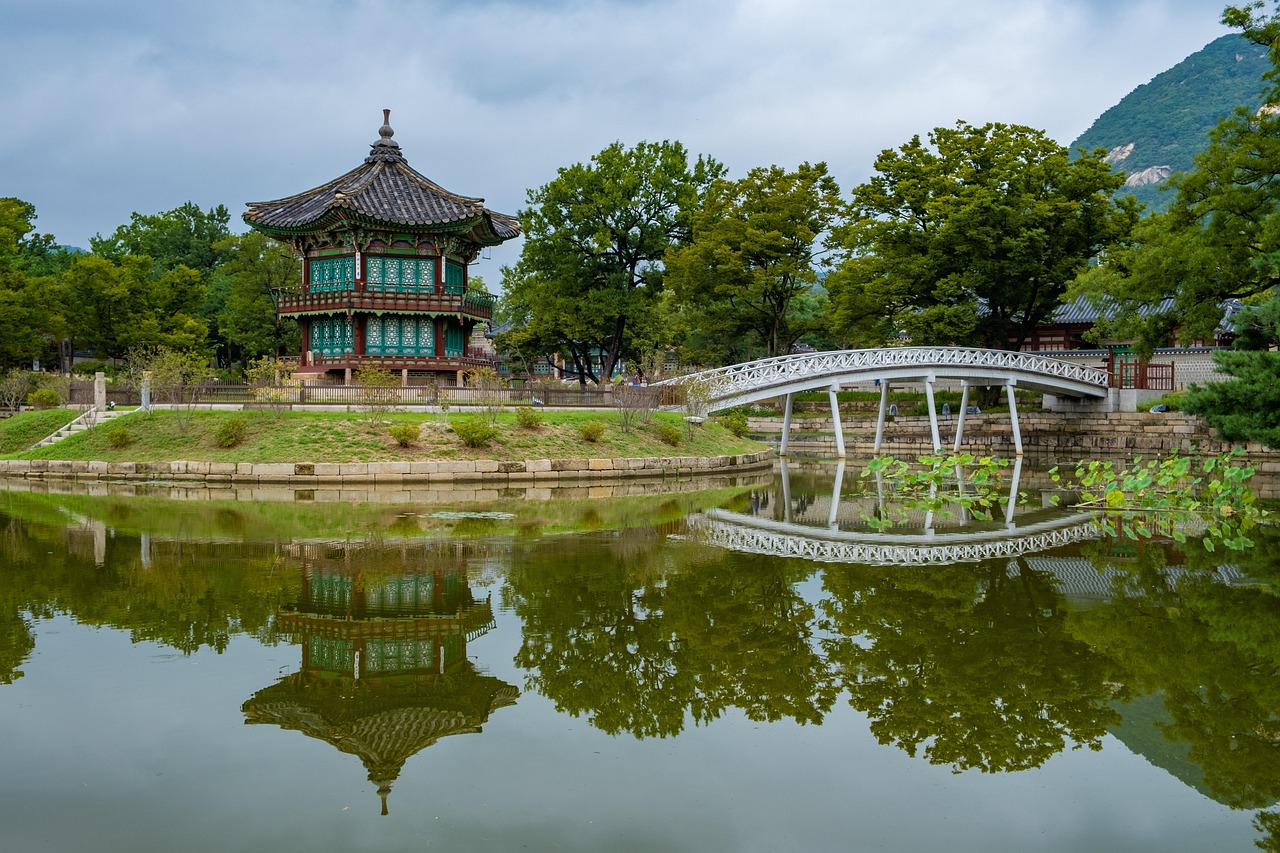
Best times to visit the capital and plan a luxury South Korea stay around palace seasonality
When you’re choosing the best months to visit Korea, the details matter: light on palace stone, the feel of the air on evening walks, and how quickly the city shifts between seasons. The best times to visit Seoul and the time to visit South Korea for luxury travel depend on what you want the days to feel like—bright and blossom-soft, crisp and golden, or quietly snowy. If you’re deciding on the year to visit South Korea, it helps that the year in South Korea has four distinct seasons, so each month of the year has a distinct personality.
If you want a confident starting point, spring and autumn are consistently among the best times: the weather is mild, you can expect sunny days, and the seasons offer balanced temperatures and low rainfall compared with peak summer. At this time of year, visiting is easiest with luxury pacing—long lunches, museums, and outdoor beauty without feeling rushed. For many travellers, these shoulder weeks are also the best time of year to combine city style with nature in a way that feels effortless.
Times to visit by region: the capital, Busan and Jeju coastlines
Visit times may change once you step beyond the capital. Inland areas feel cooler at night, while Busan and Jeju stay gentler, especially in spring; the coastal air also makes seaside itineraries feel more relaxed. In winter, the northern and mountainous regions shift sooner, and snowfall can become part of the trip’s atmosphere—ideal if you want spa time paired with a mountain escape.
Think of your route as a curated contrast: explore palaces and design-led neighbourhoods, then drift toward the water when you want space and salt air on the beach. This is where private transfers, multilingual guides, and hotel concierge support quietly elevate every transition, especially when you’re balancing city dinners with slow nature stops in Busan and Jeju.
Popular times to visit: how to avoid crowds and keep calm
A popular time brings energy and spectacle, but it can also bring queues and crowded photo spots. If you’re aiming for crafted calm, consider travelling just before the start of the month, when peak blooms are forecast, or choosing weekdays over weekends during peak times. With smart timing—and by selecting the right part of the month—you can still see the headline scenes without feeling like you’re sharing them with the entire world.
Summer arrives with heat and a different tempo. The summer months, especially from June to August, overlap with Korea’s rainy season and the monsoon, so rainfall increases and humidity levels rise. It can still be beautiful on the coast, but it’s a season best suited to shade, flexible plans, and indulgent downtime when the air is more humid.
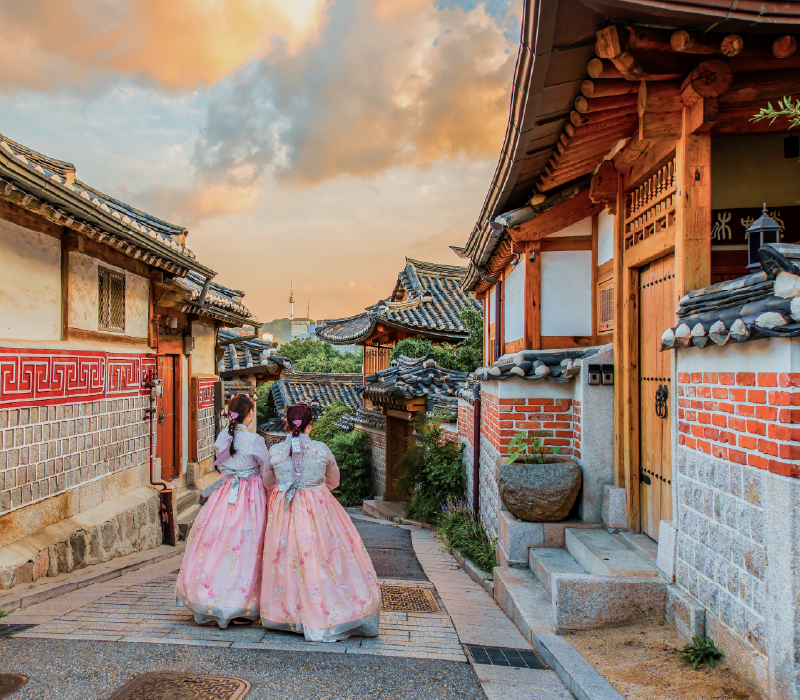
Whatever your season, royal architecture, Bukchon Hanok Village, and Gangnam shopping remain easy cultural anchors. Then, to make it personal, add small rituals—hanbok rentals, traditional tea, or a quiet temple stay—choices that change the texture of a journey without adding stress.
Springtime to visit South Korea (April to June): cherry blossom season, festival routes and luxury design
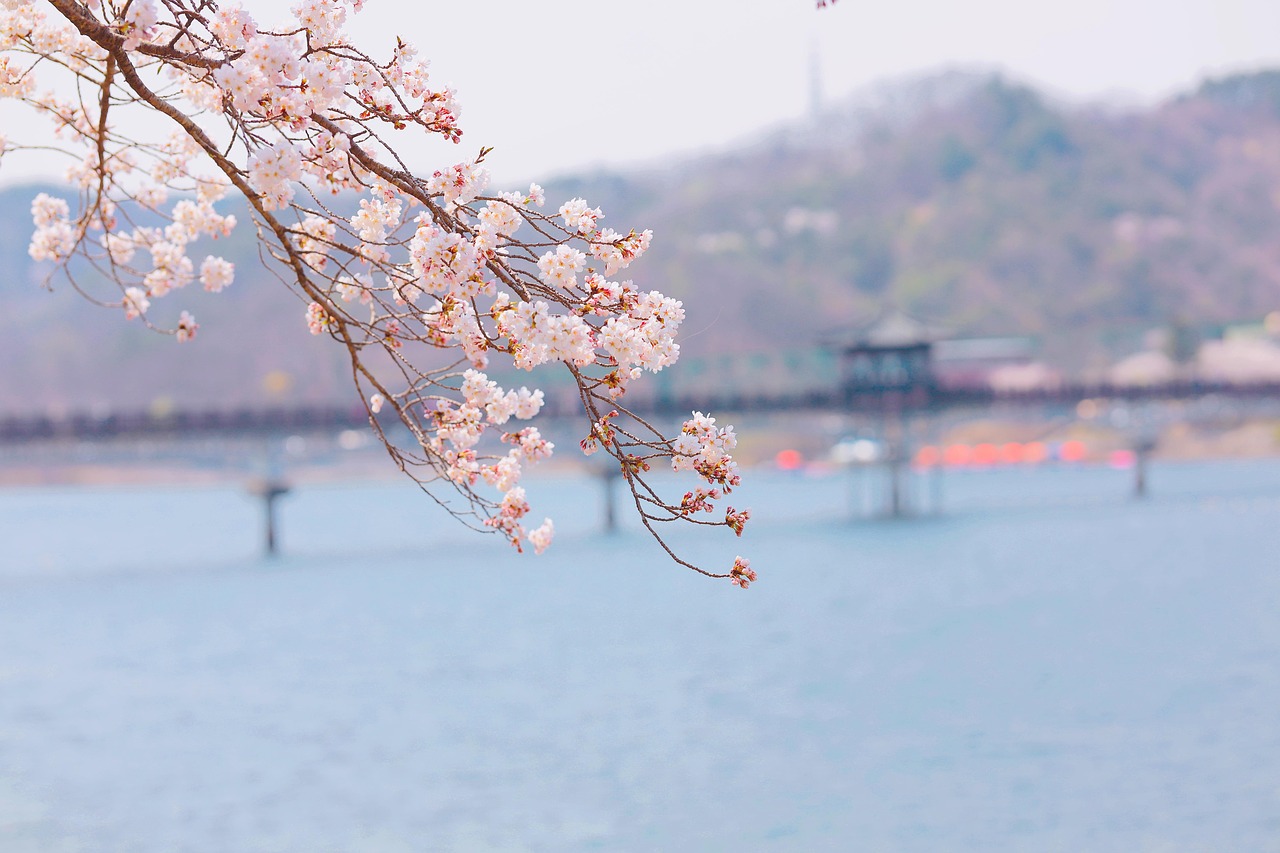
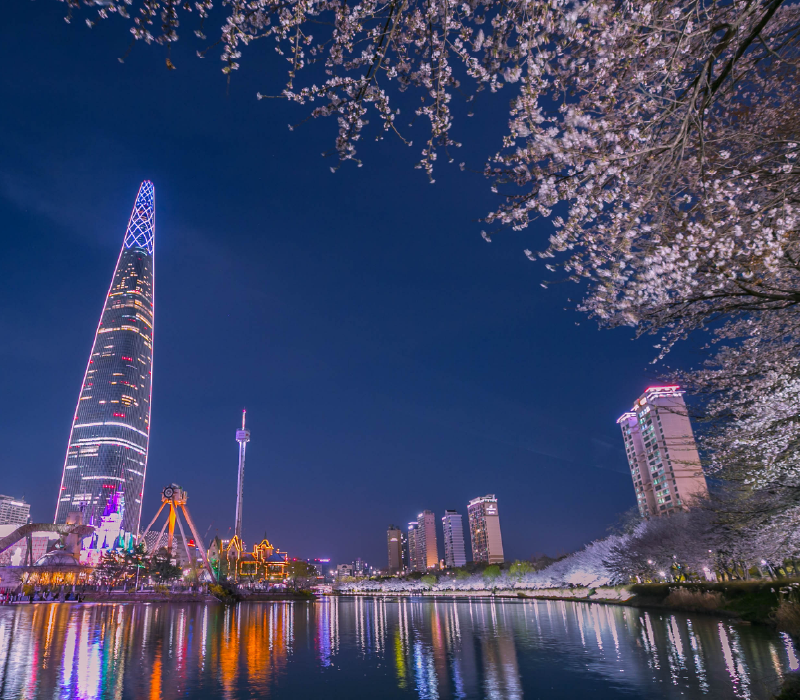
Spring times to visit South Korea for cherry blossom design-led city walks and garden escapes
For many travellers, one of the best times to visit is spring—especially South Korea in April, when cherry blossoms bloom, and the air feels newly luminous. The first signs of spring often appear earlier, and the arrival of spring brings pastel riversides, palace grounds, and parks that feel made for unhurried strolling. Many visitors describe South Korea as at its most romantic in spring, thanks to cherry blossoms and a calendar filled with festivals.
In luxury travel, spring is less about chasing every viewpoint and more about designing moments with space around them. As the month goes on, peak bloom timing can slide, so your adviser can help you pick a good month and build flexibility into reservations. A thoughtful guide and an attentive hotel concierge can also help you choose routes that feel calm, even when the city is in full bloom.
March to May spring planning: forecasts, calm routes and cherry blossom crowds
March to May is the classic spring window; in South Korea in March, it can feel like a gentle reset, with longer afternoons and the first outdoor cafés reopening. Yet cherry blossom crowds often surge around peak forecasts and weekends, so reserve timed entries where available and leave early for quieter viewpoints. If you’re planning outdoor activities, aim for mornings when the light is soft and footpaths are still tranquil.
For travellers who prefer less bustle, consider neighbourhood parks and riverside walks away from the most photographed spots. With a private driver, you can move between locations fluidly—stopping when the scene feels right, not when the timetable demands it.
Jinhae festival mornings: cherry blossom viewing with private insight
The capital offers refined blossom scenes around palace walls and waterways, but the Jinhae festival is where spring becomes truly immersive. A luxury traveller once shared that visiting during the cherry blossom festival felt ethereal because their day began before the official crowds with a private guided tour. Their guide didn’t just point; they offered local insight into backstreets, timing, and the small rituals locals love.
For a softer-edged spring escape, Jeju adds gardens, volcanic scenery, and drives that feel freshly washed after passing showers. Choose outdoor activities that feel considered: a slow cliffside walk, a curated gallery stop, or a long lunch that turns into an afternoon. Layer in culture-luxe touches—a hanbok rental, a traditional tea ceremony, and a lantern-lit evening near temple grounds—and spring in Korea becomes a memory you can still picture years later.
Autumn: best time to visit South Korea (September to November) for foliage, clear skies and luxury hiking
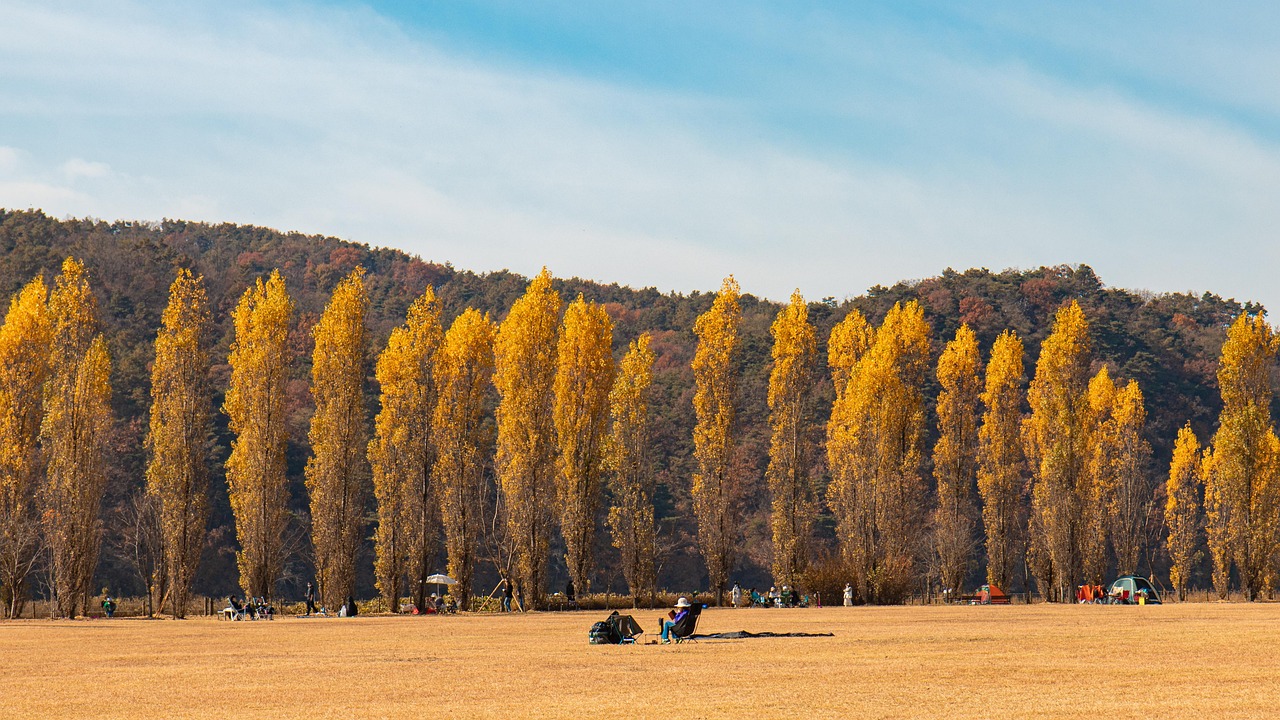
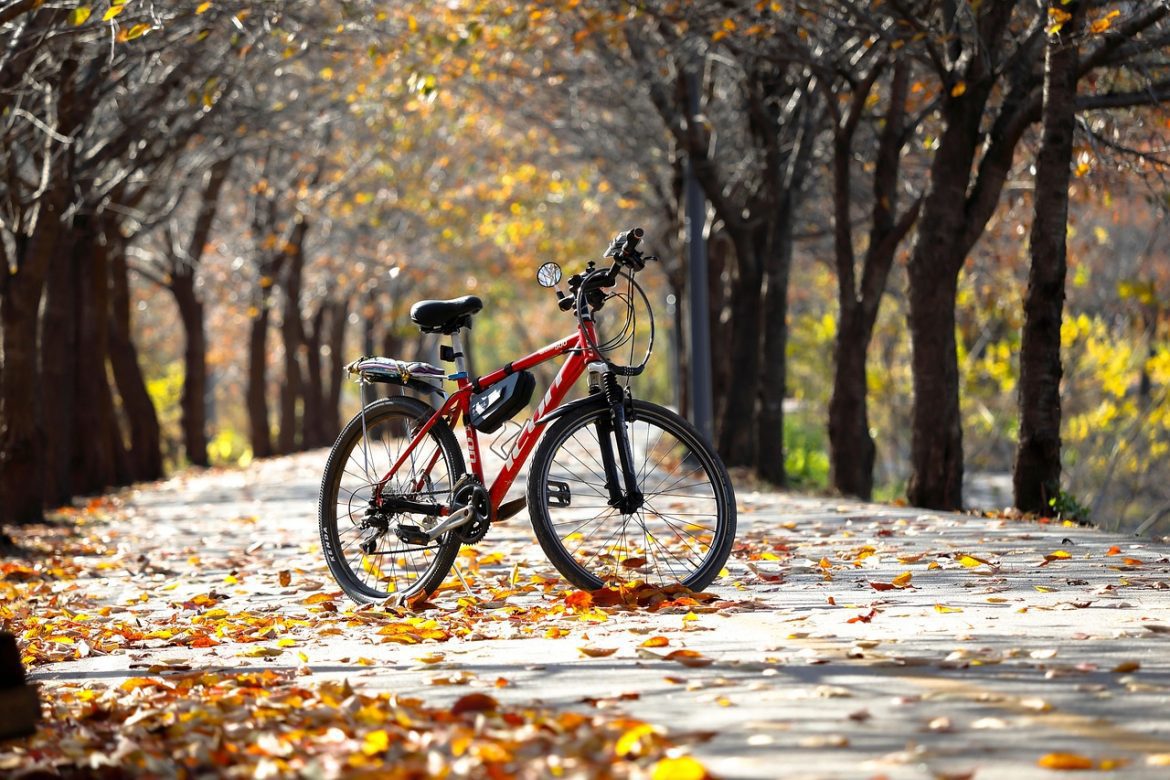
Autumn colour in the mountains during Korea’s most photogenic walking season
Ask seasoned travellers for the best time to visit South Korea, and many will point to September to November—often considered the best time for clear air and colour. After summer, humidity eases, days feel crisp without being sharp, and you’ll often find clear skies that suit both city strolls and mountain viewpoints. For a luxury-paced route, it can also be the best time to visit the south if you want early dinners, slow mornings, and long walks that still feel comfortable.
If you love photography, food, and views that arrive without hard effort, autumn is ideal for pairing city stays with national parks and scenic drives. This is also when South Korea’s national parks shine, with trails that are perfect for hiking because the air feels cool and steady rather than draining. Between the colour, the light, and the gentle pace, it’s an easy season to build time to enjoy both culture and nature.
October foliage walks and peak colour near Seoraksan and Naejangsan
In October, South Korea often aligns with peak foliage in the mountains; the forest paths then start to look deliberately composed. From classic viewpoints to quieter side trails, foliage becomes the day’s main event, especially when you schedule a later start and let the morning commute fade. If you want “autumn foliage” at its richest, plan midweek walks and leave room for café pauses so the day stays light.
Here, the colour doesn’t just decorate the landscape—it shapes how you move. You pause more, you listen more, and you notice how the light filters through the maples, making even a simple walk feel curated.
Holiday planning and domestic travel: Gyeongju as a quieter cultural detour
Autumn is also when Chuseok, a three-day harvest festival, can shift logistics. It’s a beautiful cultural lens, but it may intensify domestic travel, affect availability, and change suite pricing, so book trains and key restaurants early. For a quieter contrast, add Gyeongju, a UNESCO World Heritage site, where history feels unhurried and deeply local.
One honeymoon couple told us their highlight was an exclusive foliage hike in a mountain park, followed by a boutique resort stay where gourmet Korean cuisine arrived in a gentle procession—each dish explained with care. If you prefer days that feel elegant rather than packed, autumn is the season to keep distances short, linger longer, and let the scenery do the work.
Winter time to visit South Korea: luxury spa stays, mountain scenery and resort comfort

Winter time to visit South Korea December to February for spa-led mountain escapes
If your ideal luxury is silence, clean lines, and cosy interiors after bright outdoor air, winter can be a quietly thrilling time of the year. South Korea in January is especially atmospheric, though it requires warmer planning: evenings can be chilly, and in some areas snowfall can reshape travel times. It’s worth remembering that January is the coldest month, so comfort comes from thoughtful layers, chauffeured transfers, and hotels that do warmth beautifully.
For travellers who want winter sports with polish, Gangwon-do is the natural centre of gravity. Design the trip to feel both active and unforced—morning slope sessions, restorative afternoons in spa facilities, and elegant dinners that make the cold outside feel like part of the pleasure.
Winter logistics: snowfall days, shorter outdoor blocks and warm indoor pauses
Winter brings the crisp clarity that makes city lights feel sharper and mountains more graphic. Plan slightly shorter outdoor blocks and build in warming pauses—tea, soup, a gallery, or a long café moment—so the day never tips into fatigue. With a private driver, you’ll keep transitions seamless, especially when roads slow after fresh snow.
Affluent travellers often appreciate how Korean service culture makes winter feel easy. Even small details—heated lobby floors, perfectly timed luggage delivery—communicate competence without fuss.
Lunar New Year travel etiquette: lantern nights and ways to visit Seoul in winter
Alpensia Resort is a refined base for ski days, and one traveller described how VIP passes and personalised lessons made the experience feel smooth from the first lift. There’s a particular confidence that comes from knowing someone is quietly managing the details—equipment fitting, timings, and warm breaks—so you can simply enjoy the glide.
Please keep an eye on Lunar New Year dates, as they can affect rates and availability. It’s also a good moment to remember etiquette that supports easy interactions: respectful bowing, removing shoes indoors, and offering items with both hands. Pair the mountains with a few nights in the capital for contrast—palaces in winter light, design-led cafés, and a lantern walk where the streets feel cinematic rather than crowded.
Travel tips to South Korea: best times and seasons for South Korea travel, luxury transfers and etiquette
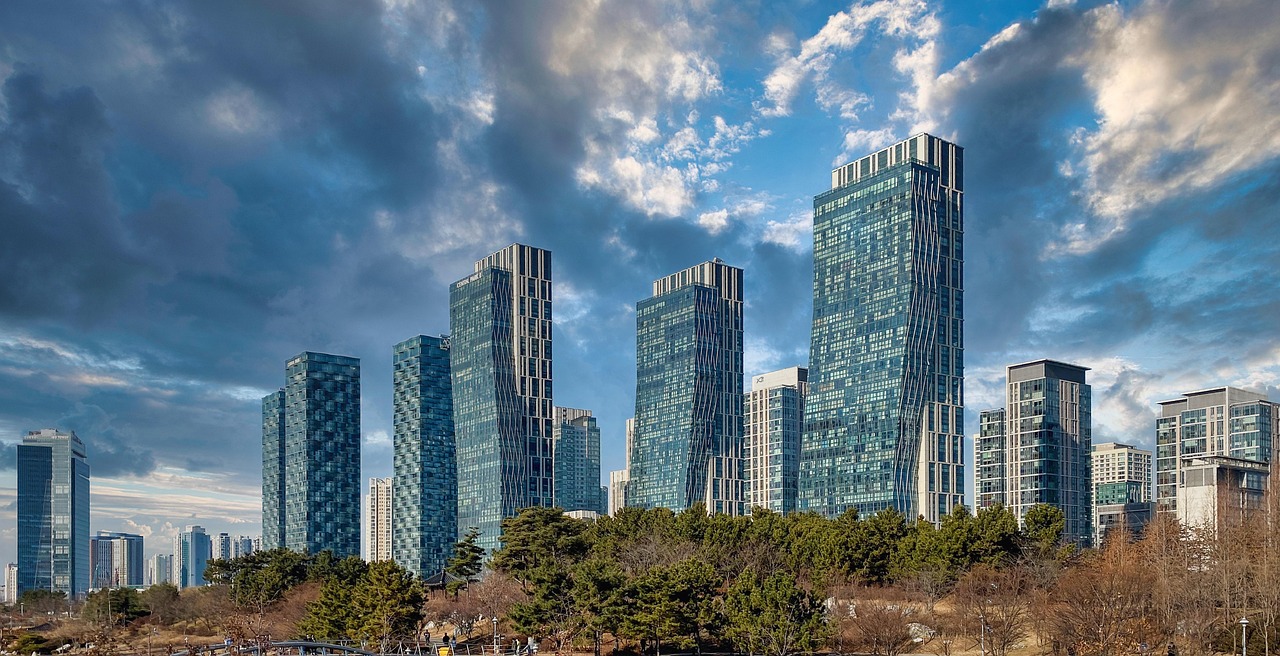
Travel tips to South Korea for the best times and seasons—city stays, transfers and hotel support
For travellers seeking high-end ease, South Korea travel tips, the best times to visit, luxury transfers, hotels, and etiquette begin with how you arrive. Fly into Incheon International Airport for the capital, or Gimhae Airport for Busan, then choose private transfers or limousine services to keep the first hour calm. It’s a simple decision that sets the tone: no crowds, no confusion, just a seamless welcome.
Budgeting matters because the popular months to visit can push suites into limited supply. As a guide, luxury accommodation often ranges from $300 to $1000+ per night depending on location, room category, and whether you’re travelling during major blossom or foliage weeks. If you want the best times without peak pricing, your adviser can help you compare dates by rainfall, local events, and day-to-day comfort.
Designing summer travel: monsoon timing, humidity levels and Busan beach escapes
Summer in South Korea can be deeply enjoyable if you adapt to the climate rather than resist it. July and August are typically hot and humid, and humidity can feel intense in cities, slowing the pace. During the summer, rainfall increases—especially from June to August—so plan flexible days and build in indoor activities.
For coastal renewal, base yourself in Busan by Haeundae beach, where sea air softens the heat and luxury hotels do summer exceptionally well. A solo tripper once described an elegant seafood feast beside the water, followed by a sunset yacht tour—an experience that felt both glamorous and grounded. Add a few days on Jeju for a slower, garden-and-coast rhythm, and the season becomes restorative rather than exhausting.
Luxury budgeting and seamless support for crafted journeys
To keep your journey on track, consider hiring multilingual private guides—especially during peak-blossom or autumn weeks—so you can move with confidence and gain real insight, not just facts. It’s also wise to reserve popular festivals and foliage experiences well in advance to avoid the busiest pinch points.
- Arrival: Pre-book transfers and ask your hotel to coordinate luggage support for a truly seamless check-in.
- Comfort: Korea is very safe, but carry health insurance and consider registering with the embassy for peace of mind.
- Planning: If your travel time is limited, prioritise spring and autumn for milder weather and easier pacing.
If you’d like to imagine what these seasons look like in motion, browse our Trip gallery for design inspiration—then we can create a route that feels entirely your own, with support at every step.
F.A.Qs: Best months to visit Korea (best times to visit by season)
What month is best to visit South Korea?
For most travellers, April to June and September to November are the best months to visit Korea. These periods usually bring mild weather, clearer skies, and comfortable days for city walks in the capital, plus scenic escapes to mountains and coast with less climate disruption than mid-summer.
What is the cheapest month to go to Korea?
The cheapest month varies by city and events, but prices are often lower in the deeper winter weeks (excluding major holidays) and during the wettest parts of summer. Avoiding peak cherry blossom and peak foliage dates can also help you secure better-value luxury rooms while keeping the experience refined.
What month is the cherry blossom in Korea?
Cherry blossom season most commonly falls in late March to early April in warmer areas, then into early-to-mid April in the capital and other regions. Exact timing varies each year, so it’s best to confirm forecasts closer to travel and book private guides early if you want a calmer viewing experience.
What is off season in Korea?
Off-season in Korea typically spans the humid, rainier stretches of summer and the coldest weeks of winter outside holiday periods. These times can still be wonderful with the right planning—think coastal stays in Busan, indoor culture in the capital, and spa-led relaxation when the weather turns.
Final Thought
Long after your personal reflection begins to settle, it’s rarely the grand sights that return first. It’s the warmth: a local smile held an extra second, a concierge who remembered your morning tea preference, or personalised welcome gifts that quietly said, “You’re expected here.” That kind of care changes how a place lives in your memory.
You may find yourself thinking about the time of the year you travelled, not as a date on a calendar but as a colour you can still feel. Spring petals shift your sense of time—how quickly beauty arrives, how gently it leaves—while autumn hillsides remind you that change can be luminous, not hurried.
And perhaps that is the most lasting gift: the calm confidence that comes from a journey designed with attention, where you were looked after without ever feeling managed. Korea stays with you as an invitation to return—next time, with even more time to enjoy the quiet moments you didn’t know you were missing.