Post Contents
- Visit Colmar, France fairytale town guide to Colmar in Alsace made Seamless
- Things to do in Colmar, France
- Unterlinden Museum, Colmar, Isenheim Altarpiece, Renaissance art, and personal depth
- Little Venice Colmar boat trip and canal restaurants in Colmar
- Alsace wine route day trip around Colmar, luxury wine tasting
- F.A.Qs
- What stayed with me after Colmar in France
Visit Colmar, France fairytale town guide to Colmar in Alsace made Seamless
Visit Colmar in Alsace a fairytale town made seamless
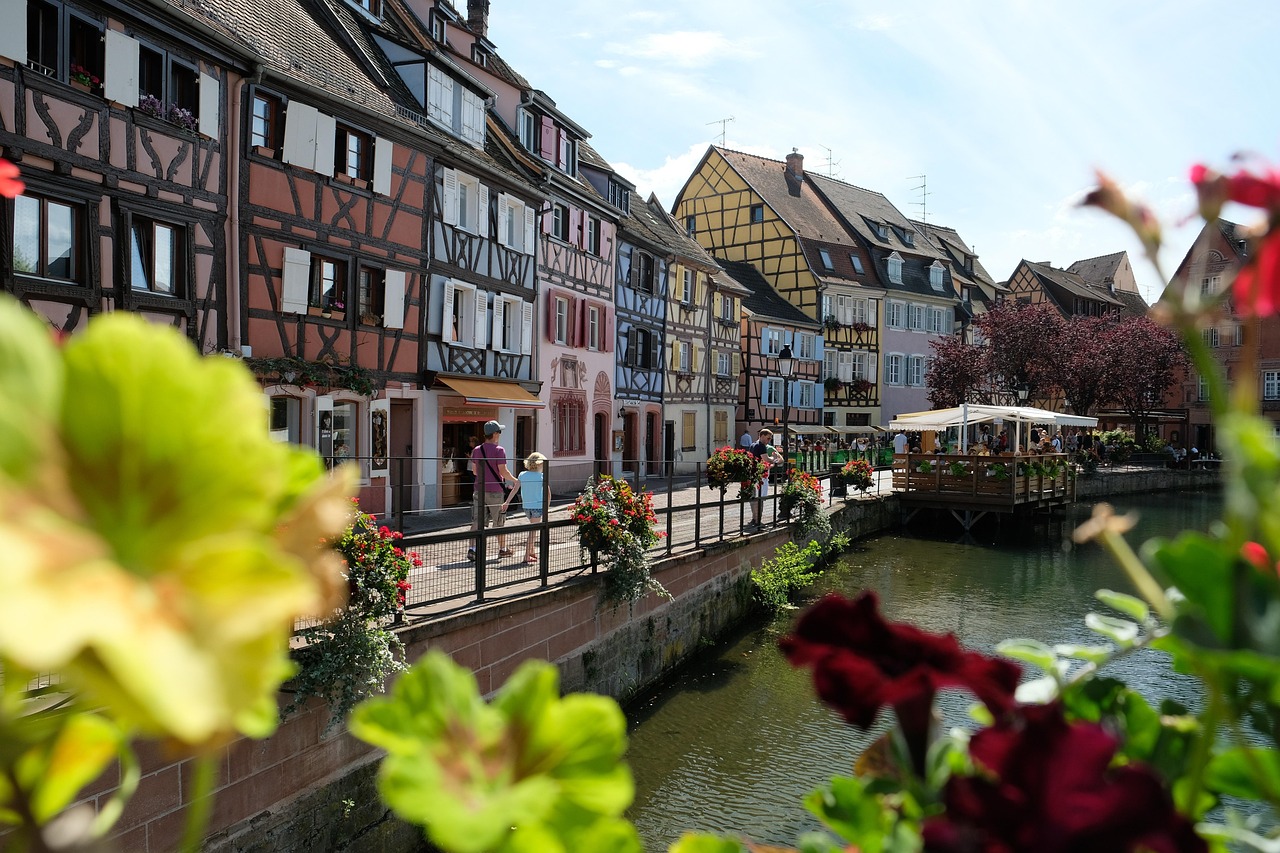
If you’ve been searching for a visit to Colmar, France, a fairytale town, a guide to Colmar, let me reassure you: Colmar is the kind of place that rewards thoughtful pacing. Colmar is a small town, yet it carries itself with the quiet polish of a well-run boutique hotel—intimate, walkable, and refined enough for the seasoned tourist who still wants to feel surprised. Imagine pastel façades, geranium-dressed balconies, and those half-timbered details that make France’s fairytale feel oddly believable.
Colmar Alsace has a particular kind of magic: you can create a day that feels full without ever feeling hurried. It’s also one of those beautiful places where a little planning changes everything—arriving smoothly, staying centrally, and letting the town come to you.
Get to Colmar with Confidence and comfort
The best way to get in is often via EuroAirport Basel-Mulhouse-Freiburg, especially if you value speed, lounge access, and easy connections. From there, a private transfer is the most Seamless choice—door to door, no platform changes, and the gentle luxury of not having to think. Alternatively, connect via Strasbourg by train, which is surprisingly comfortable in first class and ideal if you’re pairing Colmar with a longer Alsace and Strasbourg itinerary.
Once you arrive at Gare de Colmar (you’ll see it referenced locally as “de Colmar” in timetables and directions), you can keep things simple: a pre-booked car and driver, or a premium car hire if you prefer independence. For high-end travellers, it’s less about extravagance and more about Trust—knowing the transitions are handled so you can arrive feeling like yourself.
Best time to visit Colmar at Christmas
For most travellers, the time to visit is late spring through early autumn—May to September—when the light flatters the centre of Colmar and the air feels made for lingering. This is also festival season across the Alsace region, which adds music, markets, and that low, happy hum you only get in places that live outdoors.
Colmar at Christmas is equally captivating, with glowing lanes and a deep sense of tradition. If winter is your preference, consider a two-centre plan: Colmar for intimacy, then Strasbourg for its famous Christmas market. Book accommodation well in advance—December availability tightens quickly, especially around weekends.
If you’re trying to decide whether a day in Colmar is enough, here’s the gentle truth: it can be, if you’re purposeful. But if you’re collecting memories rather than ticking boxes, one night changes the atmosphere completely—early mornings become yours, and the evenings soften into something more personal.
A suggested one day in Colmar flow (and when half a day works): start early for quieter streets, spend the morning in the Old Town, pause at the Unterlinden, then take lunch at the covered market before a Little Venice boat ride. Finish with an apéro and a slow dinner. If you only have half a day, keep it simple: Old Town plus Petite Venise, and return later for the museum on another trip.
- Morning: cobbled streets, half-timbered houses, and landmarks wandering before the crowds
- Midday: covered market lunch (ideal for local cheeses, charcuterie, and seasonal produce)
- Afternoon: a canal stroll and, if you’d like, a boat trip for an unhurried perspective
- Evening: apéritif hour, then a reservation-led dinner in town
Where you choose to stay in Colmar shapes the entire mood. Boutique hotels offer concierge Support, breakfast done properly, and the sort of quiet that makes jet lag disappear. An apartment in Colmar can be wonderful too—more space, a kitchen for market finds, and the feeling of briefly “living” in town. Either way, choose a central base: being able to walk everywhere is part of what makes this town in France feel so effortlessly crafted.
If you’d like to daydream a little further, you can explore ideas in our Trip gallery and start shaping an Alsace rhythm that feels like you.
Things to do in Colmar, France
Things to do in Colmar Old Town icons and hidden corners
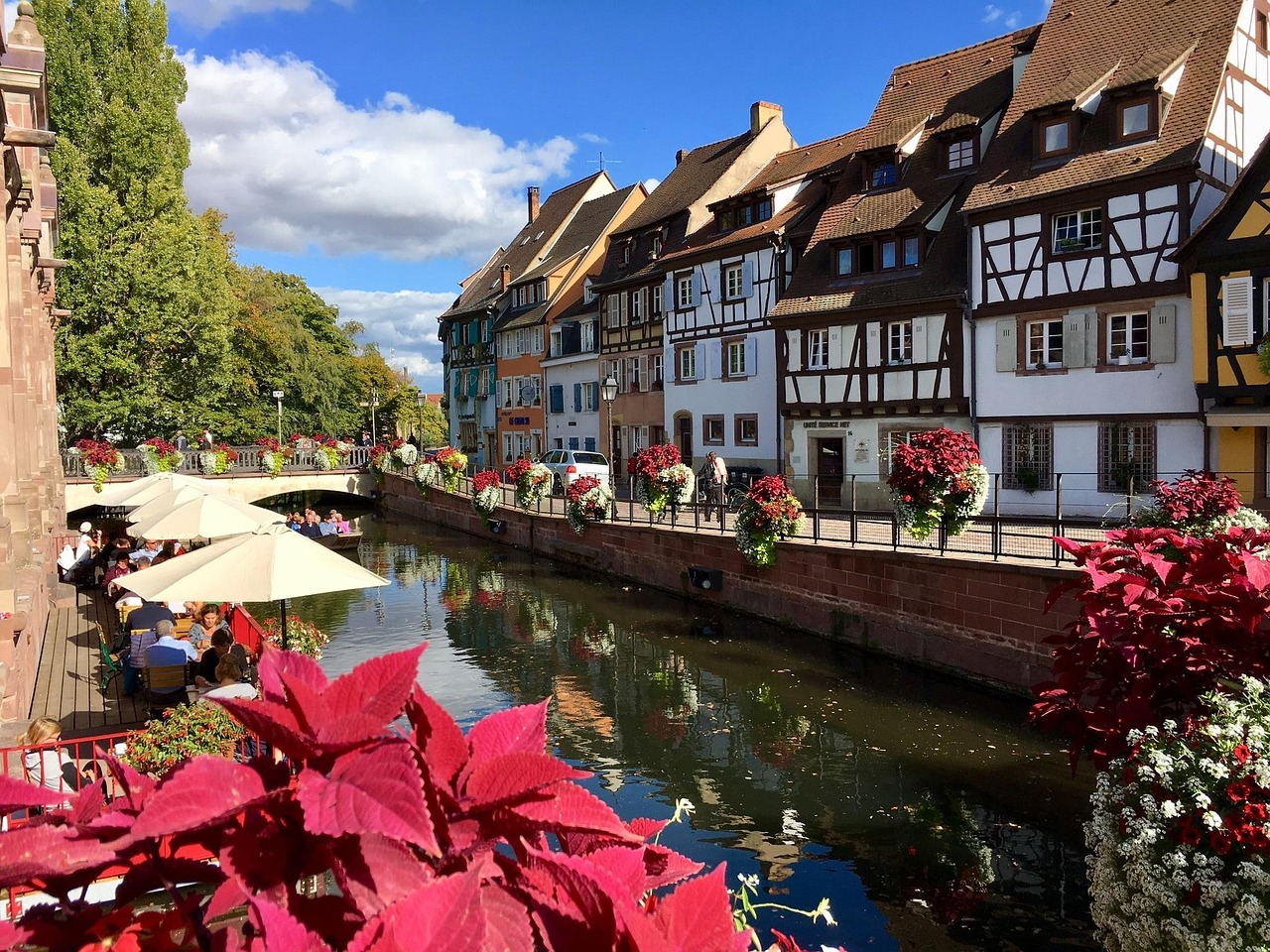
When people ask for things to do in Colmar, France, old town, best places to visit, they’re often really asking for one thing: how to see Colmar without feeling swept along by the prettiness. The Old Town is a jewel box—cobbled streets, half-timbered façades, and a palette that feels straight out of Beauty and the Beast. One of the best things you can do here is simply walk slowly, letting details reveal themselves rather than rushing between photo spots.
The town rewards early starts. At 8:30 am, shutters lift, bakeries warm the air, and you’ll hear local footsteps rather than a tour group. That’s when Colmar’s old town feels most like itself—quietly theatrical, yet grounded and Local.
Things to see in the centre of Colmar from the Pfister House to the Dominican Church
Begin with the Pfister House, a Renaissance showpiece that anchors the idea of Colmar as a place where craftsmanship mattered. Nearby, the Dominican Church offers a different tone: cool stone, soft echoes, and a sense of spiritual scale. Add the customs house to your route, then continue on to the collegiate church, whose presence feels both stately and lived-in—an Uncovering of layers that speak to France and Germany sharing a borderland history.
This is where you’ll notice the German influence most clearly: not in a loud way, but in the lines, the signage, the flavours, and the neatness of the streetscape. Think of it as France meets Germany—an Alsatian sensibility that feels both familiar and distinct.
A picture-perfect route via Quai de la Poissonnerie and the Lauch river
For a photogenic loop through the centre of Colmar, follow the water. Pause at Quai de la Poissonnerie (you’ll also see it written as quai de la poissonnerie), where flower boxes and reflections turn the Lauch into a slow-moving mirror. Take a moment at the Lauch river itself; it’s a simple pause that makes the day feel more human and less like a list.
A couple I met once described their favourite Colmar memory not as a monument, but as a mis-turn: they wandered into a quiet courtyard, found a small gallery, and spent an hour chatting with the owner about colour and light in Alsace. Their advice was gentle and true—Explore the lanes between the “main” streets, and you’ll discover Colmar in miniature, with intimate moments you won’t find on a map.
Reassuring navigation tips: if you’re worried about getting lost, choose one anchor point (the covered market or the main church square) and keep returning to it. Colmar is very safe, but during peak season, keep valuables secure on busy market days—especially around midday, when the lanes fill with people.
If you prefer deeper Insight, take a tour in the morning and roam independently afterwards. A guide helps you read what you’re seeing—why a façade looks the way it does, why a courtyard is shaped for trade, and how the town held on to its Alsatian identity through changing borders. Day passes that bundle museums and guided entries can offer value without making your day feel crowded.
Unterlinden Museum, Colmar, Isenheim Altarpiece, Renaissance art, and personal depth
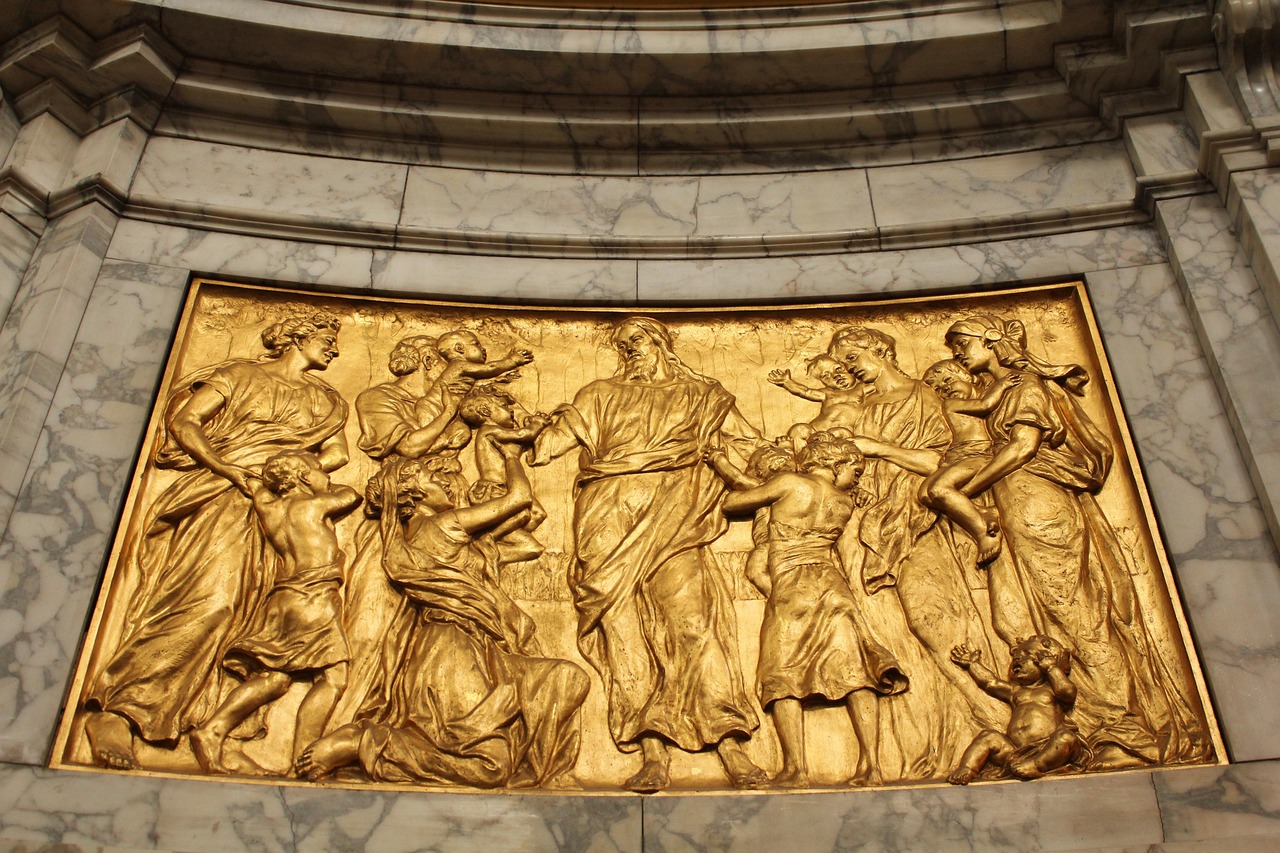
Unterlinden and beyond Colmar’s art with personal depth
Even if you arrive thinking you’re “not a museum person”, the Unterlinden Museum Colmar Isenheim Altarpiece Renaissance art pairing has a way of changing minds. Unterlinden is the cultural heart of the town, and the Isenheim Altarpiece is not merely famous—it’s emotionally direct, almost startling in its humanity. For many travellers, it becomes the most affecting thing to do in Colmar: a moment of stillness that feels bigger than the room you’re standing in.
The key is how you approach it. Don’t try to rush through the museum; allow yourself to arrive. If you’re travelling in peak season, a timed ticket helps you keep your day feeling Crafted rather than reactive.
How to experience Unterlinden without feeling overwhelmed
Give the museum at least 90 minutes; two hours is ideal if you enjoy reading context. Start with the Altarpiece when your attention is freshest, then move outward to the surrounding collections. If you find yourself becoming visually saturated, step outside briefly—air, light, and a sip of water can reset your senses and bring you back with Confidence.
An art enthusiast once told me they travelled to Colmar in France mainly for food and wine, then stood in front of the Isenheim panels and unexpectedly teared up. Seeing the paint layers up close—the tenderness and brutality held side by side—deepened their appreciation for Renaissance art in a way they didn’t anticipate. It turned a simple visit to Colmar into a Personal marker in their life: a reminder that beauty can also be honest.
Hidden galleries and France with a twist
Part of what makes this museum visit feel distinctly Alsatian is the contrast: medieval intensity, then modern lines; sacred art, then contemporary pieces that feel crisp and questioning. It’s France with a twist—an Alsace identity that doesn’t try to smooth out its edges.
Afterwards, keep the art thread going by wandering the smaller spaces tucked into winding lanes. Those hidden galleries don’t shout for attention; they invite it. If you’d like a little more Trust in what you’re seeing, an Expert-led private visit can be transformative—especially if you enjoy stories as much as brushwork.
- Allow: 1.5–2.5 hours, depending on your pace
- Best moment: late morning or late afternoon for calmer rooms
- Elevated option: private guide for context, symbolism, and a more intimate flow
Little Venice Colmar boat trip and canal restaurants in Colmar
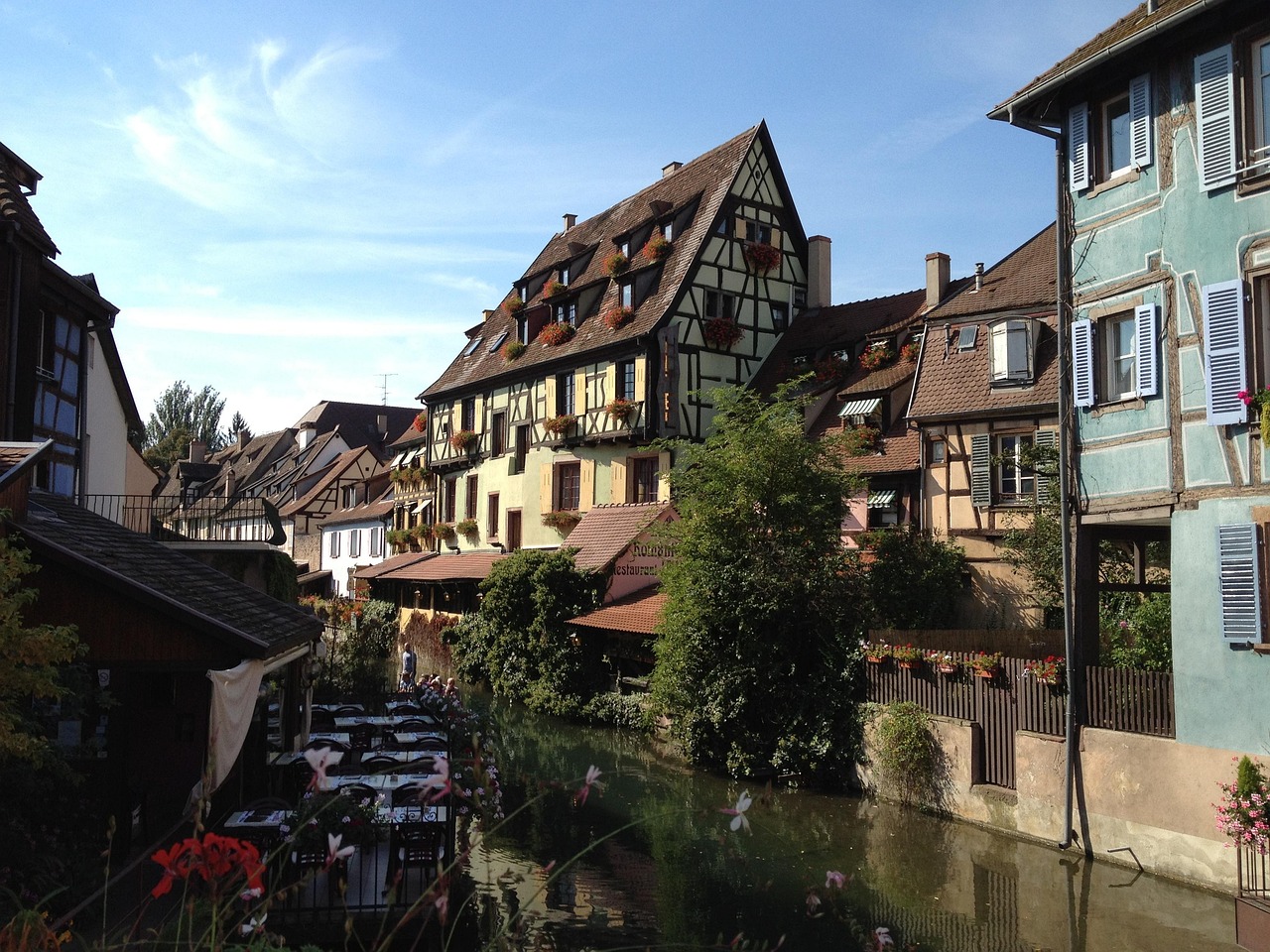
Little Venice and the canal life in Petite Venise
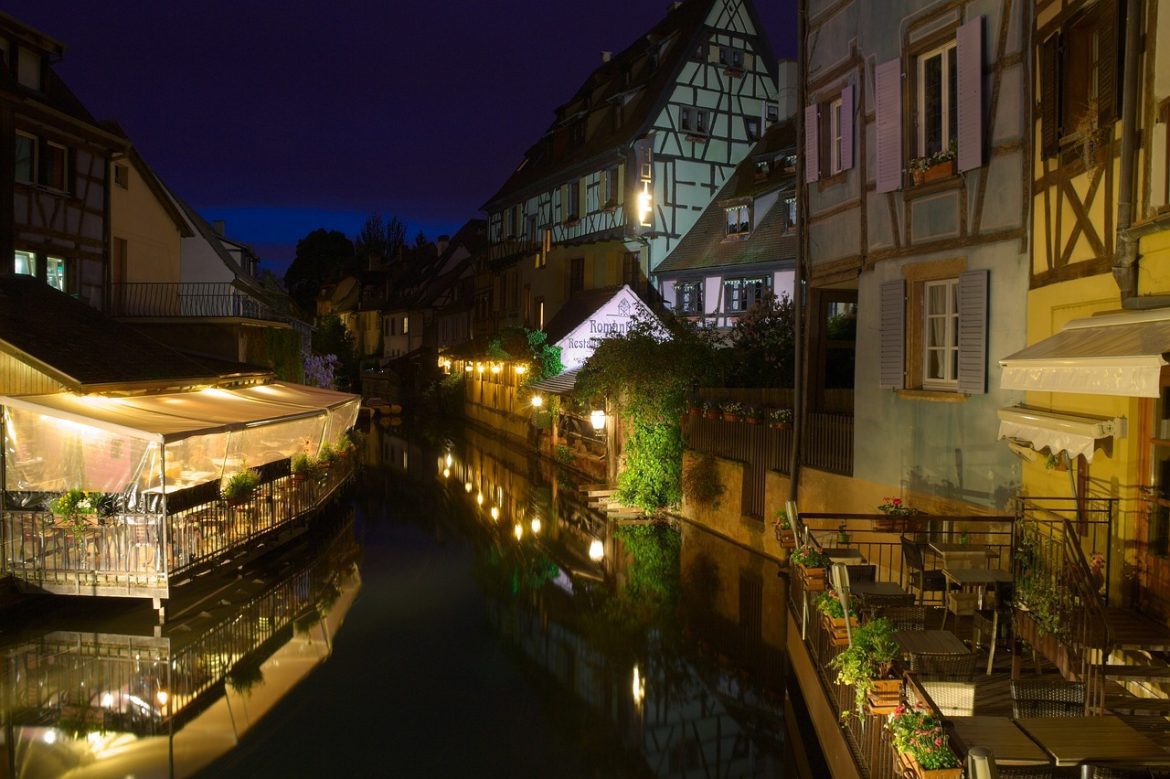
For anyone seeking the softer, romantic side of Alsace, the combination of the Little Venice Colmar boat trip and canal restaurants in Colmar is pure pleasure. Little Venice—known locally as Petite Venise—follows the Lauch as it curves past bright façades and flowered balconies, the water carrying a slow rhythm through town. It’s one of the most picturesque corners of Colmar, but it doesn’t feel staged when you arrive at the right time.
This is where you can stop striving and simply be. The canal light changes by the minute; the reflections do half the work of making your day feel luminous.
Take a boat in Petite Venise for a quiet luxury moment
If you can, take a boat in the morning. A luxury traveller once described a serene, almost private-feeling boat trip before the day warmed up—sipping Alsatian wine as the first shutters opened and the colours intensified in the soft light. They said the tranquillity felt like the town was letting them in on a secret, and that’s exactly the mood to aim for.
Choose a private or small-group boat trip if you’re travelling as a couple or celebrating something significant. The difference is subtle but real: space to breathe, time for photos without jostling, and the sense of being gently looked after.
Restaurants in Colmar with views and golden-hour ease
For dining, look for canal-side tables and seasonal menus that lean into Alsace’s strengths: good butter, careful sauces, and clean, aromatic whites. When you book, request a terrace table and time your meal for golden light—late lunch or early dinner—when the water becomes a ribbon of bronze. If you’re deciding where to linger longest, choose a spot that prioritises calm service and a view over novelty.
A beautiful afternoon here is easy to design: a slow canal stroll, boutique shopping for linens and ceramics, then an apéritif that turns into dinner. It’s Together time—no hurry, no over-optimised plan, just a sequence that feels naturally right.
Crowd strategy with Care: visit early mornings or later evenings to keep the atmosphere gentle. Colmar is safe, yet on market days it’s wise to keep your phone and wallet tucked away, especially when lanes narrow, and attention drifts to shop windows.
Alsace wine route day trip around Colmar, luxury wine tasting
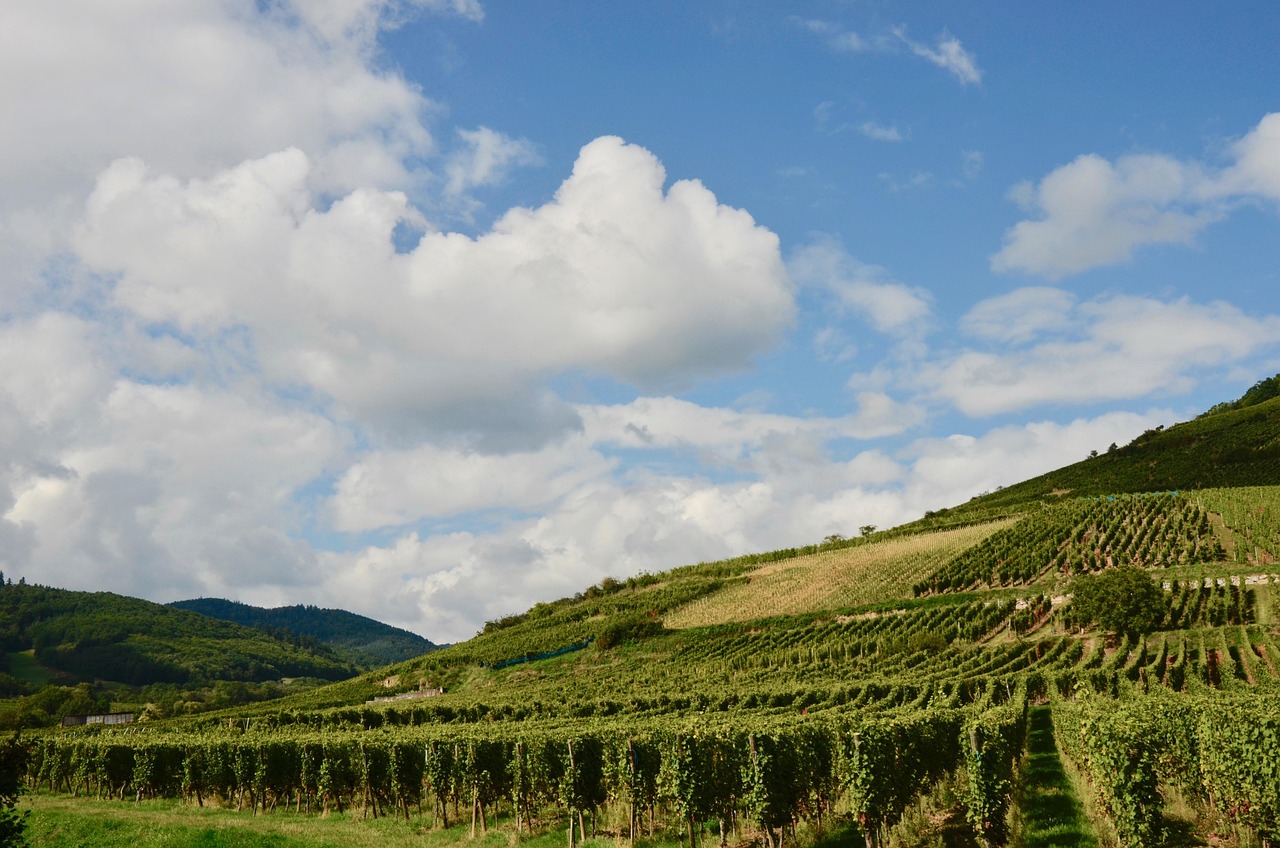
Around Colmar Alsace wine route day trip design
If your idea of indulgence includes vineyard views and precise hospitality, the Alsace wine route day trip around Colmar, with luxury wine tasting, is where the region truly comes to life. Around Colmar, the villages feel hand-painted—each one with its own pace, its own cellar doors, its own small, delicious differences. Colmar is also often described as the capital of the Alsace wine, and once you start driving the vine-lined roads, you’ll understand why.
The smartest way to keep it Seamless is to choose either a private driver (so you can taste freely) or a luxury car hire (so you can pause whenever something looks picture-perfect). Either option elevates the day by removing friction—no parking stress, no navigation tension, just the pleasure of movement through a landscape designed for lingering.
Vineyard experiences in the Alsace wine region
In the Alsace wine region, the whites are the headline: crisp Riesling, expressive Gewürztraminer, and beautifully textured Pinot Gris. What makes Alsatian wine distinctive is clarity—aroma, freshness, and a sense that the grape is speaking plainly. Many high-end estates offer exclusive tastings by appointment, often with a walk through the vines and a seated flight that lets you taste slowly, with context and Care.
Ask for a tasting that includes something dry and mineral, something floral, and, if available, something late-harvest. It’s a gentle education that feels like pleasure rather than study.
Villages on the Alsace wine route and a weekend in Alsace
One of the most charming villages on the Alsace wine route is Riquewihr, where the lanes curve like a set from a period film. Riquewihr is undeniably popular, but early arrival changes everything—quiet streets, fresh bakery scent, and time to speak with shop owners before the day accelerates. If you can extend, a weekend in Alsace lets you pair Colmar with a second base—perhaps Strasbourg for culture and dining, or a vineyard-side retreat for stillness.
If you enjoy cultural footnotes, keep an eye out for the Bartholdi connection too: the sculptor of the Statue of Liberty was born in Colmar, and you’ll spot references that add a small thrill of recognition.
A Michelin-starred chef I once spoke with in Alsace described building a tasting menu around local produce and traditional recipes—then gently modernising them with lighter textures and brighter acids. The idea wasn’t to “reinvent” anything; it was to respect the past and make it sing in the present. Pairings were thoughtful rather than flashy: a dry Riesling with a clean fish course, Gewürztraminer with spice and aromatics, then Pinot Gris alongside a richer, earthier plate.
- Reserve ahead: top cellars and top tables often require appointments
- Built-in pauses: viewpoints, a village walk, and a long lunch keep the day balanced
- Make Colmar your base: return to town for an evening stroll and a low-effort dinner
Adding Colmar to an Alsace itinerary is, in many ways, the easiest upgrade you can make: it simplifies logistics while keeping experiences close. If you’d like Support designing a refined route, we can shape it Together—quietly elevated, never showy, and always rooted in what you actually want to feel.
F.A.Qs
Is Colmar, France, worth visiting?
Yes—especially if you enjoy slow, beautiful places with strong character. Colmar balances fairytale streets with serious culture (like the Unterlinden and the Isenheim Altarpiece), plus excellent Alsace food and wine. It’s polished without feeling artificial, and small enough to explore on foot while still offering depth for a longer stay.
How to spend a day in Colmar?
Start early in the Old Town for quieter lanes and landmark wandering, then visit the Unterlinden Museum before lunch. Eat at the covered market or a quality brasserie, then spend the afternoon in Little Venice with a canal stroll and, if you wish, a short boat ride. Finish with an apéritif and a reservation-led dinner to keep the day Seamless.
Which is nicer, Strasbourg or Colmar?
They’re different rather than better or worse. Strasbourg feels larger and more cosmopolitan, with big-cathedral drama and a city energy. Colmar feels more intimate and picture-perfect, ideal for romance, galleries, and a slower pace. Many high-end travellers choose both: Strasbourg for breadth, Colmar for charm and calm.
How many days in Colmar is enough?
One full day covers the essentials, and a night makes it feel much more special. Two days lets you add a relaxed Alsace wine route outing and still have time for unplanned moments—quiet mornings, late dinners, and browsing small shops. If you’re using it as a base, three nights can be wonderfully unhurried.
What stayed with me after Colmar in France
When I think back on discovering Colmar, France, memories of Alsace slow travel, what returns isn’t an itinerary—it’s atmosphere. The soft light on half-timbered houses, the hush where the canal turns, and the calm that comes from moving at your own pace in the Alsace region. Time in Colmar has a way of settling your senses; you stop scanning for the next highlight and start noticing what’s already here.
I remember small human moments: a warm “bonjour” that changed the tone of an interaction, and the scent of a market hall early in the day when everything still feels possible. There’s a particular kind of Care in places that are used to being visited yet remain themselves—Colmar holds its charm without performing it.
And then there’s that quiet confidence you carry when a journey is well designed: the sense of being gently guided, not controlled. Art becomes more than an attraction; it becomes a conversation with your own inner life. Food and wine become a form of connection—seasonal, Local, and deeply present. Long after you leave, it’s the stillness between moments that lingers most.
Perhaps that’s the real gift of this town in France: it reminds you that beauty doesn’t ask to be rushed, and that you don’t have to earn wonder by exhausting yourself. In another season, with different light and a slightly different rhythm, Alsace will still be here—ready when you are.