Things to do in Lyon, France with confidence in 2 to 4 days for a luxury itinerary
Things to do in Lyon France with confidence in 2 to 4 days for a luxury itinerary
If you’re sketching out things to do in Lyon, France, a luxury itinerary in Lyon, it helps to start with what Lyon is: a third-largest city in France that still feels intimate when you travel well. The city of Lyon is one of the best places to create a short break that blends food, design, and gentle grandeur—without the sense that you must sprint between top attractions. I like to think of it as a refined base where you can explore deeply, then step away for a little air around the water.
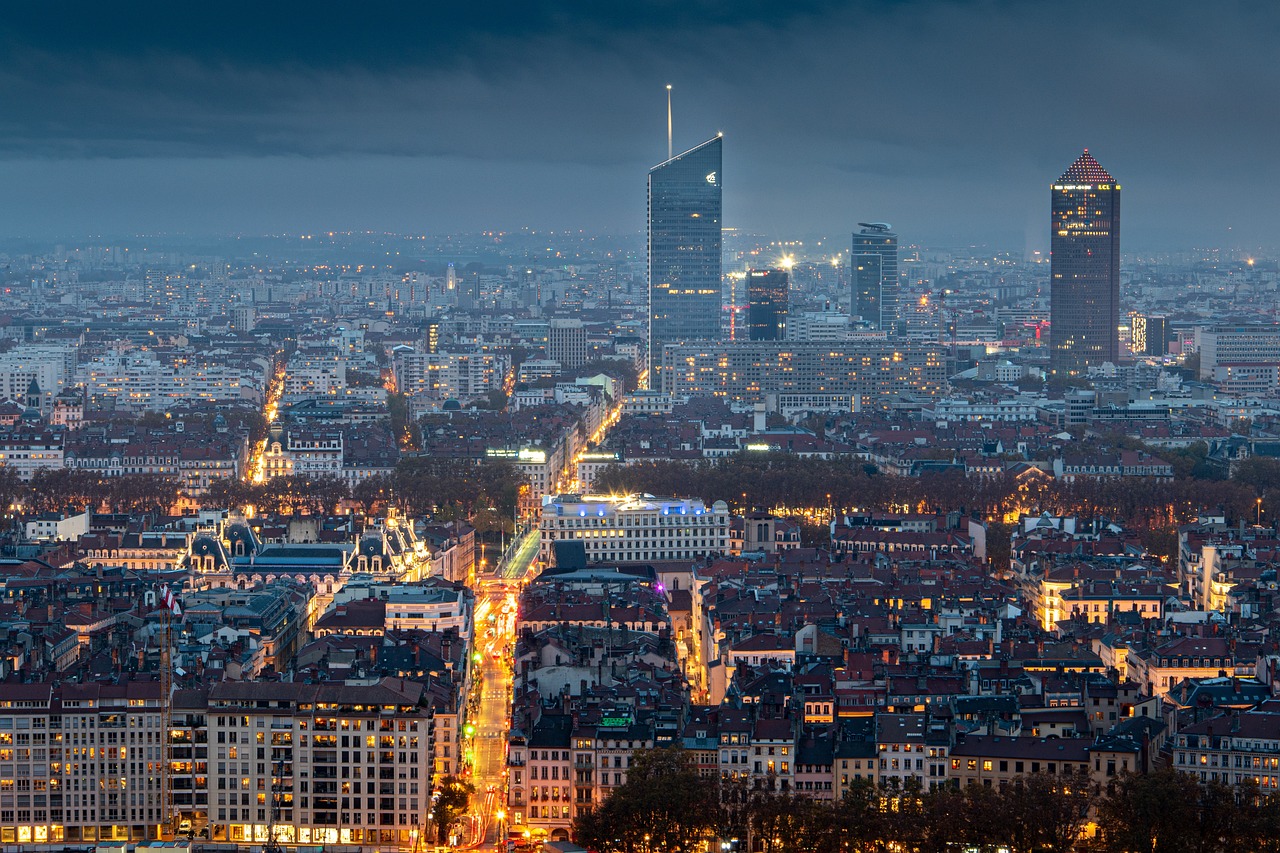
Lyon is also remarkably easy to read once you know the shape of it: Vieux Lyon and Presqu’île anchor the experience, Fourvière Hill gives you the skyline, and the rivers—the Rhône and Saône—keep your bearings. This guide is written to support a seamless pace, with options for 2, 3, or 4 days that feel crafted rather than crammed.
How to design 2, 3, and 4 days in Lyon without rushing
High-end travel is often about editing. Instead of trying to see every corner of the area of Lyon, choose a few places in Lyon that you can truly inhabit: an early morning in historic Vieux Lyon, a long lunch, a late-afternoon viewpoint, then a slow evening meal. Here’s a flexible flow you can trust and adapt.
- 2 days: Day 1 in Vieux Lyon (traboules, Cathédrale), then a beautifully paced evening in the old town; Day 2 at Fourvière for the best views and Roman layers, finishing with a river-side stroll.
- 3 days: Add a gourmet morning at Les Halles de Lyon and a “one perfect meal” night—bouchons or fine dining depending on mood.
- 4 days: Add modern Lyon sightseeing at the Musée des Confluences and a restorative pause in Parc de la Tête d’Or, plus time for boutique shopping on Presqu’île.
One of my favourite things about planning a trip to Lyon is that you can keep your days elegant and pedestrian-friendly: short distances, excellent taxis, and enough beauty in the streets to make “in between” time feel like part of the holiday.
Practical planning with care from the airport to Lyon Part-Dieu
The time to visit is typically May to September, when terraces spill into the light, and festivals bring the city’s creative pulse to the surface. Arriving is straightforward via Lyon-Saint Exupéry Airport; for a polished start, pre-book a private transfer so you step into the city with confidence. If you’re coming from Paris, the train is genuinely effortless, with arrivals into Lyon Part-Dieu putting you close to the action and well-connected for your hotel.
On budgets, luxury in Lyon is more about culinary and cultural quality than grand spectacle. Plan for tasting menus and gourmet meals in the 50–150 euros per person range, then add private guides for local insight—especially for the Vieux Lyon passages. Reserve early for signature dining to keep the experience seamless.
If you can spare it, take a day to drift beyond the centre. You might take a day trip into wine country or a storybook village, returning refreshed—just avoid placing it on your only full day, so the city’s core highlights remain unhurried. For more inspiration on crafted routes, you can browse our Trip gallery and imagine how you’d like your days to feel.
Exploring Vieux Lyon, old town traboules and Cathédrale Saint-Jean-Baptiste
Exploring Vieux Lyon and the old town through hidden traboules
For many travellers, exploring Vieux Lyon’s old town traboules and the Cathédrale Saint-Jean-Baptiste marks the moment Lyon turns from “beautiful” to quietly unforgettable. Vieux Lyon is a UNESCO World Heritage site, and in the soft morning light, the Renaissance façades feel freshly washed—stone, shutters, and small details you’d miss if you were hurrying. The streets of Vieux Lyon invite you to slow down; it’s one of those places to visit in Lyon where your pace naturally adjusts.
Start early if you can. Before the day warms up, you’ll notice the calm rhythm of deliveries, café chairs being set out, and the way the old town holds sound. It’s gentle, lived-in, and reassuring—an atmosphere that supports high-end travellers who prefer to observe rather than perform.
Why exploring traboules is one of the best things to do in Lyon
Exploring traboules is one of the most memorable things to do in Lyon, but it’s also where a little expert help makes all the difference. Many of the most compelling passages thread through private courtyards, and access can change. A guided walk gives you context, permission, and ease—no guessing at door codes, no awkward hovering in entryways, just a crafted route that uncovers the hidden logic of the neighbourhood.
When you do it well, you’ll feel how the city was designed to move people and goods discreetly—an architectural secret that still shapes the present. Listen for your footsteps changing tone as you pass from cobbles to tiled corridors, then into a hush of courtyards where ivy climbs, and laundry lines quietly exist beside impeccable stonework. It’s intimate, and it’s precisely why Vieux Lyon stays with people.
Cathédrale Saint-Jean-Baptiste and a light touch of history
Anchor your wander at Cathédrale Saint-Jean-Baptiste, a place that offers the history of Lyon without requiring you to become an academic. Step inside with care—lower your voice, switch off flash, and allow a minute of stillness. Even if you visit quickly, the sense of continuity is powerful: a sacred space that has held centuries of daily life.
I still remember an enchanting evening here, slipping through Vieux Lyon as daylight softened. We found a doorway that opened into a small courtyard, then another corridor that delivered us back onto a lantern-lit lane. Later, in a tucked-away bouchon, the warmth of the room—shared tables, buttered bread, a simple carafe—felt like being welcomed rather than served. It’s the kind of personal comfort that builds trust in a city.
For luxury touchpoints, keep it discreet: a small artisanal workshop, a beautifully edited boutique, a piece of silk or ceramics that feels local rather than loud. And when you cross towards Presqu’île, keep your route pedestrian so you can hold onto that unhurried feeling; the transition from Vieux Lyon into the wider city becomes part of the story, not a commute.
Fourvière Hill basilica of Notre-Dame, funicular and Roman ruins, Lugdunum
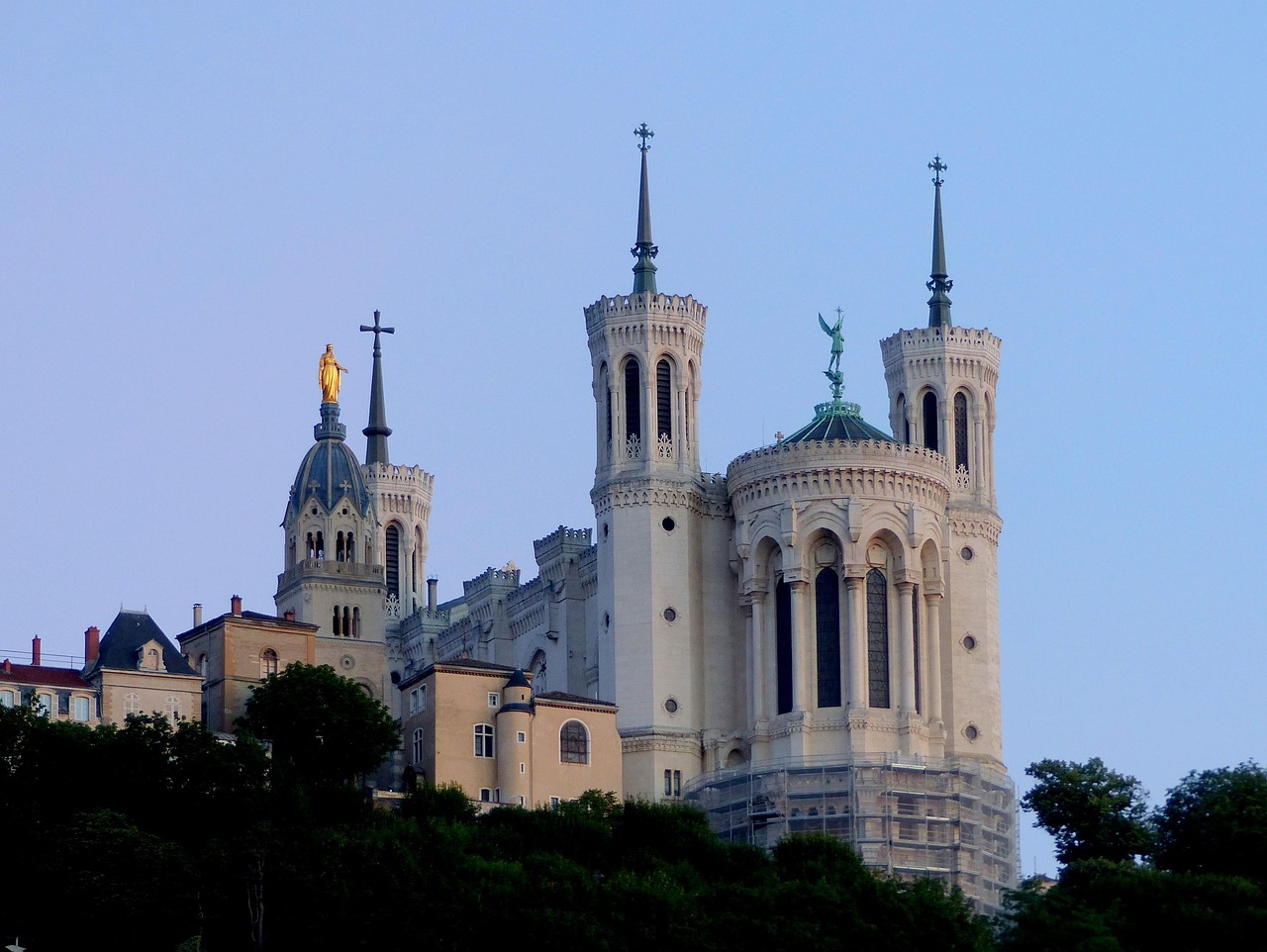
Fourvière Hill for the basilica, funicular and Roman ruins
To plan the Fourvière hill basilica of Notre-Dame, the funicular, Roman ruins, and Lugdunum with confidence, think of it as a half-day that blends panoramas, artistry, and ancient time. Fourvière Hill rises above Vieux Lyon, and whether you walk or take one of the funiculars, the ascent has a sense of ceremony. If you prefer a seamless approach, choose the funicular; it’s quick, comfortable, and takes the pressure off navigating steep lanes.
For timing, aim for early morning or later afternoon. Midday can feel busier, especially in peak season, and the atmosphere is lovelier when the light is lower and the crowds thin. Make it to the top, and you’ll understand why locals speak about the hill with affection.
The Basilica of Notre-Dame de Fourvière and the best views
The Basilica of Notre-Dame is one of the most impressive landmarks in Lyon, and the basilica rewards a slow circuit. Look up at the mosaics, notice the way gold catches light, and let your eyes rest on the details rather than trying to “do” it all. Outside, you’ll find the best views across the city—rooftops, river curves, and a skyline that feels both grand and gentle.
Visitors often mention awe-inspiring sunsets from this hill, and it’s easy to see why. There’s a particular kind of calm when the city quietens below you: a moment of reflection that feels private even when shared. If photography matters to you, come back twice—once for clarity in the morning, once for softness at dusk. The views of Lyon are different each time, like two moods of the same place.
Lugdunum, 43 BC, and Roman ruins without the heavy feeling
Then comes the ancient layer: Lugdunum, founded in 43 BC, when this was a pivotal city in France long before modern borders. Nearby, the Roman ruins and amphitheatre open a door into that era without demanding hours of study. If you enjoy history, a private guide can elegantly connect the timeline—how Lugdunum shaped the city’s identity, why the hill mattered, and how Lyon is known as a crossroads of culture.
The key is comfort. Wear shoes that feel polished but supportive, carry a light wrap for the breeze, and plan a café stop afterwards so you can let the impressions settle. With a curated approach, you’ll leave with insight rather than information overload—exactly the balance discerning travellers tend to value.
Les Halles de Lyon Paul Bocuse, food market, bouchons, and restaurants in Lyon
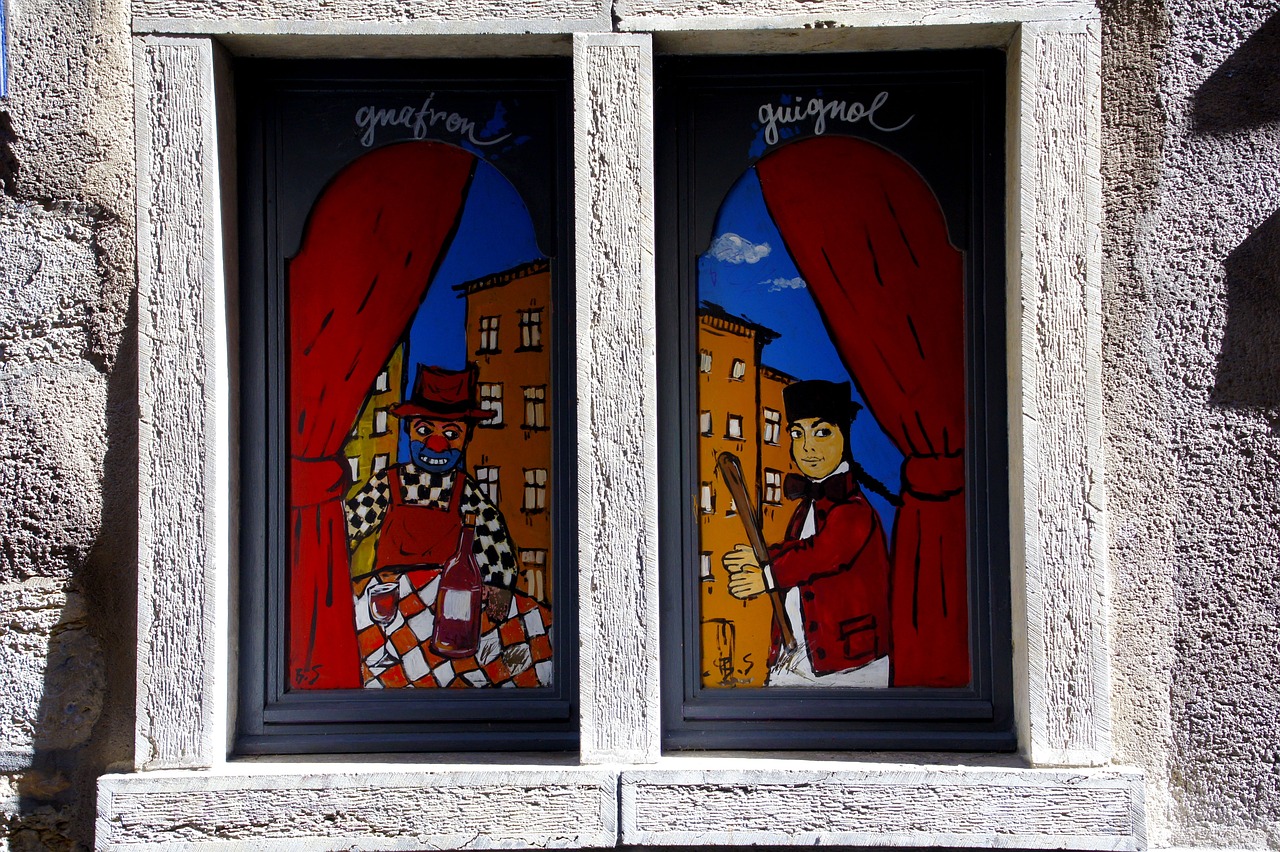
Les Halles de Lyon Paul Bocuse and the craft of Lyonnaise dining
If your ideal morning involves flavour, craft, and conversation, then Les Halles de Lyon Paul Bocuse food market bouchons restaurants in Lyon belong near the top of your list. Les Halles de Lyon is a polished gateway to the gastronomic capital of France, and it’s one of the best ways to get local confidence quickly: you can taste, ask, learn, and leave with a small bag of something exquisite for later.
You’ll also see it written as halles de Lyon Paul Bocuse, and you may hear locals shorten it to “les halles”. However you say it, the experience is the same: an indoor market that feels curated, bright, and joyfully French.
What to taste and buy at Les Halles de Lyon
Go with a gentle plan. Start with oysters or a glass of white, if you like, then move to the cheese counters, where the staff will guide you with care. A food lover once told me about meeting local chefs here—learning to identify rare cheeses and charcuterie, understanding ripeness by scent and texture, and realising that “shopping” can feel like culture when you’re supported by expert hands.
Consider booking a guided tasting if you want the story behind what you’re eating. It keeps the experience personal, especially if you’re curious but don’t want to second-guess your choices. You’ll leave with insight into what makes Lyonnaise food so confident: simplicity, technique, and an insistence on quality.
Bouchons, places to eat, and dining etiquette with warmth
Dining here is as much about rhythm as it is about taste. Greet your server, settle in, and savour your meal slowly; in Lyon, lingering is part of the etiquette. Bouchons are not the same as fine dining, but they can still feel special—especially in Vieux Lyon, where candlelight and conversation soften the edges of the day. If you’re researching places to eat, remember that the most memorable meal is often the one designed around your mood, not a list.
For high-end planning, think in layers. Book ahead for signature restaurants in Lyon, and consider a tasting menu for that “one perfect meal” evening—budgeting roughly 50–150 euros per person depending on ambition and wine. If you’d like it to feel seamless, ask your hotel concierge to confirm any allergies and seating preferences; those small details create comfort and trust, turning a meal into an occasion.
Saône river cruise and Presqu’île to Place des Terreaux with mural art
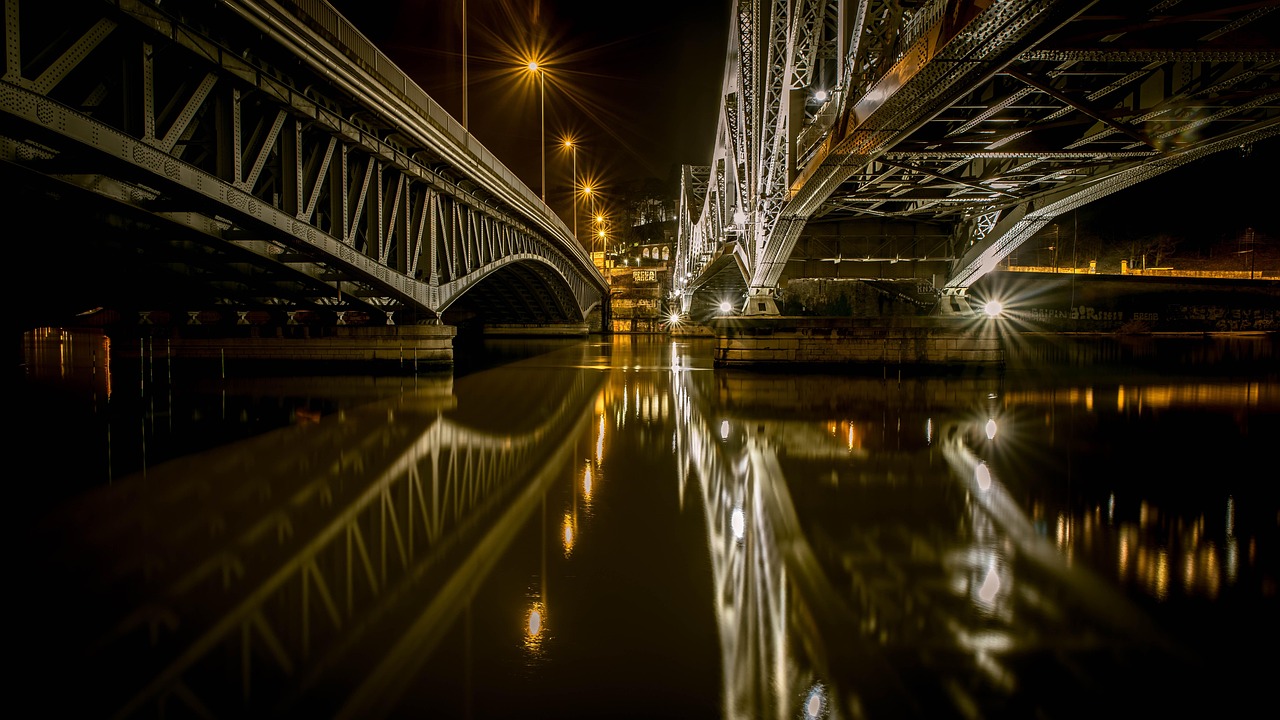
Saône River elegance from Presqu’île to Place des Terreaux
For a more atmospheric side of the city, map out a Saône river cruise, Presqu’île Place des Terreaux murals in Lyon day. The bank of the Rhône carries energy—joggers, students, that breezy openness—while the bank of the Saône feels calmer, more intimate, and quietly cinematic. Mentioning the Rhône and Saône together is helpful for orientation: once you can “read” the rivers, Lyon becomes effortless to navigate.
This is where luxury travel in Lyon often shines: not in excess, but in ease. A well-timed walk, a beautiful square, a small art stop, then a crafted moment on the water.
Saône river elegance with a private cruise
Luxury travellers often recount serene private cruises on the Saône River, combining fine dining with scenic vistas. If that appeals, ask for a discreet boat, a weather-proof plan (blankets and a covered section), and a menu that matches your palate rather than a set template. The goal is seamless: you’re not “doing an activity”, you’re simply floating through the city’s best angles.
- Best timing: late afternoon into early evening, when light turns warm, and the city feels softer.
- What to request: a quiet table set-up, champagne or Burgundy, and a route that lingers near Vieux Lyon for views of Vieux Lyon from the water.
- If rain arrives: keep the plan together with a covered cruise and a cosy after-dinner bar on Presqu’île.
It’s one of those many great things that make you feel looked after, and it suits couples, friends, and solo travellers equally well.
Place des Terreaux, Hôtel de Ville de Lyon, and a mural stop
On land, Presqu’île gives you classic city elegance. Place des Terreaux is one of the largest squares in Lyon, framed by the Hôtel de Ville de Lyon and a sense of Louis XIV-era grandeur that still shapes the atmosphere. The Bartholdi fountain is the detail people remember—dramatic, sculptural, and surprisingly playful when you see it up close.
For an art-forward thread, add a mural stop—murals in Lyon are one of the best ways to feel the city’s creativity without committing to a full gallery day. A private guide can decode the references and point out what’s easy to miss, but even without one, let yourself pause and simply look. A single mural can change the tone of an entire afternoon, especially when it appears unexpectedly at the end of a street.
To balance the day, step into Parc de la Tête for a restorative pause. Parc de la Tête d’Or is ideal when you want plenty of things to choose from, but don’t want to overschedule; it’s a soft exhale in the middle of the city.
Musée des Confluences Lyon museum modern architecture science and anthropology
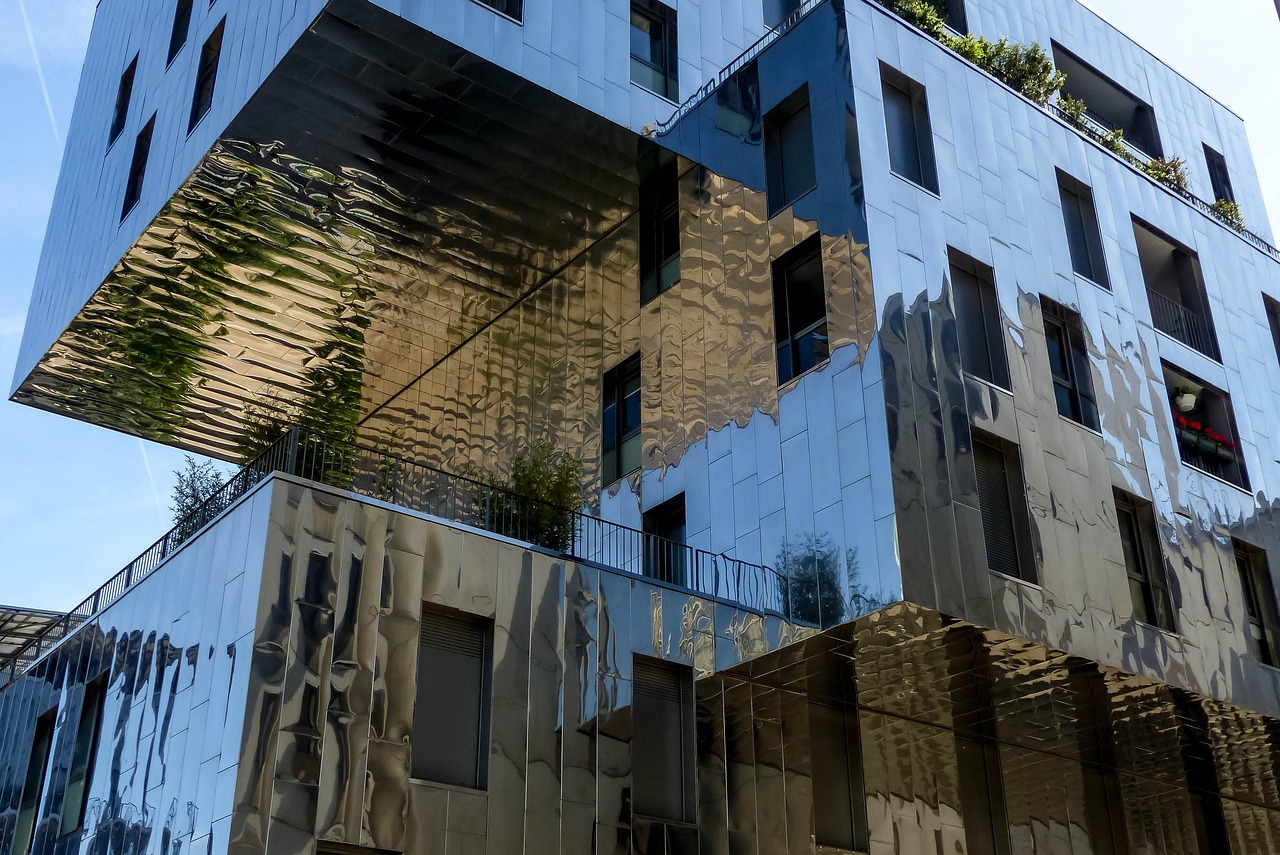
Musée des Confluences and modern Lyon sightseeing with meaning
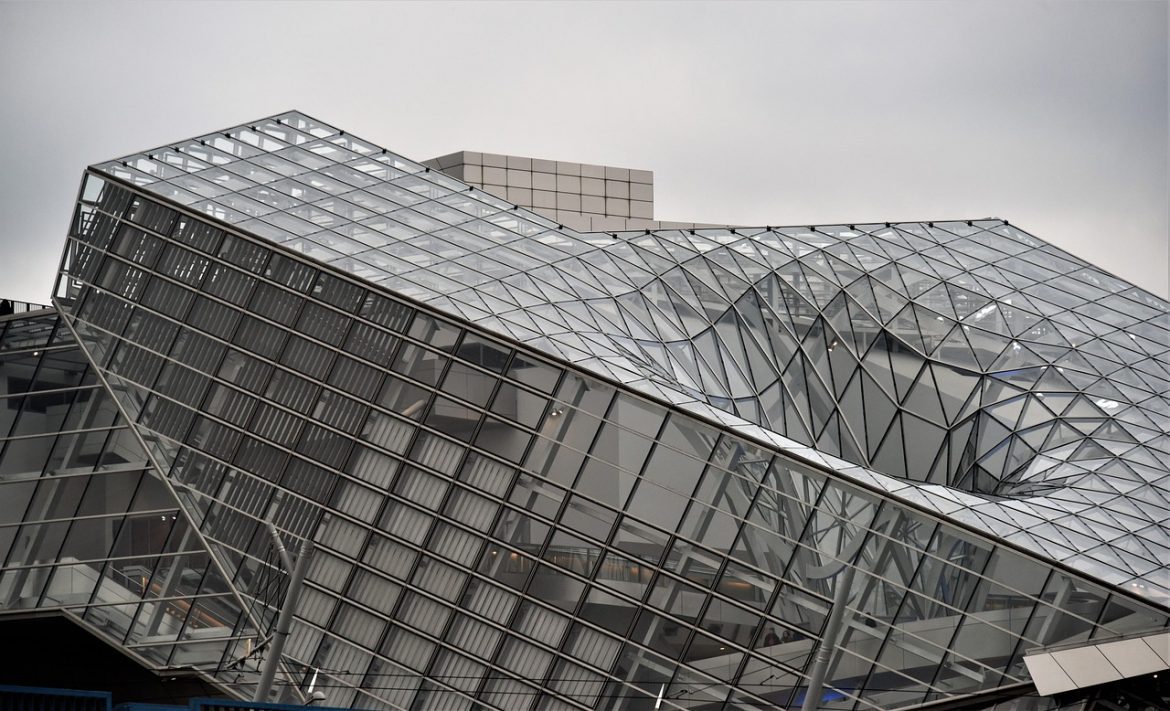
For travellers who want meaning with their beauty, Musée des Confluences Lyon museum, modern architecture, science, and anthropology offer a striking counterpoint to Vieux Lyon. The Musée des Confluences is an avant-garde Lyon museum where art, science, and anthropology meet, and it feels thought-provoking rather than heavy. Even if you’re not a “museum person”, the building and its ideas can surprise you—precisely because the experience is designed to spark curiosity.
It also gently expands your sense of places to visit: beyond the old town, beyond the postcard, into the modern life of the city.
A curated route inside for comfort and quiet corners
To keep it personal, plan a curated route instead of trying to cover everything. Choose a few galleries that match your interests—origins, cultures, the natural world—then build in pauses. High-end travellers often appreciate small comforts: accessible facilities, calm seating areas, and guided interpretation that makes the experience feel like a conversation rather than a lecture.
If you’re short on time, visit one section slowly and let that be enough. The best museum afternoons are rarely the ones where you see the most; they’re the ones where you actually feel something shift.
Rhône and Saône confluence, modern neighbourhoods, and a sensitive history stop
The setting matters here: the museum sits where the Rhône and Saône meet, and the landscape reinforces the theme of connection. Afterwards, you can explore modern neighbourhoods for Lyon sightseeing that feels current—architecture, cafés, and waterside walks with space to breathe.
If you want depth, consider the Deportation History Centre, approached with emotional sensitivity and care. It’s not “easy”, and it shouldn’t be, but it can be profoundly important—especially if you value travel that supports understanding as well as pleasure.
On practicalities, Lyon is certainly safe with standard precautions: keep an eye on your bag in busy areas, and use taxis late at night if you prefer. Getting around by metro is straightforward, but for a seamless day, mix metro with taxis so you never feel rushed. If you’re planning when to visit Lyon for festivals, late spring and early summer often bring the most vibrant atmosphere without the deepest crowds.
F.A.Qs:
What is Lyon, France, best known for?
Lyon is known for its gastronomy, from traditional bouchons to refined tasting menus, and for its historic centre, including Vieux Lyon and its hidden traboules. It’s also admired for the Fourvière Basilica skyline, its rivers, and a strong creative spirit expressed through murals and contemporary architecture.
What to see in Lyon in one day?
If you have one day, focus on Vieux Lyon in the morning (including a short traboule walk and Cathédrale Saint-Jean-Baptiste), then head up to Fourvière Hill for the basilica and viewpoints. Finish with a relaxed stroll along the Saône and a well-chosen dinner on Presqu’île or in the old town.
What should you see in Lyon?
Most visitors prioritise Vieux Lyon, the Basilica of Notre-Dame de Fourvière for panoramic views, Les Halles de Lyon for gourmet tastings, and the elegance of Presqu’île, including Place des Terreaux. For a modern contrast, the Musée des Confluences adds depth and design-led discovery beside the rivers.
Is it worth visiting Lyon in France?
Yes, it’s worth visiting if you enjoy cities with soul, exceptional food, and a balance of heritage and modern culture. Lyon offers a more intimate pace than some larger destinations, yet still delivers world-class dining, beautiful architecture, and thoughtful museums—making it ideal for travellers who value comfort and meaning together.
What stayed with me after Lyon
There are cities you remember for what you did, and cities you remember for how you felt. Lyon is a beautiful city that lingers quietly, like perfume on a scarf. Long after you’ve left, you may find yourself thinking about the change in sound as you stepped into a passageway in Vieux Lyon, or the brief hush inside the basilica when the door closed behind you.
What stays with me is not a checklist, but a texture: the warmth of a room where strangers shared a table without fuss; the way lantern light softened stone in the old town; the moment before sunset when the skyline seemed to hold its breath. It’s a city that encourages you to trust your own pace, and to notice the small edges of beauty that don’t announce themselves.
I like to imagine returning in another season, not to tick off best things again, but to uncover one more layer—perhaps a quieter street, a new workshop, or a different view over the water. The loveliest part is knowing you can return with confidence, and let the city meet you where you are.
In the end, Lyon doesn’t ask you to be busy. It simply offers light on water, stone that glows at dusk, and flavours that feel like a kind of welcome—then leaves you to carry those impressions home, until one day you catch yourself wondering what the city might show you next time.