Post Contents
- Times to visit South Korea: weather, crowds, style
- Best times to visit South Korea in spring
- Best time to visit South Korea in Autumn
- Visit South Korea in Winter: South Korea in January, ski breaks, and city comforts
- Luxury travel tips for planning your trip
- F.A.Qs: Best time of year to visit Korea
- After you visit South Korea, what stays with you, from city nights to Jeju’s calm
Times to visit South Korea: weather, crowds, style
Times to visit South Korea for weather, crowds, and style at Seoraksan National Park
When people ask about times to visit this North Asian destination, they’re often really asking how the year in South Korea feels—how light falls on streets and palace stone, how the air moves through courtyards, and whether the pace in Seoul supports unhurried luxury. In practice, the temperatures and weather conditions shift dramatically across four distinct seasons, shaping everything from outdoor activities and day trips to dining reservations and the ease of private transfers.
For most travellers, the best times to visit South Korea are spring and autumn, when the weather is mild, and city exploration feels effortless. Summer can be hot and humid, while winters in South Korea can be crisp and quiet—ideal if you prefer museums, spa rituals, and winter sports. Use the guide below to quickly choose your time to visit South Korea, then we’ll unpack each season with practical details.
Popular times to visit
- Spring (March to May): the arrival of spring and cherry blossom season; bright, romantic, and one of the best times for first-time visitors. For many, it’s a good month window to build a classic itinerary around the capital plus a quieter island escape.
- Autumn (September to November): comfortable days and show-stopping autumn foliage; often considered the best time for a balanced itinerary with city, culture, and nature.
- Summer (June to August): energetic and food-forward, but plan for higher humidity and higher rainfall; excellent if you’ll mix indoor culture with coastal breaks and the occasional beach day.
- Winter (December to February): cooler air that can feel distinctly chilly, occasional snowfall, and ski options; wonderful for design districts, fine dining, and restorative wellness.
For many luxury travellers, spring and autumn remain the best times—yet they’re also the most in-demand, so pricing and availability rise accordingly. Cherry blossom crowds can be intense around central Seoul and key festival areas, but with early starts and curated neighbourhood choices, you can still enjoy a calm, private rhythm.
Summer season vs. winter at a glance
The summer months (especially June to August, with peak heat in July and August) can feel humid, with high humidity and noticeable humidity after dark. Monsoon patterns arrive as the monsoon season builds, bringing heavier rainfall during the peak monsoon season; Korea’s rainy season can interrupt coastal plans, and there’s also occasional typhoon risk. A seamless summer season itinerary is about timing and texture: think contemporary galleries, tasting menus, and a premium jjimjilbang session, then a late-afternoon beach walk in Busan when the heat softens.
In contrast, December to February brings a colder, clearer atmosphere—particularly in northern and mountainous regions—and the country’s terrain can feel notably mountainous once you leave the cities. South Korea in January is the sharpest part of winter; January is the coldest month, and you’ll notice the coldest nights after sunset. If you want the best time to visit South without peak crowds, winter can be quietly elegant, provided you pack well and keep transfers comfortable.
Planning your trip starts with pacing and seasonality. For a first journey, 8–12 days allow a confident rhythm: a few nights in Seoul, a coastal interlude in Busan, and then Jeju for air and space—this Busan-Jeju pairing works beautifully after the capital. Do note domestic travel spikes around Chuseok and the lunar new year, when many return to hometowns to celebrate; book early, and build a little buffer time into transfers.
Best times to visit South Korea in spring
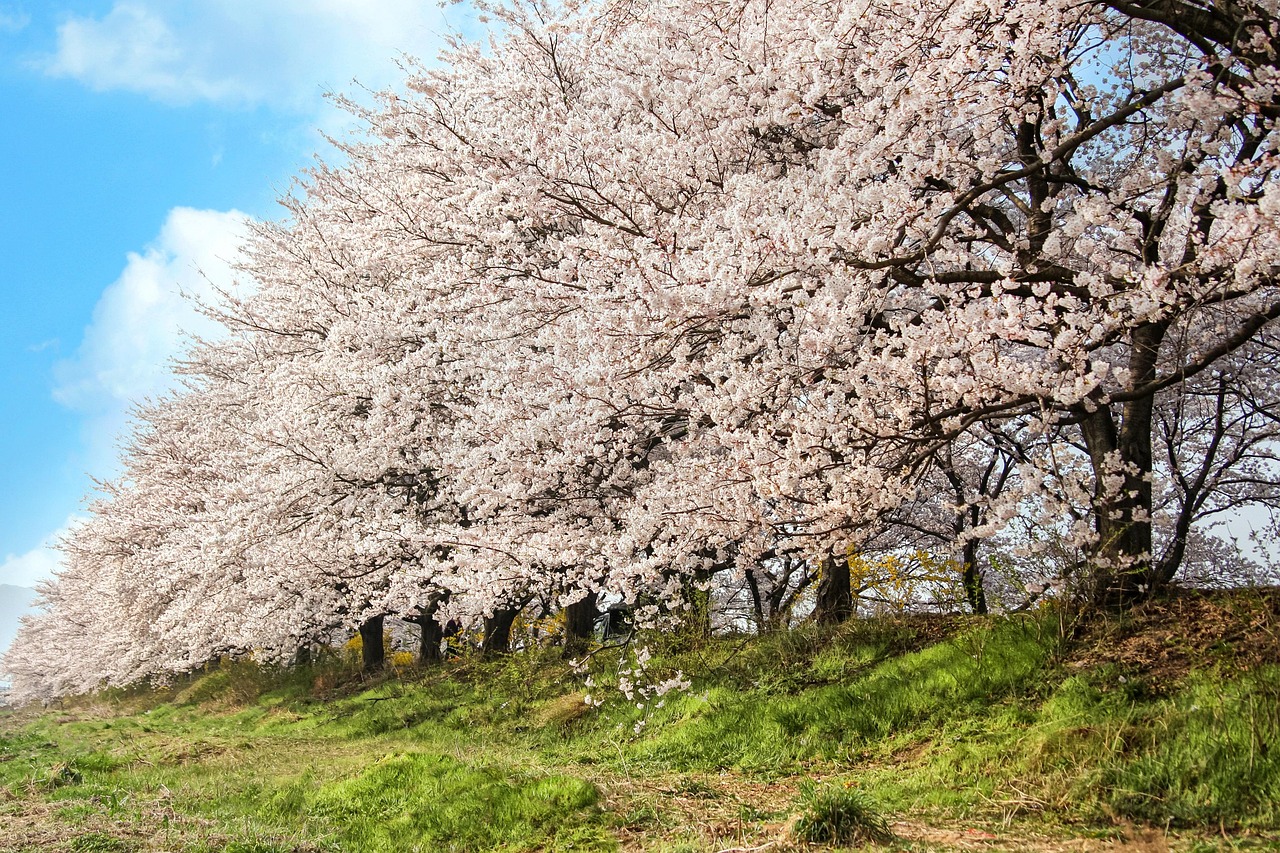
Best times to visit South Korea in spring for cherry blossom walks and soft light
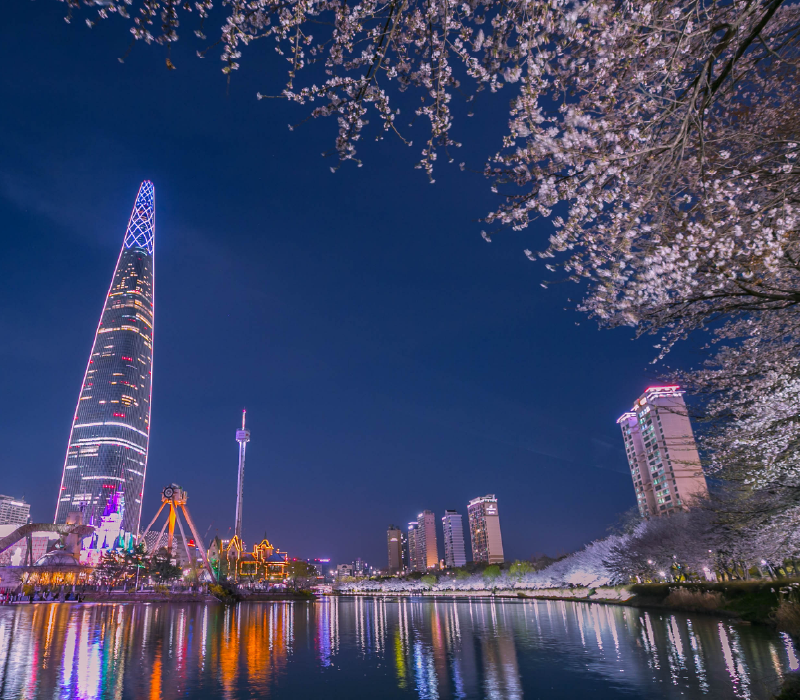
The best times to visit this country are in the spring, from mid-March to mid-May, when the first signs of spring appear, and the landscape changes almost daily. In South Korea in March, buds begin to open; by South Korea in April, you’ll often catch the moment when cherry blossoms bloom, and streets turn pastel. Timing varies depending on the weather, but when trees reach full bloom, even a simple walk feels like an event—and it’s why many planners rank spring among the best times to visit South Korea.
Spring is also when South Korea is at its most photogenic: pale pink avenues, fresh market produce, and a calm clarity that suits a high-end pace. If the month of the year matters to you for photography, outdoor dining, and gentle evenings, spring delivers without demanding constant logistics.
South Korea in April: a crafted cherry blossom route from the capital to Jeju Island
To design a high-end cherry blossom route, begin in the capital with palace walks—Gyeongbokgung and Changdeokgung are especially atmospheric in the early morning when courtyards are quieter. Then slip south to Jinhae for festival atmosphere, where lantern displays, food stalls, and waterfront promenades make the city feel celebratory as locals gather to celebrate the arrival of spring. Finish with Jeju Island, where coastal roads, boutique stays, and sea views create a softer, more private version of the season.
A luxury traveller once shared that visiting Jeju in late April, during cherry blossom season, felt like an intimate retreat from city noise. Their days were shaped by exquisite local cuisine—fresh seafood and seasonal tangerine desserts—paired with panoramic ocean views, and evenings felt unhurried, as if the island were holding the pace for them. It’s a reminder that the best time of year to visit Korea isn’t only about dates; it’s also about choosing the right setting for your style and energy.
Seoul in Spring: cultural moments, design, and calm luxury
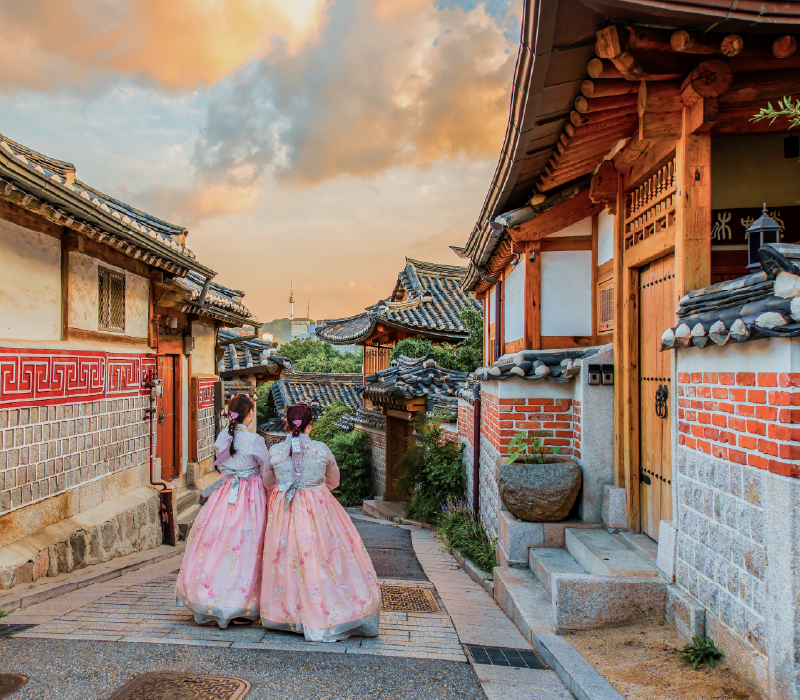
Spring is ideal for cultural experiences that feel both local and elevated. In Insadong, traditional tea ceremonies offer a sense of care and stillness—an expert host explains the small details with warmth, so you feel at ease. For a designer edge, arrange luxury hanbok rentals and a styled photo session at a historic palace; the blend of silk texture, architecture, and blossom-framed gates is timeless.
Because spring is among the best times to visit, premium accommodation and private guides book quickly, particularly around weekends and school holidays. Secure spa slots, restaurant tables, and a dedicated driver early, and you’ll move through the city with effortless support.
Best time to visit South Korea in Autumn
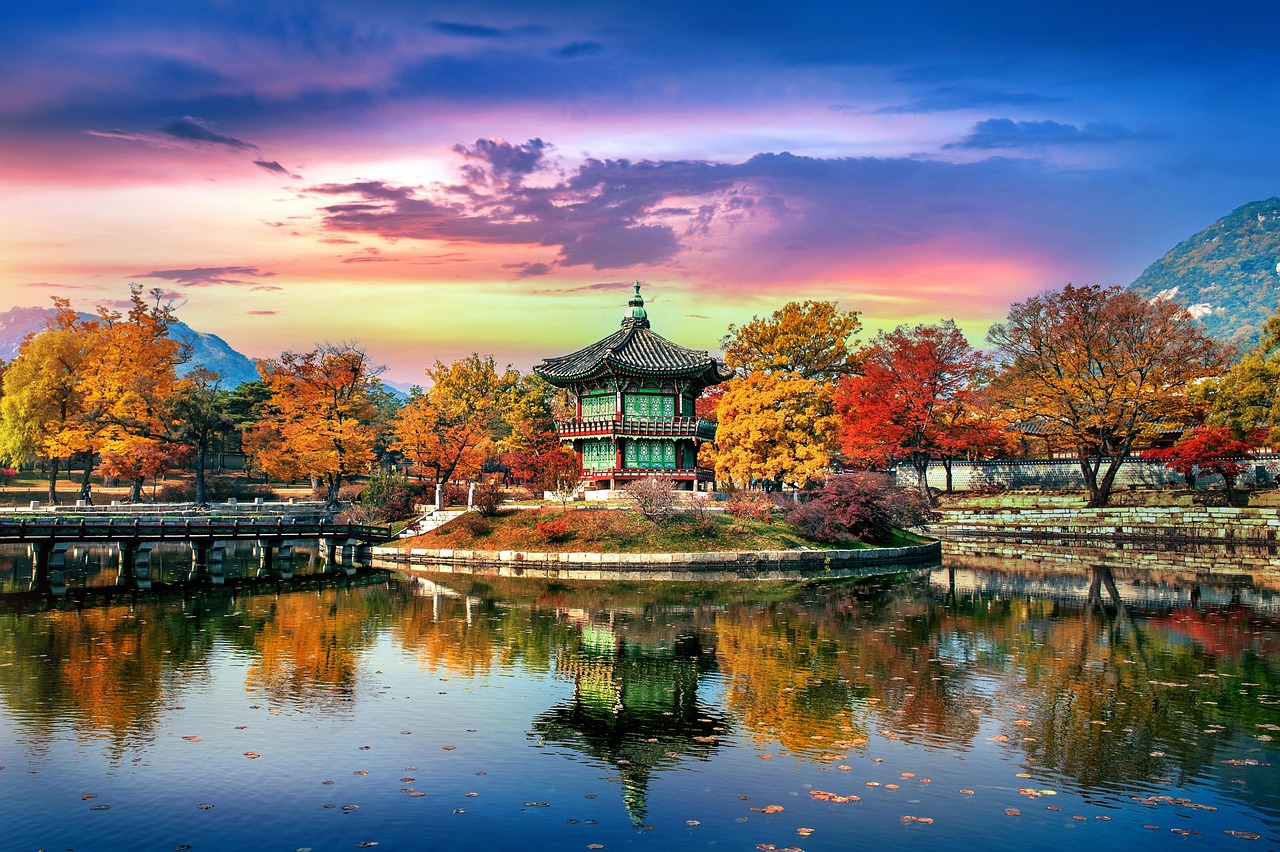
Autumn: best time to visit South Korea for foliage from September to November
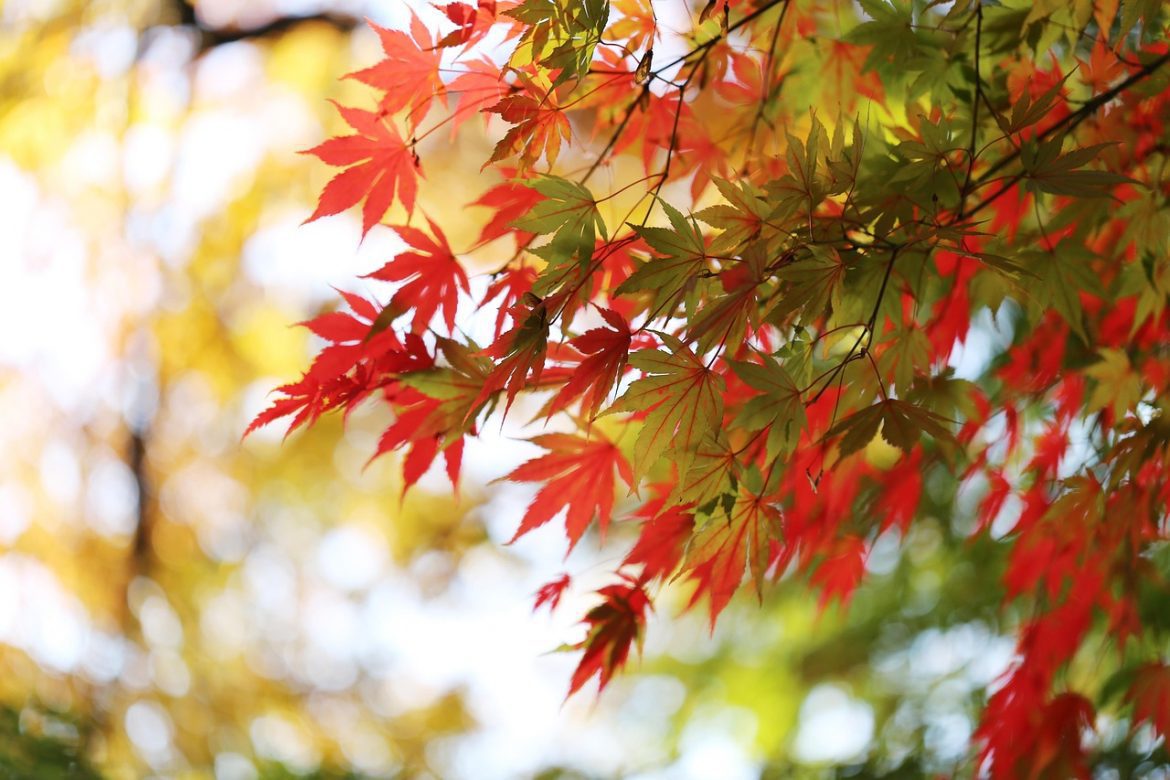
The best time to visit South for many travellers is autumn, especially September to November, when days feel luminous, and the air turns comfortably crisp without the stickiness of summer humidity. If you’re choosing months to visit for long walks, easy layering, and scenery that looks curated, this season is consistently among the best times—with colour in palace gardens, riverside paths, and national parks.
Autumn also supports flexible pacing: café terraces feel inviting, city nights are clear, and day trips feel less weather-dependent. It’s a popular time for good reason, and for many visitors it’s the easiest season to combine culture, shopping, and nature without compromise.
South Korea in October: iconic foliage escapes and national parks day trips
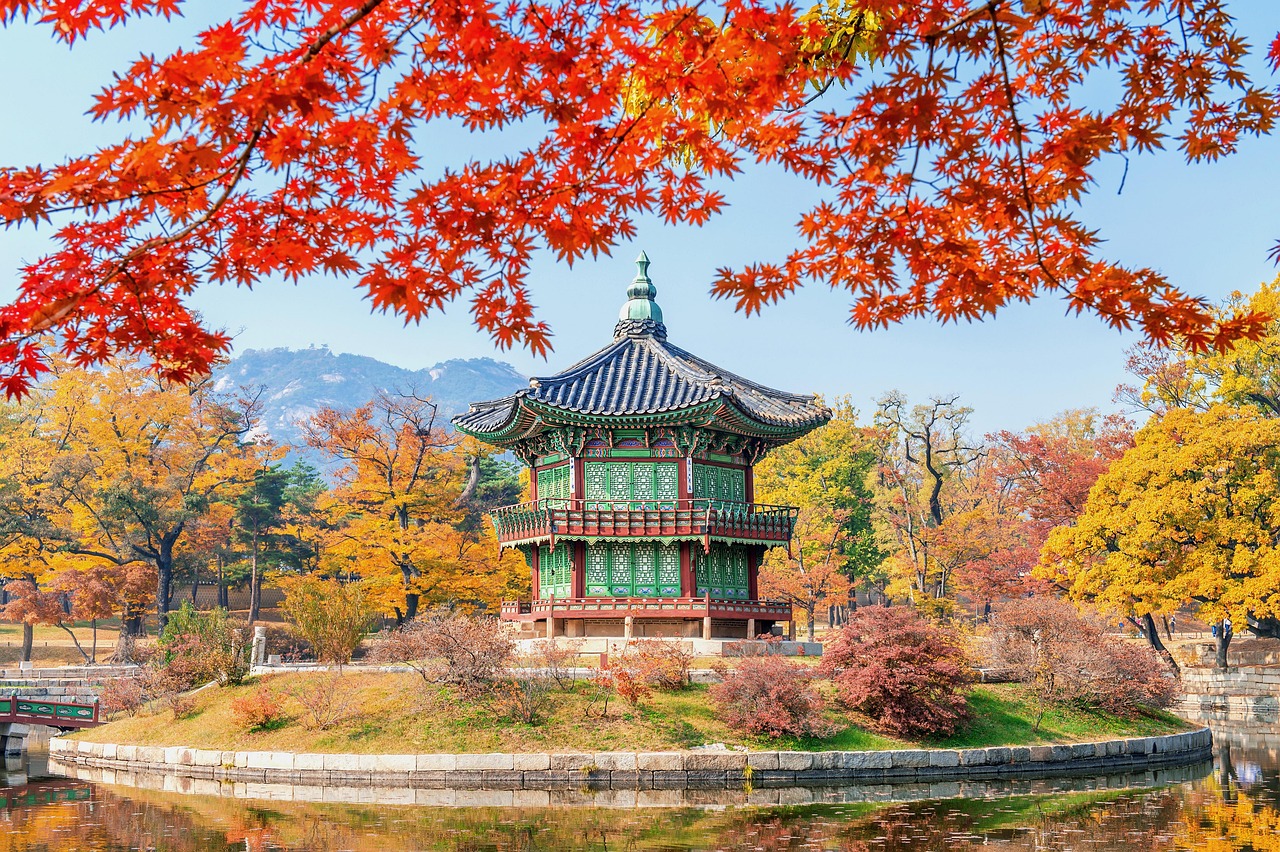
For a classic day trip, Nami Island offers a photogenic escape from the city, with tree-lined paths that glow gold and rust as the season deepens. For dramatic national park scenery, Seoraksan National Park delivers scale—granite peaks, coloured valleys, and viewpoints that feel cinematic, especially on clear mornings when you can expect sunny days between cooler fronts.
If you’d like a quieter option, weave in Gyeongju, where history sits gently within the landscape. Walking near tumuli and ancient sites at dusk can feel almost meditative; several areas are recognised as a UNESCO World Heritage Site, adding a layer of meaning to the beauty. It’s an ideal counterbalance to the capital’s pace, and a refined way to uncover South Korea’s depth beyond the obvious highlights.
Lantern nights in Seoul
A couple celebrating their anniversary once booked a hanbok photo session at Gyeongbokgung Palace in autumn, and described it as the most personal part of their trip. The colour-saturated trees made the palace grounds feel like a painted set, while the architecture offered a steady, grounding elegance—timeless in the most reassuring way.
November also brings a different kind of magic. One traveller recalled attending the Seoul Lantern Festival, watching each lantern installation glow against modern skyscrapers and traditional bridges; the lantern light softened the city’s edges and created unforgettable photography moments. For popular months to visit, like South Korea in October and November, consider shoulder timing—aim for the beginning of the month for slightly easier bookings, and expect the end of the month to feel busier as colour peaks. Reserve sought-after restaurants and arrange premium car services to make longer drives comfortable.
Visit South Korea in Winter: South Korea in January, ski breaks, and city comforts

Visit South Korea in winter for ski days and warm city comforts
If you’re planning to visit South Korea in winter, set expectations early: South Korea in January is crisp and cold, and evenings can feel sharply chilly. Yet winter can be quietly luxurious, especially if you enjoy a slower tempo, cosy interiors, and the contrast between bright city design and calm mountain landscapes.
Snowfall is most likely in northern and mountainous regions, while coasts can feel milder. That means you can choose your mood: a mountain retreat for snow scenes, then a coastal pause where sea air feels clean and bracing, without the deep freeze inland.
South Korea in January: ski and winter sports with a luxury approach
Winter sports in Korea can be exceptionally well organised, and a luxury approach makes all the difference. Think private lessons, priority lift access where available, and upgraded lodging that keeps you warm between runs. A ski day becomes less about endurance and more about pleasure—designed around long lunches, a bit of shopping, and time to simply look at the landscape.
If you prefer not to spend whole days outdoors, balance a short snow session with indoor culture in the capital. Galleries, museums, and fine dining feel especially inviting in winter, when the city’s energy is focused inward and evenings are made for tasting menus and discreet cocktail bars.
Jjimjilbang rituals and hanbang wellness for deep, personal care
Korea’s high-end spa culture shines in winter. Premium jjimjilbang experiences offer elevated amenities—quiet rooms, thoughtful design, and a sense of trust that lets you fully exhale. Boutique wellness centres offering hanbang (traditional Korean medicine) treatments add a more personalised layer: consultations, herbal therapies, and bodywork that feels restorative rather than performative.
Keep seasonal calendar notes in mind. Korean New Year and Lunar New Year can affect opening hours and transport for part of the month, so build in flexibility and let a local expert handle confirmations. With the right support, winter becomes a confident, restorative season—less about chasing sights, more about feeling well.
Luxury travel tips for planning your trip
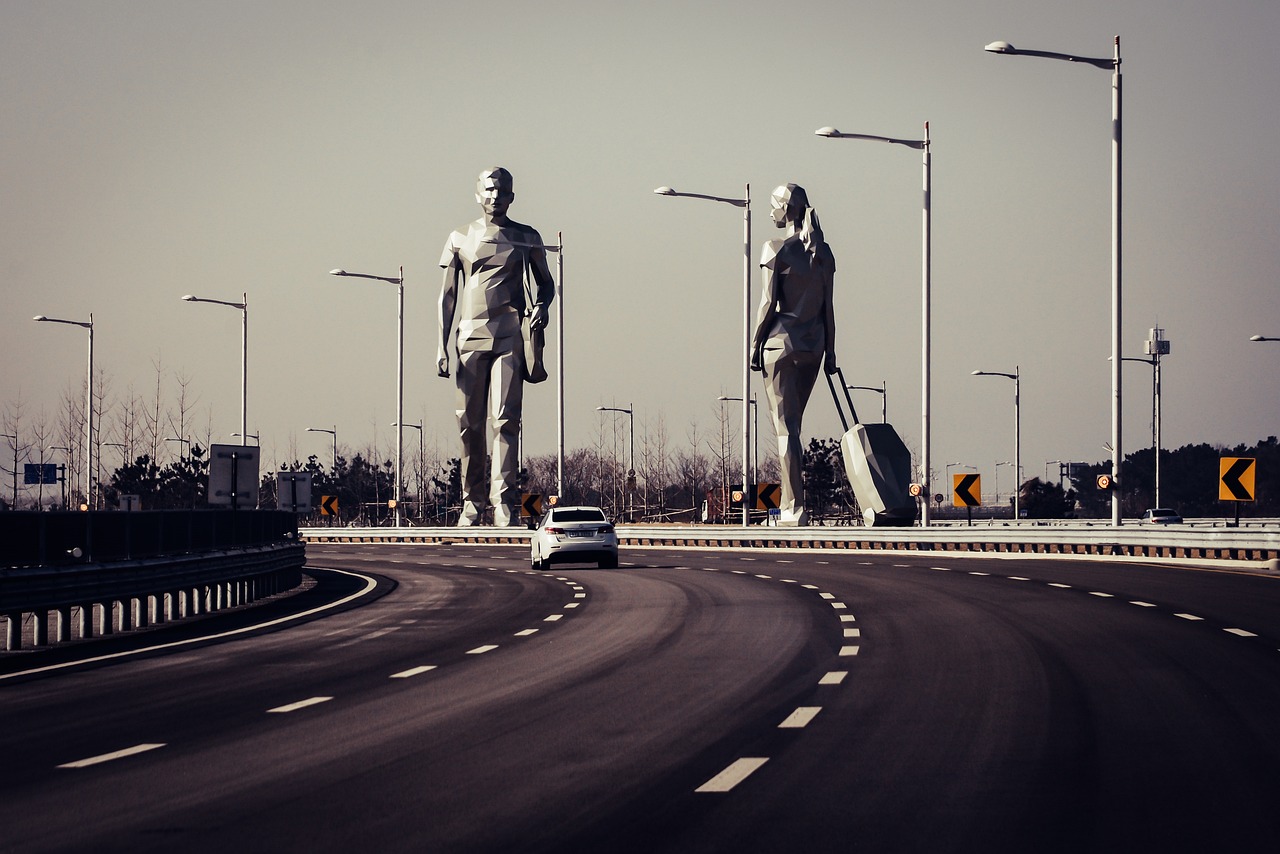
Luxury travel tips for a seamless trip via Incheon Airport
These notes are designed for high-end travellers who want the practical details handled with warmth and precision—because travelling to South Korea should feel inspiring, not overwhelming. Start with arrival: Incheon International Airport is the smoothest gateway, and private transfers or a luxury car rental can make that first hour seamless, especially after a long-haul flight. If you travel to Korea from North America, consider a first-night hotel near your preferred neighbourhood to reduce friction on arrival.
Once you’re in the city, the key is choosing when to lean into comfort and when to keep things simple. For many itineraries, the time of the year you choose dictates how much you’ll want a car versus public transport, and how you’ll structure day trips and dining.
Visit Seoul smoothly: Incheon arrivals, smart transport, and day-trip efficiency
If you’ll visit Seoul first, a private driver helps on arrival day, particularly if you’re checking into a high-end hotel and heading straight to dinner. After that, don’t overlook the subway: it’s clean, efficient, and often faster than road travel at peak times, making it a surprisingly elegant option for city exploration. Save car services for evenings, shopping days, or when you’re moving between regions with luggage.
- Seoul: choose a central base for design districts and palaces, then explore Dongdaemun Design Plaza and Samcheong-dong for modern luxury beside traditional aesthetics.
- Jeju: opt for resort-style stays with ocean views, where the beach and coastal drives support a slower rhythm; Jeju Island is also ideal for food-focused days and nature-forward evenings.
- Busan: ideal for seafood, coastal walks, and a different city texture—more breeze, fewer sharp edges, and an easy reset between cultural days.
If you’d like visual inspiration before you finalise your route, browse our Trip gallery and imagine your own balance of city and coast. This is also a good moment to cross-check national holidays, festival weekends, and weather patterns before you lock in bookings.
Budget, etiquette, and well-being
Budget and value shift with seasonality. During the best times to visit—particularly spring blossom weeks and peak autumn weekends—premium accommodation, fine dining, and exclusive experiences rise in price. A smart approach is to choose a few meaningful splurges (a private guide, a chef’s counter, a boutique spa day) and pair them with curated free moments, like riverside walks or a quiet gallery afternoon.
Local etiquette is simple, and guides often explain it with genuine care. Remove shoes before entering traditional homes or certain establishments, and use both hands when giving or receiving items; these small gestures create instant cultural confidence. Safety levels are high, yet it’s wise to stay up to date on local health guidelines and to book spa treatments and cultural experiences well in advance during peak seasons. If you’re deciding between times to visit, it’s often best to avoid major transit days around Chuseok if you dislike crowds, as domestic movement can swell dramatically.
For readers mapping out times to visit while travelling in Asia, remember that Korea’s cities are compact, but its experiences are layered. Treat this as a simple South Korea travel checklist: pick your season first, then choose a pace that matches your style, and add one “anchor” experience (a palace morning, a coastal dinner, a spa ritual) that makes the trip feel yours unmistakably.
F.A.Qs: Best time of year to visit Korea
Which is the best month to visit South Korea?
For many travellers, April and October are stand-out choices. April often brings cherry blossom walks and mild temperatures, while October offers clear days and autumn colour without heavy summer humidity. If you’re planning a luxury trip, these months can feel especially seamless for private touring, premium dining, and relaxed neighbourhood strolls—just book early as they’re popular.
What is the 52-hour rule in Korea?
The “52-hour rule” commonly refers to South Korea’s legal cap on the working week (52 hours), designed to improve work–life balance. For visitors, it can subtly influence city rhythms—some neighbourhoods feel livelier in the evenings and at weekends, and reservations for sought-after restaurants can fill quickly. It’s not a tourist restriction, but it can shape local patterns.
What is the cheapest time to visit Korea?
Typically, the cheapest time is winter, outside holiday periods, particularly in January and February after the New Year rush. You may find better-value hotel rates and more availability for high-end stays. Do keep in mind colder weather and shorter daylight hours, and plan your itinerary around indoor culture, dining, and wellness for the most rewarding experience.
What is the 3-day rule in Korea?
The “3-day rule” can mean different things depending on context, but travellers often use it informally to describe allowing three days to settle into the capital before adding other regions. Three days give you time for palaces, shopping, design districts, and a few guided cultural moments without rushing. From there, it’s easy to add Busan, Jeju, or even Gyeongju depending on your interests.
After you visit South Korea, what stays with you, from city nights to Jeju’s calm
After you visit South Korea, what lingers is rarely the checklist of landmarks—it’s the feeling of being gently looked after. A guide who explains etiquette with patience, hotel staff who anticipate small comforts, and the quiet trust of moving through the city at night with ease can change the emotional texture of travel. It’s a place that makes space for you to feel both held and free, together.
The contrasts stay vivid in the mind: modern design beside ancient palaces, a tea-house calm after an art-filled afternoon, and Jeju’s sea air arriving like a soft reset after bright urban energy. You may remember the hush of a courtyard, the way fabric falls in a hanbok sleeve, or the taste of seasonal South Korean dishes that made an ordinary moment feel personal.
And then there are the scenes that return without asking—an evening glow reflected in water, with skyscrapers standing quietly behind it. Not as a reminder to do more, but as a gentle certainty that the world is still full of corners left to uncover, in your own time.