Post Contents
- Busan seasons at a glance: best time to visit Busan, South Korea — a luxury guide to the top times to visit
- Late spring in Busan (May): calm beaches, cherry blossom escapes, ideal for visiting South Korea.
- Summer in Busan: beach life with rainy season, monsoon heat, and typhoon-ready luxury planning
- Autumn in Busan: September to November offers foliage, clear evenings, and a relaxing pace.
- Winter and year-round luxuries in Busan: travel tips, quiet stays, and luxury accommodation planning
- F.A.Qs: best time to visit Busan, South Korea
- What stayed with us after Busan: personal reflections from a coastal journey
Busan seasons at a glance: best time to visit Busan, South Korea — a luxury guide to the top times to visit
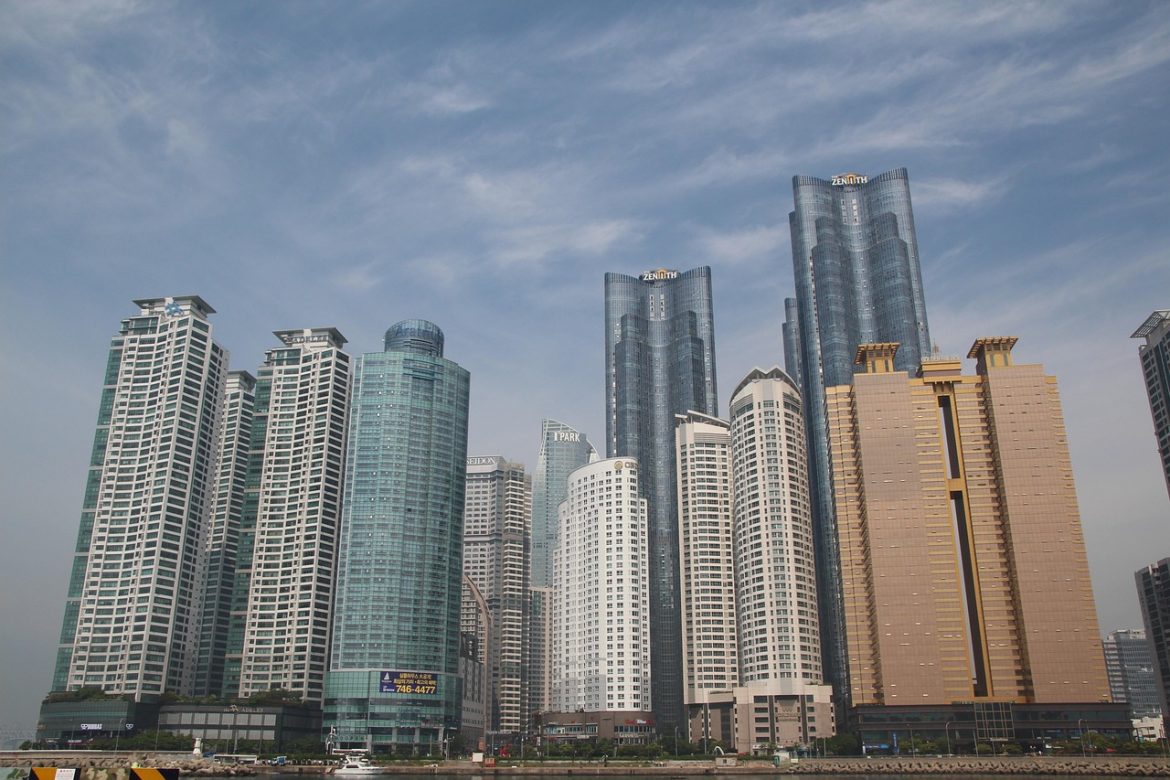
Busan seasons at a glance and the best time to visit, with a coastal city view in South Korea
If you’re searching for the best time to visit busan korea, start with one truth: Busan’s four seasons shape your mood as much as your itinerary. This destination can feel bright and playful in the summer months, quietly restorative through a long winter, and beautifully balanced in late spring and early autumn.
The best time to visit depends on what you want to discover at a high-end pace—beach days with room to breathe, culture on temple cliffs, wellness rituals, or a curated route through food, design, and galleries. Because tourism rhythms shift across the year in South Korea, matching your dates to your priorities is what makes the trip feel effortless.
Best time to visit Busan and the popular times to visit for luxury travellers
For many high-end travellers, the best times to visit are late spring (early May) and early autumn (September to October), for pleasant weather and lighter crowd pressure. These are the popular times to visit when you can explore neighbourhoods, viewpoints, and markets with a calmer, more refined tempo.
Mid-summer brings beach energy, longer evenings, and elevated nightlife—but it can also feel hotter, more humid, and more changeable. By contrast, autumn is crisp and romantic, while winter leans into spa warmth, design-led cafés, and gourmet dining rather than classic beach activities.
Climate context for South Korea’s southeastern edge: temperature, rainfall, and humidity
Busan sits on South Korea’s southeastern edge, and the year in South Korea is often more temperate here than in inland cities—though the weather still changes decisively. The average temperature varies widely by season, ranging from around 0°c on some winter mornings to 32°c during summer highs; many afternoons hover near 30°c. Expect concentrated rainfall in warmer months, with higher humidity, and an average annual pattern where wetter weeks can arrive in short bursts.
From a luxury perspective, the best time to visit is the one that suits your pace: slow mornings, well-timed reservations, and space for rest between highlights. The most seamless stays come from pairing the right time of the year with premium accommodation, private transfers, and key bookings handled in advance. For a visual starting point as you imagine your trip, browse our Trip gallery.
- Design the day: start early for quiet viewpoints, then return to your hotel for a slower midday reset.
- Book what matters: spa slots and signature tables disappear fastest on weekends and peak season dates.
- Choose your base: the beachfront district for sea views and polished service; Centum City for shopping, museums, and Spa Land ease.
Next, let’s explore what each season really feels like on the ground—so you can choose the months to visit with confidence and create a journey with breathing room.
Late spring in Busan (May): calm beaches, cherry blossom escapes, ideal for visiting South Korea.
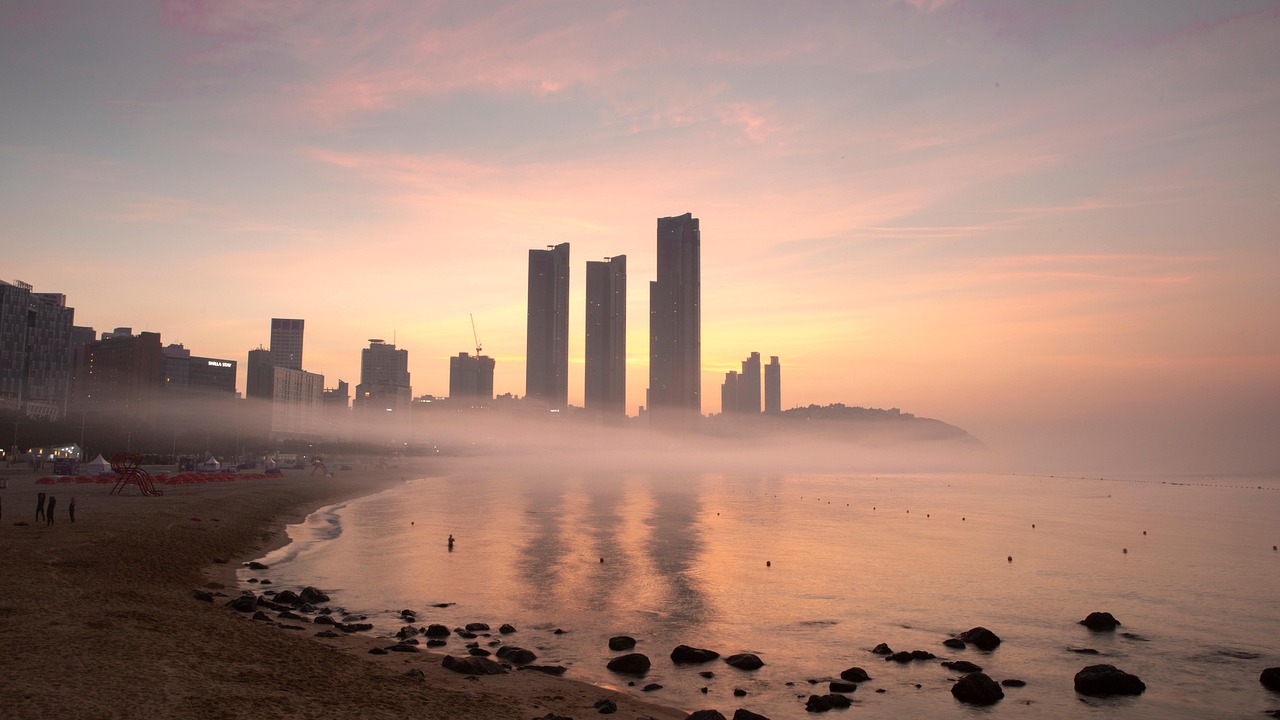
Late spring in Busan May calm beaches and cherry blossom day trips along a serene shore
For travellers comparing months to visit, late spring is often the best time to visit South Korea for comfort, style, and flexibility. These spring months bring milder days, relatively dry air, and a comfortable average for outdoor activities—perfect for waterfront walks, markets, and hillside viewpoints without feeling rushed.
Early May, in particular, feels like the city exhaling as the season starts. You can explore cafés and scenic routes without the sticky heat that arrives later or the tightest crowd levels.
Cherry blossom season in style: day trips for full bloom moments
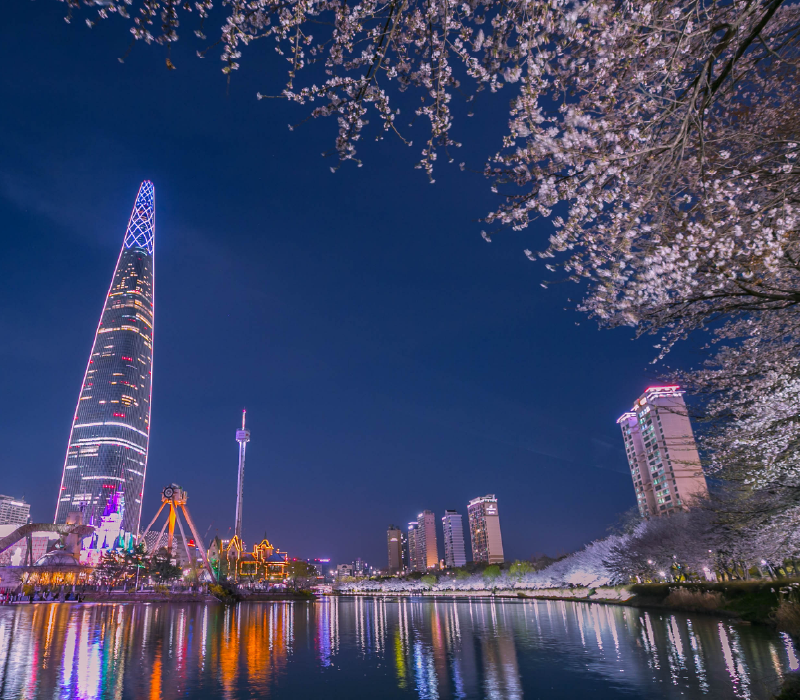
Cherry blossom season in South Korea typically begins around the start of April, shifting each year slightly. If you’ve missed full bloom in the city itself, you can still design a chic detour: Jinhae is the classic cherry-and-blossom destination for photography, especially when the bloom aligns with your dates.
With an expert driver, you can time the day for soft morning light, then retreat before crowds thicken. If a spring festival coincides, secure timings and tickets early so your day stays elegant rather than hectic.
Quiet morning rituals by the sea and a temple in spring light
A solo traveller once told us that their most personal memory began before dawn: arriving early at Haeundae beach to watch a tranquil sunrise, then returning to a resort for a private yoga session. The day felt crafted—quiet first, then restorative—without needing to rush anywhere.
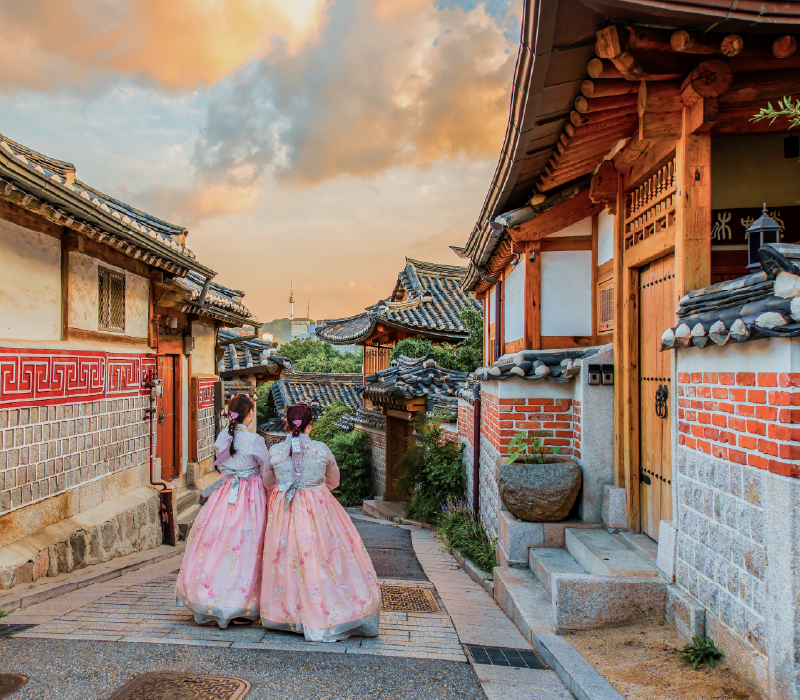
For a serene cultural pairing, Haedong Yonggungsa Temple is especially gentle in spring light, with ocean views that invite reflection. In traditional spaces, remove shoes when required and offer polite greetings; these small gestures build connection and show care.
If a local festival is on during your stay, the support comes from timing: aim for off-peak hours and keep one flexible slot in the afternoon so the itinerary still feels seamless.
Summer in Busan: beach life with rainy season, monsoon heat, and typhoon-ready luxury planning
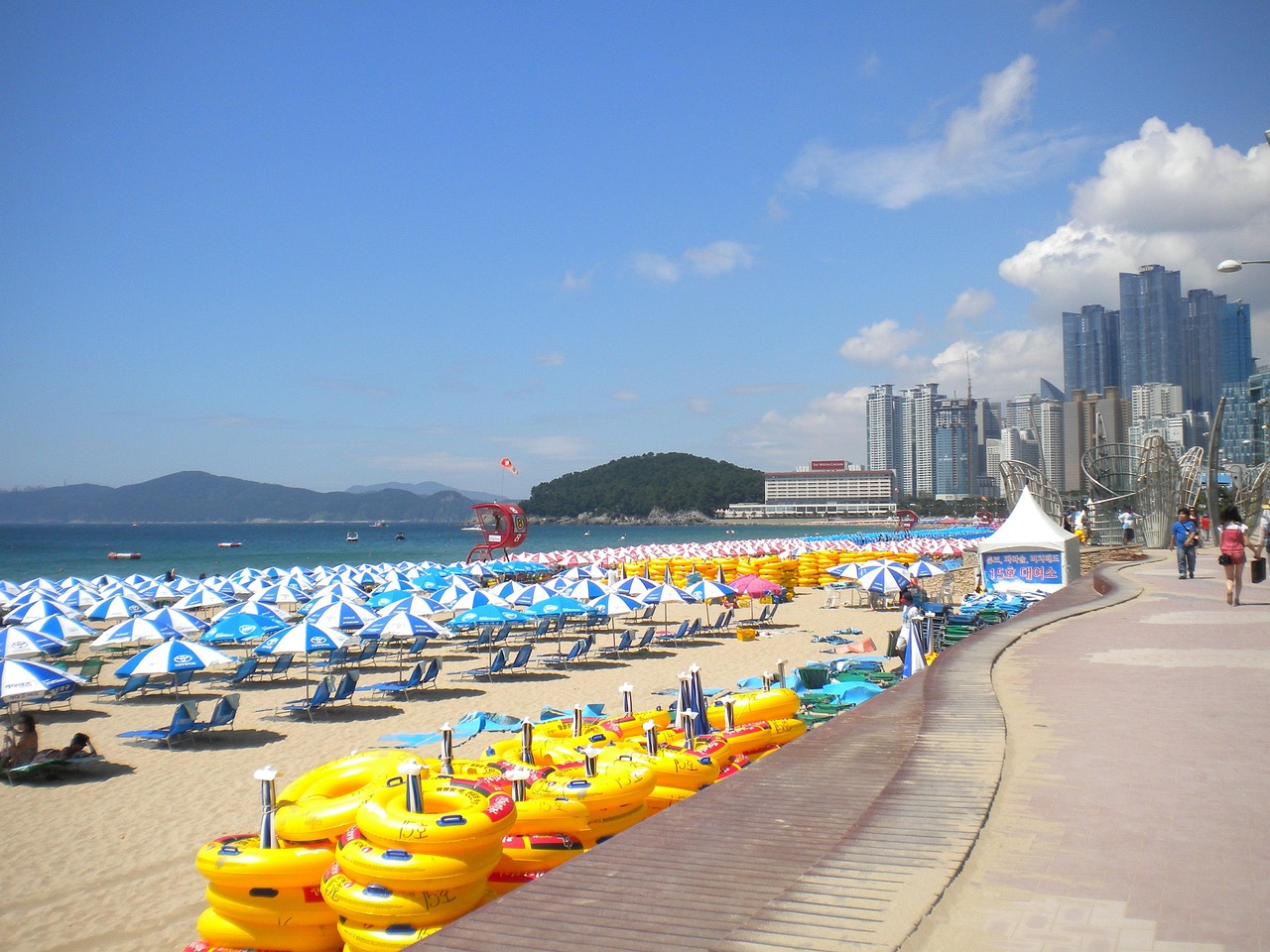
Summer in Busan July and August beach life with monsoon realism in the city
For travellers planning summer months on the coast, the key is clear expectations. Days can be hot and humid, and high humidity changes how the afternoon feels on your skin, even when the sky is blue—so pace your outings and plan for shade.
This is also when the rainy season can arrive, bringing sudden rain or a torrential downpour that can rewrite plans in minutes. Check rainfall forecasts, keep a compact umbrella in your day bag, and build in a spa or gallery option so the day still feels polished.
Monsoon season planning: flexible bookings and indoor elegance
This period doesn’t mean constant downpours—it means unpredictability. There’s also a typhoon risk in late summer, so flexibility matters: choose hotels with strong concierge support, and keep indoor alternatives ready (museums, luxury shopping, long lunches, and spa time).
On heavy-weather days, a private driver or a reliable taxi is the most seamless way to move with confidence, rather than navigating soaked pavements.
Beach glamour by day and Gwangan Bridge nightlife by night
Summer is when the city’s beach identity shines. You’ll find pristine sand, luxury beachfront hotels, and the kind of cabana set-up that lets you create comfort: early mornings and late afternoons are cooler, while midday is best reserved for shaded terraces and chilled drinks.
When the sun drops, the nightlife turns sophisticated. Gwangan Bridge night views paired with rooftop bars feel like a designer scene—especially if you reserve ahead during peak season.
- Comfort: breathable fashion, hydration, and a light layer for air-conditioned interiors.
- Timing: beach hours early/late; cultural stops mid-morning; long lunches when it’s hottest.
- Back-up beauty: keep one indoor highlight ready so the day still feels crafted if the weather turns.
Autumn in Busan: September to November offers foliage, clear evenings, and a relaxing pace.
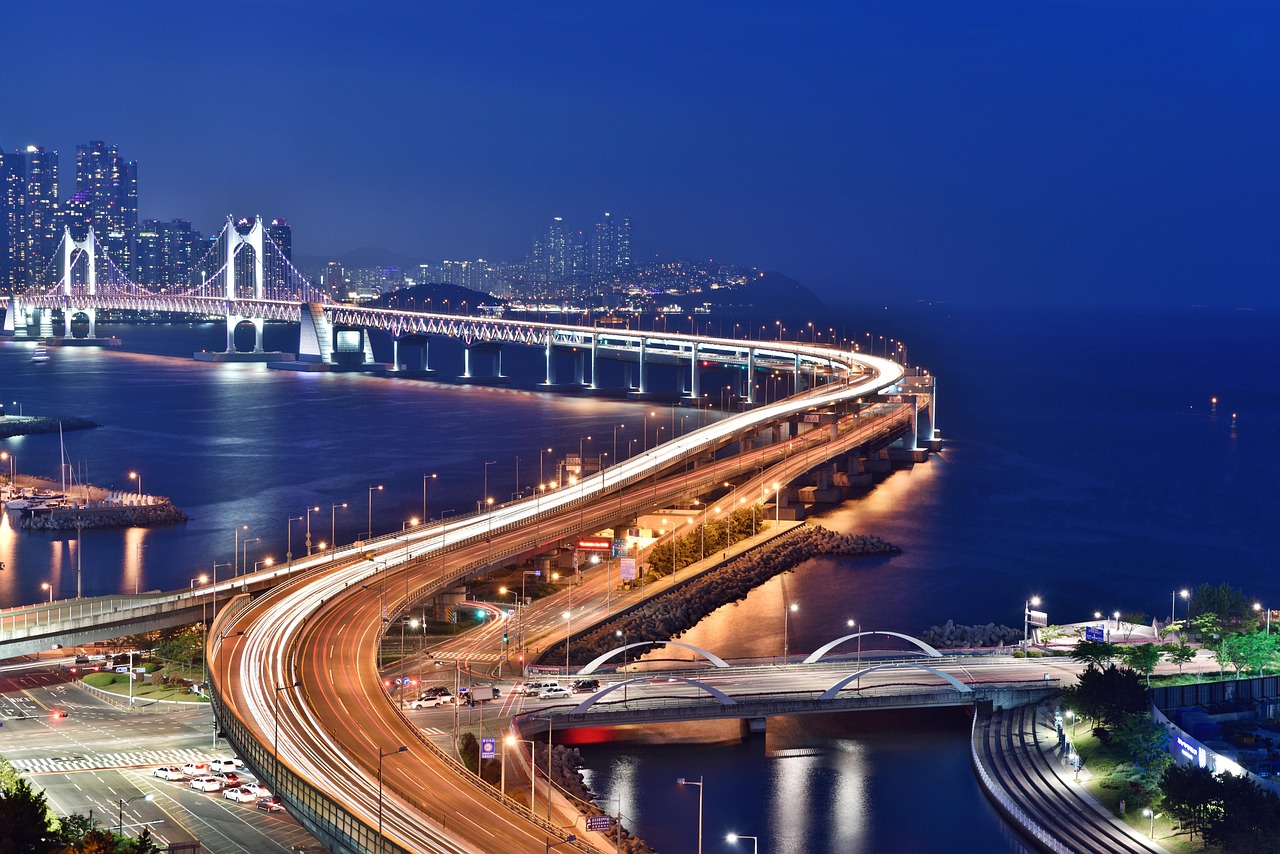
Autumn in Busan September to November for foliage and skyline romance with night lights
If you’re mapping out times to visit, early autumn—especially in the months of September—brings milder air, lower humidity, and easy days for exploring viewpoints, neighbourhood cafés, and art spaces. It’s one of the most consistently comfortable windows for walking-heavy itineraries.
Later in the season, evenings start getting colder, which is where fall and winter styling comes in: add a layer, plan a longer dinner, and enjoy the city lights without the summer crowds. For many travellers, this is the best time to visit when you want elegance without effort.
Autumn romance under Gwangan Bridge: city glow and quiet celebration
A couple once described their most vivid night as a slow walk beneath the illuminated Gwangan Bridge, with the water catching the skyline like sequins. They ended the evening with fine dining high above the harbour, watching the city sparkle—together, unhurried, and quietly celebratory.
Autumn is perfect for this kind of romance: comfortable temperatures, clearer evenings, and a sense the city is showing you its most polished self.
Foliage day trips, national parks, and a Seoul and Busan itinerary balance
For autumn foliage, consider day-trip inspiration beyond the city. South Korea’s national parks can be spectacular at this time of the year—Seoraksan and Jirisan are two iconic names for colour and natural beauty. If you’re planning Seoul and Busan in one itinerary, this season makes the pacing easy: a few nights in Seoul for galleries and design, then south for slower sea air.
An optional detour to Gyeongju adds heritage and gentle beauty, especially if you prefer curated private tours and quieter photo moments. If an autumn festival aligns with your dates, secure premium tables and tailored timings in advance so you can enjoy the experience without crowd pressure.
Winter and year-round luxuries in Busan: travel tips, quiet stays, and luxury accommodation planning
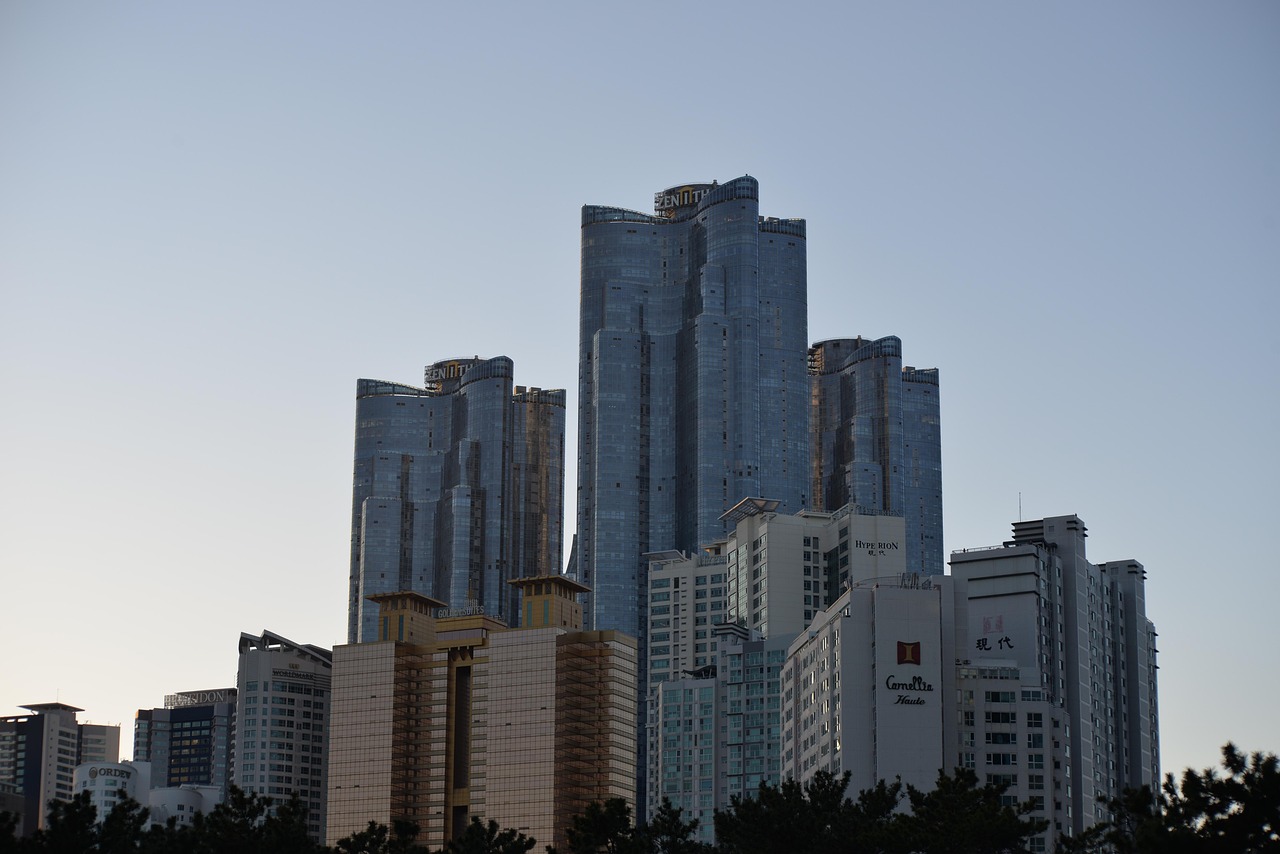
Winter and year round luxuries in Busan plus travel tips with a modern city stay
If you’re choosing a time to visit South Korea for a quieter, more intimate rhythm, winter delivers. Winter in Busan can be quite cold, sometimes freezing cold with coastal winds and occasional snowfall; the coldest mornings feel bracing, and it’s not the season for classic beach activities.
Yet winter is deeply rewarding for travellers who want restorative rituals: spa warmth, gallery afternoons, and long, gourmet dinners where service and care are part of the pleasure.
Spa Land Centum City: When is the best time to visit Busan for wellness
One wellness seeker told us they arrived feeling worn down—and left Spa Land Centum City feeling reset in the best way. The experience blends jjimjilbang tradition with modern luxury: thoughtful facilities, calming heat rooms, and a sense of being supported rather than processed.
Book treatments in advance, especially on weekends, and plan to take your time. In winter, slow becomes a strength.
Jagalchi, Gamcheon, and crafted culture in every season
For food lovers, Jagalchi Fish Market is unforgettable when done well. A connoisseur once described the thrill of choosing live seafood, then having it expertly prepared at a nearby restaurant with trusted recommendations—proof that local flavour and high-end comfort can sit beautifully together.
For art and design, Gamcheon Culture Village offers colourful alleys, cosy cafés, and warm encounters. An art enthusiast described meeting local artists, discovering bespoke crafts, and leaving with a piece that felt personal rather than predictable.
- Arrivals: land at Gimhae International Airport and pre-book a luxury airport transfer for a seamless, comfortable arrival.
- Where to stay: premium accommodation near the beachfront or Centum City keeps key sights close.
- Budget: expect roughly $150–$300 per night for upscale stays, plus extra for gourmet dining.
- Getting around: taxis or private drivers add confidence; the city is safe, but keep your usual travel vigilance.
- Seasonal watch: yellow dust and dust storms can appear in Korea—pack a mask and plan indoor time if forecasts spike.
If you’re extending your trip, winter can also be when travellers pivot inland for ski resorts; pair spa-and-food calm with a few days near Seoul for ski or snowboarding. And if your itinerary includes Jeju Island later in the year, adding Jeju as a contrast can feel beautifully designed: coast-to-coast, each destination offering its own kind of quiet.
F.A.Qs: best time to visit Busan, South Korea
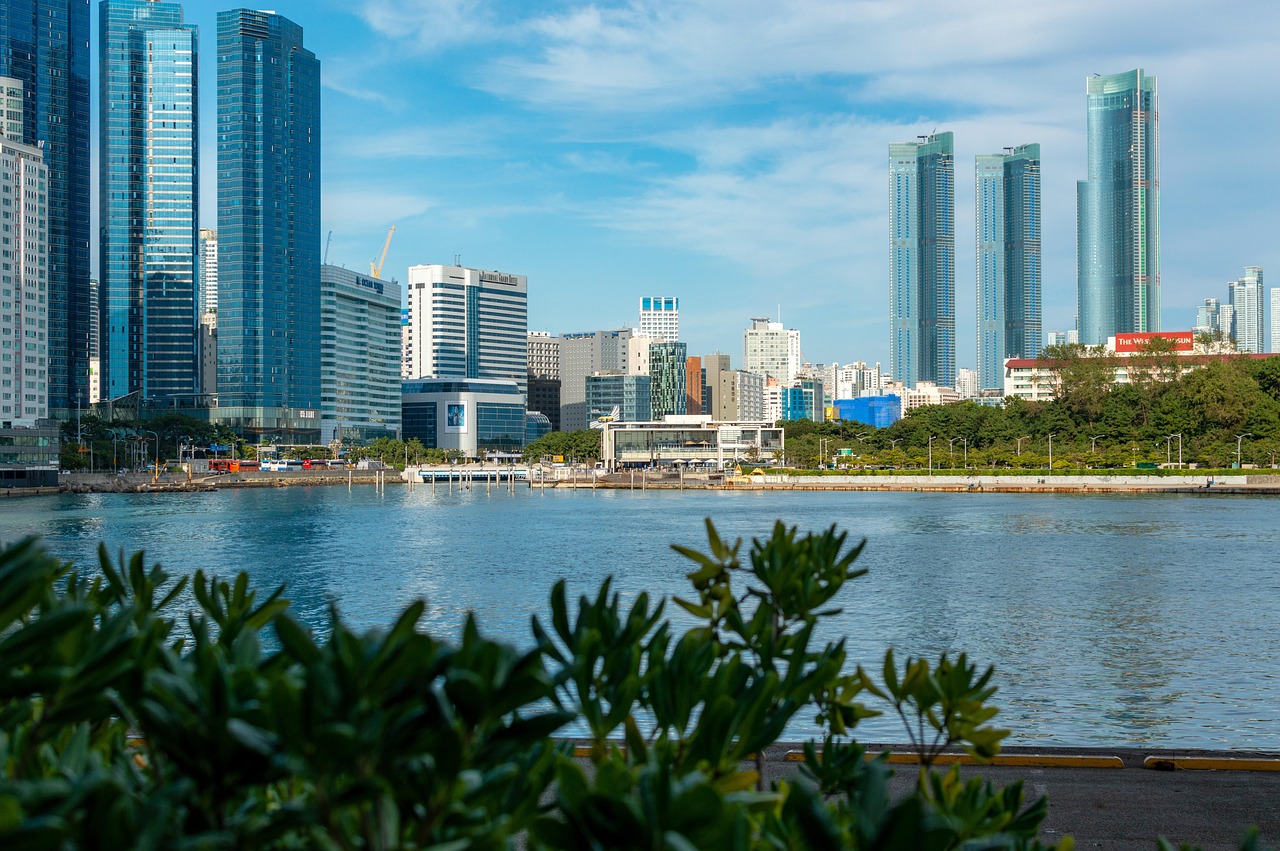
F.A.Qs: best time to visit Busan South Korea with an evening skyline view
Which month is best to visit Busan?
For most travellers, May and September to October are the standouts. These months usually bring comfortable temperatures, lower humidity, and a calmer pace at beaches, markets, and cultural sights. If you want a balance of comfort and atmosphere, the beginning of May and early autumn are often the easiest dates to plan a seamless luxury stay.
How many days is enough for Busan?
Three to four days is enough to experience the city well at a high-end pace: a sunrise on the main beach, a temple visit, an evening by Gwangan Bridge, plus time for Jagalchi and a spa session. If you want day trips or a slower rhythm with long lunches and galleries, consider five days.
What is the cheapest month to go to Korea?
Cheapest pricing often appears in the quieter low seasons, especially mid-winter (outside major holiday dates) and parts of late autumn. Costs vary by city and festival calendars, but you’ll often find better flight and hotel value when demand is lower. If you’re flexible, avoid peak summer and major event weekends for the best rates.
What is the best month to travel to South Korea?
Many travellers find April, May, September, and October ideal across South Korea. Spring brings cherry blossom beauty and comfortable days, while early autumn offers crisp air and clear skies that suit cities and nature. If your trip includes both Seoul and Busan, these months make transfers and day-to-day exploring feel easier and more elegant.
What stayed with us after Busan: personal reflections from a coastal journey
What lingers is rarely the headline moment. It’s the hush of early light on the beach, when the city feels like it’s still deciding what kind of day to become, and you realise you’re breathing more slowly than you have in weeks.
It’s the salt air near the temple cliffs, where the sea keeps moving below you, and your thoughts grow simpler. It’s the soft glow of city nights on the water, a feeling that you could stay out late—or go back early—and either choice would be exactly right.
Busan has a way of reshaping pace and attention. You discover calm in motion: a lift door opening onto a quiet corridor, a warm greeting in a small local café, a moment of trust when you let the day unfold without controlling it.
And whether you travelled solo or together, there’s space here to imagine what you want next, with gentle confidence rather than noise. Months later, you might not remember every detail, but you’ll remember how supported you felt—and how this destination keeps calling you back.