Best time to visit Seoul and South Korea at a glance: mild weather, low rainfall, and easy pacing
Best time to visit Seoul and South Korea at a glance for calm streets, soft light, and an elegant pace
If you’re weighing the best time to visit seoul—or choosing the right time to visit south korea—for comfort, the city rewards travellers who match the season to their pace and priorities. This destination moves quickly, yet it also offers quiet, refined moments when the light is gentle, and walking feels effortless. For high-end travellers, that usually means smooth logistics, easy dining reservations, and days that unfold without friction.
South Korea is known for four distinct seasons, and your ideal time of the year depends on how you like to travel. In broad terms, spring and autumn are two of the best times for mild temperatures, a comfortable average of daytime temperatures, and low rainfall. By contrast, summer months can be hot and humid, while winter can stretch into a long winter with freezing cold snaps—January is the coldest month. The reassuring truth is that you can enjoy the city in every season with the right rhythm around the weather, crowds, and what you want to feel.
Popular times to visit Seoul: what the year in South Korea feels like
Think of the year in South Korea as a set of distinct moods, each shaping how you’ll dine, shop, and wander. Some times to visit are built for long walks and terrace pauses; others suit indoor glamour and slower rituals. Here’s a quick overview to help you choose your season with confidence.
- Spring: soft light, cherry blossom, and calm mornings—ideal for heritage photography and café-hopping.
- Summer: long evenings and lively energy, but higher rainfall and occasional heavy rains.
- Autumn: a beautiful autumn glow with crisp air and foliage as leaves start to turn in parks and palace gardens.
- Winter: clear views, cosy dining, and a quieter city feel—balanced with colder temperatures.
Luxury timing insight for refined stays and best times to book
For a seamless stay, timing shapes more than temperature. Daylight hours influence when you’ll want a private driver for sunset terraces and viewpoints, while air quality can affect how much you’ll enjoy open-air dining and long walks. Crowd levels matter, too: during popular months to visit, the best suites and tables can fill up quickly, so knowing the smartest months to travel becomes part of planning the best times to travel.
Time to visit Seoul in spring (April to June): cherry blossom trees, palace strolls, and the best times for photos
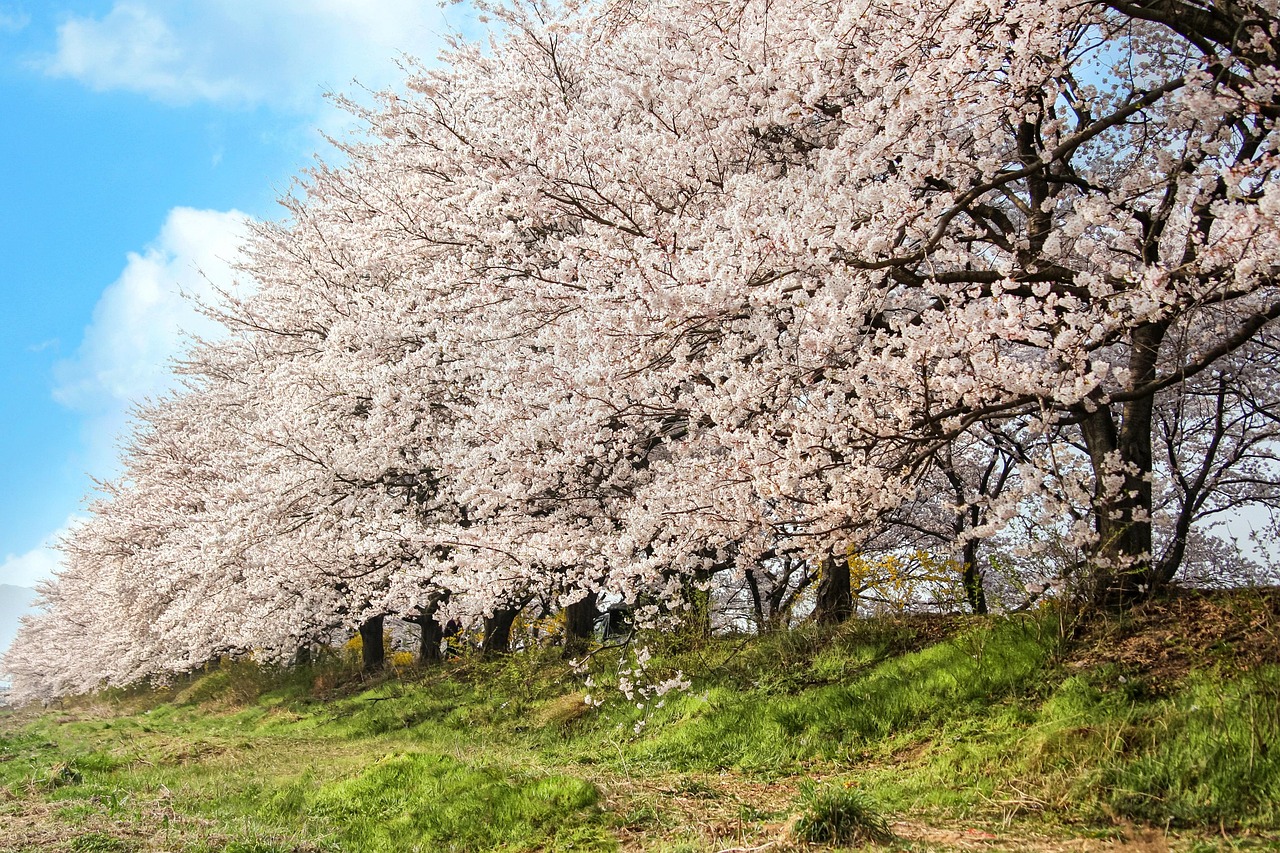
Time to visit Seoul in spring (april to june) for riverside cherry blossom romance and unhurried days
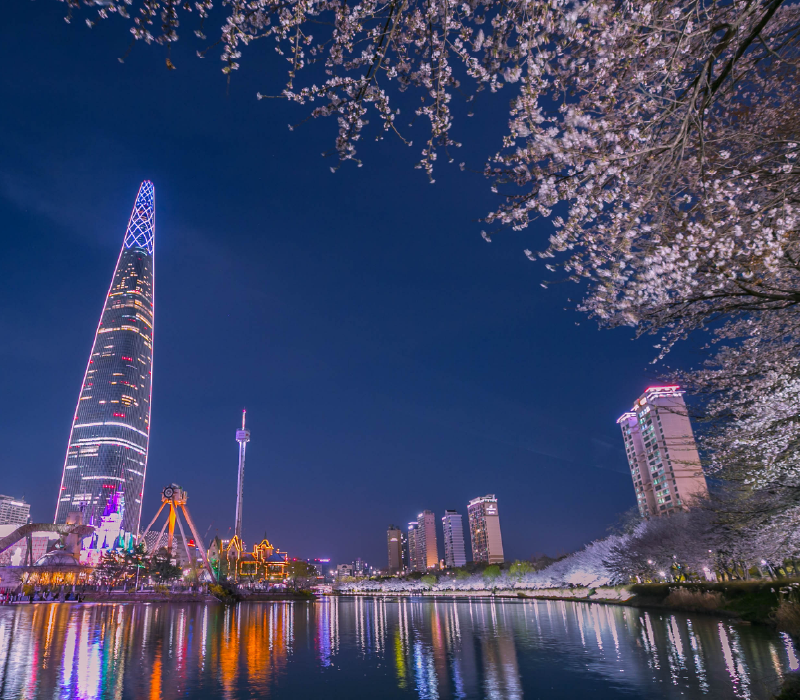
For many travellers, spring is the best time to visit Seoul, when the city reads like a love letter. From April to June, you’ll find cherry blossom trees scattered across neighbourhoods and along the river, and days feel naturally geared toward walking, galleries, and long lunches. It’s also one of the best times to combine culture with comfort—late starts, thoughtful shopping, and a dinner reservation that feels perfectly timed rather than rushed.
One couple we met came for their honeymoon and still speaks about the petals drifting along the Han River as if the scene had been designed just for them. With an early start and a polished plan, it’s easy to keep the mood intimate even in a capital city.
Cherry blossom viewing spots in Seoul: early light, fewer tour groups, better photos
To enjoy peak bloom without feeling swept into crowds, keep your route simple and start early. If you can go to Seoul on a weekday morning, you’ll often find calmer paths and more space for photos.
- Yeouido Park and Namsan Park — riverside-to-hillside variety in one elegant day
- Gentle walks by the Han River, where the breeze keeps the air feeling fresh
- Quiet residential streets around the city, where blossom frames everyday life beautifully
Gyeongbokgung: heritage, Korea’s artistry, and a private modern finish
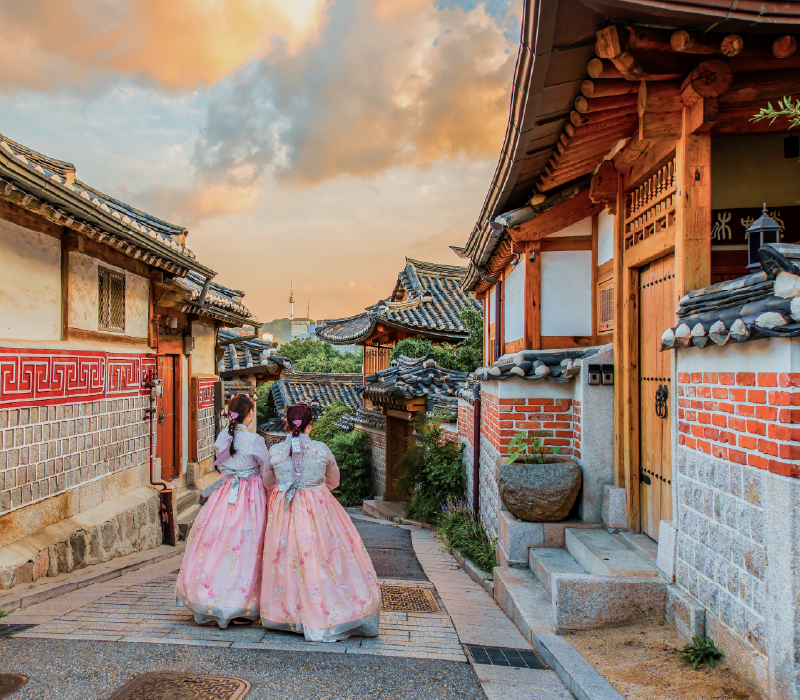
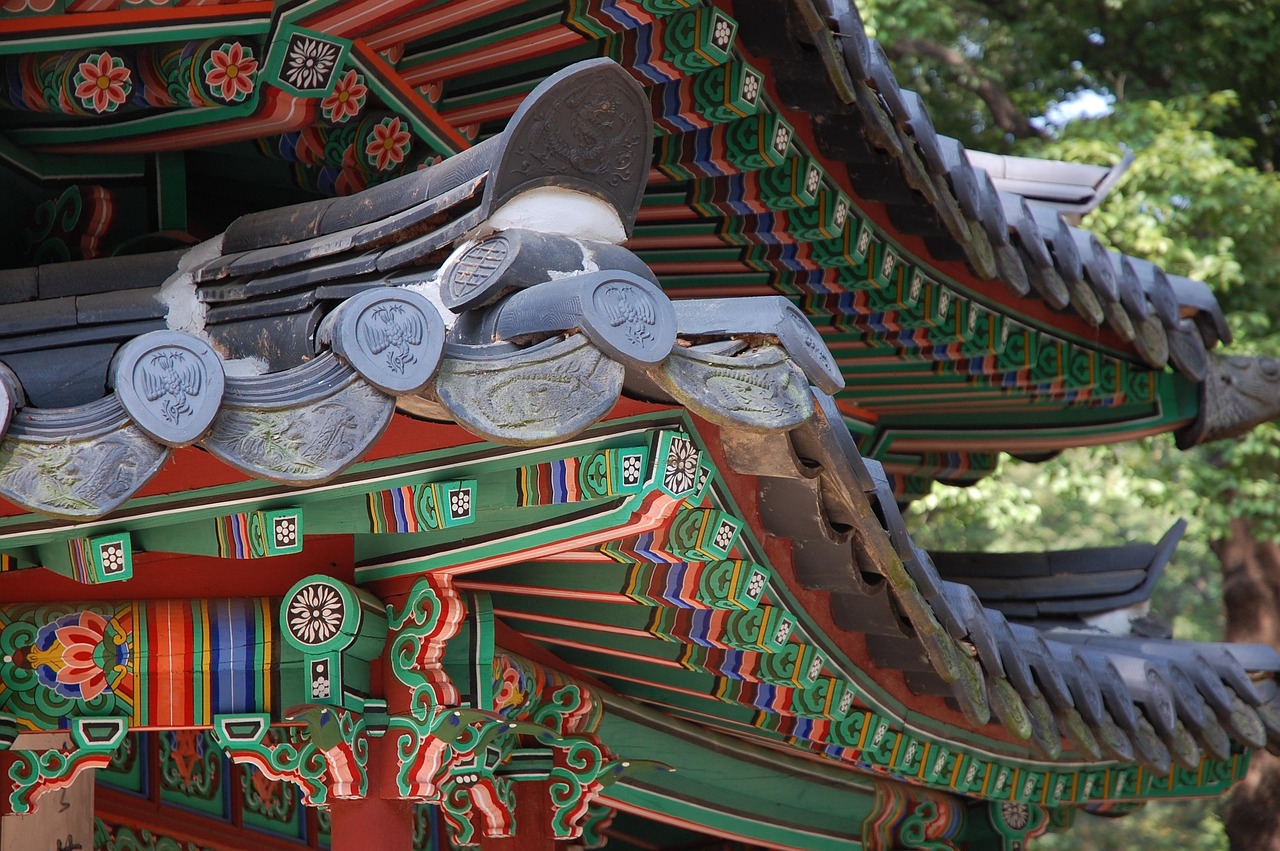
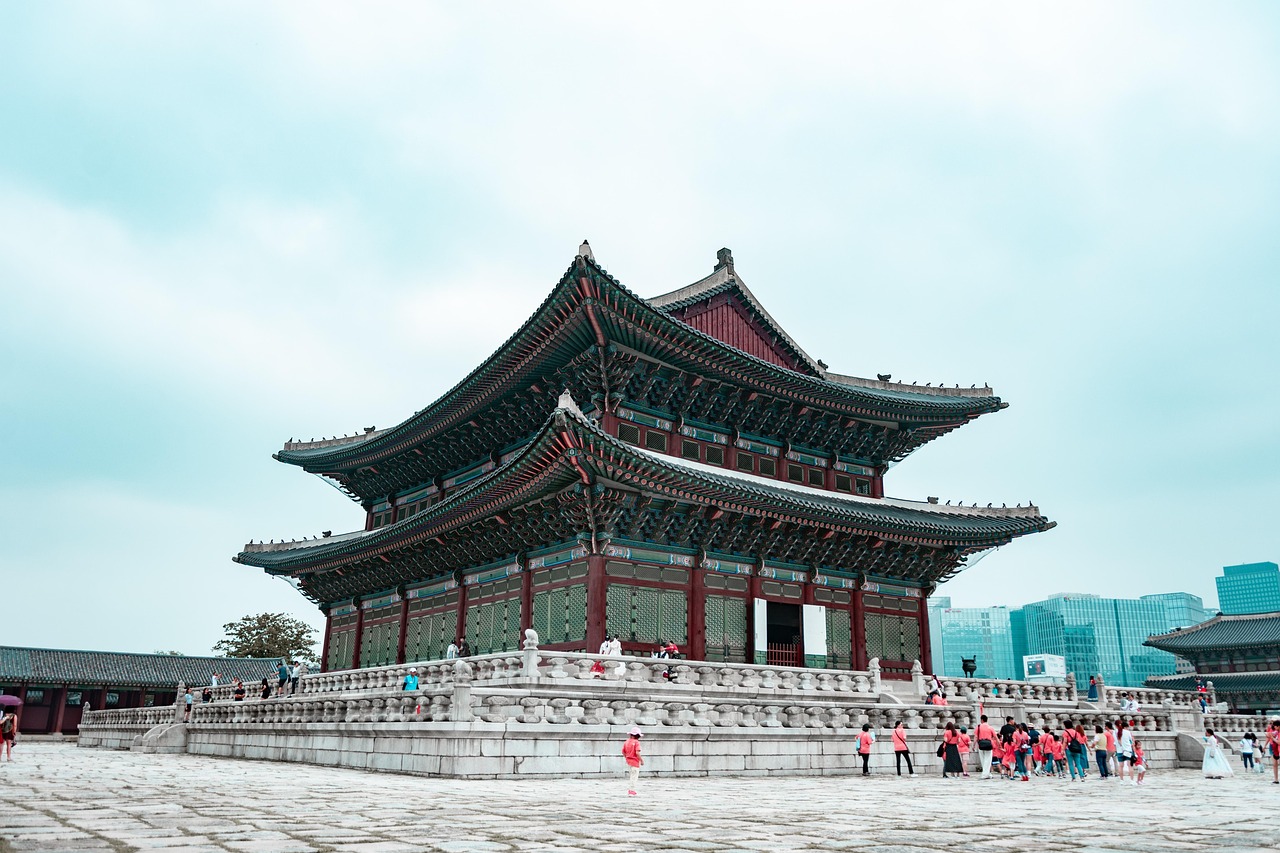
Spring is also ideal for a private Hanbok fitting and photo session at Gyeongbokgung, timed around the changing of the guard. This kind of luxury doesn’t distance you from culture—it brings you closer, with comfort, guidance, and a calm sense of occasion. You’ll feel Korea’s past in the architecture and rituals, while still moving through your day with ease.
A practical note: early March can still feel brisk, and average daily swings can surprise you between sun and shade. Pack a tailored coat you can layer over, plus a scarf that looks polished in photos while providing real warmth. If you’re aiming for that sweet-spot day at around 68°f, late spring often delivers the most comfortable balance.
Best times to visit Seoul in summer: monsoon season, high temperatures, and indoor luxury
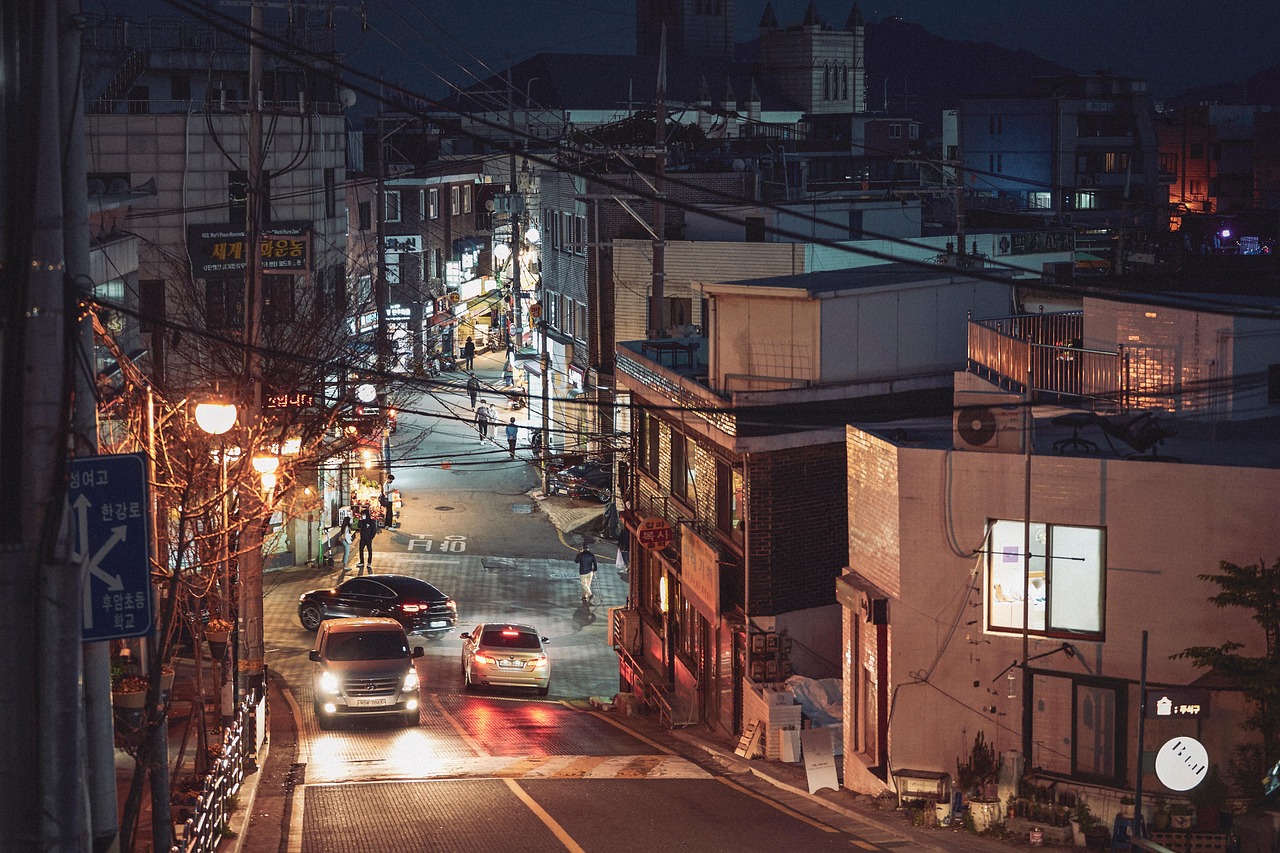
Best times to visit Seoul in summer for indoor glamour, late nights, and weather-proof plans
The best times to travel in summer depend on your goals for the city. Summertime brings high temperatures that can push toward 30°c, and the monsoon season raises the chance of sudden downpours. Expect the monsoon to arrive in waves: during monsoon rains, you may see heavy rainfall for short bursts, followed by warm evenings that keep the city buzzing.
When the weather turns, the city simply shifts its stage, and the right plan makes it feel effortless rather than limiting. Build your itinerary around indoor Seoul experiences—tasting menus, boutique galleries, spas, and beautifully lit shopping arcades—so rain becomes atmosphere, not a disruption.
Monsoon-friendly itineraries: indoor sparkle, dining, and design districts
On rainy days, choose venues where time slows in the best possible way. A curated plan keeps you dry, relaxed, and still connected to local style.
- Michelin-starred dining with advance reservations and a crafted wine or tea pairing
- Curated culinary tours that balance comfort with discovery
- Designer shopping and fine dining in Gangnam, where elegance continues regardless of the weather
A foodie story of hidden alleys and high-end comfort
Michael, a dedicated foodie, described his favourite night as one he never would have found alone: a guide-led wander through hidden alleyway restaurants tucked behind bright main streets. The evening was luxurious without being showy—thoughtful pacing, impeccable choices, and enough context to build trust in every bite. It’s a reminder that even with rain outside, the city can still feel adventurous, personal, and richly local.
One planning insight: summer crowds and headline events can compress availability even during wet weeks. If you have your heart set on a particular suite or chef’s counter, booking early is the simplest way to ensure a seamless trip.
Times to visit Seoul in autumn (September to November): autumn foliage, lantern festivals, and outdoor activities
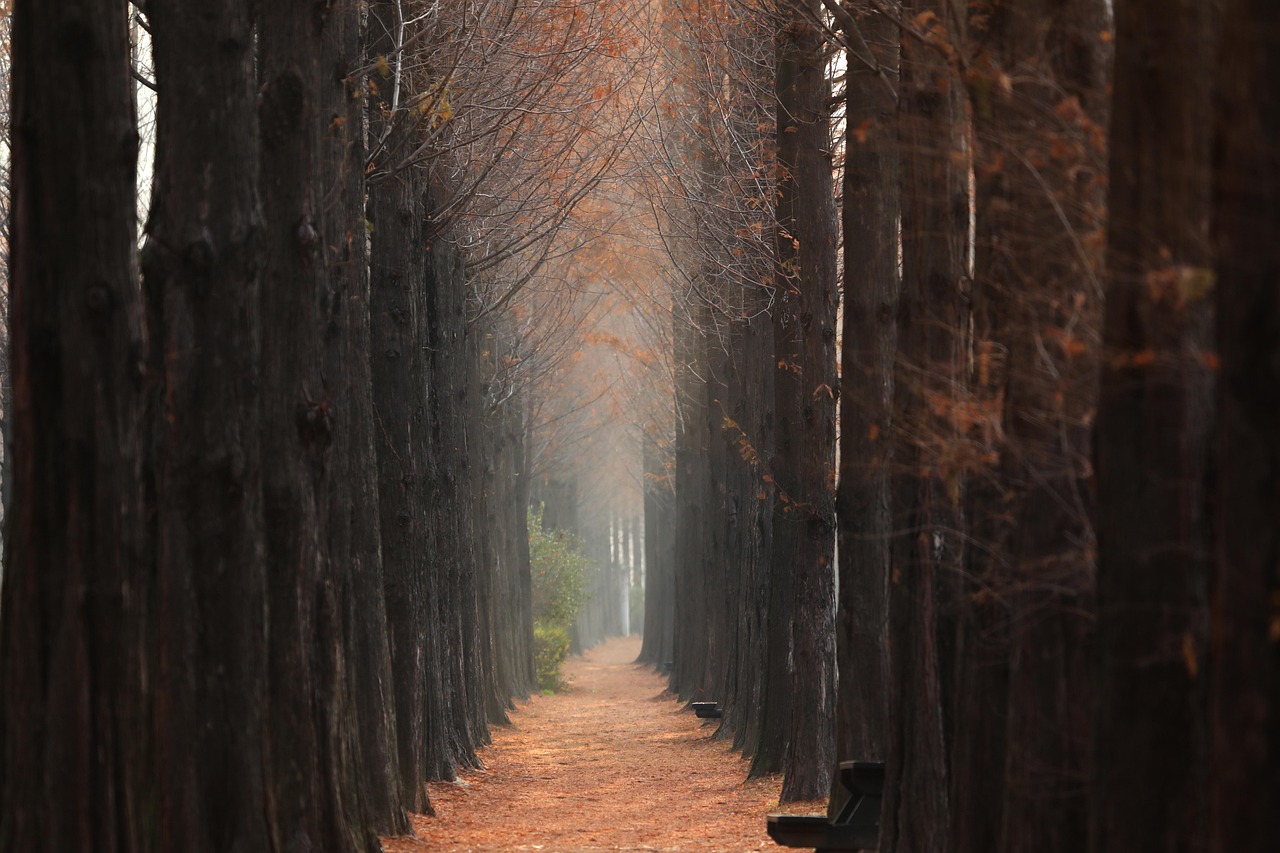
Times to visit Seoul in autumn for crisp light, lantern nights, and effortless walking days
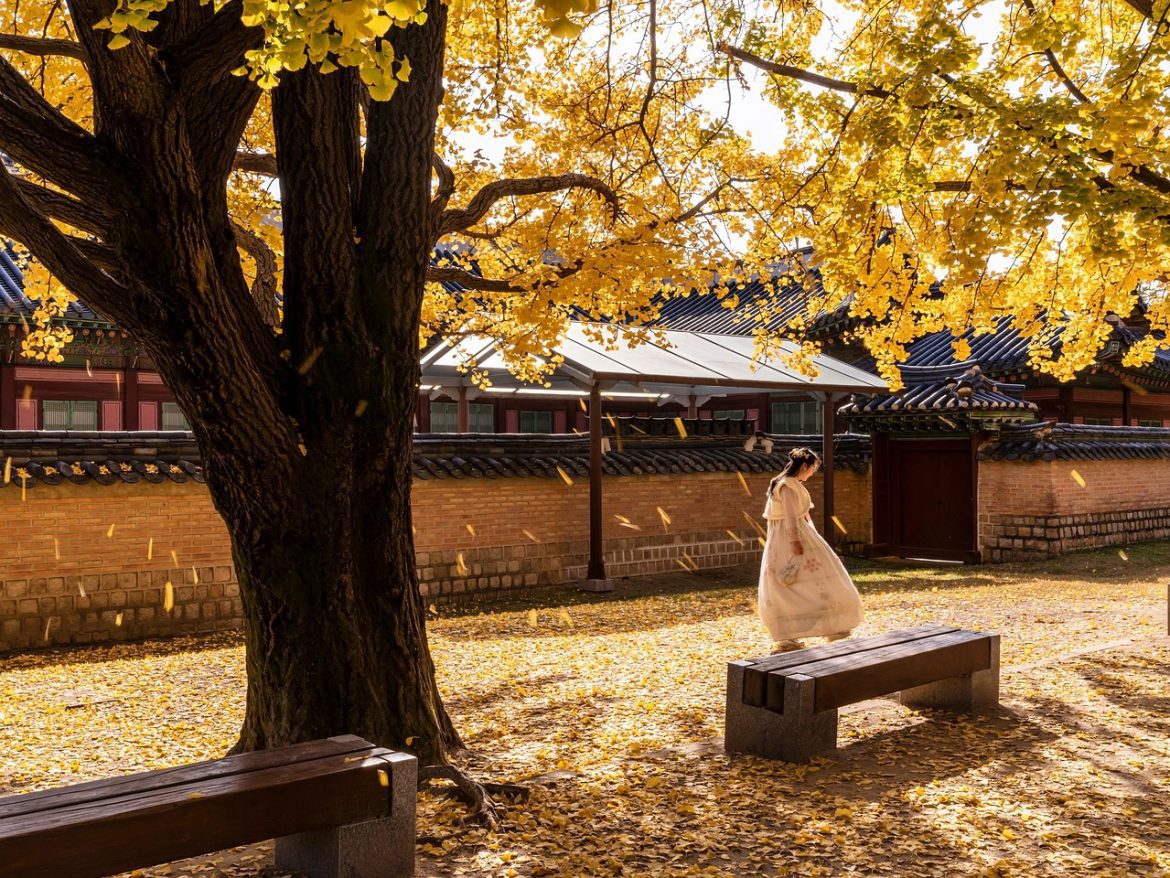
If you’re choosing times to visit in autumn, you’re choosing clarity of air, light, and mood. September to November is a beautiful season when the city feels luminous, with crisp mornings and evenings that invite a slower, more elegant pace. It’s a standout window for outdoor activities, and the natural beauty of the parks and hillsides becomes part of your daily design.
This is the season to explore without rushing: a long lunch, a museum hour, then a gentle walk when the light turns honeyed. In a beautiful autumn like this, the city’s confidence shows in how easily the old and new share space.
Foliage walks around the city and easy escapes to national parks
When colour peaks, the city becomes an outdoor gallery. For a great day outdoors, consider a guided route that pairs neighbourhood strolling with a nearby escape into national parks, returning before the evening chill sets in. The experience is at its best when you allow time for pauses—photography, a café stop, and a quiet lookout for perspective.
Many festivals and events: lantern nights, cultural calendars, and Chuseok planning
Autumn brings many festivals and events, including lantern nights that feel quietly magical rather than loud. Do note that Chuseok can affect opening hours, transport demand, and pricing, so it’s wise to design plans with flexibility and a little extra buffer. For an unforgettable finish, choose a sunset viewpoint, then end the evening with a refined cocktail bar or a traditional tea to help you unwind.
In this city, the most luxurious nights often end softly—good light, good service, and a sense that you never had to hurry.
Best time to visit South Korea and Seoul in winter: fewer crowds, winter sports, and crisp views
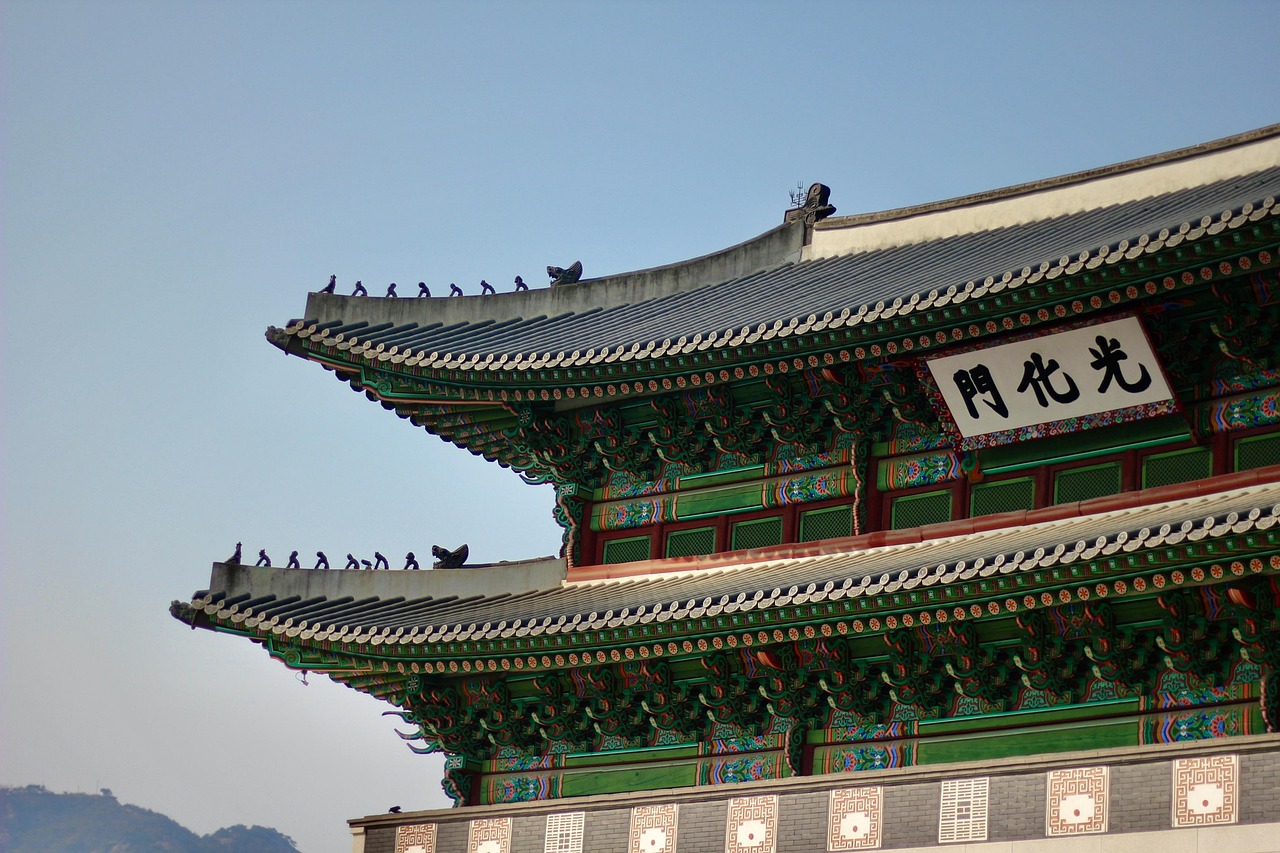
Best time to visit South Korea and Seoul in winter for clear views, quiet mornings, and cosy interiors
Winter can be surprisingly rewarding if you like the city at its most intimate. For travellers building a longer itinerary, it can even be the best time to visit the south for ski-country day trips while still enjoying a cosmopolitan base. If you visit Korea in winter, you’ll often benefit from fewer crowds in galleries, restaurants, and shopping districts—at the cost of colder air and a sharper wind.
In this season, small comforts become part of the pleasure. Think warm interiors, thoughtful service, and the calm confidence of moving through the city with a plan that supports you.
Winter highlights: palace courtyards, warming food, and winter sports day trips
Winter is ideal for a palace courtyard visit that feels crisp and cinematic, and for warming food experiences where broths and grilled flavours arrive like care in a bowl. When conditions align, you can also design a day trip for winter sports such as snowboarding, returning for a late dinner and a quiet nightcap.
Cheonggyecheon peace before a busy day
One business traveller told us his most grounding ritual was an early morning walk along Cheonggyecheon Stream before meetings. The city was quieter, the water catching pale light, and the day felt balanced before it began. It’s proof that calm is available in any season when you build in one intentional pause.
- Pack smart layers and a thermal base that still looks sleek under tailoring.
- Choose footwear with grip for icy pavements, especially after sunset.
- Consider using chauffeurs or premium taxis to ensure smooth transitions when temperatures drop.
Travel tips for the best time to visit Seoul: luxury transport, private transfers, and reservations
Travel tips for the best time to visit Seoul: smooth arrivals, private transfers, and effortless city navigation
These travel tips are designed to keep your experience calm, crafted, and confidently local. No matter the season, the city rewards travellers who plan arrivals and key bookings with care—so you can spend your time discovering rather than troubleshooting.
Arrivals and getting around Seoul with comfort and convenience
From Incheon International Airport, you can reach the city via the AREX train or airport limousine buses. High-end travellers often prefer private airport transfers or chauffeur-driven cars, particularly after a long-haul flight or when travelling with luggage and shopping. Once in town, the subway is efficient and safe for key routes, but taxis and private drivers are often the easiest option for comfort—especially in wet weather or deep winter.
If you’d like visual inspiration while you design your itinerary, browse our Trip gallery for South Korea’s most photogenic moments and polished stays.
Reservations, etiquette, money, and connectivity with confidence
The city is welcoming, and a little etiquette goes a long way. A slight bow as a greeting feels respectful, and modest attire is appreciated when visiting temples. Many high-end restaurants require advance reservations—especially in peak weeks—so locking in key tables early helps your evenings stay seamless.
- Money: the currency is the South Korean Won. Contactless payments and credit cards are widely accepted, but carry some cash for smaller purchases.
- Connectivity: a portable Wi‑Fi device or local SIM card supports navigation, bookings, and last-minute changes.
- Festival planning: seasonal dates can surge room rates, so build a crafted calendar and leave flexibility for last-minute openings.
F.A.Qs: Best time to visit Seoul
Which month is best to visit Seoul?
April is a favourite for mild spring days and blossom walks, while October is loved for crisp air and colour. For comfortable walking and a polished pace, late spring and mid-autumn are often the best times to plan.
What is the cheapest month to go to Korea?
Prices often soften in quieter periods, especially mid-winter (outside major holidays) and parts of late summer when heat and rain deter some travellers. For the best value, compare weekdays, book early, and stay flexible on neighbourhood and room type.
What is the rainy season in Seoul?
The rainiest period is typically summer, when humidity rises, and downpours are more common. If you travel, then balance outdoor plans with indoor options such as museums, spas, tasting menus, and luxury shopping.
How many days in Seoul is enough?
Four to five days is a comfortable first visit, allowing time for palaces, neighbourhoods, dining, and a slower pace. With seven days, you can add day trips and deeper cultural experiences without feeling rushed.
What stays with you after Seoul
Long after you’ve left, what remains is rarely a checklist. It’s the feeling of old stone and new light sharing the same street, and the way the city seems to invite you to slow down—even as it moves with unmistakable modern confidence. You might remember a threshold crossed in silence, a door sliding open, or the hush of early mornings when it feels like the streets belong to you for a moment.
Ruby, a solo traveller, once described being invited into a traditional tea ceremony in Bukchon Hanok Village by locals who simply wanted to welcome her. The warmth was unforced, the gestures small, and yet it changed the texture of her journey. In that quiet room, she felt trust form naturally—an insight that this North Asian capital’s greatest luxury can be human connection offered with care.
Perhaps your own lasting image will be lantern light reflected on water, a soft drift of blossom on a riverside path, or a skyline at dusk that made you pause mid-sentence. The city has a way of meeting you where you are, then gently revealing a little more of who you might become when you travel with intention.
And if you ever return—at a different season and in a different mood—you may find it isn’t the place that has changed, but the layer of yourself you’re ready to uncover.