Times to visit South Korea at a glance
Times to visit South Korea at a glance for high-end travel planning
When guests ask for the best time to visit South Korea, and the best times to visit with ease, my north star is simple: spring and autumn. For most travellers, South Korea is best visited during spring (especially April) and in autumn (October to November) when the weather is mild, the light feels cinematic, and outdoor activities are comfortable. These are the best times for strolling palace courtyards, lingering over terraces, and moving between neighbourhoods in Seoul without battling extremes.
For high-end travellers, the popular times to visit are defined by more than climate: it’s the feeling of the city in bloom, the quiet confidence of a private transfer, and the ability to explore without being jostled. Summer can be hot and humid; winter is quite cold, yet beautifully rewarding if you love fireside design hotels and ski culture.
Popular times to visit and what they’re best for
Think of the year as four distinct moods. Spring brings cherry blossom and soft evenings; autumn delivers crisp air and mountain colour; winter offers winter festivals and ski resorts; the summer season leans into indoor luxuries and late-night dining when the heat fades.
- One of the best times for Seoul’s iconic scenery: April’s cherry blossom season and the beginning of May’s gentle warmth.
- For nature and national parks: September to November, with early colour arriving first in mountainous areas.
- For winter magic: January and February around New Year’s and the lunar new year, ideal for cosy, high-touch stays.
- For value and flexibility: shoulder weeks just outside the peak festivals (often less crowded and calmer).
A simple decision guide by travel style
Culture-forward Seoul: choose spring or autumn for long, walkable days, then design evenings around galleries, cocktail bars, and chef’s counters. Nature-first: target October for Seoraksan National Park and other national parks. Beach escapes: Busan and Jeju shine outside the wettest weeks—think late spring or early autumn for sea air without stickiness. Wellness retreats: Jeju Island suits year-round, but feels especially restorative when you want a slower pace.
For comfort, what’s best to avoid is the peak monsoon season and the heaviest rainfall windows. If you do travel, then the right support changes everything: a private driver, flexible dining reservations, and hotels with strong spa programmes create trust and confidence. For a visual sense of styles and seasons, browse our Trip gallery and imagine which mood suits you now.
Visit Seoul in spring and South Korea in April during the cherry blossom season
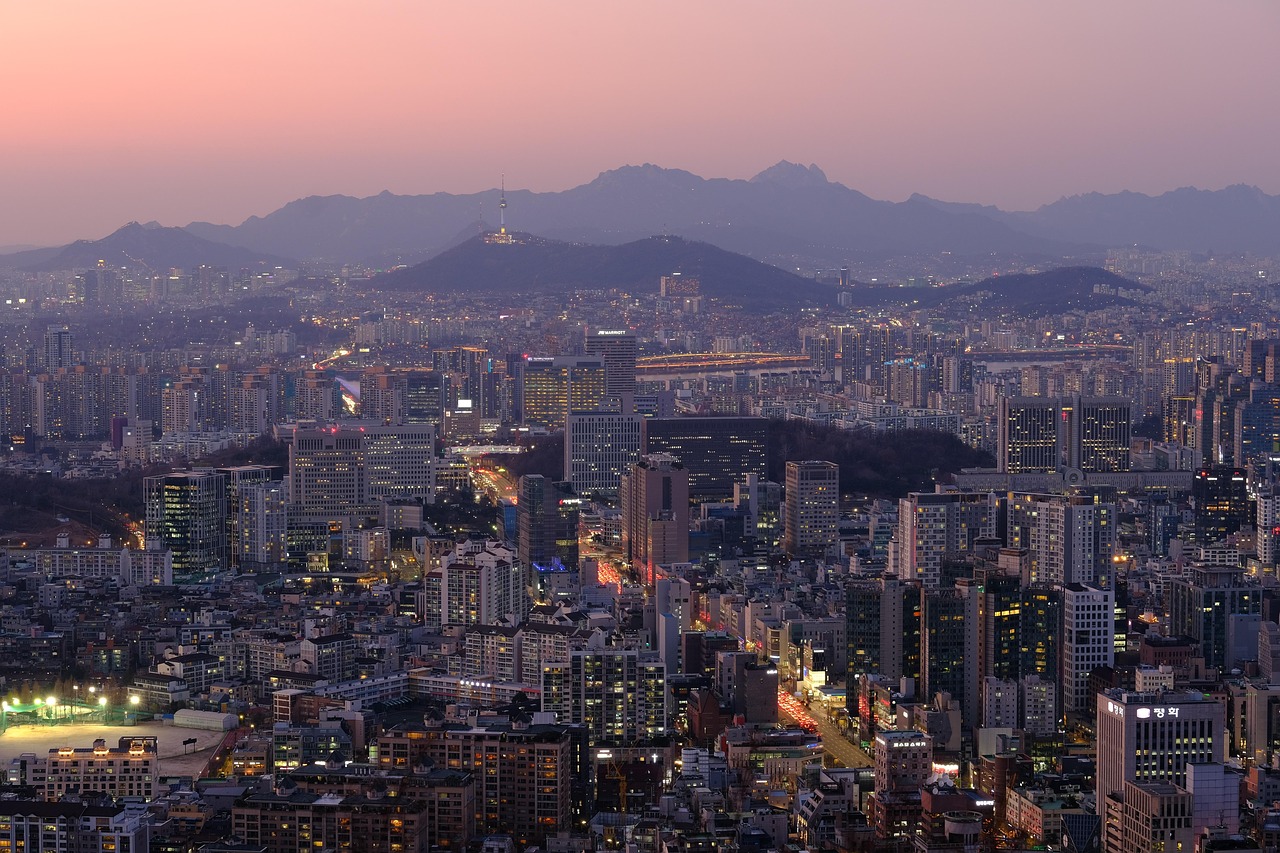
Visit Seoul in spring and South Korea in April during cherry blossom season
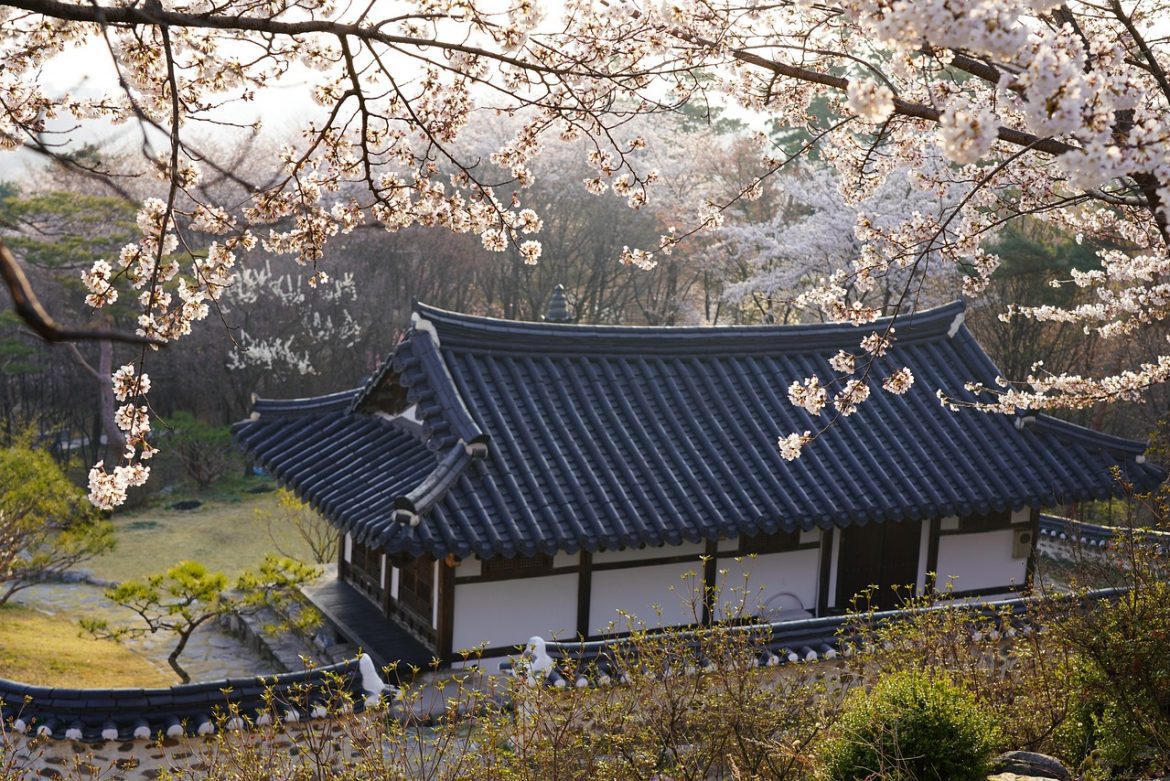
If your dream is to visit Seoul, South Korea, in April, during the cherry blossom season, you’re choosing one of the best times to visit for romance and atmosphere. The arrival of spring can feel almost choreographed: daytime skies brighten, evenings soften, and cherry blossom drifts across pavements like confetti. Timing varies year to year, but full bloom in Seoul often falls in early April—arrive with a little flexibility, and you’ll be rewarded.
Because it’s still a popular season, cherry blossom crowds are real—especially on weekends. The luxury move is to explore early, choose curated viewpoints, and keep a private transfer on standby so you can glide from one neighbourhood to the next without queueing for taxis.
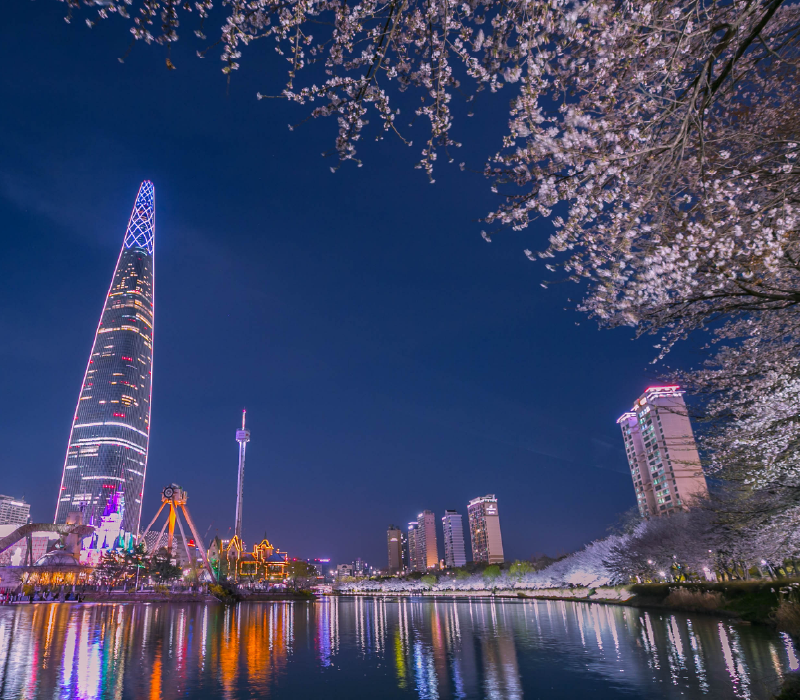
Seoul cherry blossom season at Yeouido Park and the Han River
Yeouido Park is the headline act, and it deserves its reputation: avenues of blossom frame the river breeze, and the city skyline feels freshly polished. One high-end traveller shared how she still measures spring by that visit—watching blossoms from a private Han River yacht cruise as petals floated past like tiny lantern lights on water. From the deck, Seoul felt intimate rather than busy, and the experience was crafted around her pace: warm drinks, a quiet soundtrack, and a photographer who knew when to step back.
If you want to elevate the experience further, consider a dawn visit to Yeouido Park followed by a late breakfast in a design-led hotel lounge. It keeps the day seamless, and it lets you explore the city while it’s still gentle.
South Korea in March as a quieter lead-in
South Korea in March can be a good month to travel if you prefer a softer start: fewer visitors, clearer access to exhibitions, and that “new season” energy without the peak. Days can be a bit cool, so it’s perfect for museums, the best cafés, and shopping streets where you can duck into warm interiors. Do note that March can bring yellow dust and occasional dust storms—high-end hotels handle it well with excellent air filtration, and a simple mask in your day bag keeps you comfortable.
A crafted cultural day at Gyeongbokgung Palace
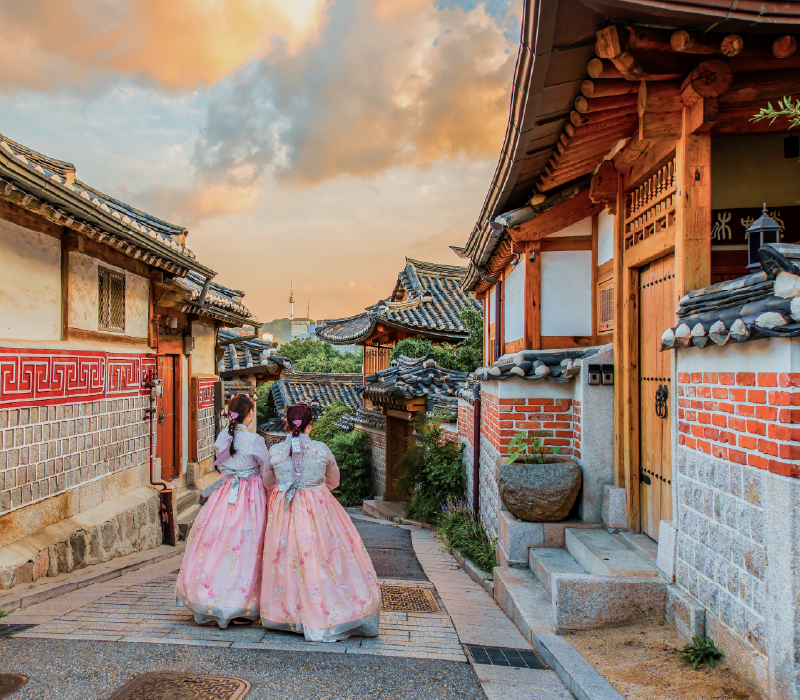
For a truly personal way to uncover heritage, design a private guided tour around Gyeongbokgung Palace paired with a hanbok experience. With expert support, the difference is immediate: you arrive before peak entry times, your hanbok styling is tailored (colour, fit, hair), and your guide helps you read the architecture’s symbolism rather than simply photographing it.
Local etiquette is simple and reassuring: remove shoes indoors when requested, and use both hands when giving or receiving items. Those small rituals create a sense of togetherness—your presence feels respectful, and locals often respond with warmth and care.
Practical luxury notes: reserve hanbok rentals and palace time slots in advance, especially in spring. Fly into Incheon International Airport, then book door-to-door transfers so your first hour in Seoul feels calm rather than chaotic. Boutique hotels often sell out around peak blossom dates, so it’s wise to plan early if you want a specific suite view.
Best time to visit South Korea, autumn foliage, Seoraksan National Park
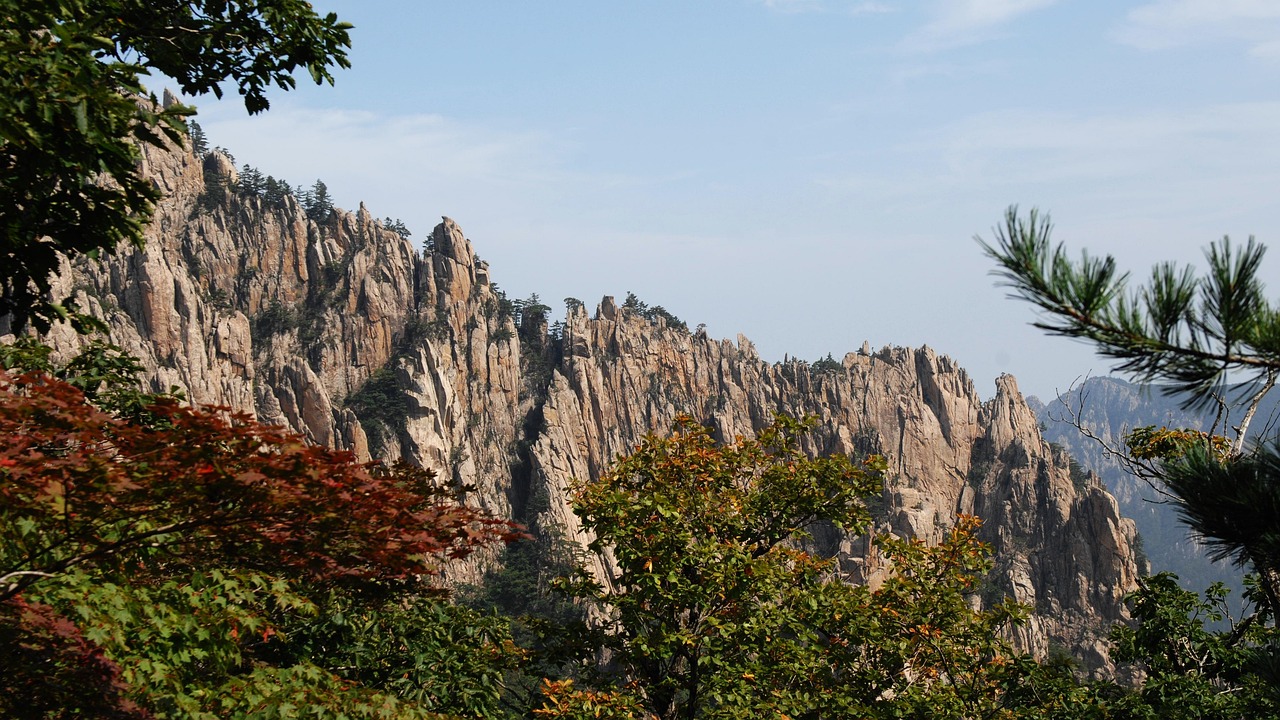
Best time to visit South Korea for autumn foliage in Seoraksan National Park
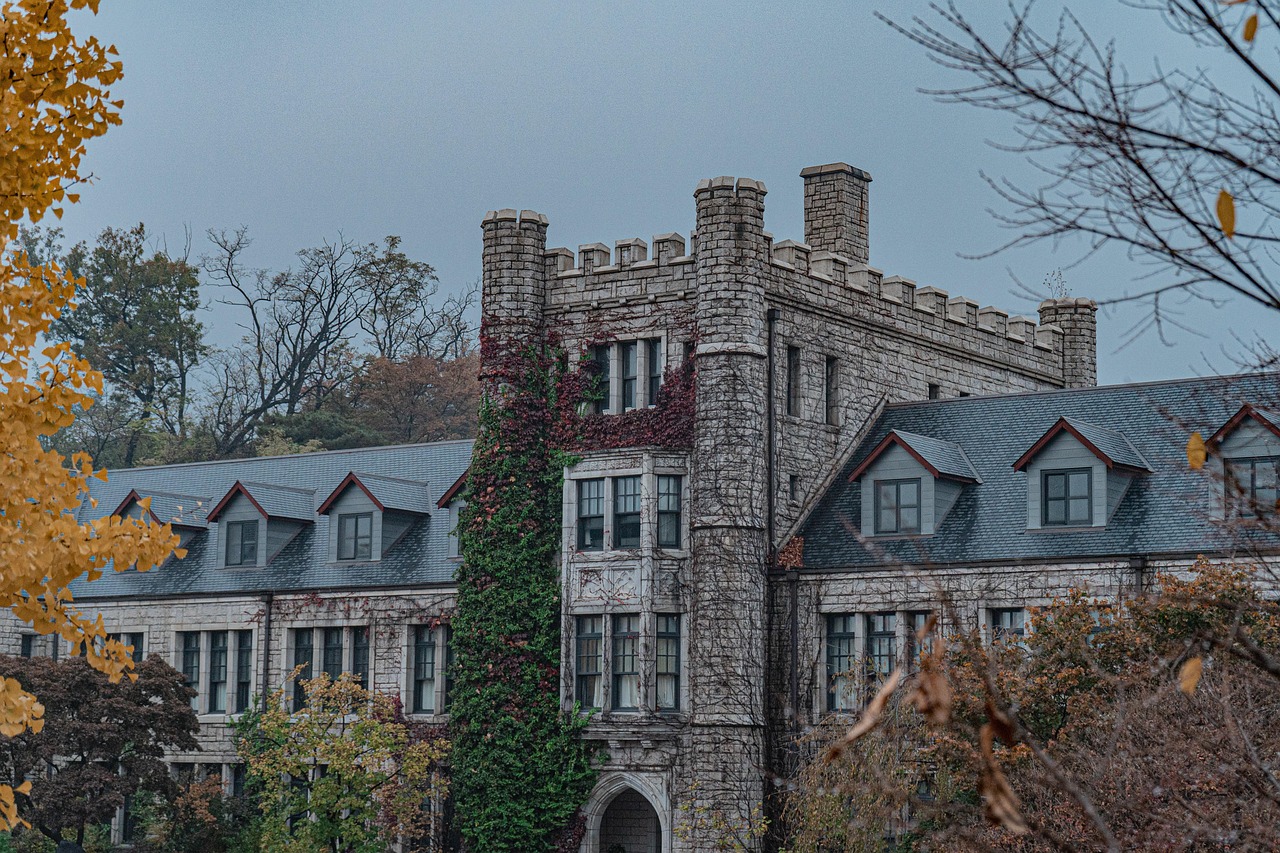
For many travellers, the best time to visit South Korea’s autumn foliage in Seoraksan National Park is when the air turns crisp and the mountains sharpen into focus. South Korea in October often delivers the sweet spot: cool mornings, luminous afternoons, and a sense that nature is putting on a final, unforgettable show. Across September to November, colour arrives in waves—earlier at altitude, later in the cities.
Autumn is also when domestic travel rises around Chuseok, so dates matter. If your schedule allows, design your trip for midweek stays and quieter trailheads—your experience becomes more spacious, more personal, and far easier to photograph.
Seoraksan National and sunrise choices
Seoraksan National Park (seoraksan national) is renowned for sculpted ridgelines and valleys that glow as the season deepens. A sunrise hike here can feel like stepping into a painting, but it needs thoughtful pacing: a private guide helps you choose the right route, checks conditions, and sets a steady rhythm so you never feel pressured. If you prefer a gentler approach, the cable car offers a spectacular reveal without demanding a full ascent—ideal when you want beauty without strain.
Because mountainous areas change first, aim for early to mid-October for higher elevations. For deeper reds and a richer palette, the end of the month can be magical, especially if you’re willing to start your days early.
A dawn story and a luxury lodge return
One couple we met described their favourite Korean memory as “quiet courage at dawn”. They set off before first light, climbed with headlamps, and watched the valley awaken in bands of amber and scarlet. Later, they returned to a secluded luxury mountain lodge where everything felt considered: warm towels waiting at the door, restorative tea, and design-led comfort that invited stillness. That contrast—effort followed by care—made the day feel both exhilarating and safe.
Photographic and pacing insight: avoid visiting on peak weekends, when trails can bottleneck. Choose midweek for less crowded viewpoints, and book premium transport so you can arrive early without navigating parking stress.
Expert insight box
Pack for chilly mornings: breathable layers, a light down jacket, gloves, and a thermos. If you’re hiking, good grip shoes matter more than speed. A private guide creates a confidence-building route, particularly on steeper sections or in shifting weather.
Planning your trip for other seasons and the best time to visit South Korea
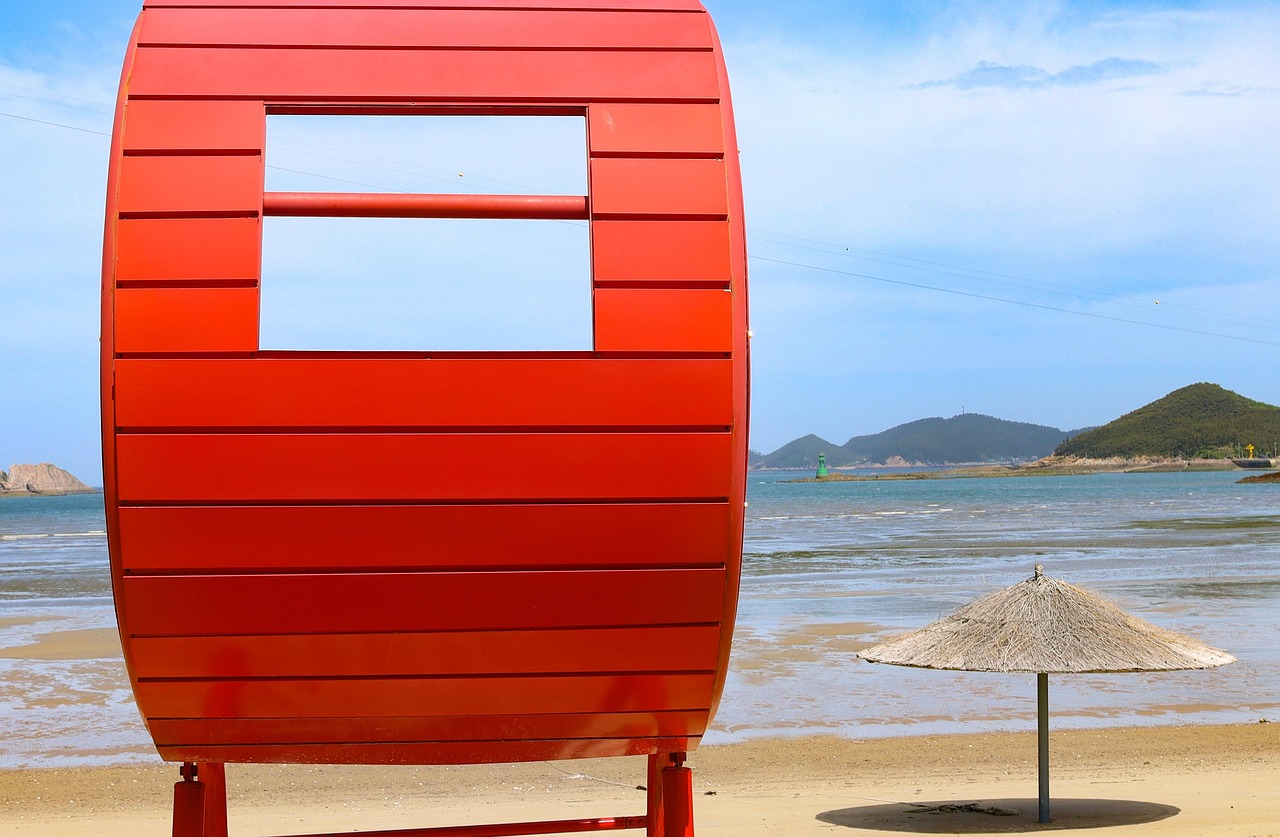
Planning your trip for other seasons and best times in Seoul Jeju and Busan
For travellers mapping the time to visit South Korea, planning your trip to Seoul, Jeju, and Busan, the best times depend on how you like to live in a city and rest in nature. Spring and autumn may lead, but the colder months can be deeply atmospheric, and even summer can be designed with comfort in mind—if you know what to prioritise.
Here’s how to explore each season with a luxury lens, with seamless logistics and the kind of support that keeps plans feeling light.
South Korea in January and winter festivals
In South Korea, January is when winter becomes its own art form. January is the coldest month, with frigid nights that make heated floors and deep bathtubs feel like a gift. This is prime time for ski holidays—Korea’s ski resorts offer polished infrastructure, ski schools, and well-run transfers from Seoul. Add ice festivals and winter festivals for a playful contrast, and lean into spa time when the temperature drops.
If you travel around New Year’s or lunar new year, expect increased movement and a festive mood. With advance bookings, it’s easy to create a cosy, private space rather than a crowded one.
Summer season reality check in July and August
Summer is the season to plan carefully. July and August bring high temperatures, high humidity, and a hot and humid feel that can sap energy—especially if you’re walking long distances in Seoul. Late June often signals the start of the rainy season, and the monsoon season can bring heavy rainfall and the occasional typhoon disruption.
The solution isn’t to avoid summer entirely; it’s to design it differently. Choose indoor-forward days: contemporary galleries, traditional tea houses, hotel spas, and shaded shopping streets. Book cars between stops so you’re never drenched, and keep dining reservations later in the evening when the city cools.
Beach contrasts from Busan to Jeju Island wellness
If you want beach energy, the beaches of Busan deliver a lively, beachside rhythm—especially when events like a fireworks festival light the shoreline. If you prefer calm, Jeju and Jeju Island offer a softer horizon and a slower pace, where the ocean becomes your metronome.
One traveller vividly described her transformative wellness retreat at a Jeju Island resort: traditional Korean medicinal treatments tailored to her needs, oceanfront tranquillity, and service so attentive it felt quietly intuitive. Mornings began with herbal consultations; afternoons moved between steam rooms and sea-view pools; evenings were unhurried, designed for rest rather than “doing”. In Jeju, luxury often looks like space, silence, and personal care.
Don’t miss volcanic landscapes such as Seongsan, where the coast feels elemental and clean—especially at sunrise when the light is at its softest.
Dining is season-proof in Seoul
Whatever the time of year you visit, dining can anchor your trip. Seoul’s Michelin-starred restaurants offer refined Korean haute cuisine, and the most memorable meals often come via exclusive chef’s tastings that feel crafted specifically for you. It’s an elegant way to experience the country’s flavour vocabulary—fermentation, smoke, sesame, pine—without needing perfect weather.
If you’re caught in rain or humidity, a chef’s counter evening restores the day. In the right room, the city’s noise fades, and what remains is warmth, trust, and a feeling of being looked after.
Seamless high-end logistics:
- Fly into Incheon International Airport and pre-book premium transport services or private drivers for smooth arrivals and departures.
- Carry a translation app for effortless communication—especially for dietary needs or last-minute changes.
- Expect pricing peaks during popular months to visit, particularly the blossoms and autumn weekends.
With the right design, travel to South Korea can feel elegantly predictable: you know where you’re going, who’s meeting you, and how each day supports your energy.
F.A.Qs: best time to visit Korea
Which month is best to visit Korea?
For most travellers, April and October are the most comfortable picks. April suits cherry blossom and bright spring days in Seoul, while October brings crisp air and vivid mountain scenery for day trips to national parks. If you want fewer crowds with similar comfort, consider late March or early November, then rely on private transfers and pre-booked experiences to keep everything feeling calm and personal.
What is the 52-hour rule in Korea?
The “52-hour rule” commonly refers to a guidance style used by some travellers and planners: keep your first 52 hours light to reduce fatigue and jet lag. In practice, that means an easy first day in Seoul, minimal long-haul excursions, early nights, and gentle mornings. It pairs well with premium airport transfers, a well-located hotel, and pre-arranged dining so you can settle in with confidence.
What is the cheapest time to go to South Korea?
Cheapest periods are typically outside the peak blossom and foliage weeks—often mid-winter (excluding lunar new year) and parts of early summer before the busiest holiday weeks. Prices can also dip during the rainier stretch of the summer season, though conditions may be humid and rainfall higher. For high-end travellers, value often comes from timing during the shoulder season and smart, flexible bookings.
What is the 3-day rule in Korea?
The “3-day rule” is often used as a simple planning principle: stay at least three days in one base (like Seoul) before moving on. It helps you adjust to time difference, reduces packing fatigue, and gives space for spontaneous discoveries—cafés, galleries, neighbourhood walks—between headline experiences. For luxury travel, it also makes private guiding and dining reservations feel more seamless and less rushed.
Final Thought
Long after you visit South Korea, what returns is rarely the checklist. It’s the sensation of Seoul in contrast—palace courtyards holding stillness amid a modern skyline, the soft clink of cups at a chef’s counter, and the quiet river light that makes an evening feel private even in a vast city. The best times to visit become less about weather charts and more about how a place met you—where you were busy, where you were brave, where you finally let yourself slow.
Seasons turn into memory in surprising ways. Cherry blossom becomes a scent on the breeze and the hush of petals landing on water, as a lantern set gently adrift. Autumn becomes mountain air at dawn, your breath visible for a moment, and the feeling of colour widening your perspective. In Jeju, the ocean steadiness lingers—an unshowy kind of comfort that quietly resets your pace.
And perhaps that is Korea’s gift: it invites you to notice the small local rituals—shoes placed neatly by a doorway, a respectful two-handed gesture, a smile from someone helping you find your way—until trust becomes part of your travel language. With expert support, the journey feels seamless, held together by care rather than urgency, and you uncover a version of yourself that travels with more confidence.
Somewhere between Seoul’s bright streets and the calm of the coast, you may find you don’t need to rush back. You only need to imagine returning in another season, simply to see what has changed—around you, and quietly, within you.