Times to visit South Korea at a glance for the best times to visit South Korea
Times to visit South Korea at a glance with autumn maple light
When clients ask about times to visit and best times to visit South Korea, the answer is reassuringly consistent: spring and autumn deliver the most elegant balance of beauty and comfort. These are the best times when you can move between galleries, palaces, and outdoor activities without battling extreme temperature swings. If you’re planning a high-end escape, the difference is in the details—private transfers, expert timing, and discreet access that keeps the experience personal even during a popular time.
South Korea has four truly four distinct seasons, and the year in South Korea feels wonderfully defined: crisp winters, blossom-bright springs, a lush summer season, and a luminous autumn. This is why the year to visit South Korea depends on what you want to feel—soft romance, mountain stillness, or a cosy winter hush.
Best times and popular times to visit in one view
For many travellers, the best times to visit are also the popular times to visit, especially when cherry blossoms bloom. That’s where careful design matters: the same festival scenes can feel either crowded or quietly magical, depending on when you arrive and how you move through them. A local expert can create a serene route—think dawn light, reserved transport, and a gentle pace—so you never feel rushed.
- April: one of the best times for cherry blossom season, palace visits and a fresh, celebratory mood.
- October: crisp days and peak autumn foliage in national parks, ideal for hiking with comfort.
- January: winter sports and design-led café culture, with a bracing, beautiful atmosphere.
- Late spring or early autumn: coastal walks and softer beach days in Busan and Jeju.
Seasons, rainfall and comfort in South Korea
To plan with confidence, it helps to understand typical temperatures and weather conditions. March to May brings mild weather and clear skies; September to November is cooler and golden; and July and August can be hot and humid, with heavier rainfall. Korea’s humidity rises sharply in mid-summer, and Korea’s rainy season (monsoon season) can shift daily plans—though it’s manageable with the right mix of indoor culture and evening food scenes.
If you’re deciding the time to visit South Korea, start with the experience you want to create: blossom romance, mountain colour, winter calm, or coastal ease. With crafted planning, even a popular month can still feel intimate.
South Korea in April cherry blossom festival
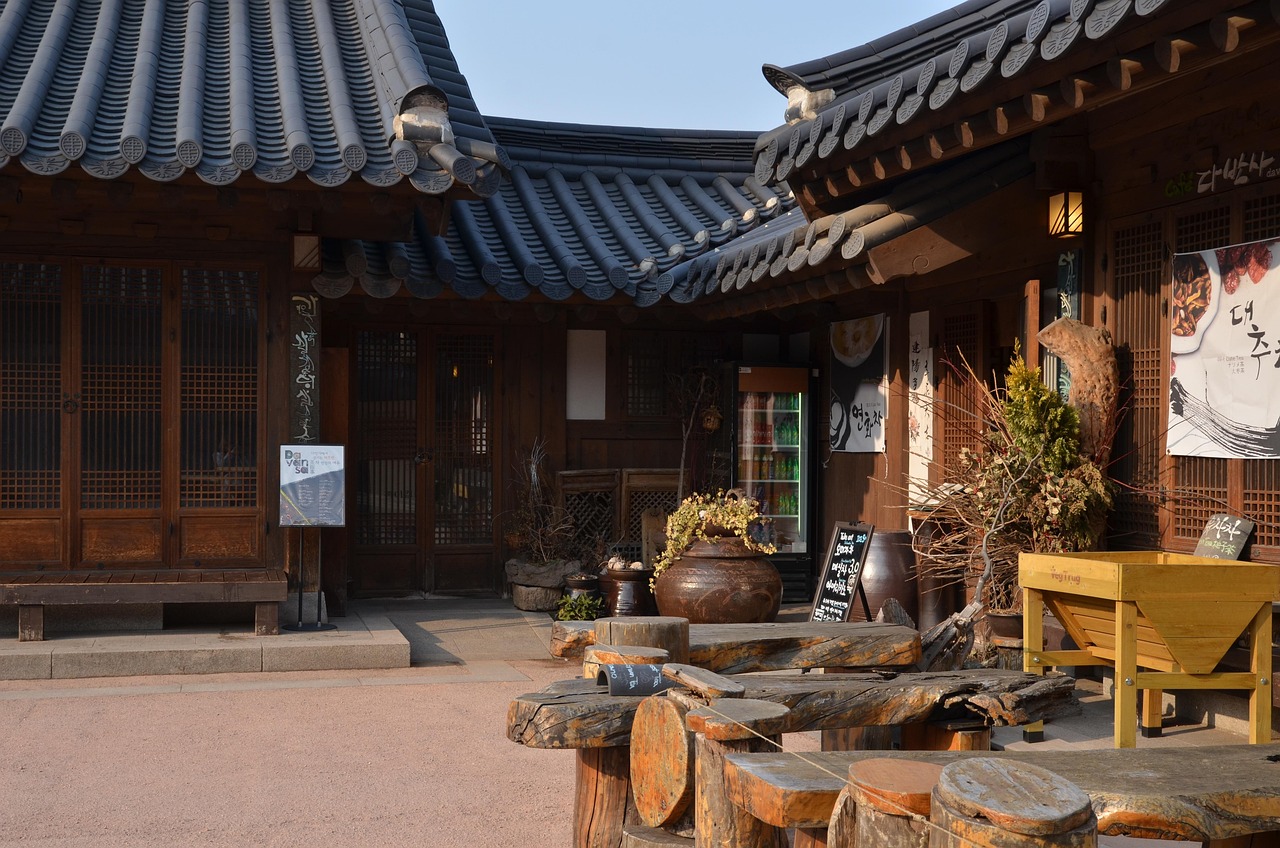
South Korea in April best time to visit Seoul and Jeju with hanok serenity
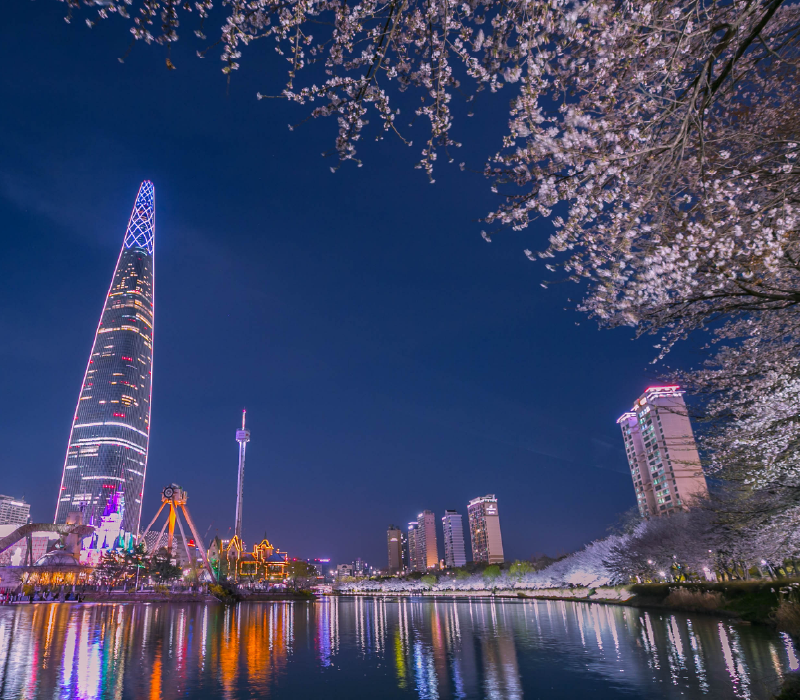
South Korea in April cherry blossom festival, Seoul, Jeju Island is the phrase you’ll see again and again—and for good reason. April is considered the best time for travellers who want gentle temperatures, celebratory streets, and that unmistakable cherry-pink softness. Please note that peak dates can shift due to weather; a few degrees can move the bloom window by a few days, especially between Seoul and Jeju Island.
In Seoul, the most famous riverside walks can draw crowds of cherry blossom viewers on peak weekends. The difference, for high-end travel, is choosing the right part of the month: midweek often feels calmer, and a sunrise plan can turn the same locations into something quietly cinematic.
Cherry blossom season in Seoul and Jeju
To explore the most beautiful festival moments, think in layers: a slow morning under blossom canopies, a private driver on standby, and a reserved lunch that lets you pause. Seoul’s parks and the Cheonggyecheon stream feel especially graceful in spring, while Jeju offers softer coastal light and a slower rhythm for couples or families.
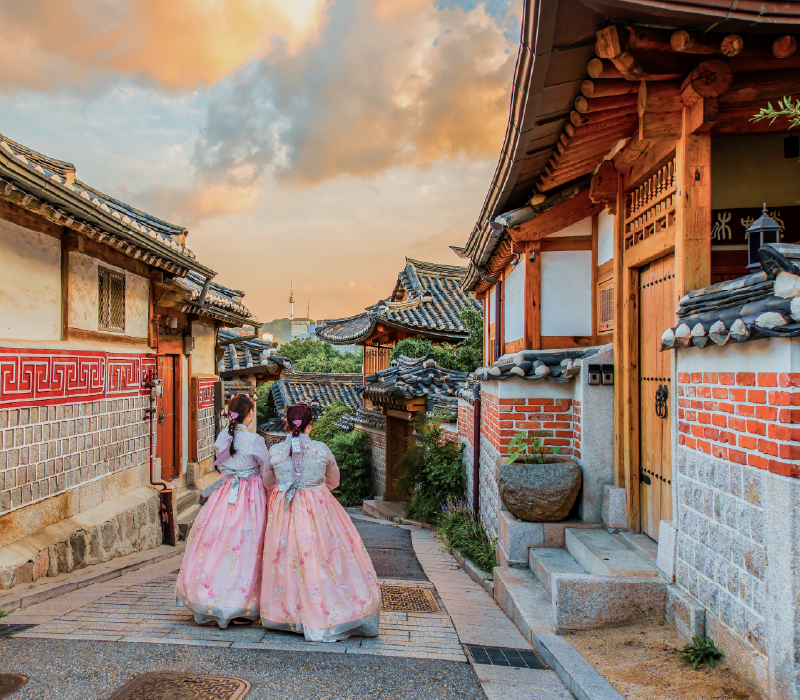
A luxury traveller once told us that visiting during cherry blossom season felt like walking through a dream—made even more personal with a private hanbok photo shoot in Bukchon Hanok Village. With discreet guidance, you can uncover angles beyond the bottlenecks, letting the cherry petals serve as a backdrop rather than a crowd scene.
Visit Seoul palaces in hanbok with confidence
Early spring is also ideal for cultural design days: discover Gyeongbokgung and neighbouring palaces when the air is fresh, and the gardens are waking up. If you want to visit Seoul in hanbok, a stylist can help you choose colour palettes that photograph beautifully against stone courtyards and painted eaves, while also sharing etiquette—how to move with grace, when to bow, and where to remove shoes indoors.
Evenings are where April shines for high-end travellers. Base yourself in central Seoul for effortless returns, then transition to a seamless dinner: Michelin-starred counters and tasting menus should be booked in advance, especially around festival weekends. It’s a satisfying rhythm—blossoms by day, polished candlelight by night—and it’s easy to see why this is one of the best times to travel to South Korea.
South Korea in October, autumn foliag,e Seoraksa,n Nami Island and the best months
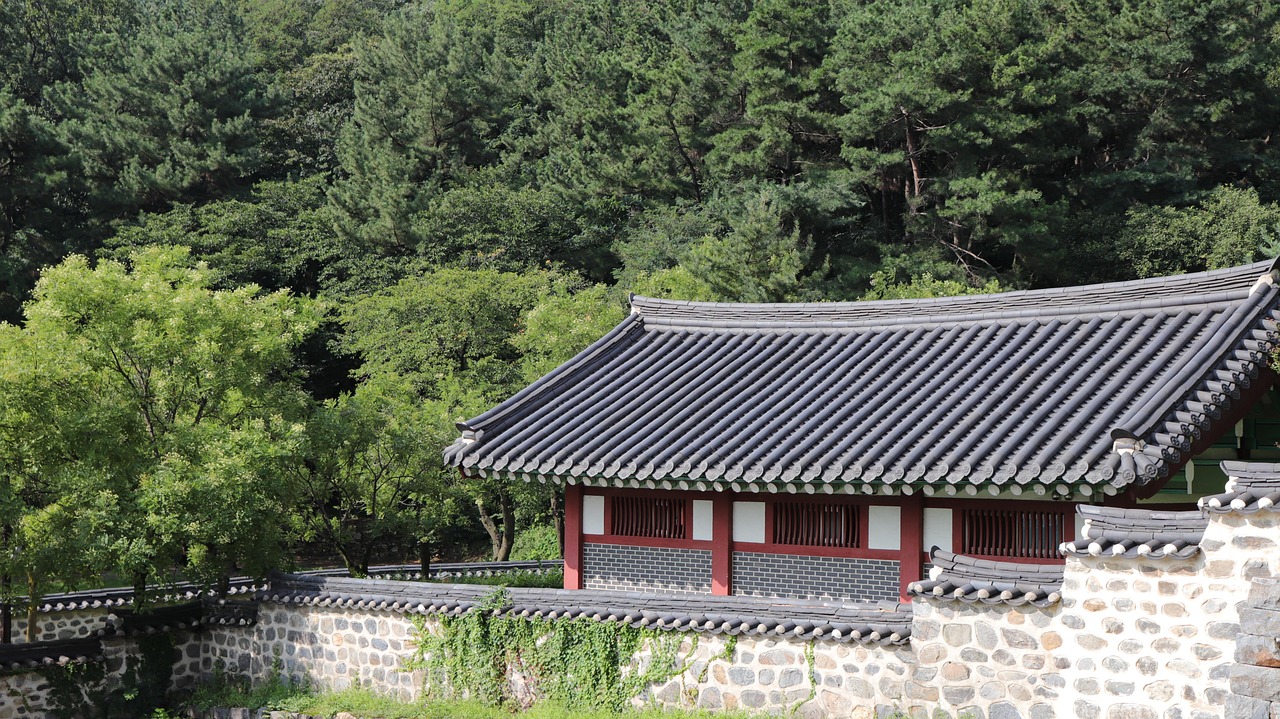
South Korea in October the best months for autumn colour in mountainous landscapes
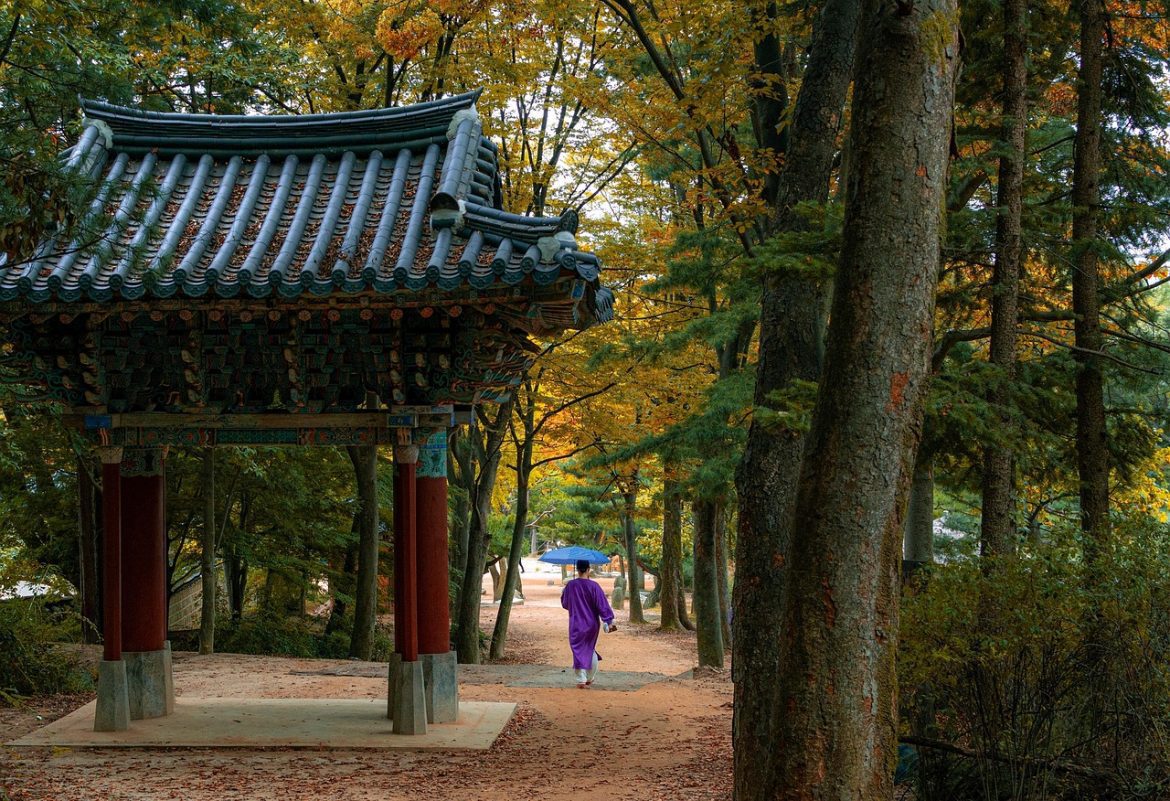
South Korea in October, autumn foliage, Seoraksan, and Nami Island is often the answer when guests ask for the best time of year with the fewest compromises. October brings crisp mornings, low humidity, and luminous colour that spreads across the country like a slow reveal. For many, it’s considered the best time because you can spend full days outdoors without the weight of summer heat.
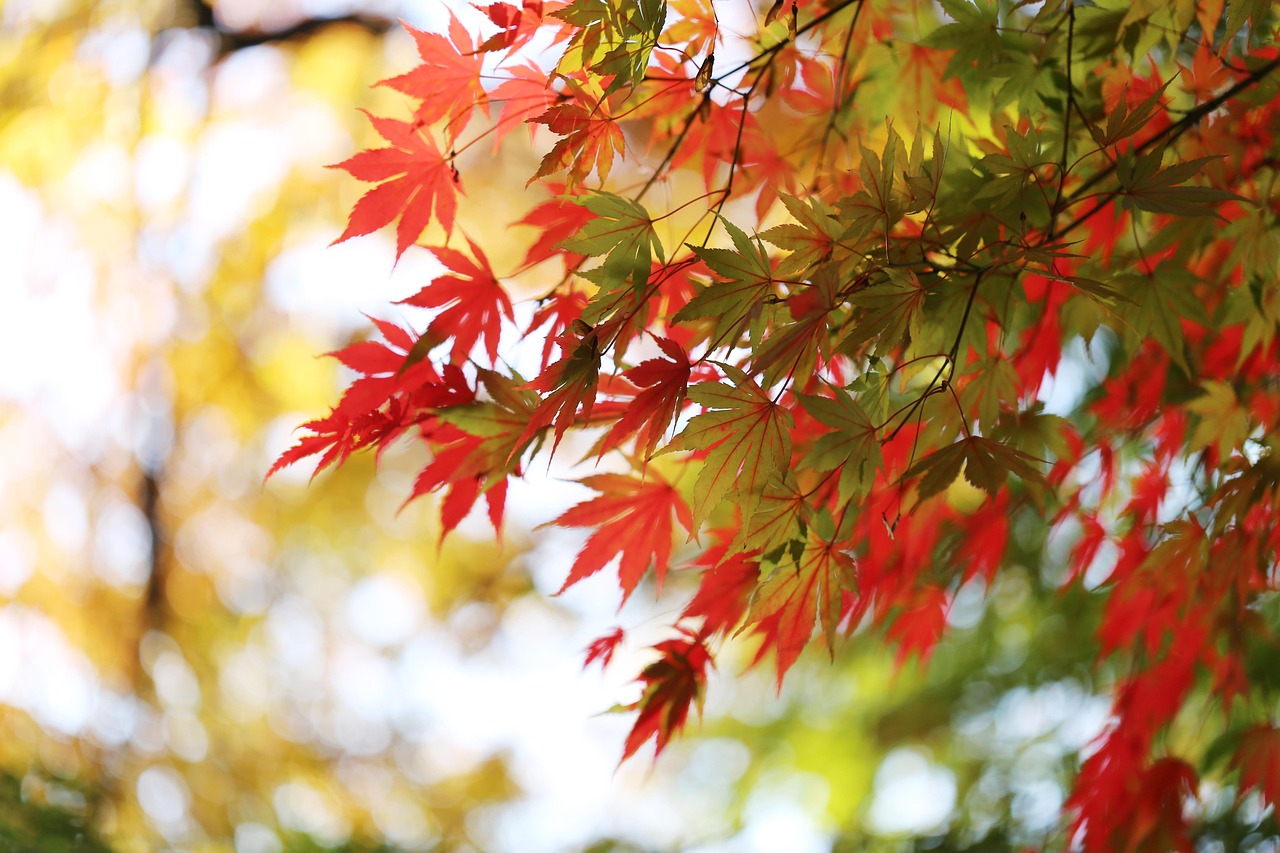
The palette changes as you move—golden gingko in city avenues, deep red maple in the hills, and clean, clear skies that make photography feel effortless. If you’re seeking the best months for a high-end balance of comfort and scenery, October is hard to beat.
National parks day trips with Seoraksan and Nami Island
Two signature day trips stand out. First, Seoraksan offers mountainous drama and some of South Korea’s most memorable hiking; second, Nami Island is romantic, with curated pathways of colour that suit couples, families, and anyone who loves slow, beautiful walks.
- Quiet start: aim for a sunrise departure to step onto trails before tour groups arrive.
- Comfort planning: layer light knits and a tailored coat—mornings can be cool, afternoons warmer.
- Time to enjoy: build in a long lunch stop so the day feels restorative, not rushed.
One traveller recalled an unforgettable hiking trip in Seoraksan during peak autumn, describing the tranquillity of a less-travelled route and breathtaking views that felt almost private. With an expert guide, it’s possible to design a path that matches your fitness and your mood—more contemplative than competitive.
South Korea during the October culture and crowd strategy
Back in Seoul, late-fall palace visits feel particularly elegant—the weather is still comfortable for courtyards and long museum afternoons. If you’re wearing hanbok, layering becomes part of the artistry: rich textures and deeper tones suit the season and photograph beautifully against autumn trees.
For crowd strategy, plan for early-week visits and keep some flexibility towards the end of the month. Colour can peak at slightly different times each month of the year, and shifting your day trip by even 24 hours can transform the atmosphere. If you’d like a cultural evening, some cities host a lantern festival mood in autumn—soft light, warm street food, and a gentler pace that complements the season.
Best time to visit South Korea
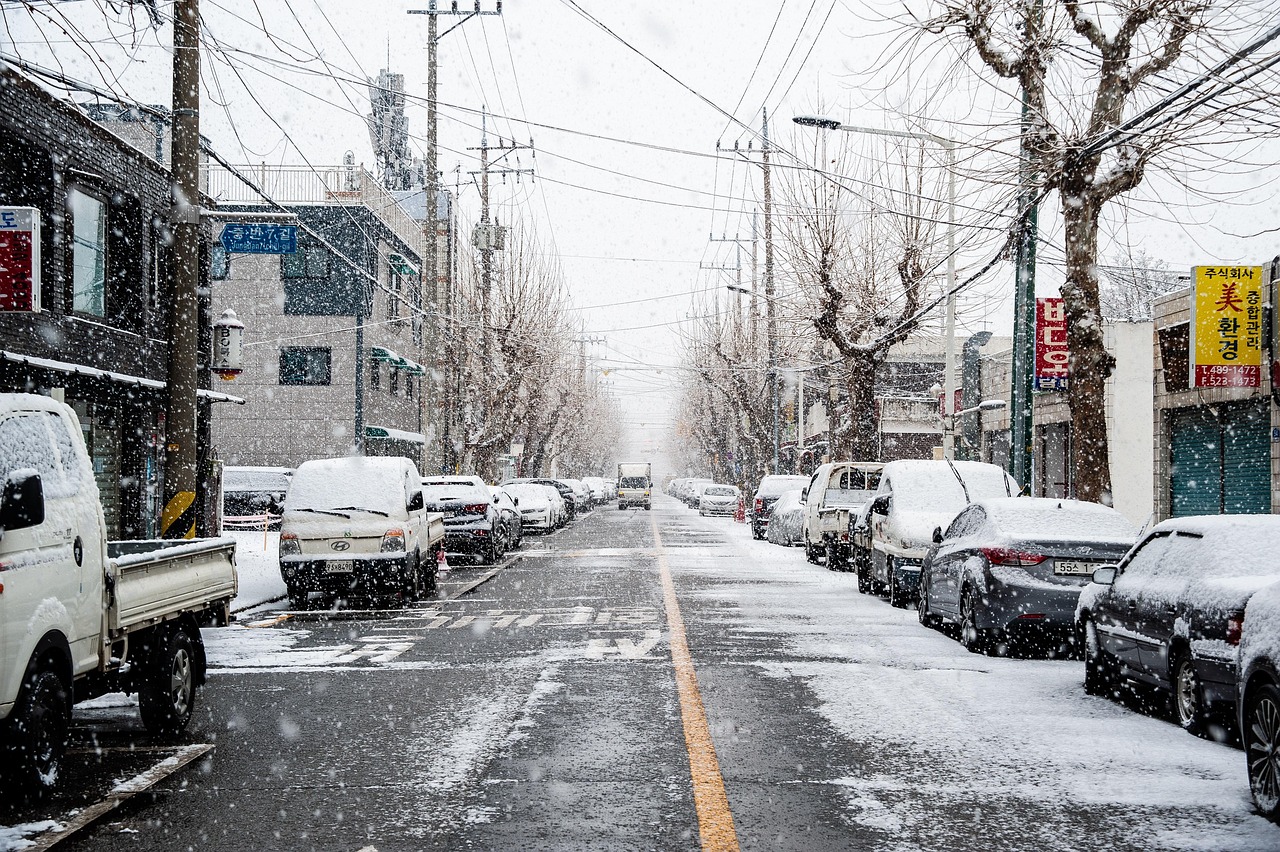
Best time to visit South Korea beyond spring and autumn on scenic roads
If you’re weighing the best time to visit South Korea in January, March, and the summer months, it helps to decide what you want your days to hold: snow-dusted streets, quiet gallery mornings, or late-night markets. While the seasons of spring and autumn are often the easiest, there are meaningful reasons to travel in every season—when you plan with care.
This is where a tailored approach matters. South Korea depends on regional microclimates more than many travellers expect—Seoul’s cold can feel sharper than the coast, and Jeju can be breezier and softer.
South Korea in January and winter sports
South Korea in January is for travellers who love contrast: steaming soups beside icy air, calm museums between snow walks, and the pleasure of retreating to a warm suite. January is the coldest month, and it can be genuinely chilly, with the possibility of snowfall that turns neighbourhoods into monochrome scenes.
For high-end travellers, January is ideal for winter sports and a few well-chosen ski days, paired with restorative spas and design cafés. Winters in South Korea can be bracing but beautiful—especially when your transportation, reservations, and timing are seamlessly managed.
South Korea in March and summer in South Korea realities
In South Korea, in March, the arrival of spring is marked by lighter days, early blossoms, and a gentle sense of anticipation in the streets. It’s an excellent time for galleries, markets, and calm palace visits—especially if you want the romance of spring without the pressure of full bloom weekends. If you’re choosing between March and April, the beginning of the month in March can feel like a private preview.
Summer in South Korea is a different energy entirely. The summer months of July and August can be hot and humid, and the monsoon can bring sudden downpours and shifting plans. During monsoon season, focus on what’s best to avoid outdoors at midday, then uncover what summer does beautifully: museums, skincare and spa rituals, and the evening food scene when the city cools.
Also note holiday surges. Lunar New Year (the Korean New Year) and Chuseok are culturally rich but can lead to heavy domestic travel, causing premium rooms and train seats to fill quickly. If you plan to visit Korea during these periods, book with an expert who can help you plan alternatives and manage contingencies.
For coastal ease, layer in Busan and Jeju when temperatures soften—late spring or early autumn often brings the most comfortable coastal walks and an unhurried beach atmosphere.
South Korea travel tips
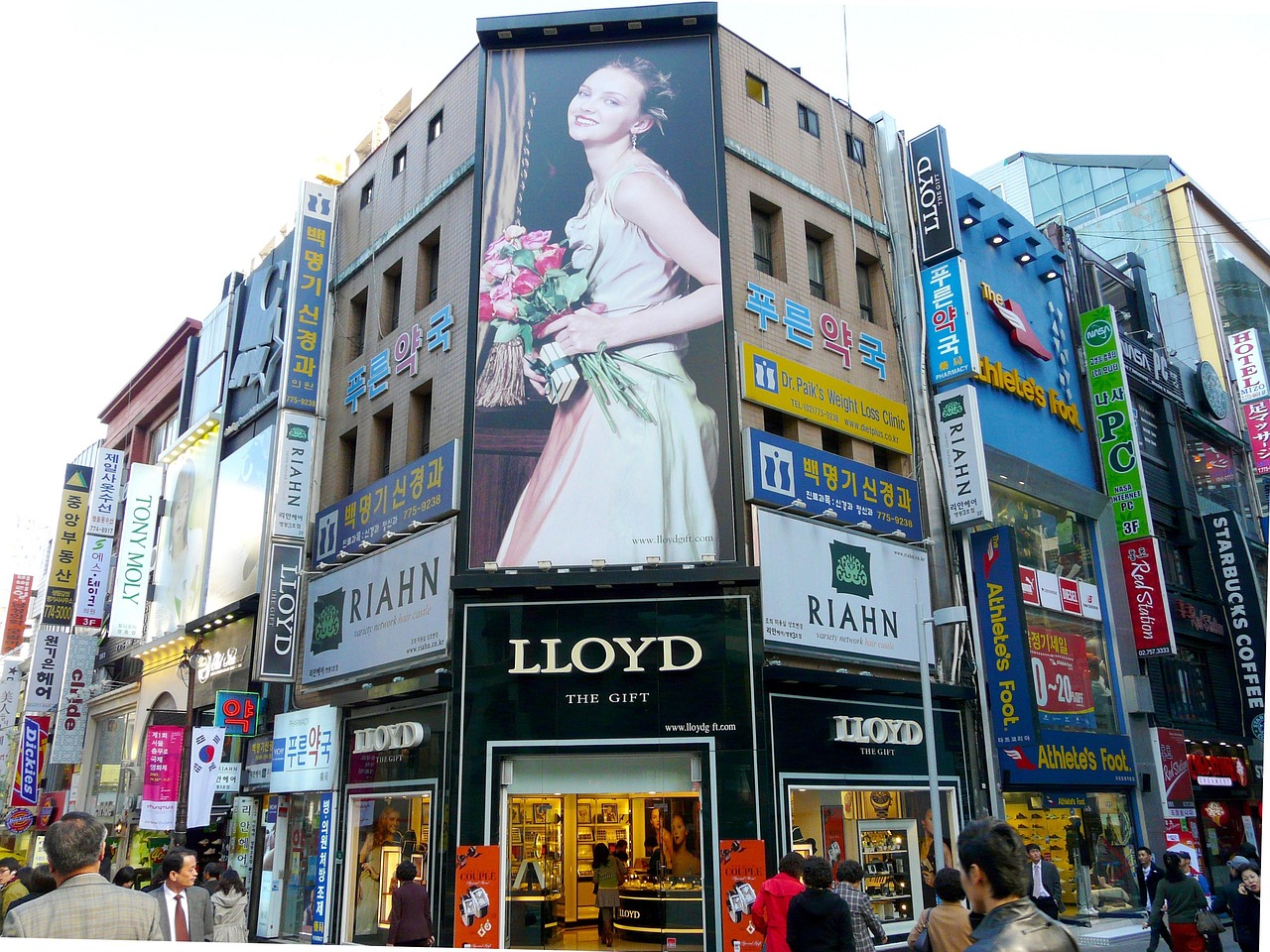
Travel tips for a seamless high-end South Korea travel in Seoul at night
For refined planning, South Korea travel tips, time to travel, and luxury itineraries for Seoul, Jeju, and Busan make the journey seamless. Whether your focus is Seoul’s dining scene, Jeju’s calm resorts, or a discreet night in Busan, a little structure creates a trip that feels effortless—and still deeply personal.
If you want to travel to South Korea in peak seasons, book early. Popular months to visit coincide with blossom and foliage, and the most design-forward suites and tables are often confirmed well ahead.
Arrivals, transfers and where to stay in Seoul and Jeju
Arriving via Incheon International Airport is typically smooth, and you have options: deluxe airport buses for convenience, or private transfers for door-to-door comfort. Many high-end travellers value the quiet support of meet-and-greet services, luggage handling, and a fast check-in so you can settle quickly and start with confidence.
For bases, choose central Seoul for ease—close to palaces, galleries, and dining—and select elevated resorts on Jeju for restorative calm. If your itinerary includes Busan, a discreet waterfront base offers a polished pause between city and coast.
- Book ahead: suites and drivers go first in April and October.
- Balance the pace: pair one high-energy day with one slow, spacious day.
- Carry cash: some traditional markets remain cash-only, even when cards are accepted elsewhere.
Seoul in style with fine dining, royal cuisine and temple care
To explore Seoul in style, spend a day in Gangnam and Myeongdong for luxury retail, then create a crafted evening that balances shopping with an intimate bar or a chef’s counter. For food lovers, uncover Korean royal cuisine through private tastings, and weave in Michelin-starred restaurants in Seoul—request menu translations in advance and share dietary needs so the experience feels fully supported.
For a different kind of richness, consider exclusive temple stay programmes. One visitor described how meditation sessions and traditional tea ceremonies deepened their connection to Korean culture, leaving them calmer and unexpectedly confident. Dress respectfully, remember small gestures like bowing when greeting, and remove shoes indoors—simple signals of trust and care that open doors to warm local exchanges.
South Korea is known for safety and cleanliness, which is quietly reassuring whether you’re travelling solo or together. If you want to venture beyond Seoul, a private guide can design an itinerary with local insight—so you’re not just seeing places, you’re understanding them. For more inspiration, browse our Trip gallery and imagine what you’d like your own journey to become.
F.A.Qs
What is the cheapest month to visit South Korea?
The cheapest month is often in the quieter off-peak periods, commonly late winter (outside Lunar New Year) or early summer before school holidays. Prices vary by city and events, so check flight and hotel trends for your exact dates. If you’re flexible, midweek travel and avoiding major festivals can reduce costs while still keeping the experience comfortable.
What is the 52-hour rule in Korea?
The “52-hour rule” usually refers to South Korea’s labour standard, which limits the working week to 52 hours (40 regular hours plus up to 12 overtime hours). For travellers, it can subtly influence business hours and service staffing, especially in smaller venues. In major areas such as Seoul, hospitality and retail remain highly efficient, but it’s still wise to confirm times for niche experiences.
Which month is the rainy season in South Korea?
The rainy season is typically strongest in summer, most commonly from late June into July, when monsoon conditions bring heavier rainfall and higher humidity. Exact timing can change year to year, and showers can be intense but brief. If you travel, plan a mix of indoor culture, spas, and evening dining so the trip remains seamless.
How many days in South Korea is enough?
For a first visit, 7 to 10 days is enough to experience Seoul in depth and add one additional region, such as Jeju or Busan. With 10 to 14 days, you can slow down, include national parks, and add a temple stay without rushing. High-end travel works best with breathing space—so you can explore, rest, and enjoy each setting properly.
Final Thought
Time to visit South Korea: memories and personal insights often arrive later, when you’re back home, and the pace has softened. The time of year to visit shapes the afterglow: blossom light that felt like a whisper in April, the clean edge of October air, the winter hush of quiet streets, or the warm hum of summer nights after rain.
What stays, though, isn’t only the season—it’s the way you were held by the place. The small, steady trust in a server’s careful recommendations; the gentle choreography of tea rituals; the quiet pride of wearing hanbok with respect and ease. You remember not just what you saw, but also how you learned to navigate it with grace.
There’s a particular confidence that comes from navigating a new country without forcing it—letting support be there when you need it, and letting curiosity lead when you don’t. South Korea’s creative energy can feel electric, yet the most lasting moments are often simple: the scent of roasted chestnuts, the softness of temple silence, the clean order of a morning street.
And perhaps that’s why people return. Not to collect more sights, but to discover how the country changes—how you change—when the light turns again, and a different season quietly invites you back.