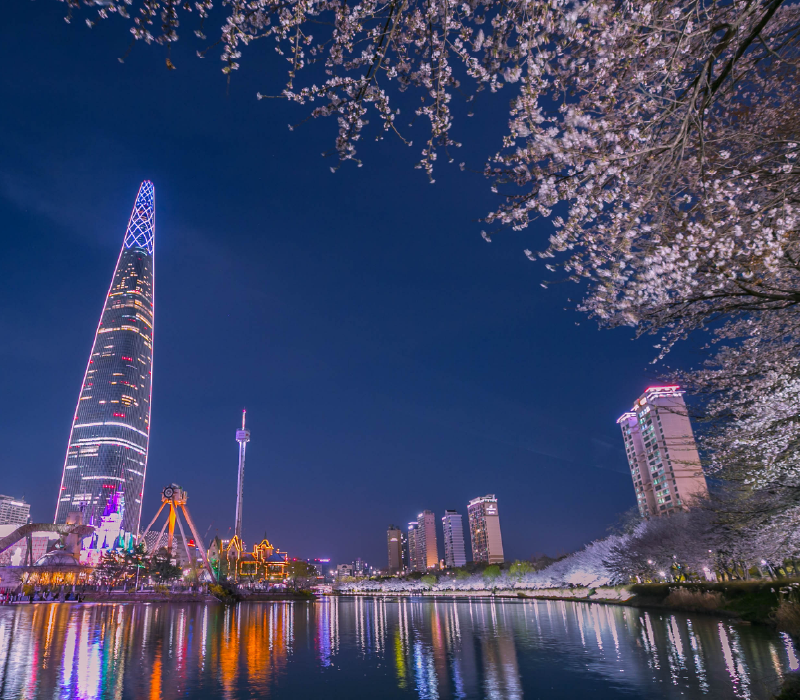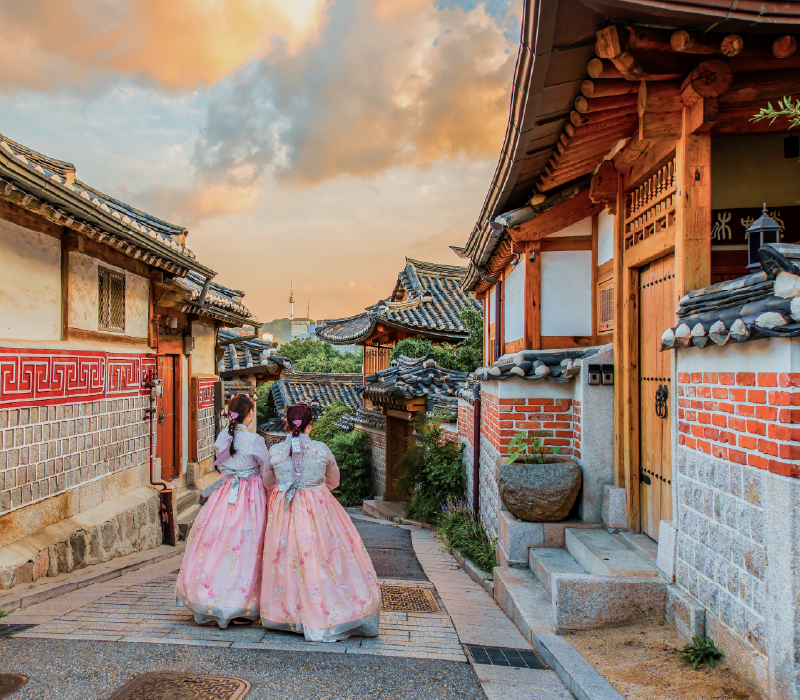
Busan Korea weather in March 2026: average temperature, rain, and wind at a glance.
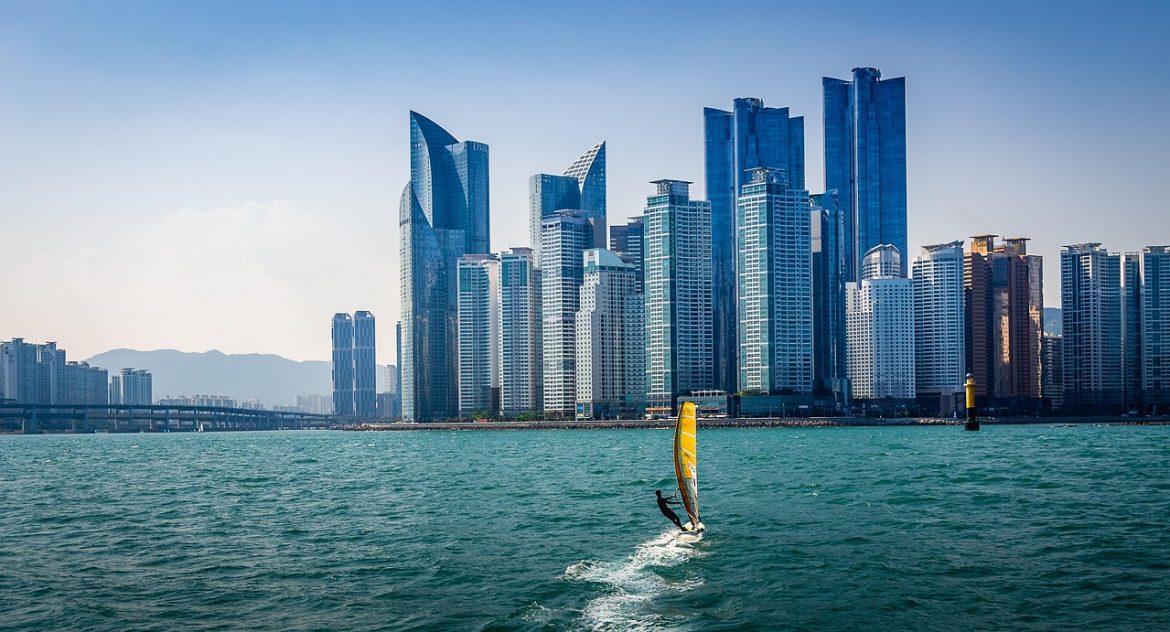
Busan Korea weather in March 2026 at a glance with average temperature rain and wind
If you’re tracking the weather in Busan, Korea, in March 2026, think of a seasonal transition: winter loosens its grip, but the sea keeps the air crisp. Many days are bright and beautifully clear, while the occasional windy afternoon can arrive without warning along the coastal edge. It’s a month that rewards travellers who enjoy fresh air and elegant pacing.
As a practical guide, the average temperature typically sits in a cool range that suits long walks and gallery time. Expect an average high near 12°C, with cooler evenings and mornings hovering around 6°C (about 43°F). These temperature ranges mean you can feel comfortable in the sun, then reach for an extra layer as the light softens.
Rainfall is usually lower than during the summer rainy season, yet short showers can still occur. Add in cold northwesterly winds, and it may feel cooler by the sea than the forecast suggests, especially near open promenades. The key is to design your days with flexibility—an indoor museum hour can become a lovely pause rather than a compromise.
What to pack for Busan in March with confidence
For high-end travel, packing is less about “more” and more about refined options that support comfort. Build a capsule you can dress up for fine dining, then dress down for a morning wander around the shoreline.
- A knit layer you’ll actually wear, plus a cardigan for cafés and hotel lounges
- A light jacket that blocks the sea breeze without feeling bulky
- Comfortable shoes for long promenades and neighbourhood steps
- A compact umbrella for on-off rain
March is a quietly sophisticated time to visit Busan: fewer crowds, clearer views, and a pace that feels personal. Keep a little space in your plans, and the city tends to meet you with calm.
Arrive in Busan in luxury with a March private transfer from Gimhae International Airport.

Arriving in Busan with seamless luxury in March via Gimhae International Airport
To visit Busan March-style—unhurried and supported—arrive via Gimhae International Airport and pre-arrange a private transfer. This simple decision creates a seamless start: you can settle in, orient yourself, and let the city open gradually rather than rushing through logistics. If you’re travelling after a long-haul flight, the comfort is immediate.
Where you base yourself shapes the entire feel of your time in Busan. Haeundae offers beachfront polish and an easy morning walking rhythm; Gwangalli leans into evening views and a softer, design-forward café scene; and the centre places you close to galleries, shopping, and discreet cocktail bars. Choose the neighbourhood that matches how you want your day and night to flow.
Luxury concierges and crafted experiences in South Korea
In South Korea, an expert concierge can be the difference between a nice plan and a truly crafted one. They can uncover hard-to-secure reservations, arrange a private guide who reads the room, and design itineraries that avoid tourist bottlenecks. If the weather shifts, they’ll smoothly adjust—support without fuss.
One boutique hotel guest shared a moment that stayed with them: an intimate hanbok dressing experience, followed by a private tea ceremony overlooking Busan’s skyline. It wasn’t performative; it felt warm, personal, and gently grounding—an insight into local tradition held with real care.
Premium costs in Busan can add up quickly for drivers, exclusive tours, and fine dining. The easiest way to protect spontaneity is to budget intentionally: cover your key “anchors” (private transfers, one signature experience, and two exceptional dinners), then keep room to explore at your own pace. For a visual sense of what’s possible, you can browse our Trip gallery and imagine what you’d like to create for your own stay.
Best attractions in Busan, Korea and places to see in early spring
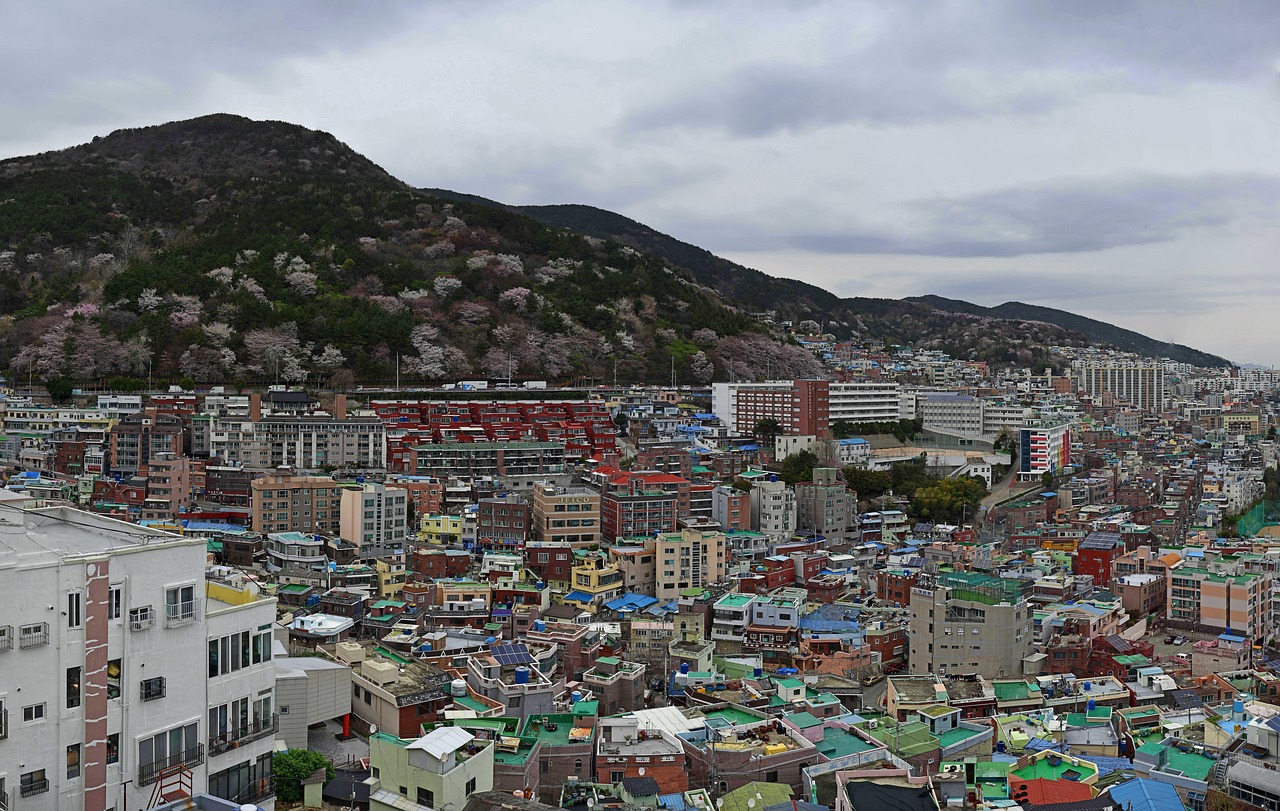
Best attractions in Busan in early spring with March light over the city
If you’re choosing the best attractions in Busan, Korea, the weather in March, places to see, the pleasure is in contrast—sea and city, modern lines and older neighbourhood texture. In early spring, the air is cool enough for long walks, yet bright enough to make the scenery feel crisp and cinematic. It’s an ideal month to explore with intention rather than intensity.
Start with Haeundae for mild early spring promenades and an unforced elegance along the waterfront. The coastal wind can be surprisingly sharp, so a light jacket keeps the experience comfortable. Pause for a coffee with a sea view, then continue your walk at a pace that lets details land.
Dalmaji Hill blossom walks and cherry blossom timing
Dalmaji Hill is one of the most iconic spring viewpoints in Busan, especially when cherry blossoms begin to appear. Mid-March to late March can bring that soft-pink shift, though the exact bloom varies by year and microclimate. If you’re dreaming of a luxury picnic, ask your hotel to design it with simple, beautiful touches—warm tea, seasonal fruit, and a blanket that feels thoughtful rather than staged.
For a culture with calm, pair the Busan Museum of Art with a slow café stop afterwards. Curated exhibits suit discerning travellers who enjoy context, design, and quiet space—particularly welcome if the day turns breezy. The museum’s rhythm also beautifully balances a coast-heavy itinerary.
Then, for a more atmospheric counterpoint, include Gamcheon Culture Village—best experienced with a private guide who knows when to step away from the main lanes. You’ll uncover viewpoints, small studios, and moments that feel less like a checklist and more like a local story. Finish with a simple day-and-night flow: gallery afternoon, a sunset lookout, then a sophisticated mall visit for design boutiques and something warm in hand.
Busan’s coastline by yacht and by night with Busan yacht tour Gwangalli night cruise bridge March
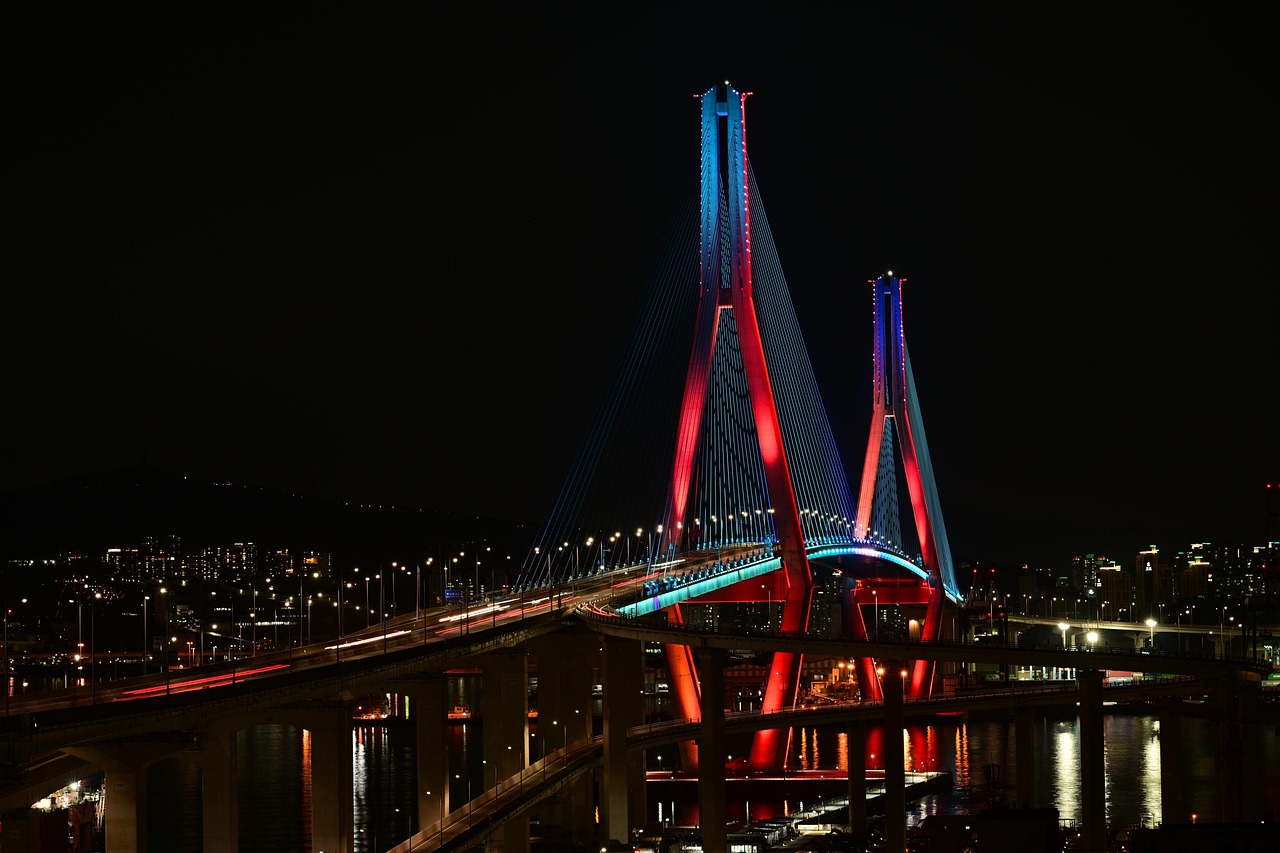
Busan’s coastline by yacht and by night with a Gwangalli bridge view in March
For a signature evening, a Busan yacht tour, Gwangalli night cruise, and bridge March experience is a great way to experience the city’s modern glamour from the water. A private yacht along Busan’s coastline showcases the skyline and surrounding islands with a sense of space you simply don’t get on land. In March, strong winds can shape the route, and experienced crews adapt smoothly to keep the ride comfortable.
If you enjoy photography, ask your captain to build a tailored plan around the golden and blue hours. You’ll create a personal visual story—glossy reflections, clean lines, and a sense of motion—without feeling rushed. This is where luxury feels like time: time to watch the light change, and time to breathe.
Day and night in Busan with Gwangalli’s calm
A high-end traveller once described a serene morning stroll on Gwangalli Beach under crisp March skies as meditative. The city felt quiet, the sea felt honest, and the rhythm of footsteps became a kind of reset. In Busan, those small pauses often become the moments you trust most.
Later, the mood shifts. A couple shared their unforgettable night cruise under Busan’s famous Bridge, illuminated in all its beauty—an exclusive perspective on the city’s elegance that felt both cinematic and intimate. Do note that sea water is cold in March, so dress warm on deck; a refined layer and scarf keep you comfortable without losing style.
Gourmet Busan in March, Jagalchi Fish Market guided tasting, premium dining
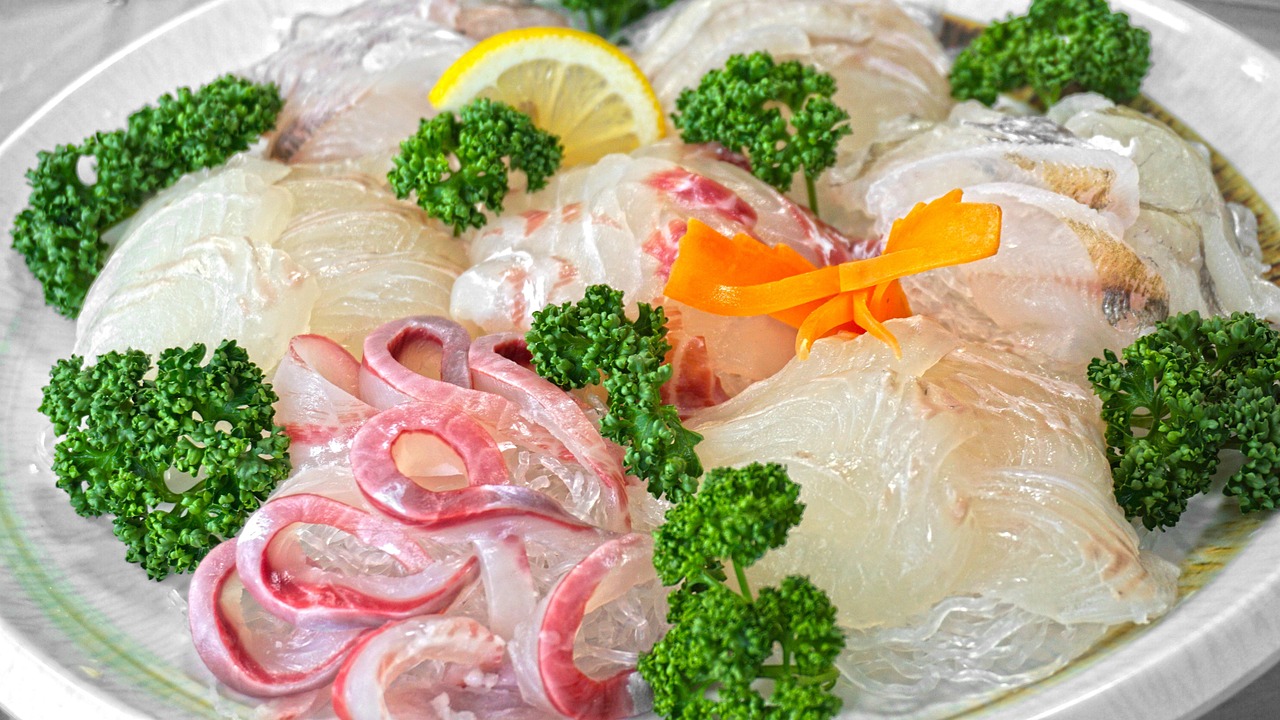
Gourmet Busan in March at Jagalchi Fish Market with guided tastings
Gourmet Busan in March, Jagalchi Fish Market guided tasting experiences are perfect for travellers who care about craft and provenance. With a guide, you can explore freshness, seasonality, and uniquely Korean flavours without feeling overwhelmed by the pace of the stalls. It also turns the market into a story—who caught what, how it’s served, and why locals prefer certain preparations.
Jagalchi is lively, but with the right support, it never needs to feel chaotic. Your guide can translate nuances, help you order with confidence, and steer you towards venues where quality is consistent. If you prefer something quieter, schedule the tasting earlier in the day and keep the evening for a reservations-led restaurant.
Korean etiquette and comfort with local guidance
Small etiquette details can deepen trust and smooth interactions. A respectful greeting, removing shoes indoors when expected, and handling local currency neatly go a long way—especially in traditional settings. If you’re unsure, an expert guide will quietly support you, so you can stay present.
- Let your guide take the lead when negotiating or ordering seafood by weight
- Keep tissues and hand sanitiser to hand for market comfort
- Balance indulgent dinners with lighter lunches in cooler weather
March can bring a soft, rainy afternoon, too—and that’s not a problem. Empowered by local concierge recommendations, one visitor discovered a hidden cafe in the old German Village where they connected with artists over warm drinks as rain tapped at the window. It was quiet, human, and unexpectedly memorable.
If you have dietary preferences, it’s worth mentioning them early. A good concierge can pre-arrange menus with care, ensuring your meal feels tailored rather than “managed”.
A crafted itinerary for time in Busan and a day tour around Busan in March 2026

A crafted itinerary for time in Busan and a day tour around Busan in March
For travellers mapping a Busan itinerary March 2026 day tour around Busan, the goal is ease: slow mornings, purposeful afternoons, and elegant evenings. This rhythm suits the weather in March, when the day can start crisp and warm slightly as the sun rises. It also leaves space for spontaneous discoveries—an exhibition you didn’t expect to love, or a cocktail bar you uncover through a local recommendation.
2–3 day itinerary with a day tour balance
- Day 1: Settle into Haeundae, take a long coastal walk, then a calm dinner with sea views.
- Day 2: Art-led afternoon at the Busan Museum of Art, then sunset at a viewpoint and a curated night out.
- Day 3: A signature day tour, then a gentle final evening (or a night cruise if the sky is clear).
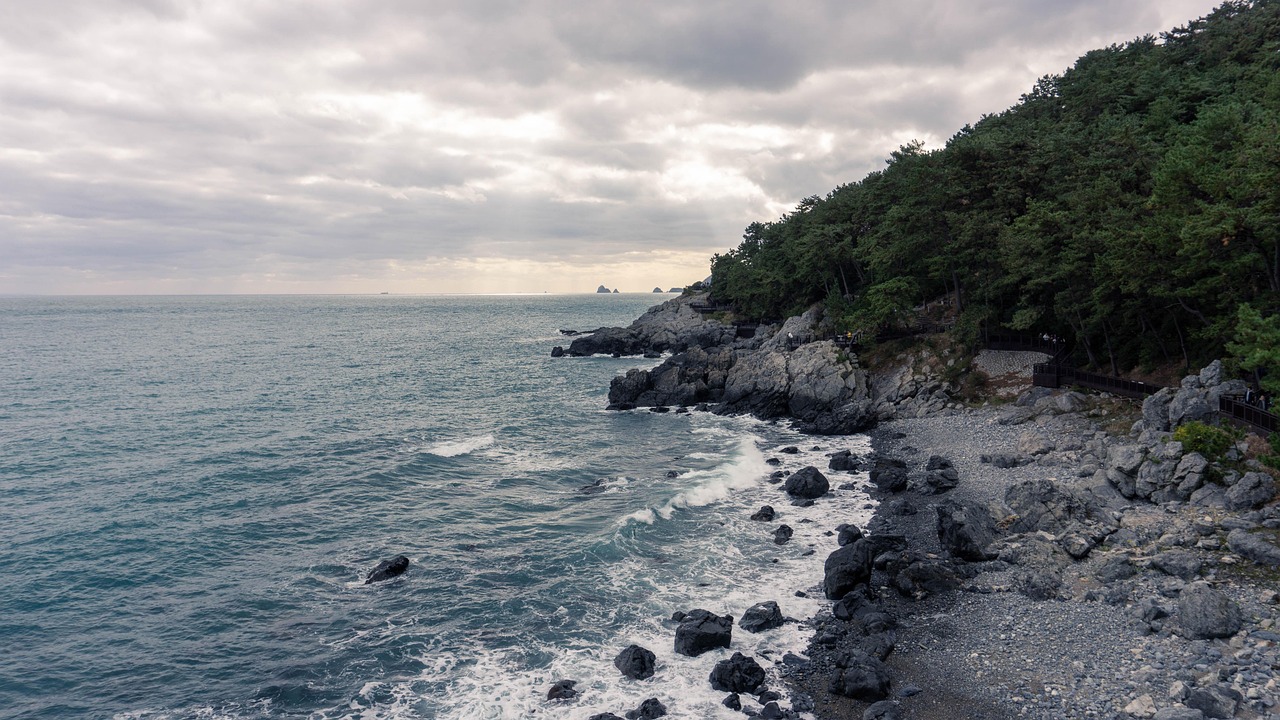
Your signature day tour can begin at Haedong Yonggungsa Temple at sunrise, when the sea feels almost still, and the light has a soft clarity. Continue to Taejongdae, a natural park known for beautiful scenery and coastal cliffs, where you can breathe in the salt air and let the horizon do its quiet work. If you can, plan a warm drink stop afterwards—simple comfort that feels deserved.
Seasonal detail matters in March. Apricot flowers and other early flowers may be in full bloom toward the end of the month; check late March forecasts with your hotel so you can adjust your timing by a day if needed. If a blossom festival falls within your dates, your concierge can advise on the most graceful way to experience it.
To move with confidence, use a private car and guide for the day tour, then rely on the subway and public transport for easy city explorations when the weather is stable. Pack comfortable shoes, a warm layer, and a small umbrella—just enough preparation to keep your day feeling free.
Designing your March plans 
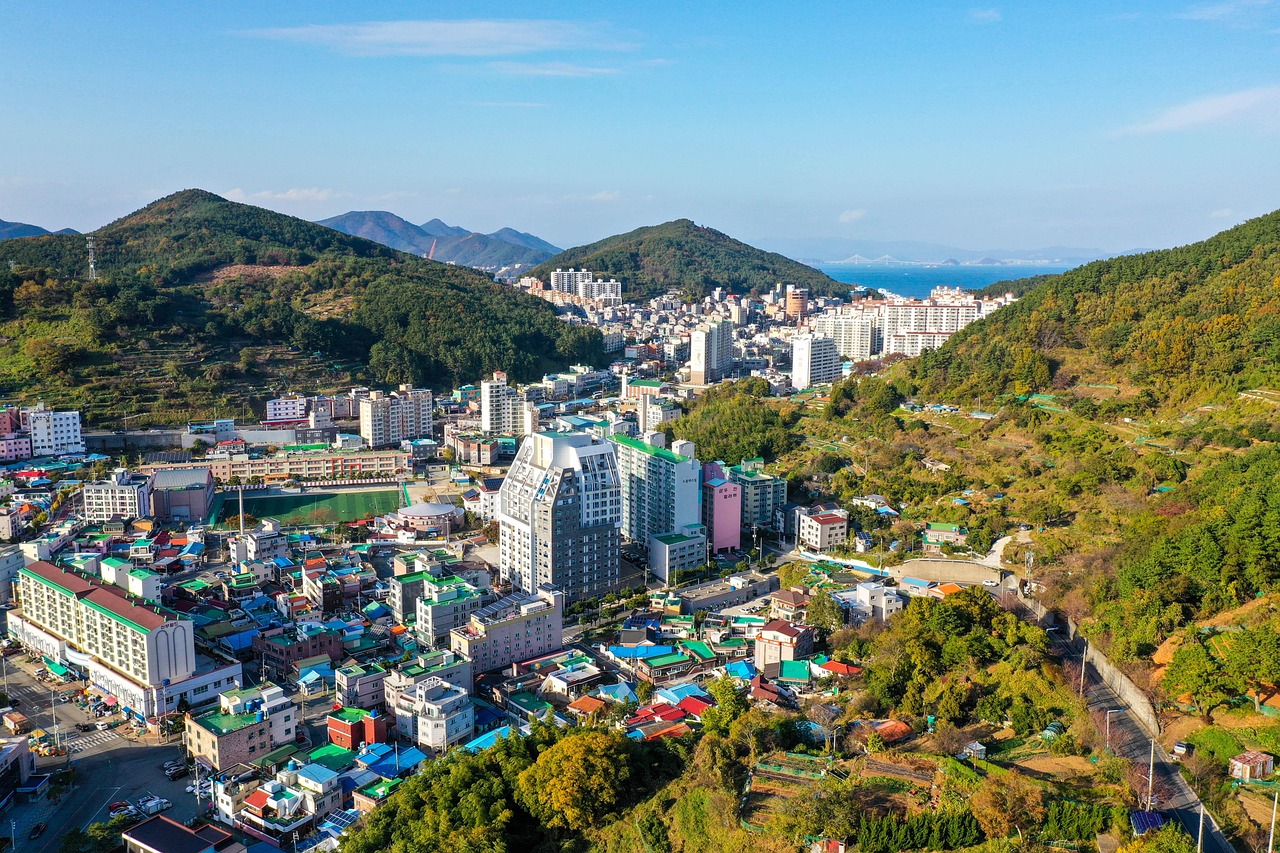
If you’re weighing the timing of a visit to Busan, Korea, throughout the year, it helps to compare March with autumn. March is cooler and often closer to dry weather, while autumn tends to feel milder with softer light and longer evenings outdoors. Both seasons can be deeply rewarding; the difference is the texture of the air and how you want your days to feel.
Korea’s climate is continental, so expectations shift quickly between regions and seasons. In some parts of the country, winter mornings can dip near 0°C, while summer highs can reach 32°C—very different from Busan’s sea-tempered edges. March sits between those extremes: not the coldest, not yet humid, and usually outside the typhoon window.
Time of the year planning for premium travellers in South Korea
March is not peak humid weather, and it’s typically before the summer rainy season truly sets in. That means you can design your days around outdoor walks and views, then layer in indoor cultural heritage as a graceful backup. Flexibility is a luxury in itself.
For premium planning, build weather buffers into bookings and prioritise flexible dining reservations where possible. Keep one indoor “anchor” each day—an exhibition, a spa hour, a design store, a quiet tea lounge—so a sudden shower becomes a gentle pivot rather than a disruption. When plans are thoughtfully designed, even a rainy hour becomes an opportunity to uncover something quietly local.
If your wider trip includes Seoul or even Jeju Island, March can still work beautifully—just expect different microclimates and pack accordingly. Your hotel team can support updates day by day, so you can travel with trust rather than worry.
F.A.Qs: Busan, Korea weather in March
Is Busan cold in March?
Busan can feel chilly in March, especially by the sea, but it’s generally comfortable for walks if you dress in layers. Many days are bright, and the cool air makes exploring without summer crowds easier. Coastal winds can make it feel colder than the forecast suggests, so plan a warm layer for evenings and waterfront promenades.
What to wear in Busan in March?
Wear layered outfits: a breathable base, a knit mid-layer, and a light jacket that blocks coastal breeze. Bring comfortable shoes for long walks, plus a compact umbrella for passing showers. In the evenings, add a scarf or a warmer layer—temperatures drop after sunset, particularly near the water.
Is it still cold in March in Korea?
Yes, March can still be cold in Korea, particularly in the mornings and evenings, because winter is only just easing. Conditions vary by region, but you’ll often want layers and a jacket. Compared with mid-winter, March is usually brighter and easier for sightseeing, with less intense cold.
What is the best month to go to Busan?
The best month depends on your travel style. March is ideal for a calm, refined trip, with cool weather and early-spring energy, while autumn is often milder, with soft light and comfortable evenings. Summer offers a beach atmosphere but brings higher humidity and heavier crowds, so many luxury travellers prefer the shoulder seasons.
After Busan, what stays with you
After Busan in March, what remains isn’t a checklist—it’s a feeling of light and space, and a quiet confidence that you moved through the city in a way that suited you. The air was crisp, the sea was steady, and the city’s details—salt on the breeze, the clean hush before the cafés open, the softened glow of a bridge at night—settled into memory without trying too hard.
You might remember the silence of a shoreline walk more than any landmark, and the warmth of tea after the wind more than any menu. There’s something tender about early spring here: the way the city holds modern beauty and human tradition side by side, and how a small local encounter can restore your sense of pace. With the right care behind the scenes, spontaneity doesn’t disappear—it becomes safer, gentler, more yours.
And when you think back, it may be the simplest moment that returns first: standing still, watching the light change over water, letting the day find its own shape. South Korea has a way of inviting you back when the seasons shift again—quietly, patiently—so curiosity can unfold in its own time.