Post Contents
- Caen Memorial Museum Basics for First-Time Visitors and a Museum Guide
- History at the Caen Memorial museum de Caen and 20th-century Europe
- Caen Memorial D-Day galleries, Battle of Normandy
- Caen Memorial Museum immersive exhibition dioramas de Caen highlights
- Mémorial de Caen Peace and Reconciliation area Normandy, France
- F.A.Qs
- What Stayed With Me After Caen memorial museum personal reflection France Normandy guide
Caen Memorial Museum Basics for First-Time Visitors and a Museum Guide
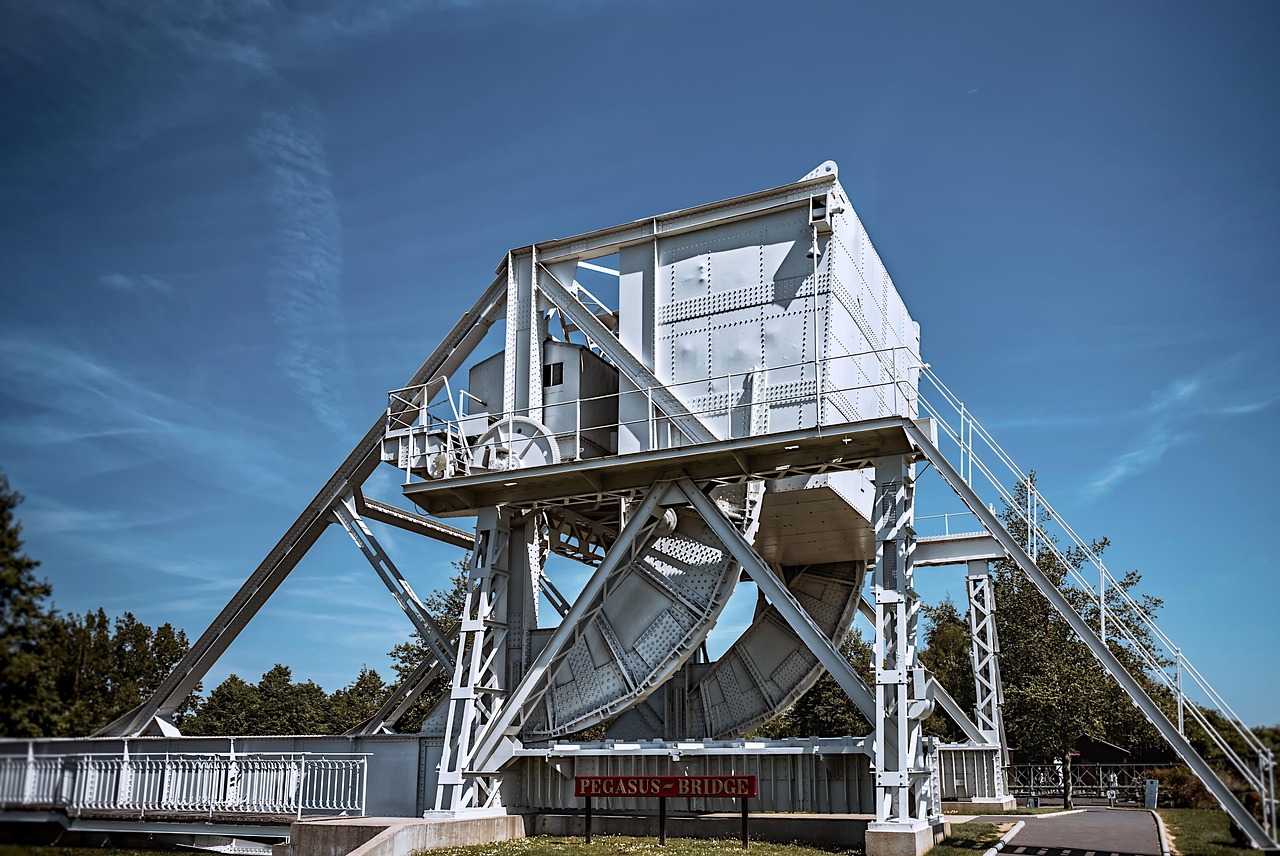
Caen Memorial Museum Basics for First Time Visitors with Pegasus Bridge nearby
This Caen Memorial Museum, France, guide for first-time visitors is designed as a calm launchpad for Normandy tourism—especially if you want context before you explore windswept cliffs, old fortifications, and coastal viewpoints. In Caen, you can uncover the ‘why’ behind the landscapes you’ll later walk through, from bridge crossings to beach approaches. It’s the kind of beginning that quietly upgrades the rest of your route, without rushing you.
What makes this memorial feel vast is how it balances real objects, film, and clear storytelling, so you don’t have to piece the timeline together alone. Adventure seekers fascinated by military culture often love that it connects directly to real-world sites and outdoor discovery, yet it never forgets the personal cost. Think of it as a designed, human-centred prelude before you head out to the coastline.
Explore the Caen Memorial with care in the memorial areas
The most powerful rooms ask for a softer pace. Keep voices low, switch phones to silent, and follow signs on photography—some sections invite pictures, others ask you not to. That respectful rhythm helps everyone trust the space and take in the stories without turning them into spectacle.
Seamless visitor flow and on-site support in the museum
The visitor experience is intentionally crafted to move chronologically, so you can build insight step by step rather than bouncing between eras. There are toilets, a bookshop, and spaces to pause, which matters on a full day when emotions run high. If you want extra confidence, audio guides and occasional guided tours can help you understand key objects and maps without feeling lost.
- Best season: April to October for better weather and longer opening hours.
- Getting there: From Caen city centre, it’s straightforward by bus or a short taxi ride.
- Planning tip: Arrive early on weekends and holidays for a calmer start.
For high-end travellers building a bigger route, it’s an excellent first stop before a private driver day or a curated tour—browse our Trip gallery for design-led inspiration across the region.
History at the Caen Memorial museum de Caen and 20th-century Europe
History at the Caen Memorial in 20th Century Europe with France as the wider backdrop
If you’re searching for history at the Caen Memorial museum, you’ll find a clear narrative arc that helps you understand how daily life unravelled into occupation, battle, and then a world after 1945. The galleries don’t just focus on armies; they dedicate space to what happened to ordinary people, and how destruction reshaped towns and families. It’s a grounded way to learn—firm on facts, gentle with emotion.
One of the strongest choices is that the museum does not treat the Second World War as a single dramatic moment. Instead, it shows causes and consequences: political friction, propaganda, and the slow tightening of fear. That broader lens helps you step into Normandy with more than a checklist of sites.
History at the Caen Memorial from tension to occupation
You’ll notice how the exhibits return to civilian life, scarcity, and moral compromise—details that make the story feel lived rather than distant. In Caen, the timeline is laid out so you can follow it with confidence even if you’re not a specialist. There’s an expert calmness to the interpretation that supports learning rather than shock.
1945 and the Cold War in Europe
The galleries move into 1945 and the Cold War with accessible clarity: the Berlin Wall, the atmosphere of confrontation, and nuclear dread that seeped into everyday choices. You’ll see how Germany and its neighbours were pulled into opposing spheres, and how this shaped a new century’s anxieties. The tone remains thoughtful—film elements and personal letters act as anchors, keeping the focus on people, not just politics.
Caen Memorial D-Day galleries, Battle of Normandy
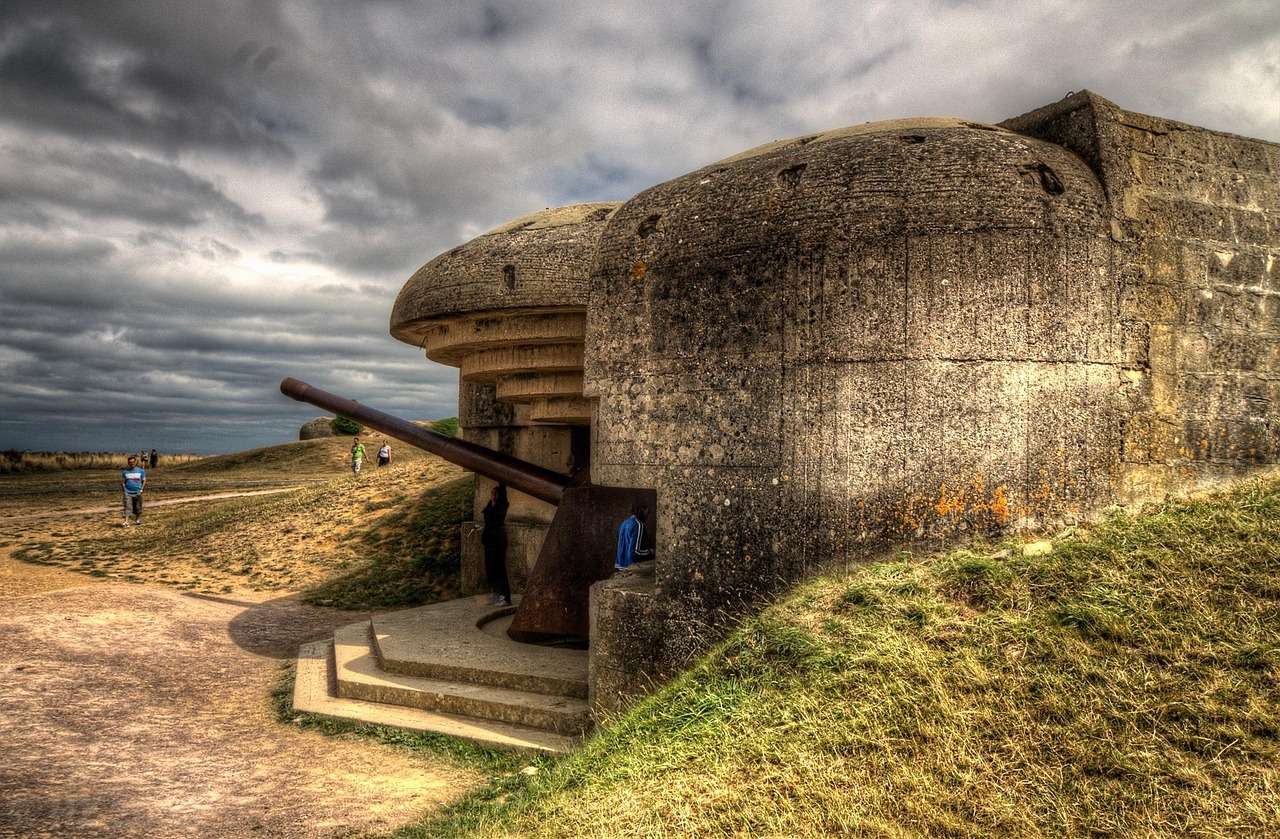
Explore D Day Galleries and the Battle of Normandy at the Caen memorial
The Caen Memorial D-Day galleries, Battle of Normandy guide, Normandy, France, is where many adventure-minded travellers feel the story comes to life. The museum guides you through the D-Day landings with a steady hand, then links that day to the long, complex aftermath across fields, villages, and hedgerows. When you later stand on the D-Day beaches, the landscape feels less like scenery and more like testimony.
The Battle of Normandy is told as a multi-perspective battle—Allied momentum, German defence, and the civilian toll caught in between. That balance matters. It helps you explore with maturity, seeing beyond uniforms to the cost of each decision.
Explore D-Day sites and D-Day beaches with a stronger context
For an outdoor itinerary, the museum’s context upgrades what you’ll see at Arromanches, on 6 June landmarks, and at viewpoints where bunker remnants still sit above the sea. It also changes how you read small details: a road curve, a bridge approach, a line of trees. The Battle of Normandy stretches far beyond a single day, and the galleries help you understand the scale of those 100 days.
- Plan a paired day: museum in the morning, then coast and cliffs in the afternoon.
- Bring layers: the coastline can feel cool even in summer.
- Pause often: the most meaningful insight comes when you give yourself time.
Personal stories that make the Battle of Normandy human
Many visitors share moving accounts of connecting with family history through these rooms—names, regiments, and fragments of letters suddenly becoming real. One traveller told me the immersive soundscapes and personal letters made the war’s human toll palpable, as if the air itself carried echoes. Another small group of adventure seekers said the museum augmented their Normandy exploration, giving their later walks through battlefield viewpoints a deeper emotional clarity.
Caen Memorial Museum immersive exhibition dioramas de Caen highlights

Immersive Exhibitions Dioramas and De Caen Highlights at the Caen memorial museum
If you’re looking for a Caen memorial museum immersive exhibition dioramas de Caen overview, this is the section that often stays with people longest. The museum uses an immersive approach—sound, lighting, and careful pacing—to make learning feel personal without becoming overwhelming. It’s designed so you can discover details at your own speed, whether you’re skimming for big-picture understanding or lingering on a single object.
Look for map-led displays that explain movement and strategy with clarity, especially if you’re planning to explore terrain later. The galleries are arranged chronologically, which creates a quiet sense of order even when the content is heavy. That structure can be reassuring when emotions rise.
Exhibition highlights from artefacts to a model of a Hawker Typhoon
Among the standout moments are wartime artefacts that feel startlingly close, realistic dioramas, and a model of a Hawker Typhoon that draws in anyone fascinated by aircraft and engineering. Here, the narrative isn’t abstract: you notice the weight of equipment, the scarcity of materials, and what a single soldier carried. It becomes easier to imagine the physical reality of the period, not just the headlines.
Circular cinema and underground bunker spaces with guided tours
Many travellers single out the circular cinema for its ability to build atmosphere without sensationalism. There are also sections that evoke an underground bunker, which can feel intense; if you’re travelling with someone sensitive to enclosed spaces, take it slowly. When available, guided interpretation offers calm support, helping you read the displays with confidence rather than guesswork.
- Audio guides: useful if you want a steady narrative thread while you move through rooms.
- Photography: follow posted guidelines, especially around sensitive material.
- Take breaks: stepping outside for air can help you process what you’ve seen.
A final note, handled with care: the holocaust content, including references to Hitler and individual victim stories, is presented with clear context rather than shock. It’s difficult, but it’s also essential—an honest reminder of how quickly societies can lose their way.
Mémorial de Caen Peace and Reconciliation area Normandy, France
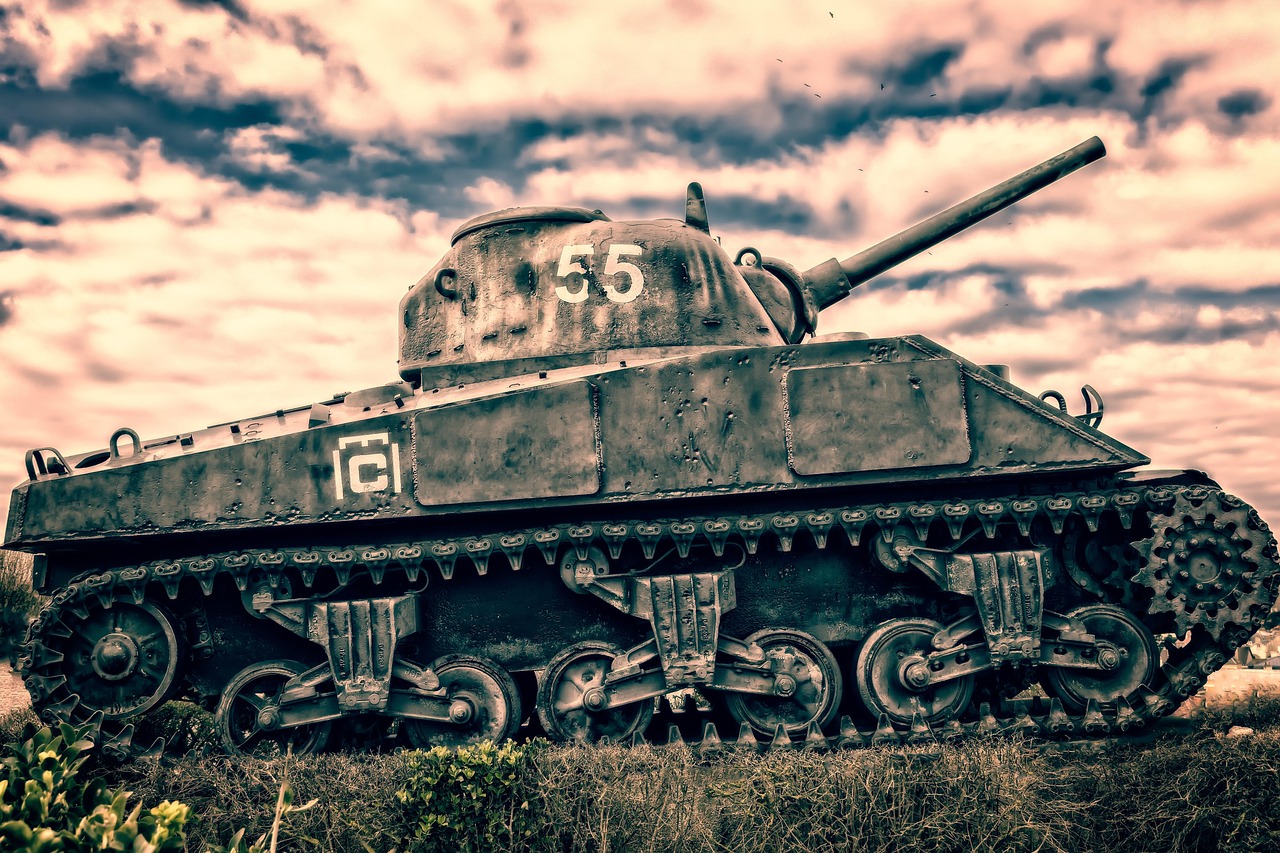
Peace and Reconciliation at the Mémorial De Caen in Normandy France
The Mémorial de Caen Peace and Reconciliation area in Normandy, France, often feels like the emotional pivot of the entire visit. After learning about occupation and liberation, you’re invited to consider what comes next—how communities rebuild, how enemies become neighbours, and how memory can create responsibility rather than hatred. This is where a memorial becomes not only about the past, but about how we choose to live together now.
Step outside into the memorial gardens if you can. The stillness offers a kind of permission: to breathe, to reflect, and to hold the tension between curiosity and grief. For high-end travellers who want journeys with meaning, this is where the day becomes quietly profound.
Peace and modern warfare questions after World War
The galleries widen into the moral complexity of modern conflict, including the bombings of Hiroshima and Nagasaki. The questions are not easy, and that’s the point—the museum encourages trust in careful thinking, not neat answers. The mention of nuclear fear lands differently after you’ve seen how quickly violence escalated in earlier rooms.
Patrick Chauvel and the human lens of conflict
If you encounter material linked to Patrick Chauvel, it offers another kind of insight: conflict photography as witness, and as a reminder that headlines have faces. It’s a powerful way to support empathy, especially when the day’s facts start to blur. The message is simple and timeless—pay attention to lives, not just outcomes.
- Ticket guidance: adult entry is around 11 euros; look for student and group rates.
- Timing: give yourself extra time here—this is not a section to rush.
- Mindset: arrive with care, and leave space for quiet conversation.
F.A.Qs
How long does it take to go through the Memorial de Caen?
Most people spend 3 to 4 hours going through the Memorial de Caen at a comfortable pace, especially if you pause for films and reflection spaces. If you enjoy reading exhibits in depth, plan closer to half a day so the experience feels unhurried.
What is Caen, France, known for?
Caen is known for its deep Second World War history, its role as a gateway to Normandy, and heritage sites such as the castle and historic churches. It’s also valued as a practical base for exploring nearby coastal and countryside locations.
Where is the Caen Memorial?
The Caen Memorial is located in Caen, in Normandy, a short journey from the city centre. It’s easy to reach by local bus or taxi, which makes it convenient to include at the start or end of a day trip.
How much does it cost to go to the Caen Memorial Museum?
A standard adult ticket to the Caen Memorial museum is around 11 euros, with discounts often available for students and groups. Prices and inclusions can vary, so it’s worth checking the latest details before your visit.
Long after you’ve left, you may find yourself holding a quieter kind of gratitude—one that doesn’t demand attention, only honesty. And somewhere on a Normandy road, with evening light slipping across the fields, you might feel the gentle pull to keep learning—patiently, thoughtfully, and with care.
What Stayed With Me After Caen memorial museum personal reflection France Normandy guide
What stayed with me in Caen wasn’t a single dramatic image, but a series of small, steady moments: the hush as people read letters, the gentle weight of a room you didn’t want to leave too quickly, the sense that learning can be an act of peace. As a traveller, you can still crave adventure—coastal walks, old walls, a castle silhouette at dusk—while also accepting that some places ask for a different kind of courage: the courage to listen.
I kept thinking about how shared visits can create calmer conversations. In couples, families, or friends, the museum becomes a place where personal history can surface with unexpected tenderness, and where perspectives soften rather than harden. When you later stand where the past unfolded, the ground feels the same beneath your shoes, yet your understanding is changed—quietly, permanently.