Post Contents
- Discover Canal Saint-Martin in the vibrant 10th arr – a Parisian neighbourhood guide to canal saint-martin life
- Walk from République along the Canal Saint-Martin to the working locks – an easy Canal Saint-Martin Paris route
- Cruises on the Canal Saint-Martin with Canauxrama – serene views to the Bastille and the Seine River
- Canal Saint-Martin area neighbourhood guide – trendy cafes, boutique finds, street art, and Hôtel du Nord
- Exploring Canal Saint Martin – practical metro, safety, costs, and where to stay (ultimate guide)
- F.A.Qs
- What stayed with me after Canal Saint-Martin – Parisian reflections and local moments
Discover Canal Saint-Martin in the vibrant 10th arr – a Parisian neighbourhood guide to canal saint-martin life
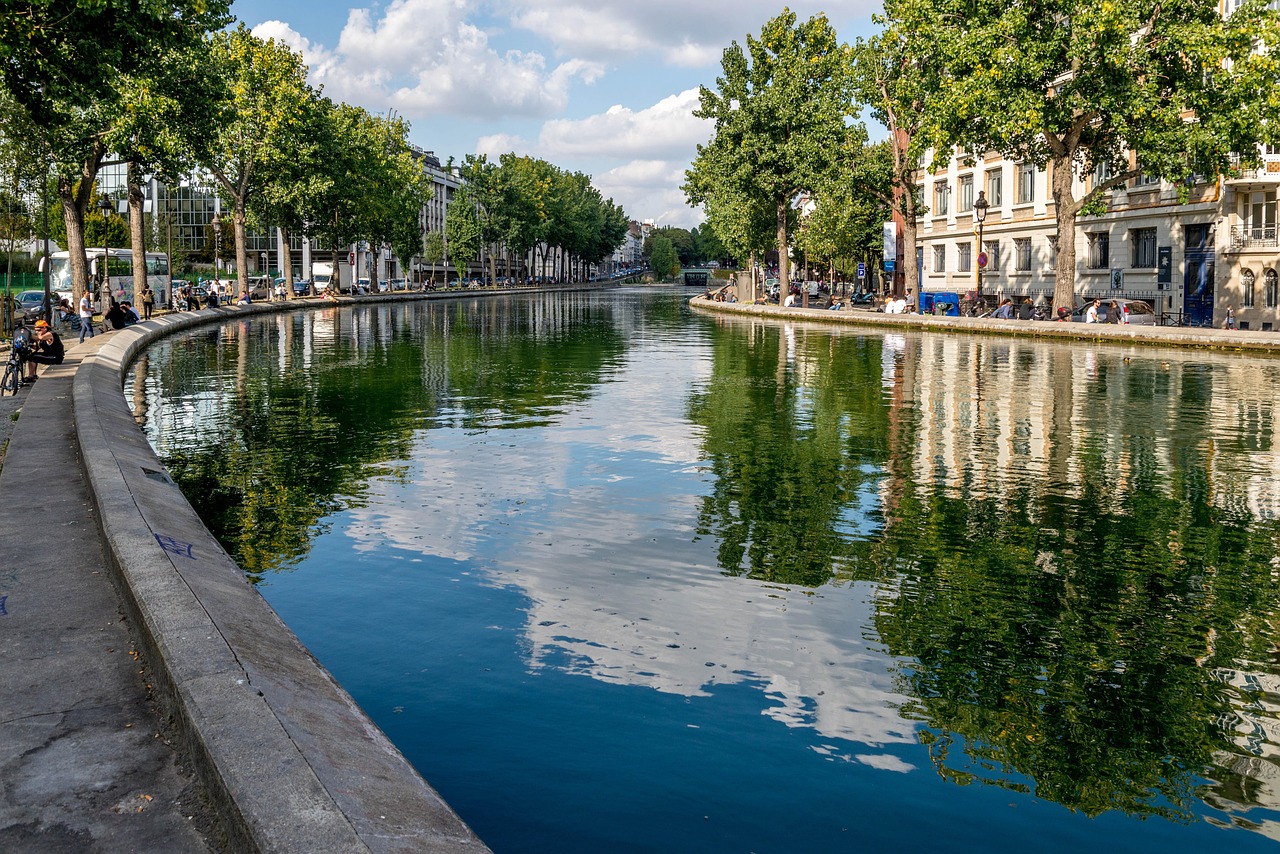
Discover the Canal Saint-Martin in the vibrant 10th arr, with Parisian footbridges, leafy banks, and calm water scenes
Welcome to canal saint martin paris france through the lens of a slower, more local waterway. This neighbourhood guide begins with geography, because this ribbon of water is more than a pretty backdrop: the Canal Saint-Martin (the Saint-Martin Canal) runs from Bassin de la Villette down towards the Seine, threading through the 10th and 11th arrondissements like a calm seam stitched into the city of Paris. For adventure seekers, it’s a rare balance—you can keep moving on foot, by bike, or by boat while still feeling held by plane trees, iron bridges, and the gentle mechanics of locks.
Step off a busy boulevard, and you’ll find an unexpectedly intimate corridor. The canal’s pace changes how you breathe: less rush, more noticing, and a softer kind of Parisian rhythm. You’ll spot Parisians leaning on railings, sketching, reading, or simply watching the slow choreography of barges and tour boats sliding under bridges.
Paris canal origins: Napoleon’s early 19th-century project for fresh water
To understand why this part of Paris feels so “lived-in,” it helps to know it was engineered with purpose. Commissioned in the early 19th century under Napoleon, the canal was built to bring fresh water into Paris and to improve commerce—an essential piece of infrastructure, not a romantic ornament. Barges once carried grain, wine, and building materials; today, the same waterway carries conversations, picnics, and an everyday Parisian movement that feels personal rather than performative.
This history is still visible if you look a little closer. The locks and swing bridges aren’t themed attractions; they’re working mechanisms that shaped neighbourhood life, and the Canal Saint-Martin still feels like a piece of the heart of Paris precisely because it isn’t trying too hard—it simply continues, day after day, as a living part of Paris.
Iron footbridges, dusk reflections, and a cinematic Parisian mood
There are a few things to do in Paris that deliver atmosphere so effortlessly. The iron footbridges here are slender, photogenic, and slightly theatrical—especially when the water mirrors street lamps at dusk, and conversation drifts from a nearby cafe. Even if the Eiffel is calling from your classic plan, Canal Saint-Martin offers a different kind of city experience: quieter, closer, and surprisingly tender (and yes, it even gets a small moment of fame in amélie).
A personal vignette stays with me: a couple crossing one of the bridges slowly, almost as if they were listening for the city through the water. Their reflections doubled in the canal, and the moment felt designed—like an editorial shoot—yet it was just an ordinary evening. That’s the quiet magic here: simple movement becomes memory, with care and without spectacle.
Walk from République along the Canal Saint-Martin to the working locks – an easy Canal Saint-Martin Paris route
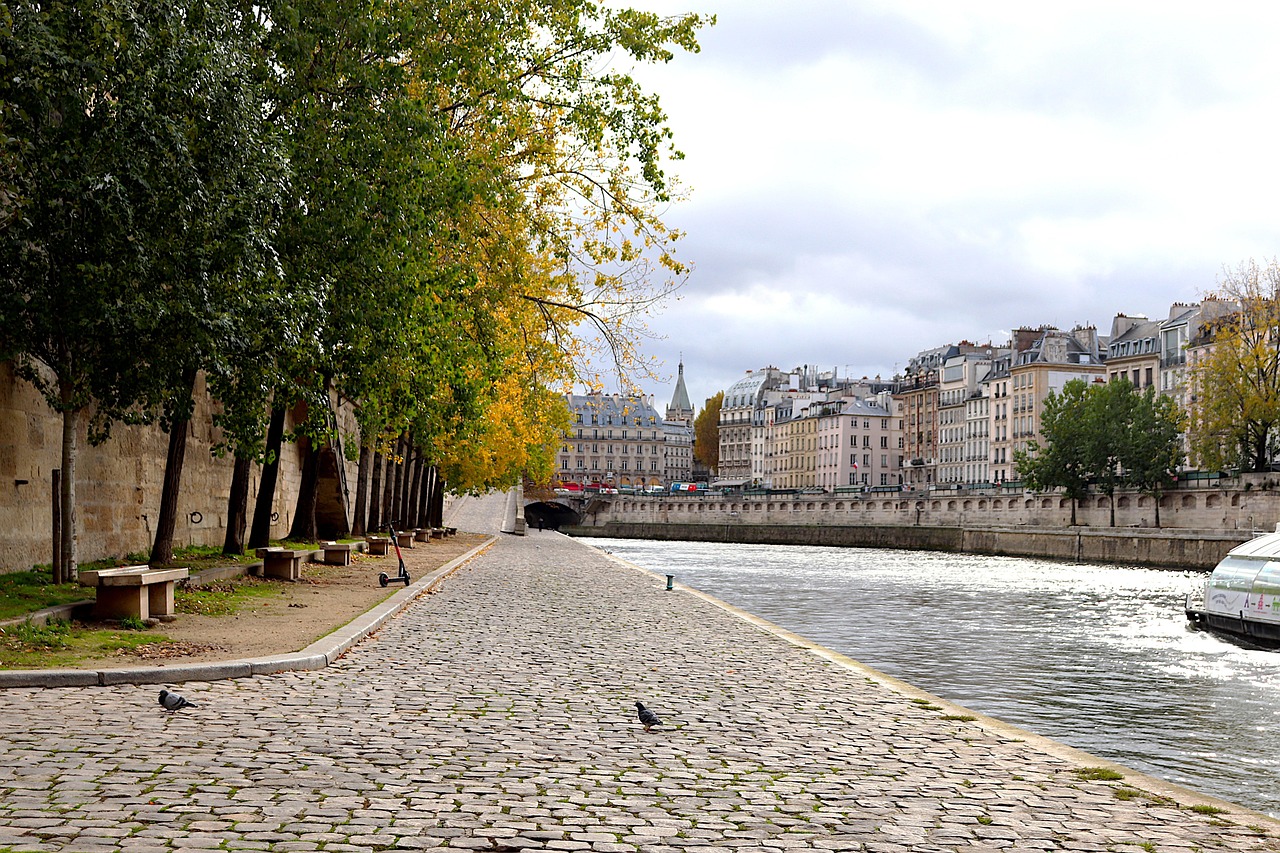
Walk along Canal Saint-Martin: from République to quai de valmy and quai de jemmapes for bridges, locks, and reflections
If you’re craving motion with meaning, this is the crafted answer. Start near Place de la république, then drift north-east towards the water and let the canal guide you; within minutes, the banks feel more intimate than the surrounding streets, with just enough bustle to stay interesting. As you settle into the rhythm, you’ll notice how Canal Saint-Martin shapes the mood of the neighbourhood—calm, social, and quietly creative.
From the square, angle towards quai de Valmy, then cross over to Valmy and quai de Jemmapes when you want a new perspective. Look out for the most photogenic locks mid-walk, where the water level shifts and the ironwork frames the scene like a theatre set—this is Canal St-Martin, Paris, at its most effortless.
Itinerary: from the square to Quai de Valmy and the lock gates
This itinerary works beautifully for adventure seekers because it’s flexible—easy to extend, easy to shorten, and full of pause points for coffee, browsing, and spontaneous street music. Keep your pace light, and treat the day as a sequence of small discoveries along the canal. You’ll quickly learn that the best views come when you cross bridges often and let the banks do the storytelling.
- Start: at the square near the 10th arr and set your pacing—this is not a march.
- Follow: the water north towards quai de Valmy; cross when the light is better for photos.
- Pause: at the locks to watch the mechanisms lift and lower boats.
- Finish: wherever your curiosity feels satisfied—towards Bastille for later plans, or back to a terrace for a long drink.
Use this as a flexible route you can design as you go. The best moments arrive when you allow the waterway to set the tempo, and when you dip into a side route for one small surprise before returning to the bank.
One adventurer told me their favourite memory was cycling along the canal at dawn—an hour when the city is still stretching awake. The ride was peaceful enough to feel like hidden Paris: only a few locals, a delivery van, and the soft sound of water moving through locks. If you’re tempted, you don’t need to be a confident cyclist in traffic; keep it slow, dismount at busy crossings, and treat the route as short, safe segments.
For your first cafe stop, choose somewhere that opens early near the water and take a terrace seat with a view. It’s a small act of trust in your own rhythm: you’re not trying to “do Paris,” you’re letting Paris meet you.
For quieter observations, slip into Jardin Villemin, a pocket of green near the water that feels like a gentle exhale. From there, wander rue des récollets and continue towards rue de la grange aux belles (also signed as de la grange aux belles), where the crowds thin and you catch more local detail—laundry on balconies, bakers unloading, artists heading to studios in the récollets area.
Picnics are one of the simplest pleasures here, but they come with a bit of etiquette. Keep voices low in residential stretches, avoid blocking the path, and take your litter with you—“too noisy” in practice means portable speakers and shouted conversations that spill into the evening. With care, you’ll fit in easily, and this Canal Saint-Martin area will feel like it’s welcoming you together with the neighbourhood.
Cruises on the Canal Saint-Martin with Canauxrama – serene views to the Bastille and the Seine River
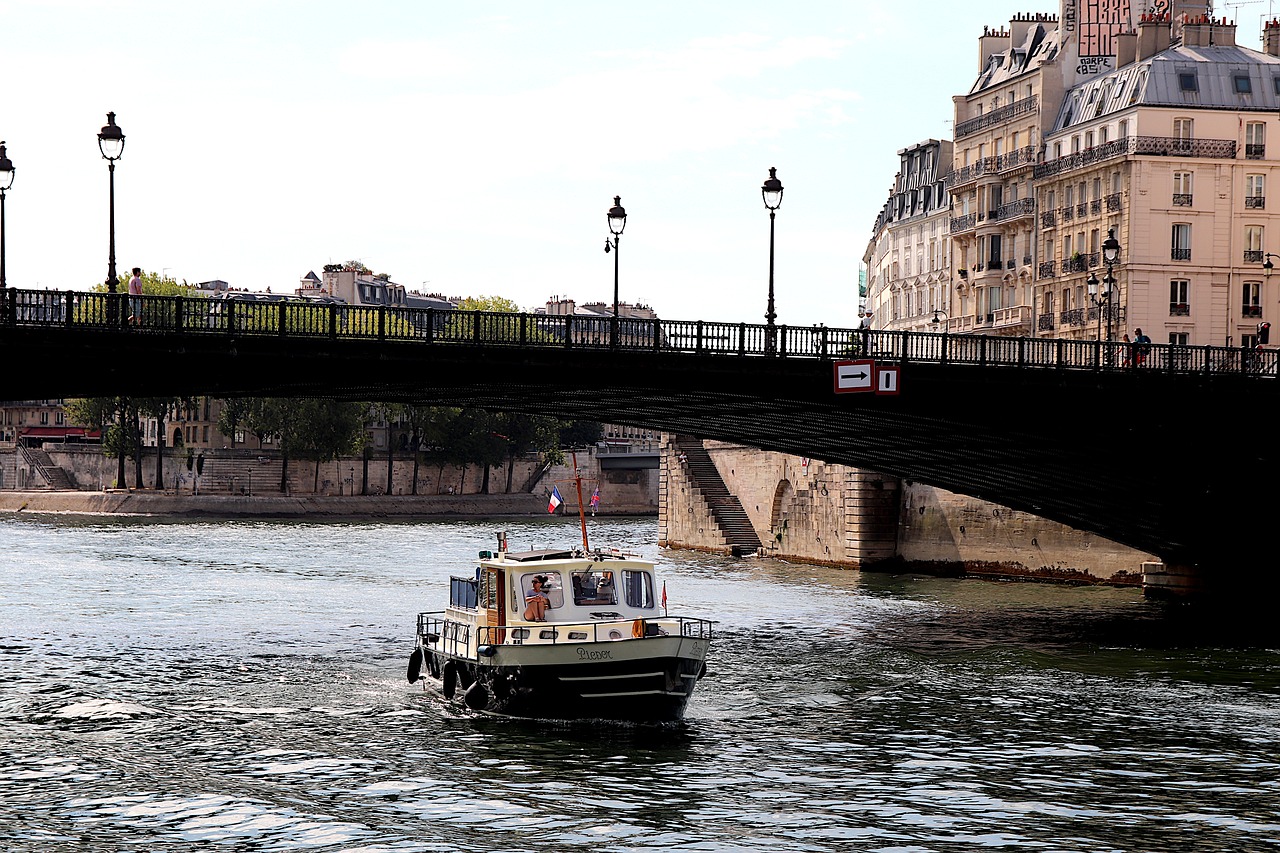
Cruises on the Canal Saint-Martin: a serene Paris view as you glide towards bastille
For travellers who want a different perspective without the intensity of big-ticket attractions, cruises on the Canal Saint-Martin with Canauxrama are a seamless way to see Paris from water level. A canal Saint Martin boat tour feels cinematic: you slip under low bridges, pass through locks that lift and lower you gently, and watch the banks glide by at a speed that invites real noticing. It’s also a smart option if you want variety in one day—architecture, neighbourhood life, and waterway engineering in a single outing.
The sensation is quieter than a typical sightseeing circuit. Instead of rushing between landmarks, you’re held in a slow corridor of sound—water lapping, occasional laughter, the soft commentary of a guide—and you begin to recognise a more intimate, everyday Parisian life that many visitors miss.
La Villette to the Seine via Bastille: locks, tunnels, and the Port de l’Arsenal
Many routes cover La Villette to the Seine, which makes planning surprisingly easy. You’ll often start near Bassin de la Villette and the Quai de la Loire (by jaurès), once the village of la Villette, then travel down through the Canal Saint-Martin towards la Bastille, reaching the Port de l’Arsenal. From there, some departures connect to a cruise along the Seine on the Seine River, giving you two moods of Paris in one: neighbourhood texture first, then the grand river stage.
If you love context, this is a beautiful way to understand how the city of Paris is built around water. The shift from canal to seine is subtle but emotional: the canal feels like a conversation; the river feels like a performance.
Canauxrama booking notes: timing, costs, and the best light
Canauxrama is a well-known operator for this route, and it’s a reliable option if you want to book with confidence. Typical pricing sits around 15–20 euros, and in peak months, it’s wise to book ahead for a smoother boarding experience. Expect clear meeting instructions, a timed departure, and seating that rewards early arrival—especially if you want to photograph bridges and lock moments without leaning over others.
- Best light: late afternoon for warm reflections; early morning for a calmer atmosphere.
- Timing: allow extra time before and after to stroll around the canal and linger at a terrace.
- Comfort: bring a light layer—even in summer, water-level air can feel cooler.
Choose your time slot the way you’d choose a table: with intention. That small act can turn a good cruise into an uncovering of the city’s gentler side and its best hidden gems.
Canal Saint-Martin area neighbourhood guide – trendy cafes, boutique finds, street art, and Hôtel du Nord
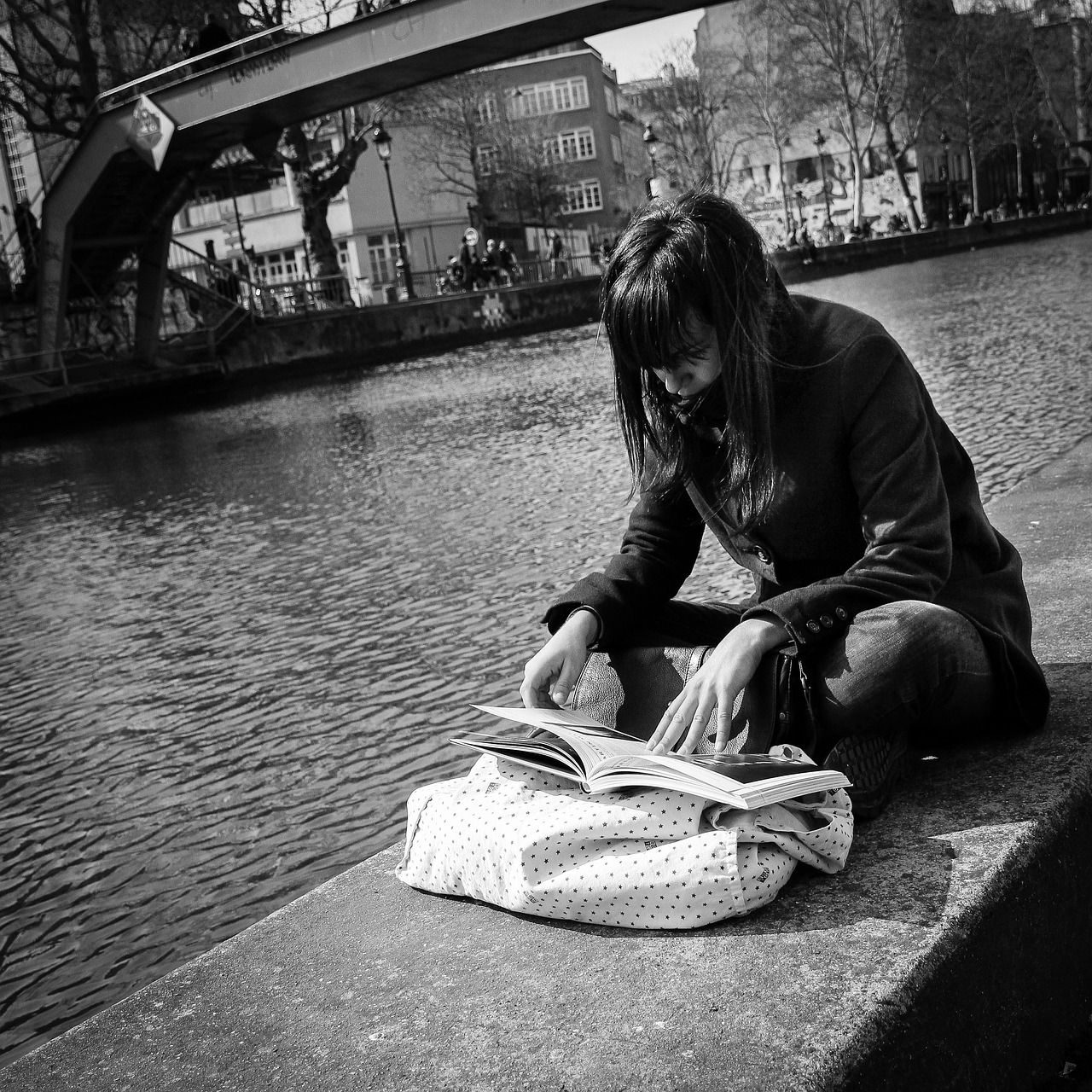
A neighborhood guide to cafés, boutique shopping, and street art near hôtel du nord
This chapter is your style-focused neighbourhood guide for wandering with confidence, right in the Canal Saint-Martin area. It’s ideal for travellers who like to explore the area with a designer’s eye: you can create a route that feels spontaneous, yet curated enough to satisfy a high-end sensibility. Think terrace pauses, small-label shopping, and street art that changes with the seasons.
Start by choosing a side—quai de Jemmapes often feels more social, while the opposite bank can feel slightly calmer depending on the hour. Then let your curiosity lead you around the canal, dipping into side streets when you spot a gallery window or a handwritten menu. These are the details that make the Canal Saint-Martin neighbourhood feel alive: layered, walkable, and quietly trendy.
Marché couvert Saint-Martin and Du Pain et des Idées for an easy picnic
For grazing and people-watching, make time for marché couvert Saint-Martin. It’s an easy place to pick up something seasonal and elegant—perfect for a picnic by the water when you want low effort with high pleasure. Pair that with a pilgrimage to du pain et des idées, a Paris favourite for good reason: the aroma alone feels like a small ceremony.
Then, design an aperitif moment by the bank. Choose a spot where you’re not blocking the towpath, order something simple, and let the canal do the rest. The luxury here is not extravagance; it’s ease.
Hôtel du Nord lore, boutique streets, and street art with a musée detour
For cultural insight, pause at hôtel du nord—also written as hotel du nord—made famous by the film and still woven into the neighbourhood’s identity. Even if you’re not a cinema devotee, it’s worth seeing how a screen story and everyday Parisians share the same backdrop. You’ll also notice how the canal holds opposites together: history beside trend, romance beside routine, and design beside grit.
Shopping here tends to be small-scale and considered: a boutique for fragrance, a bookshop, a ceramics studio, or a concept store tucked behind an unassuming doorway on a nearby rue. Street art adds another layer—look for murals, paste-ups, and colour that appears overnight and fades just as quickly. If you’re craving a museum touchpoint, you can also detour towards a musée like Arts et Métiers for an exhibition that deepens the sense of Paris as craft and invention—then return to the water for air and light.
One evening, a group of friends described spontaneous gatherings near the Quai de Jemmapes with street musicians. The key is to join the mood without taking over the space: stand slightly back, keep your voice soft, and, if you film, do so briefly and respectfully. The Canal Saint-Martin fosters a sense of community, and your best contribution is simply to be a considerate presence.
Exploring Canal Saint Martin – practical metro, safety, costs, and where to stay (ultimate guide)
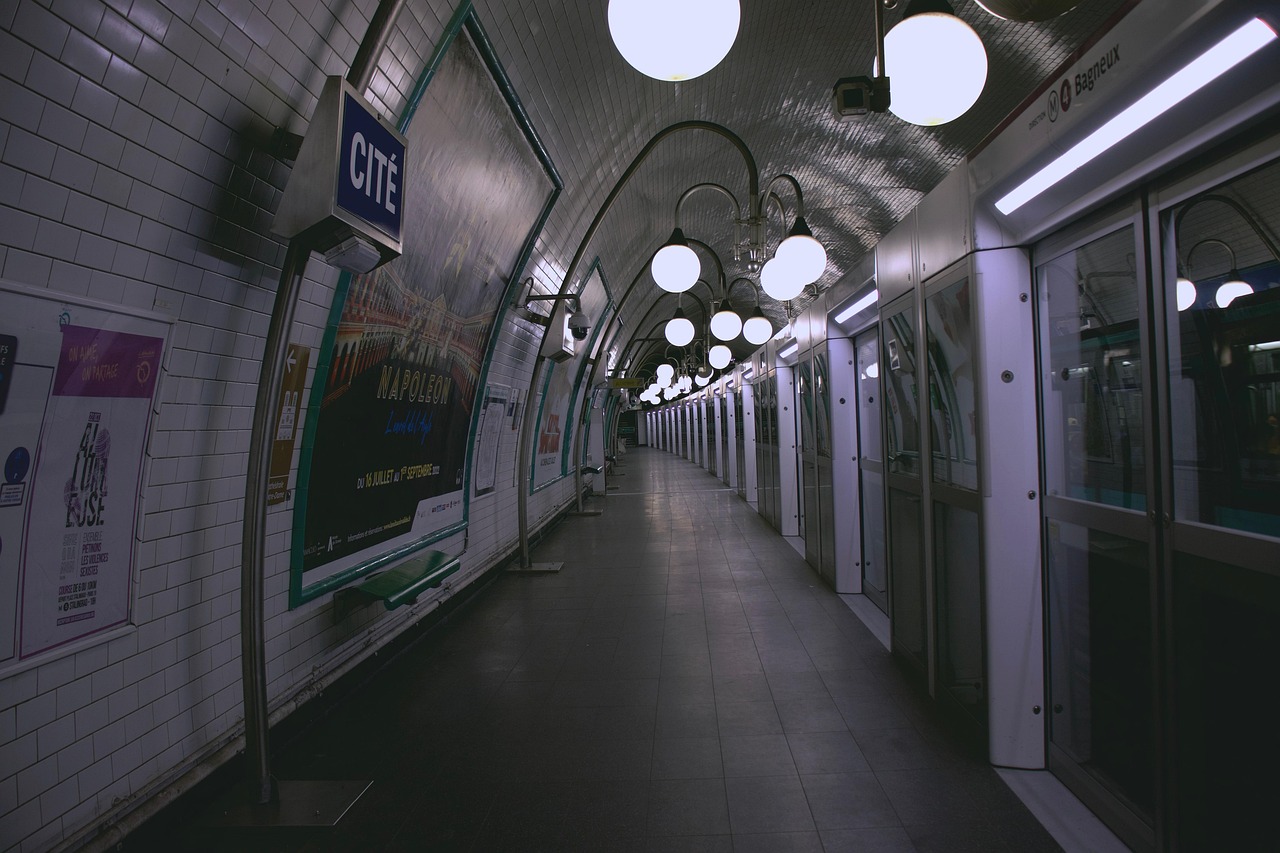
Practical tips for metro routes, safety, costs, and choosing a Paris hotel base near the canal
Exploring Canal Saint Martin planning doesn’t need to feel complicated. With a little support and a few local norms, you can move through the neighbourhood smoothly—whether you’re travelling solo, as a couple, or with friends. This is also where your day can feel truly high-end: not because it’s expensive, but because it’s well-paced, well-timed, and thoughtfully arranged.
Metro access via République and Jacques Bonsergent (plus Gare de l’Est)
Getting there with ease is part of the pleasure. Use Paris Metro lines 3 or 5 via République or Jacques Bonsergent; if you’re arriving by train, Gare de l’Est (your closest Gare de option) is nearby, and it’s a straightforward walk to the water. Once you reach the bank, navigation becomes intuitive—follow the waterline, cross the footbridges when you want a different view, and keep a map handy only for specific addresses.
If you’re connecting to other neighbourhoods, the Marais is within easy reach of galleries and late lunches. You can also head towards Place de la Bastille for evening energy, or trace the water towards Quai de la rapée, where the city’s river mood begins to reassert itself.
Safety, etiquette, and timing for Canal St Martin
The best window is spring through early autumn, when the tree-lined banks invite sitting, sketching, and lingering. For photography, aim for early morning or late afternoon—light is kinder, crowds are lighter, and reflections look almost painterly, especially around the locks where shadows and ironwork create strong lines. If you want a specific shot, visit twice: once in the morning for calm, and once later for livelier scenes.
Safety is straightforward but worth repeating with care: keep valuables close, stay aware in crowded spots, and don’t leave phones on the canal edge while you’re distracted. Etiquette matters too—greet shopkeepers and baristas, keep noise low near homes, and respect the calm community vibe that defines this Paris canal. For a classic photo spot, aim for Quai de Valmy and Quai de Jemmapes, where bridges, trees, and water align beautifully.
- Costs: most walks and banks are free; cruises on the Canal Saint-Martin usually cost around 15–20 euros.
- Peak season: book canal cruises in advance for a more seamless experience.
- Movement: walking or cycling works best; take breaks so the day feels spacious.
- Energy: avoid loud behaviour late in the evening—residents live here year-round.
Where to stay: Paris hotel options, plus a beaten track day to Parc de la Villette
Where you base yourself shapes your experience. A Paris hotel in the 10th arr offers proximity—you can step out and be at the water in minutes, which is perfect for sunrise walks and late-night reflections. If you prefer a different mood, the Marais brings polish and galleries, while the Bastille leans more into nightlife and late dinners; choose based on how much quiet versus buzz you want.
If you want a slightly beaten track feeling, continue north-east towards Stalingrad (station de Stalingrad), passing by the edges of Parc de la Villette in the 19th arrondissement. Here, the canal widens towards parc landscapes and cultural spaces, and it’s an ideal place to catch an event at the Cité de la musique (also written simply as de la musique), or to reset after the intimacy of the locks.
For solo travellers, try a small ritual: find a bench by the water and journal for ten minutes. Let the Canal Saint-Martin steady your pace; it’s a quiet form of Parisian travel that prioritises how you feel, not just what you see.
If you’d like inspiration for wider routes across France beyond Paris, you can browse our Trip gallery and design your next chapter with the same calm curiosity.
F.A.Qs
Is Canal Saint-Martin worth visiting?
Yes, especially if you want a calmer, more local side of Paris. Canal Saint-Martin offers scenic footbridges, working locks, and an easy-going atmosphere for strolling, picnics, and people-watching. It’s ideal when you want culture and character without queues, and it suits both early mornings and golden-hour evenings.
What is the famous canal in France?
France has several famous canals, but in Paris, the Canal Saint-Martin is one of the most recognised for its locks, iron bridges, and cinematic feel. It connects the Bassin de la Villette to the Seine, creating a distinctive urban waterscape that feels both historic and modern.
Why is Saint Martin famous?
In this context, Saint-Martin is famous because the canal became a Paris icon: built for fresh water and commerce, then later celebrated for its atmosphere, neighbourhood life, and cultural references like du Nord. Today, it’s known for relaxed banks, boutique shopping, and the way it reveals an intimate local rhythm beyond the big landmarks.
Where to stay in Canal St. Martin?
Staying near Canal St Martin in the 10th arrondissement is convenient if you want to walk to the banks morning and night. For a more polished base, the Marais is close; for later evenings and dining, the Bastille works well. Choose a Paris hotel based on whether you prefer quiet proximity or nightlife energy.
Long after your visit to Paris, you may find the water returning in small ways—how you notice light on water, how you slow your pace, how you leave a little space for the day to unfold. And perhaps that’s the gift it offers: not a checklist, but a quieter way of seeing, ready to meet you again somewhere unexpected.
What stayed with me after Canal Saint-Martin – Parisian reflections and local moments
The Canal Saint-Martin reflections don’t announce themselves loudly. They arrive as small sensations: the soft clink of cutlery from a bar and restaurant, the hush that gathers between bridges, the way Paris’s light settles on the surface and makes the water look like brushed metal. Even in a city famous for monuments, this is where Paris feels most human—where you can sense daily life continuing, beautifully, whether or not you’re there to witness it.
I think that’s why the waterway stays with people. A couple will remember slow crossings on the footbridges, city lights turning the canal into a mirror. Someone else will remember the calm of an early ride, or the quiet thrill of hearing music drift across the banks.
Travel can be a search for spectacle, but it can also be an uncovering of the in-between places—the ones that ask you to listen rather than collect. Canal Saint Martin does that gently. It offers insight without insisting, and it reminds you that connection can be soft: a polite greeting, a shared glance at a passing boat, a moment of stillness you didn’t know you needed.