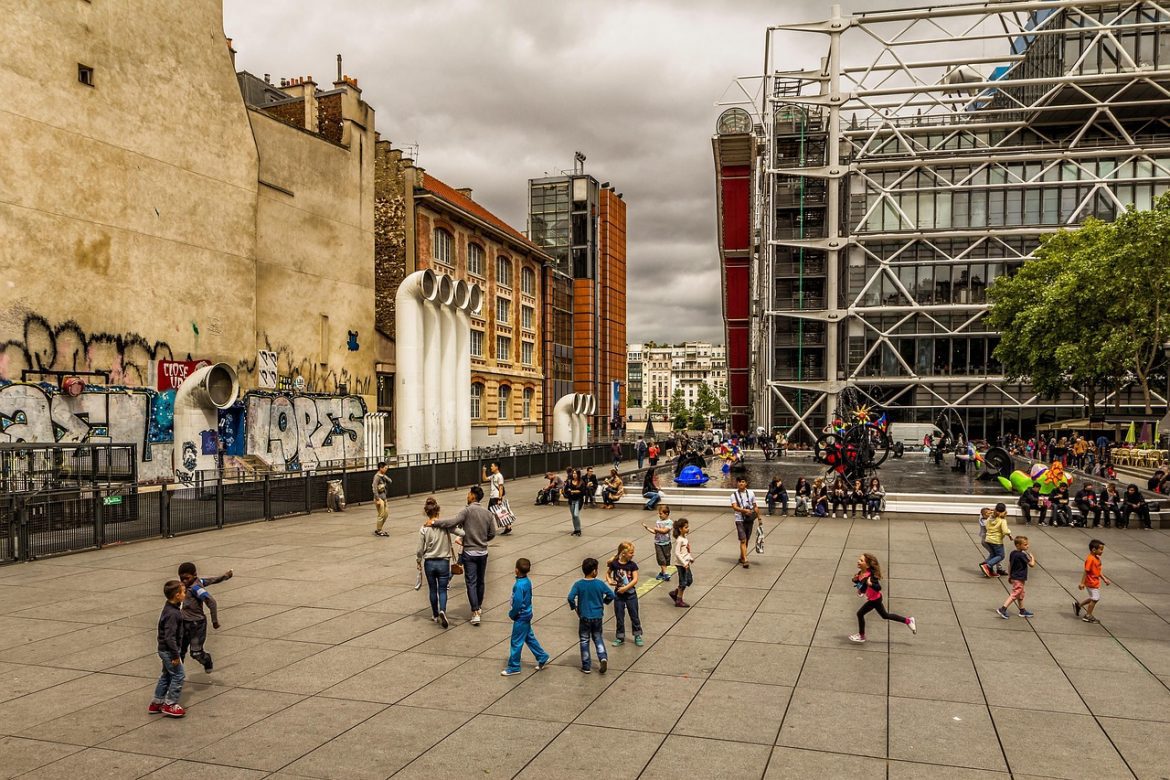
Centre Pompidou First Look at an Inside Out Masterpiece in Paris, France architecture inside-out colourful pipes
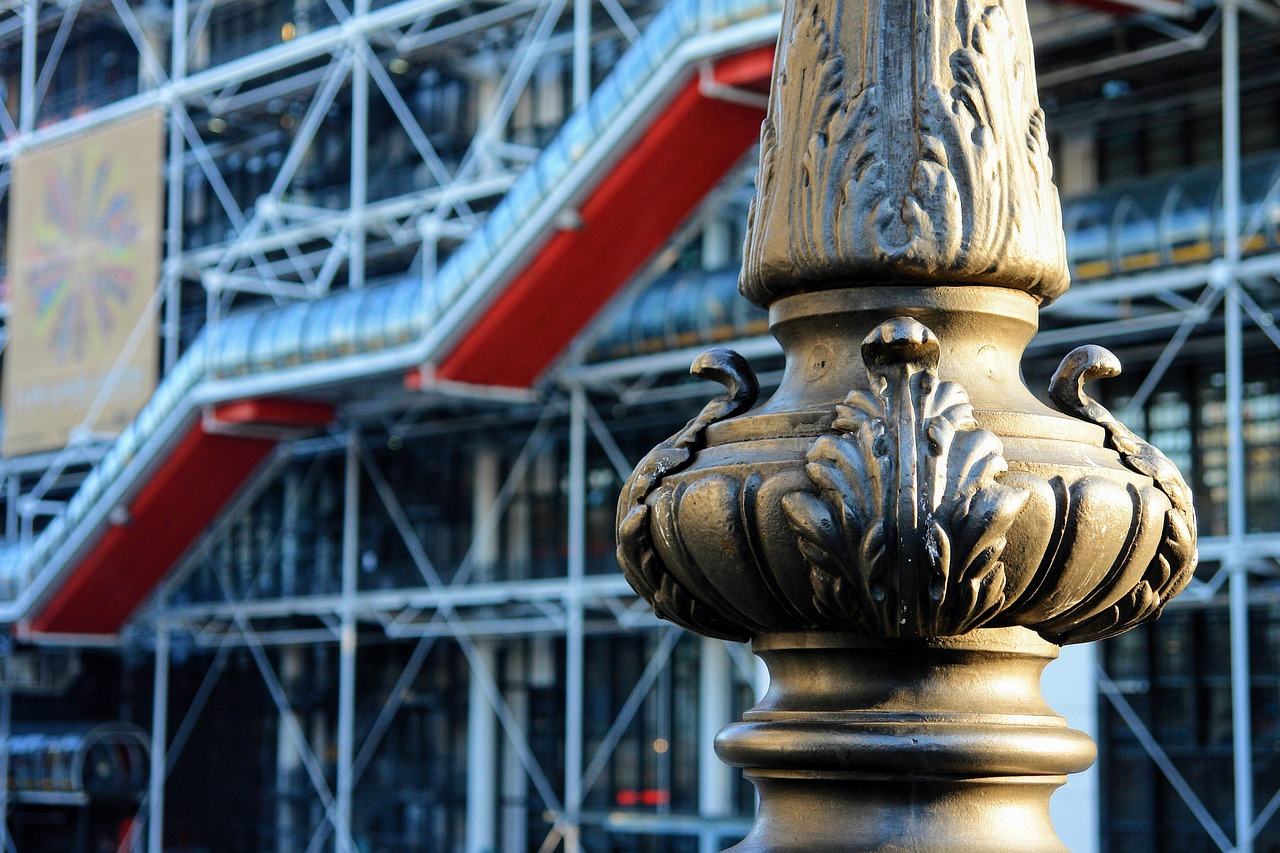
Centre Pompidou First Look at an Inside Out Masterpiece in Paris France
Your first encounter with Centre Pompidou, Paris, France, architecture inside-out, colourful pipes, is often a genuine pause-mid-step moment—eyes up, shoulders loose, a quiet “how is this here?” Many travellers describe the same awe: the building’s unusual design reframes Paris, as if the city has been re-edited in a bolder font. If you’ve come to explore with an adventurous spirit, let yourself stand still for a beat and simply take it in.
In the heart of Paris, in the 4th arrondissement, this is the Centre Georges Pompidou—more casually, Beaubourg. It was created by Renzo Piano and Richard Rogers, opened in 1977, and inaugurated in 1977; and since 1977, it has quietly taught visitors that “culture” can be playful, public, and brave.
Inside-out design and colourful pipes as a Paris masterpiece
The inside-out idea is simple once you see it: the structure and services are pulled to the outside, so the interior can stay flexible like a vast studio. Those colourful pipes aren’t decoration—they’re a design language that shows how the building breathes and works. Even if modern art isn’t usually your comfort zone, Centre Pompidou’s façade acts like a first gallery, inviting you to imagine how creativity can live in plain view.
Arrival checklist for a seamless entry with expert care
High-end travel should feel seamless, not hurried. With a little preparation, the entry experience stays calm and crafted.
- Security checks: expect a quick scan; keep pockets light for speed.
- Bag rules: avoid large backpacks; smaller day bags are easier at checkpoints and in galleries.
- Tickets ready: have your QR code open before you reach the front, so your flow stays unbroken.
A personal note I share with friends: slow down before you go in. The building is already doing its work—helping you uncover a different Paris, one that trusts boldness.
Place Georges Pompidou Street Life and Beaubourg Energy
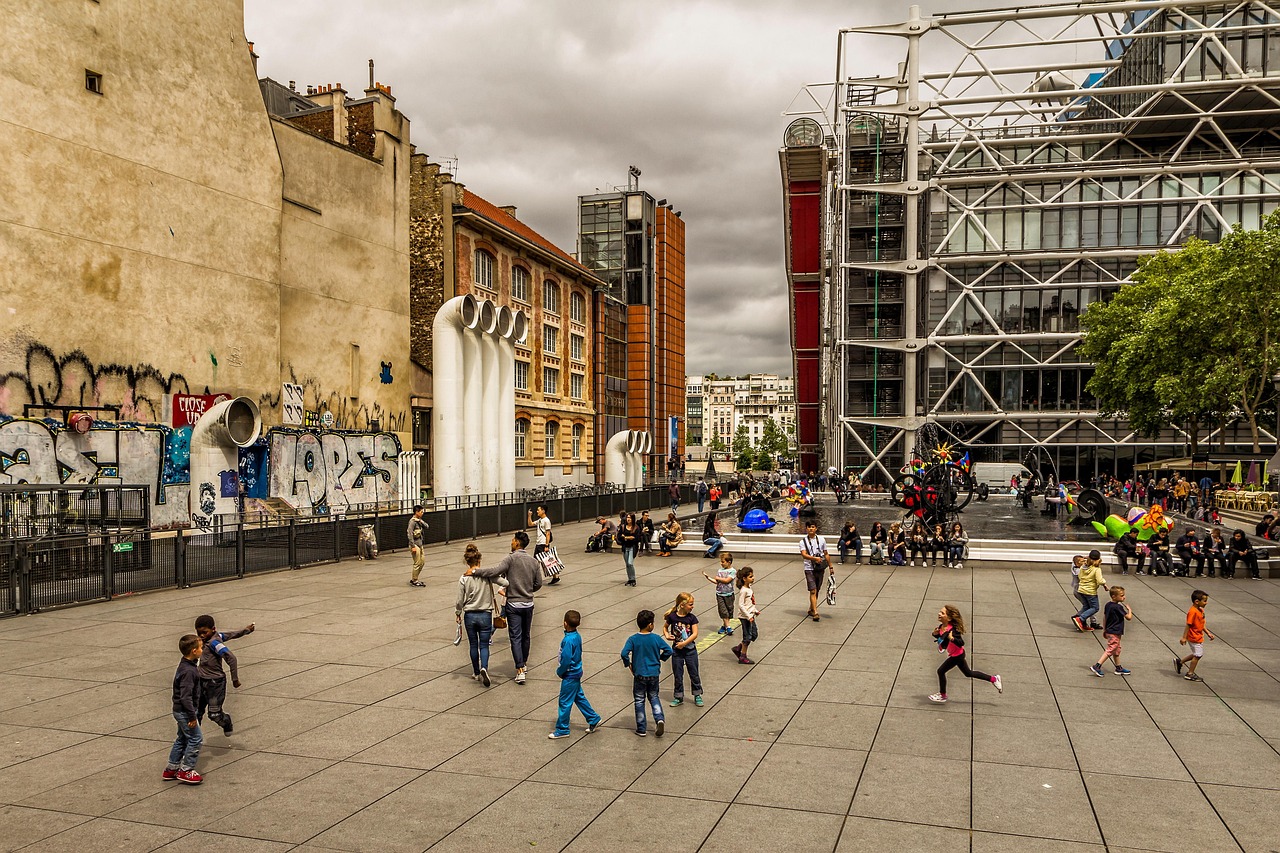
Place Georges Pompidou Street Life and Beaubourg Energy at Beaubourg
Before you commit to a gallery route, give yourself space to explore the Place Georges Pompidou in Paris, France, street performers, and local atmosphere. This square is a living stage—buskers, dancers, quiet clapping circles, and occasional lively jazz that pulls strangers together for three minutes of shared joy. It’s a warm reminder that culture isn’t only framed behind glass.
One Designer Journeys vignette I return to often: sampling local Parisian street food on the edge of the square while music drifted across the paving stones. The moment felt personal and unplanned—exactly the kind of insight adventure seekers crave, because it’s not “scheduled”, yet it becomes the story you tell later.
Marais edges, bookshops and cafés for an easy wander
The marais begins to tug at your sleeve here. If you want to keep the energy without getting lost, wander a single street out for bookshops and cafés, then loop back to the museum entrance by following the flow of people returning to Beaubourg. The area is designed for strolling—unhurried, curious, and quietly confident.
Stravinsky sounds and the playful prelude to modern art
Near the Stravinsky area, the city becomes more animated. The fountain’s spirit nods to igor stravinsky—sound, motion, and a dash of mischief—while the artworks nearby are linked with niki de saint and niki de saint phalle, whose vibrant forms feel like they’ve escaped into the street. It’s a perfect prelude: you’re already in a conversation with modern art before you’ve shown a ticket.
A gentle safety note, offered with care: keep an eye on belongings in crowds, and if you’re travelling as a group, choose an obvious meeting point (a specific sculpture or café sign) so everyone can relax.
Modern Art Deep Dive at the Musée National d’Art Moderne centre pompidou modern art collection paris france
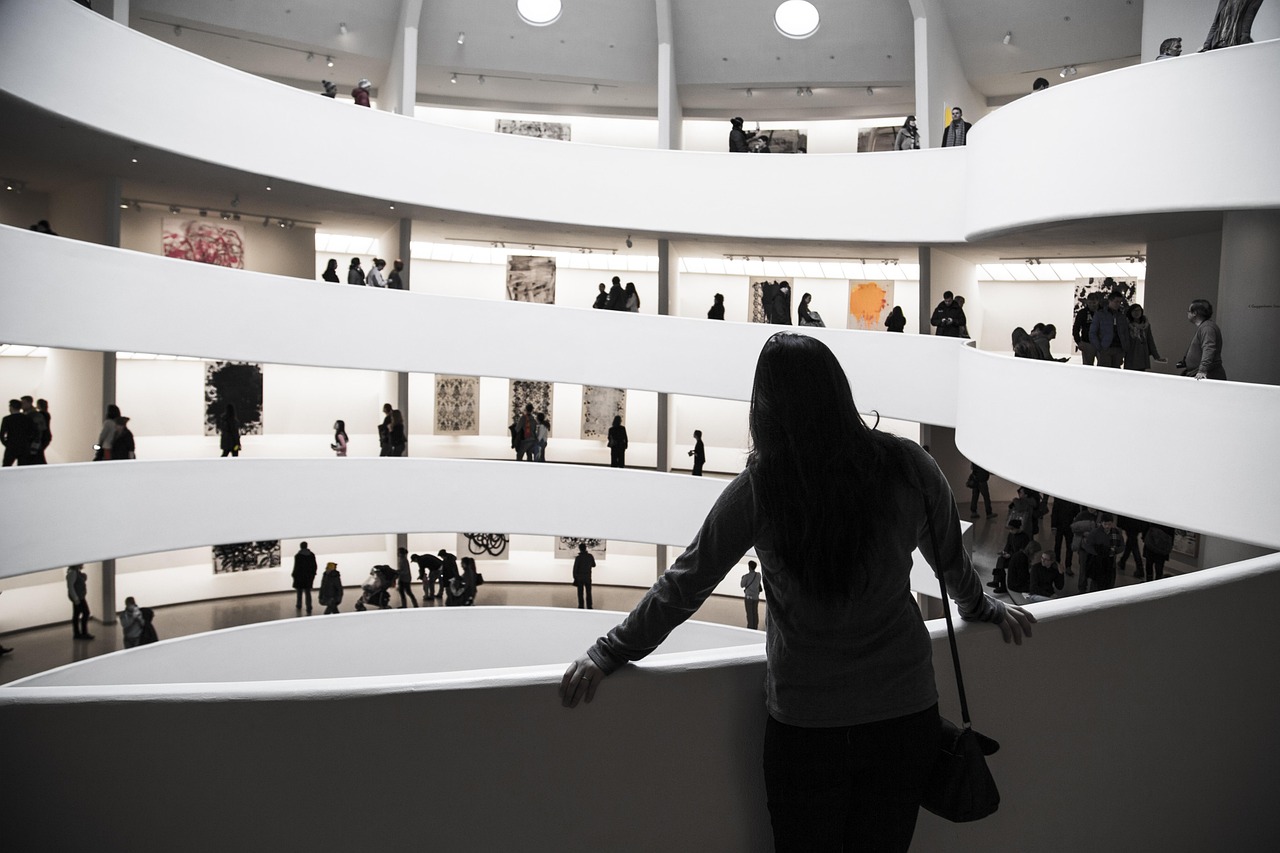
Modern Art Deep Dive at the Musée National d’Art Moderne in Centre Pompidou
Inside the musée national d’art moderne Centre Pompidou, Paris, France, the modern art collection reveals why this institution is so beloved by cultural enthusiasts and curious first-timers alike. Think of it as a museum of modern art with a European heartbeat: a national museum of modern art experience that places art in europe in dialogue with contemporary art in europe—without asking you to be an academic to enjoy it.
The museum’s collection is frequently described as Europe’s largest collection of modern creativity in France, and it certainly feels ambitious. Here, the collection of modern and contemporary moves like a narrative, from preparatory studies to contemporary experiments, threading the 20th and 21st centuries into something you can feel in your body as you walk.
Kandinsky, Vassily Kandinsky and the 20th and 21st centuries story
Let your route be guided by what stops you, not what you think you “should” know. You’ll encounter works by artists who shaped visual language—picasso, matisse, kandinsky and vassily kandinsky—alongside brancusi’s sculptural clarity and dubuffet’s raw, human textures. Add Andy Warhol and Warhol’s pop art as a sharp mirror of modern life, then trace movements like cubism and abstract expressionism as they push and pull against each other.
Choose your own pace through modern and contemporary art
Centre Pompidou can feel big, and that’s normal. The most supportive strategy is to design your visit around your energy.
- 60–90 minutes (highlights): pick one floor, follow a few “anchor” rooms, then pause for a coffee to let ideas settle.
- Half-day immersion: build in breaks every hour; your attention is precious, so protect it.
Gallery etiquette keeps the experience comfortable for everyone: respect quiet zones, follow photography restrictions, and give yourself permission to sit and reflect. With that small act of care, discovery stays joyful rather than exhausting.
The Escalator Climb to a View of Paris and Rooftop Calm centre pompidou
The Escalator Climb to a View of Paris and Rooftop Calm at Centre Pompidou
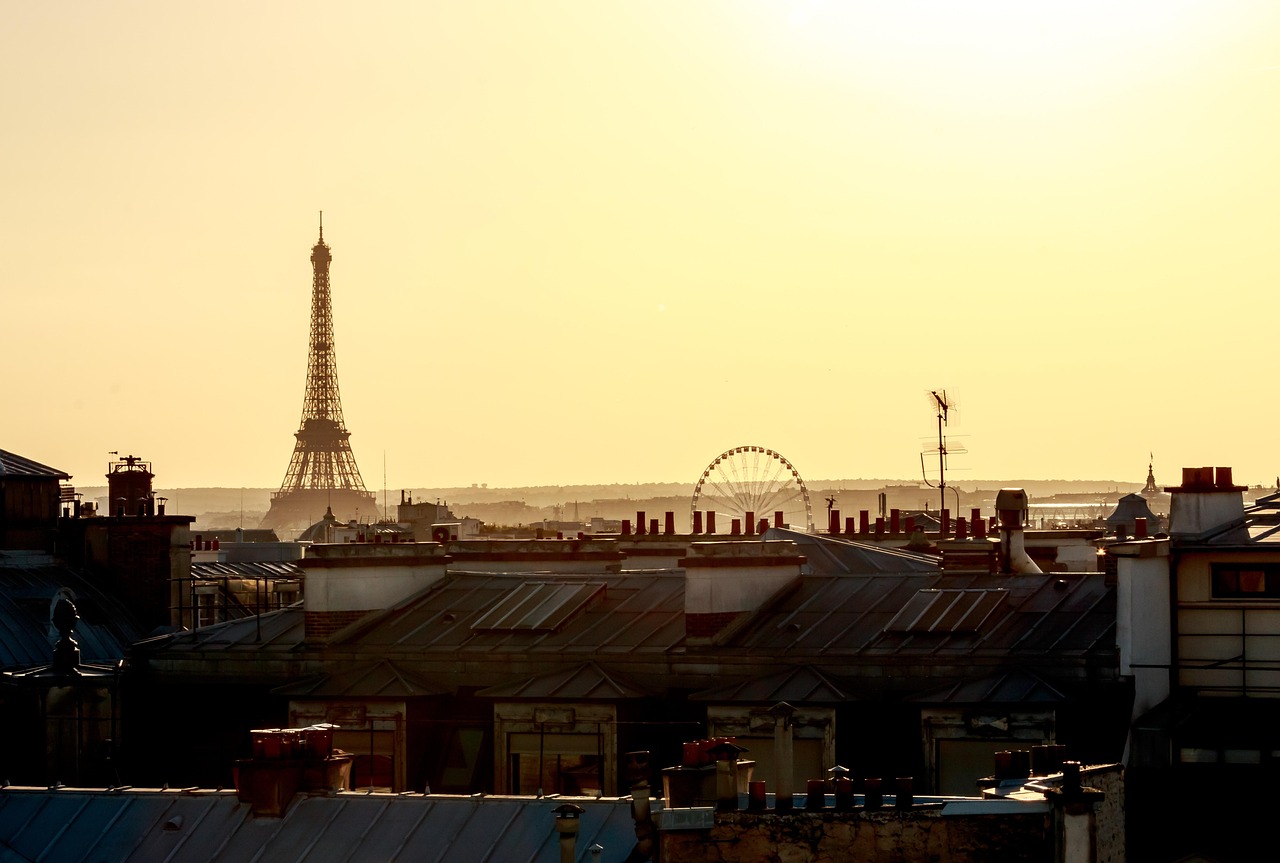
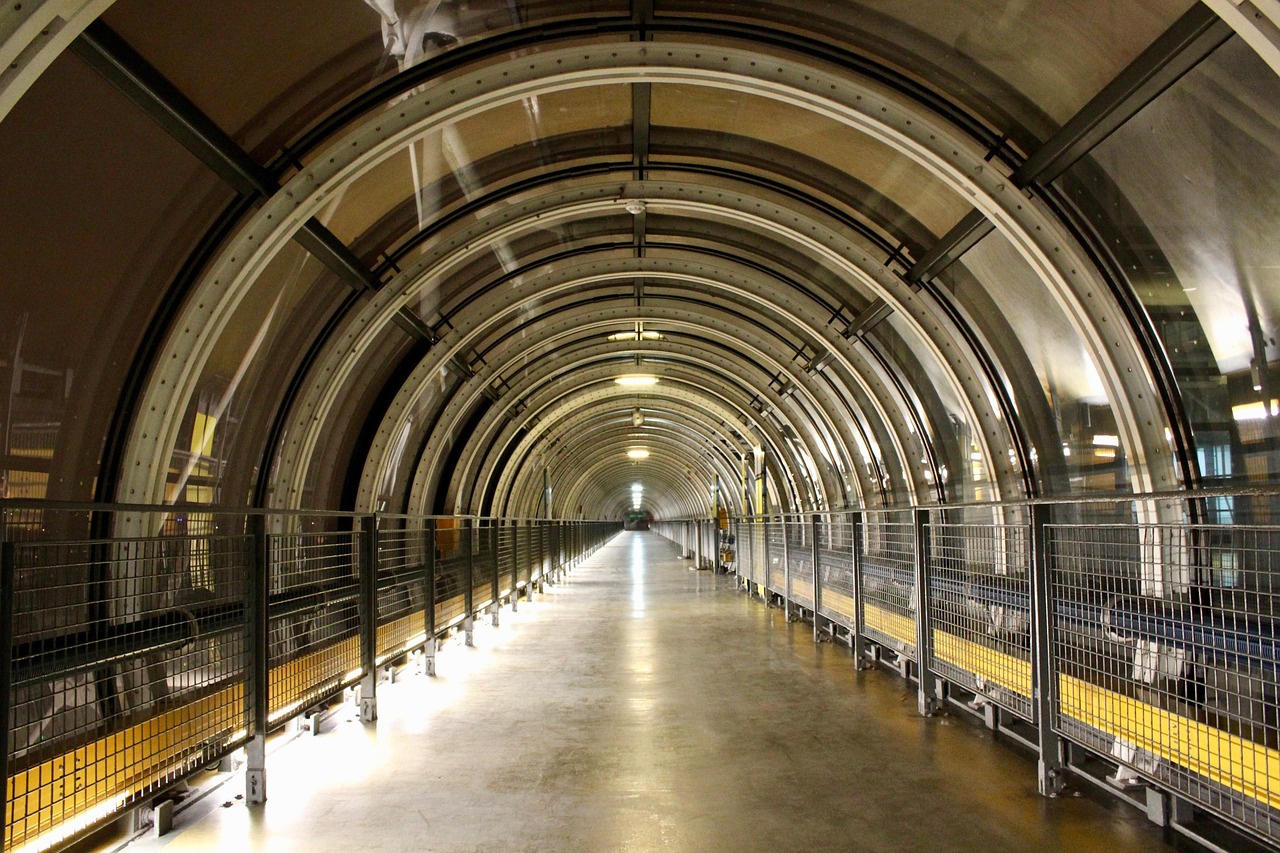
For many, Centre Pompidou escalator rooftop view of Paris Eiffel Tower sunset is the moment the whole day clicks into place. The external escalator feels like a moving balcony: each rise reveals another slice of skyline, until the city opens out in layers—rooftops, river bends, and that unmistakable Eiffel Tower silhouette. A frequent visitor once told me their sunset ascent created one of their most memorable Paris frames, as the light turned the streets into warm geometry.
Tickets and timing for confidence and a seamless flow
To keep your experience crafted, book online in advance where possible. Early bird tickets help you slip in with confidence, and Paris Museum Pass holders can often bypass major lines (always double-check current access rules). Admission prices are typically around €14 for adults, with discounts for students and under-26 EU residents—useful if you’re travelling with younger art lovers.
For the calmest rhythm, aim for weekday mornings or late afternoons. You’ll still have security checks, but arriving prepared makes it smooth, and you’ll feel supported rather than herded. If you’re visiting as a duo or small group, agree a “reconnect spot” before you head up—simple, but it builds trust and keeps the mood light.
A rooftop pause that helps you create your own travel rhythm
At the rooftop, take a minute to breathe. After the buzz below, that calm can be surprisingly restorative—like the city has stepped back to let you think. It’s a high-end travel pleasure that costs nothing: space, air, and a private sense of perspective.
Beyond the Galleries Bibliothèque Cinema and Temporary Exhibitions
Beyond the Galleries at Centre Pompidou with bibliothèque cinema and temporary exhibitions
Centre Pompidou exhibition, temporary exhibitions, bibliothèque publique, cinema, IRCAM, Paris, France, is your reminder that this place is a whole cultural ecosystem, not a single musée corridor. The Du Centre Pompidou experience includes a public library, a bibliothèque and a bibliothèque publique spirit of study, cinema screenings, and performance spaces that keep the building alive after you’ve had your fill of canvases.
Temporary exhibitions, multimedia and a bold installation
If you want the most adventurous layer, time your visit to coincide with temporary exhibitions that lean into multimedia and new media. A strong exhibition here often feels like a conversation rather than a display—sometimes an interactive installation invites you to create, test, and play, not simply observe. Check listings in advance so you can match your day to what you’re most curious about, and look for late-night openings on Thursdays when the atmosphere can feel more spacious and relaxed.
Metro routes, IRCAM and on-the-ground support
Arriving is easy once you choose a route: Rambuteau (Line 11) is direct; Hôtel de Ville (Lines 1 and 11) is a comfortable walk; and Châtelet (Lines 1, 4, 7, 11, 14) is ideal if you’re connecting across the city. From each, follow the signs towards Beaubourg and let the pipes guide you like a beacon.
Don’t overlook IRCAM, where sound and experimentation extend the centre’s mission into music and tech. For an insider advantage, use the free Wi‑Fi to open the museum app for interactive maps and audio guides—small tools that make your day feel expertly designed and confidently self-guided. If you’d like to pair Paris with more crafted cultural moments across France, browse our Trip gallery for inspiration.
One final comfort note: travel light, keep valuables close, and allow time for transition between spaces. That’s how exhibitions and events feel like pleasures rather than a checklist.
F.A.Qs
What is Pompidou famous for?
Pompidou is famous for its radical inside-out architecture with exposed structural elements and colourful pipes, and for housing the Musée National d’Art Moderne. It’s also known for its external escalators offering panoramic views of Paris and its lively cultural life, from cinema to performances and major exhibitions.
Is the Pompidou worth visiting?
Yes, especially if you enjoy modern and contemporary art, design, and big-city energy. Beyond the artworks, the building itself is an experience, and the views can be unforgettable. With smart timing—weekday mornings, late afternoons, or Thursday evenings—you can enjoy it at your own pace without feeling overwhelmed.
Can you see the Eiffel Tower from the Pompidou Centre?
Yes. From the upper levels and rooftop areas, you can often spot the Eiffel Tower rising over the rooftops. The external escalator ride is particularly rewarding, as the skyline unfolds gradually and the perspective shifts with each level.
Final Thought
Long after you leave, Centre Pompidou doesn’t sit in your memory like a single room—it lingers as a feeling. The building, named after Georges Pompidou, can quietly change how you imagine “culture”: something lived in public, not locked away for specialists. It’s the kind of place that helps you discover confidence in your own taste, because it welcomes your questions as warmly as your admiration.
There’s also a human thread woven into the institution’s openness. Georges Pompidou was a former French president who served from 1969 to 1974. You don’t need to know political history to feel the impact—just notice how the spaces invite everyone in, from solo wanderers to families, from students to seasoned collectors, together in the same light.
What stays with you is sensory: the escalator air brushing past your sleeve, the hum of Beaubourg below, the soft shock of colour against Paris stone, and a final glance back that feels like a small masterpiece of memory. Centre Pompidou’s boldness has a way of travelling home with you—encouraging you to look for daring design and local creativity in your own city, with curiosity and care, never urgency.