Post Contents
- Why the French-in-Rome story starts at San Luigi dei Francesi Church in Rome
- Finding San Luigi dei Francesi in Rome: location, lanes, and easy landmarks
- A Baroque welcome at San Luigi: facade drama and a church designed for hush
- Caravaggio at San Luigi dei Francesi: the Contarelli Chapel and Saint Matthew in light
- Beyond Saint Matthew: five chapels on each side, altars, and a statue to notice
- How to visit this church respectfully in Rome: entry, etiquette, and quiet habits
- Create a Rome walking route with San Luigi as your calm centre
- What stayed with me after visiting San Luigi and Caravaggio in Rome
Why the French-in-Rome story starts at San Luigi dei Francesi Church in Rome
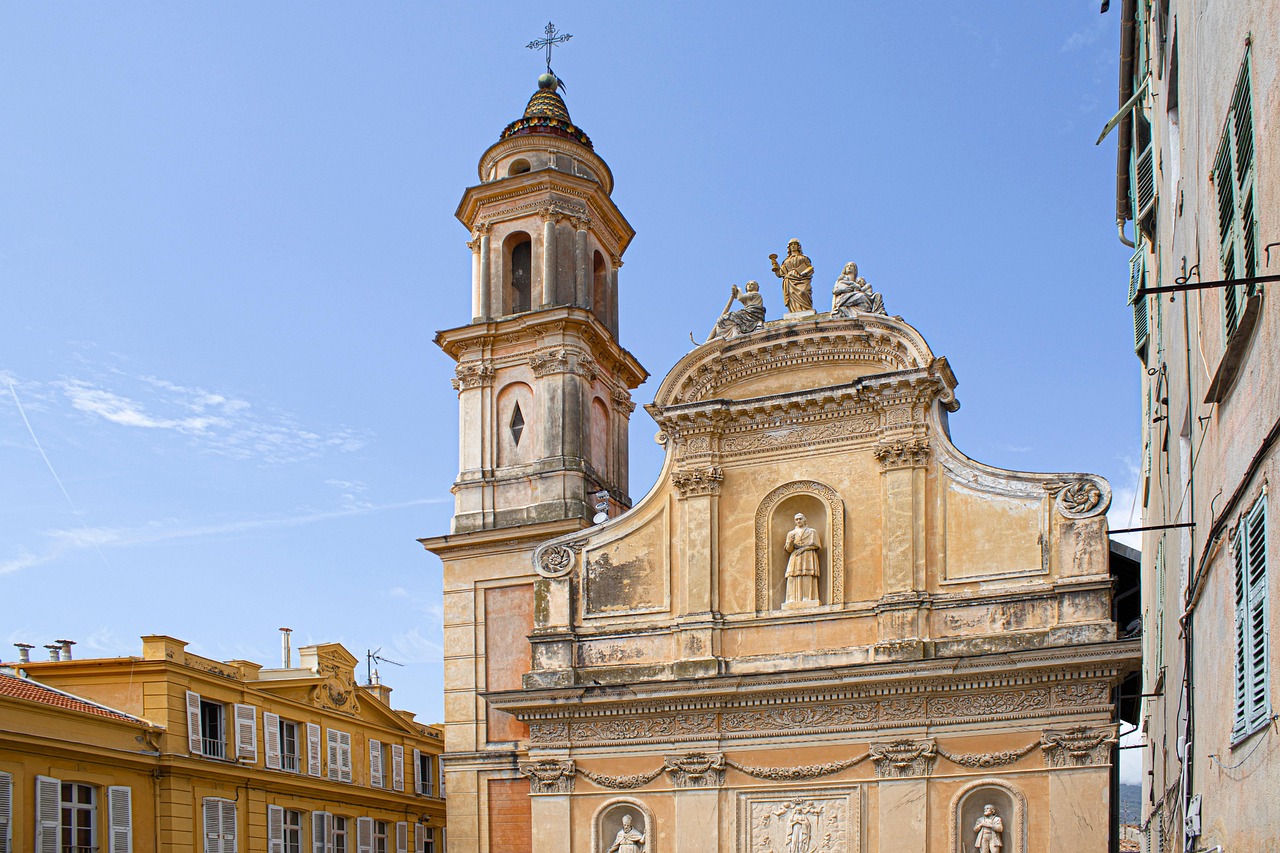
A quiet cultural pause inside San Luigi dei Francesi, a France-linked church in central Rome
To understand French in Rome, start with a simple truth: culture travels, settles, and leaves traces you can still feel. San Luigi dei Francesi is a church in Rome with deep ties to France, and it offers the kind of pause that resets you—sacred, lived-in, and visually unforgettable.
For Adventure Seekers who like their days walkable and high reward, this is an ideal micro-detour. You can slip in between major sights, absorb a concentrated burst of art, and step back out steadier—supported by the calm of the space and the clarity of a well-chosen stop.
A cultural bridge between France and Rome: a national church built in stone
It’s often described as the French national church in Rome—and many also call it the national church of France for the community abroad. You’ll see how identity is held through inscriptions, a side chapel rhythm, and details that quietly keep the connection alive across centuries.
Some historians note a first version linked to the overseas community as early as 1518, before later rebuilding shaped the church you enter today. If you enjoy details, read the on-site boards and compare a couple of sources; it’s the easiest way to separate tradition from documentation without losing the atmosphere.
A one-hour stop with purpose: interior stillness and a true masterpiece moment
Imagine designing one hour of your day with the same care you’d give a longer itinerary: a meaningful interior, one masterpiece moment, and a gentle return to the street. That’s the spirit at Designer Journeys—expert guidance without pressure, and room for you to explore at your own pace.
Finding San Luigi dei Francesi in Rome: location, lanes, and easy landmarks
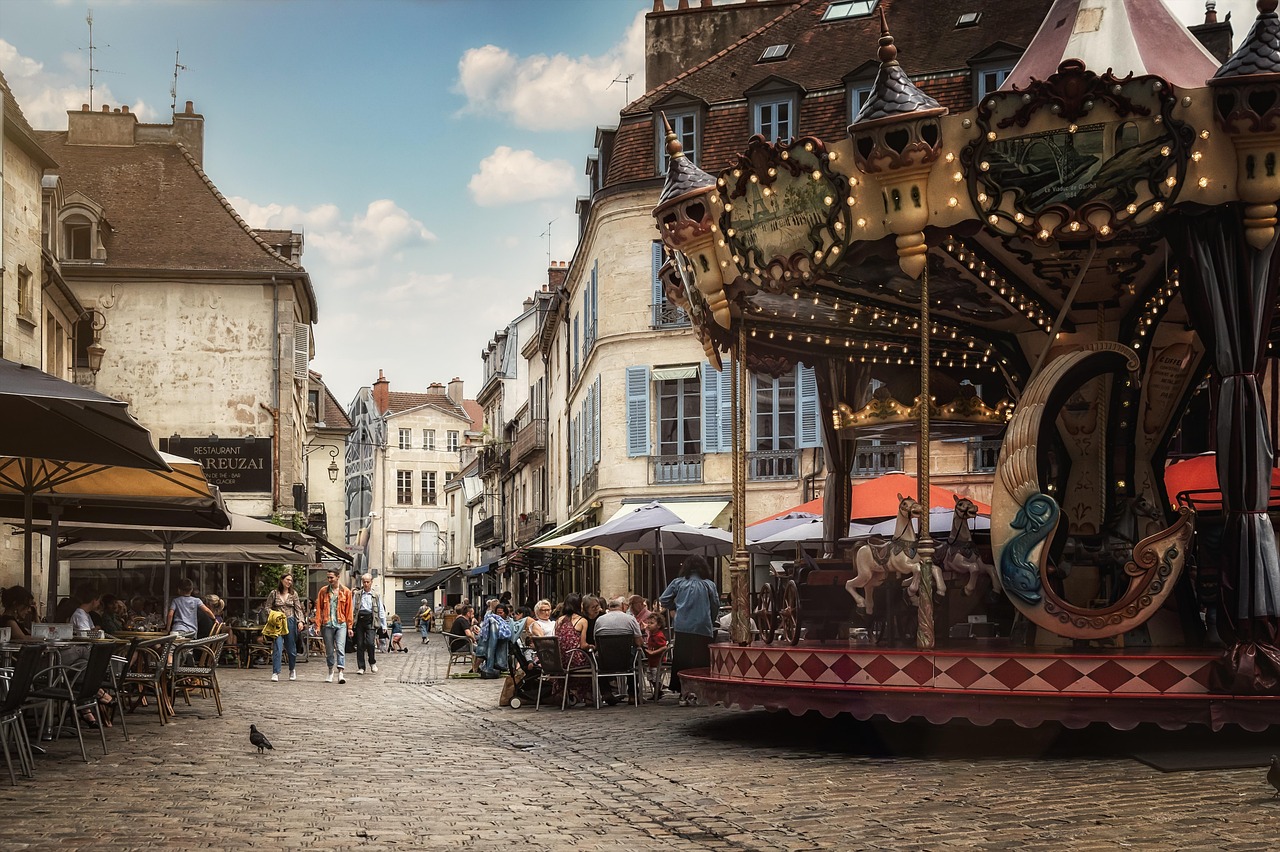
How to find San Luigi dei Francesi in the historic centre of Rome
If you’re searching for a reliable stop in the historic centre, you’re in luck: it’s wonderfully easy to place. The church sits on the square of the same name—Piazza di San Luigi—so it feels like a tucked-away reward between bigger, louder landmarks.
In practical terms, you can locate it in a simple loop between the Pantheon and Piazza Navona. It’s a short, satisfying wander through lanes that feel cinematic, even if you’ve walked them before.
Map names travellers use in Rome and Roma (so you don’t get lost)
To keep your plans seamless, it helps to know the naming variants you’ll see on maps and signage. People may search for the Church of San Luigi dei or even the Church of Luigi dei Francesi in Rome; locals might simply point you towards “San Luigi” in Roma, and you’ll be there in minutes.
Arrival notes for calm confidence, quiet entry, and orientation
Public transport connections shift, but central Rome is built for walking. If you’re arriving by bus or taxi, ask for Piazza di San Luigi, then let the last stretch be on foot—the approach is part of the charm.
A useful confidence check: aim for early morning or later afternoon if you want clearer sightlines and a softer pace. If you arrive during a service, step in with extra care, pause near the back, and move forward only when it feels appropriate.
A Baroque welcome at San Luigi: facade drama and a church designed for hush
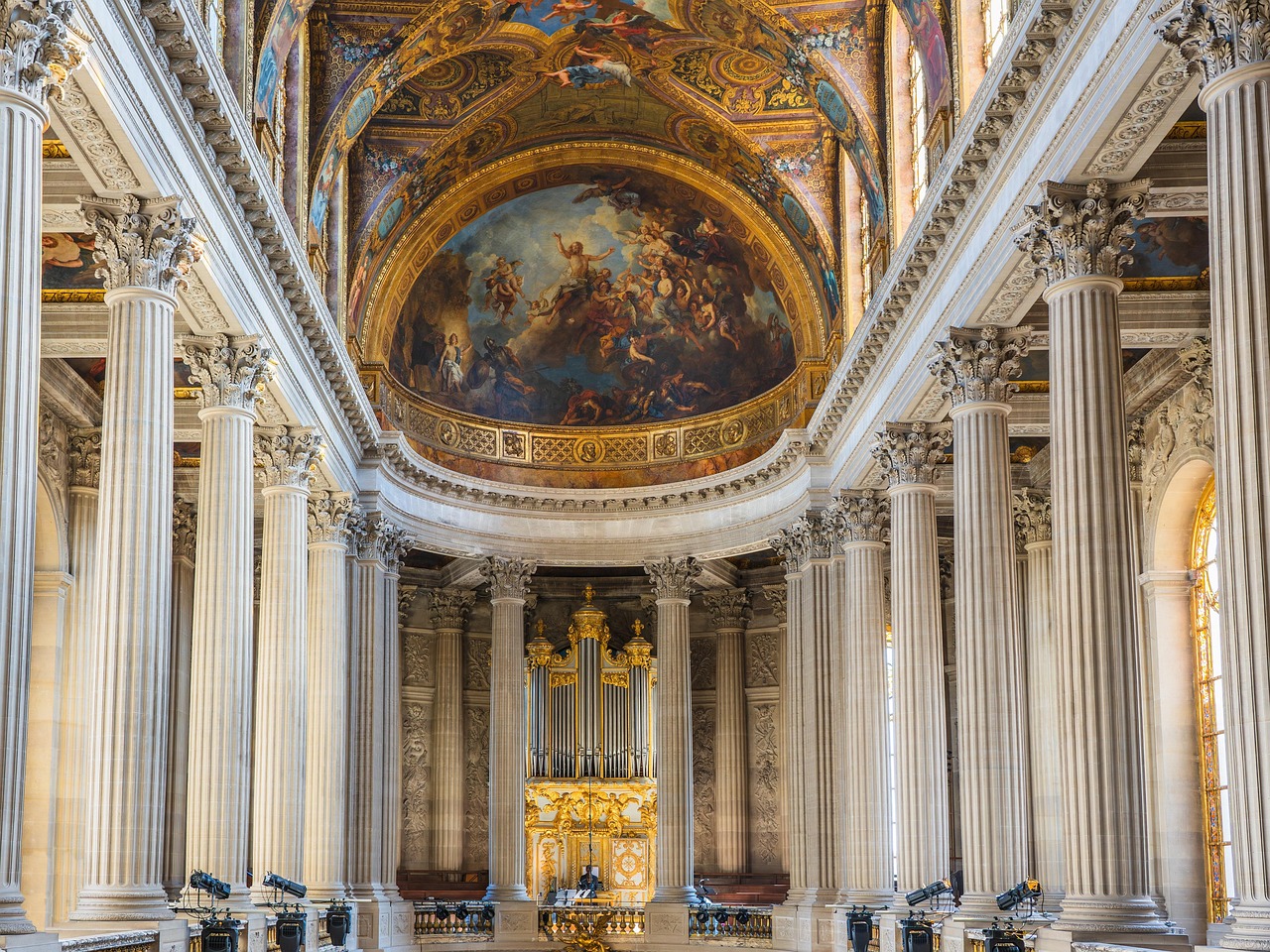
A Baroque welcome: architecture that shifts from street energy to hush
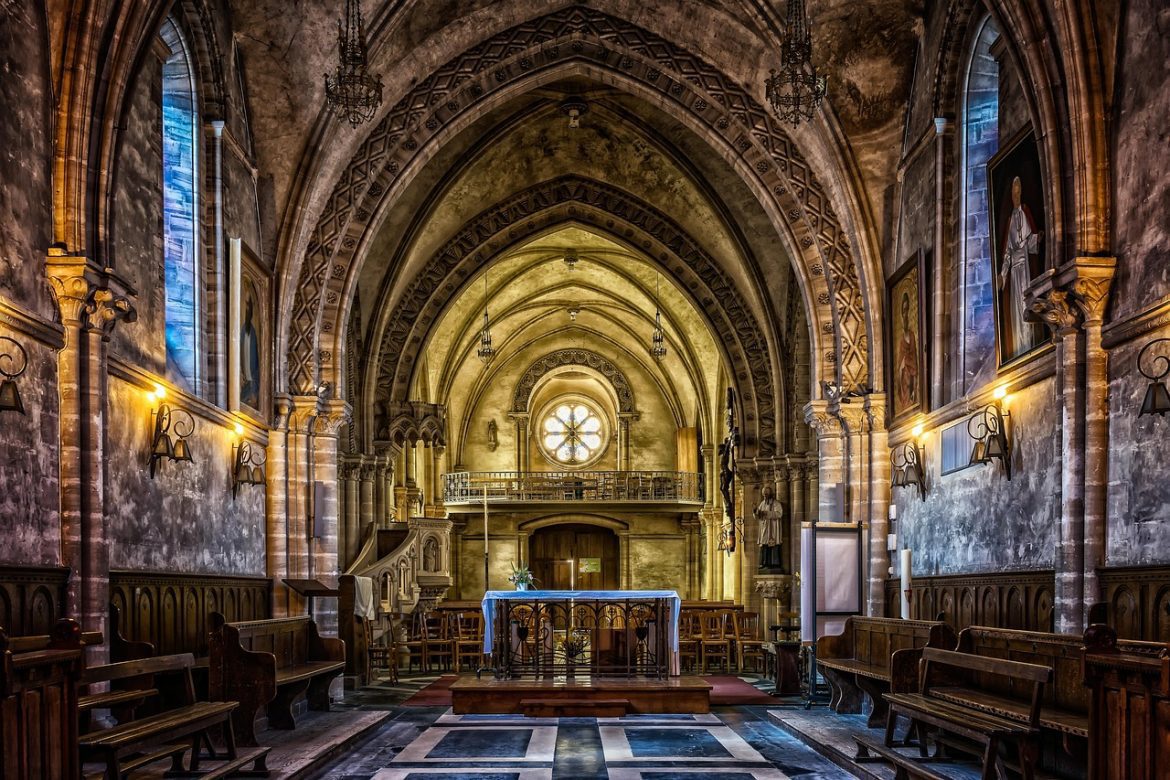
The first impression is wonderfully theatrical. The facade reads like a promise: measured grandeur outside, then an immediate hush as you cross the threshold and the light shifts.
Step inside, and you’ll feel the change in your body before your mind catches up—temperature, sound, pace. This church invites you to slow down, and that’s where the insight begins.
The layout is traditionally described as three naves, which helps you orient yourself: a central aisle for the main sightline, and side aisles for chapel-by-chapel discovery. It’s a design that supports devotion and looking—two ways of paying attention.
Sources often link elements of the building to Giacomo della Porta and Domenico Fontana. Even if you don’t chase every attribution, the overall effect is unmistakably baroque: crafted drama balanced with calm.
History underfoot: completed in 1589, the 16th-century context, and what “dei” can signal
One key marker frequently shared is that it was completed in 1589. That late-16th-century context matters: it was an era when faith, politics, and public image were tightly interwoven, and when the church also functioned as a statement of belonging.
Here, the small word dei is part of that story too. In Italian names and dedications, it often suggests connection and heritage—one more way this place speaks from the street into the interior.
Caravaggio at San Luigi dei Francesi: the Contarelli Chapel and Saint Matthew in light
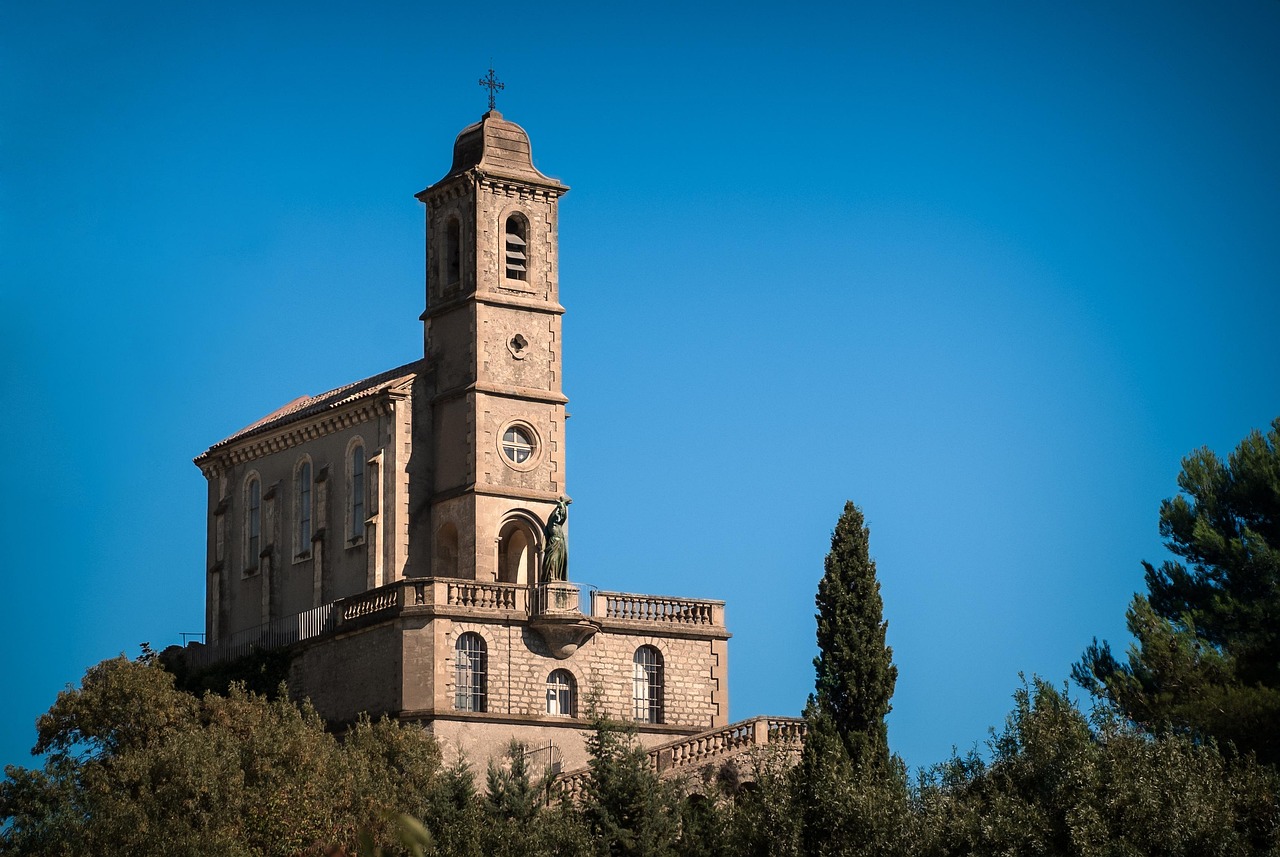
Caravaggio’s Saint Matthew cycle in the Contarelli Chapel
Most travellers arrive on a mission: to see caravaggio where the experience still feels intimate, even on a busy day. This is the emotional centre, the moment where the whole church seems to hold its breath with you.
In the Contarelli Chapel, you’re face-to-face with masterpieces by Caravaggio that still feel modern—because they’re about people, choices, and what light reveals.
Saint Matthew scenes: the calling, the moment of inspiration, and martyrdom
The cycle focuses on Matthew: the calling, the inspiration, and the martyrdom. Even if you’re not religious, the storytelling is immediate. Watch how the figures lean, hesitate, and point—how Saint Matthew is treated as a person in motion, not a distant symbol.
The artist, Michelangelo Merisi, makes you notice the ordinary: hands, worn fabric, faces half-turned. Many sources note the canvases were painted between 1599 and 1602; on-site panels can help you verify dates if you love precision.
Practical viewing tips for a calm visit to a working chapel and church
For the clearest view, visit early or return later in the day, once the main groups have thinned out. Photography rules can change, so follow signage and keep your phone low and silent—this is still a place of prayer.
If the chapel is busy, don’t fight the crowd. Stand slightly back, let your eyes adjust, then step forward when space opens; that small patience often becomes the most personal part of the stop.
Beyond Saint Matthew: five chapels on each side, altars, and a statue to notice
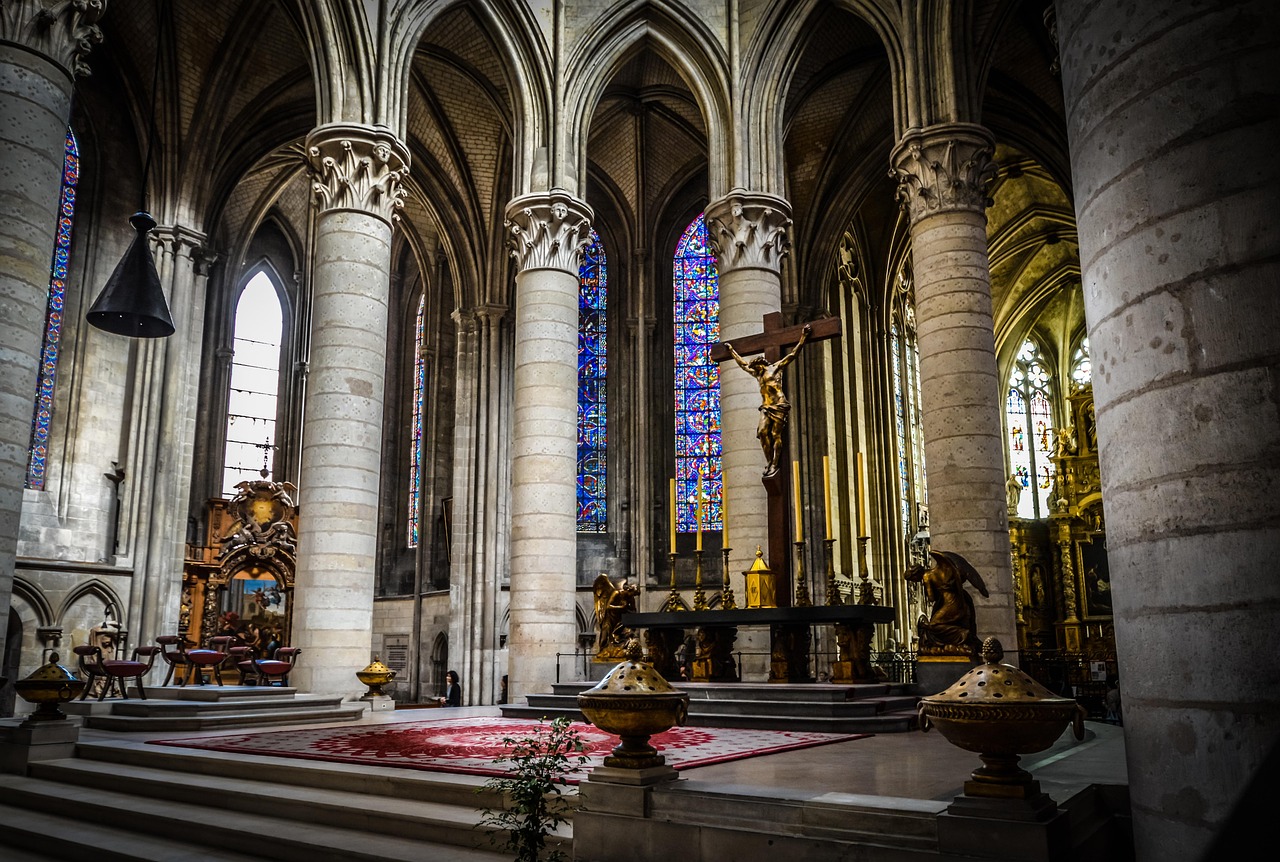
Explore beyond the Contarelli Chapel: side chapels, saints, and quiet details
After the Caravaggio moment, many people forget to explore the rest—yet this is where the building becomes a fuller story. The church is often described as having five chapels on each side, and taking them slowly is a quiet kind of adventure.
Instead of rushing, design a simple route: one side aisle down, cross at the end, and return along the other. You’ll uncover layers of devotion, patronage, and intimate art details that most visitors miss.
Saints, an altarpiece, and one statue are worth your pause
You don’t need to recognise every name to feel the craft. Notice a gilded altar detail, an altarpiece framed by marble, or a single statue that seems to meet your gaze. In places you may spot references to saint figures such as saint clotilde and saint joan—each a living thread in the story.
There are also memorial stories travellers sometimes seek out, including mentions of Pauline de Beaumont. If you like connecting people to place, this part of the chapel walk is where the visit becomes quietly human.
Patronage and power: an ambassador, a king, a cardinal, and a pope connection
High-end travel is often about context, not just access. You may hear names tied to diplomacy and power: an ambassador who supported works, King Louis IX remembered as a saint, and references to Louis XV and Louis XVI in the longer arc of patronage. Some guides also mention Charlemagne when discussing the deep history of France and Italy.
Other figures appear in guide narratives as well, such as Cardinal François-Joachim de Bernis and Giulio dei Medici. If someone mentions a pope connection, ask which one and why—it’s a great way to keep the story grounded while still enjoying the romance of the place.
One traveller told me the most memorable part wasn’t the paintings, but the peaceful pause afterwards—standing alone for a minute, letting the quiet settle. Another described how a friendly local explained a small chapel tradition, and the whole experience felt warmer, more shared, more real.
How to visit this church respectfully in Rome: entry, etiquette, and quiet habits
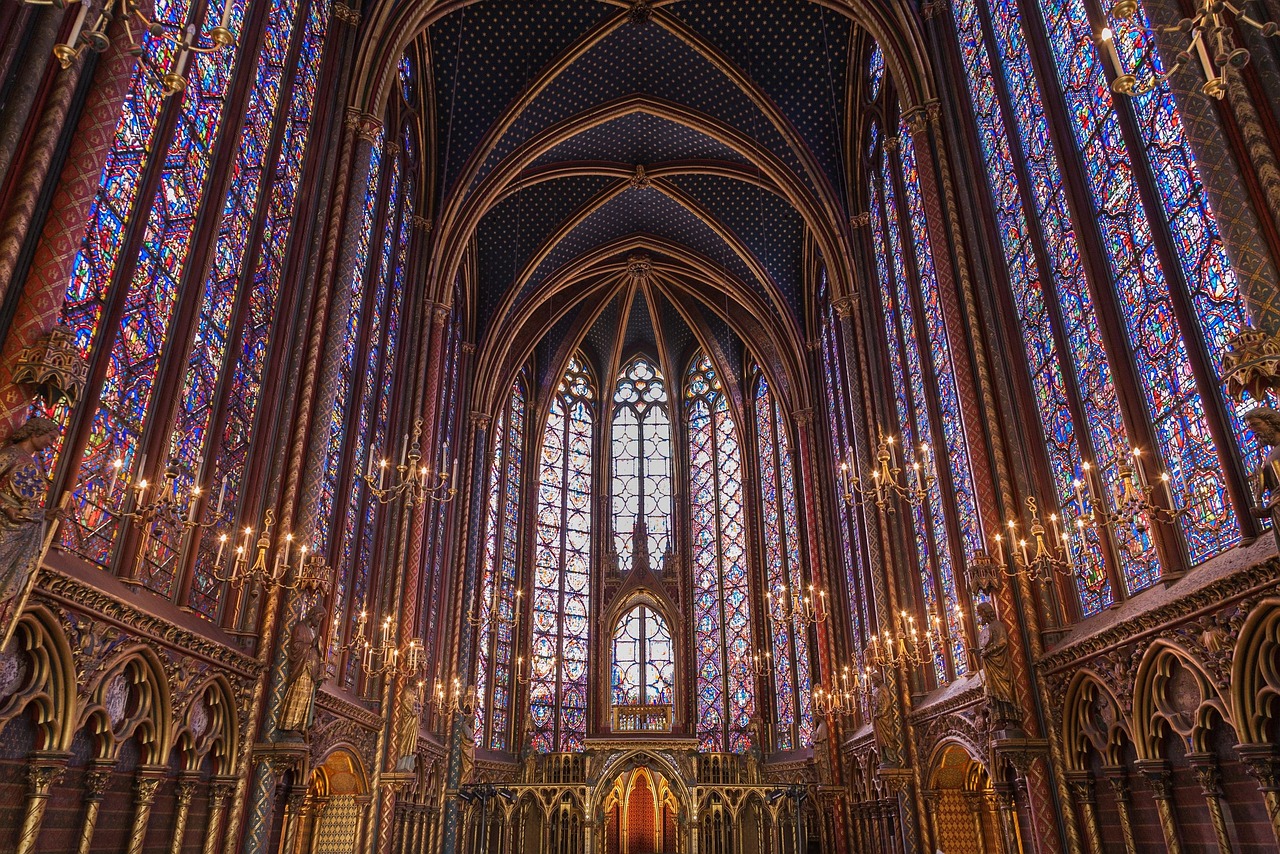
How to visit respectfully: free entry, services, and local etiquette
If you’re planning to visit during a packed day in Rome, the good news is that it’s usually straightforward. Entry to the church is typically free, and donations are welcome to support preservation and daily care.
Because opening hours and liturgical schedules can change, confirm current times locally (posted notices nearby are often the most reliable). If you’d like insight into living tradition, consider attending a short mass—quietly, respectfully, and with genuine care.
Dress code, behaviour, and quiet confidence inside a sacred space
A simple rule: dress as though you’re entering someone’s home, not a museum. Covered shoulders and respectful hemlines are a safe choice, and a quieter voice helps everyone feel supported in the space.
If you do attend a service, avoid moving around the side aisles until an appropriate moment. It’s entirely fine to stand at the back; you’ll still feel the atmosphere, and you’ll be exploring with trust rather than intrusion.
Timing, comfort, and essentials for the walk between landmarks
Spring and early autumn tend to be the most comfortable seasons—mild weather, fewer crowds, and an easier walk between central landmarks. Major holidays can be busier, so keep a small plan B: a café stop, a gallery, or simply a slower wander.
- Wear comfortable footwear for Rome’s cobbles and uneven lanes.
- Carry water—hydration makes the whole day feel smoother and calmer.
- Keep valuables close in crowded areas, especially near major sights and busy bus stops.
Create a Rome walking route with San Luigi as your calm centre
A short historic-centre loop with a restorative church stop
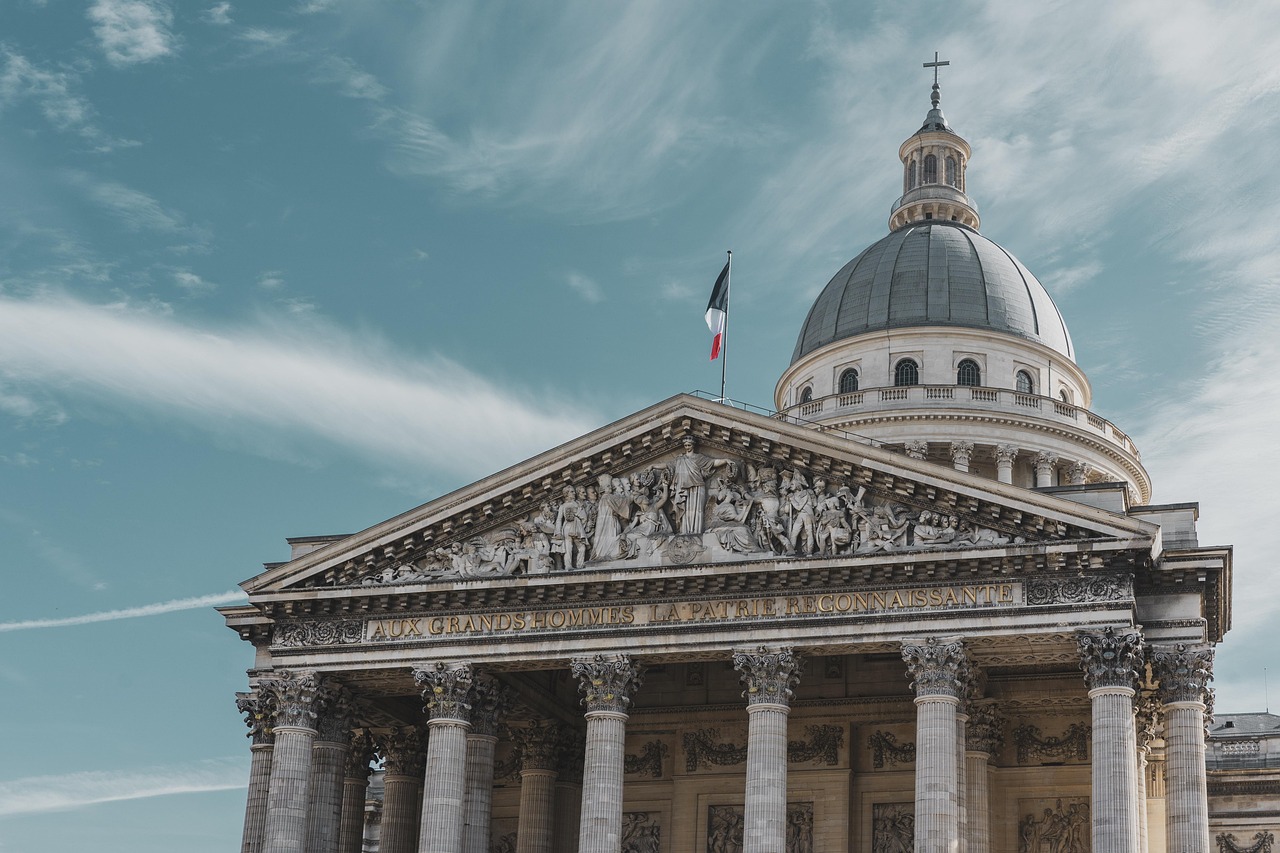
This is one of the most satisfying short loops in the historic centre: start near the Rotunda area, drift to San Luigi for a calm reset, then finish with street life and people-watching in the surrounding lanes. The value is in the contrast—city energy outside, stillness inside.
This is the kind of day design that feels effortless: a little grandeur, a little silence, and a finish that’s lively without being frantic.
A crafted pause for food, rest, and reflection after the chapel visit
Build in a stop that feels personal—perhaps a coffee and something sweet nearby, or a simple aperitivo later if you’re lingering into the evening. The goal isn’t to tick boxes; it’s to create a rhythm you can trust after your time in the chapel.
If you’re travelling with friends or family, agree on one anchor moment (the chapel, the light, the silence), then allow everyone their own pace. That’s how you explore together without anyone feeling dragged.
France and Italy’s inspiration, plus a Turin tangent for art and atmosphere
If your wider trip is themed around France, you can pair this Rome stop with a broader itinerary that includes art cities, sacred spaces, and design history across borders. When you’re ready for more inspiration, browse our Trip gallery and imagine how the next chapter might unfold.
Optional tangent, different city: if you continue north to Turin, Piazza San Carlo offers a complementary atmosphere—elegant arcades, café culture, and a sense of urban theatre that echoes the calm you felt inside the church.
F.A.Qs
What makes San Luigi dei Francesi famous?
San Luigi dei Francesi is known for the Saint Matthew paintings by Caravaggio in the Contarelli Chapel, and for its distinctive French-connected presence in Rome. Visitors also come for the side-chapel atmosphere, the sense of saintly stories carved in stone, and the reflective feeling inside.
What is the dress code for this church in Rome?
Dress respectfully, as it remains an active place of worship. Covered shoulders and clothing that reaches at least to the knee are a reliable choice. Keep voices low, avoid flash photography where prohibited, and move quietly—especially during mass.
What church near the Rotunda has Caravaggio paintings?
The nearby church many travellers are looking for is the Church of San Luigi, home to Caravaggio’s Saint Matthew cycle in the Contarelli Chapel. It’s an easy add-on to a central walking loop in Rome and offers a peaceful stop between major sights.
What is the best-known church in Rome?
Rome has many standout churches, and “best-known” depends on what you value—history, art, or faith. The church of st Peter’s Basilica is often considered the most recognised globally, while smaller churches like the Church of San Luigi dei Francesi are celebrated for specific works and a more intimate experience.
What stayed with me after visiting San Luigi and Caravaggio in Rome
Even now, what I remember most isn’t the crowd outside, or the heat of the day in Rome. It’s the exact second the street noise softened, the air changed, and my shoulders dropped without me deciding to relax. In Roma, that kind of stillness feels like a private gift—pure beauty without performance.
I think about the idea of Louis, the Frenchman, lingering in a Roman lane—heritage carried far from home, kept alive through craft, music, and the small courtesies of daily worship. It reminded me that a city isn’t only its monuments; it’s also the quiet rooms where people come to be human.
And yes, I remember Caravaggio. But more than the brushwork, I remember how the light seemed to find the faces that needed it, how st matthew looked caught between hesitation and change, and how that story felt uncomfortably familiar in the best way.
You don’t need to know everything to explore well. Curiosity is enough if you bring it with care. Trust your pace, let the silence do some of the talking, and allow one chapel to be more than a photo—something that quietly rearranges your sense of the day.
Somewhere in the city, another door will be open, another candle will be burning, and another moment will be waiting—unhurried, and entirely yours.