Post Contents
- Why Visit the Church San Luigi dei Francesi in Rome – Louis of the French Heritage, “Dei” Meaning, and Calm Beauty
- Caravaggio in the Contarelli Chapel, Rome – Saint Matthew Masterpieces Inside the Church
- Baroque facade and interior in Rome – Giacomo della Porta, Domenico Fontana, and the dei patronage web
- San Luigi dei Francesi in Rome: Mass, ceremonies, concerts, and how to visit
- Rome walking tour loop – a church stop near Piazza Navona with an easy city rhythm
- F.A.Qs
- What stayed with me after visiting this Roman church
Why Visit the Church San Luigi dei Francesi in Rome – Louis of the French Heritage, “Dei” Meaning, and Calm Beauty
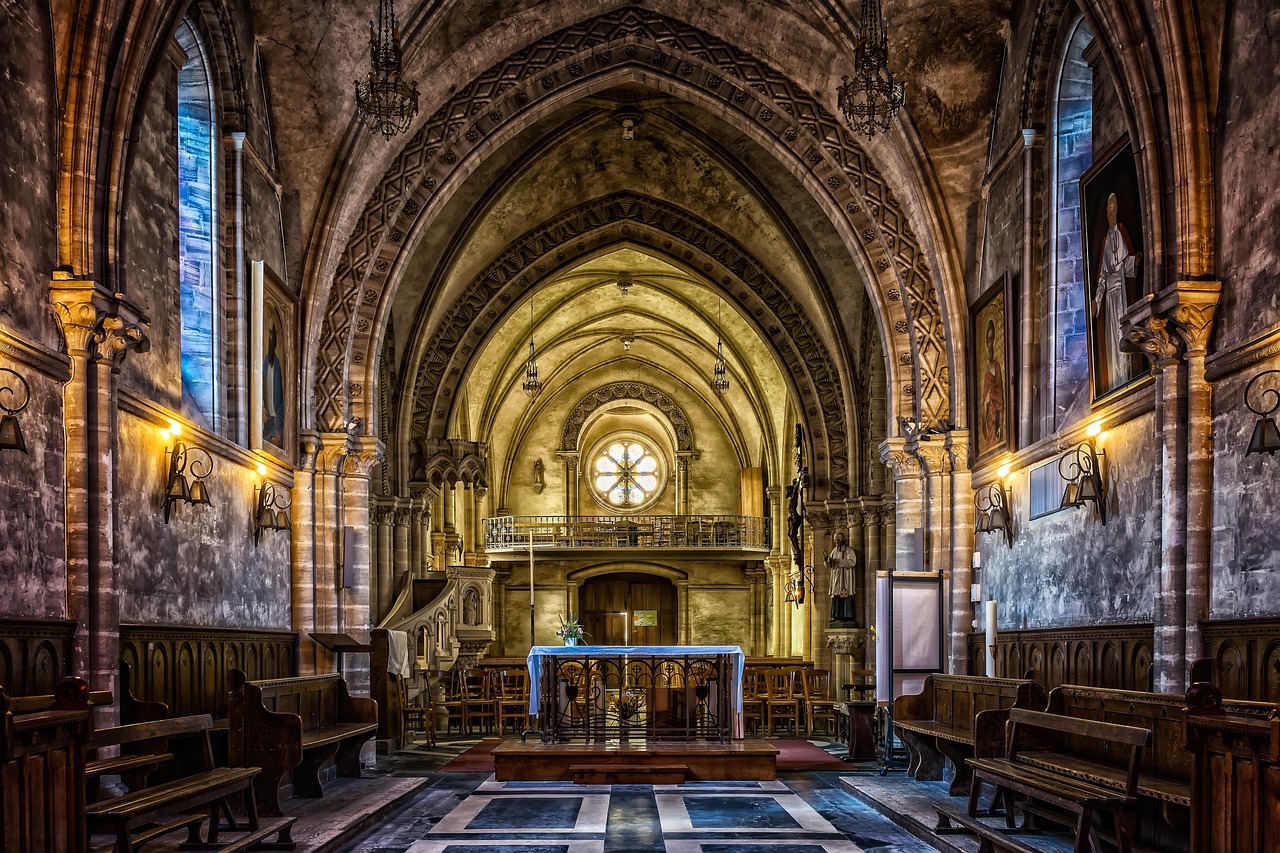
A calm checkpoint in Rome: a beautiful French church stop between major sights
If your plan is to visit the church San Luigi dei Francesi between bigger sights, you’re choosing one of the most rewarding “small doors” in Rome. Often described as France’s national church, it is officially the national church—a place where pilgrims, diplomats, and locals cross paths. You’ll also see it referenced as the church of San Luigi dei, a church of st Louis, with the “dei” in its name quietly signalling belonging and care.
You’ll often hear it called luigi dei francesi in rome, and it genuinely feels like a gentle Franco-Roman pause in the centre of Rome. If you’re used to travelling where details matter, this church rewards patience: marble surfaces, layered art, and a sequence of side chapels that make it easy to slow down without losing your day’s momentum.
Understanding “dei” in this Roman church – patronage, saints, and kings
The small word dei is a clue to how Rome works: “of the”, “belonging to”, “under the care of”. Here, dei points to community and patronage—who chose to build, who funded, who prayed, and who hoped to represent their people far from home. The church is also tied to the French story of rulers and saints: think of Louis IX, the king remembered for justice and devotion, and how France wanted to be seen in Rome during a changing century.
For first-timers, a warm reassurance: this is an active place of worship, not a gallery. A slower pace, a lower voice, and a little Care will make your experience richer—and you’ll feel that Trust returned in the quiet you’re given back.
The church sits close to Piazza Navona, tucked into lanes that reward wandering in Rome. Arrive on foot if you can: the best moments often happen between destinations—an espresso at a small bar, a sunlit corner, a street musician turning a side lane into theatre. Use this stop as a “calm checkpoint” between outdoor energy and indoor stillness.
If France is part of your wider travel story, it pairs beautifully with a deeper look at French craft and culture elsewhere—browse our Trip gallery when you want that next Crafted journey to feel Seamless.
Caravaggio in the Contarelli Chapel, Rome – Saint Matthew Masterpieces Inside the Church
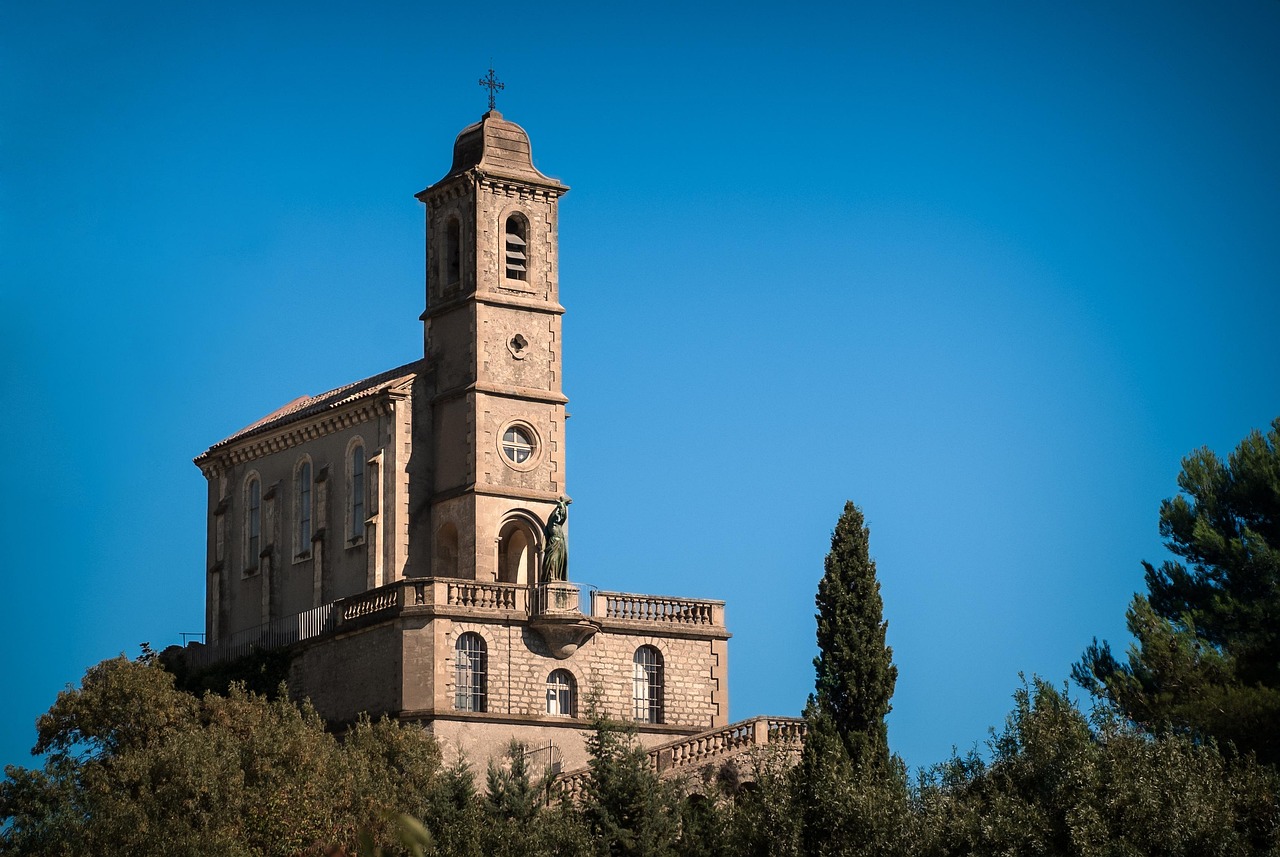
Caravaggio and the Saint Matthew trio in a side chapel in central Rome
To experience Caravaggio well here, give yourself time for your eyes to adjust. The famous chapel holds three works painted between 1599 and 1602: The Calling of Saint Matthew, The Inspiration of Saint Matthew, and The Martyrdom of Saint Matthew. In a city full of sacred art, these feel like masterpieces by Caravaggio staged as a private theatre—close, human, and quietly overwhelming in Rome.
The practical detail high-end travellers appreciate: entry to the church is free, but the chapel uses a small fee/coin light system for close viewing. When the lights switch on, the painted scenes “wake up”—and that change is often the exact moment visitors describe as awe.
How to read the Saint Matthew story – calling, inspiration, and martyrdom
Caravaggio’s chiaroscuro is not just “dark and light”; it’s storytelling. In The Calling, follow the direction of the light and the line of the pointing hand—many readers love noticing how the gesture echoes the calling of Jesus without spelling it out. In The Inspiration, look for the angel leaning into the moment; the tenderness feels unexpectedly intimate, especially after learning the first version of the altarpiece was rejected before the final canvas was accepted.
In The Martyrdom, the shock is physical: bodies in motion, faces caught mid-reaction, the saint’s story turning into a moment you can almost hear. For travellers used to outdoor adrenaline, this is a different kind of intensity—internal, psychological, and unforgettable in Rome.
Expert Insight
Caravaggio was born Michelangelo Merisi. Local storytellers will mention his volatile reputation, but the best Local guides keep the tone grounded: they connect the artist’s realism to the people of Rome, and they let the paintings speak louder than the myth. You don’t need sensational details to feel the risk he took as an artist—and why this masterpiece trio still feels contemporary.
A personal moment I’ve heard repeated: arrive early, drop your shoulders, and wait. When the light comes on, the faces and hands suddenly represent not “museum saints” but people you might pass in the street—ordinary, uncertain, alive.
Baroque facade and interior in Rome – Giacomo della Porta, Domenico Fontana, and the dei patronage web
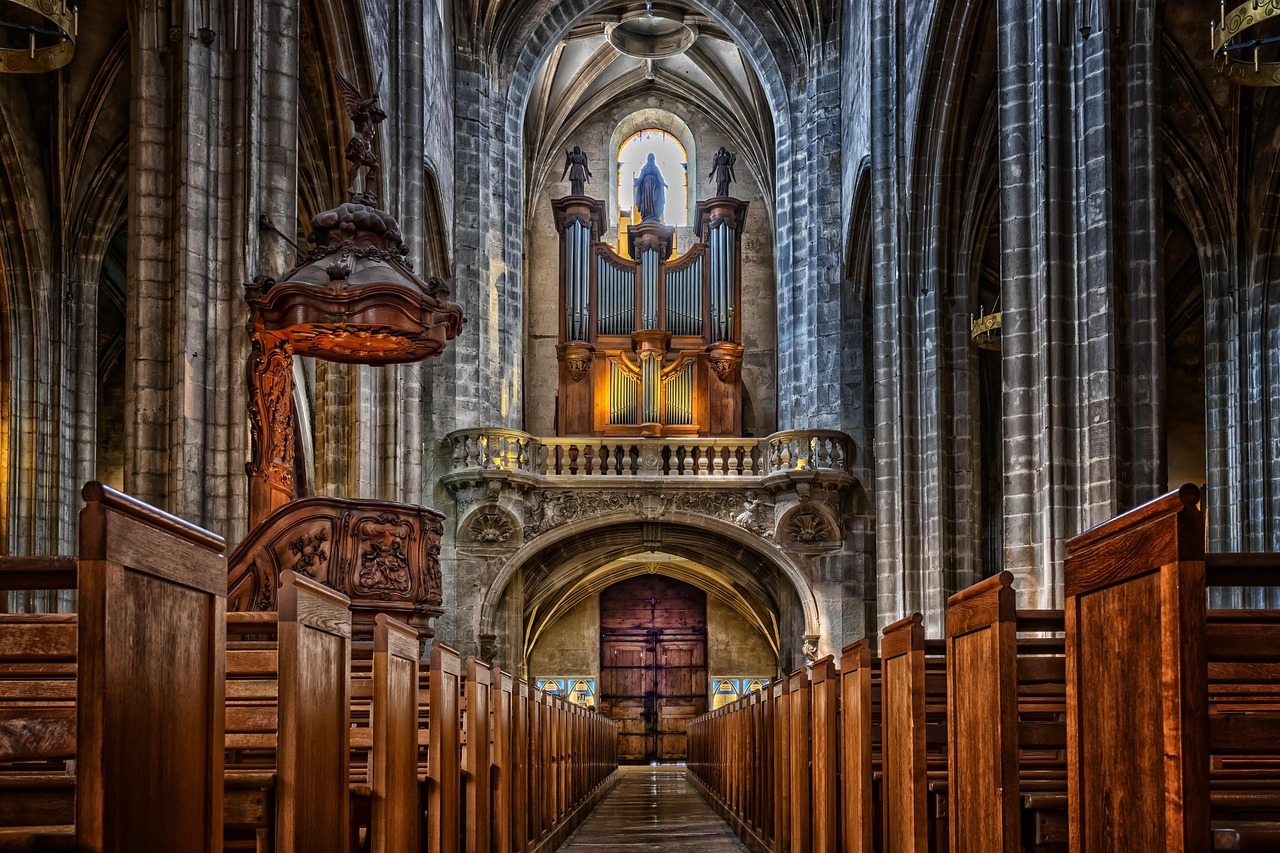
Baroque style, French details, and side chapels that invite a slower visit
If you’re searching for the architectural story behind this church in Rome, it helps to understand that the drama begins with structure. The baroque experience here is guided by space: three naves, a clear pull towards the altar, and five chapels on each side that encourage you to drift, pause, and return. Even when the famous corners fill up, the building still offers pockets of quiet.
The build story matters because it explains why it feels so coherent. Work began in 1518, and the church was completed in 1589, shaped by architects including Giacomo della Porta and Domenico Fontana. That ambition carries through the facade and into the flow of the interior—a measured procession rather than a scramble, with a clear design logic that helps visitors navigate each chapel without feeling rushed.
France in Rome: saints, statue details, and cardinal patronage
The French thread is not subtle once you start to uncover it. Look for a statue and imagery that nod to France’s devotional identity—saint clotilde and saint joan appear as signals of national memory as much as faith. In the background is a web of patrons: cardinal influence, an ambassador’s presence, and the careful way the community chose to decorate in order to represent France respectfully in Rome.
History enthusiasts sometimes trace these connections as a “dei network”: families, clergy, and political power. You may hear names like Giulio dei Medici, the Valois dynasty, and even Charles the Great referenced as part of the larger story France told about itself. Funding threads reach into later centuries, too—notes about Louis XV and Louis XVI appear in discussions of French support, and the diplomatic atmosphere is often linked with Cardinal François Joachim de Bernis.
A viewing rhythm for a busy church – moving through chapels without rushing
Here’s a high-end, calm-maker approach: choose one side chapel, take it in slowly, then return to the central axis before moving on. This creates a soothing pattern, even when the Contarelli area feels crowded. It’s a simple way to keep your attention intact and your experience genuinely yours in Rome.
Among the smaller details, you may see mentions tied to French residents and mourners—pauline de beaumont and de chateaubriand are part of that literary, expatriate memory. It’s another reminder that this isn’t just stone; it’s lived history inside a functioning church.
San Luigi dei Francesi in Rome: Mass, ceremonies, concerts, and how to visit
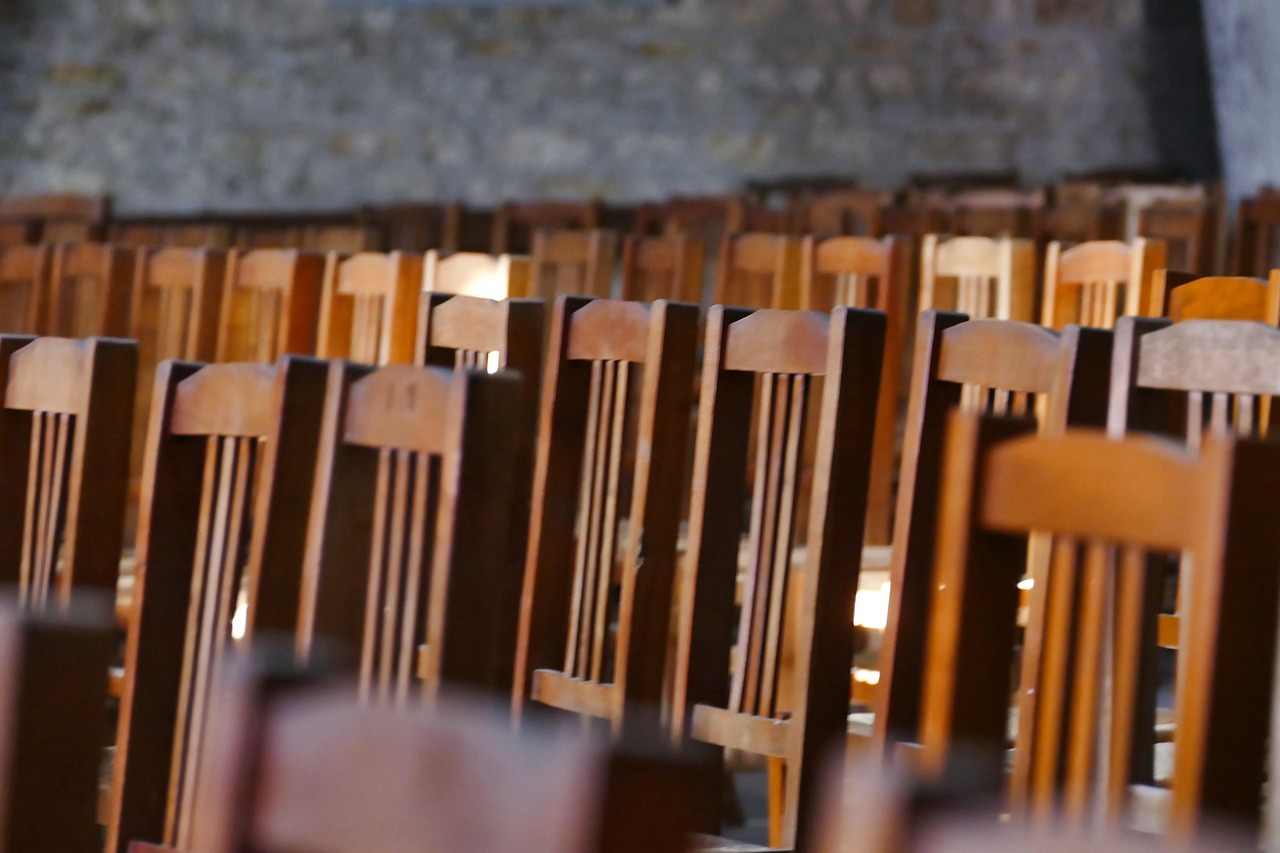
Music and ceremonies in a living church setting in Rome
When you visit during services, special religious ceremonies, or an occasional classical music concert, it helps to think of this place as living culture rather than a museum. The mood of the church can change completely depending on what’s happening in Rome. This church also shifts with the day: morning stillness, midday footfall, and late-afternoon glow across side chapels.
If you’re lucky enough to hear music here, it can feel like the paintings have gained another dimension—sound softening stone, and the saint stories becoming more human. The balance between beauty and the divine lands lightly, without anything heavy-handed.
Etiquette for Mass: Trust, Care, and quiet behaviour in church
A gentle Support for anxious travellers: keep to the side aisles if you want to observe without feeling in the way. Modest dress is recommended, and a quieter voice always helps. If a special Mass is underway, or if a procession draws attention—sometimes linked to a pope-related event in Rome—step back and let worship take priority.
Photography can be sensitive: avoid flash, and don’t photograph people at prayer. If you’re unsure, wait until you’re in a less active area of the church. That small restraint often brings a deeper feeling of belonging.
A slow morning in Roma – a small chapel, quiet before the crowds
Imagine arriving when the streets are still cooling down, and the first light falls through stained glass. In Rome, those quiet minutes can be the most luxurious of all. You may find yourself lingering near a small chapel, letting the hush settle, then stepping back outside with a steadier heartbeat for the rest of your visit in Rome.
An easy walking loop in Rome that balances streets, chapels, and quiet pauses
For an easy walking loop in Rome that still feels earned, keep your route simple and your mindset flexible. Start near the river, drift towards the historic centre, stop by the church, and then complete a classic Pantheon and Piazza Navona circuit with gelato or a quietly excellent espresso. It’s a half-day wander that gives you a sense of discovery without over-planning.
Adventure seekers often do best with a light plan: a direction, a few anchor points, and room for surprise. Rome rewards that style—especially when you allow yourself to duck into a chapel, then back into the street, then into a courtyard you didn’t know existed.
Seamless logistics in Rome – best times, dress code, and chapel light coins
- Best times: early morning or late afternoon for fewer crowds and softer light in the church.
- Getting there: buses and taxis can drop you near central squares; from there, walking is easiest in Rome.
- Chapel lights: if the coin system is busy, step aside, enjoy another chapel, and come back—your experience stays calm.
- Dress and behaviour: cover shoulders where possible, and keep a respectful distance during services.
For navigation, try not to rely on your screen every minute. Use landmarks, small squares, and even sun direction; it builds Confidence and keeps you present. If you want deeper Insight into Caravaggio, French-Roman history, and how the dei patronage web shaped Rome, consider a small walking tour or a private guide—Together, the art and streets start to feel like one story.
As one quirky archival footnote, you may hear from a Local guide: a donor ledger sometimes cites a name rendered as cointrel—a reminder that history isn’t always perfectly spelt, but it still leaves traces.
F.A.Qs
What makes this church famous in Rome?
It’s famous for Caravaggio’s three Saint Matthew paintings in the Contarelli Chapel: The Calling of Saint Matthew, The Inspiration of Saint Matthew, and The Martyrdom of Saint Matthew. The dramatic light and lifelike figures make the scenes feel immediate, even for visitors who don’t usually seek out religious art in Rome.
Can you wear jeans to a church in Italy, including Rome?
Yes, jeans are usually fine, especially in Rome, as long as your outfit is respectful. Aim for a modest look—covered shoulders, no overly short skirts or shorts—and remember it’s an active place of worship where quiet behaviour matters as much as clothing.
Where is San Luigi dei Francesi located in Rome?
It’s in central Rome, close to the lanes around Piazza Navona and surrounded by walkable historic streets. The location makes it an easy cultural stop between other major sights, and it’s simple to reach on foot or by public transport from central areas.
What time is Mass at San Luigi dei Francesi?
Mass times can vary by season, feast days, and special ceremonies. The most reliable approach is to check the posted notices at the church entrance on the day of your visit, and to arrive early if a service is scheduled so you can enter quietly and respectfully.
What stayed with me after visiting this Roman church
Long after you’ve stepped back into the bright streets of Rome, what often remains is not just the famous canvas, but the way your eyes learned to wait. There’s a particular hush inside this church—a calm that holds both grandeur and intimacy without asking you to choose between them. In that contrast, you find space for your own pace, your own thoughts, your own quiet courage.
I still think about a soft morning when daylight filtered through stained glass and seemed to settle on Saint Matthew’s story as if it were still unfolding. The shadows didn’t feel theatrical; they felt honest. That’s the gift Caravaggio leaves you with here: a reminder that faith, doubt, and decision can be painted in the same breath, and still feel human.
In the end, it’s a place that teaches Trust in how you look—slowly, kindly, without performing your experience for anyone else. And once you’ve felt that, you start to uncover similar doorways all over Rome, wherever light meets stone, and the city briefly goes quiet.