Why Contiki South Korea Appeals to High-End Travelers and Offers a Premium Travel Experience
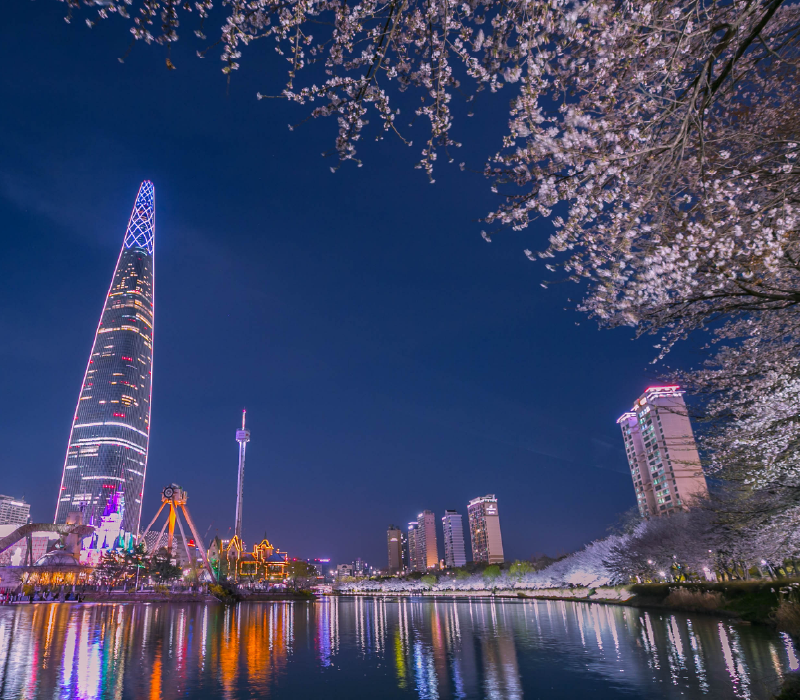
Why Contiki South Korea Works for High End Travel with a calm skyline-led arrival in Seoul
If you’re weighing the Contiki South Korea travel experience for high-end travellers, the real appeal is confidence without compromise. Contiki can remove the friction—airport logistics, intercity transport, ticketing, and the little timing decisions that drain energy—so you can stay present with South Korea’s detail and texture. The best versions of this travel style feel crafted, not crowded, with a reassuring structure that still leaves space for personal taste.
Think of it as a curated rhythm: key moments are protected, transitions are seamless, and you’re supported by a trip manager who understands pacing. In Seoul, that can mean arriving at a palace before the busiest crowds, then shifting into modern neighbourhoods when the city’s light is most flattering. You’re not handing over your independence—you’re purchasing back your attention.
Contiki in South Korea with a crafted yet flexible feel
Many high-end travellers worry that group travel will feel rushed or flatten a destination into a checklist. The better Contiki departures lean the other way: there’s time to explore, optional experiences when you want more, and enough built-in ease that you can linger where the city speaks to you. On certain departures, the tour is semi-private in spirit—smaller-feeling evenings, more boutique energy, and a natural sense of moving together rather than being herded.
Where it matters most, you’ll often have a trip manager or local guide to translate nuance—etiquette, context, and the kind of local insight that turns a landmark into a lived place. It’s also where group travel becomes quietly luxurious: you can explore South Korea with support, then step away for a gallery, a coffee ritual, or a perfectly chosen taxi ride back to your hotel.
What’s included and payment details you can trust
Inclusions vary from trip to trip, so read each itinerary like a design brief: transport, selected meals, and key experiences are usually covered, while many upgrades and special nights are optional. For selected extras, payment will generally be collected early—often it’s generally be collected on night one, in practice collected on night one, so bring a card you prefer using abroad and keep receipts tidy. Some changes or confirmations can take up to 5 working days, depending on the operator and suppliers.
For reviewing, look beyond star ratings and search for travellers who write about pacing, hotels, and guide quality. Ask yourself: did they feel cared for; did they have breathing room; did they feel safe and supported at night? Those details matter more than generic praise. If you want a visual feel before you commit, browse this Trip gallery and imagine your own version of the journey.
Budget-wise, even on a comfortable Contiki plan, set a baseline beyond inclusions: around $50–$70 daily for personal expenses, small luxuries, and spontaneous local finds—speciality coffee, museum shop treasures, a linen hanbok-inspired scarf, or an extra tasting menu moment.
Your arrival is refreshingly straightforward. Fly into Incheon, transfer into Seoul, and then rely on the city’s excellent subway and taxis to keep your movement in South Korea feeling smooth and elegant. This is travel that begins with ease—and that ease compounds every day you’re there.
Seoul through a South Korean soul lens for South Korean soul in Seoul, travel in South Korea.
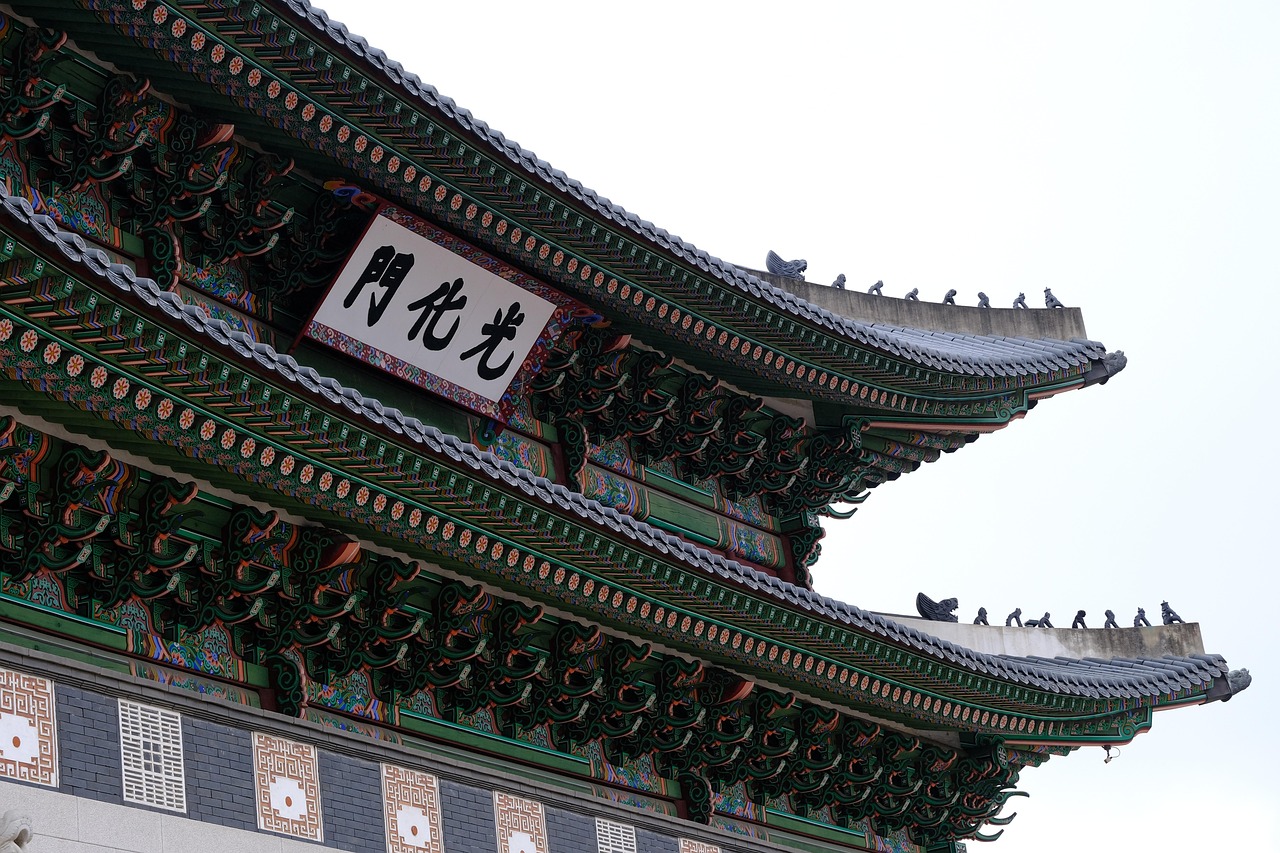
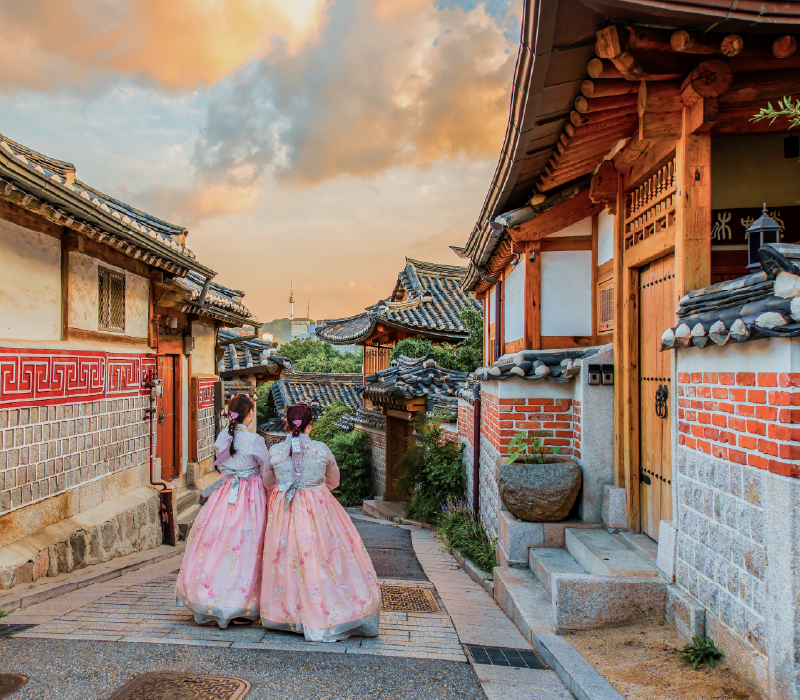
Seoul Through a South Korean Soul Lens with Bukchon Hanok Village calm and craft
For a South Korean soul in Seoul, a Contiki South Korea Seoul travel day that feels genuinely nourishing begins with quiet. Seoul rewards early risers with softened sound and spacious courtyards—especially at Gyeongbokgung, where history doesn’t feel staged, it feels held. This is where a South Korea morning can set your whole travel tempo: attentive, respectful, and unhurried.
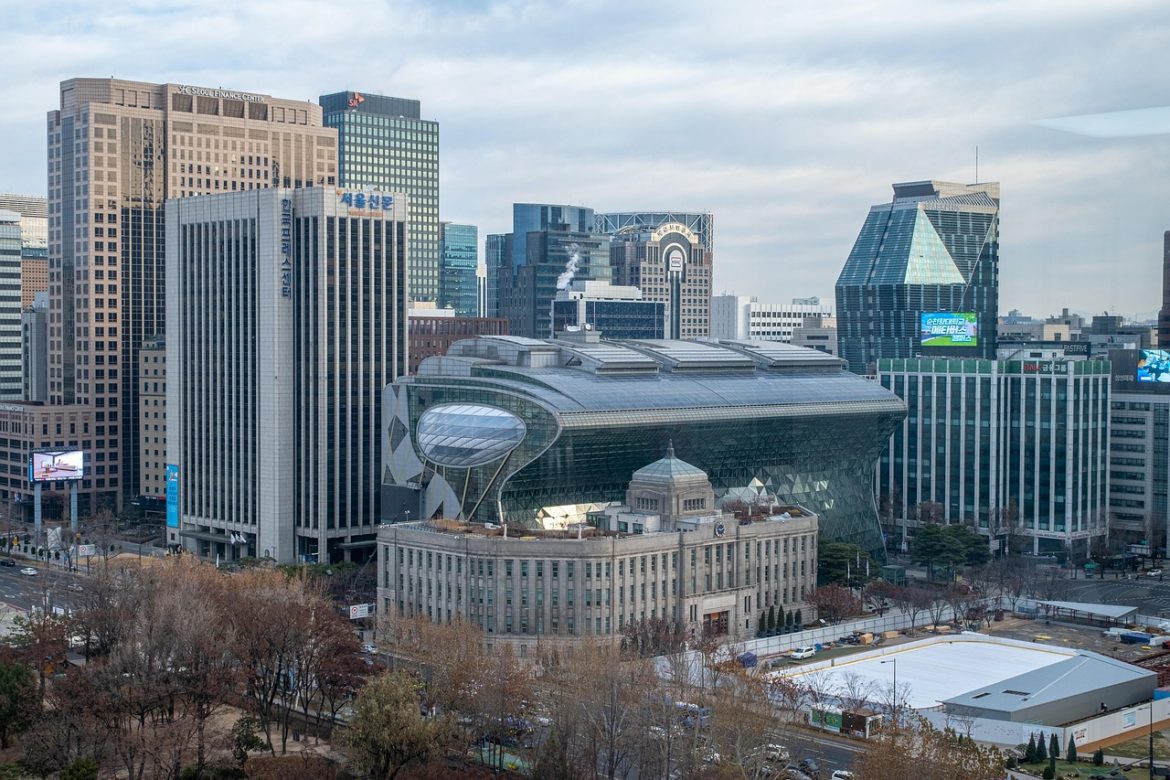
From there, shift into contrast on purpose. Seoul’s modern architecture isn’t a break with tradition; it’s the city speaking in a different register. Move from palace lines to the height of Lotte World Tower and let the skyline offer perspective—your mind recalibrates, your senses open, and you begin to uncover what people mean when they talk about a South Korean soul living comfortably beside the future.
Nourishes your soul in Seoul with heritage, then altitude
Design your first day as a gentle arc. Palace calm first, then a walk through Bukchon Hanok Village lanes where the textures—wood grain, tiled roofs, papered doors—feel intimate at human scale. Then go up for the city view. That sequence nourishes your soul in Seoul because it honours both the grounded and the expansive.
A traveller once told us the most unexpected moment of the day was during hanbok dress-up. Locals were warm, precise, and quietly proud—adjusting sleeves, pinning details, offering suggestions with the kind of care that makes it feel personal rather than performative. Wearing hanbok well isn’t about costume; it’s about stepping into a cultural silhouette with respect, then carrying that respect as you travel through South Korea.
Elegant etiquette and small comforts in Seoul travel
Add a serene luxury interlude: a traditional tea ceremony in Bukchon, guided by an expert with context so the experience feels grounded and thoughtful. One luxury traveller described it as a soft reset—steam rising, porcelain warmed by hands, and a brief hush in a busy city. Moments like that give Seoul depth that photographs can’t fully capture.
For practical polish, book timed tickets where possible, wear comfortable footwear that still feels refined, and keep etiquette simple: remove shoes indoors, and use two hands when giving or receiving items. And yes—it’s entirely possible to visit South Korea and still keep your own pace. You can even visit South Korea without seeing Gangnam if that isn’t your aesthetic; the city offers endless alternatives when you choose with intention.
- Best time to visit: spring (April to June) and autumn (September to November) for crisp light and comfortable walking weather.
- City movement: mix subway efficiency with taxis for door-to-door ease when dressed up or short on time.
- Respect cues: quieter voices on public transport and gentle awareness in sacred spaces help you travel with care.
Hongdae Nights and Itaewon style with Korean food for Seoul nightlife, Contiki tours.
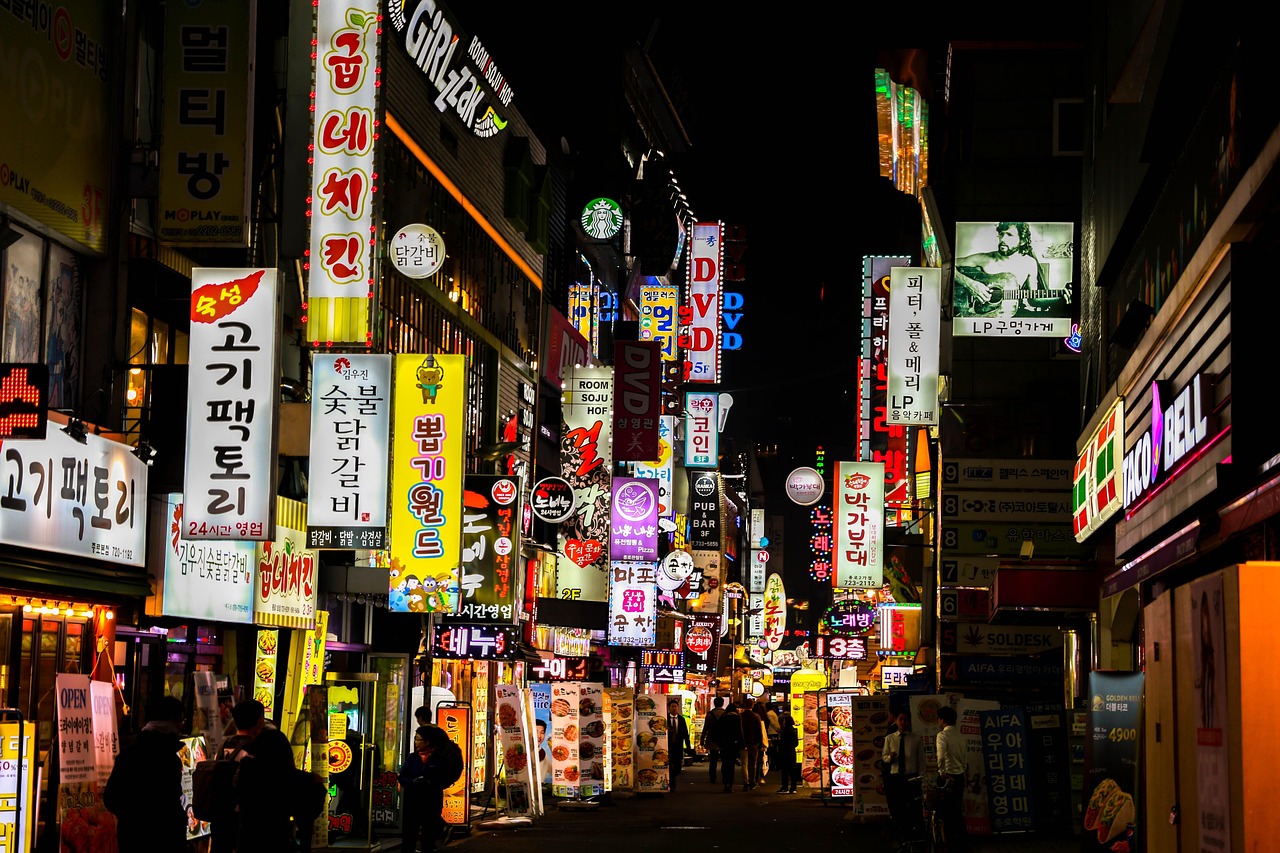
Hongdae Nights Itaewon Style and Korean Food Together with neon streets and curated energy
The joy of Hongdae Itaewon nightlife, Korean food, and Seoul Contiki Tours is that you can step into Seoul after dark with both freedom and support. The evening can be mapped like a well-designed playlist: cocktails first, then live music, then a moment of independence—knowing you can rejoin your people without stress. For high-end travellers, this is the sweet spot: curated access without forced fun.
Hongdae’s creative pulse is playful—street performances, small bars with serious sound systems, and that feeling of discovery around every corner. Itaewon, by contrast, is more cosmopolitan in flavour; it’s where a polished night out can still feel relaxed. Your Contiki structure helps you feel confident about where to go and how to get back, while still letting you choose your own level of late-night energy.
Hongdae to Itaewon with room to explore independently
Start with a well-made drink in a calm lounge (arrive early for softer lighting), then drift towards live music when the streets feel most animated. If you’re travelling to South Korea for the first time, this is where a trip manager may suggest the smartest meet-up points, the most seamless transport options, and the local etiquette that keeps the night easy.
And then there’s the bonding ritual people remember for years: late-night street food in Myeongdong. One group described how they bonded over spicy tteokbokki and famous Korean fried chicken, laughing over who could handle the heat and comparing favourite sauces, as it mattered profoundly. There’s something disarming about sharing food late—it makes a city feel like it has opened its arms.
Korean food insight and ordering Korean BBQ once
Ordering well is part of the pleasure. If you do Korean BBQ once, do it properly: choose a place with strong ventilation, let the staff guide the grill if they offer, and treat it as a shared table rather than individual plates. Seoul dining is often about togetherness, and that spirit travels with you long after the meal.
For first-timers, it helps to build a gentle “taste with insight” approach. Try a balance of textures—something crisp, something brothy, something grilled—and ask about spice levels without embarrassment. It’s normal to share plates, and you’ll find the rhythm quickly.
- Ordering tip: point politely, use two hands when receiving drinks, and don’t be afraid to ask for “less spicy”.
- What to try: a small spread of banchan, a warming soup, and one dish you’ve never heard of.
- Personal extras: keep a shortlist of k-beauty must-haves and traditional Korean snacks for the walk back—tiny indulgences that feel very Seoul.
A final optional immersion moment can be unexpectedly joyful: learning K-pop dance routines with new friends. It’s playful, yes—but it’s also a cultural doorway, a shared vulnerability that makes a group feel like a little community. Contiki often gets this balance right: structured enough to include you, flexible enough to let you opt in with confidence.
One gentle note for nights out: keep an eye on public displays of affection and volume on public transport. Seoul is welcoming, but social norms lean subtly—travelling with respect is its own quiet luxury.
DMZ Insight and Seoul’s Calmer Horizons for DMZ peace tour from Seoul, South Korea.
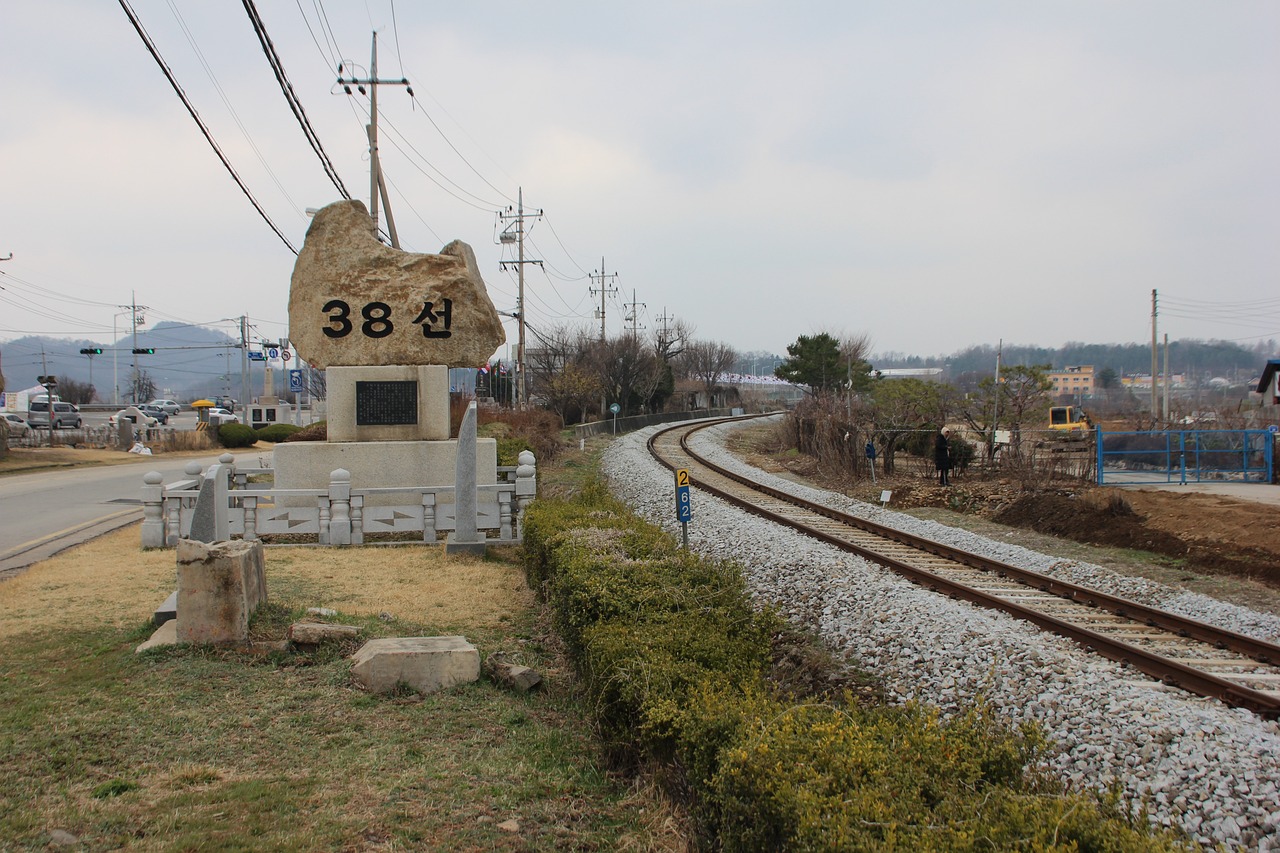
DMZ Insight and Seoul’s Calmer Horizons with reflective views near the border
A dmz peace tour, North and South Korea day trip from Seoul, South Korea, can be the most emotionally resonant day of the journey—especially when it’s handled with sensitivity. You’re not going for spectacle. You’re going for context: to understand the shape of a divided peninsula, and to listen to how history still lives in the present. In South Korea, this kind of travel insight can change the tone of everything that follows.
With an expert local guide framing the story, the DMZ becomes a place of learning rather than a theatre. You’ll hear about North and South Korea, the political realities, and the human impact—without sensationalism. A good guide makes space for questions, for quiet, and for the kind of reflection that doesn’t need to be performed.
Head to the korean demilitarized with care and context
Planning matters. Bring your passport, expect security checks, and be ready for a day that runs on strict timing. Many travellers head to the korean demilitarized zone with mixed feelings; that’s normal. The most meaningful visits are paced, calm, and guided with trust. If your itinerary includes a peace tour, you may hear it described as a visit to a peace tour, or even as a peace tour that includes key sites such as observation points and historic tunnels.
One traveller described standing there as “sobering yet enlightening”—a glimpse into Korea’s divided history, and the resilience of its people. In that moment, the idea of the “other side” becomes less abstract. You understand why this border is one of South Korea’s most affecting places, and why stories about North Korea are never just stories. It’s a rare kind of travel lesson: quiet, heavy, and important.
Depending on the route, your tour, which includes the 3rd Tunnel, may be mentioned directly as a highlight—often phrased as a peace tour which includes the 3rd Tunnel. Guides may also explain how this corridor was once imagined as a way into North Korea, which can make the history feel uncomfortably tangible.
Head back to Seoul for calmer horizons on the Han River
After the DMZ, it helps to restore your nervous system. Head back to Seoul and choose softness: a Han River sunset cruise where the city lights come on slowly, and the water holds the reflections like silk. It’s not about doing more—it’s about letting the day settle, giving your mind space to process with care.
Seasonal timing can elevate this chapter of the journey. Spring brings cherry blossom celebrations that make the city feel briefly weightless; lantern festivals offer a different kind of glow—warm, communal, and quietly beautiful. If your dates are flexible, designing your South Korea travel around these cultural moments can make it feel both timely and timeless.
- DMZ essentials: passport, modest layers, and patience for checkpoints.
- Emotional pacing: allow a quieter evening afterwards—your body will thank you.
- Respectful conduct: photos are fine where permitted, but keep your tone measured and your curiosity thoughtful.
And as you return to the city, the contrast becomes part of the story: Seoul’s energy, South Korea’s history, and the way travel can hold both without forcing either into a simple narrative.
9-Day Itinerary: Seoul, Busan, Jeonju, and Jeju Island in South Korea for a 9-day trip.
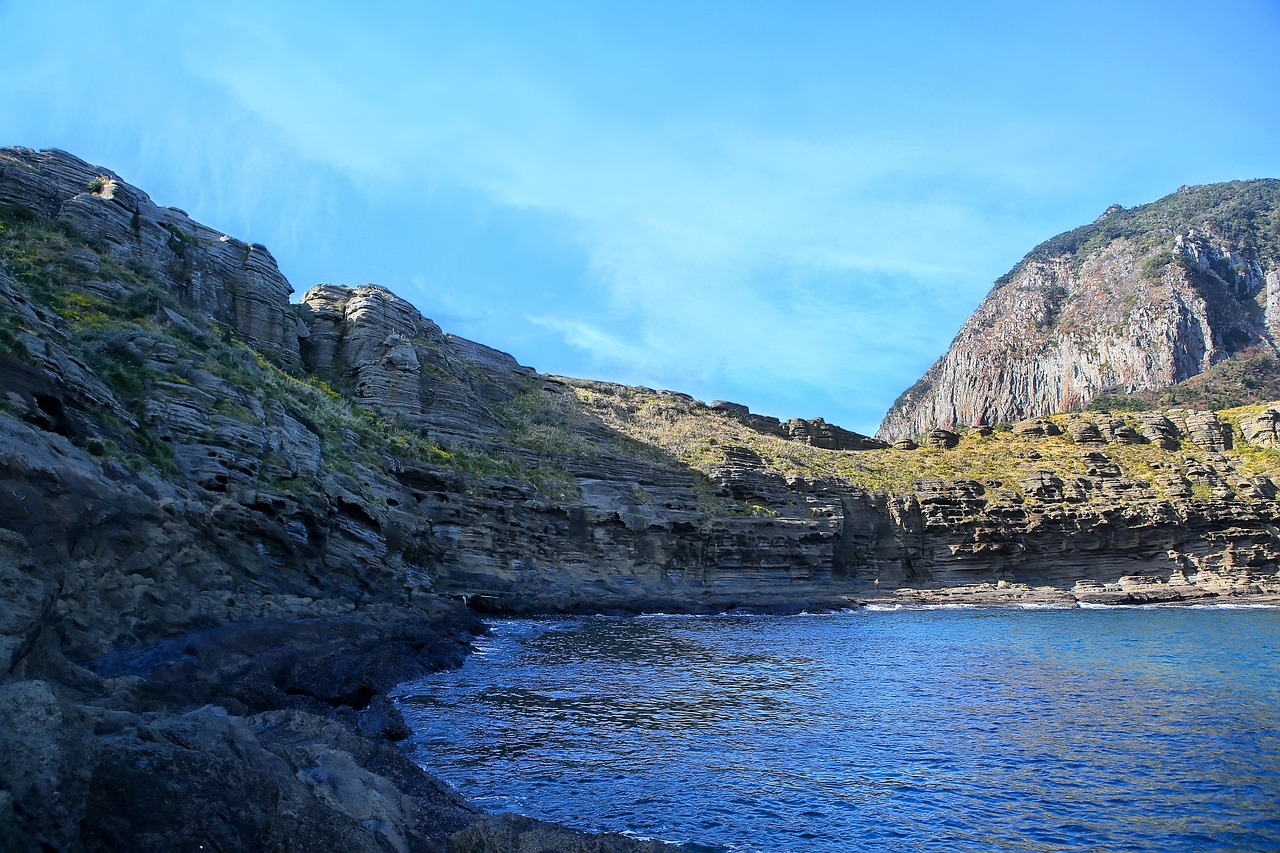
A 9 Days Itinerary Beyond Seoul to Busan Jeonju and Jeju Island with Jeju coastlines
If you’re considering an itinerary, 9 days Seoul to Busan, Jeonju, Jeju Island, Contiki South Korea route, the magic is in how each stop changes your breathing. Seoul gives you edge and elegance; Busan adds sea air; Jeonju offers cultural intimacy; and Jeju Island brings nature-forward calm. In a well-designed itinerary, South Korea doesn’t feel like a sprint—it feels like a composition.
This is also where Contiki can surprise high-end travellers: when logistics are handled, you can focus on the sensory and the soulful. You’re free to notice small things—light through paper screens, the cadence of a market conversation, the way coastline wind changes the taste of coffee. It’s the outline of a South Korean soul trip, drawn in places rather than promises.
Seoul to Busan itinerary and a change of pace
On the Seoul-to-Busan leg, the feeling shifts quickly. Busan is coastal and spacious, with contemporary cafés that understand design, and a city mood that’s slightly more unbuttoned. For many travellers, this is where they realise South Korea isn’t one aesthetic—it’s a layered set of atmospheres.
Give Busan a little room. Choose a slow morning, then explore a neighbourhood with a view—coastal walks, good galleries, or a market where seafood displays feel like sculpture. The point isn’t to do everything; it’s to let the destination widen your travel experience.
Jeonju and Jeju Island for traditional craft and nature-forward luxury
Jeonju is where you can go extra authentic in Jeonju without feeling like you’re performing authenticity. Look for hands-on encounters that are respectful and tactile: learn about traditional Korean crafts in settings that explain meaning, not just method. Jeonju’s traditional Korean crafts and culture come to life best when you approach them with curiosity and time.
If your route includes a night in a hanok-style stay, you might find the experience framed as a guesthouse and discover Korean warmth—more simply, a chance to stay in a house and experience Korean hospitality in a way that feels quiet and personal. For high-end travellers, this can be deeply restorative: less about thread count, more about atmosphere and care.
Then comes Jeju—the exhale. Jeju Island brings coastlines, volcanic forms, and slower mornings that make you feel like you’ve reclaimed your inner pace. Even a short stay can feel expansive if you lean into nature: lookouts at golden hour, black rock shores, and cafés where the view does half the work. If you encounter six-two by Contiki-style comfort in the mix, treat it as downtime done properly—simple luxuries that elevate rest.
Practical logistics for travel flow and upgrades
Comfort often comes down to small decisions. Keep your luggage flow simple—one main case and one day bag—and confirm hotel laundry options if you’re packing light. Consider buying a SIM card at the airport (it’s easiest), and keep a small pouch for your passport and valuables, even though South Korea is generally very safe.
For upgrades, timing helps. If you want flight comfort or boutique add-ons, the best window is often around 60 days out, when inventory is clearer. You might see minute deals close to departure, and there are sometimes last minute deals too, but high-end standards are easiest to protect when you book with enough runway to choose thoughtfully. Remember: the best value isn’t the lowest price—it’s the best-designed experience for how you like to travel.
Finally, know when to choose a different style. There are other South Korea tours that skew more nature, more nightlife, or more boutique accommodation—so select what matches your preferences rather than what’s loudest online. And if you do choose a Contiki trip, choose it for what it does exceptionally well: effortless connections, smart pacing, and a sense of moving through South Korea together with confidence.
- Daily budget beyond inclusions: keep that $50–$70 buffer for taxis, tastings, and personal shopping.
- Food note: Try traditional Korean cooking staples in each region—simple dishes often carry the deepest local identity.
- Travel mindset: participate actively; the group dynamic can become a gentle luxury when it’s well led.
After South Korea, reflections on Contiki’s South Korean soul travel.
For Contiki South Korea reflections, South Korean soul travel, what stays with you is rarely the headline sight. It’s the quieter confidence you carry—how easily you began to navigate, how naturally you learned when to speak softly, when to accept with two hands, when to pause and let a place reveal itself. South Korea has a way of making contrast feel harmonious, and that understanding can follow you home.
You might remember the weight of hanbok fabric settling on your shoulders, not as dress-up but as a brief, respectful closeness to history. Or the steam of late-night street food rising into neon air, laughter shared together as if you’d known one another longer than a week. Perhaps it’s the stillness near the border—an insight that didn’t demand words, only attention.
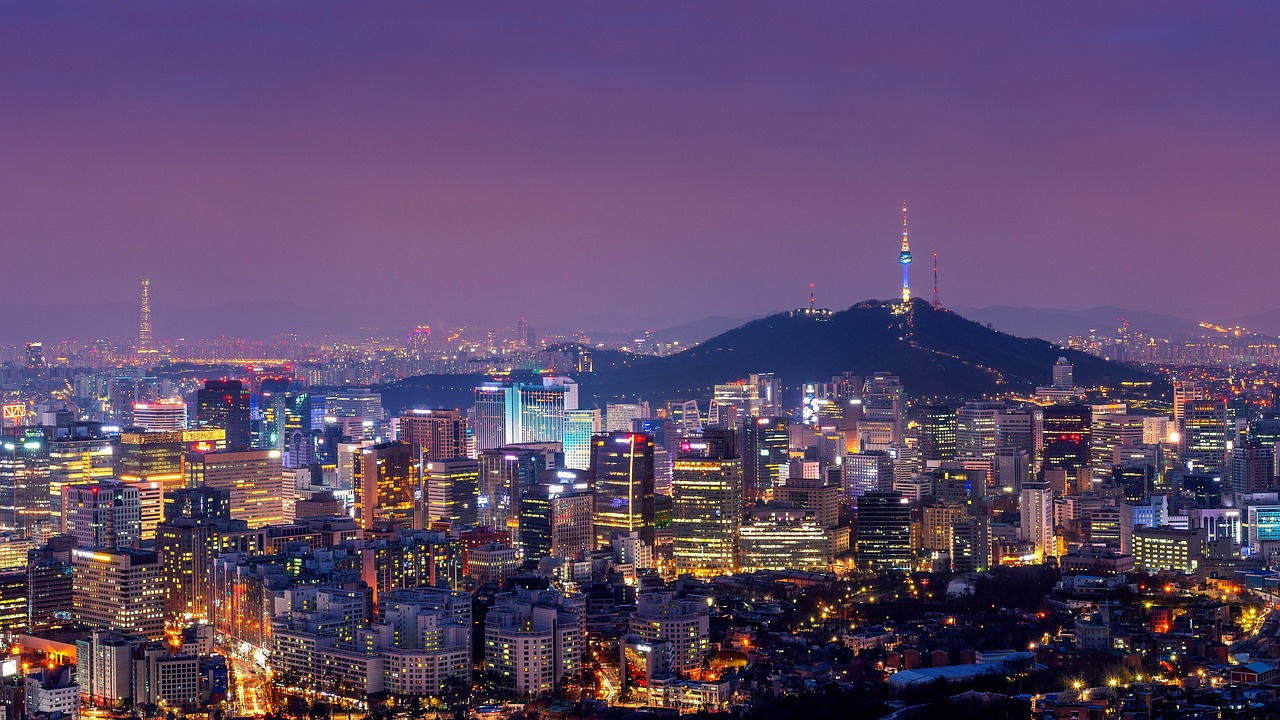
Even the modern moments linger differently: city lights over the river, the hum of Seoul at a distance, the sense that tradition and innovation can coexist without either being diminished. And somewhere within that, you may notice a small shift in yourself—a steadier way of travelling, a softer curiosity, a renewed trust in your own ability to explore with care.
When people talk about a South Korean soul, they often mean the feeling of being welcomed into complexity rather than pushed towards certainty. If this journey gave you that—held by structure, opened by chance encounters—then it has done something lasting. And in quiet moments later, you may find yourself imagining what it would be like to return, not to chase what you missed, but to uncover what’s waiting when you travel slowly enough to notice.