Eiffel Tower moments that make adventure seekers look twice for Paris
Eiffel Tower moments that make adventure seekers look twice in Paris
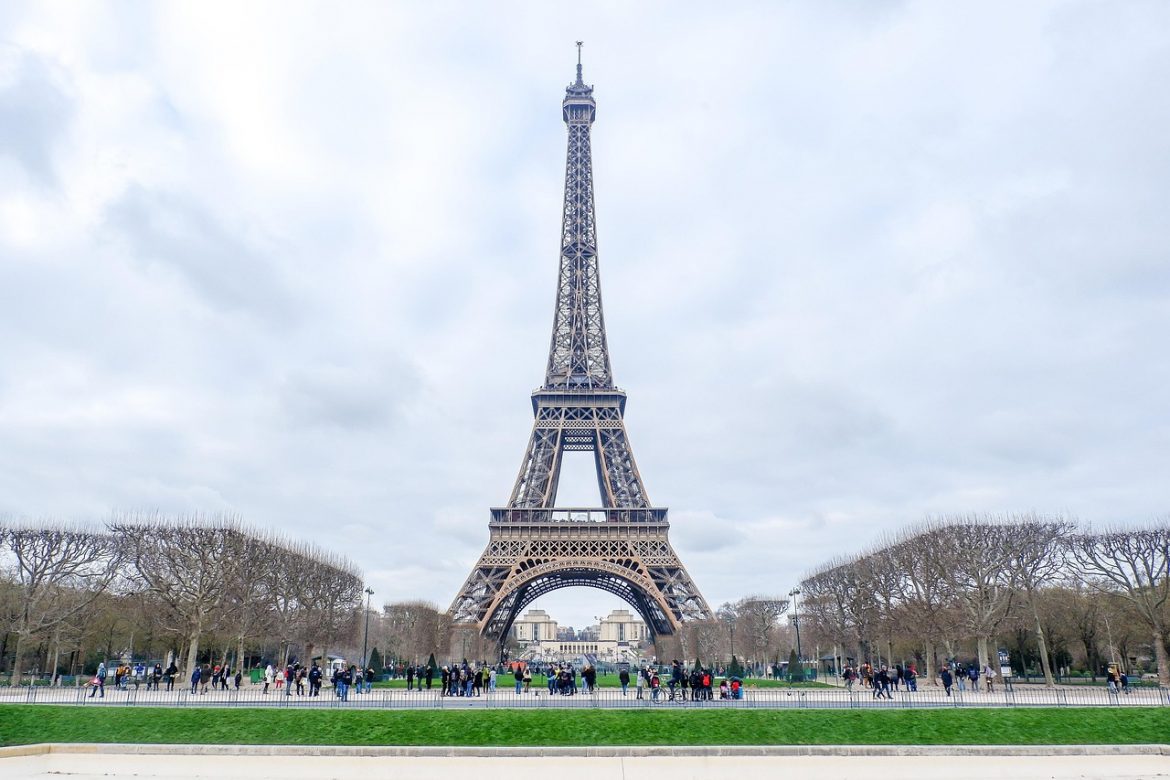
Eiffel Tower, Paris, France, views observation deck, summit experience begins long before you scan a ticket—often the first look is the moment that changes the trip. On the edge of the Champ-de-Mars, the Eiffel Tower feels impossibly tall, like a vertical tower drawn in iron against a Parisian sky. Even if you’ve seen it a hundred times in film, meeting it in the heart of Paris carries a rush of anticipation you can’t rehearse.
Adventure seekers tend to notice how the city shifts with each level: the streets become patterns, the Seine becomes a ribbon, and the air turns sharper. The Eiffel Tower is famous, yes, but it’s also oddly personal—each height gives you a different kind of calm and a different kind of thrill.
Three levels, three moods of the Iron Lady
The first level is where excitement turns into orientation: you’re high enough to feel suspended, but close enough to recognise faces below. The second level brings the classic “Paris spread” view—grand avenues, rooftops, and that sense that the tower in Paris is quietly conducting the city’s rhythm.
The top of the Eiffel Tower is where perspective becomes almost abstract. Wind presses against your jacket, sounds soften, and landmarks feel like carefully placed details on an architect’s table. It’s the kind of view that makes even seasoned travellers pause, breathe, and simply look.
A climb with a story you can carry home
Many travellers share that their first ascent of the Eiffel Tower felt life-changing: they could finally name the scale of their own curiosity. Others remember proposals and champagne celebrations—moments of trust and tenderness held inside all that steel. For the adventurous, there’s a particular pride in taking the stairs for part of the climb, feeling every step as a small achievement woven into French history.
To keep your experience crafted rather than chaotic, it helps to accept one gentle reality: crowds and weather are part of the deal. A clear plan—plus a little care for your comfort—turns a busy icon into a moment that feels made for you, whether you choose the stairs, an elevator, or a mix of both.
- For wind: pack a light windbreaker; the higher platforms can feel surprisingly chilly.
- For feet: comfortable shoes matter if you’re adding stair sections for that adventure-seeker edge.
- For confidence: decide in advance which level matters most to you, so you’re not negotiating with time mid-visit.
History of the Eiffel Tower 1889 Exposition Universelle Paris, France from a bold idea to an icon
History of the Eiffel Tower from bold idea to 1889 icon
History of the Eiffel Tower 1889 Exposition Universelle Paris, France is best understood as a city-wide mood—part ambition, part celebration, part daring experiment. The 1889 Universal Exhibition mattered because Paris wanted to celebrate the centenary of the French Revolution, capturing its spirit and anniversary in a single statement of modernity. In a city of Paris dressed for a landmark year, the Eiffel Tower was asked to be both spectacle and symbol.
That’s why the Iron Lady still reads as more than architecture: it’s a cultural bet that paid off, even after sceptics tried to dismiss it as temporary theatre.
1887, a competition was launched, and key figures stepped forward
A great competition was launched for an audacious centrepiece, and the design competition gained momentum as plans began in 1887. The competition was launched with public attention and debate, even being launched in the journal, as a subject on which everyone seemed to have an opinion. Ultimately, the centennial committee chose the proposal that would become the iron tower we recognise today—an idea refined by key figures including Maurice Koechlin and Emile Nouguier (also written as Nouguier and Maurice Koechlin), with architect Stephen Sauvestre adding elegance and proportion.
Overseeing it all was Gustave Eiffel, whose leadership helped translate bold drawings into a buildable reality. In the telling, you can hear the city’s pulse: Paris wanted a monument that could hold the weight of a new century.
An object of discord that became a symbol of France
At the time, it was labelled an object of discord—artists and intellectuals worried it would scar the skyline. Yet believers felt desire and fascination for what it represented: a symbol of modernity rising above tradition, a Tower of Babel reimagined as an engineering feat of clarity. By 1889, the Eiffel Tower had become a symbol of French confidence and later a lasting symbol of France for Parisians and tourists alike.
There’s also a cultural bridge worth noting: Gustave Eiffel’s engineering story connects to the Statue of Liberty, reminding us that Parisian ingenuity travelled far beyond France. Seen through that lens, the Eiffel Tower is not only one of the great monuments in the world—it’s a signature of an era that dared to build the future.
Construction of the Eiffel Tower, engineering by Gustave Eiffel, and the 300 meters France marvel
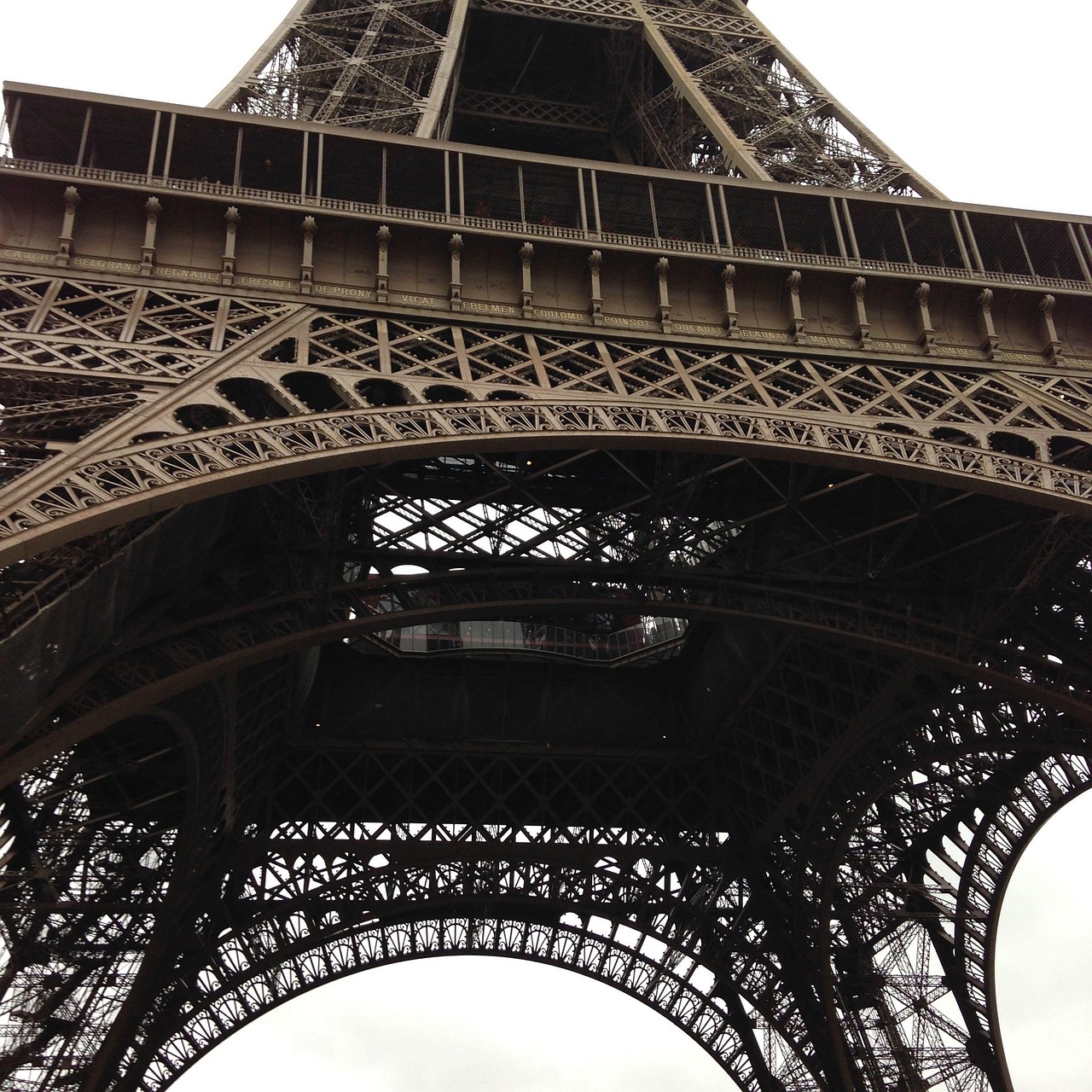
Construction of the Eiffel Tower and the engineering marvel that endured
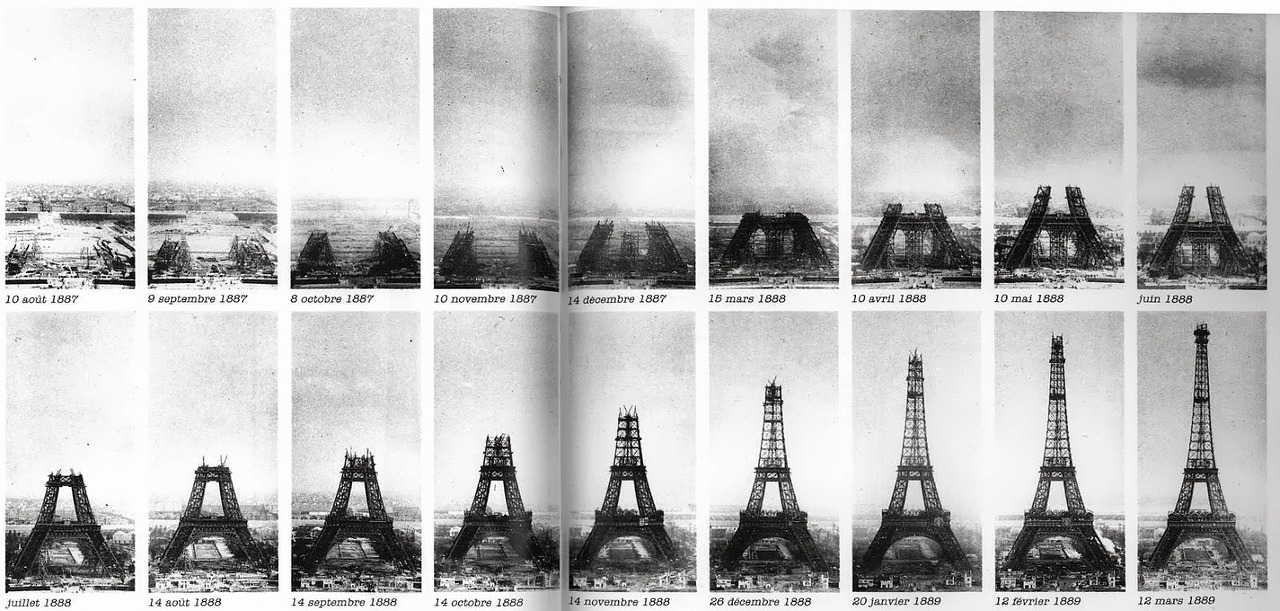
Construction of the Eiffel Tower, engineered by Gustave Eiffel, 300 meters tall, France, is where romance meets rivets—and where an expert guide can offer real insight into how the Eiffel Tower was built. First digging work started on site on the 26th January 1887 (often noted as started on the 26th January or work started on the 26th), with a level of coordination that still feels astonishing. Today, standing beneath the arches in the 7th arrondissement of Paris, you can almost imagine the site noise and the precise choreography of labour.
Even in a city full of beauty, the Eiffel Tower reads as a veritable technical feat—at times, a veritable technical wonder—because it was assembled with discipline rather than guesswork.
Precision, people, and why it reached the world’s tallest status
The tower’s assembly is full of key information that guided tours love to unpack: 300 workers on site, metal pieces prepared with extreme accuracy, and on-the-spot fitting that relied on careful measurement. When it topped out at 300 meters high (984 feet), it became the world’s tallest man-made structure of its time—an unmistakable tallest marker in an age hungry for records.
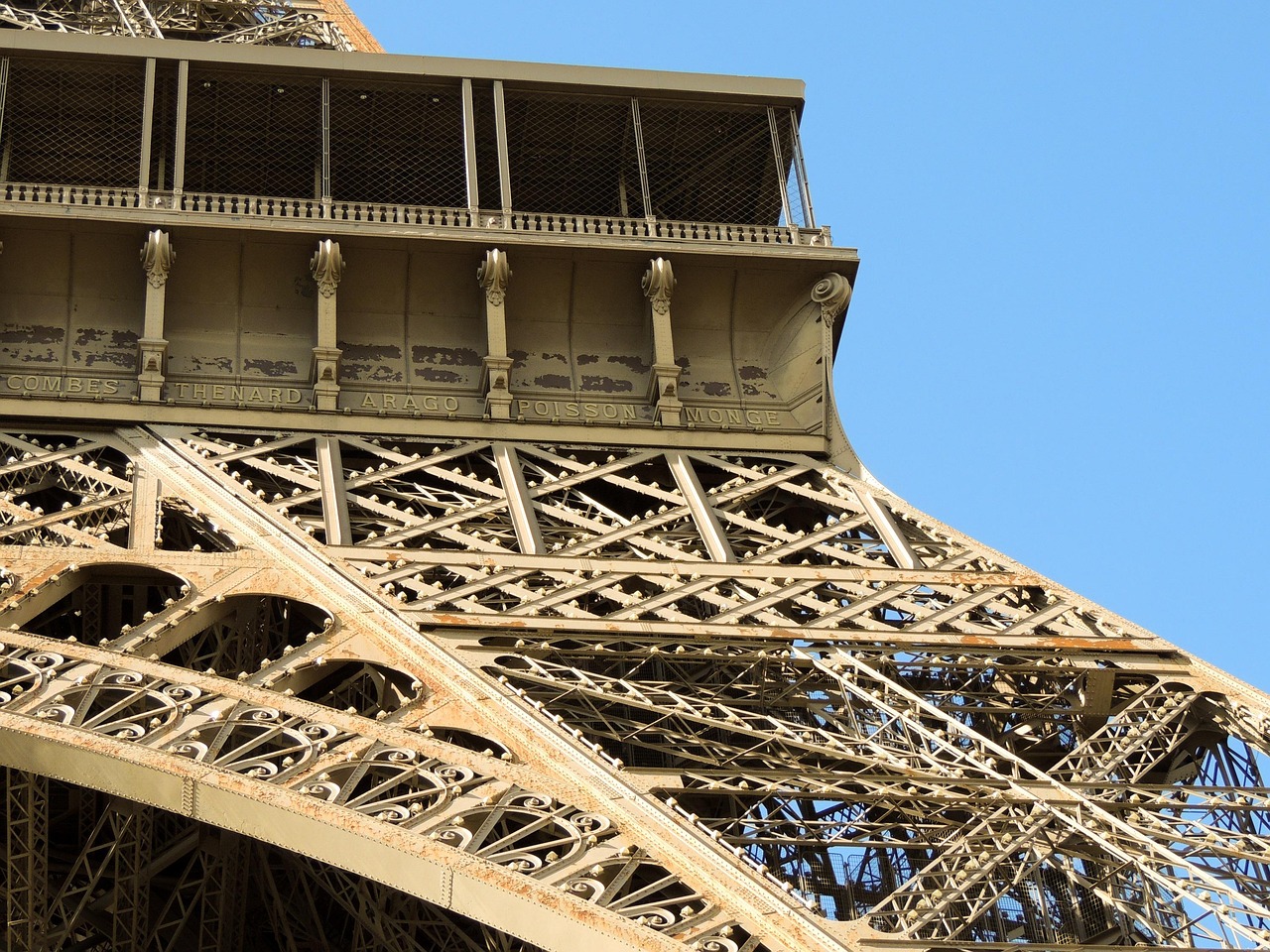
For travellers who like to uncover “how it works”, look for the stories of stability: the curve of the legs, the distribution of weight, and the thousands of rivets that hold the iron lace together. Above, the antenna extends function and height into modern relevance, proving the Eiffel Tower was never just about looks.
How the tower served, survived, and stayed alive through maintenance
Planned as a showpiece for an exposition, the Eiffel Tower quickly proved useful. During the First World War, the tower served communications roles that helped protect the city, and that practical value helped secure its future when temporary structures often vanished. In another twist of identity, it even served as the entrance gateway—effectively a grand threshold—welcoming visitors into the exhibition grounds.
Its endurance is also physical: the tower’s ongoing care includes inspections, restorations, and a regular repaint cycle that keeps the iron protected. Knowing it must repaint over the decades reframes the experience—this isn’t a frozen relic, but a living landmark continually renewed.
- Look closely: rivet lines reveal how parts were joined with precision assembly.
- Ask an expert: guides can point out wind-bracing logic you’d never spot alone.
- Notice the feel: the higher you go, the more the structure seems to hum with intention.
Eiffel Tower history for a seamless visit with tickets, stairs or elevator and the best time in Paris, France
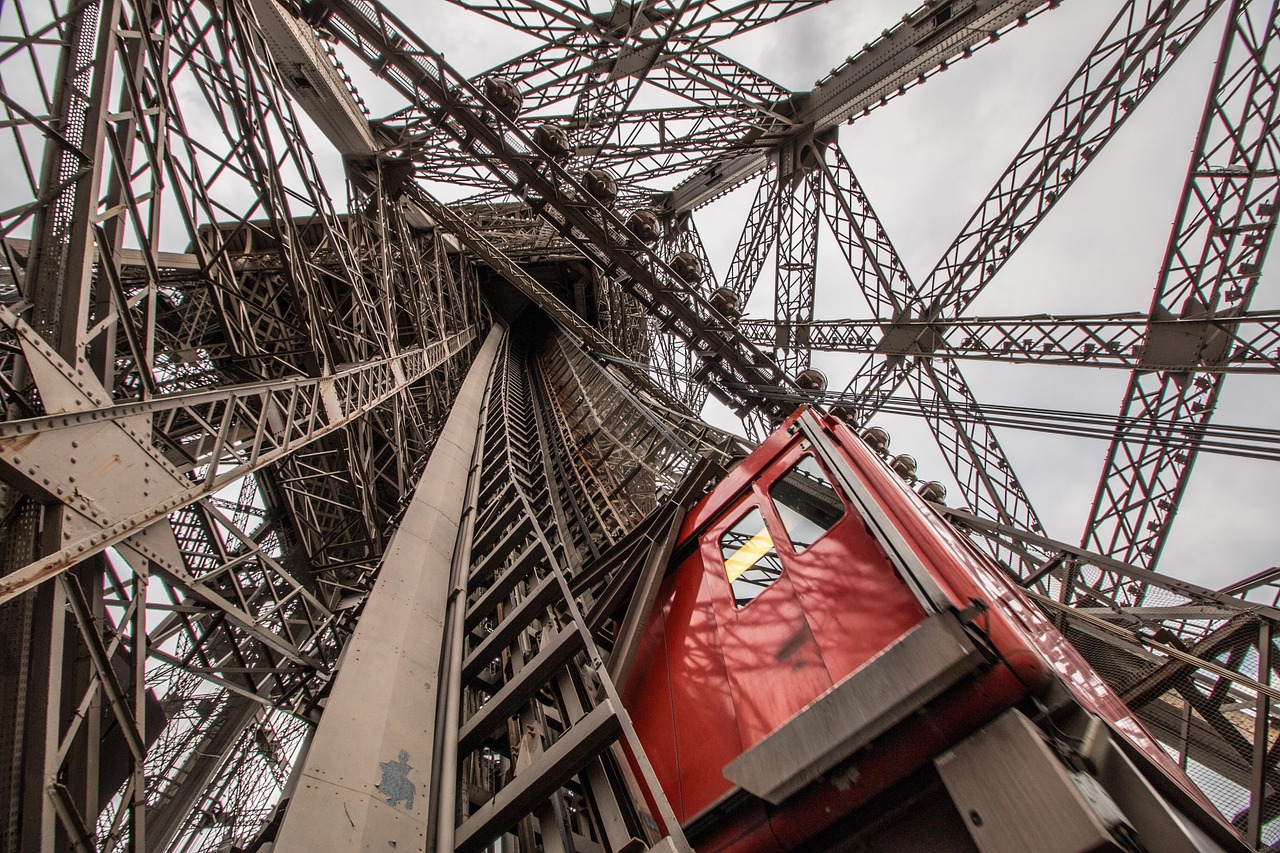
Eiffel Tower history meets practical planning for a seamless visit
Visit the Eiffel Tower, Paris, France, tickets, stairs, elevator best time is the practical side of Eiffel Tower history—and it’s where a little planning offers real support. For cooler temperatures and fewer queues, early morning or late evening tends to feel kinder, especially if you’re travelling in warmer months. When you design your day around a timed entry slot, the whole experience becomes more seamless, leaving you space to explore the neighbourhood and return for that perfect view.
High-end travel isn’t about rushing; it’s about moving together with the city’s rhythm, with confidence and care.
Tickets, timing, and flexible calm
Buying tickets online in advance is the simplest way to reduce uncertainty. Ticket prices vary by access level, and summit access is typically the most expensive—worth it if the top platform is part of your personal “I did it” story. If you’re juggling a busy Paris itinerary, choose a time slot that leaves breathing room; the Eiffel Tower rewards unhurried attention.
As you plan, remember that security screening can take time. A warm, polite approach to staff, and having your essentials easy to present, helps you move through with quiet ease.
Getting there, classic viewpoints, and the stairs decision
Getting there is straightforward: metro lines 6 and 9 are the local favourites, with Bir-Hakeim and Trocadéro offering those classic photo angles that feel wonderfully cinematic. If you have the time, approach on foot along the river for a gradual reveal that makes the first sighting feel earned.
For adventure seekers, the stairs-versus-elevator choice is part of the story. Stairs give you a more physical challenge and close-up views of the structure; the elevator is smoother and often better if you’re conserving energy for an evening out. Either way, comfortable shoes and a windbreaker help at higher levels, and pickpocket awareness in crowds keeps your focus where it belongs—on wonder.
Eiffel Tower, exhibitions, museums, Jules Verne restaurant, and light shows in Paris
Museums, dining and light shows that elevate the Eiffel Tower experience
Eiffel Tower, exhibitions, museums, Jules Verne restaurant, light show, Paris, France, is where culture becomes atmosphere. Beyond the views, the Eiffel Tower has onsite displays that bring the story into focus—construction artefacts, evolving symbolism, and small details that help you uncover how a controversial project became a beloved monument. For a cultural enthusiast, it’s the satisfying layer beneath the spectacle.
And for an adventure seeker, it’s a reminder that the boldest experiences often mix adrenaline with understanding.
Exhibitions that make the tower’s story feel close
Pause to explore the curated exhibits that explain the Exposition era, the public debates, and how Parisians learned to live with this new silhouette. You’ll often see references to March 1889, when the finishing touches were being celebrated, and you’ll hear why 31st March 1889 (also noted as March 31st, or simply March 31) mattered as a symbolic opening moment. Those dates are more than trivia; they anchor your visit in time, connecting you to 1889 as a lived experience rather than a textbook line.
A crafted evening of dining, sparkle, and a different angle
If you can, create a crafted evening: time your ascent for blue hour, take your photos with patience, then stay as the light shows begin and the tower shimmers on the hour. The sparkle is famous for a reason—it’s a gentle kind of magic that doesn’t feel forced.
Dining can be a destination in itself. A meal at the Michelin-starred Jules Verne on the second floor turns the Eiffel Tower into an intimate setting, not just a viewpoint. Reserve well ahead, dress in comfortable elegance, and let the room’s calm luxury balance the exhilaration outside the windows.
For a final shift in perspective, consider a sunset river cruise to see the illuminated structure from the water. From that angle, the Eiffel Tower feels both distant and deeply present, as if Paris is quietly performing just for you. For deeper storytelling, an expert-guided tour adds context you can’t get from signage alone—and turns facts into insights you’ll remember.
- For skyline shots: linger on the second level for a balanced view of rooftops and landmarks.
- For calmer flow: move a little away from the busiest railings—small shifts can transform your pace.
- For a magical finish: watch the sparkle from a spot where you can pause without feeling hurried.
If you’d like to explore France with the same sense of design and care, you can browse our Trip gallery and imagine what comes next.
F.A.Qs
What is the story behind the Eiffel Tower?
The Eiffel Tower was created for the 1889 exposition in Paris, a bold project led by Gustave Eiffel that was initially debated and criticised. Over time, it shifted from a temporary showpiece into a beloved symbol of France, admired for both its design and its cultural meaning.
What are 5 interesting facts about the Eiffel Tower?
It was built with remarkable precision in 1889; it became the tallest structure of its era; it has multiple public levels with different viewpoints; it is regularly maintained through repainting; and it welcomes around 7 million visitors each year, making it one of the most visited monuments in the world.
Is it still illegal to photograph the Eiffel Tower at night?
Taking a personal photo is generally fine, but the nighttime illumination display involves lighting design that can be protected by copyright for commercial use. If you’re a traveller sharing memories, you can enjoy the sparkle with ease; for professional or commercial projects, it’s wise to check usage rights.
Who built the Eiffel Tower, and how long did it take?
Gustave Eiffel’s company built the tower, with designers like Maurice Koechlin, Emile Nouguier, and architect Stephen Sauvestre contributing to its final form. Work began in 1887, and it was completed in time for the 1889 exhibition—an impressively fast build for such a complex structure.
Final Thoughts
Eiffel Tower, Paris, France, personal reflection, travel, meaning is hardest to explain right after you leave, when your ears still carry the wind and your hands still remember the rail. Later, what returns is the quiet after the climb: Paris settling beneath you, softer than expected, as if the city has exhaled. The Eiffel Tower, for all its fame, gives you a private kind of stillness—an invitation to look at your own life with more space around it.
In that stillness, the history of the Eiffel Tower doesn’t feel distant. It feels like courage made practical: the patience to build, the humility to maintain, and the imagination to let an iron idea become a place people love. The tower’s story matters because it proves wonder can be engineered and felt at once—and that travel can give us a new language for ourselves, without demanding we chase anything louder.
What stays, in the end, is not a checklist but a feeling: that you stood inside an idea and looked out over Paris, and something in you widened a little. The iron lady remains—patient, luminous, and quietly ready whenever France calls you back to wonder.