Best food in France: how to eat in France and what to must try
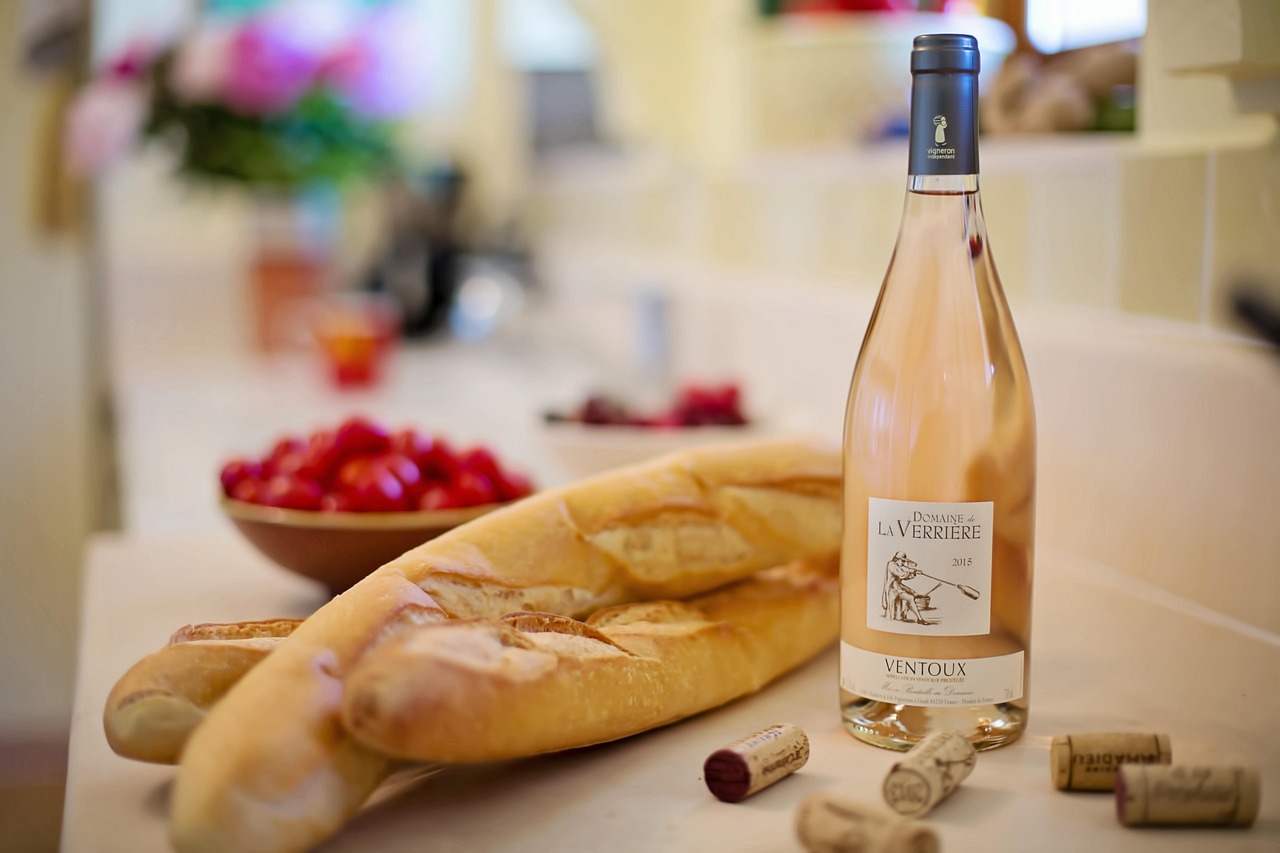
Best food in France and how to eat in France in a vineyard setting
If you’re searching for food in France, start by letting go of the idea that there’s one single “correct” plate. The joy of food in France is that each region of France offers its own comfort, pride, and rhythm, yet the mood stays reassuringly familiar: good ingredients, careful technique, and time to linger. Typical food in France often looks simple at first glance, but it is quietly crafted—sauces reduced with patience, vegetables cooked until sweet, and bread treated like a small daily ceremony that travellers quickly recognise as traditional French food.
Think of any French dish as a balance of three things: a core ingredient (duck, fish, mushrooms, lentils), a sauce or seasoning that shows care, and a side that makes it feel complete. In Normandy, you may see cream and apples; in Provence, tomatoes and herbs; in Alsace, warming plates that suit cooler evenings. This is the world of French cooking at its most human—less about performance, more about trust in the process and the quiet confidence of a well-run kitchen.
French food foundations: cheese, croissant, baguette and French cuisine rituals
Early in your trip, uncover the foundations that anchor everyday meals without overwhelming your schedule. These are the small pleasures that make mornings and in-between moments feel generous, whether you’re travelling as a couple or keeping children happily fed between museums.
- Cheese as a daily choice: ask for a “plateau de fromages” to sample a few styles with calm guidance from the staff, and notice how each cheese tells a story of place.
- A warm croissant at a neighbourhood bakery where the first bite feels unmistakably flaky.
- A simple baguette—still warm—paired with butter and a little jam; this bread is a French staple you’ll keep craving long after you fly home.
- A bowl of soup when the weather turns, often served with bread and quiet kindness.
- A classic dessert moment—your first real French dessert, such as crème brûlée or a fruit tart—where restraint is part of the elegance.
What makes French cuisine feel quintessentially French isn’t just the ingredient list—it’s the respect for structure. Meals tend to have a beginning, a middle, and an unhurried end. Even a quick lunch can feel like a small ritual, and that rhythm is a gift for travellers who want to slow down without losing momentum.
Dining in France: French menu tips for bistro vs French restaurant etiquette
To eat in France well, you don’t need fluency—only a warm start and a little courage. Begin with a clear “Bonjour” when you enter; it signals respect and immediately softens the interaction. A French menu may feel dense at first, but you can scan for familiar anchors—grilled fish, roast chicken, seasonal vegetables, or a house speciality described as “du jour”. If you’re unsure, ask, “Qu’est-ce que vous me conseillez ?” and let the recommendation guide you.
Choosing between a bistro and a French restaurant is mostly a matter of mood. The first is relaxed and ideal for classic plates and people-watching; the second can feel more formal, with longer pacing and more detailed service—perfect when you want something designed as an evening rather than just a meal. Either way, your calm presence and basic phrases create an easy connection with French people who are often genuinely pleased when you try.
For practical details, keep euros and small notes handy, as markets and smaller places may prefer cash for small bills. Tipping is modest: around 5–10% if service isn’t already included, always with care rather than display. Dining in France also values consideration—voices are lower, and conversations feel intimate rather than loud.
If you want a gentle first-day anchor, consider food tours once you’ve arrived. They give you context, local insight, and a friendly bridge into culinary heritage—so you can explore with confidence for the rest of the trip, knowing what you’re ordering and why it matters. It’s one of the quickest ways to feel supported, especially if you’re arriving jet-lagged and hungry.
Food in Paris: best local bistro picks and classic French food
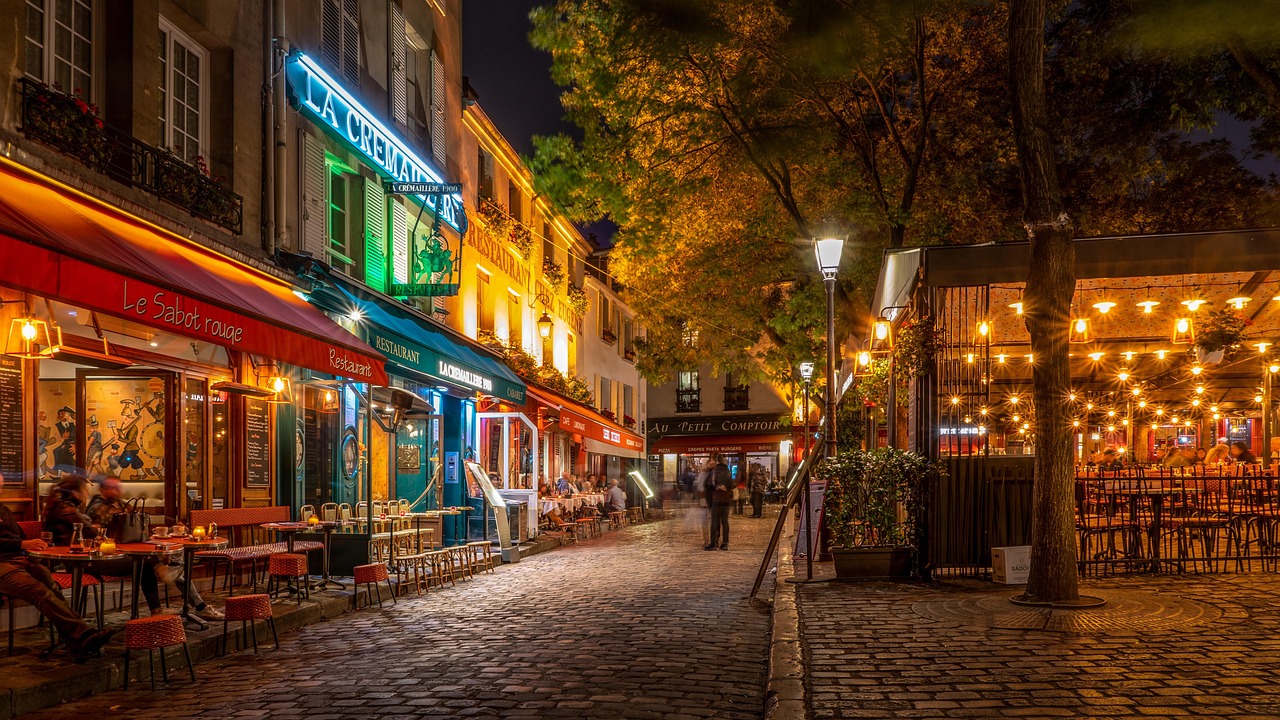
Food in Paris bistros markets and romantic classics in a Paris street scene
If your search is for food in Paris, you’re really looking for a feeling: that first evening when the city seems to glow, and dinner becomes part of the view. Parisian dining has a different pace than many travellers expect. Tables are often yours for the night, courses arrive in calm sequence, and lingering isn’t rude—it’s the point.
To enjoy it, design your day so dinner doesn’t feel squeezed. Arrive a little earlier than you would at home, especially if you’re travelling with family, and let the evening unfold. You’ll notice the city’s confidence in simplicity: good bread, a glass poured with care, and a small moment of connection when the waiter checks in at just the right time.
Paris brasserie favourites: croque monsieur, soupe à l’oignon and snail
Start with dishes that feel familiar, then gently stretch into something new. A croque monsieur is a comforting choice—ham and cheese with béchamel sauce, baked until golden. For something deeply Parisian, try soupe à l’oignon, a famous French starter often finished with cheese on top, which stretches with every spoonful. And when you’re ready for a true slow-cooked classic, coq au vin brings tenderness, depth, and tradition without fuss.
If you’ve always been curious, escargot can be a surprisingly easy yes: snail is usually served sizzling with garlic butter and parsley, more about aroma and texture than anything confronting. The key is to order it in a place that looks quietly confident—busy, but never chaotic—and to trust that the kitchen has done this a thousand times.
Marché d’Aligre picnic planning: French cheese, pastry and a baguette
One of the most joyful ways to discover Paris is with a market morning. At Marché d’Aligre, you’ll see seasonal fruit, bright vegetables, and stalls piled with French cheese, olives, and charcuterie. Go early, greet each vendor with a “Bonjour”, and choose with your senses rather than a checklist. This is where you can build a picnic that feels high-end, not because it’s expensive, but because it’s fresh and personal.
For a simple picnic, choose a baguette, a soft cheese, and a piece of pastry—perhaps something with fruit or a small tart. Add sparkling water or a light bottle of wine, and you’ve created a meal that fits between museums without feeling like a compromise. Families often love this because children can try small bites at their own pace; couples love it because it feels spontaneous, yet beautifully crafted.
A couple once told us their most romantic Paris memory wasn’t a grand dining room, but a candlelit boat along the Seine. They described the city lights as the courses arrived—quiet, unhurried—and how a red wine sauce on their main dish made the whole moment feel like French love in edible form. Nothing was forced, and that’s the secret: romance works best here when it feels effortless.
For high-end travellers who want something intimate, book a chef-led tasting in advance. Paris has contemporary French dining that still honours tradition, and the best experiences feel personal: fewer tables, calm pacing, and service that reads the room. Reserve early for peace of mind, and you’ll step into the evening already relaxed.
Lyon: best traditional bouchons, many traditional dishes and local comfort
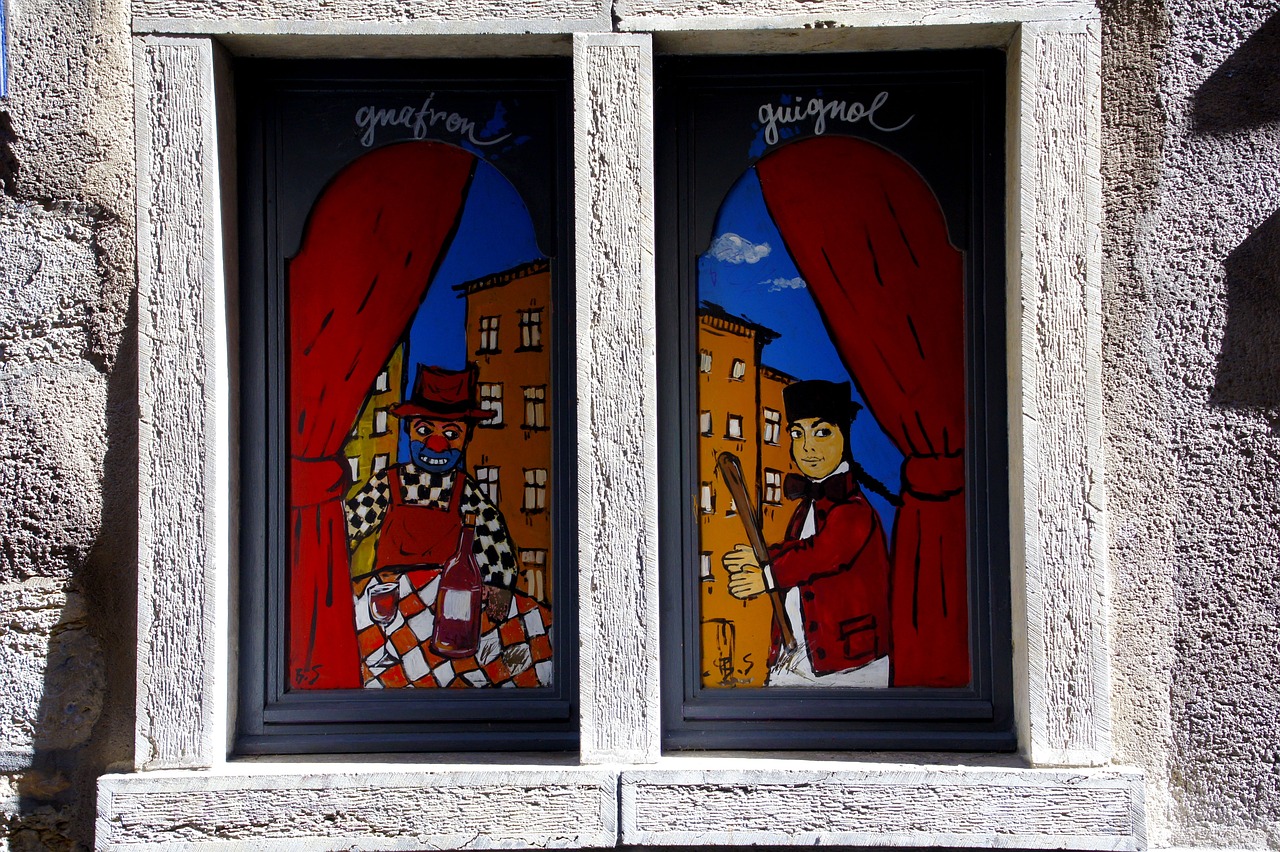
Lyon traditional French food and best local bouchons along the rivers
For travellers seeking Lyon’s warm, food-first neighbourhoods, the city offers something rare: serious gastronomy that still feels accessible. Often called the gastronomic capital of France, it’s where lunch matters, markets are lively, and the best meals are sometimes found on modest streets rather than grand boulevards. If Paris is theatre, Lyon is craft—steady, generous, and quietly proud, with cheese and sauces woven into everyday life.
To explore like a local, aim for a bouchon at lunch and choose the set menu for value without decision fatigue. Neighbourhoods like Presqu’île and Vieux Lyon are classic starting points, but the most important cue is simple: a place that feels comfortably full with a low hum of conversation. That’s a popular dish being enjoyed, not a tourist performance.
Best traditional bouchon fare: quiche, gratin and shared plates
In a bouchon, many traditional recipes are designed for pleasure and togetherness. You might see a silky quiche served with salad, a rich gratin bubbling in a small dish, or hearty traditional dishes that arrive as if the kitchen is feeding a family. The joy is in the warmth: butter, slow cooking, and sauces that carry depth without shouting—delicious French comfort at its finest.
If you’re wondering how to spot a good lunch address without feeling rushed, look for small signals: a short menu written clearly, locals arriving in pairs, and staff who greet you with steady confidence. Service can be efficient, but it’s rarely cold—especially if you begin politely and meet the room at its pace.
Cheese in France: camembert, reblochon and a simple cheese course
When it comes to cheese in France, Lyon is a brilliant place to expand your palate without pressure. A cheese course is commonly offered after the main dish; if you’d like one, simply say you’d like “fromage” when asked about dessert. You might be offered camembert—creamy, familiar, and approachable—or something mountain-born like reblochon, which feels richer and more savoury.
Ordering a cheese course is also a gentle lesson in French culture: it’s not about quantity, but about a small, focused pleasure. Eat slowly, sip water or wine, and notice how the flavours change as the cheese warms slightly at the table.
For families, Lyon can be surprisingly easy. Start children with gentle flavours first—an omelette, a mild soup, a buttery pastry—and let them taste from your plates rather than ordering something unfamiliar just for them.
- Choose a mild cheese first, then offer a second bite later when curiosity returns.
- Share a quiche and salad so children can nibble confidently.
- End with a simple dessert and a warm drink, keeping the meal relaxed and unhurried.
When you have an extra day, point yourselves towards the nearby countryside for a slower pace—small producers, calmer roads, and a chance to uncover the link between landscape and the plate. It’s a quiet extension that deepens your sense of place without adding stress.
Wine tasting in France: Bordeaux, Burgundy region and Loire Valley French wine route
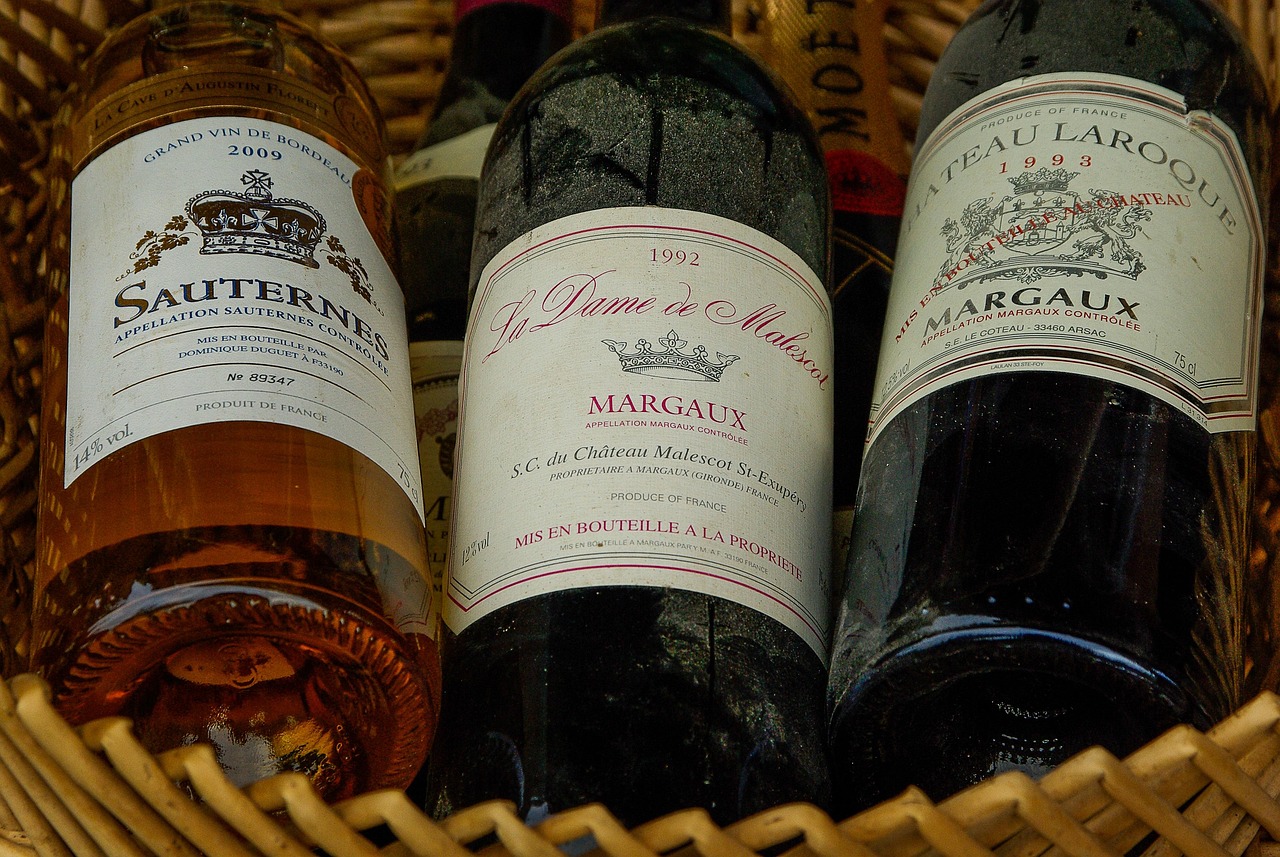
Wine in Bordeaux plus Burgundy and Loire valley tastings among vineyards
If you’re planning a wine-tasting route through Bordeaux, Burgundy, and the Loire Valley, the key is to design days that feel seamless rather than frantic. Bordeaux makes an easy base: the city is elegant, day trips are simple, and the châteaux are well set up for visitors who want both insight and comfort. From there, you can extend into the Burgundy region for depth, then contrast it with the freshness of the Loire (Loire) if time allows.
For high-end travellers, the most luxurious detail is often pacing. One château visit with a thoughtful guide can be more satisfying than three rushed tastings. Allow time for lunch, a walk through the vines, and a quiet pause so the day feels crafted, not crammed—especially when the day includes a good glass of wine.
How to talk about wine with confidence at a château
You don’t need jargon to enjoy wine. At a tasting, focus on three simple cues: how it smells, how it feels on the palate, and what food you imagine with it. A guide may offer flavour notes, but you can keep it human: “I like this because it feels fresh,” or “This has a deeper finish.” If you prefer red wine, say so; if you’re curious about white wine, ask for a comparison.
At a château visit, expect a warm welcome, a short story of the estate, and often a cellar tour where barrels quietly do their work. The best hosts translate complexity into comfort, and that’s where trust grows—especially when the experience includes a small plate designed for pairing with wine.
Food and wine pairings: foie gras, duck confit and boeuf bourguignon
In this region, food and wine pairing is part of the pleasure. Look for foie gras served simply, where texture and balance matter more than drama. Try it with something bright, or with a glass that softens its richness. You may also encounter duck confit, a confit speciality with crisped skin and tender meat—comforting, substantial, and beautifully suited to a structured red.
Don’t overlook the quieter pairings, either. A simple tart can be the perfect counterpoint to a bold glass, and a savoury tart at lunch often makes tasting feel steadier. These small choices keep the day grounded, which is exactly what makes it feel high-end.
If you extend your route, the Burgundy region of France offers flavours beyond the glass. Boeuf bourguignon (often shortened to bourguignon) is a classic: slow-cooked, glossy, and deeply satisfying, often finished with a sauce enriched by local wine. This is also where Dijon mustard slips into sauces and everyday plates, adding gentle heat and brightness.
For a refined highlight, consider an exclusive chef’s table dinner where the room is calm, and the service reads your pace. Dress codes are usually smart-casual to formal—check when you book, and reserve early so the evening feels effortless. If you enjoy a final flourish, a small glass of cognac after dinner can be a quietly classic way to close.
If you’d like to browse curated routes and get inspired by what a well-designed trip can look like, our Trip gallery is a beautiful place to start dreaming.
Southern France: local markets, pastry, cheese festivals in Provence, Périgord and Alsace
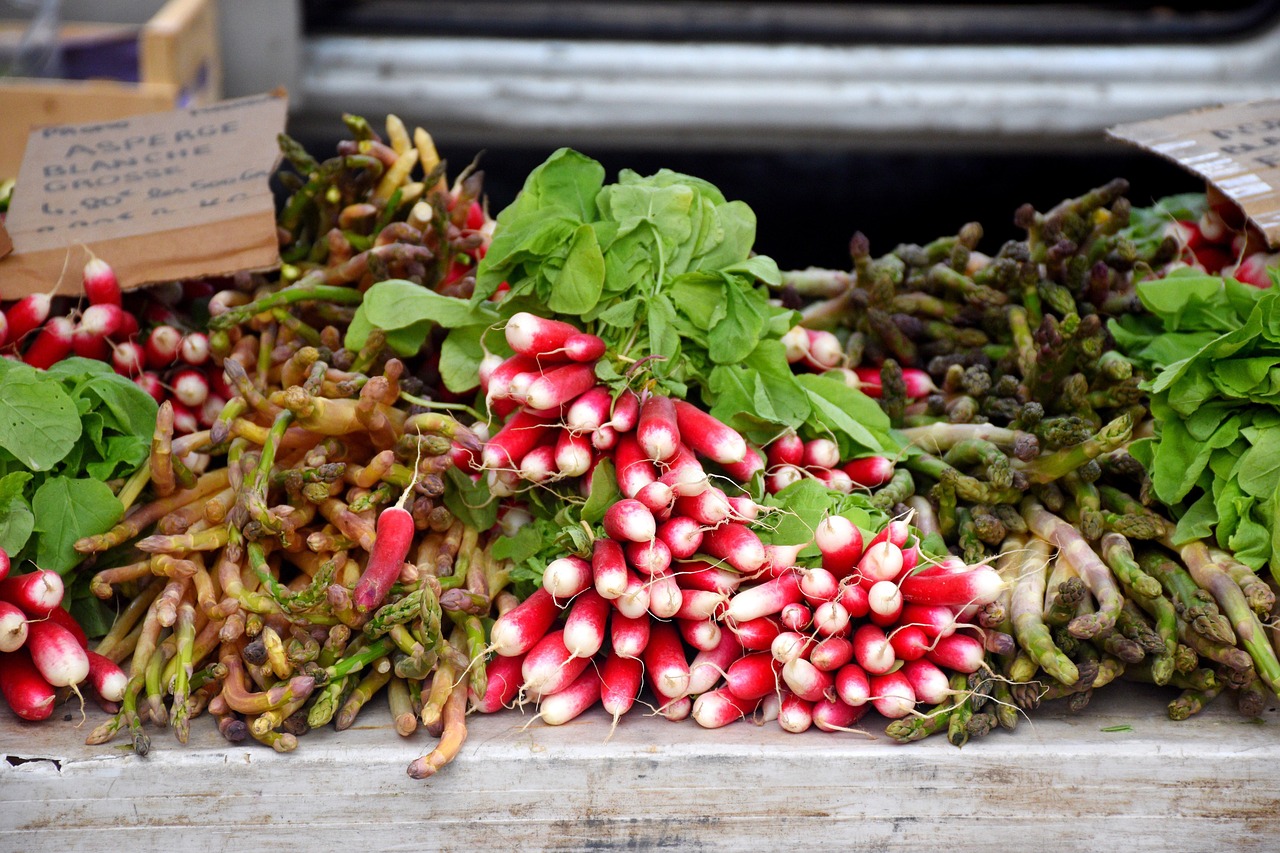
Southern France markets festivals and hands-on French cooking with fresh produce
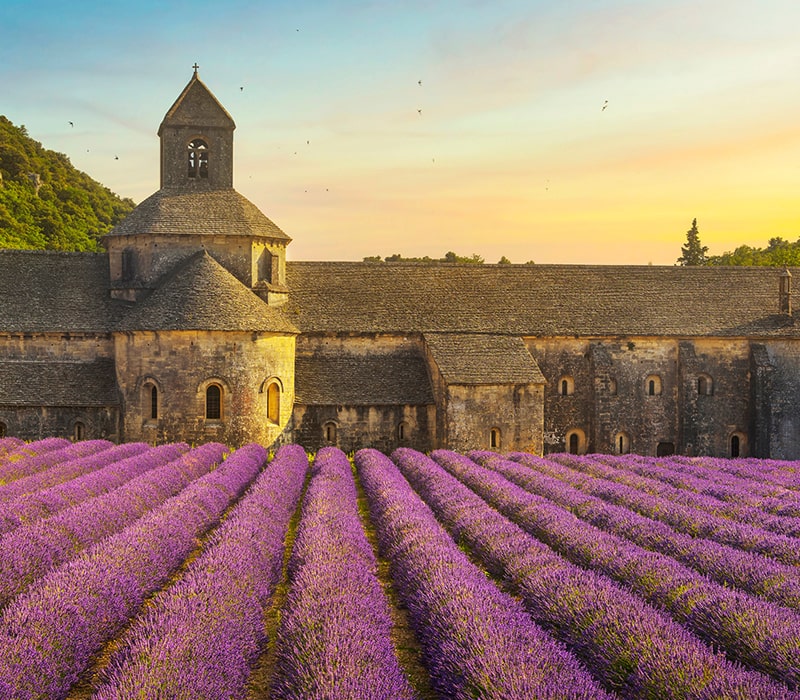
When travellers search southern France markets, pastry, and cheese festivals across Provence, Périgord, and Alsace, they’re often longing for colour, scent, and that relaxed sense of time you can’t fake. This is where a trip to France can feel like it’s been designed around your senses: lavender on the breeze, ripe tomatoes in a bowl, and a market vendor pressing a taste into your hand with a smile.
It’s also where families, in particular, find their rhythm. Days can be built around a morning market, a long lunch, and a gentle afternoon rest—then a second, smaller adventure before dinner.
Provence cooking classes: a hands-on cooking process for families
In Provence, hands-on cooking classes are a gift because they create memories you carry home. One family shared how their children learned the cooking process behind ratatouille—chopping vegetables carefully, smelling herbs, and understanding why each step matters. Later, the same children shaped baguette loaves with flour-dusted pride, watching them rise and brown in the oven like magic.
These experiences support everyone at the table: adults get expert guidance, children feel included, and the meal becomes personal rather than performative. It’s also one of the most reassuring ways to travel when you want connection, not just consumption.
Sweet treats and a pastry trail: macarons, Paris Brest and tarte tatin
Sweet treats are woven into daily life, and French pastry isn’t only for grand pâtisseries. Keep a gentle trail in mind: flaky mornings with a croissant, then small afternoon indulgences when you pass a bakery window that’s impossible to ignore. Try macarons in classic flavours, and look for choux pastry filled with cream for something light yet satisfying. The Paris Brest is a beautiful option when you want a richer bite, with nuttiness and softness in equal measure.
For something unmistakably French, seek out tarte tatin, the upside-down caramelised apple tart that feels both rustic and refined. You’ll also find a simple fruit tart in almost every town—fruit arranged neatly, sometimes with a glaze that catches the light. And if you see a savoury tart sprinkled on top with herbs or cheese, it can make the easiest lunch alongside salad.
Seasonal celebrations add a different kind of sparkle. The Truffle Festival in Périgord invites you to uncover earthy flavours and local stories; the Lavender Festival in Provence is more about atmosphere—fields, scent, and a sense of wonder. Plan dates gently, and leave space in your itinerary so festivals feel joyful, not stressful.
For solo travellers, Alsace can feel like a warm embrace. Small-town cafés often offer easy conversation, and locals may share regional recipes with care if you show interest. One solo traveller described being welcomed into a quiet corner table, offered advice on what to order, and leaving with a new sense of trust in the kindness of strangers. On cooler evenings, a cosy brasserie serving seafood can be perfect; a bowl of mussels with bread and a glass of wine feels both grounding and celebratory.
To keep everything seamless, use France’s train network to move between regions—book tickets in advance for better options and calmer travel days. Markets are happiest with cash, so keep euros ready. And a few phrases—“Bonjour”, “s’il vous plaît”, “merci”—build connection quickly, reminding you that confidence often begins with the smallest courtesy.
- Travel in spring or autumn for pleasant weather and fewer crowds.
- Carry small bills for markets and casual lunches.
- Keep conversations gentle in eateries, and tip modestly when service isn’t included.
F.A.Qs
What food is popular in France?
Popular food in France often starts with everyday favourites: a warm baguette, market fruit, and a simple board of cheese. In cities, you’ll also see popular French comfort plates like onion soup and coq au vin, and in the wine-growing countryside, richer pairings such as foie gras and confit alongside a well-chosen glass of wine.
What are the 10 most common foods in France?
A practical “top 10” usually includes baguette, croissant, cheese, soups, quiche, roast chicken, seasonal salads, simple charcuterie, fruit tarts, and classic slow-cooked stews. Your list will vary by season and region, but these are favourite French starting points for first-time visitors.
What is a traditional French food?
A traditional French food is usually a time-tested recipe rooted in a place, using local ingredients and familiar techniques such as slow cooking, careful sauces, and seasonal produce. It can be as simple as bread and cheese, or a long-simmered stew served with a glass of wine, often enjoyed with an unhurried sense of occasion.
What are the top 10 French foods?
Many travellers consider the top choices to include croissant, baguette, cheese, coq au vin, escargot, foie gras, duck confit, buttery quiche, a caramelised apple tarte tatin, and a fresh fruit tart. The “best” list is personal, and the most memorable picks are often the ones tied to a moment, not just a recipe.
Leaving France—what stays on your palate
Leaving France rarely feels like closing a book. It feels more like placing a bookmark—because the flavours follow you, quietly, into ordinary days. You might remember the scent of warm bread on a side street, the way cheese tasted different when it was produced in France, or the pause before the first sip of wine when the table went briefly still. These details are small, yet they hold the real luxury: presence—and the afterglow of delicious French memories.
What stays with you is often the care you felt in simple rituals. A server who waited for your “Bonjour” before beginning; a bakery queue that moved with calm patience; a café where you sat alone but never felt lonely. Couples carry the softness of shared evenings; families carry the togetherness of learning, tasting, and laughing; solo travellers carry the quiet confidence that comes from being welcomed without needing to perform.
Long after you’ve unpacked, you may find yourself recreating a moment without intending to: choosing a better loaf, lingering over a dessert, or turning dinner into something a little more intentional. In that sense, French culture becomes less of a destination and more of an ongoing permission to slow down, to notice, and to let pleasure be uncomplicated. And somewhere in the background, France keeps unfolding—ready when you are to discover it again, slowly.